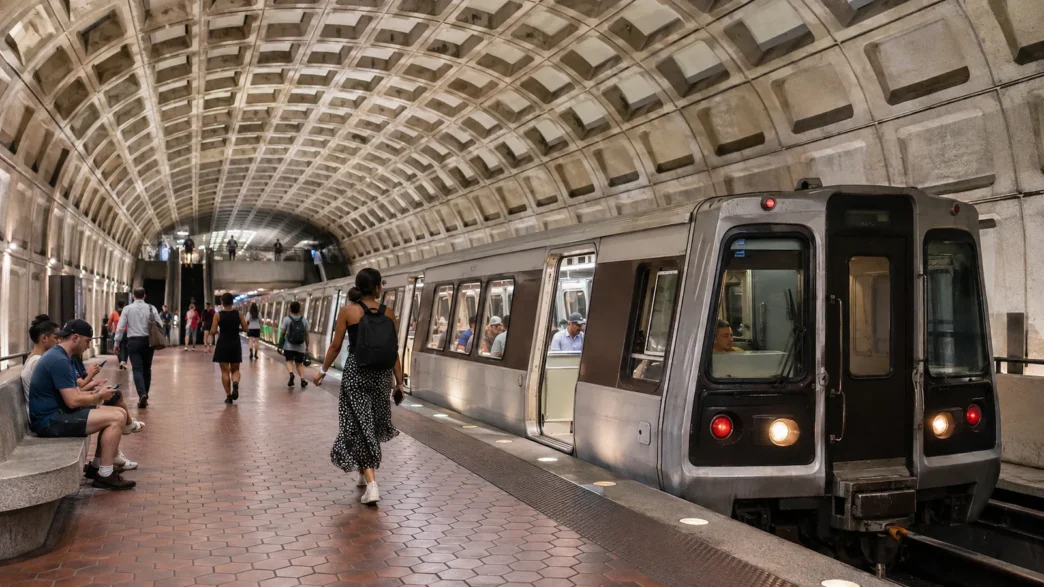
這 Washington DC transportation guide starts with a simple rule. Take Metrorail for the long leg, walk a compact set of sights, and use Metrobus when the nearest station leaves an awkward gap. Start your journey from the hotel door and finish at the actual museum entrance. Both can be farther from a station than the district label suggests.
💡 先看重點
- Use Metrorail for cross-town trips, DCA and IAD. Keep BWI’s separate rail ticket and shuttle in your arrival plan.
- Use one contactless card or device per paying rider. On Metro Rail, use the same one at entry and exit.
- Stay flexible at the Mall, at Georgetown and after dark. Add one easy return route for the day you are tired or rail work changes your plan.
一分鐘速覽
- Metrorail: best for longer trips and airport access. Ordinary fares vary by distance and time.
- Metrobus: best for places where rail leaves a gap, especially Georgetown.
- 步行: best for one part of the Mall or a handful of sights in one neighborhood.
- Capital Bikeshare: useful for confident riders making an outdoor hop and able to use a dock at both ends.
- Potomac Water Taxi: an optional waterfront experience with its own schedule and ticket.
實用貼士
- Use the actual museum name and entrance. Smithsonian station serves part of the Mall. If visiting the Capitol or the Portrait Gallery the right exit can be somewhere else.
- Put a quadrant in each saved address. Washington uses NW, NE, SW and SE. Save the exact letters for hotel, restaurant and museum pickups.
- Check for temporary rail work. The official planned track work list can change your weekend or late trip. Recheck Metro alerts when using a connection to catch a plane or reserved train.
- Compare the cost of the actual trips. The WMATA visitor guide lists an unlimited day pass for $13.50. For two short rides in opposite directions, pay-as-you-go usually makes more sense. Check eligible transfers and time restrictions instead of pricing every leg twice.
- Use an easy rain return. Save a station with a short, accessible walk to your door or a realistic pickup point. A surface walk that looks fine without bags can feel much harder during a sudden shower.
Washington DC Transportation Guide by Mode
🚇 Metrorail for cross-town journeys and the airports
Rail fare by distance and time · tap on and off · verify elevator status
The new-rider guide lists ordinary rail fares from $2.25 to $6.75. Use the Trip Planner for your specific travel time and fare. For a pay-as-you-go trip, tap a supported contactless card or phone wallet or use SmarTrip. Use the same one at exit.
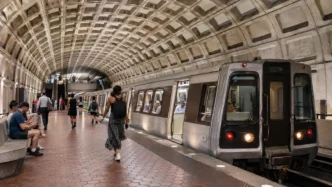
Follow the station display as well as the color. Trains running on the same platform can split later. Use a DC-bound Silver Line train from Dulles. At DCA, Yellow and Blue go to different parts of central Washington. For BWI, use the regional connection rather than trying to locate a BWI stop on the DC rail map.
When traveling with children, check the WMATA family fare guidance. It states that up to two children under five ride free with each fare-paying adult. Keep a separate payment option for each other rider, and check in advance that any elevator on the needed route is operating.
✅ 旅客怎麼說 A visual ride-through gives a usable look at finding the train direction before entering the platform.
⚠️ 要留意的地方 Some stations serve several lines and exits. Follow the destination display, and tap the exact device used to start the rail trip.
🚌 Metrobus for Georgetown and short gaps in rail coverage
Regular bus $2.25 · tap on boarding · check current routes
Use Metrobus when a station close enough on the map creates a long surface gap. Georgetown is a good example. Check the D80 and D82 timetable and current trip planner for your part of the neighborhood, including the correct direction and transfer stop.
WMATA lists a $2.25 regular Metrobus fare. Express and other regional services can differ. On Metrobus, tap when you board. The Tap. Ride. Go. page explains transfer discounts for eligible trips when you keep using the same payment method.
Use the actual stop code or street corner and check where the bus drops you. If you have an appointment, leave time for traffic. A bus can improve a west-DC trip while still being a poor fit for a very tight connection.
✅ 旅客怎麼說 The clip shows buses using real street approaches in two neighborhoods where a surface connection is often helpful.
⚠️ 要留意的地方 Old travel videos show route numbers and services that may have changed. Check the trip planner rather than following a historic bus itinerary.
🚶 Walking for one stretch of the National Mall at a time
Free outdoor routes · marked crossings · heat, rain and long blocks
Walk within a practical group of sights. The central museums can work well together. Give the Lincoln Memorial and Reflecting Pool their own west-end plan, and keep the Capitol for a separate east-end outing. Use the National Park Service visit guide to identify entrances and temporary diversions.
If you are carrying bags, swap the longest connection for transit or a car. Look for shorter morning routes if the last two miles of the day are likely to be outside. The map’s apparent shortcut can involve a crossing, a climb or a path with no shelter.
Plan the route back from the last stop. If your party has different walking speeds, choose a meeting point at an open place with seating. You may need a second connection when the weather turns or a park access point changes.
✅ 旅客怎麼說 The walk is useful for judging the scale of the open spaces and where a short transit leg could help.
⚠️ 要留意的地方 Do not schedule ticketed entry based only on a walking app’s pace. Leave a buffer for intersections and screening.
🚲 Capital Bikeshare for a short outdoor hop
Dock availability · unlock and per-minute cost · bike-lane route
For a short ride, Capital Bikeshare’s single-trip pricing currently starts at $1 to unlock, plus $0.15 per minute on a classic bike or $0.35 per minute on an e-bike. Confirm the current price, available hardware and any conditions before unlocking.
Map a comfortable route and see where you can end it. For a one-way trip, check your arrival dock has space and keep a second dock as a backup. When returning a bike, verify that the trip ended so the rental meter does not continue.
A bike is a good choice only when everyone wants to ride and can use the chosen path. For a group with several cases, tired children or sudden rain, the bus or a short walk is easier to predict.
✅ 旅客怎麼說 A system walkthrough makes checking availability and confirming the end of a trip easier before you leave.
⚠️ 要留意的地方 Remember the return condition and weather. A short low-cost ride can become a longer paid rental when the only nearby dock is full.
🛥️ Potomac Water Taxi for a planned waterfront outing
Dated ticket · check piers and seasonal schedule · separate from Metro
可參考 operator’s Potomac Water Taxi routes and tickets for the actual day. The service lists routes connecting The Wharf with places such as Alexandria, Georgetown and National Harbor. Confirm which routes run in the season you are traveling and the specific piers.
Choose a water taxi when time on the river is one of the reasons for the trip. Price walking or rail on the return if the boat schedule has a gap. If you want an accessible boarding arrangement, check the operator’s directions for the particular route.
Leave room before a ticketed visit or flight. The walk to the dock, check-in and sailing availability make this a different plan from taking Metro. Keep one ground alternative if weather or a timetable changes.
✅ 旅客怎麼說 The ride video is useful for deciding whether the waterfront journey itself justifies the reservation.
⚠️ 要留意的地方 A water taxi ticket is separate from regular WMATA fares and can have date or vessel limitations.
常見問題
Can I ride Washington Metro without a SmarTrip card? For regular pay-as-you-go trips, Metro takes supported contactless payments. Tap the same card or device at entry and exit on rail. Check SmarTrip requirements if buying a pass or using a discount.
How do I reach Georgetown by public transit? Metrobus is often the simplest option. You can also use Foggy Bottom and walk if the hotel or visit is on the nearer side and the conditions suit you.
Do I need a rental car in Washington DC? Most central museum and neighborhood trips work with rail, bus and walking. Consider a car only when the actual destinations are difficult by transit and you have included parking.
最後的建議
Arrange your first two rail trips and one useful bus route from the place you are staying. Save the full entrance address and check the day’s service before leaving. Let the best part of each district be the walk you choose to do.
Plan your dates with the WMATA network maps and compare your room’s actual station access in the Washington DC hotel listings.
For the next part of the trip, see the Travel Stay Guide 的交通攻略.