💡 Key Takeaways
- Walk the historic center and inner waterfront. Keep the cathedral, market, lower Alcazaba and Muelle Uno on short walking loops.
- Take Line 1 Metro for María Zambrano to Atarazanas, EMT for the eastern shore, and C1 for the airport and the western coast. Each covers a different part of Málaga.
- Choose tickets after counting rides. €1.35 Metro Pay and €1.80 short-zone Cercanías are useful reference fares. City buses, airport buses and coastal trains have their own ticket rules.
This Malaga transportation guide starts with where you want to finish. Atarazanas suits a market visit, Centro-Alameda suits some Soho addresses, and the closest bus stop is a better starting point for a beach lunch in Pedregalejo. Use an ordinary fare for a trial ride if you are unsure what you will actually use. A short trip in central Málaga rarely needs a collection of preloaded travel cards.
The 1-Min Cheat Sheet
- Walk. Use short loops between the market, cathedral, port and central beach. Save motor transport for luggage, longer shore trips or Gibralfaro’s hill.
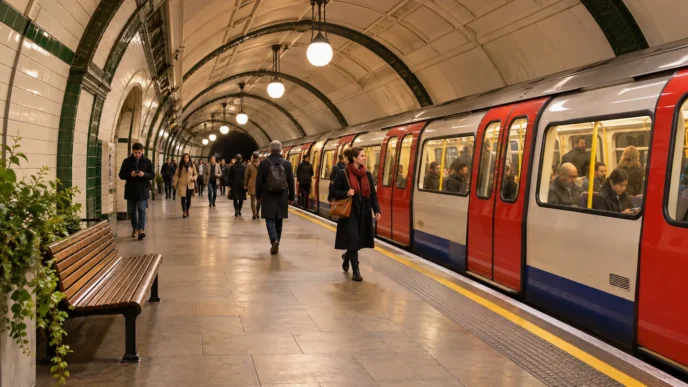
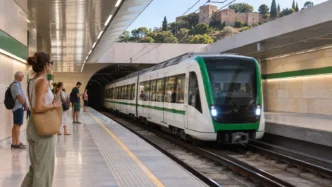
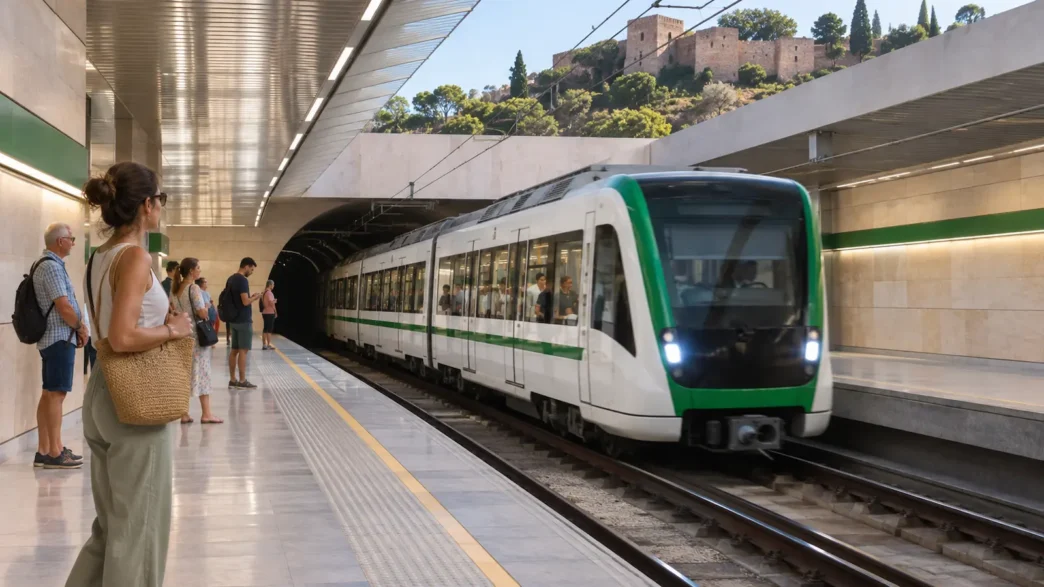
- Metro. A €1.35 occasional ride via Metro Pay. Line 1 reaches Atarazanas, with El Perchel for the main rail and bus station area. Line 2 reaches Guadalmedina on the central side.
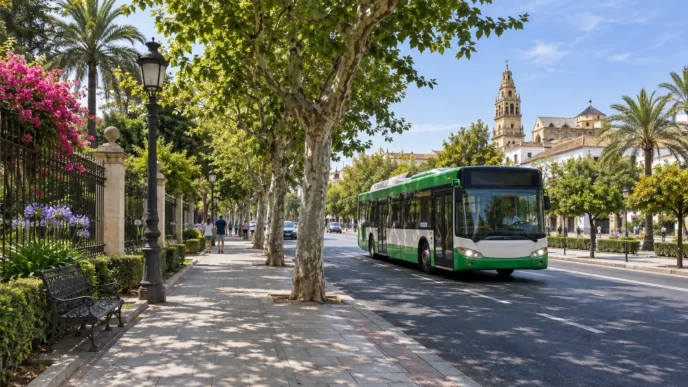
- EMT city bus. Useful for the east coast, parks and the castle approach. Check the actual boarding side of Alameda Principal. The A airport bus is separately priced.
- Renfe Cercanías. C1 for AGP, Torremolinos and Fuengirola. C2 for the inland corridor toward Álora. Buy for the zones taken and confirm the last return.
- Bicycle. Useful for an unhurried longer seafront outing. Check designated lanes, riding rules and an easy place to return the bike before deciding on a rental.
Top Survival Tips
- Read the label under the pin. Málaga-Centro Alameda is a commuter-rail stop. Atarazanas is a Metro stop. María Zambrano is the main long-distance rail station, and El Perchel is the nearby Metro interchange.
- Use the same payment medium at each gate. A physical card, a watch and a phone wallet may have different device identifiers. Check your operator’s validation rules before taking an occasional trip. For a family, a ticket machine may make it easier to organize multiple fares.
- Drop the coastal detour if it makes the first night hard. On arrival day, know the short way to your base and the latest useful service. Málaga’s old town streets and waterfront are easiest to explore when you have already checked in.
- Plan the hill separately. The lower Alcazaba and the Castillo de Gibralfaro have distinct entrances. The monument’s access page identifies EMT bus 35 for the castle. Check the current frequency and return before relying on it after sunset.
- Count both directions before buying a discounted fare product. A stay around the cathedral could mean only one paid Metro journey and a coastal train round trip. The right product depends on your route, and the A airport bus and intercity services have separate conditions.
- Build the city into short walking clusters. Use our city itineraries to keep museum, park and beach days coherent. It is easier to pick the right mode once you have a short list of actual rides.
Malaga Transportation Guide by Mode
🚶 Walking — Best Within the Historic Center and Old Port
Compact streets · free harbor walks · start early in summer
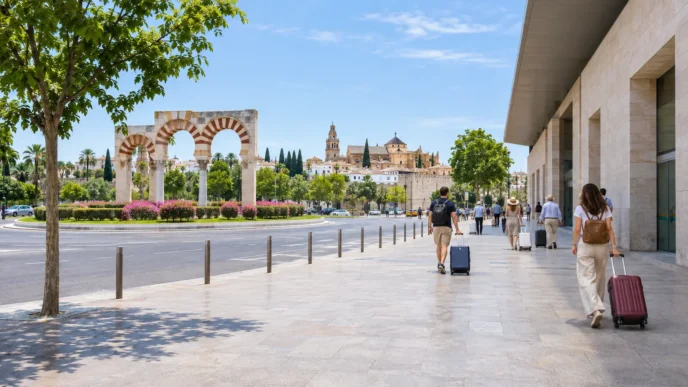
For a market-and-monument day, start west of the cathedral at Atarazanas and turn east as your interests change. El Palmeral and Muelle Uno are useful as different halves of an easy open-air stroll. If you add Malagueta, keep the return distance in mind. Walking both ways can feel long after a midday visit in summer.
Pay attention to traffic crossings on Alameda Principal and paving in pedestrian streets. Walk from the side that matches your next stop. Keep the road up to Gibralfaro for a cool morning, a bus ride, or a cab if the group is tired.
✅ What Other Travelers Say: A waterfront walking preview makes it easy to judge where one relaxed walk ends and an extra stretch starts.
⚠️ The Catch (Things to Keep in Mind): Shade varies a lot. Pick a feasible return before walking far beyond La Malagueta.
🚇 Metro — Best Between the Rail Hub and the Market Side
El Perchel · Guadalmedina · Atarazanas
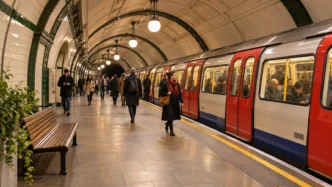
At El Perchel, Line 1 toward Atarazanas cuts the walk from María Zambrano to the old-town edge. Line 2 also links El Perchel with Guadalmedina, where you can use Line 1 to continue to Atarazanas. The Metro operator’s map and transfer notes explain which line to use in both directions.
For occasional rides, Metro Pay takes a contactless card or compatible device at a marked gate at €1.35 a ride. Keep the same card or device for validation. Registration is a separate option for discounts and is unnecessary for an ordinary occasional ride.
✅ What Other Travelers Say: Short Metro journeys are most useful with bags or when heat makes a surface walk feel much longer.
⚠️ The Catch (Things to Keep in Mind): The Metro does not cover the airport terminal or the entire shoreline. Use a separate mode for AGP or the eastern beaches.
🚌 EMT Buses — Best for Pedregalejo, El Palo and Gibralfaro
City routes · check direction · pay attention to temporary stops
Use the EMT route planner to match the actual beach and the stop by your hotel. Routes serving the eastern coast typically make more sense than trying to build a Metro journey east of Malagueta. Check the week’s changes around Alameda before leaving, especially during local events.
For Gibralfaro, check the climbing direction on line 35 and confirm whether the return works at the time you expect to leave. The airport A service is a special line. Aena publishes the current airport bus terms for that leg.
✅ What Other Travelers Say: Travelers who take the bus in one direction and walk a short beachfront stretch can choose the pleasant part of the route.
⚠️ The Catch (Things to Keep in Mind): Bus maps show many stops on the same road. Boarding on the wrong side or at an inactive stop can cost more time than the ride itself.
🚆 Cercanías — Best for the Airport and Western Coast
Renfe C1 and C2 · zone fares · station access matters
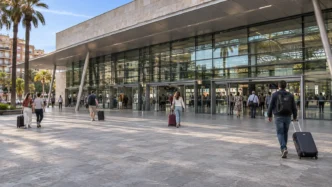
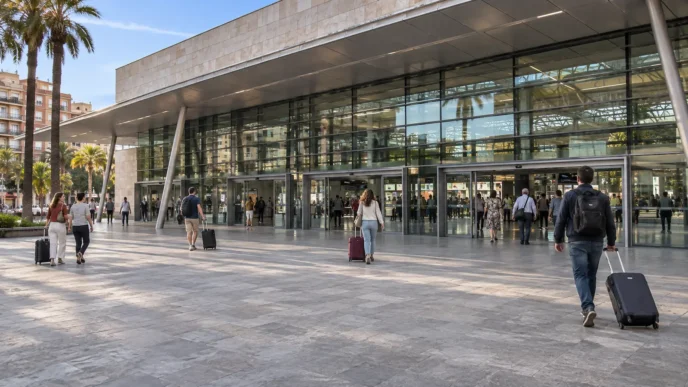
C1 is the useful option for AGP and coastal stops like Torremolinos, Benalmádena-Arroyo de la Miel and Fuengirola. Check how far the beach or hotel is from its named station. On the return, trains to central Málaga call at María Zambrano before the Centro-Alameda terminus.
C2 runs inland toward Álora. It does not generally substitute for a train to the western beaches. The Renfe network map and zone ticket page cover the route and fare. For the shortest zones, the basic one-way fare is €1.80.
✅ What Other Travelers Say: The coastal rail journey works best when both ends are easy walks or you already know the feeder bus.
⚠️ The Catch (Things to Keep in Mind): The destination name on a coastal station can cover a wide area. Check the return frequency and the real distance downhill to the beach, then account for the return climb.
🚲 Cycling — Best for a Longer Seafront Day
Promenade connections · check shared paths · lock and return terms
A bike lets you visit the eastern shore without committing to an hour-long walk in each direction. Choose the designated cycling route, dismount where pedestrians have priority, and avoid putting a rental return too close to your dinner booking. Check the municipal mobility rules and the specific rental terms.
A scooter or cycle gives little practical advantage inside the tight pedestrian lanes. In rain, wind or heat, a bus farther east and a short walk at the destination are easier to adjust. With children, pick only the stretches you can ride comfortably together.
✅ What Other Travelers Say: Longer coastal outings are where the riding distance often justifies arranging a bike in advance.
⚠️ The Catch (Things to Keep in Mind): Some stretches get crowded with walkers, particularly on warm weekends. Give yourself time to slow down or walk the bike.
Key FAQs
Is Málaga easy to visit without a car? Yes. Walk the core, use Metro for the station-to-market corridor, EMT for the eastern coast, and rail for the airport or western coast. Consider a car for an onward itinerary that genuinely needs one.
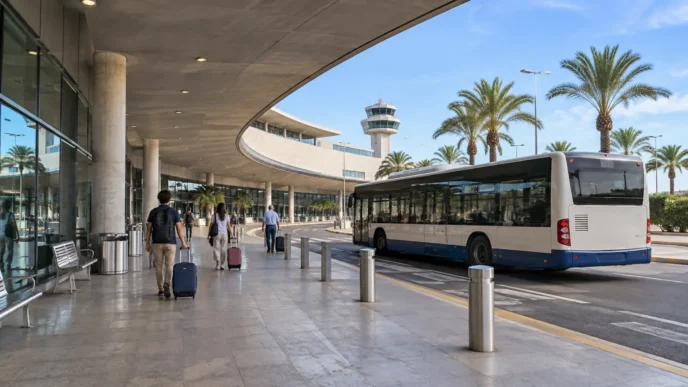
Can I take the Metro to Málaga Airport? There is no regular Metro stop at the terminal. Use Renfe C1, the A airport bus or an official taxi. The appropriate choice depends on your address and landing time.
Which ticket should I buy for a short Málaga trip? Count the rides across each operator first. Occasional tickets can be straightforward for a central visit. Compare an integrated or stored-value product only when its coverage matches the actual rides.
Final Verdict and Your Next Step
Mark your hotel, María Zambrano, the market and any beach destination before choosing fares. Save the Metro map, city bus planner and Renfe rail map for the rides you actually need. On a short visit, that is usually enough to make good decisions when the weather or your plans change.