💡 Key Takeaways
- For a central first trip: Walk La Concha, the old quarter and the nearby end of Gros. Use Dbus when it removes a longer return, a hill or a difficult luggage leg.
- Separate the operators: Dbus serves the city, Euskotren serves Topo and regional rail routes, Renfe serves Atotxa and selected local routes, and Lurraldebus runs many interurban links.
- Check date-sensitive changes: The EAS airport coach is BI01 from 1 October 2026. Euskotren’s published opening for the new Topo alignment is 21 November 2026.
This San Sebastian transportation guide starts with two questions: which side of the Urumea is your hotel on, and which operator does your trip actually use? Most central days can begin on foot. A late arrival, a hillier accommodation, a west-bay return in rain or an excursion beyond the city gives a bus or train a clearer purpose. A ticket has value when it solves the route rather than when it simply promises lots of rides.
San Sebastian Transportation Guide at a Glance
- Walk: Start with separate loops around Centro and Parte Vieja, Gros and Zurriola, and Antiguo. The main bridge crossings fit naturally into the route.
- Dbus: City rides, especially Antiguo, Amara and hillside addresses. Ordinary daytime single is €1.95 on the published 2026 fare.
- Euskotren and Renfe: Choose the company and station first. Euskotren’s Topo goes toward Hendaye, while Renfe uses Atotxa for long-distance and some local journeys.
- Lurraldebus: Useful for Getaria, the Donostia connection from EAS and other interurban trips. Read the right route and make the return plan before leaving.
- Bicycle: Strong for the more open coastal and marked cycle corridors when you can return or park without an awkward extra leg.
Top Survival Tips
- Count the rides by operator. Three Dbus daytime singles cost €5.85. The tourist card is €9 for six urban rides or €16 for twelve. Check whether you will use the rides or other benefits. A visitor staying beside La Concha may not need either product.
- Use the current date and day type. Pick the right holiday, weekday or event version. The city mobility and low-emission guide and operator advisories are better sources for new access rules than a generic route summary.
- Find the correct rail station before setting off. Adif lists Paseo de Francia 22 for Donostia / San Sebastián. The Topo has a different set of stations. When transferring from Atotxa to another system, price the walk independently.
- Know the last reliable fallback. For a side trip, set one intended return and a later option. In town, find an official taxi rank if the last bus, grade or weather makes walking difficult.
- Tap and keep proof for the right system. City fares and card products have specific validation rules. For regional services, check both fare and accepted payment before assuming a city single transfers.
The Full Experience by Transport Mode
🚶 Walking — easiest between the old quarter and the central bay
Free · flexible loops · check the final street
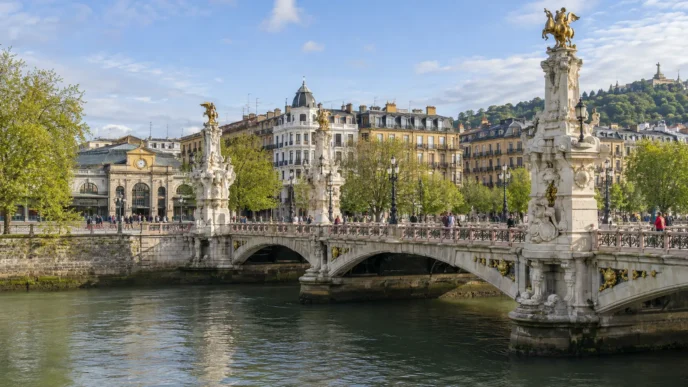
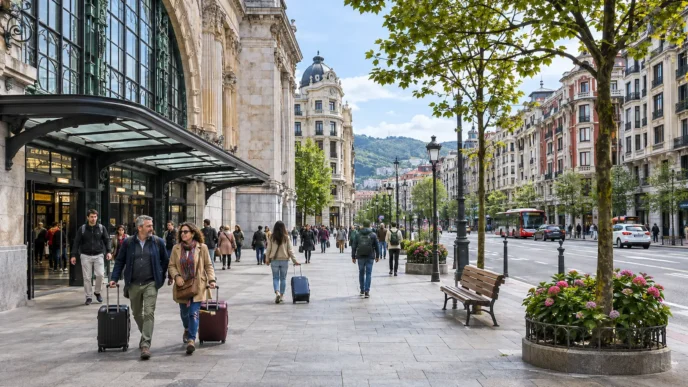
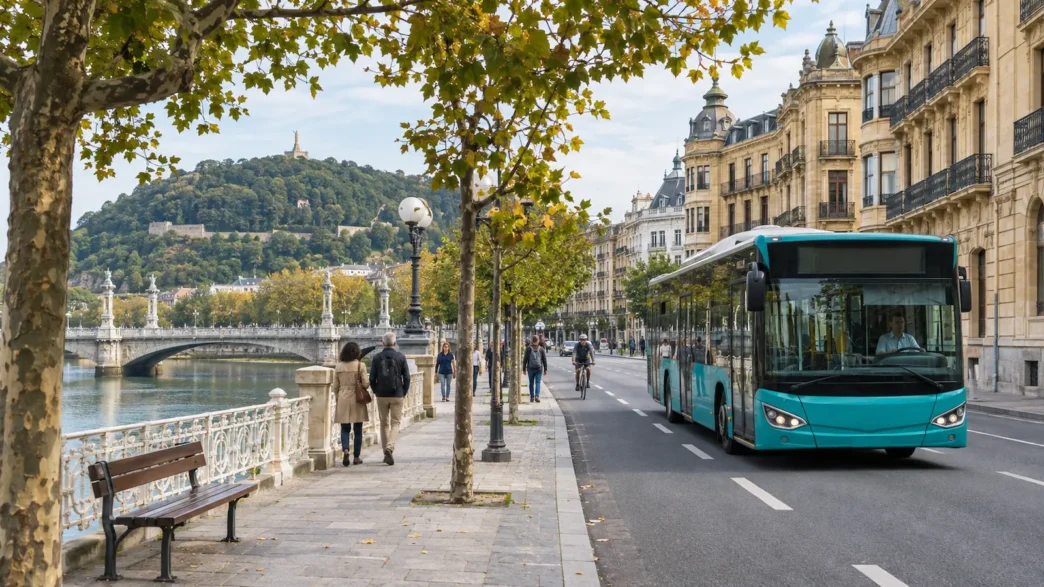
A useful first loop starts near Buen Pastor, runs to the upper La Concha promenade and reaches the old quarter near the Boulevard. For Gros, use the lower bridge when the destination is the beach or Kursaal. For the station, work back from the María Cristina bridge and your accommodation door.
Group the coast into two outings if the seafront is windy or long. Once you have seen the west stretch, take public transport back from Antiguo rather than repeating exactly the same walk. Add time for pavement changes or umbrellas with luggage.
✅ What Other Travelers Say A compact first-day walk is useful even for visitors who ultimately plan to buy bus rides for the west side.
⚠️ The Catch (Things to Keep in Mind) The center is more manageable than the outer hills. A short straight-line distance can conceal a grade or a bridge approach.
🚌 Dbus — best when the walk would be repetitive
City bus · €1.95 daytime single · current route
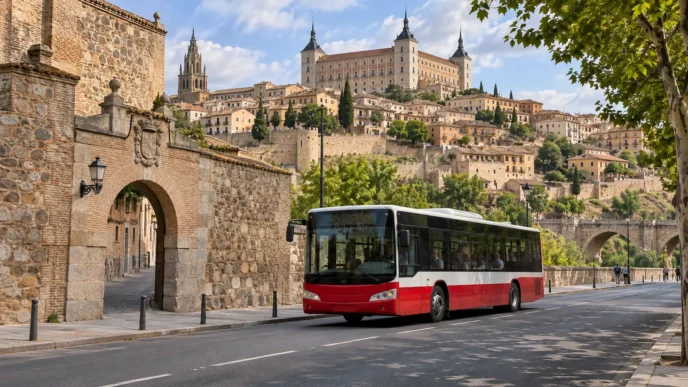
Use the operator map to confirm the street stop and travel direction. Line 5, for example, links the Boulevard and Benta Berri in Antiguo, but the right service depends on your exact resort or room. Check current routes during events and construction. The public rate list lists €1.95 for the single and €2.65 for the normal special night single.
A bus is useful after a long walk or if an older traveler wants a shorter return. Compare the wait and the last walk as carefully as time on the bus. If the coast or hill is the only place you plan to ride, keep the ticket purchase simple.
✅ What Other Travelers Say The city bus is particularly helpful for a return from Ondarreta or a hotel that involves a grade.
⚠️ The Catch (Things to Keep in Mind) A bus ticket does little for an address close to the next bridge. Buy based on the real time and effort saved.
🚆 Euskotren and Renfe — best for different rail journeys
Topo change 21 November 2026 · operator-specific stops · cross-border option
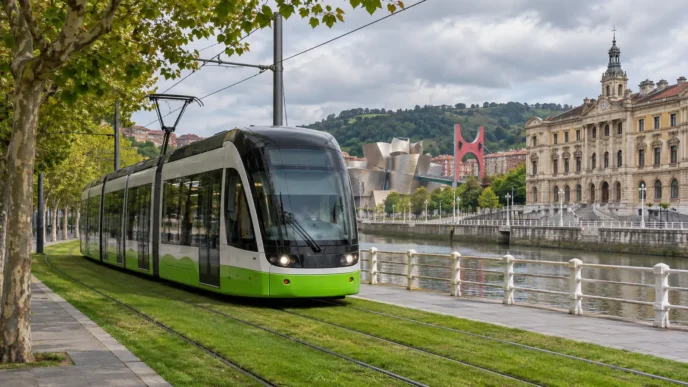
Euskotren’s official service announcement schedules the 21 November 2026 opening of the extended Topo alignment through Bentaberri, Kontxa-Zentroa and the new Amara station. Verify the opening and date-specific route before using an older diagram. Euskotren’s separate timetable includes cross-border services toward Hendaia (Hendaye).
Renfe’s Atotxa station is the main long-distance railway stop and has its own local services. Read the company name before taking a taxi or walking to a station. For a connection between the two systems, verify each leg and leave a buffer for the streets between stops.
✅ What Other Travelers Say Travelers transferring between Spain and France especially benefit from checking the exact station and operator instead of assuming that the tickets share one station.
⚠️ The Catch (Things to Keep in Mind) Distinct lines, branches and opening dates change where to wait. Use the date-specific Euskotren timetable and rail ticket.
🚌 Lurraldebus — best for airport and coastal journeys
Interurban routes · stop and return check · different fare rules
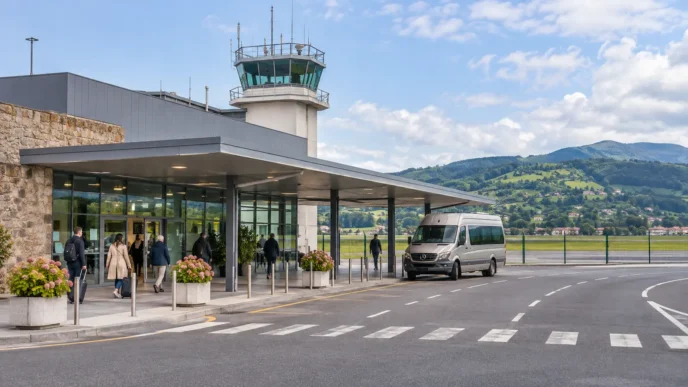
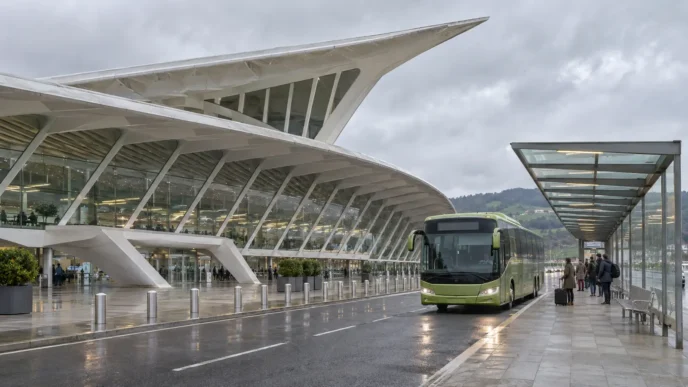
Use Lurraldebus routes for a coastal day or another town. Confirm the street where your chosen departure actually stops. The direct BI01 from EAS goes to the central coach station by Atotxa, with around 21 minutes on board in the current schedule.
Set the correct stop for your return, especially for a coast trip where several routes may pass through the same town. The coach station is next to the train station but the boarding area is different. Save both names if you will connect.
✅ What Other Travelers Say A direct public coach can make a day trip or airport ride simple when it meets your route and does not require a long wait.
⚠️ The Catch (Things to Keep in Mind) A regional trip has its own ticket and final service. Do not expect a city tourist card or public display to cover the return.
🚲 Bicycle — best for a longer coastal outing
Cycle corridors · weather-dependent · plan a return or rack
Use a bike for the longer waterfront segments only where signed cycling space allows it. Check the city’s getting-around information for maps and operator terms. The lower promenade also serves pedestrians, so walk where signs or crowding make riding inappropriate.
Choose a rental with a realistic return plan and check whether the bike can be secured at the last stop. For someone who is unused to city traffic, a shorter calm route near separate lanes can be more enjoyable than a citywide loop.
✅ What Other Travelers Say A bike can make the two ends of the bay feel closer when you have open weather and minimal bags.
⚠️ The Catch (Things to Keep in Mind) Wind, beach crowds and hills can diminish the benefit. Walking is usually easier in the old quarter and with suitcases.
Key FAQs
Is San Sebastián easy to get around without a car? Yes. Walk the center and take Dbus for selective longer routes. Use regional services for destinations outside Donostia. Check low-emission access and parking if you will bring a car.
What is the difference between Dbus and Lurraldebus? Dbus is the city bus network. Lurraldebus covers many Gipuzkoa regional and airport trips. The operator and route determine fare and ticket rules.
Do I need a pass in San Sebastián? Start by counting the city rides. If you need only two or three, singles may cost less than the tourist card, which can be useful for more Dbus rides or particular discounts.
Final Verdict and Your Next Step
Walk the short central days, save one useful Dbus route for your area, and use the operator timetable for any rail or coast trip. If the number of local rides warrants it, compare the official San Sebastián Card booking page with the single fare before buying.
See the city itineraries to find a route that avoids unnecessary transport.