💡 Key Takeaways
- A$0.50 covers eligible Translink trains, buses and Brisbane CityCat and ferry services; there is a separate price for Airtrain to the terminals.
- Tap on and off with the same approved card or device. Check current payment options and use one method per traveller.
- Use rail for the longer city leg, a bus for inland suburbs and a ferry for useful river crossings. Walk when the next stop is really closer.
- Brisbane Metro is a high-capacity busway service. Pick its stop on the map just as you would for a bus.
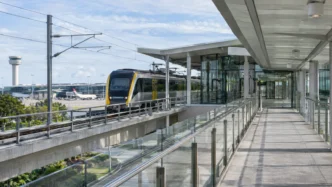
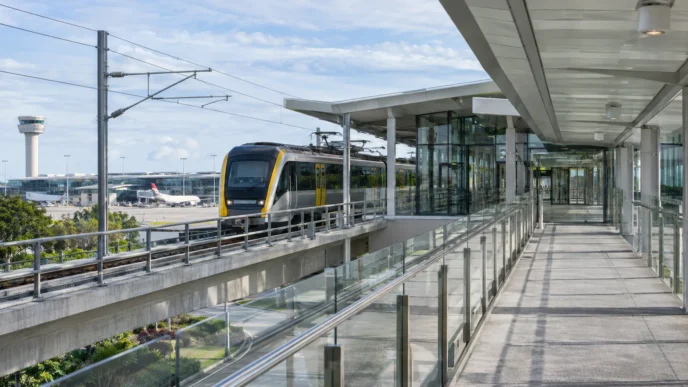
This Brisbane Transportation Guide starts with one rule: use an ordinary train or bus for practical movement, then choose the ferry where the river is doing the work. Eligible Translink rides cost A$0.50, including ordinary city trains, buses and Brisbane’s paid council ferries. Airtrain at the terminals has a separate fare. With a consistent contactless card or go card you can cover most first-trip journeys without hiring a car.
The 1-Min Cheat Sheet: Brisbane Transportation Guide
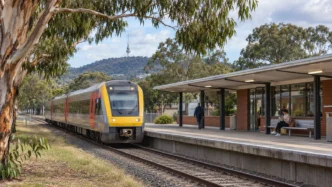
- Train: best for longer routes, Roma Street, Central, Fortitude Valley and travel to outer suburbs. Check if the service actually stops at yours.
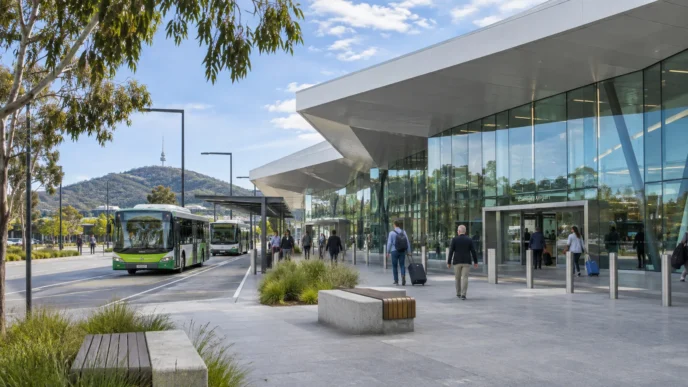
- Ordinary bus: useful for inner neighbourhoods and suburban attractions. Check direction and a named stop, particularly at busway interchanges.
- Brisbane Metro: high-capacity M1 and M2 services on the busway. Confirm the right route and road-level entrance.
- CityCat: choose by terminal name for a useful cross-river or riverside trip. Some stops are only on particular routes.
- CityHopper: free inner-city ferry with its own stops and timetable. Use it when the stops line up, instead of walking past a useful CityCat.
Fares, payment and transfers
Start with Translink’s official 50-cent fare guide for what qualifies, then check the contactless rules if you plan to use a bank card. Touch on and off when required using the same physical card or the same device. A phone wallet and the underlying card do not look like the same token to the reader. Keep a payment option for each fare-paying adult. If a traveller needs a child or other concession arrangement, check the fare conditions first.
The network uses transfer rules so an eligible onward leg can be part of the same journey. Check the timetable for enough connection time and tap as instructed at each vehicle or gate. CityHopper uses its own no-fare service pattern. The airport terminals are on the railway map but have the separately priced Airtrain service.
Transport Traps to Avoid & Practical Shortcuts
- Check the direction on the platform display. A train carrying the same line name in the opposite direction does not get you back towards the river.
- Use exact departure and arrival terminals in the official journey planner. Ferry wharves are sometimes farther from the next stop than they look.
- Check whether a hotel is uphill from the end of the route. A regular train is good value, but one short ride to the hotel may still help on luggage day.
- Plan a walking backup on late evenings and Sundays. The next scheduled service is more useful than the average frequency.
- Check accessibility at both ends. When a station or ferry stop has a construction or access update, choose a known suitable alternative before leaving.
Tried & Tested: My Honest Review
📍 1. Queensland Rail city trains
Longer trips · Higher capacity
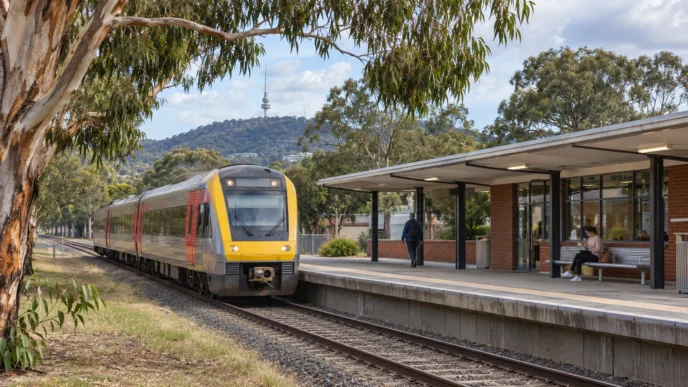
Rail is efficient when the start and finish are both near stations. Central is useful for the eastern city centre; Roma Street is better for parts of the western CBD and long-distance interchange. For parts of South Brisbane, compare the busway and both rail stations before choosing.
✅ What Other Travelers Say: The overview shows how rail, tap-on payment and onward travel work together.
⚠️ The Catch (Things to Keep in Mind): Payment coverage and fares in archived footage can age. Follow the current Translink page.
📍 2. Ordinary buses
Neighbourhood trips · Tap on and off
Use the planner to compare the stop you can actually reach, not only the nearest stop in a straight line. The bus serves neighbourhoods that can be awkward from a railway station, and one direct trip beats a pair of connections when the timings are similar.
✅ What Other Travelers Say: The report gives context for how cheap regular trips can be across the network.
⚠️ The Catch (Things to Keep in Mind): Request stops, late-night frequency and rail-replacement pickup points depend on the local route.
📍 3. Brisbane Metro and the busway
M1/M2 · Larger electric busway vehicles
Metro is a busway operation. Use the council’s network information to match M1 or M2 to your destination and check the exact platforms for any connection. A stop labelled Cultural Centre or Roma Street may offer several exits.
✅ What Other Travelers Say: The operator’s clip is helpful for judging the vehicle interior before travelling.
⚠️ The Catch (Things to Keep in Mind): A Metro line does not serve every station named on a city rail map.
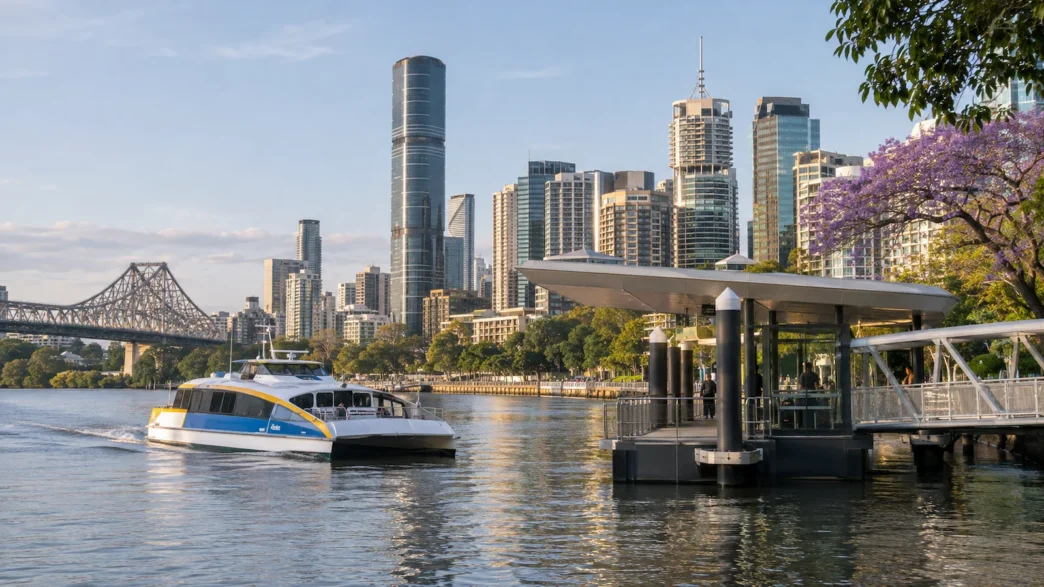
📍 4. CityCat for a useful river leg
River views · Ordinary Translink fare
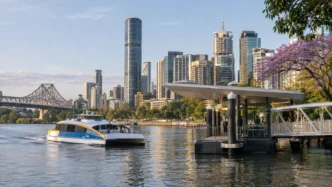
Pick a route that takes you somewhere you planned to visit. Pair a CBD wharf with South Bank or a walk at New Farm. Check the scheduled calling pattern and notice how long it takes to walk from the wharf to the next destination.
✅ What Other Travelers Say: The footage makes it easy to see the real scale of the river and ferries.
⚠️ The Catch (Things to Keep in Mind): Allow for busy weekend sailings and calmer timing if you want seats or easier boarding.
📍 5. CityHopper for a short centre crossing
Free service · Separate stop list
The free service has a limited central route. Use the council’s current route and terminal map to see whether your stops are served. The difference between a 50-cent ride and a free ride is negligible compared with a long wait.
✅ What Other Travelers Say: A real crossing shows the river views you can get without a sightseeing boat.
⚠️ The Catch (Things to Keep in Mind): Services and pontoons can change with maintenance and events. Check the live departure.
Key FAQs
Can I get around Brisbane without a car? Yes for the CBD, South Bank and most inner neighbourhoods. Use public transport and a short walk, with a backup for early flights or a hill with luggage.
Does Brisbane require a go card? Eligible contactless payment is available for ordinary trips. Check Translink before choosing for children, concessions or airport rail.
Is CityCat the free ferry? Ordinary CityCat rides follow Translink’s fare; CityHopper is the separate free service on its own route.
Final Verdict and Your Next Step
Choose your base in the accommodation guides by the stop you will use repeatedly. Save the transit planner and the ferry map before leaving, and check the first and last services before booking anything timed.