

💡 Key Takeaways
- A realistic Nara travel budget starts at roughly ¥8,000–¥13,000 (about US$51–83) per person per day including basic accommodation, but cherry blossom weekends, Golden Week and autumn foliage dates can push the same room far above its normal price.
- The cheapest hotel is not always the cheapest trip. A room near Kintetsu Nara Station can save bus fares, luggage effort and sightseeing time, while a remote bargain may create two extra train or bus journeys every day.
- Do not buy a rail or bus pass because it sounds convenient. Add up the rides you will actually take first: central Nara is highly walkable, and many visitors spend less with individual fares.
Building a useful Nara travel budget is harder than adding a hotel price to a food allowance. Nara looks simple on a map, yet the final cost changes sharply depending on whether you stay near Kintetsu Nara Station, JR Nara Station, Naramachi or outside the centre; whether you arrive from Osaka, Kyoto or Kansai Airport; and whether your visit falls on a quiet winter weekday or a peak cherry blossom weekend.
The small expenses are where many otherwise careful budgets unravel. A bus taken because you are tired, two café stops, deer crackers, temple admissions, a coin locker, a suitcase delivery, a reserved or premium train, a rainy-day taxi and a poor credit-card exchange rate can quietly add several thousand yen. Hotel platforms may also show taxes, breakfast and cancellation conditions differently, so the first price on the screen is not always the amount that reaches your card statement.
This guide gives you a practical framework rather than one misleading “average.” It separates accommodation, transport, food, attractions and contingency money; explains how season and location change the total; and shows where saving money improves the trip and where it simply wastes time or energy.
Price check: August 2026. USD conversions use a rounded planning rate of approximately ¥157 to US$1. Exchange rates, hotel inventory and admission fees can change, so treat the dollar figures as budgeting guides rather than card-statement guarantees.
The 1-Min Cheat Sheet: Nara Daily Budget per Person
- Budget Traveler: ¥8,000–¥13,000 per day (about US$51–83), including accommodation.
This assumes a hostel bed, guesthouse, capsule-style stay or heavily discounted compact room; convenience-store or supermarket breakfasts; inexpensive set meals; mostly walking; one or two paid attractions; and limited café, alcohol and souvenir spending. During peak periods, the lower end may be impossible unless you stay outside central Nara or book very early. - Mid-Range Traveler: ¥16,000–¥27,000 per day (about US$102–172), including accommodation.
This suits a standard business hotel or well-rated three-star room, two casual restaurant meals, one café stop, several temple or museum admissions, local buses when useful and a modest shopping allowance. Couples sharing one room often achieve better per-person value than solo travelers. - Comfortable Traveler: ¥30,000–¥55,000+ per day (about US$191–350+), including accommodation.
This allows for a better-located upscale hotel or ryokan, a quality dinner, taxis when weather or luggage makes them worthwhile, paid cultural experiences, premium train seating and more flexible spending. Luxury ryokan stays with dinner and breakfast can push the total considerably higher.
These daily budgets normally exclude international flights, major shopping, expensive private tours, theme-park tickets and long-distance Shinkansen travel between regions. Keep those items in separate budget categories. A Nara day trip from Osaka or Kyoto should also exclude the hotel cost at your base city when you compare it with an overnight stay.
What a Nara Trip Actually Costs
Accommodation: The Largest and Most Volatile Expense
For planning purposes, expect roughly ¥4,000–¥8,000 for a hostel bed or simple guesthouse space, ¥8,000–¥16,000 for a compact budget room, ¥11,000–¥22,000 for a solid mid-range hotel, and ¥25,000–¥50,000+ for an upscale hotel or ryokan. These are working ranges, not fixed tariffs. A recent Booking.com snapshot showed average Nara prices around US$80 for a three-star hotel and US$122 for a four-star hotel, while the same platform’s weekend averages were much higher. That gap is the real lesson: date and remaining inventory matter more than the star label.
Always compare the final price for the same room, occupancy and cancellation terms. A cheaper non-refundable rate is not truly cheaper if your itinerary is still changing. Check whether breakfast, consumption tax, service charges and payment conversion are included. Solo travelers should pay particular attention to “per room” versus “per person” pricing, while ryokan guests must confirm whether dinner and breakfast are bundled.
Where You Stay Changes Both Cost and Convenience
- Kintetsu Nara Station area: Usually the strongest location for a short sightseeing visit. Nara Park is about a five-minute walk from the station, and Higashimuki Shopping Street provides easy food and shopping options. Rooms may carry a location premium, but you can often avoid local buses entirely.
- JR Nara Station area: Often has more business-hotel inventory and can work well for JR pass users. Nara Park is roughly a 15-minute walk away, so add bus fares or extra walking if you plan early starts, late returns or travel with children.
- Naramachi and Takabatake: Better atmosphere and a more distinctive overnight experience, but fewer late-night transport and dining options on some streets. A beautiful low rate can become less attractive if rain, darkness or luggage forces a taxi.
- Yamato-Saidaiji or outer districts: Sometimes cheaper and useful for travelers exploring western Nara, but calculate the daily return fare and lost time. Saving ¥2,000 on a room is poor value if two people spend ¥1,200 on extra transport and lose an hour.
Transport to Nara: Pay for the Route You Need, Not the Brand You Know
From Osaka-Namba to Kintetsu Nara, the basic Kintetsu fare is about ¥680 one way. From Kyoto to Kintetsu Nara, the basic fare is about ¥760 one way. Kintetsu Nara Station is closer to Nara Park, so the slightly different fare or route can save a bus ride and 10–15 minutes of walking.
For JR users, a current planning figure is about ¥820 one way from Osaka Station to JR Nara and ¥720 one way from Kyoto to JR Nara. JR may be the obvious choice when your existing pass covers the journey, but it is not automatically the fastest door-to-door option for Nara Park.
Premium trains are a comfort purchase, not a budget necessity. The sightseeing limited express AONIYOSHI, for example, costs more than the basic fare because limited-express and special-car charges are added. It can be worthwhile as part of the experience, but do not accidentally treat it as the default price of reaching Nara.
Getting Around Nara
Central Nara rewards walkers. Kofuku-ji, Nara Park, Todai-ji, Kasuga Taisha and Naramachi can be linked into one logical route without repeatedly returning to a station. This is why a transport pass is not automatically good value.
The standard Nara Bus 1-Day Pass costs ¥600, while the wide version costs ¥1,100 and reaches places such as Horyu-ji. The ordinary pass can make sense if you expect at least three paid bus rides, are traveling with children, have limited mobility or want to combine central sights with Nishinokyo. For a healthy traveler following a compact Nara Park route, walking plus one single bus fare may cost less.
Food: The Daily Budget Killer Is Usually Snacks, Not Dinner
A disciplined food budget can be comfortable without surviving on instant noodles. Use these practical ranges:
- Convenience-store or bakery breakfast: roughly ¥400–¥700.
- Supermarket bento, noodles or simple lunch: roughly ¥600–¥1,000.
- Casual set meal, curry, ramen or donburi: roughly ¥800–¥1,500.
- Local-specialty lunch or better café meal: roughly ¥1,500–¥3,000.
- Coffee or specialty drink: roughly ¥450–¥750.
- Dessert, mochi or tourist-area snack: roughly ¥300–¥1,000 each.
- Quality dinner: roughly ¥3,000–¥7,000, with kaiseki and premium beef costing more.
The common mistake is budgeting ¥3,000 for food, then spending ¥650 on coffee, ¥700 on dessert, ¥500 on a second drink and ¥900 on late-night snacks before counting lunch or dinner. Create a separate “treat budget” of ¥1,000–¥2,000 if cafés and sweets matter to you. That preserves the experience without pretending they are free.
Attractions: Many Sights Are Free, but the Important Paid Sites Add Up
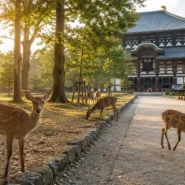
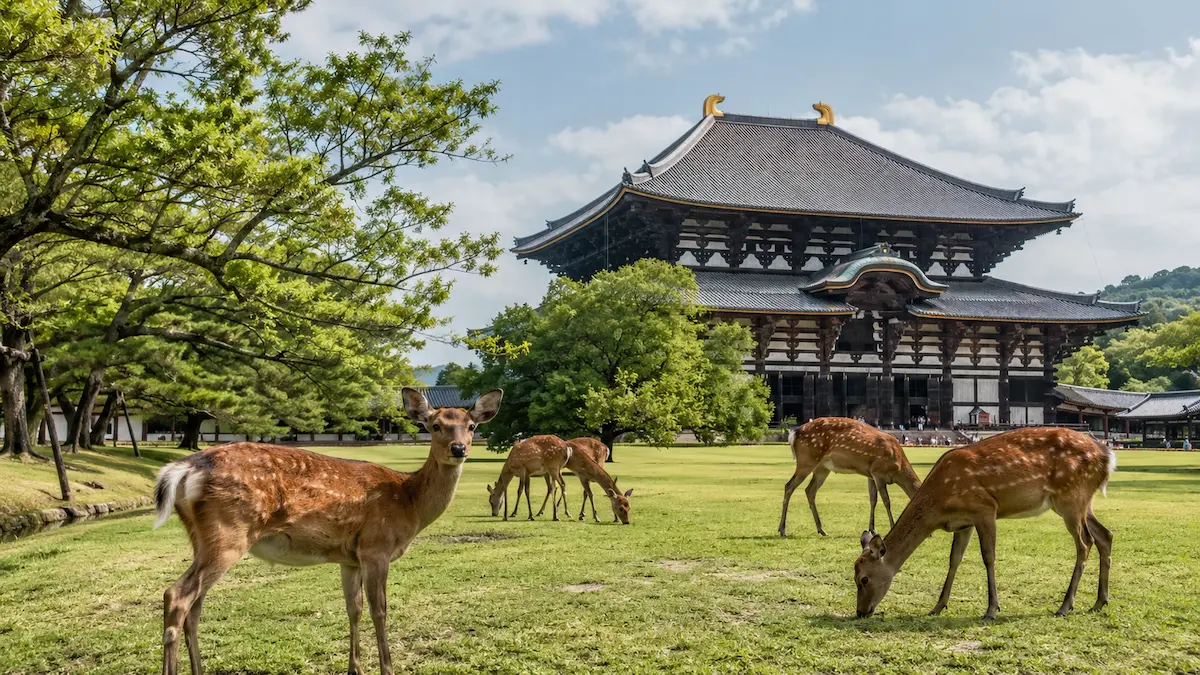
Nara Park itself is free. You can also enjoy temple approaches, historic streets, ponds, forest paths and several viewpoints without paying admission. However, the key interiors are not free. As of the latest check, the Todai-ji Great Buddha Hall costs ¥800 for an adult, a combined Great Buddha Hall and museum ticket costs ¥1,200, and the optional audio guide costs ¥500. Special admission inside the Kasuga Taisha cloister costs ¥700.
A sensible central-Nara attraction allowance is ¥1,500–¥3,000 per person. Budget travelers can choose one major paid interior and enjoy the rest from free precincts. History-focused travelers should not under-budget admissions: rushing past every interior to save ¥700 may defeat the reason for visiting.
Two Realistic Nara Budget Examples
DIY Nara Day Trip from Osaka
- Return basic Kintetsu fare from Osaka-Namba: about ¥1,360.
- Local transport: ¥0 if walking, or up to ¥600 with the standard bus pass.
- Todai-ji and Kasuga Taisha paid areas: about ¥1,500.
- Lunch, dinner or substantial early meal, drinks and snacks: ¥2,500–¥4,000.
- Small extras such as deer crackers, locker use or souvenirs: ¥500–¥1,500.
Practical day-trip total: about ¥5,900–¥8,960 (US$38–57), excluding your Osaka hotel. A guided tour can cost more but may reduce transfers and planning effort; compare what admissions, meals and pickup points are actually included.
One-Night Mid-Range Nara Stay
- Mid-range hotel: ¥12,000–¥20,000 per room.
- Food for one full day: ¥4,000–¥7,000 per person.
- Attractions: ¥1,500–¥3,000 per person.
- Local transport: ¥0–¥1,100 per person.
- Contingency and small purchases: ¥1,500–¥3,000 per person.
For a solo traveler, this usually lands around ¥19,000–¥34,000. For two people sharing a ¥16,000 room, the per-person cost can fall to roughly ¥15,000–¥24,000, depending on food and activities. This is why “Nara is expensive” or “Nara is cheap” is not a useful statement without knowing room occupancy.
Top Budget Survival Tips
- Calculate the hotel’s daily transport cost before celebrating a low room rate.
Put the property into a map and price the exact trips to Nara Park, Naramachi, your arrival station and your next-city departure point. Add the cost for every traveler, not just one person. Also price the non-cash burden: stairs, transfers and dragging luggage through crowded stations. A centrally located room that costs ¥2,000 more may be the cheaper decision for a couple. - Use a break-even test for every transport pass.
The Nara Bus 1-Day Pass is ¥600, so it only saves money when your planned rides would cost more than that. The Kintetsu Rail Pass 1-day price is ¥1,900, while a basic Osaka-Namba–Nara return is around ¥1,360. The pass may be worthwhile when you add other Kintetsu rides, but not for one simple return journey. Write down each ride and compare totals before buying. - Choose airport transport for luggage and arrival time, not just headline price.
A route with two transfers may be cheapest on paper but miserable with a large suitcase, a stroller or a late arrival. From Kansai Airport, rail routes commonly require a transfer before Nara. Compare total travel time, walking distance, lift access and the cost of a missed connection. Paying a modest premium for fewer transfers can prevent a taxi-sized mistake later. - Treat cherry blossom weekends, Golden Week and Japanese public holidays as a different price category.
Do not apply a quiet Tuesday room price to a Saturday in late March, early April or late November. Search the exact date, then check one day earlier and later. Shifting a stay by 24 hours can be more effective than changing hotels. - Give theme-park days their own budget.
If your Kansai itinerary includes Universal Studios Japan or Ikoma Sanjo Amusement Park, separate tickets, transport, paid ride options, food and souvenirs from your normal Nara daily average. Otherwise one expensive day makes the whole trip look “over budget” even when the Nara portion was well controlled. - Build meals around convenience stores, supermarkets and food halls strategically.
Use convenience stores for early breakfast and emergency meals, not every single purchase. Supermarkets often discount prepared food in the final one or two hours before closing, although the timing varies by store and stock. Department-store basement food halls can also reduce prepared-food prices later in the day. Buy dinner after sightseeing, but do not delay so long that the useful items are sold out. - Group sights by area to stop paying for zigzag travel.
A practical central route is Kintetsu Nara Station, Kofuku-ji, Nara Park, Todai-ji, Kasuga Taisha and Naramachi. Nishinokyo, Horyu-ji, Asuka and Yoshino belong in different geographic blocks. Trying to combine distant areas in one day creates extra fares and reduces the value of every admission you paid. - Walk when the route is scenic and compact; pay when walking damages the day.
Walking through Nara Park is part of the experience. Walking 25 minutes along a dull road in heavy rain while carrying luggage is not. Spend ¥250–¥600 on a bus or short taxi when it protects your energy for Todai-ji, Kasuga’s forest paths or an evening in Naramachi. Saving a tiny fare is not a victory if you cancel the final attraction from exhaustion. - Create a real emergency allowance.
Reserve at least ¥3,000–¥5,000 per person for a short trip, or around 10% of the on-the-ground budget for a longer itinerary. This covers rain gear, a locker, medicine, replacement essentials, an unplanned bus, a missed last train or a late-night taxi. Keep this money outside the normal shopping allowance. - Refuse dynamic currency conversion.
When a card terminal or ATM asks whether to charge you in your home currency or Japanese yen, selecting your home currency can apply an unfavourable conversion rate. Choose JPY and let your card issuer perform the conversion. Before departure, check your card’s foreign transaction fee, cash-advance rules and ATM reimbursement policy; a “travel card” is not automatically fee-free. - Withdraw cash less often, but do not carry your entire trip budget.
Japanese ATMs and your bank may each charge a fee. One sensible withdrawal is usually cheaper than several small ones, but balance that against security and your card’s daily limits. Keep enough cash for temple admissions, small restaurants, lockers and local buses that may not accept your preferred card.
Nara Budget by Travel Season
Cherry Blossom Season
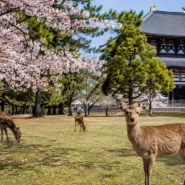
Late March through early to mid-April can produce some of Nara’s sharpest accommodation pressure, especially on weekends and when bloom forecasts align with holidays. Nara City, Mount Yoshino and nearby Kansai destinations compete for the same beds and trains. Book cancellable accommodation early, then recheck as the forecast becomes clearer. Do not assume every day in April is equally expensive: weekday rates after a peak weekend may be much lower.
Golden Week
The cluster of Japanese public holidays around late April and early May drives domestic travel. Hotel supply can tighten, trains become busier and last-minute room choice deteriorates. Budget more for accommodation and accept that “cheap but non-refundable” may be risky if your transport plan is not fixed. Reserve premium or limited-express seating only when you genuinely need it; regular services still exist, but crowding can make luggage difficult.
Summer
June’s rainy periods and the heat and humidity of July and August can soften demand on some non-event weekdays, but summer is not automatically cheap. School holidays, festivals and the Obon period in mid-August can raise prices and reduce availability. Add a weather budget for drinks, indoor breaks, buses and possibly a taxi. A summer itinerary that assumes you will walk 20 kilometres in midday heat often becomes more expensive than planned.
Autumn Foliage Season
Mid-November into early December is highly attractive around Nara Park, temple gardens and mountain areas. Weekend rooms can tighten quickly, especially when Kyoto is also full and travelers look to Nara as an alternative base. Book earlier than you would for an ordinary autumn date, and compare Sunday night with Friday or Saturday. The same room category may show a dramatic difference.
Christmas and New Year
Christmas itself is not necessarily Nara’s most expensive period, but weekends, special dinners and regional demand can influence rates. New Year is more complicated: major shrines and temples attract visitors, some restaurants close or shorten hours, and holiday menus can cost more. If you visit from December 29 through January 3, reserve accommodation and confirm dining instead of assuming normal opening patterns.
Quieter Winter Periods
Mid-January and parts of February can offer better hotel value on weekdays, particularly outside event dates. However, Nara Rurie, the Wakakusa Yamayaki festival, school events and long weekends can create short demand spikes. Winter also means colder mornings, shorter daylight and a higher chance that you will pay for buses or indoor stops. Search exact dates rather than declaring one month “the cheapest.”
Common Budget Mistakes and How to Fix Them
1. Counting Only Flights and Hotels
The mistake: Treating food, local transport, attractions and small purchases as vague spending money.
The fix: Create five lines before booking: accommodation, intercity transport, local transport, food, and attractions. Add a sixth line for contingency. If shopping matters, it gets its own hard limit rather than borrowing from food or emergency cash.
2. Forgetting the Airport-to-Nara Journey
The mistake: Landing at Kansai Airport with no budget for the final 80–120 minutes of travel, transfers or luggage handling.
The fix: Price the complete airport route in advance, including seat charges, transfer fares and the last local leg. Compare a cheaper multi-transfer route with a simpler alternative and decide before you are tired at arrivals.
3. Assuming a JR Pass Covers Everything
The mistake: Expecting a national or regional JR pass to cover Kintetsu trains, Nara Kotsu buses and all premium seats.
The fix: Check the operator name for every journey. JR and Kintetsu are separate systems. A JR pass may cover the ride to JR Nara, while Kintetsu can still be more convenient for Nara Park. Choose the route that minimizes total cost and time, not the one that makes you “use the pass.”
4. Planning Distant Attractions on the Same Day
The mistake: Combining Nara Park, Horyu-ji, Asuka and Yoshino because they are all in Nara Prefecture.
The fix: Treat Nara Prefecture as a region, not one compact city. Give central Nara one day, and place Yoshino, Asuka or Horyu-ji on separate route-based days. This reduces fares and lets you enjoy the admission fees you already paid.
5. Setting an Unrealistic Food Budget While Buying Coffee, Dessert and Late-Night Snacks
The mistake: Budgeting only for three meals even though your real travel style includes cafés and convenience-store browsing.
The fix: Add a daily treat allowance. A traveler who enjoys one coffee and one dessert should reserve roughly ¥1,000–¥1,700 before meals. When that allowance is spent, choose supermarket drinks or skip the second café.
6. Having No Separate Shopping Limit
The mistake: Calling souvenirs “small extras” until several ¥800–¥2,000 purchases become a five-figure total.
The fix: Decide the trip-wide shopping cap in yen and divide it by destination. Photograph items on the first pass and buy later. This reduces duplicate deer-themed souvenirs and protects money for experiences.
7. Ignoring Luggage Storage and Delivery
The mistake: Booking a room far from the station or changing hotels frequently without pricing lockers, hotel storage or luggage forwarding.
The fix: Confirm whether your hotel stores luggage before check-in and after checkout. If it does not, reserve money for a station locker or staffed counter. For a one-night Nara stay between Osaka and Kyoto, consider forwarding the large suitcase and carrying a small overnight bag.
8. Choosing an Inconvenient Hotel to Save a Small Amount
The mistake: Saving ¥1,500 on the room but paying extra fares, losing evening dining options and starting each day tired.
The fix: Calculate “room plus access,” not room alone. For a one-night visit focused on Nara Park, proximity to Kintetsu Nara or the eastern side of the centre often provides better value than a remote bargain.
9. Leaving No Rain or Missed-Train Budget
The mistake: Assuming every day follows the cheapest possible plan.
The fix: Keep ¥3,000–¥5,000 accessible and untouched. Check the last train before dinner, especially when returning to Osaka or Kyoto. A taxi after the last service can erase several days of careful savings.
10. Accepting Dynamic Currency Conversion
The mistake: Choosing a card terminal’s home-currency amount because it looks easier to understand.
The fix: Pay in Japanese yen, then check the final amount in your banking app. Use a card without foreign transaction fees where possible, and avoid repeated tiny ATM withdrawals.
11. Comparing Hotel Prices Without Matching Conditions
The mistake: Comparing a non-refundable room without breakfast against a cancellable room with breakfast and assuming the first is cheaper.
The fix: Match dates, occupancy, bed type, taxes, meals, payment timing and cancellation terms. Take a screenshot of the final checkout page before booking so you can verify the charge later.
Key FAQs
How much money do I need per day in Nara, Japan, including a hotel?
A careful budget traveler should plan around ¥8,000–¥13,000 per person per day, a mid-range traveler around ¥16,000–¥27,000, and a comfortable traveler around ¥30,000–¥55,000 or more. These figures include accommodation but exclude flights, major shopping, theme parks and long-distance Shinkansen travel. Solo travelers usually pay more per person because they cannot split the room cost.
Is Nara cheaper than Kyoto or Osaka for tourists?
Nara can be cheaper for accommodation on some dates, especially quiet weekdays, and many central sights are free to explore on foot. However, it is not automatically cheaper during cherry blossom season, Golden Week or autumn weekends. A Nara room that requires extra transport can also cost more overall than a well-located Osaka or Kyoto base. Compare the full itinerary, not city averages.
Is it cheaper to stay overnight in Nara or take a day trip from Kyoto or Osaka?
A day trip is usually cheaper if you already have a reasonably priced hotel in Osaka or Kyoto and only want Nara Park, Todai-ji and Kasuga Taisha. An overnight stay can offer better value when Kyoto or Osaka hotels are expensive, when you want early-morning Nara Park, or when you plan Naramachi, Nishinokyo and evening activities. Compare one extra night’s room cost against return transport, luggage handling and the experience you gain.
Final Verdict and Your Next Step
For most first-time visitors, the safest target is ¥18,000–¥24,000 per person for a comfortable mid-range overnight day, or ¥6,000–¥9,000 for a self-planned day trip excluding your base-city hotel. Backpackers can spend less by walking and choosing one paid temple interior, while comfort-focused travelers should spend more on location, weather flexibility and one memorable meal rather than scattering money across unnecessary passes and taxis.
The best way to avoid a budget shock is to reserve a cancellable room early, especially for cherry blossom dates, Golden Week, autumn foliage weekends and New Year. Then compare the final price again as your itinerary becomes firm. Do not wait for a mythical last-minute bargain when central inventory is already disappearing.
Check current Nara accommodation and activity availability here:
- Compare Nara hotels on Agoda
- Compare Nara hotels on Booking.com
- Check Nara tours, transport and experiences on Klook
- Compare Nara tours and experiences on KKday
Affiliate disclosure: Some booking links may earn this website a commission at no additional cost to you. Prices and availability are controlled by the booking platform and supplier. Always review the final total, inclusions and cancellation terms before payment.