

💡 Key Takeaways
- Choose your hotel for your actual route, not just the lowest price. Nagoya Station is best for short stays, airport access and onward trains; Sakae or Fushimi usually feels better for a longer city break.
- Nagoya Castle is not the experience many first-timers imagine. The main tower keep cannot currently be entered, so visit for the reconstructed Hommaru Palace, grounds and history—not for a castle-top view.
- Do not force Ghibli Park, the Port of Nagoya Aquarium and the SCMAGLEV museum into an already busy city itinerary. Each sits outside the easiest central sightseeing loop and can consume most or all of a day.
A first trip to Nagoya often goes wrong in a surprisingly ordinary way: travelers see a compact-looking map, book a cheap hotel “near Nagoya,” and assume they can fit a castle, shrine, aquarium, railway museum, shopping district and Ghibli Park into two days. The result is usually more platform changes, underground corridors and backtracking than expected.
This Nagoya travel guide for first-time visitors is built around the things that matter once you are actually on the ground: which area makes sense as a base, how much time the transfers really consume, which famous attractions deserve your limited hours, and which “must-sees” are only must-sees for a particular type of traveler. Nagoya is not Tokyo in miniature and it is not a weaker version of Osaka. Its strengths are different: industrial museums that are genuinely excellent, distinctive local food, calmer neighborhoods, strong rail connections and easy access to central Japan.
The 1-Min Cheat Sheet
- Ideal stay: Two full days for a city-focused visit; three nights if you want Ghibli Park, a family attraction or a day trip without rushing.
- Best first-time base: Nagoya Station for a one- or two-night stop; Sakae for dining, shopping and evening atmosphere; Fushimi for a quieter compromise; Kanayama for airport convenience and often better-value rooms.
- Airport transfer: Meitetsu trains connect Chubu Centrair International Airport with Meitetsu Nagoya. The μSKY is reserved-seat service and requires a regular ticket plus a ¥450 μticket; some other limited express trains have ordinary cars that need only the regular fare.
- Local transport: Use an IC card such as Suica, ICOCA, TOICA or manaca for flexibility. Consider the subway 24-hour ticket or weekend Donichi Eco Ticket only when your route contains enough eligible rides.
- Most worthwhile central sights: Toyota Commemorative Museum, Hommaru Palace at Nagoya Castle, Osu, Atsuta Jingu, Sakae at night and one food-focused meal.
- Most important reservation: Ghibli Park. All park tickets require advance reservation, and popular ticket types can sell out quickly.
- Most common planning mistake: Treating Nagoya Station, Meitetsu Nagoya, Kintetsu Nagoya and the bus center as one simple interchange. They connect, but a luggage-heavy transfer can still take time.
- Realistic sightseeing pace: Two major attractions plus one neighborhood per day. Three museum-scale attractions is possible only if you start early and accept a tightly managed schedule.
- Food priorities: Hitsumabushi, miso katsu, tebasaki wings, kishimen noodles, ogura toast and a Nagoya-style morning set.
- Skip without guilt: LEGOLAND if you are an adult with no strong LEGO interest; Oasis 21 as a daytime “major attraction”; a rushed Takayama or Shirakawa-go day trip squeezed between city days.
Top Survival Tips
- Understand the Nagoya Station maze before arrival. “Nagoya Station” is a cluster of JR, Shinkansen, subway, Meitetsu, Kintetsu and bus facilities connected by streets and underground passages. A hotel described as a five-minute walk may be five minutes from one exit and much farther from the platform you actually use. For an early Shinkansen, favor the JR side. For the airport, check walking distance to Meitetsu Nagoya. For highway buses, confirm the exact terminal and floor.
- Do not drag a large suitcase through a sightseeing day. Coin lockers can fill on busy weekends and event dates. Leave luggage with your hotel, use a staffed storage counter or arrange delivery. Centrair also offers same-day baggage delivery to selected hotels around Nagoya Station, Sakae and Nishiki. This is often worth more than saving a small amount on transport.
- Buy transport passes only after drawing your route. The subway 24-hour ticket is useful when you are making several subway journeys across two calendar days within a 24-hour window. The Donichi Eco Ticket is excellent value on weekends, holidays and the eighth day of each month, but it does not cover every private railway. The Me~guru sightseeing bus can be convenient for a deliberate museum-and-castle loop, yet it does not run every day and is less flexible than simply using the subway for many routes.
- Do not board the wrong airport train car. The μSKY uses reserved first-class cars throughout. On some rapid limited express or limited express services, only designated cars require the extra μticket while ordinary cars can be used with the regular fare. Check the platform display and car markings instead of following the crowd.
- Treat Nagoya Castle as a palace-and-grounds visit. The tower keep is closed to entry. The reconstructed Hommaru Palace is ornate and worthwhile, but travelers expecting to climb a historic wooden keep may be disappointed. Inuyama Castle is the better choice when your priority is an original castle keep and you can spare a half or full day outside central Nagoya.
- Do not build your day around Oasis 21 alone. Its rooftop “Spaceship-Aqua,” architecture and night lighting are photogenic, but most travelers need only 30 to 60 minutes. Combine it with Hisaya-odori Park, MIRAI TOWER, department stores, dinner and an evening walk through Sakae.
- Separate the two “port” experiences in your mind. The Port of Nagoya Public Aquarium is reached via Nagoyako Station on the Meiko subway line. SCMAGLEV and Railway Park is beside Kinjofuto Station on the Aonami Line. They are not neighboring attractions, and linking them by public transport creates a clumsy transfer. Pick one unless you have a car, use a taxi between them or are happy with a very long day.
- Give Ghibli Park a full day. It is in Nagakute, outside central Nagoya, and the park areas are spread through a large public park. The experience involves walking, timed entry and queues for photos, shops and food. Pairing it with Nagoya Castle or Osu on the same day sounds efficient on a map but usually produces a rushed version of both.
- Plan famous food around queues. The best-known hitsumabushi and miso katsu restaurants can have long waits at conventional meal times. Eat lunch before noon or after 1:30 p.m., use branch locations where practical, and keep a second choice nearby. Nagoya has enough strong local food that no single famous restaurant is worth losing two sightseeing hours.
- Watch the calendar, especially in 2026. The Aichi-Nagoya Asian Games run from September 19 to October 4, 2026, followed by the Asian Para Games from October 18 to 24. Hotel prices, transport demand and venue-area crowds may be higher, so travelers on those dates should book earlier and allow wider transfer margins.
The Full Experience
📍 Nagoya Station and Noritake: Best for Short Stays, Luggage and Onward Trains
Tags: Transport hub · First-night convenience · Shopping · Toyota history · Rainy-day friendly
Nagoya Station is the practical answer for travelers arriving late, leaving early or continuing to Kyoto, Tokyo, Takayama, Kanazawa or the airport. The towers above and around the station hold department stores, electronics shops, restaurants and food halls, so a rainy arrival evening is easy to salvage without another train ride.
The strongest nearby attraction is the Toyota Commemorative Museum of Industry and Technology. Do not confuse it with the Toyota Automobile Museum in Nagakute. The commemorative museum explains the company’s development from textile machinery to automobiles through working demonstrations and large industrial displays. It is one of Nagoya’s most substantial attractions even for visitors who are not devoted car fans.
Noritake Garden and its shopping complex are easier, lighter additions. They suit travelers who enjoy ceramics, design, cafés and low-stress strolling, but they should not displace the Toyota museum if time is limited.
✅ What Other Travelers Say
Visitors repeatedly praise the convenience of having food, shopping and rail connections in one area. The Toyota museum also earns strong reactions for being more interactive and technically impressive than expected. Travelers with an early departure especially appreciate staying close enough to avoid a morning subway transfer.
⚠️ The Catch (Things to Keep in Mind)
The station area can feel functional rather than atmospheric. Rooms immediately beside the station may cost more, while cheaper west-side hotels can sit among busier roads and less polished streets. More importantly, “near Nagoya Station” is vague: confirm the exact exit and walking route. A ten-minute walk with carry-on luggage is not the same as ten minutes with two large suitcases through underground passages.
📍 Sakae and Fushimi: Best for First-Time City Energy, Dining and Evenings
Tags: Night views · Department stores · Restaurants · Central base · Easy evenings
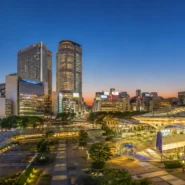
Sakae is where Nagoya feels most like a major Japanese city after dark. Oasis 21, Hisaya-odori Park and Chubu Electric Power MIRAI TOWER form an easy evening walk, while the surrounding blocks offer department stores, underground shopping, bars and a broad choice of restaurants.
For first-timers staying three nights or more, Sakae often produces a more enjoyable trip than sleeping at Nagoya Station. You can finish dinner and walk back to the hotel instead of taking one more train. Fushimi, one subway stop toward Nagoya Station, is calmer and usually a better compromise for travelers who want central access without Sakae’s late-night noise.
Shirakawa Park, the FUJI Nagoya Science Museum and Nagoya City Art Museum sit between Fushimi and Osu. The science museum is especially good for families and rainy days, but the planetarium experience is mainly in Japanese. Secure the relevant ticket early if the planetarium is your priority.
✅ What Other Travelers Say
Travelers like Sakae for its walkability, food options and night views. Many find that Oasis 21 looks better after sunset than during the day, and the park-and-tower combination provides a relaxed final stop without needing a tightly timed reservation.
⚠️ The Catch (Things to Keep in Mind)
Oasis 21 is overhyped when described as a major half-day attraction. It is a photogenic public complex, not a theme park. Sakae also contains nightlife pockets that can be noisy or less comfortable for families late at night. Read hotel location reviews carefully, especially around Nishiki, rather than choosing only by distance from Sakae Station.
📍 Osu and Kanayama: Best for Street Food, Vintage Shopping and Better-Value Stays
Tags: Street food · Retro shops · Anime culture · Budget-friendly · Local atmosphere
Osu is Nagoya’s most enjoyable unstructured neighborhood. Start at Osu Kannon, then wander the covered shopping arcades for secondhand clothing, electronics, hobby shops, cafés, international snacks and inexpensive street food. It feels less curated than a modern mall and gives you room to discover something that was not on your checklist.
Allow two to four hours depending on your interest in shopping. Osu pairs naturally with the science museum, Fushimi or Sakae because the route moves in one direction through central Nagoya. It also works well on a wet day because much of the shopping area is covered.
Kanayama is not a sightseeing highlight by itself, but it is one of the smartest hotel bases for value-conscious travelers. JR, Meitetsu and subway lines meet there, and airport trains serve the station. You avoid some of the scale and confusion of Nagoya Station while keeping good access to Atsuta, Sakae and the port.
✅ What Other Travelers Say
Visitors often describe Osu as more fun than expected because it mixes temple culture, subculture and casual eating without requiring an entrance ticket. Shoppers appreciate that it is not dominated by luxury brands, while repeat visitors value the constantly changing small stores.
⚠️ The Catch (Things to Keep in Mind)
Osu is not a pristine heritage district, and anyone expecting an elegant old-town atmosphere may find it messy. Street-food quality varies, some shops open later than sightseeing attractions, and the arcades can become crowded on weekends. Kanayama is convenient but less visually appealing than Sakae, so it suits practical travelers more than those seeking a romantic city-break setting.
📍 Nagoya Castle and Tokugawa: Best for Samurai History—With One Major Expectation Check
Tags: Samurai history · Palace interiors · Japanese garden · Art collection · Half-day cultural route
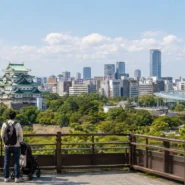
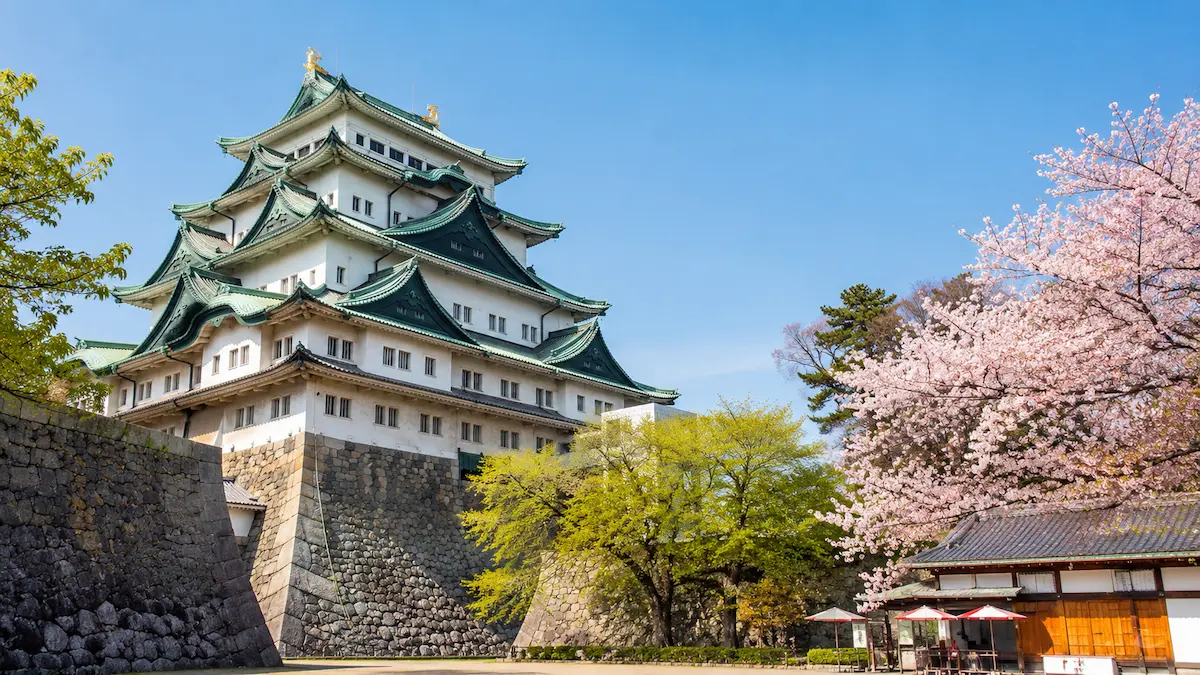
Nagoya Castle is the city’s visual symbol, but the correct reason to visit is the Hommaru Palace. Its reconstructed rooms, painted screens and decorative details communicate the status of the Owari Tokugawa family far better than a quick exterior photograph. Walk the grounds, see the golden shachihoko and read enough context to understand why the castle mattered.
The tower keep itself is closed to entry. This point is easy to miss because older articles and promotional descriptions still suggest an interior museum or observation experience. Check the official Nagoya Castle website before visiting for current access conditions.
Tokugawa Art Museum and Tokugawaen Garden are in a different part of the city, so they are not a simple walk from the castle. The art museum is best for travelers with a genuine interest in samurai objects, court culture and the Tale of Genji collection. The garden is attractive but modest compared with Japan’s most famous landscape gardens.
✅ What Other Travelers Say
Travelers who enter with the correct expectations often rate Hommaru Palace as the highlight, particularly its craftsmanship and gold-rich interiors. History-focused visitors also appreciate the Tokugawa museum’s collection because it goes beyond generic armor displays.
⚠️ The Catch (Things to Keep in Mind)
Visitors who expect to climb the keep can leave disappointed. The castle and Tokugawa museum are also frequently combined too casually: buses and waiting time make the route slower than it appears. Use the Me~guru bus when its schedule suits your day, or choose one major historical site and preserve time for another neighborhood.
📍 Atsuta and Southern Central Nagoya: Best for a Calm Shrine Visit and Hitsumabushi
Tags: Sacred atmosphere · Early morning · Local food · Short cultural stop · Easy from Kanayama
Atsuta Jingu offers a change of pace from malls and museums. The wooded approach and broad shrine grounds feel calm, especially early in the morning before tour groups and lunch crowds arrive. It is an important shrine, but first-time visitors should plan it as a one- to two-hour experience rather than an entire sightseeing day.
The area is closely associated with hitsumabushi, grilled eel served over rice and eaten in stages: first plain, then with condiments, and finally with broth. The famous restaurants can be expensive and busy. The meal is worthwhile for many food travelers, but it is not a budget staple and is not ideal for anyone who dislikes eel’s rich texture.
Atsuta combines well with Osu, Kanayama or an afternoon at the aquarium. It does not combine efficiently with Ghibli Park or Kinjofuto.
✅ What Other Travelers Say
Visitors frequently mention the peaceful forested setting and the sense that Atsuta feels more locally rooted than Nagoya’s commercial landmarks. Food-focused travelers often treat hitsumabushi as one of the city’s most memorable meals.
⚠️ The Catch (Things to Keep in Mind)
The central shrine architecture is restrained, so travelers expecting the visual drama of Fushimi Inari or Nikko may find it understated. Famous eel restaurants can create a large time penalty. Have a backup restaurant, arrive before peak lunch or eat elsewhere and enjoy the shrine without turning the day into a queue-management exercise.
📍 Port of Nagoya and Kinjofuto: Best for Families, Aquariums and Train Fans
Tags: Family day · Aquarium · Shinkansen history · Hands-on exhibits · Full-day commitment
The Port of Nagoya Public Aquarium is a serious aquarium rather than a quick rainy-day filler. Families can easily spend four or more hours once they include the large tanks, scheduled programs and surrounding port attractions. Reach it from Nagoyako Station, then walk about five minutes from Exit 3.
SCMAGLEV and Railway Park is one of the city’s best specialized museums. Full-size historic trains, Shinkansen exhibits and railway technology make it rewarding for transport enthusiasts and children. It is beside Kinjofuto Station, around 24 minutes from Nagoya Station on the Aonami Line.
LEGOLAND Japan is also at Kinjofuto. It makes sense for families with children who actively want LEGO rides and play areas. Adult couples or solo travelers usually receive better value from the railway museum, aquarium, Toyota museum or Ghibli Park.
✅ What Other Travelers Say
Families often praise both the aquarium and railway museum for being substantial enough to justify the travel time. Train fans regularly describe SCMAGLEV and Railway Park as a Nagoya highlight rather than a minor niche stop.
⚠️ The Catch (Things to Keep in Mind)
The aquarium and Kinjofuto attractions are in different transport corridors. Combining them without a car or taxi can mean backtracking and multiple transfers. Do not assume the word “port” means they are next door. Pick the aquarium for marine life, Kinjofuto for trains or LEGO, and protect the rest of your day.
📍 Nagakute and Ghibli Park: Best for Dedicated Ghibli Fans, Not a Casual Add-On
Tags: Advance reservation · Full-day trip · Themed environments · Extensive walking · High planning priority
Ghibli Park is the trip’s non-negotiable anchor for many visitors, and it should be planned first. It is not a compact ride-based theme park. The experience is built around recreated environments, exhibitions, character details, photography and exploring several zones inside Expo 2005 Aichi Commemorative Park.
All tickets require advance reservation. Overseas sales are available through the official ticket process and Klook, and release dates are published on the official Ghibli Park ticket page. Popular premium options can disappear quickly, so do not book non-refundable Nagoya hotels around an assumed ticket date until you understand the release schedule.
From central Nagoya, the common rail route involves the Higashiyama subway line to Fujigaoka and a transfer to the Linimo. A direct bus may suit some schedules, but it is less frequent and more vulnerable to road conditions. Either way, allow a generous door-to-door margin.
✅ What Other Travelers Say
Committed Ghibli fans often love the environmental detail, photography opportunities and feeling of walking into familiar film settings. Many visitors recommend the premium ticket when available because access differences can materially change the day.
⚠️ The Catch (Things to Keep in Mind)
Casual fans may find the experience less exciting than a conventional theme park because there are few thrill rides. The zones require considerable walking, food queues can be slow and the park is not central Nagoya. A 2:00 p.m. Grand Warehouse entry can also make the day harder to sequence than a morning slot. Treat the visit as a full day and keep dinner plans flexible.
Where to Stay in Nagoya Without Creating Extra Transfers
Nagoya Station: Choose this for a one-night stop, an early Shinkansen, airport-to-hotel simplicity or day trips that depart from the main rail and bus hub. The east side is generally better for polished shopping and business hotels; the west side often offers lower rates and quick Shinkansen access. Check the exact station exit.
Sakae: Choose this for restaurants, shopping, nightlife and a more enjoyable evening base. It is usually the best answer for couples and first-time city-break travelers who will spend two or three nights in Nagoya.
Fushimi: Choose this for quieter nights and a central position between Nagoya Station and Sakae. It works especially well for travelers who prioritize museums, comfortable hotels and straightforward subway access.
Kanayama: Choose this for airport access, lower prices and easier movement toward Atsuta and the port. It is practical rather than scenic, but it can save both money and station stress.
Avoid distant suburban bargains: A room that saves ¥2,000 but adds two transfers and 35 minutes every morning rarely improves a short trip. The savings disappear when you account for fares, fatigue and lost sightseeing time.
How Many Days Do You Really Need?
One full day: Nagoya is worth a stop, but stay disciplined. Visit the Toyota Commemorative Museum in the morning, have a Nagoya-meshi lunch, see Hommaru Palace at Nagoya Castle in the afternoon and finish in Sakae after dark. Do not add Ghibli Park.
Two full days: This is the best minimum for first-time visitors. Use one day for the station/Toyota/castle/Sakae route. Use the second for Atsuta, Osu and either the science museum or a slower food-and-shopping afternoon.
Three full days: Add one major outlying experience: Ghibli Park, the aquarium, SCMAGLEV and Railway Park, LEGOLAND with children, or an Inuyama day trip. Pick one anchor rather than trying to collect all of them.
Four or more days: Nagoya becomes a strong base for central Japan. Consider Inuyama, Tokoname, Ise, Gifu or an overnight continuation toward Takayama. Shirakawa-go and Takayama are possible as long excursions, but they are more rewarding when you do not force both directions into a single rushed day.
Realistic Nagoya Itineraries That Do Not Zigzag
A Practical 2-Day Nagoya Itinerary
Day 1: Start at the Toyota Commemorative Museum when it opens. Eat lunch around Nagoya Station or Endoji. Continue to Nagoya Castle and focus on Hommaru Palace. Move to Sakae before sunset, walk Hisaya-odori Park and Oasis 21, then have dinner in Sakae or Fushimi.
Day 2: Visit Atsuta Jingu early. Eat hitsumabushi before the main lunch rush or move directly to Osu for a cheaper meal. Explore Osu Kannon and the shopping arcades. Finish at the science museum, Fushimi cafés or a second evening in Sakae depending on weather and energy.
A Practical 3-Day Nagoya Itinerary With Ghibli Park
Day 1: Nagoya Station, Toyota Commemorative Museum and Sakae.
Day 2: Ghibli Park only. Keep dinner near Fujigaoka, Sakae or your hotel and avoid a fixed high-end reservation immediately after the park.
Day 3: Nagoya Castle, Osu and Atsuta Jingu. Drop one stop if you enjoy museums slowly or encounter a restaurant queue.
A Practical Family Itinerary
Day 1: Port of Nagoya Public Aquarium and an easy evening around Kanayama or Sakae.
Day 2: SCMAGLEV and Railway Park plus Maker’s Pier, or LEGOLAND if the children are the right age and genuinely interested.
Day 3: Science museum, Osu snacks and Oasis 21 after dark. Avoid stacking multiple large museums just because they are indoors.
What to Eat in Nagoya—and How to Avoid Losing Hours in Line
Hitsumabushi: Nagoya’s most distinctive splurge meal. Expect a higher bill than a typical rice bowl and a wait at the most famous restaurants. Arrive early, use branch locations or reserve where possible.
Miso katsu: Pork cutlet with a rich red-miso sauce. The flavor is sweeter, darker and stronger than standard tonkatsu sauce. Order a smaller portion if you are unsure, especially at lunch.
Tebasaki: Peppery fried chicken wings, ideal with drinks in the evening. They are easier to fit into an itinerary than a long formal meal.
Kishimen: Flat noodles that make a fast, inexpensive lunch. Station restaurants can be genuinely useful when you have a tight connection.
Ogura toast and morning service: Many cafés include toast, egg or a small breakfast with a morning drink order. It is a budget-friendly local habit and a better use of time than queuing for a social-media-famous dessert.
Vegetarian and allergy warning: Red miso dishes, noodle broths and sauces may contain fish stock or other animal ingredients even when no meat is visible. Ask clearly, use translated dietary cards and do not assume a vegetable-looking dish is vegetarian.
Budget Planning: Where Nagoya Saves Money and Where It Does Not
Nagoya can cost less than Tokyo or central Kyoto, but it is not automatically a budget destination. The biggest savings usually come from hotel choice, breakfast strategy and avoiding unnecessary private transfers—not from skipping every paid attraction.
- Accommodation: Business hotels around Kanayama, Fushimi or the west side of Nagoya Station often offer better value than the most fashionable Sakae addresses. Event dates can erase that difference.
- Transport: An IC card is often cheapest for a light sightseeing day. Day passes become useful only when you make enough eligible trips.
- Food: Mix one premium hitsumabushi meal with station noodles, morning service, department-store food halls and casual izakaya dishes.
- Attractions: Osu, Atsuta Jingu, parks and city walks keep costs down. Spend on the Toyota museum, aquarium, Ghibli Park or railway museum according to your interests rather than buying every available pass.
- False economy: A distant hotel, two-hour restaurant queue or taxi caused by a poorly sequenced route can cost more than simply booking the right area.
Best Time to Visit Nagoya
Spring: Comfortable temperatures and cherry blossoms make this an easy first visit, but weekends and popular blossom periods raise prices.
Summer: Hot, humid and tiring. Build in indoor attractions, carry water and avoid planning long exposed walks in the middle of the day. July events and school holidays can increase family-attraction crowds.
Autumn: Generally comfortable and well suited to city walks and day trips. In 2026, major sporting events in September and October create an extra accommodation and transport consideration.
Winter: Cooler, drier weather is good for museums, food and illuminations. Daylight is shorter, but crowds can be lighter outside New Year holiday periods.
Key FAQs
How many days do first-time visitors need in Nagoya?
Two full days is the best minimum for the city itself. Add a third full day for Ghibli Park, the Port of Nagoya Aquarium, SCMAGLEV and Railway Park or an Inuyama day trip. A one-day stop is worthwhile, but only with a tightly focused route.
Is it better to stay near Nagoya Station or Sakae for a first trip?
Stay near Nagoya Station when your trip is short, luggage-heavy or built around Shinkansen, airport and highway-bus connections. Stay in Sakae when you value restaurants, shopping and evening atmosphere. Fushimi is the quieter middle ground, while Kanayama is the practical budget-and-airport alternative.
Is Nagoya worth visiting between Tokyo and Kyoto?
Yes, especially for travelers interested in Toyota and railway history, Ghibli Park, distinctive local food or a less crowded Japanese city. It is less compelling if your only goal is traditional streets and temples, in which case extra time in Kyoto or an overnight in Takayama may fit better. Nagoya works best when you choose attractions that are genuinely unique to the region rather than treating it as a generic stopover.
Final Verdict and Your Next Step
Nagoya rewards travelers who plan by transport corridor and personal interest, not by the length of a “top attractions” list. For a first visit, choose one central base, limit each day to two substantial attractions plus one neighborhood, and reserve your most important experience before filling the rest of the itinerary.
For a one-night stop: Stay at Nagoya Station, visit the Toyota Commemorative Museum and finish with dinner in Sakae or a station restaurant floor.
For couples and food travelers: Stay in Sakae or Fushimi, give Osu and Atsuta enough time, and book one special Nagoya-meshi meal without making every meal a queue.
For families: Choose between the aquarium and Kinjofuto attractions based on the children’s interests. Do not combine distant family attractions simply because they appear under the same “Port of Nagoya” label.
For Ghibli fans: Secure the park ticket first, protect a full day and then book accommodation. A premium ticket, when available and affordable, may offer a meaningfully fuller experience.
For history lovers: Visit Hommaru Palace with the correct expectation that the castle keep is closed, then consider Inuyama if climbing an original wooden keep matters to you.
Hotel prices and the most convenient rooms can disappear early around weekends, public holidays, autumn foliage, motorsport dates and the 2026 Asian Games period. Compare flexible rates before your route is locked in:
- Compare Nagoya hotels on Booking.com
- Check Nagoya hotel deals on Agoda
- Book Nagoya attractions and day tours on Klook
- Check current Ghibli Park ticket options on Klook
- Browse Nagoya activities and transfers on KKday
The smartest next step is simple: decide whether your trip is primarily about the city, Ghibli Park, family attractions or onward transport. Book that anchor first, then choose the hotel area that removes the most transfers. That one decision will save more time than almost any sightseeing pass.