For a first trip to Paris, plan one major sight and one nearby neighborhood each day. Pair the Louvre with the Tuileries or Notre-Dame with the Latin Quarter, and give Montmartre its own half-day. Choose a hotel that makes those journeys and your arrival easy, especially if you have luggage.
💡 Key Takeaways
- Plan one main paid attraction and one nearby neighborhood each day. Trying to cover the Louvre, Eiffel Tower and Montmartre as quick stops creates more travel than enjoyment.
- Choose a hotel by a practical arrival and useful daily routes, not simply the smallest distance to a landmark. Paris’s stairs, big interchanges and final hotel walk matter with bags.
- Check the current version of the city: Notre-Dame’s main cathedral is free, the Centre Pompidou building is closed for renovation, and the Montparnasse observatory closed in March 2026.
A good Paris travel guide for first-time visitors should help you choose what to leave out. The city can be wonderful without a perfectly filled calendar, but it is easy to spend the first visit racing between queues, crossing the river repeatedly and arriving at dinner with no energy. The better starting point is a few clear priorities, grouped into manageable districts.
This guide uses five areas to make the city easier to plan: the Louvre and Tuileries, the islands and Latin Quarter, the Marais, Montmartre, and the Eiffel Tower–Invalides side of the Left Bank. They are sightseeing clusters, not claims that one district is best for every hotel or traveler. Use them to build your days, then choose tickets, transport and a base around your actual interests.
Once you have chosen the areas you want to see, the five-day Paris itinerary puts them in a practical order and leaves time for breaks.
The 1-Min Cheat Sheet
- For a first stay: allow three full days for a selective introduction or five for a gentler pace and more interiors. Arrival and departure days are not automatically full sightseeing days.
- For major bookings: pick the Louvre or another museum you truly want, then the Eiffel Tower if going up matters to you. Build nearby walks around confirmed dates rather than booking every attraction independently.
- For an easy first afternoon: choose the district near your hotel, have a meal and take a short walk. Save the longest museum visit or hill walk for a day when you are rested.
- For transport: CDG normally means RER B; Orly has Métro 14. Ordinary 2026 airport rail tickets cost €14. Compare a licensed taxi for the whole party and bags instead of assuming rail always wins.
- For value: combine paid highlights with free walks, Notre-Dame’s main cathedral and appropriate free permanent collections. Buy a museum or transport pass only after checking what you will actually use.
Top Survival Tips
- Book the stay around a workable arrival. Ask for the easiest station exit, the real entrance and luggage storage rules. A charming room up several flights can be the wrong choice for a traveler who cannot handle the stairs, regardless of its neighborhood.
- Protect the first day. Leave room for immigration, train delays, check-in and a proper meal. A timed attraction shortly after landing can convert an ordinary delay into a lost booking and a stressful start.
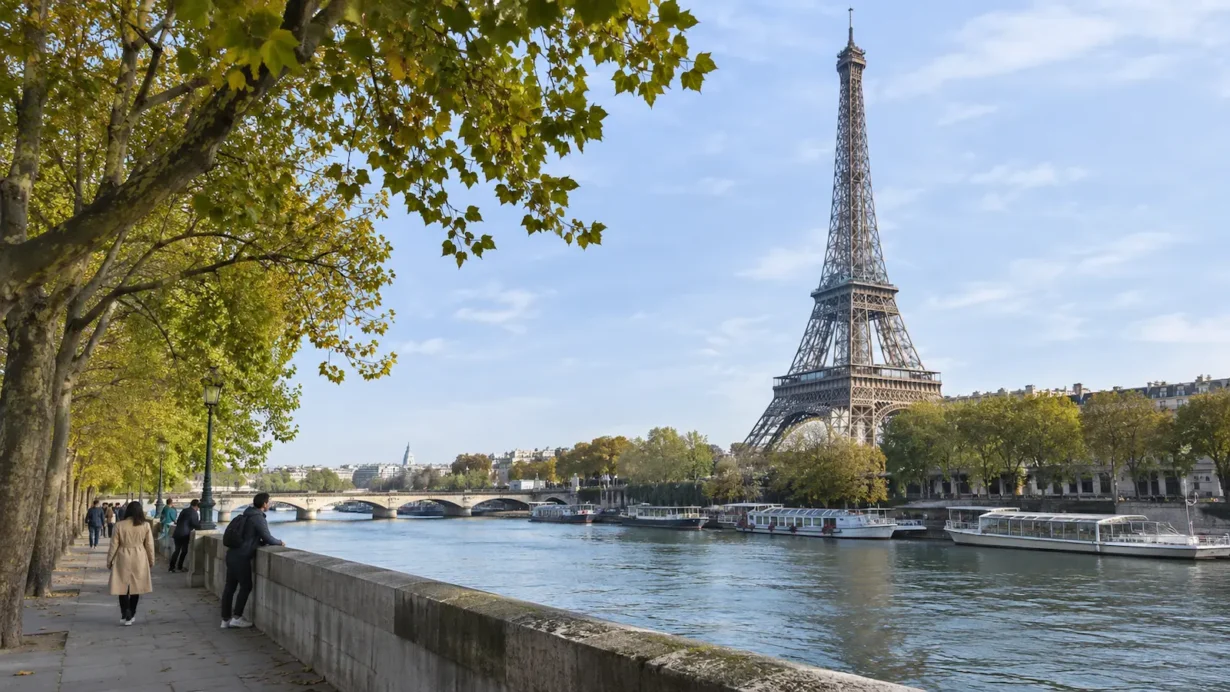
- Separate a famous view from a paid visit. Seeing the Eiffel Tower from the surrounding area and going up it are different experiences. A bridge walk can be a highlight without another ticket; pay for an interior or ascent because you want that experience.
- Know what is closed. The Centre Pompidou’s Beaubourg building is closed during its 2025–2030 transformation. The Montparnasse observatory closed on 31 March 2026 for a multi-year renovation. Do not build a rainy-day backup around either old recommendation.
- Use official entry pages before buying a package. Notre-Dame’s main cathedral is free and its optional reservation is free. A paid tour, the towers and another attraction are separate products; a seller should not disguise a free cathedral entry as a mandatory ticket.
- Keep the calendar flexible around closures. The Louvre is normally closed Tuesday and Carnavalet Monday. Check the actual attraction pages for your dates and holidays; swapping area days is usually easier than replacing a fully booked visit at the last moment.
- Plan for the group’s slowest comfortable pace. Include seats, toilets, food and an easy return. An extra district is poor value if it leaves a child or companion too tired to enjoy the booked highlight.
- Check the entire accessible route. A hotel elevator, a modern train and a museum access symbol do not describe the same physical path. RATP’s accessibility guidance is a useful starting point; confirm both transport access and the building entrance.
For three full days, a sensible first arrangement is one museum-and-river day, one islands-and-Marais day, and one Eiffel Tower or Montmartre day according to your main interest. Choose between the last two if the pace would otherwise become uncomfortable. With five days, separate the major museum, islands, Marais, hill and western sights so you can linger. This is a planning framework, not an instruction to enter every attraction listed below.
Set a whole-trip spending ceiling before opening ticket sites. Include accommodation, airport transfers, meals and chosen admissions before optional upgrades. Compare the actual room category and full guest count; a cheap-looking rate for the wrong occupancy is not a real saving.
The Full Experience
📍 Louvre and Tuileries: Best for a Focused Museum Day
Major museum • Garden recovery time • Book a realistic amount
Choose this cluster when art is a real priority, rather than treating the Louvre as a compulsory box to tick. Pick a few collections or works you want to see and allow the rest to be optional. A focused visit followed by a meal and the garden is more satisfying than rushing through the building and then attempting three other paid attractions. Check the museum map and your entrance instructions before the day.
The official Louvre visit page gives the current opening pattern, ticket categories and restrictions. It is normally closed Tuesday, with some evening openings on other days; use the date you are actually visiting. Reserve the ticket category you qualify for and carry the required evidence. Do not borrow a price from an old blog or assume that every visitor has the same entitlement.
The Tuileries provide a useful change of pace after the galleries. Treat the garden as an outdoor recovery stop, with weather-appropriate clothes and enough time to sit, rather than another item to cross at speed. Its closing time changes seasonally. If the museum has already used your attention and energy, a short garden walk is a perfectly good ending to the area day.
✅ What Other Travelers Say: The outdoor walk is useful for judging how much to add after the museum. Compare visitor reports with your interests: a specialist spending a day inside and a family selecting two sections are planning different experiences.
⚠️ The Catch (Things to Keep in Mind): The Louvre is too large to absorb meaningfully as a hurried photo stop. Booking admission does not remove security or guarantee that every gallery will be available. If art is not your priority, enjoy the exterior and garden and spend the paid-attraction budget on something that interests you more.
📍 Île de la Cité and the Latin Quarter: Best for the Historic Core and a Slower Walk
Free cathedral entry • Separate monument tickets • River crossings with purpose
Combine a selected island visit with a Left Bank walk instead of crossing the river repeatedly for disconnected appointments. Start with the visit you most want, leave a buffer for entry, and then move toward nearby streets for a meal. The area can work well on a short first visit because it gives you a sense of the historic center without needing a full day of paid interiors.
Notre-Dame’s official reservation information states that the main cathedral is free and an optional entry reservation is free. Use the official site for current availability close to your visit. Do not pay someone merely because they describe free main-floor access as a scarce ticket. The towers, archaeological crypt, treasury and a guided activity are different experiences with their own arrangements; confirm exactly what a paid offer includes.
If Sainte-Chapelle is a priority, use its own visitor information to book a separate visit and follow its security and timed-entry instructions. It is a different monument, not an extra room inside Notre-Dame. Avoid stacking two rigid admission times so closely that the first queue makes the second booking stressful. You do not need to enter every historic building on the island to have a rewarding morning.
Across the river, use the Latin Quarter for a slower meal and a manageable walk. Choose a few streets or a garden pause rather than trying to turn the entire Left Bank into one afternoon. Restaurant location alone is not a quality guarantee: read the menu and total prices before sitting down, and move a street or two if the nearest busy terrace does not match your budget or appetite.
For transport, ask the hotel or planner which open stop and exit suits the route. At the November 2026 check, Métro 4 was not stopping at Saint-Michel through 19 December inclusive. That notice concerns the Métro stop; check the RER station separately if using Saint-Michel–Notre-Dame. A familiar name on an old map is not enough to plan an arrival with luggage.
✅ What Other Travelers Say: The area walk helps you judge distances and the street setting. Use the monuments’ current rules for admission; a filmed queue or entry procedure is one recorded experience, not a reservation guarantee.
⚠️ The Catch (Things to Keep in Mind): Understand exactly what a paid package includes. A specific guide or separate monument can have value; a supposed shortcut to free cathedral entry can waste both money and the neighborhood time you wanted.
📍 Le Marais: Best for Neighborhood Time and Paris History
Walkable clusters • Free permanent collection option • Watch the opening day
Choose the Marais when you want a day with room to wander between streets, small shops and a more manageable museum. Place des Vosges and the surrounding streets can anchor an unhurried visit, while a specific museum gives the day some structure. Avoid turning every attractive doorway into another detour; a short area explored properly can be more memorable than a long route followed in a hurry.
Musée Carnavalet’s permanent collections are free and do not require an individual booking under its current practical information. Temporary exhibitions are separate paid visits, and the museum is normally open Tuesday to Sunday. It is a useful choice for understanding Paris’s history without committing to another huge museum day. Confirm any special access or exhibition arrangement you need before going.
Travel light if you plan to visit Carnavalet. Its official information says luggage is not accepted and describes small handbag-style bags as the accepted type. This is not an arrival-day storage solution for a suitcase. Leave bags through a properly confirmed accommodation or storage arrangement first. The rule is a practical reason to choose a local walk on arrival and save the museum for a day when you can visit comfortably.
Keep the museum optional if the weather is good and everyone prefers being outside. Conversely, a rainy visit can focus on the indoor history collection and a nearby meal rather than a long shopping walk. The strength of this area is its flexibility. You do not need a tightly timed route between every stop to make it worthwhile.
✅ What Other Travelers Say: The filmed streets help you judge whether this style of neighborhood time appeals. They cannot establish bedroom noise or current shop openings. Confirm the details that affect a booking directly.
⚠️ The Catch (Things to Keep in Mind): Check Monday closures and the museum’s bag rule. A free collection is not a suitcase-storage solution, and an atmospheric district still needs practical planning when you arrive with luggage.
📍 Montmartre: Best for a Separate Hill-Side Half-Day
Hills and steps • Free basilica • Dome is a different climb
Give Montmartre its own half-day when you want the hill, streets and views. It is less satisfying as a rushed add-on after a long museum visit on the other side of Paris. Begin with an approach your group can manage, choose a few streets and allow time to stop. If the weather is poor or everyone is already tired, moving the hill to another day is a sensible adjustment.
The basilica’s official information distinguishes the free basilica visit from the dome tour. You can enjoy the area and basilica without paying for the dome. Respect the church setting and its current visitor instructions rather than treating it solely as a viewpoint. Crowding around the busiest approaches is a reason to allow time and keep bags close, not a reason to rush through other people.
The dome visit involves 280 narrow steps and no lift according to the official page. That is a different physical commitment from reaching the basilica’s forecourt. Do not promise a companion that a funicular or a taxi removes the dome stairs. If the climb does not suit you, skip it without feeling that the neighborhood visit is incomplete.
The funicular can reduce one climb, but it does not flatten the surrounding neighborhood or turn every cobbled street into a step-free route. Check the current transport ticket and access arrangements before relying on it. For a wheelchair or another specific mobility need, obtain the actual approach and basilica entrance information rather than following a walking-video route that happens to look picturesque.
Use the rest of the visit for a modest walk and a meal that fits your preferences. The most photographed terrace is not automatically the best place to eat or the best value. Read the menu and choose deliberately. If a portrait, performance or souvenir interests you, establish the terms before participating; you can simply decline an offer and continue with your day.
✅ What Other Travelers Say: Use the film to preview slopes and street conditions. A smoothly filmed climb can still be tiring with a stroller or limited stamina; choose the actual approach around your group’s needs.
⚠️ The Catch (Things to Keep in Mind): Keep the dome optional and avoid a distant timed attraction immediately afterward. A relaxed half-day with one good view is better than adding steep detours solely because they appear on a photo list.
📍 Eiffel Tower and Invalides: Best for a Planned Landmark Visit
Choose the tower level • Allow security time • Pair one nearby interior
Decide first whether going up the Eiffel Tower matters to you. If it does, choose the destination level and lift or stairs product through the official ticket office. If it does not, enjoy a view from the surrounding public area and keep the time and money for another interest. Neither choice makes the trip less complete; the mistake is buying an ascent you do not want because it feels compulsory.
Read the product before paying. A second-floor ticket is not a summit ticket, and the official guidance says you cannot simply upgrade a second-floor visit to the summit on site. Security still applies with a prebooked ticket. Leave space before and after the booking, and check the operator’s current weather or operating notice instead of assuming that a ticket makes every part of the monument available.
This western part of the Left Bank can involve more walking than a simple landmark list suggests. Choose a coherent route toward the tower, the river or Invalides, and use transport when the distance no longer suits the group. Avoid assuming that the Eiffel Tower and every other famous Paris building are close neighbors merely because they appear together in a skyline photograph.
If military history or Napoleon’s tomb interests you, the Musée de l’Armée’s official visitor page explains the Invalides museum ticket and current opening arrangements. Treat it as a proper visit, not a five-minute detour between tower appointments. One chosen interior plus some outdoor time is usually a more useful plan than paying for several collections you will only hurry through.
✅ What Other Travelers Say: The neighborhood walk helps show what to combine with a tower visit. It is outdoor context, not a queue forecast or proof that a distant attraction fits the same afternoon.
⚠️ The Catch (Things to Keep in Mind): The tower is a substantial visit once access, security, waiting and the ascent are included. A summit ticket does not guarantee every weather-dependent operation. Do not replace a missed tower booking with the old Montparnasse observatory recommendation: that observatory closed in March 2026 and is not a current walk-in backup.
Key FAQs
How many days do first-time visitors need in Paris? Three full days can give a selective introduction, while five allow more interiors, neighborhood time and recovery. Count usable sightseeing days separately from long-haul arrival and departure. Choose a few priorities and group nearby experiences instead of treating every famous attraction as essential on the first visit.
Which Paris attractions should I book before arriving? Reserve the paid highlights you truly want, especially a specific Eiffel Tower level or a major museum visit on fixed dates. Check the attraction’s actual calendar and ticket category. Notre-Dame’s main cathedral is free, with optional free reservations through its own site; it should not be confused with a paid tour, tower or other nearby monument.
What is the easiest way to avoid exhausting transfers on a first Paris trip? Choose accommodation with a workable airport or station arrival and useful direct daily routes. Group sightseeing by district, leave luggage before museum visits and check access at both ends of a journey. Pay for an occasional licensed taxi when it meaningfully reduces handling, rather than forcing a complicated route simply to use a pass.
Final Verdict and Your Next Step
For an art-led first visit, anchor the stay around a focused museum day and nearby walks. For families or a slower trip, choose one major interior at a time, use the Marais or river area for flexible time and keep Montmartre’s climbs optional. For a landmark-focused break, reserve the Eiffel Tower product you want and leave room around it. All three approaches need fewer cross-city jumps and more breathing space.
Choose your two most important experiences, check their official dates and then confirm the accommodation entrance and arrival route. Start with the Eiffel Tower ticket office, the Louvre’s current ticket information or Notre-Dame’s free reservation page according to your interests. Book paid highlights early where appropriate, keep free neighborhood time between them, and let the rest of Paris remain a reason to return.