
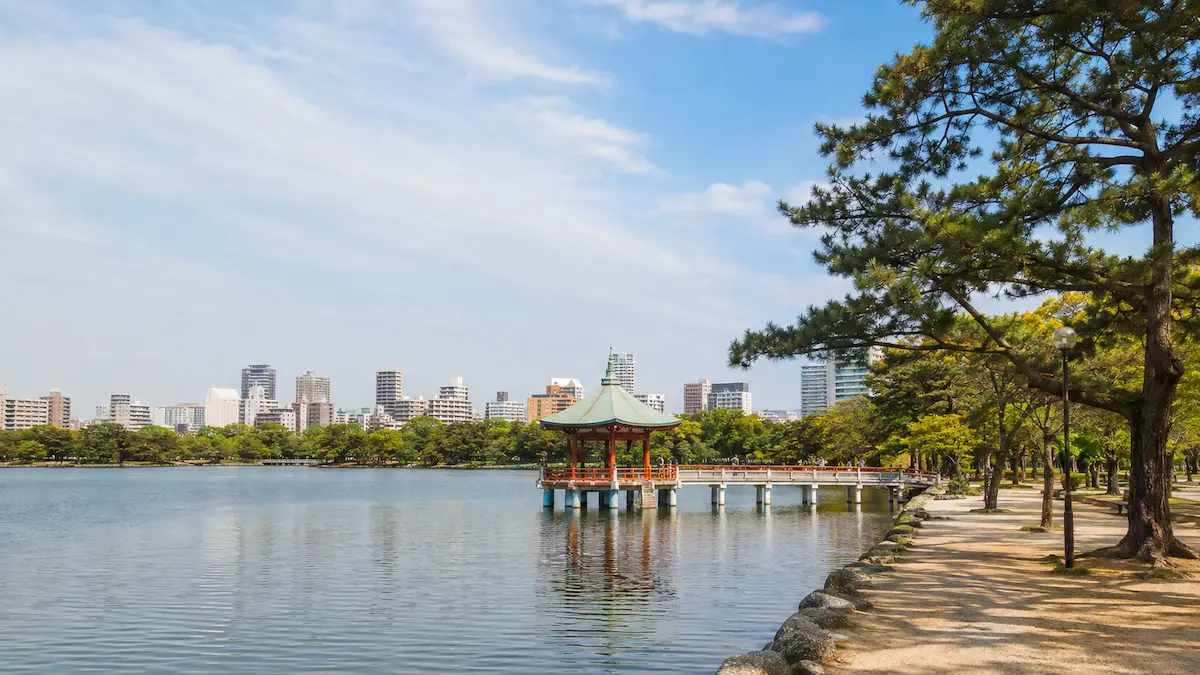
💡 Key Takeaways
Choosing the best time to visit Fukuoka is less straightforward than picking the month with the nicest average temperature. Cherry blossom season is beautiful, but accommodation can become expensive and Maizuru Park is far busier than it looks in carefully framed photos. Summer festivals are exciting, yet Fukuoka’s heat and humidity can seriously reduce how much walking you can tolerate. The rainy season does not mean nonstop rain every day, but forecasts are less dependable and heavy downpours can disrupt outdoor day trips. Golden Week, Japanese public holidays and major events can push up prices, while winter is often cheaper but brings shorter daylight, chilly wind and occasional holiday closures. The right month depends on which compromise you would rather make.
Editorial data note: temperature, rainfall and humidity figures below use Japan Meteorological Agency 1991–2020 climate normals for Fukuoka. They are planning averages, not a promise of exact conditions for your travel dates.
The 1-Min Cheat Sheet
- March to April: Best for cherry blossoms, spring atmosphere and comfortable daytime sightseeing. Expect volatile bloom dates, cold evenings, higher prices around peak bloom and another demand surge as Golden Week approaches in late April.
- May to June: Late May is one of Fukuoka’s smartest value windows after Golden Week. June can be cheaper and less crowded, but Northern Kyushu’s rainy season normally begins around early June, making outdoor plans more of a gamble.
- July to August: Best for Hakata Gion Yamakasa, summer energy and coastal outings. Worst for heat-sensitive travelers, long walking itineraries and anyone expecting cool evenings. Early July may still be very wet; mid-August Obon adds domestic crowds and higher demand.
- September to November: September still feels like summer and carries tropical-cyclone risk. October is the strongest overall month for weather; November adds cooler air, seasonal food and late-autumn color.
- December to February: Best for lower weekday room rates, food-focused city breaks, winter illuminations and fewer sightseeing crowds outside New Year. It is not brutally cold by northern-Japan standards, but waterfront wind and short days are easy to underestimate.
Best Months at a Glance—Without the Marketing Spin
- Best overall: October, followed by early to mid-November.
- Best for cherry blossoms: Usually late March to early April, but never book a non-refundable trip around a single predicted bloom date.
- Best balance of price and weather: The second half of May, after Golden Week and before the rainy season settles in.
- Best for budget travelers: Weekdays in mid-January to February, excluding New Year and any major local event dates. June can also offer value if you accept rain risk.
- Best for festivals: Early May for Hakata Dontaku and July 1–15 for Hakata Gion Yamakasa.
- Months most people should think twice about: August for oppressive heat, and the wetter stretch from June into the first half of July for outdoor-heavy itineraries.
Top Survival Tips
- Do not confuse a monthly average with an all-day experience. An August average high of about 32.5°C sounds manageable on paper, but warm nights, humidity, direct sun and heat radiating from city streets make midday sightseeing much harder than the number suggests.
- Use refundable hotel rates for cherry blossom trips. Full bloom can move earlier or later with winter and spring temperatures. Track updated forecasts, but treat them as estimates until close to departure.
- Separate late May from early May. Golden Week in late April and early May is one of Japan’s busiest domestic travel periods. Fukuoka also hosts Hakata Dontaku during this period. The second half of May usually offers a much calmer price-to-weather balance.
- Do not assume the rainy season means gentle drizzle. Fukuoka may get usable dry windows, but intense bursts of rain can flood your shoes, slow rail services and make coastal or mountain day trips poor value. Pack a compact umbrella, a light rain shell and footwear that can survive wet pavement.
- Build a wet-weather backup before you arrive. Good options include teamLab Forest, museums, shopping around Hakata and Tenjin, food halls, cafés and an onsen visit. Deciding on the fly wastes valuable hours when everyone else has the same idea.
- In July and August, redesign the day rather than pushing through. Put parks, temples and markets in the early morning; schedule lunch, shopping and indoor attractions from around noon to late afternoon; return outside after the strongest heat eases.
- Treat September as late summer, not automatic autumn. It remains warm and humid, and tropical systems can affect flights, ferries and day tours. Keep at least one flexible day and avoid stacking non-refundable transport connections.
- Check more than Japan’s national holiday calendar. Concerts, baseball games, festivals and conventions can create sharp hotel-price spikes around Hakata, Tenjin and the PayPay Dome area even when the month is normally reasonable.
- Choose your base to reduce weather exposure. Staying near Hakata Station is efficient for rail day trips; Tenjin is convenient for dining, shopping and nightlife. Saving a small amount on a distant hotel can be false economy during rain, heat or short winter days.
- Book popular restaurants as well as rooms. During cherry blossom season, Golden Week and autumn weekends, the frustrating shortage may be dinner availability rather than sightseeing capacity.
The Full Experience
🌸 March to April: Best for Cherry Blossoms, but Not for Bargain Hunters
Tags: Cherry blossoms · Mild afternoons · Cool nights · Peak-season pricing · Unpredictable bloom timing
Spring is Fukuoka at its most photogenic. March has an average daytime high of about 15.0°C and an average low near 7.2°C; April rises to roughly 19.9°C by day and 11.5°C at night. That is excellent walking weather once the morning chill lifts, especially for Ohori Park, the Fukuoka Castle ruins, Dazaifu and neighborhood food crawls.
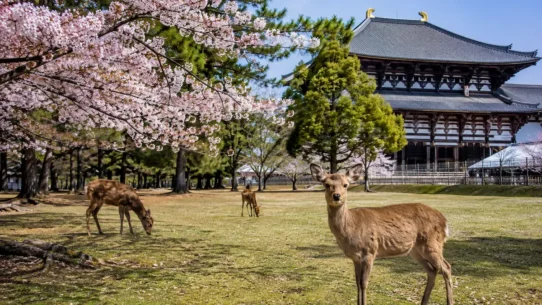
Cherry blossoms normally become the main attraction from late March into early April. Maizuru Park is the obvious choice, with blossoms around the castle ruins and seasonal illumination, but it is not a secret spot. Peak-bloom weekends can feel crowded, picnic areas fill, and centrally located rooms become poor value. Nishi Park, Atago Shrine and riverside locations can diversify your plan, though no urban blossom site is guaranteed to be quiet at the prettiest hour.
The smartest spring strategy is to decide whether blossoms are the purpose of the trip or simply a bonus. If they are essential, reserve a refundable hotel several months ahead and monitor annual forecasts. If they are only a bonus, choose mid-April after the biggest bloom rush or travel earlier in March for lower pressure and a more relaxed city break.
Late April requires another warning: Golden Week demand begins to build. Transport and rooms can become crowded or expensive even after the blossoms have gone, so do not assume every post-sakura date is automatically a bargain.
✅ What Other Travelers Say
A recurring theme in traveler reports is that Fukuoka’s blossom season can feel more manageable than Tokyo or Kyoto when visited on weekdays and early in the morning. Travelers also praise the combination of park scenery and easy access to restaurants. The positive reports usually come from people who avoided weekend evenings at the most famous viewing spots.
⚠️ The Catch (Things to Keep in Mind)
- Peak bloom is brief and weather-dependent; wind or rain can shorten the best viewing period.
- Warm afternoons can be followed by surprisingly cold evenings, especially when sitting outdoors.
- Room rates and restaurant availability may worsen before the park itself feels unmanageably crowded.
- Booking a fixed, non-refundable trip around a forecast published months ahead is a common and avoidable mistake.
🌿 May to June: Best for Late-May Value, but Risky for Outdoor Plans
Tags: Late-May sweet spot · Lush greenery · Early-summer humidity · Rainy-season risk · Better June availability
May and June should not be treated as one continuous season. Early May overlaps with Golden Week and Hakata Dontaku, bringing energy, parades and heavy domestic demand. Late May is a different proposition: average highs are around 24.4°C, evenings average about 16.1°C, greenery is fresh and the main holiday rush has passed. For many travelers, this is the best compromise between weather, cost and crowd levels.
June is cheaper for a reason. Northern Kyushu’s climatological rainy-season onset is around June 4, and Fukuoka’s normal June rainfall is about 249.6 mm—almost double May’s 133.7 mm. Average humidity rises to around 75%. It may not rain from breakfast to bedtime, but the uncertainty affects what you can responsibly book.
A June city break can still work well. Fukuoka is compact, its subway is useful, and there are plenty of indoor food, shopping and cultural options. The problem is an itinerary built around exposed scenery: Itoshima beaches, long shrine walks, garden photography, Takachiho, Mount Aso or ferry-dependent trips. A wet day is not merely less photogenic; it can turn a long excursion into poor value.
For the best odds, choose the second half of May. Choose June only when lower prices and fewer crowds matter more than reliable skies, and keep day tours refundable wherever possible.
✅ What Other Travelers Say
Travelers often report that June was not a total washout: some experienced short heavy showers, overcast periods and usable gaps rather than continuous rain. They also appreciate easier restaurant reservations and less pressure at major sights. Those who enjoyed the month usually had flexible plans and did not mind changing the order of their days.
⚠️ The Catch (Things to Keep in Mind)
- Weather apps become less useful for precise all-day planning when showers develop quickly.
- Waterproof footwear matters more than an expensive umbrella; wet socks can ruin a full day.
- High humidity makes temperatures feel warmer and slows laundry drying in compact hotel rooms.
- Heavy rain may affect regional rail, roads or outdoor attractions even when central Fukuoka remains manageable.
🔥 July to August: Best for Festivals, Worst for Heat-Sensitive Walkers
Tags: Hakata Gion Yamakasa · Intense heat · Tropical nights · Summer crowds · Obon price pressure
July offers one of Fukuoka’s strongest cultural reasons to accept bad weather: Hakata Gion Yamakasa runs from July 1 to 15, culminating in the pre-dawn Oiyama race on July 15. The atmosphere is genuinely special, and the decorated floats make central Hakata feel different from an ordinary city break. This is a meaningful reason to travel in summer—not a reason to pretend summer is comfortable.
Early July can still sit inside the rainy season. Once the rain retreats, heat becomes the main problem. Fukuoka’s normal average high is about 31.2°C in July and 32.5°C in August. Average nighttime lows remain around 24.6°C and 25.4°C, so the city may not cool enough to provide real overnight relief. July humidity averages about 75%.
August is the hardest month to recommend for first-time visitors who want to walk extensively. Canal City, Hakata Station and Tenjin’s underground areas provide useful air-conditioned breaks, but outdoor landmarks, markets and shrine routes still require exposure. A tightly packed 20,000-step itinerary that looks efficient on a map can become miserable by lunch.
Mid-August brings Obon, one of Japan’s busiest domestic travel periods. Trains, flights and hotels can cost more or have weaker availability. Families and festival-focused travelers can still have a good trip, but bargain hunters should not assume “summer” equals low season.
✅ What Other Travelers Say
Festival visitors regularly describe Yamakasa as an unforgettable part of Hakata’s identity. Summer travelers also enjoy evening food stalls, fireworks and trips toward the coast. At the same time, many report doing less than planned because the combination of sun and humidity was more exhausting than expected.
⚠️ The Catch (Things to Keep in Mind)
- The rain-to-heat transition can be abrupt; a wet forecast can turn into extreme heat with little comfortable middle ground.
- Heat risk is cumulative. Several long outdoor days in a row are harder than one isolated hot afternoon.
- Obon demand can erase any seasonal hotel discount.
- Book accommodation with reliable air conditioning and avoid assuming every traditional or budget property cools equally well.
- Carry water, take indoor breaks and follow local heat warnings rather than treating discomfort as something to “push through.”
🍁 September to November: Best Overall—Especially October and Early November
Tags: Best overall weather · Lower humidity later · Autumn food · Foliage · September storm risk
This is the strongest season for most first-time visitors, but September needs to be separated from October and November. September’s normal average high is still about 28.6°C, with a low around 21.6°C. Rainfall averages roughly 175.1 mm, and tropical cyclones or autumn rain fronts can disrupt transport. Calling September “cool autumn” is often wishful thinking.
October is the sweet spot. The average high falls to about 23.7°C and the low to 16.0°C, while normal rainfall drops to around 94.5 mm. The Japan Meteorological Agency describes October in Northern Kyushu as a period when migratory high-pressure systems frequently bring sunny, refreshing conditions. For walking, food markets, Dazaifu, Itoshima and rail day trips, this is the easiest month to recommend without major qualifications.
November is cooler—about 18.2°C by day and 10.6°C at night—and usually remains comfortable with a light jacket. Autumn leaves in central Fukuoka often arrive later than visitors expect, commonly becoming more rewarding from mid- to late November, with some color continuing toward early December. Higher-elevation day trips may turn earlier, so a single “Fukuoka foliage date” is misleading.
Prices are not guaranteed to be low. Pleasant weather, weekend foliage outings, concerts and local events still create demand. Yet compared with peak cherry blossom dates, autumn generally offers a better experience-per-yen ratio and less risk that one week of timing determines the entire trip.
✅ What Other Travelers Say
October and November receive some of the most consistently positive traveler feedback: easier walking, comfortable evening dining and less physical fatigue than summer. Travelers who prioritize food and neighborhoods over a single headline event often prefer autumn to cherry blossom season.
⚠️ The Catch (Things to Keep in Mind)
- September can still be hot, humid and storm-affected; do not pack as though it were November.
- Exact foliage timing varies by elevation and yearly temperatures.
- Popular autumn weekends at Dazaifu and foliage sites can still be busy.
- November evenings feel much colder after sunset than the daytime average suggests.
❄️ December to February: Best for Lower Prices and Food-Focused Trips
Tags: Lower weekday rates · Fewer crowds · Winter food · Illuminations · Short daylight and cold wind
Winter is underrated for travelers who care more about food, shopping and efficient city sightseeing than flowers or beach scenery. Fukuoka’s normal average highs are about 12.6°C in December, 10.2°C in January and 11.6°C in February. Average lows range from roughly 3.9°C to 5.8°C. Rainfall is at its annual minimum, though winter skies can be cloudy and coastal wind makes the air feel colder.
December brings illuminations and seasonal Christmas-market atmosphere. January and February weekdays often have better room availability and fewer queues, making them useful for budget trips. Hot ramen, motsunabe, mizutaki and onsen day trips also make more sense when the weather is cold.
This is not a guaranteed snow trip. Snow in central Fukuoka is possible but not dependable, and winter rain can feel raw. Daylight is shorter, so Dazaifu, Yanagawa or farther day trips should start early. Outdoor yatai dining remains appealing, but you need a wind-resistant layer rather than relying only on a thick sweater.
The main period to avoid is late December into early January. New Year is a major Japanese holiday: transport and accommodation demand can rise, while some restaurants, museums and independent businesses close or shorten hours. Low-season assumptions do not apply uniformly across the holiday.
✅ What Other Travelers Say
Winter visitors often praise the calmer streets, easier reservations and the pleasure of eating warming local dishes without summer humidity. Many find the cold manageable compared with northern Japan. Complaints usually focus on waterfront wind, early sunsets and discovering that a desired small restaurant was closed over New Year.
⚠️ The Catch (Things to Keep in Mind)
- New Year can combine higher demand with reduced business hours—the opposite of a normal quiet winter week.
- Short daylight reduces the margin for long regional day trips.
- Older or very compact rooms may feel cold near windows even when the listed temperature seems mild.
- Seasonal illumination and market dates change each year, so verify the official schedule before booking around one event.
Which Month Fits Your Travel Style?
- First-time visitor: Choose October or the first half of November for the least complicated mix of weather and mobility.
- Cherry blossom photographer: Aim for late March to early April, use flexible bookings and accept that perfect timing cannot be guaranteed.
- Budget traveler: Look at mid-January to February weekdays, or June if you are comfortable trading weather certainty for lower demand.
- Family with young children: Late May or October is easier than summer because outdoor walking is less punishing.
- Festival-focused traveler: Visit during Golden Week for Hakata Dontaku or July 1–15 for Hakata Gion Yamakasa, and book around the event rather than expecting normal seasonal prices.
- Food-first traveler: November through February is excellent for cooler-weather dishes and less exhausting restaurant hopping.
- Heat-sensitive traveler: Avoid July and August. Even a discounted room is not good value if the weather removes half your planned activities.
Key FAQs
What is the best month to visit Fukuoka for good weather?
October is the best single answer for most travelers. Average daytime temperatures are comfortable, humidity is lower than summer and rainfall is far below June and July levels. Early November is nearly as good if you prefer cooler evenings and want a chance of autumn color.
Is Fukuoka worth visiting during the rainy season in June?
Yes, but only with the right itinerary. June can offer lower prices, lighter crowds and plenty of indoor food, shopping and cultural options. It is a poor choice for a rigid schedule of beaches, mountain scenery and non-refundable outdoor day tours. Keep plans flexible and carry proper rain footwear.
When is cherry blossom season in Fukuoka, and how early should I book?
The usual window is late March to early April, but the exact first-bloom and full-bloom dates vary every year. Reserve a refundable hotel several months ahead if blossoms are the main purpose of your trip, then watch updated forecasts as departure approaches. Weekdays and early mornings offer the best chance of avoiding the heaviest crowds.
Final Verdict and Your Next Step
For the majority of travelers, the best time to visit Fukuoka is October to early November. You get the strongest combination of comfortable weather, reliable walking conditions and reasonable flexibility without paying purely for a short-lived natural event. Late May is the underrated alternative for value seekers. Choose late March to early April only when cherry blossoms justify higher prices and uncertain timing. Choose January or February for a cheaper food-focused break. Think carefully before booking August, and never build a June or early-July itinerary with no rain backup.
Once your dates are narrowed down, compare refundable rooms before committing to flights. Central hotels can disappear quickly during blossom season, Golden Week, Obon, festivals and major events:
- Compare Fukuoka hotels on Agoda
- Check refundable Fukuoka stays on Booking.com
- Browse Fukuoka attractions and day trips on Klook
- Compare Fukuoka and Kyushu experiences on KKday
Book the hotel first with free cancellation when possible, then add weather-sensitive day tours closer to departure. That order protects you from both price spikes and a forecast that makes your original outdoor plan poor value.
Research and Fact-Check Notes
This guide was fact-checked against Japan Meteorological Agency climate normals, the JMA’s rainy-season climatology, Japan National Tourism Organization guidance on peak travel periods, and Fukuoka City’s official Hakata Gion Yamakasa information. Traveler-opinion sections summarize recurring themes from travel forums and reviews; they are useful context, not weather data. Last fact-checked: August 5, 2026.