
💡 Key Takeaways
- A realistic Kanazawa travel budget starts at about ¥8,000–¥13,000 (US$50–$81) per person per day for a careful budget traveler, including a hostel bed or low-cost room. Solo hotel guests usually need more because they cannot split the room cost.
- The ¥800 city one-day bus pass only beats four ¥220 Loop Bus rides by a small margin. If your sights are grouped sensibly, walking plus one or two rides can cost less and feel less rushed.
- The biggest budget traps are seasonal hotel spikes, seafood-market splurges, luggage costs, day trips, and “small” snacks. A ¥600 coffee, ¥700 dessert and ¥1,000 late-night meal can quietly add more than a museum ticket to every day.
Planning a useful Kanazawa travel budget is harder than multiplying one average daily figure by the number of nights. Hotel rates can change sharply between an ordinary midweek date and a cherry blossom weekend. Kanazawa’s compact center looks easy on a map, yet travelers still waste money by crossing the city repeatedly, buying a transport pass they barely use, or choosing a cheap hotel that creates extra bus rides and luggage hassle.
The hidden costs are rarely dramatic on their own. They are the ¥200 or ¥500 accommodation tax, the ¥400–¥800 station locker, the airport transfer, a reserved-seat or ticket-change fee elsewhere in your Japan itinerary, a rainy-day taxi, an extra café stop, and the poor exchange rate accepted at a card terminal. Add those expenses across three days and the “cheap” trip can become noticeably more expensive.
This guide therefore gives you a working budget framework rather than a fantasy average. All figures are per person unless stated otherwise, and the approximate US dollar conversions use a simple planning rate of ¥160 = US$1. Exchange rates move constantly, so build the trip in yen first and treat the dollar figures as a quick reference rather than a promise.
The 1-Min Cheat Sheet
- Budget Traveler: ¥8,000–¥13,000 per day (about US$50–$81), including accommodation.
This assumes a hostel bed, capsule-style stay, guesthouse or discounted basic room; convenience-store or supermarket breakfast; a lunch set; an inexpensive dinner; mostly walking; zero to two bus rides; and mainly free or low-cost sights. A solo traveler insisting on a private hotel room will often land above this range. - Mid-Range Traveler: ¥18,000–¥30,000 per day (about US$113–$188), including accommodation.
This suits travelers using a well-located three- or four-star business hotel, eating one memorable seafood or local dinner, using buses when they save meaningful time, entering several paid attractions, and allowing room for coffee, sweets or a modest craft activity. Couples sharing a room may stay near the lower half of the range outside peak dates. - Comfortable Traveler: ¥35,000–¥60,000+ per day (about US$219–$375+), including accommodation.
This covers a higher-end hotel, boutique machiya or quality ryokan allocation, relaxed restaurant choices, taxis when useful, paid cultural experiences, drinks and a larger contingency. Premium kaiseki, crab cuisine, private guides or luxury ryokan meal plans can push the total far beyond ¥60,000.
Keep airfare, major shopping, theme park tickets and most intercity Shinkansen journeys outside your normal daily Kanazawa budget. They are large, irregular costs and will distort the number you use to control ordinary spending. Kanazawa itself has no major theme park; if your wider Japan trip includes Tokyo Disney Resort or Universal Studios Japan, give that day a separate budget.
What Your Kanazawa Daily Budget Actually Pays For
Accommodation: the cost that changes everything
For most visitors, accommodation is the largest and least predictable expense. A dorm bed or simple guesthouse can sometimes be found around ¥3,500–¥6,500 per person, while a basic private room may start around ¥6,000–¥11,000 on softer dates. A well-reviewed mid-range double room often sits around ¥10,000–¥22,000 per room, but weekends, blossoms, autumn foliage and holiday periods can lift the same room considerably. Boutique stays and ryokan with dinner and breakfast can range from roughly ¥20,000 to well above ¥50,000 per person.
Do not compare only the headline room rate. Check whether breakfast is included, whether the rate is per room or per person, whether cancellation is free, and whether the city accommodation tax is collected separately. Under the current Kanazawa rules, stays priced below ¥5,000 per person per night are exempt; stays below ¥20,000 are taxed ¥200; and stays at ¥20,000 or more are taxed ¥500 per person per night. A couple staying three nights can therefore owe an extra ¥1,200 or ¥3,000 at the property.
Food: cheap basics, expensive grazing
Kanazawa can be inexpensive to eat in, but it is also exceptionally easy to snack your budget away. A convenience-store breakfast can be kept around ¥450–¥800. A bakery or café breakfast is more likely to cost ¥700–¥1,300. Lunch sets, curry, noodles and casual rice bowls often fall around ¥900–¥1,600, while a tourist-facing seafood bowl at Omicho Market can easily cost ¥2,000–¥4,000 or more depending on the fish and toppings.
For dinner, an inexpensive chain or simple local meal may be ¥900–¥1,600. A comfortable izakaya dinner with several dishes and one or two drinks can land around ¥3,000–¥6,000. Sushi, seasonal crab, kaiseki and specialist seafood restaurants can rise rapidly from there. The practical trap is not one expensive dinner; it is combining that dinner with a ¥600 coffee, ¥700 gold-leaf sweet, ¥500 drink and ¥1,000 late-night snack.
Local transport: low fares, but poor planning multiplies them
Kanazawa’s main sightseeing districts are concentrated around the castle area, which makes walking genuinely useful. The Kanazawa Loop Bus charges a flat ¥220 per adult ride, while the city one-day pass costs ¥800. The pass becomes cheaper than paying four individual Loop Bus fares, but the difference is only ¥80. That means it is not automatically good value: three rides cost ¥660, and two rides cost ¥440.
There is also a payment trap. Nationwide IC cards such as Suica, PASMO and ICOCA are accepted on the Loop Bus and JR buses, but not on all Hokutetsu local buses. Contactless card rules also vary by bus type. Carrying some small yen or checking the route before boarding prevents avoidable confusion.
Attractions and experiences: mostly manageable until you add a day trip
Many streets, districts, shrines and parts of Kanazawa Castle Park can be enjoyed free. A modest sightseeing day can therefore cost only a few hundred yen in admissions. A fuller museum-and-garden day is more realistically ¥1,000–¥3,000, while craft workshops, kimono rental, geigi performances or private tours can add several thousand yen.
The budget changes completely when you add Shirakawa-go, Takayama, the Tateyama Kurobe Alpine Route or a private guide. For example, a return highway-bus outing to Shirakawa-go is already several thousand yen before food or admission, while organized tours can cost ¥8,000–¥15,000 or much more. Treat every day trip as its own mini-budget rather than hiding it inside a normal Kanazawa day.
Arrival, luggage and departure costs
The direct limousine bus between Komatsu Airport and Kanazawa Station currently costs ¥1,400 each way. This is not part of an ordinary sightseeing day, so record it under “arrival and departure.” At Kanazawa Station, lockers are roughly ¥400 for small, ¥600 for medium and ¥800 for large per day. Reserved luggage storage is around ¥1,000 per item at one station service. Those are small charges, but a couple with two large bags can lose ¥1,600 simply because hotel check-in is later than arrival.
Where to Stay in Kanazawa Without Creating a False Economy
Kanazawa Station: best for luggage and day trips
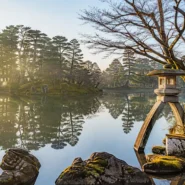
The station area is the safest choice for travelers arriving late, leaving early or taking day trips. Business hotels can be competitively priced, and moving a suitcase from train to hotel is easy. The trade-off is that most headline sights are not immediately outside the station. Expect a bus fare or a 20- to 35-minute walk to areas such as Omicho Market, the castle and Kenrokuen. A room that is ¥1,000 cheaper but generates four extra bus rides for two people has already lost much of its advantage.
Musashigatsuji and Omicho Market: the best all-round compromise
This area sits between the station and the historic core. You can walk to Omicho Market, the castle, Oyama Shrine and parts of the tea district, while still having a straightforward bus connection to the station. It is often the best location for first-time visitors who want to reduce transport without paying the premium of the most atmospheric streets. The downside is that famous seafood breakfasts and market snacks can tempt you into spending more than planned.
Korinbo and Katamachi: best for dining and evening convenience
Stay here when restaurants, bars and evening energy matter. Nagamachi, the 21st Century Museum and Kenrokuen are walkable, which can save daytime fares. The hidden cost appears on departure day: reaching Kanazawa Station with large luggage is less convenient, and a taxi may feel worthwhile in rain or snow. This is often still good value for travelers who would otherwise pay for late buses or taxis back from dinner.
Higashi Chaya District: beautiful, but not automatically practical
A traditional stay near Higashi Chaya can be memorable, especially in the early morning and evening after crowds thin out. However, atmospheric accommodation is not always cheap, streets can be awkward with rolling luggage, and late-night food options are less extensive than Katamachi. Choose it for the experience, not because it looks central on a sightseeing map.
Top Budget Survival Tips
- Calculate the hotel’s “door-to-door daily cost,” not just its room price.
Add expected bus fares, a possible station taxi, locker use, and the physical cost of dragging bags through rain or snow. A centrally located hotel that is ¥1,500 more per night may still be cheaper for two people if it removes repeated transport and luggage expenses. It can also buy back an hour of usable sightseeing time. - Buy the city one-day pass only after counting actual rides.
The ¥800 pass is designed for active bus use. Four ¥220 rides total ¥880; three cost only ¥660. Map your day first. A sensible route such as Omicho Market → Higashi Chaya → castle/Kenrokuen → Katamachi may require only one or two rides if you are comfortable walking. The pass can still be worthwhile for its attraction discounts, but check whether the places you will actually enter are included. - Do not assume a JR Pass covers every Kanazawa bus.
Some JR buses accept qualifying JR passes, while Hokutetsu buses and the Loop Bus follow different rules. Even within Kanazawa, IC card and contactless-payment acceptance is not identical across operators. Budget a small amount of local cash and treat the national rail pass as an intercity tool unless the exact local route is explicitly covered. - The cheapest airport route may be the wrong route with large luggage.
A multi-step local train and bus combination may look cheaper on paper, but transfers add stairs, waiting and missed-connection risk. The direct Komatsu Airport limousine bus to Kanazawa Station costs ¥1,400 and is usually the cleanest comparison point. For a family, late arrival or unusually large baggage, compare the total group cost and effort of a taxi or private transfer rather than optimizing only the lowest individual fare. - Book around blossoms, Saturdays and Japanese holidays—not just “the season.”
A Tuesday and a Saturday in the same week can have very different room prices. Cherry blossom timing is short and weather-dependent, so visitors cluster around flexible-looking weekends. Golden Week, autumn foliage weekends and New Year dates tighten supply. Search one day earlier and later, compare Sunday-to-Thursday stays, and use free cancellation when the saving is meaningful. - Give special-attraction or theme-park days their own budget.
Kanazawa’s normal daily budget should not absorb a ¥10,000–¥20,000+ tour, a long day trip, or a theme park in another city. Create a separate line for transport, admission, meals inside the venue, lockers and priority access. This keeps your ordinary food and hotel spending honest instead of making every other day look artificially cheap. - Use convenience stores strategically, not for every meal.
Convenience stores are reliable for a ¥500–¥800 breakfast, water and emergency food, but a basket of premium sandwiches, dessert, coffee and alcohol can cost as much as a restaurant set meal. Use them to solve specific gaps. For better value, compare supermarkets and department-store basement food halls, where prepared food is often discounted in stages during the final hours before closing. Discount timing and stock vary, so do not build your dinner around a guaranteed 50% sticker. - Group sights by area to stop paying for zigzags.
Put Higashi Chaya and the Asano River together. Combine Kenrokuen, Kanazawa Castle and nearby museums. Pair Nagamachi with Korinbo and Katamachi. Omicho works naturally with Musashigatsuji and the castle approach. A bad itinerary that returns to the station between every district can double transport spending and waste the best hours of the day. - Walk when it replaces one short ride; take transport when walking will damage the rest of the day.
Saving ¥220 is sensible on a pleasant 15-minute route. It is poor value when the walk is 35 minutes in heavy rain, summer humidity or winter slush and leaves you too tired to enjoy a paid museum or dinner. Budgeting is not about choosing the cheapest movement every time; it is about spending small amounts where they protect expensive experiences and limited time. - Keep a Kanazawa emergency reserve of at least ¥3,000–¥8,000 per person.
This can cover a rainy-day taxi, replacement umbrella, extra locker day, pharmacy purchase, unplanned meal, or a late-night ride after missing the last convenient bus. Travelers doing winter trips or day trips should keep the higher end because weather and transport disruption can create more expensive alternatives. - Pay in yen and understand all three card costs.
First, your card issuer may charge a foreign transaction fee. Second, an ATM operator and your own bank may each charge a withdrawal fee; Japan Post Bank states that a ¥220 ATM usage fee may apply to certain overseas cards. Third, dynamic currency conversion lets a terminal charge you in your home currency at its own rate. Visa notes that DCC often carries a 3–5% markup, so selecting JPY is usually the safer comparison unless you have checked the displayed rate carefully. - Set a daily “temptation allowance.”
Kanazawa’s gold-leaf sweets, wagashi, coffee, sake and craft shops are part of the fun. Denying all of them often leads to a larger unplanned splurge. Give yourself ¥1,000–¥2,500 per day for treats and souvenirs, then move any unused amount into a final-day shopping fund.
Kanazawa Budget by Travel Season
Cherry blossom season
Cherry blossoms in Kanazawa can appear from late March into April, but exact timing varies each year. The expensive part is not the flower itself; many viewing areas are free. The pressure comes from concentrated demand, especially on weekends near forecast full bloom. Central hotels and well-reviewed budget rooms can disappear early, leaving only poor-value or inconvenient options.
Budget response: book refundable accommodation early, compare Sunday-to-Thursday dates, and do not pay a huge premium for a hotel beside Kenrokuen when the bus and walking network make several districts workable. Keep a rain-plan because blossom trips are vulnerable to weather changes.
Golden Week
Golden Week around late April and early May is one of the periods when domestic travel demand can tighten hotel and transport supply. The problem is not only room price. Popular limited-seat buses and day tours may sell out, restaurants may be busier, and changing plans at the last minute becomes expensive.
Budget response: secure the hotel and any essential day-trip transport first. Avoid stacking too many paid reservations into one day, because crowds and traffic can make an ambitious itinerary fail. Traveling immediately before or after the holiday cluster can materially improve both price and flexibility.
Summer
June’s rainy period and the hotter, more humid weeks of July and August can produce softer hotel rates on some dates, but summer is not automatically cheap. Festivals, weekends, school holidays and the Obon period can reverse the pattern. Heat also creates hidden spending: more drinks, café breaks, taxis and indoor attractions.
Budget response: compare midweek rates, carry a refillable bottle, and plan indoor clusters for the hottest hours. A ¥220 bus ride can be good value when it prevents an exhausted afternoon. Budget for an umbrella or cooling items rather than pretending weather has no cost.
Autumn foliage season
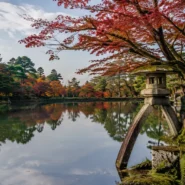
Kanazawa Castle Park often develops strong color in early to mid-November, while Kenrokuen’s autumn interest can extend through much of November. Mild weather and seasonal food make this a desirable period, so November weekends can price more like peak season than shoulder season.
Budget response: treat Friday and Saturday nights as the main risk. Check Sunday arrivals, stay a little farther from Kenrokuen if the saving is substantial, and book any high-priority seasonal dinner rather than relying on a walk-in at the busiest time.
Christmas and New Year
Christmas itself is not the same nationwide shutdown seen in some countries, but festive weekends and illumination dates can still increase central demand. New Year is the more important planning issue. Some museums, markets, restaurants and services close or reduce hours around late December and the first days of January, while holiday travel can tighten transport and accommodation.
Budget response: do not judge value only by room price. A discounted room is poor value if half your planned sights are closed and meal choices are limited. Confirm opening calendars, reserve a New Year meal when needed, and keep extra cash for fewer low-cost alternatives.
Quieter winter periods
Parts of January and February outside New Year, long weekends and special events can offer better hotel value. Kanazawa’s snow scenery is a genuine attraction, but winter also introduces weather-related costs: waterproof shoes, taxis, slower walking, delayed transport and more indoor café stops. A cheap winter room does not guarantee a cheap winter trip.
Budget response: look for flexible bookings, keep a larger emergency reserve, and choose accommodation with a simple station or bus connection. Do not assume a particular month will always be the cheapest; event dates, weekdays and real-time demand matter more than the label “winter.”
Common Budget Mistakes
1. Counting only flights and hotels
This ignores food, local transport, admissions, luggage, taxes, arrival costs and card fees. The remedy is to create five separate envelopes: accommodation, ordinary daily spending, intercity/airport transport, special experiences, and shopping. Add a contingency after all five, not before.
2. Forgetting the Komatsu Airport transfer
A return airport bus adds ¥2,800 per person at the current direct-bus fare. For two people, that is ¥5,600 before the trip has properly started. Put arrival and departure transport into the budget when buying the flight, not after booking the hotel.
3. Assuming a JR Pass covers all local transport
Kanazawa uses multiple bus operators with different pass and payment rules. The remedy is to identify the exact route, operator and fare before treating it as “free.” Keep ¥1,000–¥2,000 of local transport money even when traveling with a national or regional rail pass.
4. Scheduling distant districts in the wrong order
Station → Higashi Chaya → Nagamachi → station → Kenrokuen is a budget and time leak. Build geographic clusters and finish near your dinner area. A good route usually saves more than hunting for a minor ticket discount.
5. Setting a low food budget while buying coffee, sweets and late-night snacks daily
A traveler may claim to spend only ¥3,000 on meals while ignoring ¥2,000 of drinks and snacks. The remedy is to track everything consumed, not only “proper meals,” and allocate a specific treat budget. One special dessert is memorable; five automatic purchases are just leakage.
6. Treating Omicho Market as a cheap-food destination
The market offers excellent food, but famous seafood bowls and seasonal ingredients are not necessarily budget meals. Check menu prices before joining a queue, compare side streets, and consider using the market for one planned splurge rather than breakfast, lunch and snacks on the same day.
7. Having no separate shopping ceiling
Gold leaf, lacquerware, ceramics, sake and confectionery are persuasive purchases. “I will see what I like” is not a budget. Set a fixed cash or card ceiling, photograph products you are considering, and wait until the final day before buying non-limited items. This also prevents carrying fragile goods through the entire trip.
8. Ignoring lockers and luggage forwarding
Early arrival and late departure often create ¥400–¥1,000 per bag costs. Check whether your hotel stores luggage free before paying at the station. If a centrally located locker lets you sightsee efficiently, use it deliberately rather than seeing the fee as a planning failure.
9. Choosing an inconvenient hotel to save a small amount
A cheap room near neither the station nor the historic center can cause more bus rides, a taxi with luggage and lost evening flexibility. Compare the total stay cost for all guests. For a couple, even two extra bus rides each per day add ¥880 daily.
10. Leaving no emergency budget
Rain, snow, illness, a missed bus or a closed restaurant can force a more expensive choice. Keep at least ¥3,000–¥8,000 per person untouched. The purpose is not to spend it; the purpose is to stop one disruption from damaging the rest of the trip.
11. Accepting dynamic currency conversion
Seeing the amount in your home currency feels reassuring, but the terminal’s conversion can include a poor rate and markup. Choose Japanese yen, check your card’s foreign transaction fee before departure, and make fewer, larger ATM withdrawals when sensible so repeated fixed charges do not accumulate.
Key FAQs
How much money do I need per day in Kanazawa, Japan?
A careful traveler can plan around ¥8,000–¥13,000 per person per day including a hostel bed or low-cost stay. A realistic mid-range target is ¥18,000–¥30,000 including a good hotel allocation, meals, local transport and attractions. Travelers choosing premium rooms, taxis and cultural experiences should expect ¥35,000–¥60,000 or more. Solo private-room travelers usually pay more per person than couples because the room cannot be split.
Is Kanazawa expensive compared with Tokyo or Kyoto?
Kanazawa can be cheaper for accommodation and local transport on ordinary dates, and many key areas are walkable. However, the city is not automatically cheap. Cherry blossom weekends, autumn foliage, Golden Week, boutique stays, seafood meals and Shirakawa-go day trips can push costs close to major-city levels. The strongest saving comes from location and itinerary design, not from assuming every Kanazawa price is low.
Is the Kanazawa one-day bus pass worth buying?
It is usually worth considering when you expect at least four covered rides, because the pass costs ¥800 while four ¥220 Loop Bus rides cost ¥880. It may also provide attraction discounts. For a compact itinerary with only two or three rides, paying individually is often cheaper. Check the exact buses you will use, because operator, pass and IC-card rules differ.
Final Verdict and Your Next Step
For most first-time visitors, the best balance is a mid-range Kanazawa travel budget of roughly ¥18,000–¥30,000 per person per day including accommodation. This is enough to stay somewhere convenient, enjoy local food without obsessing over every yen, use transport when it protects your time, and still choose one or two paid experiences.
Budget travelers should focus less on finding the absolute cheapest room and more on avoiding repeat transport, market over-ordering and daily snack creep. Comfortable travelers should separate premium dinners, private tours and ryokan stays from the normal daily figure so they can see which upgrades genuinely improve the trip.
The most important next step is to price your exact dates early—especially for cherry blossom season, Golden Week, November weekends and New Year. Compare both the room rate and the location before committing:
- Compare Kanazawa hotel prices on Agoda
- Check refundable Kanazawa stays on Booking.com
- Compare Kanazawa tours, tickets and day trips on Klook
- Browse Kanazawa activities and day trips on KKday
Reserve the cancellable hotel first, then build a yen-based budget around the neighborhood, number of bus rides, one planned food splurge and any day trip. That order prevents the most common failure: booking an attractive room and only later discovering that the location, season and itinerary make the trip much more expensive than expected.
Price check: August 2026. Transport fares, taxes, opening hours, attraction prices and exchange rates can change. Verify time-sensitive details before purchase through the Hokutetsu Kanazawa sightseeing bus page, Komatsu Airport bus page, official Visit Kanazawa transport guide and your accommodation’s final booking conditions.