
💡 Key Takeaways
- Give ancient Rome and the Vatican separate full days. The museum interiors, admission waits and lunch breaks matter as much as the distance between landmarks.
- Use the third day for a connected Trevi–Pantheon–Navona corridor and a Trastevere evening, with a hotel rest rather than another large museum.
- Current 2026 rules matter: Pantheon full admission is €7, Trevi’s optional inner perimeter is €2 and a paid ticket does not erase security or religious access limits.
- Three full sightseeing days with arrival beforehand and departure afterward mean four hotel nights. Keep luggage and flight uncertainty outside timed admission days.
A practical 3-Day Rome Itinerary needs a clear limit: one major area at a time. The mistake that causes the most trouble is buying attractive ticket names first, then discovering that the Colosseum, the Vatican Museums and a dinner across the river all demand different approaches, waits and walking. You can see a great deal in three full days without turning every meal into a transfer.
I would use one hotel, two carefully reserved mornings and a third day whose outdoor stops remain flexible. This route is based on official rules and named, dated visitor films checked in October 2026. The opinions below are editorial judgments supported by that evidence, not invented personal visits or a claim that every traveler agrees.
The 1-Min Cheat Sheet
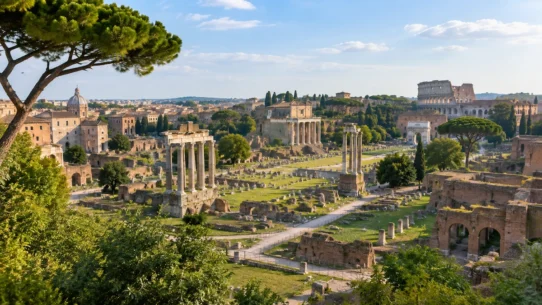
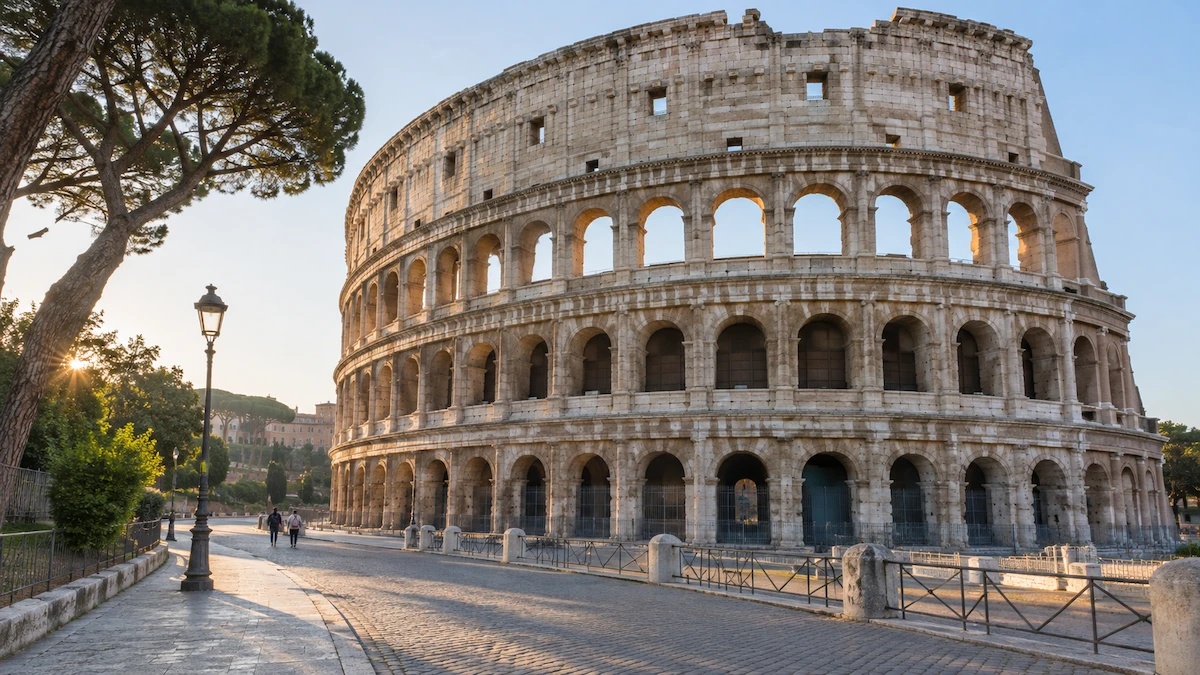
- Colosseum, Roman Forum and Palatine: best for ancient-history first-timers; allow 4–5 hours including gates and pauses. The standard adult ticket is €18, with 75 minutes inside the Colosseum and a separate single Forum–Palatine entry. Use Colosseo metro for the outer area; book the actual Colosseum time. A morning start avoids leaving the exposed ruins to a tired late afternoon. The catch is uneven ground and different ticket inclusions.
- Pantheon and the central piazzas: best for architecture and a connected walk; allow 45–60 minutes for the Pantheon plus 2–3 hours outside. Full admission is €7 from 1 July 2026. Walk from Trevi toward Piazza della Rotonda, Navona and Campo de’ Fiori; reserve the Pantheon slot rather than a transport pass. Aim for the first available suitable morning slot. Religious services interrupt sightseeing, and the monument explicitly offers no skip-the-line service.
- Vatican Museums and Sistine Chapel: best for visitors who want a substantial art visit; allow 3–4 hours inside plus arrival. Official reserved full-price entry is €20 + €5 booking. Reach the entrance on Viale Vaticano from Ottaviano or by an agreed vehicle drop, and book a morning time on an open day. The long indoor route and crowded rooms can be tiring even with a ticket.
- St. Peter’s Basilica: best for monumental architecture and worship; allow 60–90 minutes inside plus a separate, uncertain admission wait. Ordinary entry is free, with an optional paid official reservation/audio-guide product. Approach St. Peter’s Square separately from the Museums exit; a flexible afternoon works after lunch. A Museums ticket does not automatically provide a Basilica shortcut, a dome climb or exemption from security.
- Historic Trastevere: best for an evening walk and dinner; allow 2–3 hours, with ordinary streets free and food paid separately. Walk across Ponte Sisto from the Campo de’ Fiori side; no neighborhood admission booking is needed, though dinner reservations depend on the restaurant. Late afternoon into evening suits this plan. Cobbles, noisy lanes and an uphill Gianicolo addition can undo a supposedly restful finale.
Tourist Traps to Avoid & Itinerary Hacks
- The “all Rome in one day” ticket bundle: confirm that its timed admissions, meeting points and actual content fit. A discounted headline does not compensate for a forced Colosseum-to-Vatican transfer during your only lunch break.
- Buying the name of an attraction: standard Colosseum levels, arena, underground and attic products are different. The Sistine Chapel is inside the Museums; St. Peter’s and its dome are separate choices. Read inclusions before comparing totals.
- Using 2025 or earlier rules as 2026 advice: the Pantheon is now €7 full price, and Trevi charges non-residents €2 for the inner perimeter. Jubilee-era church arrangements and old video opening hours are not current booking instructions.
- Treating a paid reservation as no waiting: security, identity checks, capacity control and worship can still delay admission. Keep the ticket offline, bring matching identification where required and leave space before the next commitment.
- Replacing meals with famous-name queues: choose a suitable place along today’s route. An hour waiting for a viral snack can cost more usable time than the attraction entry you carefully reserved.
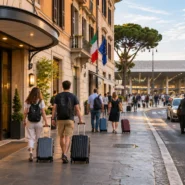
- Putting the first booking on arrival day: flight, baggage and check-in times are uncertain. Day 0 is for reaching the hotel and eating nearby. Save the named tickets for a day that begins in Rome.
The Perfect 3-Day Itinerary at a Glance
These are three full sightseeing days. Arrive on Day 0, sleep, use Days 1–3, then leave on Day 4: that means four hotel nights. The numbered days are geographic packages, not permission to ignore the calendar. Reserve the Vatican day on a museum opening day, then fit the ancient and central days around it. A Tuesday–Thursday sequence is one possible ordinary-week pattern; confirm holidays and religious events before paying.
Day 1: The Colosseum, Forum–Palatine and a Gentle Monti Evening
- Start: have breakfast before leaving and target arrival in the Colosseum outer area around 08:00 for an accepted 08:30 ticket. This is an editorial 30-minute orientation allowance; follow the entry instructions on your actual product. A later confirmed slot shifts this whole morning rather than squeezing the same route into less time.
- Order and time: use the standard 75-minute Colosseum visit, then allow 30–45 minutes to regroup, use facilities and reach an open Forum–Palatine gate. Spend roughly 2–3 hours on a chosen ruins route, not every interior. Finish around 13:00–13:30. The Arch of Titus side can be useful after the Colosseum; choose the operating gate and exit around your planned ruins route.
- Movement and effort: use metro B/Colosseo or a legal drop for the first approach, then walk between neighboring archaeological areas. Budget roughly 5–7 km across the day, including interiors and the Monti evening, with climbs and uneven surfaces. This is an editorial range, not an accessible-route certification.
- Lunch and reset: choose a menu-priced lunch in Monti after the ruins, carrying a snack so hunger does not force the first available tourist menu. Rest at the hotel for at least 90 minutes. Keep the evening to the Via Urbana/Via dei Serpenti area or somewhere close to your actual base.
- Cut and rain plan: shorten the higher Palatine loop first if stamina drops; missing it is preferable to a fall or heat exhaustion. In heavy rain, follow park staff and accept a shorter ruins visit. A valid ticket is not a weather guarantee. Do not replace the afternoon with a second large prepaid museum across town.
- Why this works: the two ticketed ancient areas share one approach. The next major admission is tomorrow, so one slow security line does not threaten a Vatican booking.
Day 2: Vatican Museums, Lunch in Prati and St. Peter’s Basilica
- Start: aim to be on Viale Vaticano around 08:00 for an accepted 08:30 Museums slot, or use your confirmed tour meeting time. The Museums entrance is not in St. Peter’s Square. A reseller may require collection at its own office before admission.
- Order and time: allow roughly 08:30–12:00 for the Museums and Sistine Chapel, with a seated pause where permitted. Exit and retrieve any stored bag. Have lunch around Prati/Borgo before approaching St. Peter’s separately, leaving roughly 14:00–16:30 flexible for admission and the church.
- Movement and effort: allow 20–30 minutes as a planning buffer for the exterior walk around the Vatican perimeter, plus whatever security wait applies. This is not a published transfer guarantee. The indoor museum walk makes the day substantial: roughly 5–8 km overall is a useful editorial allowance. Take a vehicle back if the final hotel walk is the part that breaks your energy budget.
- Lunch and evening: sit down before joining the Basilica queue. Keep dinner in Prati or near the hotel. A table, shade and water are useful; a sprint to another landmark is not required to make the day worthwhile.
- Cut and rain plan: omit the dome climb and Castel Sant’Angelo interior by default. They require additional time and, where applicable, separate products. Rain favors the Museums once inside but does not remove the outdoor approach or Basilica queue. If church access is interrupted by worship or an event, retain the square visit where permitted and return another suitable time only if that fits.
- Why this works: both anchors occupy the Vatican side of the river, but the schedule still respects their separate entrances. Lunch and a generous gap absorb that separation.
Day 3: Trevi, the Pantheon and the River Crossing to Trastevere
- Start: reach the public outer viewing area at Trevi around 08:00–08:15 for a short look, without assuming the lower basin is open. Walk toward a confirmed Pantheon slot around 09:00–09:30, allowing 20–30 minutes for the street connection and orientation.
- Order and time: spend 45–60 minutes at the Pantheon including admission, then continue to Piazza Navona for 30–45 minutes and toward Campo de’ Fiori for lunch. These are walking links through the center, not a reason to keep returning to Termini between stops.
- Movement and effort: Trevi–Pantheon–Navona–Campo–Ponte Sisto–Trastevere follows a broadly east-to-west line. Expect roughly 5–7 km with the evening loop and hotel connection, at an unhurried pace. Take a hotel break around 14:00–16:00 or replace part of the evening walk with a legal vehicle pickup.
- Lunch and evening: eat around the Campo/Navona side after checking the displayed menu and any service charge. Around 17:00, cross Ponte Sisto, stroll via Piazza Trilussa toward Piazza Santa Maria in Trastevere, then have dinner. Church interiors are optional and depend on current services and access.
- Cut and rain plan: skip an extra paid Trevi basin visit if the upper view satisfies you. The Gianicolo climb is also outside this core route. In sustained rain, retain the booked Pantheon and a sheltered lunch, shorten the piazza walk and use a vehicle for the river-side change. Do not promise a church will be available as an all-day indoor shelter.
- Why this works: the day gradually approaches the river rather than zigzagging between Trevi, the Vatican and the Colosseum. Trastevere supplies an evening rather than another ticket deadline.
Save Your Legs! The Most Efficient Route
The practical unit here is an area plus a meal and a rest. Ancient Rome uses one southeast approach. The Vatican gets a separate west-side day. The piazzas and Trastevere form a central walking corridor. That pattern reduces crossings, but it does not make the large museum interiors short. Judge the whole day by standing time and surfaces as well as kilometers.
Use metro for a useful long approach, walking for neighboring piazzas and a licensed taxi when a late transfer would otherwise consume your remaining energy. From Colosseo to Ottaviano, a conventional metro route involves B to Termini and A onward; allow around 45–60 minutes door to door as a cautious editorial planning range, including station circulation and the final walk. That is precisely why this itinerary does not attach the Vatican to the ruins afternoon. Check the actual ATAC journey before leaving.
Access equipment matters. On 19 October 2026, ATAC’s live accessibility list showed a Colosseo B/C connecting lift interruption for 5–25 October and separate restrictions at Termini, Ottaviano and Spagna. These are dated equipment notices, not a blanket claim that the lines are closed. Travelers needing a step-free journey should check both ends and ask about a workable alternative before buying a non-changeable time slot.
A Pantheon/Navona base makes the central day and river crossing easier but lacks a metro stop at the hotel door. Monti favors the ancient day and a meal after the ruins, with hills to consider. Prati favors the Vatican day while requiring more travel for ancient Rome. One good base for all four nights is more useful than changing hotels halfway through. Confirm a lift, air conditioning on your dates and the actual vehicle drop at the property’s address.
Keep suitcases at the hotel or a separately confirmed luggage facility on arrival and departure. The Colosseum’s 8 October 2026 regulation limits hand baggage to 30 × 40 × 15 cm and provides no luggage store. The Pantheon also has no cloakroom. The Vatican’s cloakroom does not solve a cross-site luggage day because items must be retrieved at the Museums. Ask a storage provider about opening hours, sizes and collection deadlines rather than assuming station lockers or hotel forwarding.
Ticket Tips & Skip-the-Line Hacks
Book the two big anchors first. Colosseum reservations are released 30 days ahead according to the park’s official information. Use the actual official ticket portal and choose the standard €18 product if that is the visit you want. Tickets are nominal and identity checks apply. For visits from 9 May 2026, name changes are tightly limited and close at midnight seven days before the visit; do not buy placeholder names expecting to freely replace them later.
For the Vatican Museums, the official baseline is €20 admission plus €5 reserved-entry booking. Use the Museums’ own booking site, then compare any reseller package on guide, language, meeting arrangement, cancellation and total price. The current Klook Vatican Museums and Sistine Chapel product offers several distinct admission and guided packages. Some are non-cancellable; a title mentioning the Vatican does not include every church or a dome climb. Follow the selected voucher’s meeting or collection instructions. This is an affiliate link; the official baseline remains useful for comparison.
Match the calendar before the clock. The official Museums schedule ordinarily runs Monday–Saturday 08:00–20:00, last entry 18:00, with galleries clearing 30 minutes before closing. Ordinary Sundays are closed; the last-Sunday free opening has a shorter schedule and exceptions. It is not an interchangeable substitute for a reserved weekday visit. At the archaeological park, winter closing advances to 16:30 from 25 October 2026, with last admission 15:30. Verify your own date instead of extending a summer timetable into winter.
Reserve the right central admission. Buy the €7 Pantheon through its official Musei Italiani product or its own on-site channels. Respect the selected time and bring the original complete official ticket plus matching ID or a copy. The monument expressly says there is no skip-the-line entry. First-Sunday free tickets require on-site collection rather than normal online reservations. The page contains conflicting 72-hour and older 24-hour name-change wording, so enter correct names at purchase and confirm any necessary correction directly rather than relying on a generous deadline.
St. Peter’s ordinary entry is free. The Basilica’s official FAQ also offers an optional paid reservation including a digital audio guide. Buy that only if its accepted time and service help you; it does not turn ordinary church entry into a compulsory paid ticket. Current official sales terms make reservation products subject to their own strict change/refund rules and religious requirements. Keep security time separate.
At Trevi, use the dedicated official site for the optional €2 inner-perimeter visit. Current paid-area hours start at 11:30 on Monday/Friday and 09:00 on the other days, end at 22:00 and have last entry at 21:00, with listed maintenance exceptions. The fountain remains visible from outside for free. Pre-purchased basin tickets have no assigned date or time; they give access to the ticket-holder line, not a guaranteed empty basin. The early outer view in this itinerary needs no paid visit.
What This Three-Day Plan Actually Costs
Use units before comparing packages. For one non-exempt adult on ordinary paid days, the standard Colosseum €18, officially reserved Vatican Museums €25 and Pantheon €7 total €50. This excludes guides, optional St. Peter’s services/dome, the optional €2 Trevi basin, meals, transport and exhibitions outside these products. Rates and eligibility are date-dependent; it is a baseline comparison, not a guarantee that a chosen slot is available.
For an illustrative two-adult stay, suppose a four-star room costs €180 per room per night for four nights, with breakfast explicitly included. That unobserved planning assumption gives €720 for the room. Rome’s published city-tax schedule lists €7.50 per eligible person per night for a four-star hotel, so two taxable adults add €60, making €780 together or €390 each. Actual room quotes, category and exemptions must be checked; this is not a live hotel offer.
If you allocate €15 per adult for each of three sightseeing lunches and €25 for each of three sightseeing dinners, that is another €120 per adult for those six meals. Add the €50 core tickets and the illustrative accommodation share for €560 per adult before local/airport transport, snacks and arrival/departure meals. Four included hotel breakfasts cover the four mornings after check-in; if your rate excludes them, add them separately. No attraction admission in this plan silently includes lunch.
Evidence and Practical Tradeoffs
Each film below is a named visitor or creator perspective used for orientation. Current prices, access and calendars come from the linked operators. Older films remain useful for scale and geography but cannot authorize a current shortcut, ticket price or visit.
📍 Stop 1: Colosseum, Roman Forum and Palatine
Tags: Ancient Rome • Timed entry • Exposed ruins • Substantial walking
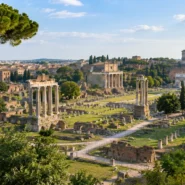
The Colosseum supplies the recognizable landmark; the Forum–Palatine supplies the landscape that makes it part of a city. Choose two or three things you want to understand, then spend time looking instead of chasing every viewpoint. The standard ticket admits you once to the Colosseum at the booked time and once to the Forum–Palatine within 24 hours before or after that Colosseum booking. This plan uses the ruins afterward on the same morning.
That product includes the first and second levels and 75 minutes inside the amphitheater. Arena, underground and attic access should never be assumed. A guide can be useful if historical context is the priority, but a shorter named tour is not automatically the right fit for a slow photographer or a child who needs regular breaks.
✅ What Other Travelers Say
The Tour Guy’s film was uploaded on 13 June 2025, despite its current “2026 Guide” title. Its chapters distinguish ticket types and the Forum–Palatine connection. It is a commercial tour operator’s explanation, useful for visual orientation rather than independent guest consensus or proof of today’s rules.
⚠️ The Catch (Things to Keep in Mind)
The hottest or wettest section may be outside the famous building. Wear shoes that grip stone, carry only permitted essentials and stop before tired legs turn uneven paving into a problem. Do not schedule the Vatican after lunch to make this day look more productive. If mobility is a concern, obtain the actual accessible route and lift arrangements from the park; the shortest line on a phone map is not enough.
📍 Stop 2: Pantheon, Trevi and the Central Piazzas
Tags: Connected streets • Dome architecture • New 2026 fees • Flexible outdoor stops
This is the part of Rome where leaving gaps pays off. See Trevi from the public outside area, use a real Pantheon slot, then continue through Navona toward lunch. The dome deserves attention after the photographs: pause under its geometry rather than treating the interior as a ticket scan between two squares.
The Pantheon usually opens 09:00–19:00, with last individual entry at 18:30, but worship changes visitor access and sales stop an hour before a service. An accepted morning booking fits this route better than gambling on a late Saturday visit before Mass. Trevi’s optional paid inner perimeter is a different admission from seeing the fountain across the public boundary.
✅ What Other Travelers Say
The Tour Guy’s Pantheon-neighborhood film, uploaded on 24 March 2022, follows a walk involving the Pantheon, nearby churches and cafés. Its strongest contribution is showing how much can be connected on foot. It predates the current Pantheon fee and Trevi access system; those details come from current authorities, not the film.
⚠️ The Catch (Things to Keep in Mind)
A short map distance can hide a crowded pinch point, a shop detour or a much-needed seated break. Leave margin around the Pantheon appointment and use the optional outside sights as the flexible parts. Treat religious interiors respectfully, check posted menus and arrange a real table when you need to sit; fountain rims and monument steps are not your picnic furniture.
📍 Stop 3: Vatican Museums and Sistine Chapel
Tags: Large collection • Viale Vaticano entrance • Reserved time • Long indoor route
Arrive with a short priority list, perhaps the Gallery of Maps, selected Raphael Rooms and the Sistine Chapel, rather than trying to absorb the whole collection at equal intensity. Route changes and room access can affect what is practical. Allow a seated pause where permitted and do not leave food until everyone is already exhausted.
The Museums’ visitor advice requires appropriate dress, prohibits photography in the Sistine Chapel and explains baggage checks. Cover shoulders and knees. Large or unsuitable items must go into the free cloakroom, and any stored items need collection before continuing elsewhere.
✅ What Other Travelers Say
The Tour Guy’s 5 January 2024 film explains the Museums entrance, selected galleries and a guided connection to St. Peter’s. That is one operator’s tour arrangement. Its shortcut and older timetable should not be transferred to an ordinary admission ticket. The value here is route orientation and deciding whether a guide would help your party.
⚠️ The Catch (Things to Keep in Mind)
A reserved ticket addresses admission arrangements, not the density inside every corridor. The Sistine Chapel is not a separate walk-in stop, and a third-party voucher can require collection before the Museums gate. Keep the subsequent Basilica window flexible. If a purchased guided product includes a special connection, verify that exact product rather than following another group through a door.
📍 Stop 4: St. Peter’s Basilica
Tags: Free ordinary entry • Separate security • Religious access • Optional paid services
The Basilica merits a deliberate visit even after the Museums. Look at the scale of the nave, crossing and architectural composition, then choose a few details rather than trying to photograph every surface. Published general hours are 07:00–20:00, subject to the current religious and access arrangements. Ordinary entry is free; optional tours, an audio-guide reservation and historical-area products have their own terms.
This itinerary reaches St. Peter’s Square after the ordinary Museums exit and lunch. It leaves enough space to decide whether the admission wait is reasonable for your group. The dome climb is deliberately optional and is not included in the suggested ordinary church visit. The current Basilica FAQ asks men to wear long trousers, women to wear trousers or skirts below the knee, and everyone to cover shoulders. Its security checkpoints are in the right-hand hemicycle when facing the church; a reservation does not remove those checks.
✅ What Other Travelers Say
Manuel Bravo’s architectural explanation, uploaded on 24 March 2023, traces the building’s design and draws attention to the nave, dome, baldachin and square. It helps you see more once inside. It is historical and architectural commentary, not evidence that a current reservation bypasses security or that a particular religious event permits sightseeing.
⚠️ The Catch (Things to Keep in Mind)
The Basilica and Museums have separate entrances and products. Do not leave a suitcase at the Museums expecting to collect it in the square. Do not book a close-together dome time merely because an old tour film moves directly from the Sistine Chapel. If you buy an official dome package, follow its own arrival and Basilica-reservation instructions; ordinary free entry remains a separate valid choice.
📍 Stop 5: Trastevere and the River Crossing
Tags: Ponte Sisto • Evening stroll • Restaurant choice • Cobbles and noise
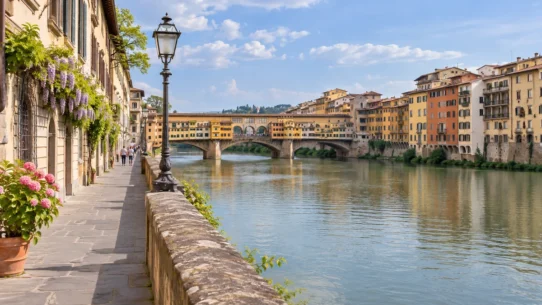
Trastevere is a useful final neighborhood because you can control the intensity. Cross Ponte Sisto, look around Piazza Trilussa and continue toward Piazza Santa Maria in Trastevere before choosing dinner. That compact circuit is enough after a full museum day elsewhere; a mandatory Gianicolo climb would change its purpose.
Ordinary streets need no attraction ticket. Give the restaurant choice the same attention as a museum booking: inspect the actual menu, ask about charges and reserve a specific table if the evening matters. A famous lane is not proof that every restaurant on it suits your taste, budget or need for quiet.
✅ What Other Travelers Say
Prowalk Tours filmed its evening route on 4 July 2021 and uploaded it on 2 October 2021. The sequence starts at Ponte Sisto and passes Piazza Trilussa, Piazza Santa Maria and smaller lanes. It provides a concrete sense of the walking environment; an older summer evening cannot establish present restaurant quality, opening times or your room’s noise level.
⚠️ The Catch (Things to Keep in Mind)
Keep a route home in mind before dinner. Historic Trastevere is not the same place as Roma Trastevere railway station, and a neighborhood name does not guarantee a short hotel walk. Check current tram and replacement-bus arrangements rather than relying on an old line 8 video. A licensed taxi to a reachable address can be a sensible final transfer.
Key FAQs
Is three full days enough for a first visit to Rome?
Yes for a selective first visit: one ancient day, one Vatican day and one central-neighborhood day. It is not enough to comfortably add every major gallery and a distant day trip. Three nights with midday arrival and early departure provide less usable time than the four-night pattern described here; reduce the plan accordingly.
Can I visit the Colosseum and Vatican Museums on the same day?
It can be done with compatible accepted tickets or a specific tour, but this itinerary gives them separate days. Museum walking, a cross-city transfer, meals and admission buffers otherwise consume most of the day. If forced to combine them, shorten the content before booking and leave enough time between the actual gates; do not rely on a train’s running time alone.
Which Rome attractions genuinely need advance booking?
Prioritize a real Colosseum time and Vatican Museums admission. Book the Pantheon slot if following this exact central-day schedule, while remembering it has no skip-the-line service. Ordinary St. Peter’s entry and public neighborhood walks are free choices; optional Basilica services and Trevi’s paid inner perimeter have their own rules. A reseller’s label is not a universal line exemption.
Final Verdict and Your Next Step
Protect two good museum mornings, keep the central walk connected and leave room for meals and tired feet. Before paying, align the official calendars, traveler names and hotel nights. Compare the official Vatican reservation with the exact Klook Museums and Sistine Chapel package you would actually use, checking its meeting point, cancellation and inclusions. Reserve a suitable product because it supports the route; the route should not become a chase to justify a bundle.