
💡 Key Takeaways
- Use five geographic days: ancient Rome, Vatican, central piazzas, Borghese/northern Rome and Capitoline/Trastevere. Keep major interiors and the meals around them manageable.
- Reserve around real closure days: Borghese normally closes Monday, and Vatican Museums close ordinary Sundays. Rotate whole days before buying.
- Check the actual 2026 product. Pantheon is €7 full price, Trevi’s optional inner perimeter is €2 and Capitoline exhibition coverage changes the ticket total.
- Five full sightseeing days with travel days outside them mean six hotel nights. Use one base and keep suitcases away from timed admissions.
- Keep a lighter central day between the large museums. Art is more rewarding when you still have attention and comfortable feet.
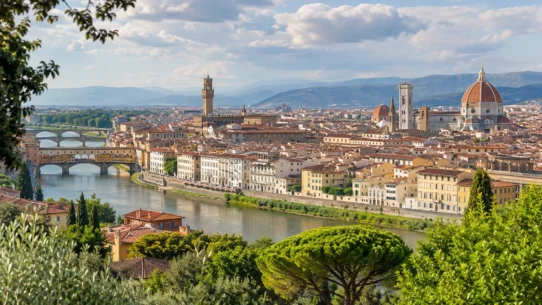
A good Rome 5-Day Itinerary gives you more than a longer attraction checklist. It gives the Colosseum, Vatican Museums and Borghese Gallery their own useful portions of the day, then leaves enough room to eat, sit and enjoy the streets between them. The most expensive mistake is often a badly placed appointment that makes you rush across the city and lose the afternoon you meant to enjoy.
This first-visit route uses eight anchors, five coherent areas and one hotel. Information was checked against current authorities and real booking products in October 2026. The recommendations are research-based editorial judgments, with named films below supplying individual perspectives and visual context rather than invented personal visits or a made-up visitor consensus.
The 1-Min Cheat Sheet
- Colosseum, Forum and Palatine: ancient-history first-timers; 4–5 hours with gates and pauses. Standard full entry €18, including 75 minutes inside the Colosseum; reserve its named time and approach from Colosseo. Arena/underground access is a different product.
- Pantheon and Centro Storico: architecture and linked piazzas; 45–60 minutes at the Pantheon plus a flexible half day. Full admission €7 from 1 July 2026, timed official ticket and matching identification; surrounding streets are free. Walk the Trevi–Pantheon–Navona direction and respect worship closures.
- Vatican Museums and Sistine Chapel: art-focused first visitors; 3–4 hours inside plus arrival. Official reserved full entry €25 including booking; use Viale Vaticano, not the Basilica square. Admission timing and long corridors make this the day’s main commitment.
- St. Peter’s Basilica: architecture and religious interest; 60–90 minutes inside plus uncertain access time. Ordinary entry is free; optional reservations/audio guides and the dome are separate services. Reach the square separately and retain a flexible afternoon after the Museums.
- Trastevere: food and an evening neighborhood circuit; 2–3 hours, with public streets free and meals separate. Cross via the Tiber Island direction on Day 5 or Ponte Sisto on a shorter alternative. The historic lanes are not at Roma Trastevere station.
- Galleria Borghese: sculpture and painting lovers; a standard two-hour slot, normally €16 + €2 reservation before exhibition adjustments, plus the published €2 online service fee if bought online. Reserve even for eligible free admission and reach Piazzale Scipione Borghese 5 via the Via Pinciana side. Monday closure and controlled entry defeat a casual walk-in plan.
- Pincio and the Tridente: viewpoints and a northern-area stroll; 2–3 hours with lunch/rest, public outdoor route free. Pair the park with Piazza del Popolo and Piazza di Spagna. Slopes and stairs, rather than tickets, determine its difficulty.
- Capitoline Museums: visitors who want ancient objects after seeing the ruins; 2½–3 hours at Piazza del Campidoglio 1. Check exhibition-period admission: 7 September–1 November 2026 museum+Angeli is €16.50, plus €1 pre-sale; ordinary no-exhibition entry is €15. Keep the hill approach and separate exhibition-only tickets in mind.
The Most Practical 5-Day Itinerary
Arrive on Day 0, use five full days and depart on Day 6: six hotel nights. A workable ordinary-week example is Monday ancient Rome, Tuesday Vatican, Wednesday central piazzas, Thursday Borghese/northern Rome and Friday Capitoline/Trastevere. This avoids Borghese’s normal Monday closure and the Museums’ ordinary Sunday closure. Holidays, worship and accepted tickets can still require rotating entire days; check before purchasing.
Day 1: Ancient Rome, Then Monti and a Real Rest
- Start and order: eat breakfast and aim for the Colosseum outer area around 08:00 for an accepted 08:30 standard ticket. Use the 75-minute amphitheater visit, allow 30–45 minutes for the next gate and facilities, then spend 2–3 hours in the Forum–Palatine.
- Transport and effort: metro B to Colosseo or an agreed legal drop, followed by walking inside the neighboring archaeological areas. Allow roughly 5–7 km overall with climbs and uneven stone, depending on the route selected. Keep large luggage at the hotel.
- Lunch and pause: have lunch in Monti around 13:00–13:30 and return to the hotel for at least 90 minutes. Choose a menu you have actually read rather than making lunch another famous-place queue.
- Cut and weather alternative: remove the higher Palatine loop or another optional ruin before removing the lunch break. In severe heat or rain, follow park advice and shorten exposed sections. The ticket does not guarantee a weather-safe full route; do not replace a curtailed visit with an unbooked Vatican dash.
- Evening and efficiency: eat around Monti or your hotel. The Capitoline Museums wait until Day 5, when you have fresh attention for the objects; being geographically nearby today does not mean a tired fourth museum hour is a good idea.
Day 2: Vatican Museums, Prati/Borgo Lunch and St. Peter’s
- Start and order: reach Viale Vaticano around 08:00 for an accepted 08:30 Museums entry, or use the selected guide’s actual meeting place. Allow 3–4 hours for the collection and Sistine Chapel, including a permitted seated pause.
- Transport and effort: use Ottaviano metro plus the approach or an agreed drop, with current access checks. After the ordinary Museums exit, allow an editorial 20–30 minutes for the exterior connection toward the Basilica area, plus lunch and separate security. Expect a substantial roughly 5–8 km day once galleries and hotel links are counted.
- Lunch and pause: sit down in Prati/Borgo around 12:00–13:30 before approaching St. Peter’s Square. Keep roughly 14:00–16:30 flexible for admission and a 60–90-minute church visit; the exact queue is not predictable.
- Cut and rain alternative: omit the dome and Castel Sant’Angelo interior. If worship or an event prevents sightseeing, accept a permitted square visit or return at a suitable available time. Rain favors already-booked indoor art, but the approaches and church queue still need protection.
- Evening and efficiency: dinner in Prati or near the hotel. Staying on one side of the river removes a cross-city ticket race without pretending Museums and Basilica share an ordinary entrance.
Day 3: Trevi’s Outer View, the Pantheon and the Central Piazzas
- Start and order: see Trevi from the free public outer area around 08:00–08:15; do not assume the lower basin is open. Walk toward a confirmed 09:00–09:30 Pantheon slot, allowing 20–30 minutes for the connection and orientation. Spend 45–60 minutes including admission, then continue to Piazza Navona for 30–45 minutes.
- Transport and effort: walk the central street links and use a vehicle only for a worthwhile hotel approach. Allow roughly 4–6 km for this deliberately lighter day, with more only if you choose extra detours. Metro stations around the edges do not eliminate the last walk to the Pantheon.
- Lunch and pause: eat around Navona/Campo de’ Fiori after inspecting the menu and charges, then take a long hotel break. Leave shopping and an extra coffee flexible; five days give you permission to stop.
- Cut and rain alternative: remove an optional Trevi paid-area return or an extra church rather than the booked Pantheon. In persistent rain, shorten the outdoor corridor, use a sheltered meal and return to the hotel. Religious interiors follow worship access, not a universal rainy-day schedule.
- Evening and efficiency: remain around the central piazzas or your base for dinner. Save the substantial Trastevere circuit for Day 5 so the city-center day supplies recovery between museum days.
Day 4: Borghese Gallery, Park Time and the Northern Viewpoints
- Start and order: reach Piazzale Scipione Borghese 5 around 08:30 for an accepted 09:00–11:00 Gallery slot. Deal with bags before entry. Allow another 30 minutes afterward for collection and a pause before starting the park walk.
- Transport and effort: use an actual bus journey to the Pinciana/Museo Borghese area or a legal drop, checking the day’s service. Do not arrive at Spagna at 08:55 and expect the Gallery door in five minutes. Afterward, walk within Villa Borghese toward Pincio, descend to Piazza del Popolo and continue along Via del Babuino to Piazza di Spagna. Allow roughly 4–7 km overall, adjustable through vehicle transfers and shortened park sections.
- Lunch and pause: choose a proper seated lunch during the park/northern-center transition, roughly 12:00–13:30, and another pause before the slope descent. Food and drink are not assumed to be included in Gallery admission.
- Cut and rain alternative: omit the Spanish Steps upper climb and any long park extension. In heavy rain keep the Gallery booking, then use an agreed vehicle back or to lunch and abandon the exposed viewpoint loop. Wet surfaces and an unusable lift can change the route.
- Evening and efficiency: dinner around the lower Tridente or near your base. The northern attractions belong together, but the Gallery is still some distance inside the park. By starting at its real door and moving toward the lower city afterward, you avoid an unnecessary uphill return.
Day 5: Capitoline Museums, Jewish Quarter and Trastevere
- Start and order: reach Piazza del Campidoglio 1 around 09:15 for the normal 09:30 museum opening, allowing 2½–3 hours. Choose the actual museum/exhibition ticket that covers your interests rather than a similarly named exhibition-only admission.
- Transport and effort: approach from your base on foot or by an agreed legal drop, allowing for the hill. Descend toward the Jewish Quarter, then cross the Tiber Island direction toward historic Trastevere. Use roughly 4–6 km as an adjustable editorial day allowance, including museum rooms; the accessible museum route requires its own planning with staff.
- Lunch and pause: have lunch around the Jewish Quarter or adjacent center around 12:30–14:00, then sit again before continuing. If dietary rules or a specific restaurant matter, confirm the establishment and its operating day directly rather than inferring service from the neighborhood’s name.
- Cut and rain alternative: cut a long riverside detour or the late neighborhood loop first. The Museums provide the indoor anchor in rain, but the slope and river crossing remain outdoors. Use a vehicle after lunch if necessary; a specific restaurant reservation is better shelter than assuming a church is open.
- Evening and efficiency: stroll the compact Piazza Santa Maria/Piazza Trilussa area, eat in Trastevere if desired, then return with time to pack. The route progresses downhill toward the river after the museum, and it leaves departure day free of a non-refundable attraction appointment.
Tourist Traps to Avoid & Itinerary Hacks
- Calling five calendar dates five sightseeing days: two partial airport days can remove most of two days. This route uses six nights. With only five nights and partial arrival/departure, cut a gallery or a district rather than pretending the full route still fits.
- Buying a pass before choosing entries: the Pantheon is not in the Roma Pass/Omnia circuits according to its authority, and Borghese still requires a reservation even for relevant pass holders. Compare actual covered attractions, dates and booking fees before buying.
- Using one “free Sunday” rule everywhere: Vatican last-Sunday access, Colosseum first-Sunday collection and Borghese compulsory reserved slots are different systems. A free day can cost a lot of waiting time and may defeat the proposed schedule.
- Believing a skip-the-line label overrides the venue: Borghese and the Pantheon explicitly say they do not offer that service. Tickets, timed entry, voucher collection, security and crowd management are separate processes.
- Repeating the cross-city day trip: five days allow more depth in Rome, not an obligation to add Florence, Pompeii and a seaside outing. Adding one means deliberately removing one of these days and checking the separate transport commitment.
- Confusing rail and neighborhood names: Roma Trastevere station is not beside Piazza Santa Maria. Fiumicino and Ciampino are different airports. Colosseo, Spagna and Ottaviano station names are starting points, not promises of a step-free door-to-door route.
- Letting a viral restaurant dictate every evening: the days already have coherent meal districts. Check menus and a specific table rather than crossing Rome hungry for an uncertain queue.
Save Your Legs! The Most Efficient Route
This five-day route separates southeast ruins, the Vatican, the central piazzas, the northern park and the Campidoglio-to-river corridor. It deliberately revisits the ancient-city edge on Day 5 for a fresh indoor visit. That one purposeful return is more sensible than attaching the Capitoline Museums to the end of the Colosseum morning simply because the map labels look close.
Walk between genuinely adjacent central places. Use metro for useful long approaches and a licensed taxi for a transfer that protects a booked slot or a tired party. For Colosseo to Ottaviano via Termini, allow roughly 45–60 minutes door to door as an editorial planning range, not a train timetable. Inside galleries, on slopes and at security, you are still spending energy even when a map reports no distance traveled.
Check ATAC’s current accessibility status before committing a reduced-mobility traveler to a route. On 19 October 2026 it listed the Colosseo B/C connecting lift unavailable for 5–25 October, plus equipment/access restrictions at Termini, Ottaviano and Spagna. These notices are date-specific; they do not establish that all those stations or trains are closed. The park, Spanish Steps and old river lanes add slopes or paving that a metro map cannot resolve.
Choose one hotel for all six nights. Centro Storico near the Pantheon/Navona favors two walking days but can add a long metro approach. Monti favors the ancient morning and has hills; Prati makes the Vatican morning simpler but moves you away from the ruins. A station-area hotel can help arrival and onward trains, but compare the actual entrance-to-platform walk and evening return rather than a broad “Termini” label. Paying for a useful base can be better than six days of extra transfers.
Ask the property about lawful vehicle access and a reachable drop. Rome’s current ZTL rules vary by zone and vehicle; a hotel or garage booking does not itself authorize a rental car. Use the hotel’s accepted plate/arrival procedure if relevant, and do not assume old electric-car exemptions remain valid after the changes of 1 July 2026.
Leave suitcases at the hotel or a separately confirmed facility on the travel days. Colosseum hand baggage is limited to 30 × 40 × 15 cm under its October 2026 regulation, with no luggage store; the Pantheon has no cloakroom. Borghese’s restricted, capacity-dependent cloakroom is for a visit, not a six-day luggage solution. With a stroller, request the actual museum route and plan around uneven paving; the Spanish Steps are not the obligatory link between the lower city and your next booking.
Ticket Tips & Skip-the-Line Hacks
Sequence the scarce appointments. Reserve the Vatican and Borghese on operating days, secure a compatible Colosseum time when its official 30-day window opens, then add the Pantheon and choose the actual Capitoline exhibition coverage. Buy with real traveler names and correct dates. A ticket on a closed day or at an incompatible hour is not a saving.
Use official Colosseum ticketing for the standard €18 visit or a specifically chosen alternative. Nominal tickets and matching identification apply. The standard allows 75 minutes inside the amphitheater and one Forum–Palatine entry within 24 hours before or after the booked Colosseum time. For visits from 9 May 2026, limited name corrections close at midnight seven days beforehand; avoid placeholder names. Current winter hours from 25 October 2026 end at 16:30 with last admission 15:30, so keep the ruins morning-first.
The Vatican Museums official reserved full-price baseline is €20 + €5 booking. Buy at tickets.museivaticani.va or compare the specific Klook Museums/Sistine Chapel product on its exact language, guide, collection point, admissions and cancellation. The Klook page has multiple packages and inconsistent generic opening-hour paragraphs; use the Museums’ official current calendar for operations. Ordinary Monday–Saturday opening is 08:00–20:00, final entry 18:00, subject to listed closure days. The shorter last-Sunday free opening is a different plan. The Klook link is an affiliate link; no date or package is asserted available until selected and confirmed.
At Borghese’s current official site, full entry is €16 plus €2 reservation before any exhibition adjustment. Follow its Buy link through the actual concessionaire, Gebart, to the specific official ticket page. The actual TOSC event-series page separately states a €2 online service fee per ticket, making the €18 admission/reservation baseline €20 online before exhibition changes. It also publishes a reservation-form route without that online service fee; the compulsory reservation charge itself is not waived. Follow that form’s current payment and confirmation instructions rather than assuming an email alone holds a slot. Booking is compulsory even for eligible free categories; free institutional-day tickets open 10 days before and have no last-minute admissions. The museum offers no fast-track service. Do not confuse its shorter 17:45 entry with the two-hour morning visit used here.
For the Pantheon, use the official Musei Italiani product. Full admission is €7 from 1 July 2026, with timed entry and matching identity documentation. Its authority explicitly rejects a skip-the-line service. First-Sunday free access uses on-site collection rather than ordinary online booking. Because the current page contains conflicting 72-hour and older 24-hour name-correction wording, enter accurate names and confirm any correction directly.
The Capitoline museum’s observed official Vivaticket page is reached from its own ticket information. A €1 pre-sale charge applies, and selected tickets are not generally changeable/refundable. For 7 September–1 November 2026 the core Museums plus Angeli exhibition is €16.50 for non-residents; Diego Rivera-only and super-combo admissions are different. Use the actual date’s displayed coverage, not the ordinary no-exhibition €15 headline.
St. Peter’s ordinary entry is free, with optional paid official reservation/audio-guide and dome services. Keep their current official terms separate from Museums admission; a selected guided product may have different routing. At Trevi, the optional €2 inner perimeter has no assigned time on pre-purchased tickets. The dedicated official timetable currently starts at 11:30 Monday/Friday and 09:00 other days, with 22:00 close, 21:00 final entry and maintenance exceptions. Our early public outer view assumes no basin access. A paid-area ticket gives a dedicated ticket-holder line, not a universally empty view.
Count Nights, Admissions and Meals Before Comparing Budgets
For one non-exempt adult on ordinary paid days, the current core baselines are €18 standard Colosseum, €25 officially reserved Vatican Museums, €7 Pantheon and €20 Borghese bought online (€16 admission, €2 compulsory reservation and €2 online service fee). Those four total €70 before exhibition adjustments. Add the October 2026 Capitoline museum+Angeli €16.50 and €1 pre-sale for €87.50 per adult. An optional €2 Trevi inner-perimeter visit would bring that example to €89.50. St. Peter’s ordinary entry and the public neighborhood walks add no admission fee; dome, guides and optional services are excluded.
For illustration, assume two taxable adults share a four-star room at €180 per room per night for six nights, breakfast explicitly included. This is a planning scenario, not an observed live quote. Room total: €1,080. Rome’s published €7.50 four-star city tax per eligible person per night adds €90 for the pair, giving €1,170 together or €585 each. Confirm the actual property’s category, quote and eligibility; the tax regulation includes an exemption before a child’s tenth birthday, so do not apply the adult example to every family.
If you allocate €15 for each of five sightseeing lunches and €25 for each of five sightseeing dinners, those ten meals total €200 per adult. Add €87.50 core admissions and the illustrative €585 room/tax share for €872.50 per adult before transport, snacks, arrival/departure meals and optional upgrades. Six included hotel breakfasts cover the mornings after the six nights; they are not six extra free meals if the rate excludes breakfast. None of the basic admissions above includes lunch.
On arrival day, keep airport transport separate from sightseeing. Leonardo Express advertises 32 minutes between Fiumicino airport station and Termini; that is a scheduled rail segment, not landing-to-hotel time. Ciampino needs a different journey. On Day 6, collect bags and follow a transport plan with the actual airport or onward station, ticket and departure buffer confirmed.
Evidence and Practical Tradeoffs
Use the following films to judge scale, surfaces and the kind of visit you enjoy. Named creators’ dated accounts are individual perspectives. Current ticket and access decisions come from venue information, and older footage does not guarantee the same display, queue or shortcut now.
📍 Stop 1: Colosseum, Roman Forum and Palatine
Tags: Ancient Rome • Timed entry • Exposed ruins • Substantial walking
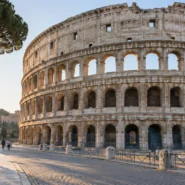
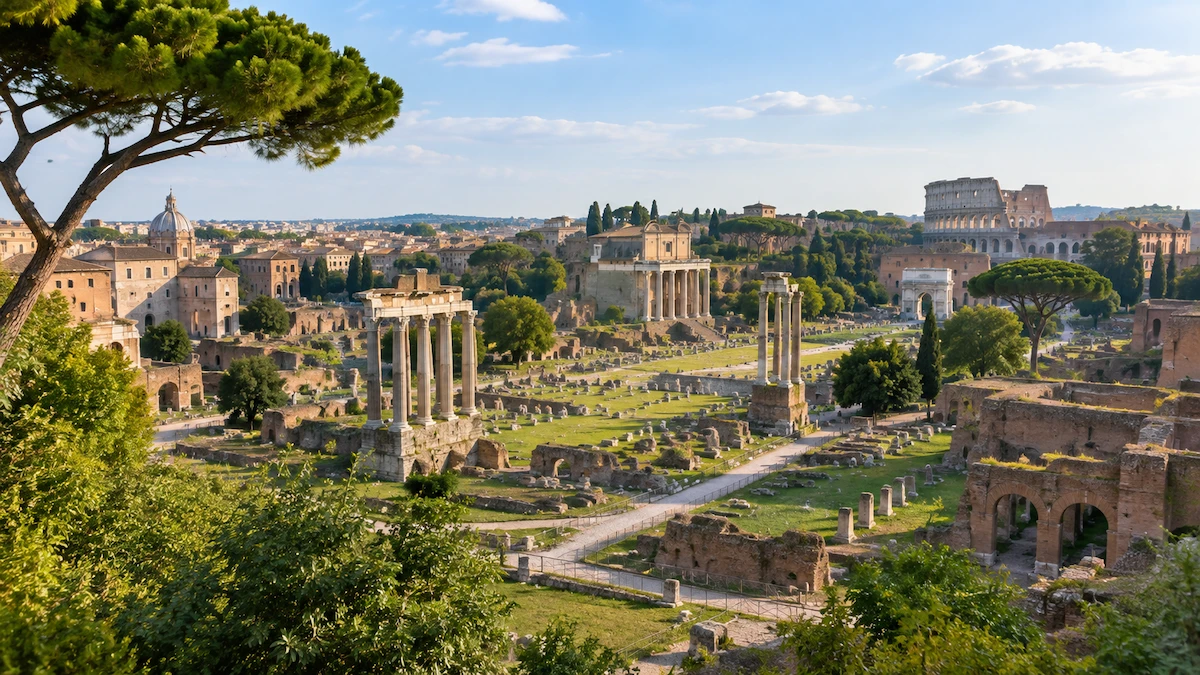
The Colosseum supplies the recognizable landmark; the Forum–Palatine supplies the landscape that makes it part of a city. Choose two or three things you want to understand, then spend time looking instead of chasing every viewpoint. The standard ticket admits you once to the Colosseum at the booked time and once to the Forum–Palatine within 24 hours before or after that Colosseum booking. This plan uses the ruins afterward on the same morning.
That product includes the first and second levels and 75 minutes inside the amphitheater. Arena, underground and attic access should never be assumed. A guide can be useful if historical context is the priority, but a shorter named tour is not automatically the right fit for a slow photographer or a child who needs regular breaks.
✅ What Other Travelers Say
The Tour Guy’s film was uploaded on 13 June 2025, despite its current “2026 Guide” title. Its chapters distinguish ticket types and the Forum–Palatine connection. It is a commercial tour operator’s explanation, useful for visual orientation rather than independent guest consensus or proof of today’s rules.
⚠️ The Catch (Things to Keep in Mind)
The hottest or wettest section may be outside the famous building. Wear shoes that grip stone, carry only permitted essentials and stop before tired legs turn uneven paving into a problem. Do not schedule the Vatican after lunch to make this day look more productive. If mobility is a concern, obtain the actual accessible route and lift arrangements from the park; the shortest line on a phone map is not enough.
📍 Stop 2: Pantheon, Trevi and the Central Piazzas
Tags: Connected streets • Dome architecture • New 2026 fees • Flexible outdoor stops
This is the part of Rome where leaving gaps pays off. See Trevi from the public outside area, use a real Pantheon slot, then continue through Navona toward lunch. The dome deserves attention after the photographs: pause under its geometry rather than treating the interior as a ticket scan between two squares.
The Pantheon usually opens 09:00–19:00, with last individual entry at 18:30, but worship changes visitor access and sales stop an hour before a service. An accepted morning booking fits this route better than gambling on a late Saturday visit before Mass. Trevi’s optional paid inner perimeter is a different admission from seeing the fountain across the public boundary.
✅ What Other Travelers Say
The Tour Guy’s Pantheon-neighborhood film, uploaded on 24 March 2022, follows a walk involving the Pantheon, nearby churches and cafés. Its strongest contribution is showing how much can be connected on foot. It predates the current Pantheon fee and Trevi access system; those details come from current authorities, not the film.
⚠️ The Catch (Things to Keep in Mind)
A short map distance can hide a crowded pinch point, a shop detour or a much-needed seated break. Leave margin around the Pantheon appointment and use the optional outside sights as the flexible parts. Treat religious interiors respectfully, check posted menus and arrange a real table when you need to sit; fountain rims and monument steps are not your picnic furniture.
📍 Stop 3: Vatican Museums and Sistine Chapel
Tags: Large collection • Viale Vaticano entrance • Reserved time • Long indoor route
Arrive with a short priority list, perhaps the Gallery of Maps, selected Raphael Rooms and the Sistine Chapel, rather than trying to absorb the whole collection at equal intensity. Route changes and room access can affect what is practical. Allow a seated pause where permitted and do not leave food until everyone is already exhausted.
The Museums’ visitor advice requires appropriate dress, prohibits photography in the Sistine Chapel and explains baggage checks. Cover shoulders and knees. Large or unsuitable items must go into the free cloakroom, and any stored items need collection before continuing elsewhere.
✅ What Other Travelers Say
The Tour Guy’s 5 January 2024 film explains the Museums entrance, selected galleries and a guided connection to St. Peter’s. That is one operator’s tour arrangement. Its shortcut and older timetable should not be transferred to an ordinary admission ticket. The value here is route orientation and deciding whether a guide would help your party.
⚠️ The Catch (Things to Keep in Mind)
A reserved ticket addresses admission arrangements, not the density inside every corridor. The Sistine Chapel is not a separate walk-in stop, and a third-party voucher can require collection before the Museums gate. Keep the subsequent Basilica window flexible. If a purchased guided product includes a special connection, verify that exact product rather than following another group through a door.
📍 Stop 4: St. Peter’s Basilica
Tags: Free ordinary entry • Separate security • Religious access • Optional paid services
The Basilica merits a deliberate visit even after the Museums. Look at the scale of the nave, crossing and architectural composition, then choose a few details rather than trying to photograph every surface. Published general hours are 07:00–20:00, subject to the current religious and access arrangements. Ordinary entry is free; optional tours, an audio-guide reservation and historical-area products have their own terms.
This itinerary reaches St. Peter’s Square after the ordinary Museums exit and lunch. It leaves enough space to decide whether the admission wait is reasonable for your group. The dome climb is deliberately optional and is not included in the suggested ordinary church visit. The current Basilica FAQ asks men to wear long trousers, women to wear trousers or skirts below the knee, and everyone to cover shoulders. Its security checkpoints are in the right-hand hemicycle when facing the church; a reservation does not remove those checks.
✅ What Other Travelers Say
Manuel Bravo’s architectural explanation, uploaded on 24 March 2023, traces the building’s design and draws attention to the nave, dome, baldachin and square. It helps you see more once inside. It is historical and architectural commentary, not evidence that a current reservation bypasses security or that a particular religious event permits sightseeing.
⚠️ The Catch (Things to Keep in Mind)
The Basilica and Museums have separate entrances and products. Do not leave a suitcase at the Museums expecting to collect it in the square. Do not book a close-together dome time merely because an old tour film moves directly from the Sistine Chapel. If you buy an official dome package, follow its own arrival and Basilica-reservation instructions; ordinary free entry remains a separate valid choice.
📍 Stop 5: Trastevere and the River Crossing
Tags: Ponte Sisto • Evening stroll • Restaurant choice • Cobbles and noise
Trastevere is a useful final neighborhood because you can control the intensity. Cross Ponte Sisto, look around Piazza Trilussa and continue toward Piazza Santa Maria in Trastevere before choosing dinner. That compact circuit is enough after a full museum day elsewhere; a mandatory Gianicolo climb would change its purpose.
Ordinary streets need no attraction ticket. Give the restaurant choice the same attention as a museum booking: inspect the actual menu, ask about charges and reserve a specific table if the evening matters. A famous lane is not proof that every restaurant on it suits your taste, budget or need for quiet.
✅ What Other Travelers Say
Prowalk Tours filmed its evening route on 4 July 2021 and uploaded it on 2 October 2021. The sequence starts at Ponte Sisto and passes Piazza Trilussa, Piazza Santa Maria and smaller lanes. It provides a concrete sense of the walking environment; an older summer evening cannot establish present restaurant quality, opening times or your room’s noise level.
⚠️ The Catch (Things to Keep in Mind)
Keep a route home in mind before dinner. Historic Trastevere is not the same place as Roma Trastevere railway station, and a neighborhood name does not guarantee a short hotel walk. Check current tram and replacement-bus arrangements rather than relying on an old line 8 video. A licensed taxi to a reachable address can be a sensible final transfer.
📍 Stop 6: Galleria Borghese
Tags: Mandatory reservation • Two-hour slot • Small bags • Free surrounding park
Put the Gallery at the start of its own northern day. The actual museum address is Piazzale Scipione Borghese 5, near Via Pinciana; arriving at the Spanish Steps does not mean you have reached its admission door. Plan to arrive around 08:30 for an accepted 09:00–11:00 visit, with time for cloakroom arrangements. The surrounding Villa Borghese park is free, while the Gallery is a reserved museum.
The current official baseline is €16 plus €2 compulsory reservation, with potential exhibition changes. The official TOSC sales series publishes a separate €2 online service fee, so that ordinary online adult purchase totals €20 before any exhibition adjustment. Ordinary visits last two hours; the 17:45 slot is only 75 minutes. The Gallery is normally open Tuesday–Sunday and closed Monday, 25 December and 1 January. Use the selected date’s actual conditions.
✅ What Other Travelers Say
Family Travel Photos’ 1 July 2023 video focuses on the building’s dense art and décor and offers practical touring and photography advice. That named creator’s enthusiasm helps explain why art-focused visitors might value a full two hours. It is an individual viewpoint; the old official-domain link and ticket advice need current checking.
⚠️ The Catch (Things to Keep in Mind)
The museum explicitly offers no fast-track ticket: everyone enters according to the controlled slot. Its current FAQ limits room bags to small pouches/handbags up to 21 × 15 cm, with larger bags deposited. Luggage acceptance is size- and capacity-dependent for the visit only, so leave travel bags at the hotel. Purchased tickets cannot be modified or refunded under the published ordinary terms. If no slot is available, retain the park day and find an accepted alternative; last-minute waiting is not a guaranteed rescue.
📍 Stop 7: Pincio, Piazza del Popolo and the Spanish Steps
Tags: Northern corridor • Viewpoint • Slope choices • Flexible time
After the Gallery, lunch and a proper pause, use the park side toward the Pincio terrace, then descend toward Piazza del Popolo and continue along Via del Babuino to Piazza di Spagna. This order puts the main hill approach earlier and avoids climbing from the Spanish Steps simply to double back through the park. Allow 2–3 hours with pauses, not a 20-minute photo dash.
The city tourism authority describes the Pincio promenade and its relationship to the Trinità dei Monti side. The public outdoor route does not require a museum pass. Daylight, weather, crowd controls and your ability on slopes decide how much of it makes sense.
✅ What Other Travelers Say
Rome Walking Tours with Masoud’s January 2026 walk, uploaded on 15 January, connects Via dei Condotti, Piazza di Spagna, the steps, the Pincio and Piazza del Popolo. Our route uses the same northern geography in a different direction after the Gallery. The film’s calm winter conditions do not predict a busy summer afternoon or establish a step-free route.
⚠️ The Catch (Things to Keep in Mind)
The Spanish Steps are a monument, not the seated rest stop to build your lunch around. Use an actual café or permitted seating. If stairs or wet paving are a concern, cut the upper-to-lower link and arrange a legal vehicle pickup with an exact meeting point. Spagna metro lift/access conditions also need checking; the station name alone is not assurance of step-free travel.
📍 Stop 8: Capitoline Museums and the Campidoglio
Tags: Ancient art indoors • Different exhibition tickets • Hill approach • River-side continuation
This is the day to turn the ruins already seen into objects and people. Begin at Piazza del Campidoglio 1 around the museum’s 09:30 opening, allow 2½–3 hours, then descend for lunch around the Jewish Quarter before the Tiber Island/Trastevere continuation. You are returning to the ancient-city edge with a new purpose, rather than inserting another museum into the tiring end of Day 1.
Ordinary opening is daily 09:30–19:30, last admission one hour earlier, with 1 May/25 December closures and holiday exceptions. The live ticket page lists €16.50 for non-residents for the Museums plus Angeli exhibition during 7 September–1 November 2026, plus €1 for pre-sale. Ordinary €15 applies in the absence of exhibitions. The separate Diego Rivera-only ticket does not include this core museum visit.
✅ What Other Travelers Say
Rick Steves’ Europe’s 12 October 2016 film introduces the collection as a way to imagine ancient Roman life. It is useful art orientation, not current ticket or exhibition evidence. In particular, the ancient bronze equestrian Marcus Aurelius is not a work by Michelangelo; the museum’s own collection and route information should guide the labels you read on arrival.
⚠️ The Catch (Things to Keep in Mind)
The hill approach and the route between buildings add effort beyond the gallery rooms. For reduced mobility, the museum publishes specific taxi approaches and assisted internal routes, including Via delle Tre Pile 1 and Via San Pietro in Carcere approaches. Arrange the suitable option with staff; do not assume every general staircase is avoidable without assistance. Check the selected ticket’s exhibition coverage before buying another “Capitoline” product.
Key FAQs
How many nights do I need for five full sightseeing days in Rome?
Six nights if you arrive before Day 1 and depart after Day 5. Five nights can still work with favorable travel times, but it does not automatically provide the same five full days. Count the hours you can actually use, then remove a gallery or an evening circuit if needed.
How should I change this Rome itinerary if it includes a Sunday or Monday?
Rotate the geographic days before buying tickets. Borghese normally closes Monday, while the Vatican Museums close ordinary Sundays and specific holidays. Last-Sunday Vatican access and first-Sunday state-museum access follow different rules; they are not a universal substitute for accepted weekday appointments. Confirm current religious access at the Pantheon and St. Peter’s separately.
Is the Roma Pass worth buying for this five-day Rome itinerary?
Compare your actual eligible admissions and transport usage against the pass price and booking requirements. The Pantheon authority says its admission is outside Roma Pass/Omnia, Vatican admission is a separate decision, and Borghese still needs a reservation under its stated pass rules. A pass cannot create a sold-out appointment or remove every line. This article uses individually checked admissions so the comparison remains transparent.
Final Verdict and Your Next Step
Five days are enough to see Rome with attention if the calendar, geography and energy budget agree. Secure compatible Colosseum, Vatican and Borghese appointments, then keep the central day lighter and the final river-side evening flexible. Compare the official Vatican reservation with the exact Klook Museums and Sistine Chapel package only after reading its actual inclusions, meeting instructions and cancellation. The best purchase is the one that supports the day you can comfortably complete.