
💡 Key Takeaways
- Protect three full sightseeing days with four hotel nights when your travel schedule allows. Drop the cases on arrival day and keep departure morning free of nonrefundable museum appointments.
- Keep San Marco together, link Rialto/San Polo with the southern art district, then give Cannaregio a slower northern day. Leave a two-island lagoon outing for a longer visit or replace a whole city day.
- Basilica, civic museums and Venice’s Accademia use separate tickets. A transport pass does not include them; a museum ticket does not bypass security or accept travel luggage.
- Rotate the days around the actual calendar: the Basilica’s visitor nave opens later on Sundays/holy days, the Rialto fish market closes Sunday/Monday, and Accademia currently lists Tuesday–Sunday opening.
A 3-day Venice itinerary usually goes wrong when every attractive pin becomes a timed commitment. Two neighboring buildings can each take hours, a bridge can turn a short luggage walk into work, and an island excursion can consume the day that was meant for the city itself. The answer is a clear route with useful cuts, not a faster pace.
This plan gives the main square one day, the Rialto-to-Dorsoduro corridor another and northern Cannaregio a third. It assumes three complete days between arrival and departure. Details were researched on 20 October 2026 using venues and operators; walking amounts and time blocks are editorial allowances, while the films are attributed, dated perspectives. No personal test ride or guaranteed queue time is claimed.
The 1-Min Cheat Sheet
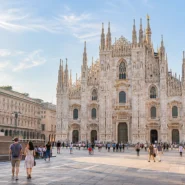
- St Mark’s Basilica: for mosaics and church architecture. Allow a 45–60-minute appointment block for a basic visit and admission process; the official access rule limits the nave circuit itself to 20 minutes. Published private basic ticket €10, booked time required. Walk from nearby San Marco-area docks; choose a morning Monday–Saturday slot. The basic product excludes Pala d’Oro, Museum and Horses Loggia, and worship can change access.
- Doge’s Palace: for Venetian government, ceremonial rooms and art. Allow 2–3 hours plus admission time; ordinary St Mark’s Square Museums ticket €35, or €30 only when purchased online at least 30 days ahead. Walk from the square or an appropriate San Marco/San Zaccaria dock. Book the selected product; current unslotted square-museum tickets are admitted from noon. A general ticket does not include the separate Secret Itineraries tour.
- Rialto and San Polo: for market streets and connected central walks. Allow 1½–2½ hours outside, with no public-street entry fee or reservation. Walk or use the appropriate Rialto-area landing and bank. Go in the morning if the fish market matters; it operates Tuesday–Saturday. Busy bridge approaches and steps are the main catch.
- Gallerie dell’Accademia and Dorsoduro: for Venetian painting followed by southern streets. Allow about 2 hours in the gallery plus 2–3 hours for lunch and an unhurried waterfront loop. Full admission currently €20 before any checkout adjustment; official online booking is recommended on busy paid-entry days. Use Accademia dock or a connected walk. Check the calendar, current room closures and lift faults; this is Venice’s gallery, not Florence’s David museum.
- Cannaregio: for a less appointment-driven day around Guglie, the Ghetto and northern canals. Allow 3–5 hours with lunch and pauses; public streets are free and do not need booking. Walk from the hotel or use a useful current dock. A morning start leaves a flexible afternoon. Museums, synagogue visits and church interiors have separate rules and are not silently included in this free street plan.
Tourist Traps to Avoid & Itinerary Hacks
- Calling travel days full days: landing, reaching the island, finding the door and depositing bags take time. Do not make a delayed flight compete with a Basilica booking that cannot normally be changed.
- Buying one vaguely named Venice pass: distinguish ACTV travel, the civic Museum Pass and the Basilica’s own product. Check the actual museums and operators; the shared city name does not join their coverage.
- Stacking every San Marco interior into one day: Basilica, palace, tower and Correr can easily exceed the energy available. This plan keeps two main appointments. Use Correr/Marciana as an alternative, or give them another day on a longer trip.
- Reading an unslotted ticket as opening-time entry: the current Palace notice restricts unslotted St Mark’s Square Museums tickets to entry from 12:00. A 09:00 opening time does not override the entry condition on your product.
- Trusting a short map distance with cases: stepped bridges, narrow passages and the dock’s bank matter. Leave travel bags at an accepted storage point before sightseeing; museums do not serve as universal station lockers.
- Buying a cheap room that creates a daily commute: Mestre is mainland and Lido is a separate island. Price the actual hotel-to-attraction journey and the late return before treating either as equivalent to an island hotel you can walk back to.
- Adding Murano, Burano and Torcello after lunch: boat waits, crossings, street walks and early museum closing are substantial. A lagoon outing replaces a full day here. Keep the northern city day when the priority is Venice itself.
- Copying an old video’s ticket advice: the films below help with art and geography. Current written admission and transport conditions decide the booking; a creator’s past access is not your entitlement.
The Perfect 3-Day Itinerary at a Glance
Label the sightseeing days after checking the calendar. Put the San Marco day on a Monday–Saturday when possible, the Rialto/Dorsoduro day on an Accademia opening day and, if important, a fish-market day. Rotate these whole units around Sunday, Monday and holidays rather than booking incompatible times and trying to repair the route afterward.
Day 1: San Marco and the Basin Waterfront
- Start: finish breakfast and reach the square around 08:45–09:00, with the hotel/dock approach planned separately. This is orientation time, not a claim that the Basilica already admits visitors.
- Morning order: take a real booked Basilica slot from its normal 09:30 Monday–Saturday opening, following the exact ticket instructions. Use a 45–60-minute planning block for the basic appointment, then pause and look around the square. Upgrade products need more time; do not squeeze the Museum into a basic-ticket slot.
- Lunch strategy: arrange an early meal or substantial seated break near the district before the noon Palace visit, checking the actual venue’s serving time. If a full early lunch is unavailable, have a snack first and a late lunch after the palace instead of forcing a reservation into the entry queue.
- Midday anchor: enter the Palace around 12:00 only when your selected ticket and current instructions allow it. Give the regular route roughly 2–3 hours. The square-to-palace link is on foot; allow time for the correct entrance and screening even though the buildings are neighbors.
- Afternoon and evening: take a proper rest, including a hotel break if the location works. Later choose a short basin-waterfront stroll toward the western Castello edge and dinner near the hotel or your confirmed return route. Keep the evening free of another compulsory museum.
- Effort: about 3–5 km of street walking plus lengthy indoor standing is enough for this day, depending on the hotel and optional waterfront loop. Stairs and uneven surfaces can remain inside historic buildings.
- First cut: remove the tower, extra gallery or extended eastern waterfront walk. The plan has not paid for a tower ascent or a guided special Palace route.
- Sunday, rain or low energy: rotate this day if possible because the Basilica nave normally opens to visitors from 14:00 on Sundays/holy days. If Sunday is unavoidable, book a compatible afternoon sequence with meal and security buffers. In rain, keep the two accepted interior appointments and shorten the outdoor loop; with low stamina, select one major interior rather than adding another as a substitute.
Day 2: Rialto, San Polo and the Dorsoduro Art Corridor
- Start: aim for Rialto around 08:30–09:00 after breakfast. Cross the correct bridge/bank for the market streets. The official market listing has fish Tuesday–Saturday, 07:00–14:00, with Sunday/Monday closure; do not promise market activity every morning.
- Morning order: allow 1½–2 hours around Rialto and neighboring San Polo streets, then continue toward Frari/Campo San Polo and across the southern streets to Dorsoduro. This is a public-street route; paid church interiors are optional and need their own current admission check.
- Lunch and pause: eat in the San Polo–San Barnaba part of the route around midday and sit before the gallery. Do not cross back to San Marco for a famous takeaway and then retrace the same bridges to Accademia.
- Art appointment: reserve an available Accademia entry around 14:00–14:30 when the actual calendar allows, and use roughly two hours for a focused visit. Confirm the chosen slot rather than treating these editorial target times as available inventory.
- Late afternoon and evening: choose a modest Zattere or Campo San Barnaba loop, then dinner on the southern side if the return suits your hotel. A boat can replace a tiring long return when the actual route and ticket fit; another bridge loop is optional.
- Effort: roughly 4–6 km of street walking, plus gallery standing and several stepped bridges. Smaller loops and a useful boat approach can reduce it. Count the hotel links separately.
- First cut: remove extra Frari/San Rocco interiors, Salute extension or the long waterfront finish. One substantial gallery is enough; do not buy another museum because it is nearby.
- Rain or low energy: keep Accademia and one short street link, with a longer seated lunch. Arrive by an appropriate dock rather than completing the whole market-to-gallery walk. For a confirmed mobility route, follow the venue and city instructions; the Accademia bridge is not a flat shortcut.
Day 3: Cannaregio, the Ghetto and Northern Canals
- Start: leave the hotel after breakfast around 09:00 and reach the chosen Cannaregio starting point without returning to Santa Lucia simply to restart the day. For a station-side hotel, Guglie is a natural direction; for another base, choose the most sensible walk or dock.
- Morning order: use 2–3 unhurried hours for Guglie, the Ghetto’s public spaces and northern canal streets. A loop toward Madonna dell’Orto is an option, not a requirement to enter every church or synagogue.
- Lunch and rest: eat in the same district around 12:00–13:00. Leave room for a seated pause; a sequence of crowded standing snack stops does not give everyone the rest they need.
- Afternoon: choose a shorter canal loop, a room break or a separately researched and actually available cultural visit. A synagogue or Jewish museum visit needs its own operator/date/security arrangements; this itinerary does not invent access or include it in the free-street budget.
- Evening: have an early dinner in Cannaregio when its walk/boat return fits, or return near the hotel before dinner. Check the final connection before settling into a late meal, especially if sleeping on Lido or the mainland.
- Effort: about 3–5 km plus hotel links, with stepped canal bridges and the option to stop well before the longer loop. This is deliberately lighter after the two museum days.
- First cut: remove the farthest canal extension. Do not turn the afternoon into an island expedition followed by a late return and packing.
- Rain or low energy: shorten the loop and keep lunch/hotel rest. If you want an indoor replacement, check an actually open and available museum; Correr/Marciana may be covered by your Palace product, but it is a separate district journey with its own hours and valid-ticket conditions. Do not assume a Sunday or Monday opening from a broad museum label.
Save Your Legs! The Most Efficient Route
Day 1 joins neighboring San Marco appointments without a cross-city lunch detour. Day 2 progresses from the Rialto/San Polo side toward the southern art district; Day 3 stays north. The sequence uses walking where it connects real neighboring places and allows a boat for a useful approach or tired return. A waterbus is not automatically quicker than a short street walk once reaching the dock, waiting and boarding are included.
There is no metro connecting these central streets, and a road taxi cannot deliver you through the calli to every museum. A private water taxi can solve a particular accepted landing-to-hotel problem, at its own quoted price. Confirm the landing, full party, cases, mobility arrangements and final steps before assuming it removes the whole walk. Bridges, wet paving and stairs matter for strollers as well as wheelchairs.
For this route, San Polo can balance the directions, San Marco can simplify the first day and nearby room breaks, and Dorsoduro can suit the art-day evening. Western Cannaregio favors Santa Lucia rail arrivals, while Piazzale Roma-side Santa Croce favors road arrivals. Choose the actual door and accepted room access rather than a sestiere-wide guarantee. Lido and Mestre add a daily boat or mainland connection.
Keep one hotel for all four nights. On arrival/departure, use accepted hotel storage or confirm a real staffed provider. The station’s KiPoint listing places Santa Lucia storage by platform 1, currently 07:00–21:00. Confirm size, capacity, price and collection deadline for your date; a station icon does not promise an empty locker. KiBag describes additional luggage transport services, but confirm the exact local collection/delivery and timing rather than assuming overnight forwarding from any hotel.
The city’s accessible routes and the venue’s own current notices are the starting point for a workable mobility plan. Ask about the complete dock-to-door and room route. A lift listed in a museum does not certify that every gallery, prison section, bridge or hotel doorway is accessible.
Ticket Tips & Skip-the-Line Hacks
Reserve the Basilica’s actual product in its official ticket shop. Its private tariff lists basic admission at €10, combined Basilica/Pala or Basilica/Museum at €20 and the full Basilica/Pala/Museum/Loggia product at €30; the tower is separate. The Italian tariff document says the ordinary private discount is already represented in that table. Do not subtract another 20% from those listed private amounts. Check the final party eligibility and total at purchase.
Basilica tickets are named and time-specific; keep the accepted identification and readable ticket. The official FAQ allows a phone ticket/barcode or QR presentation, but that does not bypass entry checks. The actual basic product excludes Pala, Museum and Loggia, prohibits bags above 40 × 30 × 20 cm and admits no trolley cases. Arrive punctually: the FAQ and product page differ on grace wording, so do not build a transfer around tolerated lateness.
For the Palace, choose the official MUVE-linked purchase entry and read the issued time conditions. The square-museums product also covers Correr, Archaeological Museum and Marciana Monumental Rooms; it does not buy the Basilica. The special guided Secret Itineraries and Doge’s Hidden Treasures are different products. If one is your choice, check its inclusions before buying ordinary Palace admission again.
Use Venice Accademia’s current information and its linked TicketOne purchase entry. Online booking can avoid the ticket-office purchase queue under the stated paid-day arrangements. Free admission days have different first-come rules. On-site Palace and Accademia purchase channels also exist, subject to the day’s rules and capacity. Advance purchase can remove the ticket-buying task. Security, capacity and the actual entrance still apply; an electronic ticket is not a universal walk-straight-in privilege. The current access notice also lists closed rooms and a lift outage, so confirm the usable route rather than relying on the general elevator description.
Public streets and squares do not need attraction bookings. If you add a church, synagogue, gondola ride or guided tour, verify its operator, meeting place, date, inclusions and cancellation terms separately. Neither the five anchor list nor a city transport ticket quietly includes those extras. A third-party package is useful only if its exact service fits the day; no invented affiliate destination is needed for the official products used here.
Count the Nights, Meals and Transport
For a non-exempt adult using the basic products, budget Basilica €10 + ordinary square-museums ticket €35 + Accademia €20 = €65 before optional audio guides, checkout adjustments or upgrades. Buying the qualifying €30 Palace product at least 30 days ahead lowers that example by €5. The basic plan does not charge separately for an included Correr/Marciana visit, and does not include an optional paid church or tour.
The current ACTV tariff lists ordinary visitor waterbus-network travel at €9.50/75 minutes and multi-day products at €25/24 hours, €35/48 hours, €45/72 hours and €65/168 hours. Count real paid windows: two separate ordinary journeys cost €19, less than a €25 day product; three separately charged journeys cost €28.50. Validate as required. Alilaguna, private water taxis and ordinary airport-bus travel are not automatically included; buy the appropriate coverage for the chosen operator and product.
For a transparent accommodation model, assume two taxable adults share an unquoted four-star historic-city room at €180 per night for four nights, with breakfast included. Room cost is €720. The municipal schedule gives that ordinary adult category €4.50/person/night outside January, adding €36. That is €756 together, or €378 each. The ordinary tax cap is five consecutive nights; child and other exemptions need their own eligibility check. The room amount is a planning assumption, not a current offer.
Three lunches at an assumed €18 and three dinners at €30 add €144 per adult. With the €378 room/tax share, €65 core admission and an illustrative two €9.50 city journeys, the total is €606 per adult. Four included breakfasts cover the mornings after four nights. Travel to Venice, airport transfers, arrival/departure meals, snacks, extra boats, storage and optional activities remain outside that example. Replace the room and food assumptions with actual quotes.
Check the official access-fee portal for your travel year. As researched on 20 October 2026, it confirms the 2026 trial ended and from 27 July no fee or exemption request applies. The separate 2027 notice now lists selected dates from 26 March through 15 August, 08:30–16:30, while saying the 2027 management acts and FAQs are still pending. Check the rules for your actual dates. Payment exemption for an eligible municipal overnight stay and the required proof/request process are separate questions; do not carry the 2026 process forward automatically or add a year-round registration task.
Evidence and Practical Tradeoffs
The five films below are named creator or broadcaster perspectives. Their role is orientation and art interpretation. Current venue rules above govern tickets, rooms, access and bags; no old film is used as proof of present admission privileges.
📍 Stop 1: St Mark’s Basilica
Mosaics · Basic versus upgraded entry · Booked slot
Go because the church’s interior matters to you, and choose the product accordingly. A short basic nave circuit and a longer visit including the Pala or Museum are different experiences. The rule limiting the nave circuit is a reason to plan a focused visit, not to promise an hour of unrestricted wandering inside.
The current opening information places normal visitor nave entry from 09:30 Monday–Saturday and 14:00 on Sundays/holy days, subject to worship changes. Check your date before booking adjacent appointments. For mobility needs, the Procuratoria’s access page directs visitors to staff for the suitable entrance and describes museum lift/platform assistance; arrange the full route.
✅ What Other Travelers Say Rick Steves’ Europe’s 14 May 2014 film interprets the Byzantine mosaics and church architecture. It is a dated broadcaster perspective, not a current ticket-price or bag-policy review, and it does not make the entrance queue disappear.
⚠️ The Catch (Things to Keep in Mind) Dress for the place of worship, keep bags within the actual rule and use the booked time. If your group wants the Museum and Loggia, buy that product and allow more time instead of assuming they are included in the basic ticket.
📍 Stop 2: Doge’s Palace
Government and art · Regular route · Distinct guided products
Give the ceremonial rooms and political history time to register. Two substantial San Marco interiors with a meal and rest are already a full day. The Bridge of Sighs/prison element is part of a real route with access limits, not a separate reason to sprint through the chambers.
The current accessibility page distinguishes the accessible regular visit from the inaccessible Secret Itineraries, Prisons and Armoury. Confirm the usable itinerary with staff. Suitcases, trolleys and bags above a one-metre sum of dimensions must be left elsewhere; the cloakroom does not solve every arrival-day case.
✅ What Other Travelers Say Rick Steves’ Europe’s 22 January 2014 film presents the palace as Venice’s governmental and ceremonial center. It gives interpretive context, not today’s special-tour inclusion, an accessibility audit or a promise that all filmed works are currently on view.
⚠️ The Catch (Things to Keep in Mind) Check restoration notices and the product’s actual entry condition. A late-day arrival needs enough time before closing procedures; the last-admission hour is not the start time for an unhurried three-hour visit.
📍 Stop 3: Rialto and San Polo Streets
Morning market option · Correct bank · Stepped bridges
Use Rialto as the beginning of a route, not a place where the entire morning must be spent in the bridge funnel. Look at the market when it is operating, then continue toward smaller streets and San Polo. The most useful souvenir of this stop can be understanding the canal-bank geography for the rest of the trip.
Keep shop and church interiors optional, and do not block working stalls or narrow passages for photographs. Choose the correct bank when using a waterbus stop: being opposite a dock across water is not the same as stepping directly into the destination.
✅ What Other Travelers Say Prowalk Tours’ 19 November 2022 upload states filming on 2 July 2022 and begins around Rialto before reaching other districts. Its long street record helps visualize connections. It does not predict your morning’s market stock, crowd level or a shop’s current opening.
⚠️ The Catch (Things to Keep in Mind) The bridge has steps and can be a bottleneck. With cases or a stroller, an attractive short line on a map still needs a practical route. An extra return to the hotel through the same funnel can erase the advantage of a central booking.
📍 Stop 4: Accademia and Dorsoduro
Venetian painting · One major gallery · Southern pause
Choose a focused gallery visit and follow it with time outside. Accademia is a survey of Venetian painting, rather than the Florence museum associated with David. You do not need a second major collection on the same afternoon for this to be a worthwhile art day.
The gallery’s current page gives free lockers up to 45 × 35 × 65 cm, requiring a €1 deposit coin; that is not permission to arrive with every suitcase. Its side entrance in Calle della Carità can help with mobility, while current notices identify room closures and an interrupted lift route. Confirm what is actually usable before relying on it.
✅ What Other Travelers Say Rick Steves’ Europe’s 6 December 2017 film uses Venetian painting, including Veronese, to explain the city’s artistic identity. It is art interpretation from a named presenter, not a 2026 exhibition checklist or confirmation that the museum’s lifts all work.
⚠️ The Catch (Things to Keep in Mind) Museum standing and the approach bridges add up. Shorten the waterfront extension when needed, and check the paid-day calendar before reserving. Free-day admission is not an interchangeable version of a paid timed visit.
📍 Stop 5: Cannaregio’s Public Streets
Guglie and Ghetto · Northern canals · Flexible finish
This day supplies the breathing room that many short itineraries omit. Use a manageable loop, lunch and a northern canal pause rather than another sequence of compulsory interiors. The Ghetto is a living place of memory and community; distinguish looking at public spaces from joining an organized cultural visit.
A hotel in western Cannaregio and a destination farther east or north are not the same short station walk. Check the actual return and keep the longer extension optional. That flexibility makes the day useful for different weather and energy levels.
✅ What Other Travelers Say EpicCityWalk’s 17 April 2022 upload describes recording on 14 April. The route moves from Guglie through canals and the station area before crossing toward Santa Croce. It offers dated geography, not synagogue admission evidence, an area-wide quiet-night claim or a personal stay by this website.
⚠️ The Catch (Things to Keep in Mind) If a Jewish museum/synagogue visit is important, research and reserve the actual current service separately. Do not assume public-street access includes religious interiors, security arrangements or every historical building shown in a film.
Key FAQs
Is three days enough for a first Venice visit? Three full days give room for the main San Marco sights, one art gallery and different neighborhoods when you make deliberate cuts. Arrival and departure are additional travel periods. A full lagoon day works better with more time or by replacing a whole city day.
Should I buy a Venice museum pass and a three-day vaporetto pass? Only after checking the real visits and journeys. They cover different things. This three-day example uses basic Basilica, square museums and Accademia separately; a walk-focused stay may need only a few ordinary city rides. Price your own calendar and inclusions.
How do I adapt this Venice itinerary for rain or limited walking? Keep one accepted interior appointment, use a useful dock approach, shorten the street loops and protect a seated meal and room break. Check the complete accessible route and current lift notices. Do not replace every cancelled walk with another long museum visit.
Final Verdict and Your Next Step
Keep the three geographic days intact, protect the actual appointments and stop adding attractions when they use up the meal or rest that makes the day enjoyable. Art enthusiasts can extend the gallery time; families can shorten interiors; island enthusiasts can replace a whole day after checking the boat plan. Each choice is better made before buying the tickets.
Choose the calendar and hotel door, then compare the official Basilica products, Palace purchase entry and Venice Accademia’s authorized ticket entry. Reserve compatible times and read the current notices before paying. Save the actual tickets, keep bags elsewhere and leave the unbooked hours for the streets between your anchors.