
💡 Key Takeaways
- Use five full sightseeing days with six hotel nights when the travel schedule permits. Keep arrival and departure outside the museum plan and leave cases at one accepted base.
- Group the days as San Marco; Rialto/Cannaregio; Dorsoduro; the northern lagoon; then Correr/Marciana and western Castello. Two deliberate San Marco visits are better than four major interiors in one exhausting day.
- On the lagoon day, visit Burano first because the Lace Museum closes earlier, then return via Murano. Do not add Torcello just because a museum combination includes it.
- Price museum and transport products separately. The €50 civic Museum Pass does not include St Mark’s Basilica, Venice Accademia, airport boats or a private water taxi.
A Venice 5-day itinerary should buy breathing room. Too often the extra days become permission to add every church, all three northern islands and another museum after sunset. That creates longer queues and repeated crossings without much time to enjoy the places you came to see.
The route below uses eight anchors across five complete days, including one properly planned lagoon outing. It keeps a meal and rest in every day, identifies the first cuts and separates current ticket conditions from editorial time allowances. Primary venue and operator details were checked on 20 October 2026. No current room quote, available time slot or personal ride test is implied.
The 1-Min Cheat Sheet
- St Mark’s Basilica: best for mosaics and church architecture; allow a 45–60-minute basic appointment block, with the nave circuit itself limited to 20 minutes under the access rule. Private basic admission is listed at €10; book the exact timed product. Use an appropriate San Marco-area dock or walk, and check Sunday/holy-day worship access.
- Doge’s Palace: best for government, ceremonial art and history; allow 2–3 hours plus admission time. Standard square-museums ticket €35, qualifying online purchase at least 30 days ahead €30, or included in the €50 civic Museum Pass. Use the exact ticket’s entry conditions; an unslotted square-museums ticket is currently admitted from noon.
- Rialto and San Polo: best for the market and central street geography; allow 1½–2 hours in public streets, free and without a booking. Walk or use the correct Rialto-area landing/bank. Morning suits the fish market on its Tuesday–Saturday operating days; the busy stepped bridge is the main catch.
- Cannaregio: best for a northern neighborhood afternoon with lunch and canal pauses; allow 3–4 hours in the public-street plan, with no street admission. Walk north from Rialto after crossing to the eastern bank, or choose a useful current dock. Religious/cultural interiors require separate checking.
- Gallerie dell’Accademia and Dorsoduro: best for Venetian painting and a slower southern day; allow about 2 hours in the gallery plus the afternoon outside. Current full gallery admission €20 before any checkout adjustment; use its official TicketOne entry and calendar. Accademia dock or a connected street walk can work, subject to bridges and current mobility notices.
- Burano and the Lace Museum: best for a craft-focused island visit rather than photographs alone; allow 45–60 minutes in the museum and around 2–3 hours more for streets/lunch. Single museum €7, included in the €20 Island Museums product or €50 civic Museum Pass. Use current route 12 from Fondamente Nove; the museum is closed Monday and has an early final entry.
- Murano and the Glass Museum: best for historic glass rather than a compulsory showroom visit; allow about 1–1½ hours in the museum plus the island walk. Single museum €15, included in the same Island Museums/civic pass products. Return from Burano by a real service to Murano, checking the actual landing and final museum walk. A commercial furnace demonstration is a different product.
- Correr and Marciana Monumental Rooms: best for another view of Venetian history and civic art; allow 2–2½ hours for the combined route. Already included in the square-museums ticket or civic Museum Pass, so do not buy it twice. Enter via the specified Correr route for that product; working library reading rooms and special guided visits are separate.
The Most Practical 5-Day Itinerary
Before buying, rotate whole days around the actual calendar and weather. Put the Basilica day on a Monday–Saturday when possible, the Accademia day on a listed opening day, and the lagoon museums on a Tuesday–Sunday. Keep the fish-market morning Tuesday–Saturday if seeing it in operation matters. The day numbers describe a sensible geographic sequence, not a promise that every venue opens on your exact calendar dates.
Day 1: San Marco’s Basilica, Palace and Basin Edge
- Departure: have breakfast and aim to reach the square around 08:45–09:00, after allowing the actual hotel walk or boat approach. Enjoy orientation before the normal weekday Basilica visitor opening.
- Morning order and time: use an available basic Basilica appointment from 09:30 Monday–Saturday. Allow a 45–60-minute block for the visit and admission process, then take a seated break. Pala/Museum upgrades require a different product and more time; they are optional, not hidden extras in this basic plan.
- Meal strategy: choose an early lunch or substantial snack near the district, checking real serving hours. With a noon Palace entry, a late lunch after the interior is often easier than a restaurant reservation that overlaps the queue.
- Main interior: target Palace entry around 12:00 when the chosen product permits, then allow 2–3 hours. Walk between the nearby appointments, but leave a buffer for the correct entrance and screening. The noon target also avoids treating an unslotted square-museums ticket as opening-time admission.
- Afternoon and evening: rest after the palace. Later choose a short square/basin circuit and dinner near the hotel or a confirmed return route. Save Correr/Marciana for Day 5 instead of using every included admission immediately.
- Effort and cuts: allow roughly 3–5 km outside plus prolonged standing. Cut the tower, extended Castello waterfront or a third interior first. A general civic pass does not include the Basilica or tower.
- Rain/low-energy option: keep the accepted interiors and shorten the outdoor circuit. Choose one main interior if two exceed the group’s stamina. If the only workable date is Sunday/holy day, book an actual compatible afternoon sequence around the Basilica’s normal 14:00 visitor opening, or rotate this entire day.
- Why this works: neighboring main sights share one approach and one rest plan. You avoid treating the square as a transport hub to revisit between unrelated museums all over the city.
Day 2: Rialto, the Market and Northern Cannaregio
- Departure: reach Rialto after breakfast around 08:30–09:00, choosing the correct bank for the market. Check the official market calendar rather than expecting fish stalls on Sunday or Monday.
- Morning order and time: spend about 1½–2 hours around the market and adjacent San Polo streets. Keep the central loop compact; do not add a long Frari detour after deciding to continue north. Extra paid church interiors are outside this day’s default budget.
- Connection: cross Rialto to the eastern side and continue north through the connected streets toward Cannaregio. Take the actual route to Guglie/Ghetto with pauses, rather than walking back to Santa Lucia and restarting. Allow roughly 45–75 minutes for a leisurely connection with stops, not as a verified minimum walking time.
- Lunch and pause: eat in Cannaregio around 12:00–13:00. Reserve a real table if necessary for the party, then sit long enough to reset before another canal loop.
- Afternoon and evening: use 1½–2 hours for the Ghetto’s public spaces and a northern canal extension toward Madonna dell’Orto if it suits the group. Return for a room break, or have an early dinner in the district with the way home already checked.
- Effort and cuts: roughly 4–6 km plus hotel links, with bridge steps. Cut the farthest canal extension or take a useful boat for the final return. A short route through the Ghetto is not automatically a synagogue or museum tour.
- Rain/low-energy option: shorten the public-street circuit and protect lunch/rest. Add a cultural interior only after checking its actual opening, security and booking rules; do not invent access to a religious site as a generic rainy-day fallback.
- Why this works: the market’s operating morning leads naturally into a northern afternoon. You see a different part of the city without adding a long island crossing or another major art museum.
Day 3: Accademia, Dorsoduro and the Zattere
- Departure: finish breakfast and reach the Accademia area for an available opening-period appointment around 09:30. Use the venue’s actual calendar; the current standard week lists Tuesday–Sunday.
- Morning order and time: give the gallery about two focused hours, leaving time for entry and the cloakroom arrangement. Select a few themes rather than chasing every painting. This is the Venetian painting collection, not Florence’s Michelangelo David visit.
- Connection and lunch: continue on foot into the connected Dorsoduro streets and eat near Campo San Barnaba or another suitable point around 12:00–13:00. Do not cross back to Rialto solely for lunch and then return south for the afternoon.
- Rest and afternoon: build in a hotel or long seated break. Later choose a Zattere waterfront walk, Campo Santa Margherita or a shorter southern loop, using roughly 1½–2 hours at an easy pace. A Guggenheim visit is an alternative substantial museum choice with a separate ticket/calendar, not an extra assumed inclusion.
- Evening: have dinner on the southern side when the return fits, or finish near the hotel. Use a real boat route for a tiring final leg if worthwhile; a day with a museum does not need an additional compulsory sunset march.
- Effort and cuts: about 3–5 km of streets plus gallery standing. Cut the Salute extension or the longer waterfront loop first. The Accademia bridge has steps; the useful route depends on your starting bank.
- Rain/low-energy option: retain the gallery and a meal, shorten the rest of the route and check the complete accessible approach. Current gallery notices identify closed rooms and an interrupted lift route; use staff advice for the actual day.
- Why this works: one major art interior has a full day around it. The southern streets and waterfront are enjoyed without becoming a rushed corridor between two large collections.
Day 4: Burano First, Then Murano on the Return
- Departure: leave the hotel early enough to reach Fondamente Nove around 08:30 and take an actual checked route 12 departure toward Burano. Allow a generous 60–90-minute planning window for waiting and the outward crossing, plus your hotel approach. This is an allowance, not an operator promise or a published departure time.
- First island: aim for the Lace Museum around its 10:00 opening, using about 45–60 minutes inside, followed by a compact street loop. The current museum hours are 10:00–16:00, last entry 15:30, closed Monday. Visiting it first protects the day from that early cutoff.
- Lunch and pause: eat on Burano around 12:00, then allow time to return to the actual dock. Agree the meal timing with the venue rather than ordering a long lunch just before the boat you need.
- Return via Murano: take a real route 12 sailing back toward Venice that calls at the Murano landing you will use, checking the current timetable and direction. Walk from the landing to the Glass Museum; do not mistake Faro for the museum’s door. Aim to reach the museum around 14:00–14:30 if the actual connections support it, and use about 1–1½ hours inside.
- Return and evening: check the best current service from Murano to the required Venice dock, such as the appropriate 4.1/4.2 connection when it fits. The museum lists Museo Murano stops on those routes; verify the actual direction. Return during the afternoon or early evening and have dinner near the hotel, with no timed evening museum to jeopardize.
- Effort and cuts: roughly 3–5 km across the islands plus hotel/dock links, multiple boardings and considerable waiting/standing can still be a full day. Cut a commercial furnace visit or extra canal loop first. Torcello is not in this day even if your museum product includes it.
- Bad weather/delay option: move this day within the five-day plan before committing where possible. If navigation disruption or a late start makes the two-island sequence unreliable, visit one island well or remain in Venice and use an actually open indoor option. Do not chase the last boat or the final museum slot to preserve a checklist.
- Why this works: the earliest-closing museum comes first, and the return stops at the inner island. You avoid paying for an attraction and reaching it after its final admission, while keeping the outing separate from the city’s main appointment days.
Day 5: Correr, Marciana and Western Castello
- Departure: have breakfast and reach the Correr entrance for around 10:00, checking the day’s actual hours and the route for your specific product. This is a second deliberate San Marco visit, not an attempt to repeat Day 1’s ticketed entries.
- Morning order and time: give Correr, the linked Archaeological Museum route and Marciana Monumental Rooms about 2–2½ hours according to your interests. Use the inclusion already held in the civic product. Do not buy a separate Marciana route because its alternative entrance looks nearer on the map.
- Lunch and pause: leave the collection and eat toward the San Zaccaria/western Castello side around 12:30–13:30. Take a seated break before more waterfront walking.
- Afternoon: walk through public streets toward the external Arsenale gateway and western Castello waterfront, allowing about 1½–2 hours with stops. This is an exterior route; it does not authorize entry into working naval areas or include a Biennale exhibition ticket. Stop sooner if the weather or group’s energy suggests it.
- Evening: return for a room break and a final dinner near the hotel or on the chosen way home. Keep time for collecting purchases and packing. Departure is tomorrow, so there is no reason to carry cases through this museum day.
- Effort and cuts: roughly 3–5 km outside plus gallery standing; the waterfront still has stepped bridges. Cut the farther eastern extension first. Special Royal Rooms tours at Correr are separate products with their own timing and price.
- Rain/low-energy option: enjoy the morning collection and lunch, then shorten the eastern walk or return to the hotel. Do not add another large museum merely because the weather is poor. Confirm the current accessible Correr/Marciana route with staff.
- Why this works: the combined route gets its own unhurried morning, followed by a neighboring eastern afternoon. Splitting San Marco’s interiors across two days protects the energy that would be lost by forcing them all into Day 1.
Tourist Traps to Avoid & Itinerary Hacks
- Buying separate admissions before checking the bundle: the civic pass can already include Palace, Correr/Marciana and both island museums. A special tour may include ordinary admission too. Compare the actual products before paying twice.
- Subtracting the Basilica private discount twice: the official Italian tariff explains that the private discount is already shown in its listed table. Use the published private product price and verify concessions in the real shop.
- Assuming a named museum pass buys transport: museum and ACTV coverage are separate. Alilaguna airport boats, private water taxis and airport-bus supplements require the correct separate coverage.
- Chasing three islands because they share a ticket: the museum combination’s validity is not a command to visit Torcello during this outing. Waiting and walking take time even when the admission is already paid.
- Confusing a factory sales demonstration with the Glass Museum: one is a commercial workshop/showroom activity, the other a collection with its own door and ticket. Check what you are buying, whether purchases are optional and how the visit changes the day.
- Expecting every depicted painting or room: maintenance and special exhibitions can alter a route. Read current venue notices; a film from a previous year is not evidence that the same room is accessible today.
- Ignoring the final return: a pleasant dinner on a separate island or across the city still ends with a real walk or boat. Check the current night route and dock rather than treating the daytime network as an all-night promise.
- Using museums for suitcase storage: restrictive bag rules differ by venue. Leave travel luggage at the hotel or an accepted real provider, and check the final collection deadline before setting off.
Save Your Legs! The Most Efficient Route
The five units are the San Marco monuments, Rialto-to-Cannaregio streets, southern Dorsoduro art and waterfront, the northern lagoon and the Correr/Marciana-to-western-Castello route. The second San Marco morning is purposeful: the included collection deserves its own time. That is more efficient for attention and stamina than four interiors on the first day and a recovery day afterward.
Use walking for neighboring street connections, and a waterbus when its actual route reduces a difficult approach or return. The current navigation index shows route 12 through Fondamente Nove, Murano and the northern islands. Check the date’s full sailing and actual stopping pattern, then the final walk from the landing. A line name does not make every departure a direct hotel-to-museum journey.
Bridges and uneven paving affect cases, strollers and mobility aids. The municipal accessible routes can help identify usable street-and-boat combinations, but ask each venue about its current entrance and internal route. At the Palace, regular access and the prison/special itineraries differ; at Accademia, current lift notices matter. Avoid turning a general elevator icon into a guarantee for the whole day.
Choose one hotel for six nights. San Polo can balance northern and southern city walks, Cannaregio can simplify the rail approach and lagoon-day start, San Marco can make two main-sight mornings easier, and Dorsoduro favors the art-day evening. The exact entrance, bridge count and room access should decide between otherwise similar quotes. Mestre and Lido create a real daily mainland/boat journey that belongs in the comparison.
Keep arrival Day 0 and departure Day 6 light. Leave cases at the accepted hotel or confirm the real KiPoint storage at Santa Lucia and its current hours/collection terms. Bag delivery or forwarding is useful only when a provider accepts your actual collection, destination and deadline. Do not infer a same-day hotel service from a general luggage icon.
Ticket Tips & Skip-the-Line Hacks
Start with MUVE’s current combinations. The €50 ordinary adult Museum Pass includes Palace, the Correr/Archaeological/Marciana route and the Glass and Lace Museums, among its listed venues. It allows one entry to each covered museum within its validity, not unlimited re-entry, and excludes the Clock Tower. For this itinerary, ordinary square museums €35 plus the Island Museums €20 would total €55; the €50 pass saves €5. If you qualify for the €30 square-museums price by buying online at least 30 days ahead, €30 + €20 equals €50, so the price difference disappears. Check the actual final product and any fees before buying.
The Basilica and Accademia remain separate. Use the official Basilica shop for the exact named time-specific product, and the TicketOne entry linked by Venice Accademia for the gallery. The Basilica’s basic private product is €10; combined/upgraded products have different inclusions. The Italian tariff states that its private discount is already reflected in the table. Do not apply it a second time or assume museum, Pala, tower or guided night access from a basic ticket.
Read the Basilica product’s actual admission rules before travel: no trolley cases, no bags above 40 × 30 × 20 cm, appropriate dress and punctual arrival. A readable phone ticket is accepted under the official FAQ, but security and the specified entrance remain. Published FAQ and product grace wording differ; use the booked time rather than planning around a grace period.
At the Palace, the current notice gives noon onward for unslotted St Mark’s Square Museums tickets. Read your own pass/product instructions and reserve a specific time when your chosen product requires it. The special guided Secret Itineraries and Hidden Treasures have distinct availability and access restrictions; they are not general fast lanes that override security. Ordinary MUVE and Accademia tickets also have on-site purchase channels, subject to the actual day’s rules/capacity; advance purchase can remove the purchase task without eliminating admission checks.
The Marciana’s own current page distinguishes an €8 Archaeological Museum/Monumental Rooms route entered at Piazzetta San Marco 17 from the square-museums route entered via Correr’s Napoleonic Wing. This plan uses the Correr inclusion already held. That is not general access to the working library’s reading rooms, and a special library event has separate registration.
Glass and Lace single tickets are currently €15 and €7. The €20 Island Museums combination covers both plus Torcello Museum, saving €2 against the two single prices even when Torcello is omitted. If you bought the €50 civic pass, do not add that €20 again. Public streets and squares are free to walk, while church interiors, synagogue visits, gondolas and commercial workshops need their own research and booking where applicable.
Transport, Nights and a Reconciled Budget
The current visitor transport prices are €9.50 for a 75-minute ordinary waterbus-network ticket, €25/24 hours, €35/48 hours, €45/72 hours and €65/168 hours. For the lagoon day alone, three separately charged travel windows would cost €28.50, versus €25 for the 24-hour product. A predominantly walking visit with that day plus two other ordinary windows would total €44, below €65. A traveler taking useful boats throughout the six-night stay may prefer the 168-hour product. Count actual validity windows rather than buying a pass from the number of hotel nights alone.
Validate the selected ticket as required. Under the current conditions, ordinary multi-day coverage excludes Alilaguna and private water taxis, while airport-bus travel needs the correct product or the specified concurrently purchased supplement. Train coverage is product-specific; the Venezia Daily Pass’s listed municipal regional-rail coverage should not be copied automatically to every multi-day pass. Check the current operator notices and municipal tide forecast before the lagoon outing. Fog, tides and works can change services; MOSE does not guarantee every low pavement or landing stays dry.
For an ordinary adult admission model, use the civic Museum Pass €50 + basic Basilica €10 + Accademia €20 = €80 before optional audio guides, checkout adjustments, special tours or upgraded Basilica products. Correr, Marciana, Glass and Lace are already counted in that €50. The exterior Castello walk and public neighborhood streets add no attraction admission; Biennale exhibitions are not included in the default plan.
Assume two taxable adults share a hypothetical four-star historic-city room at €180 per night for six nights, with breakfast included. Room cost is €1,080. The current non-January adult hotel-tax rate for that category is €4.50/person/night, and the ordinary cap is five consecutive nights. Tax is therefore €4.50 × 2 × 5 = €45, not €54 for six nights. The pair’s total is €1,125, or €562.50 each. These room and breakfast assumptions are not a live hotel offer.
Five lunches at an assumed €18 and five dinners at €30 add €240 per adult. With €562.50 accommodation/tax share, €80 core admissions and a chosen €65 transport allowance, the example totals €947.50 per adult. Six included breakfasts cover the mornings after six nights. Arrival/departure meals, travel to Venice, airport transfers, snacks, storage and optional activities are excluded. A €44 instead of €65 city-transport plan would lower this example by €21 if it genuinely covers your chosen journeys.
As checked on 20 October 2026, the official access-fee portal confirms the 2026 trial has ended and from 27 July no fee or exemption request applies. The separate 2027 notice now announces selected dates from 26 March through 15 August, 08:30–16:30, while stating that the 2027 management acts and FAQs remain pending. For those dates, check the adopted rules and any applicable overnight exemption/proof process rather than assuming the 2026 process continues. Do not add an off-calendar fee or registration automatically.
Evidence and Practical Tradeoffs
The eight anchor films are identifiable perspectives with dates and limits. Art interpretation, a past travel vlog and a museum’s own promotion serve different purposes. None establishes a present queue time, boat timetable, ticket entitlement or universally accessible route.
📍 Stop 1: St Mark’s Basilica
Mosaic interior · Specific product · Worship calendar
Make the interior a focused encounter rather than another long museum marathon. Decide whether the basic nave circuit satisfies your interest or whether Pala/Museum access deserves a larger time block and a different ticket. The full product is not a reason to hurry through other monuments to use everything.
Keep the actual visitor opening calendar and staff-assisted mobility route in the plan. Sunday/holy-day nave entry differs from a weekday morning; worship changes can take precedence. An accessible museum route requires the stated assistance, not a guess based on the exterior square.
✅ What Other Travelers Say Rick Steves’ Europe’s 14 May 2014 film explains the church’s Byzantine character and mosaics. It is a dated broadcaster interpretation. Current admission, filming, bag and worship rules come from the Procuratoria, not the footage.
⚠️ The Catch (Things to Keep in Mind) Reserve the actual product and arrive punctually in appropriate dress. A ticketed church visit still has screening and movement rules; it is not open-ended permission to wander every paid space.
📍 Stop 2: Doge’s Palace
Ceremonial rooms · Regular versus special route · Real standing time
The palace is a substantial interior, so give the political history and rooms enough attention. A two-to-three-hour allowance is a useful planning choice for interested adults, not a mandatory duration or a guarantee that every gallery is open.
The official access page distinguishes the accessible regular visit from inaccessible Prisons, Armoury and Secret Itineraries. Current venue notices identify works under restoration and bags that must be left elsewhere. Plan the route you can actually use.
✅ What Other Travelers Say Rick Steves’ Europe’s 22 January 2014 film presents the former ruling center and the Bridge of Sighs connection. It helps explain why the visit deserves time. It does not prove current tour inclusion, restoration display or mobility access.
⚠️ The Catch (Things to Keep in Mind) Read the chosen ticket’s entrance condition and leave cases elsewhere. A special guided itinerary may already include ordinary museum access, so compare inclusions before adding another Palace ticket.
📍 Stop 3: Rialto and San Polo
Operating market morning · Bank geography · Compact loop
The market morning is a useful starting rhythm for the northern day. Keep the San Polo loop small, then continue toward Cannaregio instead of doubling back through the same Rialto funnel. Public streets need no attraction booking, but the working market has its own calendar.
Let a few turns away from the bridge be part of the experience. Keep passages and stalls usable, and make a deliberate decision before adding a church interior. The default plan does not assume every doorway is open or free.
✅ What Other Travelers Say Prowalk Tours’ 19 November 2022 upload records a 2 July 2022 route beginning around Rialto. It shows how bridges and neighboring public streets connect. It is not a current survey of stall hours, crowd levels or merchants’ prices.
⚠️ The Catch (Things to Keep in Mind) A crowded stepped bridge can make a short repeated journey feel much longer. Check the correct dock/bank for a boat approach and avoid using a hotel break as a reason to retrace the same busy crossing several times.
📍 Stop 4: Cannaregio
Ghetto public spaces · Canal afternoon · Optional interiors
Use Cannaregio for the slower hours that make the five-day visit feel different from a weekend sprint. A proper lunch and a modest canal loop are worthwhile on their own. The neighborhood’s public spaces and its religious/cultural interiors are different visits.
Choose the loop that matches the hotel and remaining energy. Western station-side Cannaregio, Guglie/Ghetto and farther northern/eastern addresses do not all have the same return. The first cut should be distance, not the only seated rest of the day.
✅ What Other Travelers Say EpicCityWalk’s upload of 17 April 2022 describes filming on 14 April through Guglie, canal streets and the station area before crossing toward Santa Croce. It is dated physical orientation, not a present cultural-visit booking or a claim that every canal is quiet at night.
⚠️ The Catch (Things to Keep in Mind) If a synagogue or Jewish museum visit is a priority, obtain current operator and security instructions separately. A film or free public square does not establish admission to those interiors.
📍 Stop 5: Accademia and Dorsoduro
Venetian painting · Southern streets · Current access notices
This is the day to spend time with Venetian painting and let the rest of the afternoon breathe. A focused gallery visit, a meal and Zattere can be a satisfying whole. Another large collection should replace part of that plan rather than quietly doubling the museum load.
The gallery’s current information gives a side entrance in Calle della Carità, small-item locker rules and its own paid/free-day procedures. Its access notice lists rooms XXII/XXIII closed, no lifting-platform link between XXII/XXIV and an out-of-service lift between VI/b and X. Confirm the usable route directly before relying on the general lift description.
✅ What Other Travelers Say Rick Steves’ Europe’s 6 December 2017 film interprets Venetian art through the collection. It is a broadcaster’s perspective, not a current display checklist or evidence that every internal route works for the visitor’s mobility needs.
⚠️ The Catch (Things to Keep in Mind) Gallery standing plus bridge approaches can be tiring. Shorten the later waterfront loop when needed, and book through the Venice museum’s authorized channel rather than the similarly named Florence institution.
📍 Stop 6: Burano and the Lace Museum
Craft history · Early museum close · Public streets with respect
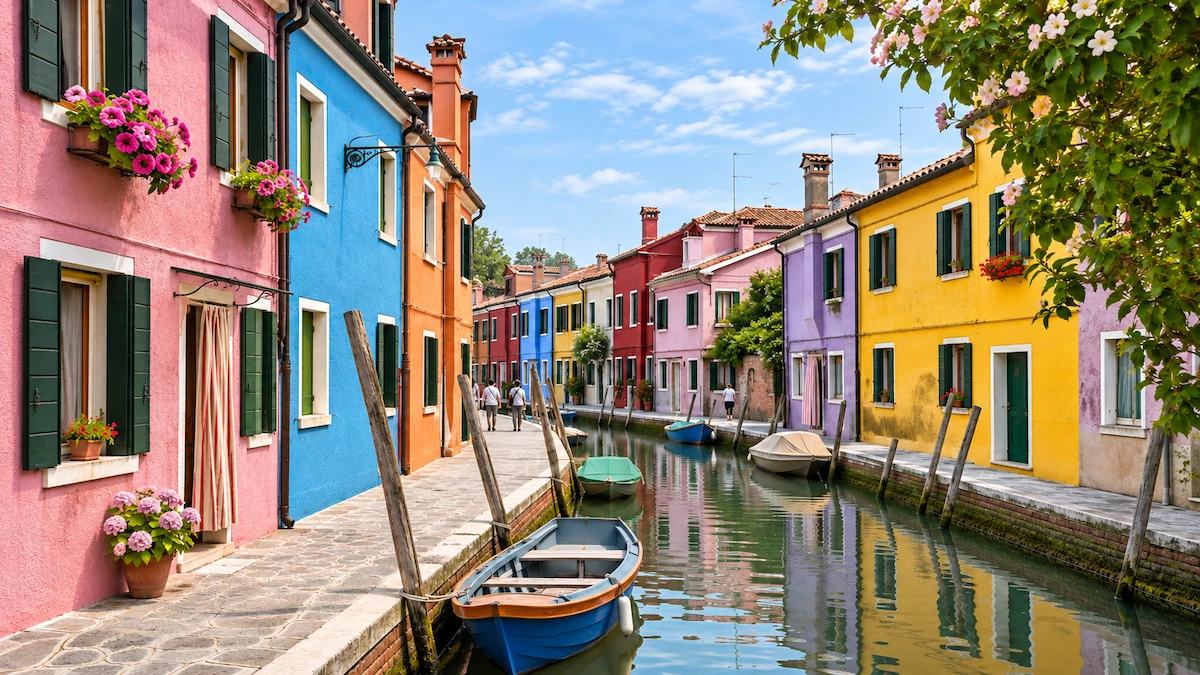
The Lace Museum adds substance to a visit that can otherwise become a hunt for colorful walls. Use it early, then give the residential streets and a meal enough time. The museum admission is distinct from buying lace in a shop or joining a commercial demonstration.
Its official address is Piazza Galuppi 187, not the waterbus dock. Build the walk and return to the landing into the day. The museum’s early closing is why Burano comes before Murano in this route, even if a commercial excursion uses a different order.
✅ What Other Travelers Say Musei Civici Venezia’s 28 November 2011 film is the museum operator’s own introduction to the collection. It offers craft context, rather than an independent traveler verdict, current demonstration schedule or proof that every filmed object is on display today.
⚠️ The Catch (Things to Keep in Mind) Do not assume a live lace-making demonstration is guaranteed or that a shop price proves where an item was made. Check the actual service and provenance if those are important, and leave doorways and residential lanes clear.
📍 Stop 7: Murano and the Glass Museum
Collection versus furnace · Actual landing · Unhurried return
Choose the museum for historic glass, then decide whether a separately researched workshop adds enough to justify the time. A free or paid showroom demonstration is not the same as museum admission. Purchases, a craft class or a commercial transfer need their own clear agreement.
The Glass Museum’s published hours extend later than Burano’s: until 18:00 April–October and 17:00 November–March, with last entry an hour earlier. The actual museum door is Fondamenta Giustinian 8. A Faro landing still leaves a walk, while other useful routes call at Museo Murano; check the current boat and direction.
✅ What Other Travelers Say Jess and Dave’s 22 January 2024 vlog visits both islands and names a Wave Murano Glass factory stop. It is their identifiable travel account with creator promotions in the description. That factory footage does not depict or include the civic Glass Museum ticket used in this itinerary, and old transport advice is not carried forward.
⚠️ The Catch (Things to Keep in Mind) A late ferry can consume the museum buffer. Cut the extra commercial visit or shorten one island if the connections do not fit. Do not commit to an evening appointment back in Venice that depends on an optimistic last possible return.
📍 Stop 8: Correr and Marciana Monumental Rooms
Combined civic route · Included admission · Separate library functions
Give this collection a separate morning rather than treating it as a free leftover after the Palace. The civic history, art and monumental library rooms require attention even when already included in a ticket. Pick the route you actually hold and leave enough time for the museum exit before lunch.
Correr’s current notices identify maintenance and room limits, and the library’s visitor page distinguishes its two museum-entry products. Working reading rooms, special guided library events and Correr Royal Rooms tours are not automatically included in a general combined visit.
✅ What Other Travelers Say Musei Civici Venezia’s 23 February 2026 film “Scopri il Museo Correr” is an operator-produced introduction. It is useful collection context rather than an independent report of today’s conditions or a guarantee that every depicted room is open.
⚠️ The Catch (Things to Keep in Mind) Follow the product-specific entrance and confirm access arrangements. Do not buy the €8 alternative Archaeological/Marciana route again when the route you want is already covered, and do not assume a museum ticket grants research access to the working library.
Key FAQs
Is five days too long for Venice without day trips to other cities? Five full days allow main museums, different districts, a lagoon outing and real rest without changing hotels. The plan does not need another distant city to fill the calendar. Shorten interiors or island plans if the group prefers more street and meal time.
Can I visit Murano, Burano and Torcello in one day on this itinerary? This route deliberately uses Burano and Murano only, with actual museum opening and boat buffers. Torcello would need more time or replace another stop. A pass that includes its museum does not make the additional journey necessary or effortless.
Which Venice passes fit this five-day itinerary? Compare the civic Museum Pass against your Palace and island museum choices; Basilica and Accademia are separate. For transport, a one-day lagoon product plus a few ordinary rides may cost less than a 168-hour product, while frequent useful boats can justify the latter. Read the actual network and airport exclusions.
Final Verdict and Your Next Step
Use the extra time to protect good meals, a room break and a realistic boat day. Art travelers can extend the gallery visits; families can trim the northern loops; craft enthusiasts can give one island more time. Keep the day’s geography intact and replace a stop when adding a substantial new experience.
Choose the calendar, then compare the official civic Museum Pass entry, square-museums purchase entry, Basilica products and Venice Accademia’s authorized entry. Confirm exact inclusions and compatible appointments before paying. Save the current boat plan and check notices again before travel; the city is much easier when the final walk and the last return have already been considered.