

💡 Key Takeaways
- Give the compact historic center a proper first day, then choose between the eastern museums and the San Luca hill. Three full days are a useful planning allowance; arrival and departure hours are not full sightseeing days.
- Check the calendar before booking: Archiginnasio normally closes Sunday, the Pinacoteca and MAMbo normally close Monday, and Santo Stefano suspends ordinary Monday tourist visits. Asinelli and San Petronio’s panoramic terrace are unavailable under current notices.
- Choose a hotel for your actual arrival route and evening plans. Walking suits the central sights, but an airport link, city bus, regional train and San Luca tourist service have different tickets and limitations.
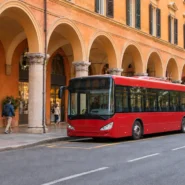
This Bologna Travel Guide is for a first visit where you want the food, porticoes and history without spending the day recovering from the plan. The main trap is easy to miss: Bologna looks compact, so it is tempting to squeeze the hill, several museums, a tower climb and a long lunch into one day. The center is manageable, but closures, timed entry and the uphill San Luca outing still require choices.
Start with one central base and one main area at a time. The advice below uses official attraction, tourism and transport information checked on 5 November 2026, together with identified videos for visual context. It is a researched planning assessment, not a claim of personal field tests, measured walks, live hotel deals or a traveler-review survey. Suggested durations are flexible allowances; use your actual dates and the current operator notices before buying tickets.
The 1-Min Cheat Sheet
- How long: allow two full days for the civic center and one additional cultural area; three full days make a separate San Luca outing easier. With only one day, keep Piazza Maggiore, the nearby food lanes and one chosen visit rather than attempting a complete-city checklist.
- Where to base yourself: the Piazza Maggiore/Indipendenza side suits central sightseeing and evening walks. A Centrale-side hotel can simplify rail arrivals and excursions. The university side suits an interest in student life and eastern museums, but check the exact street, room position and recent noise reports before booking.
- How to arrive: Marconi Express currently advertises airport–Centrale rail service from 05:40 to midnight at €12.80 single or €23.30 return. Add the station-to-hotel leg. If arriving late, inspect the actual Q winter timetable: airport-to-Centrale departures at Aeroporto MEX have a gap from 02:15 to 04:20, so a licensed taxi may be the practical alternative.
- What to reserve: book the Archiginnasio’s paid visit in advance if it matters to you, and confirm any chosen San Luca service and return. Leave the surrounding walking and food browsing flexible. Do not buy a city pass until the actual attractions, ticket coverage and open days make the arithmetic work.
- What to eat: begin with a proper meal built around local dishes, such as tagliatelle with ragù, tortellini or lasagne, rather than eating only between queues. Check the current menu, dietary requirements and opening times; a celebrated food district does not guarantee that every counter offers the same value.
Top Survival Tips
- Plan by geography. The civic core, Santo Stefano/Strada Maggiore and the university side connect naturally as central and eastern visits. MAMbo lies to the northwest, while San Luca is a separate southwest hill outing. Keep a museum’s neighborhood together instead of crossing the center just to follow an online top-ten list.
- Move whole modules around closed days. Swap your center, eastern culture and hill plans to fit the week. A Monday arrival does not make a normally closed museum available. Holiday exceptions and religious celebrations need their own check.
- Keep one firm appointment per half day. Allow time to find the correct entrance and follow the booking’s arrival instructions. Lunch, a rest or a changed bus stop can consume the gap between two apparently close reservations.
- Ask the hotel about the complete arrival. Confirm the entrance, luggage arrangements, stairs or lift access, and late check-in. “Near the station” does not identify which station exit works. A beautifully placed room is less useful if your group cannot manage its final approach.
- Compare the full accommodation total. Check cancellation terms, breakfast and the current city accommodation tax. Bologna’s published 2026 rates use the per-person nightly room-price band, rather than simply the hotel’s star rating; exemptions include children under 14. Ask the property for the correct total for your party and dates instead of copying a previous guest’s bill.
- Treat food as an activity, not a guaranteed bargain. Read the menu and any stated extras before ordering. For a meal you particularly want, confirm the actual business and reserve a table directly where available. For a flexible lunch, compare a takeaway with a seated meal and count the rest as part of the value.
- Use the porticoes sensibly. They make walking more pleasant, but do not remove steps, crossings, hard paving, wind-driven rain or an uphill climb. Carry appropriate shoes and use a bus or taxi when the full day becomes too much.
- Keep central driving optional. If bringing a car, arrange the permitted approach, plate registration and parking with the accommodation before entering a restricted zone. The official hotel-access guidance is more useful than assuming a navigation app understands your authorization.
The Full Experience
📍 Piazza Maggiore and the Quadrilatero: Best for Your First Bearings and a Proper Lunch
Features: Civic center · Food lanes · San Petronio · Nearby Archiginnasio booking
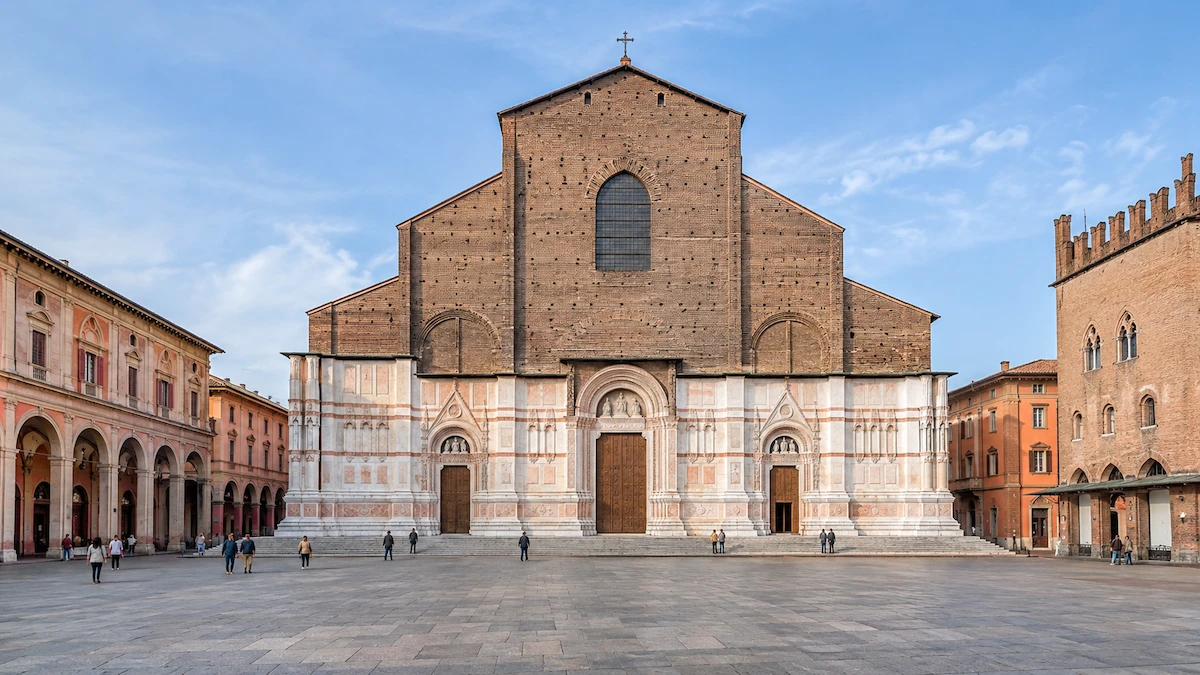
Academy Travel’s September 2024 presentation with Dr Jeni Ryde introduces Piazza Maggiore, civic buildings, Neptune and San Petronio’s exterior. Use it to recognize the setting and decide how much architectural detail interests you. It does not establish current entrance rules or promise an uncrowded square.
Start outdoors at Piazza Maggiore and neighboring Piazza del Nettuno, then decide whether to enter San Petronio or continue into the food lanes. This is a good first half day because the links form part of the visit: you can understand the center, have a real meal and keep an optional booking nearby without a vehicle change. Drop heavy bags at the accommodation first.
The basilica’s current owner information gives tourist opening from 10:00 to 18:00, last entrance 17:50, subject to worship and special arrangements. Ordinary individual entry is free; the separate chapel route is paid. Suitcases and baggage are not allowed, and the panoramic terrace is permanently closed. A flight arrival followed by a luggage-filled church visit and a terrace climb is therefore not a workable plan.
For university history, choose the actual Archiginnasio and Anatomical Theatre booking at Piazza Galvani. Current full prices are €10 for the audioguided format or €12 guided, with compulsory online reservation. Bring your smartphone and earphones for the audioguide and follow the stated ten-minute arrival margin. The palace normally closes Sunday; the library is not open for general sightseeing, and access to Stabat Mater depends on institutional use.
✅ What Other Travelers Say
The presenter-led film shows why the square rewards more than a quick photo: surrounding buildings and small details give the walk a purpose. The nearby food lanes add a flexible break rather than another appointment. That makes the area a sensible starting point for first visitors, without relying on a claim that every nearby restaurant is exceptional.
⚠️ The Catch (Things to Keep in Mind)
The regional tourism guide identifies the Quadrilatero as a food-shopping area and highlights local egg-pasta traditions. Enjoy browsing, then choose what you actually want to eat. Check a dish’s ingredients and the current menu rather than assuming a small shop can meet every allergy or dietary need. If the streets feel busy, have your seated break elsewhere nearby and return later.
📍 Santo Stefano and Strada Maggiore: Best for a Slower Eastern Walk
Features: Church courtyards · Piazza Santo Stefano · Historic streets · Worship-sensitive access
Love Italy’s February 2021 walk shows brick-and-stone interiors, steps, the courtyard and cloister, with winter conditions outside. It gives useful visual context for the complex. Old filming access is not permission to enter every space now: the current owner reserves the crypt for prayer and meditation, not sightseeing.
From the central lanes, continue toward Piazza Santo Stefano and give the square a proper pause. The area works well after lunch or as a quieter alternative to stacking several paid museums together. Allow time for the open parts of the religious complex, then follow your interest along nearby streets rather than turning the afternoon into a forced march.
The owner’s current tourist schedule suspends ordinary Monday visits. Tuesday–Saturday visiting is normally 09:30–12:30 and 14:30–19:00; Sunday and holiday afternoon visits normally begin at 15:00. The visit rules state that ordinary access is currently free, with donations welcome. Check extraordinary liturgies and holiday exceptions rather than treating the square’s open access as proof that the complex is always open.
For a short first stay, this eastern walk can be enough cultural activity after the civic core. For a longer visit, combine the surrounding streets with a separate confirmed museum opening on Strada Maggiore. Keep lunch and a rest between major interiors; an extra church is optional when everyone has reached their attention limit.
✅ What Other Travelers Say
The film’s courtyards and changes in stonework show the attraction of moving slowly here. It is a different experience from collecting one grand facade after another. The practical benefit is that the square still offers a worthwhile pause even if you decide to shorten the indoor visit.
⚠️ The Catch (Things to Keep in Mind)
Respect prayer, signage and any temporarily closed area. Uneven surfaces and steps make “small complex” a poor substitute for an access check. For the wider eastern route, the current Two Towers notice lists Asinelli closed and Garisenda not accessible. Treat the towers as an external orientation point where the current pedestrian arrangement allows; do not build this afternoon around a climb seen in an old video.
📍 Via Zamboni and Via delle Belle Arti: Best for University Atmosphere and Painting
Features: University streets · Pinacoteca Nazionale · Cultural interiors · Separate museum entry
The Four Chains Travel’s January 2026 university presentation combines streets, historic interiors, maps and interpretation. It is a broad university-history preview, including the separately visited Archiginnasio, rather than a continuous route confined to Via Zamboni. Do not infer that every filmed library, collection or room can be entered without checking its own visitor rules.
This is the eastern cultural module to choose if learning and art interest you more than another viewpoint. Take a flexible walk through Via Zamboni, then give the Pinacoteca at Via delle Belle Arti 56 its own attention. A museum visit followed by lunch and a shorter street walk is more comfortable than trying to cover the whole university district between two timed bookings.
Official destination information for the Pinacoteca Nazionale currently lists €12 full admission, Tuesday–Sunday opening from 09:00 to 19:00, last admission 18:30, and Monday closure. Check the current museum notice and any special admission conditions before setting off. Allow around two hours as a planning choice, then select the paintings or periods you most want to see rather than rushing to finish every room.
For a first visit with limited time, choose one substantial art collection. The Pinacoteca belongs naturally on this side of town; MAMbo belongs to a different northwest outing. Walking back across the city just because both appear under “museums” adds effort without helping you understand either collection.
✅ What Other Travelers Say
The university film connects scholarly history with a living city rather than presenting the university as one isolated visitor building. That is the area’s appeal for a curious first visitor: streets and institutional history can complement a museum visit. Its narration and individual access experiences are the creator’s, not evidence of universal admission.
⚠️ The Catch (Things to Keep in Mind)
A university district can be lively, but that does not make every room over a bar a good place for a light sleeper. If staying here, inspect current reviews for the particular property and room category, ask about street-facing windows and choose the evening environment you want. For sightseeing, respect working university entrances and confirm the specific collection you intend to visit.
📍 Saragozza and San Luca: Best for the Portico and a Separate Hill Outing
Features: Southwest route · Uphill portico · Sanctuary setting · Weather and return planning
Rocky Ruggiero’s March 2026 film shows the sanctuary on its wooded hill, the facade, steps, porticoes and religious interior. It helps explain why San Luca deserves a deliberate outing. It is not a current transport timetable or a guarantee that optional upper spaces are accessible.
Decide first whether you want the full portico walk or the sanctuary without the full ascent. The walking approach runs through the southwest Saragozza/Meloncello side and climbs to the hill. It can be rewarding for willing walkers; it is also the part of the trip most likely to expose an overambitious plan. Going downhill afterward still asks a lot of knees and feet.
If the climb does not fit your group, compare the actual San Luca Express ticket with a confirmed taxi arrangement. The tourist service currently lists €15 full-price same-day return from Piazza Galvani. It requires alighting at San Luca and taking a later return, with a stated two-hour minimum. From November, its 13:30, 15:20 and 17:20 departures and returns are not active Tuesday–Thursday. Check the operating date and the final useful return before buying.
The sanctuary’s own timetable currently lists basilica opening from 07:00 to 18:00. Ordinary church entry is free; optional visits and transport are separate. Let the religious calendar and your return arrangements set the usable visit rather than assuming a sightseeing ticket provides unrestricted access everywhere.
✅ What Other Travelers Say
The filmed hill setting and porticoes make this a clear change of pace from central museum rooms. For visitors who enjoy a destination walk, the approach can be part of the attraction. For others, arriving with enough energy to appreciate the sanctuary is the better choice; the ascent is not a test you need to pass to enjoy Bologna.
⚠️ The Catch (Things to Keep in Mind)
Set aside a half day as a planning allowance, including travel, your visit and a rest. Keep it movable for weather or fatigue. Confirm any wheelchair space and the actual accessible entrance before relying on the tourist service or sanctuary facilities. A short lower-portico walk is a valid alternative; a rigid afternoon museum booking after a full ascent is an avoidable complication.
📍 Centrale and the Northwest Center: Best for Rail Convenience and MAMbo
Features: Station connections · Via Don Minzoni · Modern art and Morandi · A useful slower module
TV Bologna’s February 2021 report shows interviews, Morandi still-life works and selected installations. It is context for the museum in this northwest part of the center, not a neighborhood walk or a promise that the same works and exhibition layout are on display now.
A hotel near Centrale makes sense when train arrivals, early departures or one rail excursion drive the trip. Still check the side of the tracks: Via de’ Carracci/Bolognina and the traditional central-city frontage lead to different approaches. The station’s underground high-speed layout also means a nearby hotel pin does not measure the whole route from your train door.
For sightseeing, give MAMbo at Via Don Minzoni 14 a coherent northwest visit rather than placing it between two eastern attractions. Official destination information lists €6 ordinary admission, including Museo Morandi, with normal Monday closure; temporary exhibitions can have separate conditions. Confirm the date’s opening and plan an afternoon visit if you want to avoid relying on an uncertain morning schedule. Museo Morandi here and Casa Morandi on Via Fondazza are different destinations.
For an extra day, combine an unhurried northwest walk, lunch and the museum, leaving a free evening. For a short stay with no particular interest in modern art, the station’s practical value does not make this museum compulsory. Spend that time where your own interests are strongest.
✅ What Other Travelers Say
The older museum report shows the contrast between Morandi’s quiet still lifes and other contemporary displays. That makes a focused museum visit a useful option for art-minded travelers who want more than medieval landmarks. It does not justify inventing a consensus that every first visitor should put it ahead of the civic center.
⚠️ The Catch (Things to Keep in Mind)
The station neighborhood solves transport; it does not remove the daily trip to your preferred dinner area. Compare the actual route and late return before choosing a cheaper-looking room. For mobility needs, confirm the museum’s precise lift route and current assistance, and ask the rail operator about the station journey; “close to a station” does not prove a completely step-free stay.
Key FAQs
How many days do first-time visitors need in Bologna?
Two full days allow a focused central day and one additional cultural area. Three full days make a separate San Luca outing easier without squeezing the hill around museum reservations. These are planning choices, not a requirement to fill every hour. With more time, choose one focused rail excursion after checking actual trains and the destination’s open days.
Should I stay near Bologna Centrale or Piazza Maggiore for a first visit?
Choose the central civic area when sightseeing and evening walks matter most; choose a station-side base when trains and luggage transfers drive the trip. Check the actual entrance, room access, street noise and total rate, then compare the full airport or station journey. A neighborhood name alone cannot identify the best room for your party.
Can I see Bologna without a car, and is a transport pass necessary?
Yes: a central visit can use walking with occasional buses or taxis. Current TPER ordinary urban fares are €2.30 for 75 minutes or €9 for a daily ticket valid 24 hours from validation. Count your actual paid journeys before buying a pass, validate each bus boarding and keep airport, tourist-service and regional rail coverage separate. Do not plan a tram ride from a future network map: the municipality’s October 2026 notice describes technical trials.
Final Verdict and Your Next Step
For a first short city break, put the civic core and one chosen cultural visit ahead of a long checklist. For food-focused travelers, protect time for meals and flexible browsing, checking actual menus rather than chasing a supposedly essential queue. For families, use shorter central loops and a real rest; choose hill transport if the ascent does not suit the group. For art lovers, give the Pinacoteca or MAMbo sufficient attention instead of racing both. For travelers with limited mobility, let confirmed entrances, vehicles and hotel access shape the route from the start.
Before booking, look at the actual BolognaFiere calendar for events overlapping your dates, then compare accommodation totals and arrival routes. Reserve the chosen Archiginnasio visit or San Luca Express departure through the real booking products only after the day’s geography and open hours work. For arrival transport, check Marconi Express fares and ticket options; for an excursion, use the actual rail journey search. A comfortable first visit comes from a few well-chosen plans and enough room to enjoy the city between them.