

💡 Key Takeaways
- Give each full day one direction: the Arena and old-town core, the western castle-and-San-Zeno corridor, then the northern river-and-hill area. Keep the same hotel throughout.
- Reserve Juliet’s House or courtyard online and enter through Teatro Nuovo in Piazzetta Navona. Since October 2026 the civic museums’ current booking portal is Verona CoopCulture; old MidaTicket links are outdated.
- Move entire day modules around Monday museum closures and Sunday church hours. The Scaliger Tombs’ internal visit is seasonally closed from 2 November 2026.
- A 48-hour VeronaCard does not cover three full days. Compare your actual paid visits with the current €33/24-hour or €38/48-hour transport-inclusive card before buying.
This 3-day Verona itinerary tackles the mistake that makes a compact city feel exhausting: following a list of famous names without checking which side of the river they occupy, which door takes reservations and which attractions close on Monday. The answer is three connected routes, with a proper lunch break and permission to leave a secondary stop out.
The plan is for three full sightseeing days, rather than an arrival afternoon, one full day and an early departure. Practical rules were checked against municipal, attraction and operator sources on 5 November 2026. Visit lengths, starts and walking budgets are planning allowances, not measured walks or guaranteed queue times. The assessments below are research-based; they do not claim a personal test visit or a survey of traveler reviews.
The 1-Min Cheat Sheet
- Arena and Piazza Bra: best for first-time visitors who want the Roman landmark without building the whole day around it. Allow 45–75 minutes inside, plus time in the square. The ordinary adult Arena ticket is €12; the square is free. Walk from a central hotel, or use an appropriate city bus from Porta Nuova and finish on foot. Advance booking is sensible on busy dates, with actual event restrictions checked first. Aim near the morning opening. The catch is the exposed, stepped interior: a daytime monument visit is not an opera ticket. Official civic museum fares.
- Piazza delle Erbe, Piazza dei Signori and Juliet’s House: best for the classic old-town atmosphere and travelers who actually want the literary attraction. Allow two to three hours including the streets and a reserved house visit. The squares are free; the Teatro Nuovo-and-courtyard route costs €5, while the route also entering the house costs €12. Walk north from Bra and approach the reserved visit from Piazzetta Navona. Both routes require an online reservation, including eligible free admissions. Visit the squares before or after your slot; do not expect a free courtyard shortcut through Via Cappello. Current official visit information.
- Castelvecchio Museum and Ponte Scaligero: best for art and architecture, rather than travelers wanting only a castle photograph. Allow 90 minutes to two hours for the museum and another short bridge stroll. The museum is €9 at the ordinary adult rate; the public bridge does not require that museum ticket. Arrive along Corso Cavour or the western central streets. Reserve a busy-date museum visit if it matters to you; normally aim for its 10am opening. The museum normally closes Monday, and its circulation includes uneven surfaces and level changes. Official museum tickets and access details.
- Basilica of San Zeno: best for Romanesque architecture and a slower neighborhood lunch. Allow 45–60 minutes for the basilica, with time around the square. An ordinary single-church visit costs €4; the four-church circuit is €8 and valid for one visit to each church within 90 days. Continue west from Castelvecchio on foot, or choose a current local bus/taxi connection if tired. Ordinary individual visits need no reservation. In winter, choose late morning on weekdays or after the Sunday tourist opening at 1pm. Do not arrive Sunday morning expecting sightseeing access. Church ticket rules.
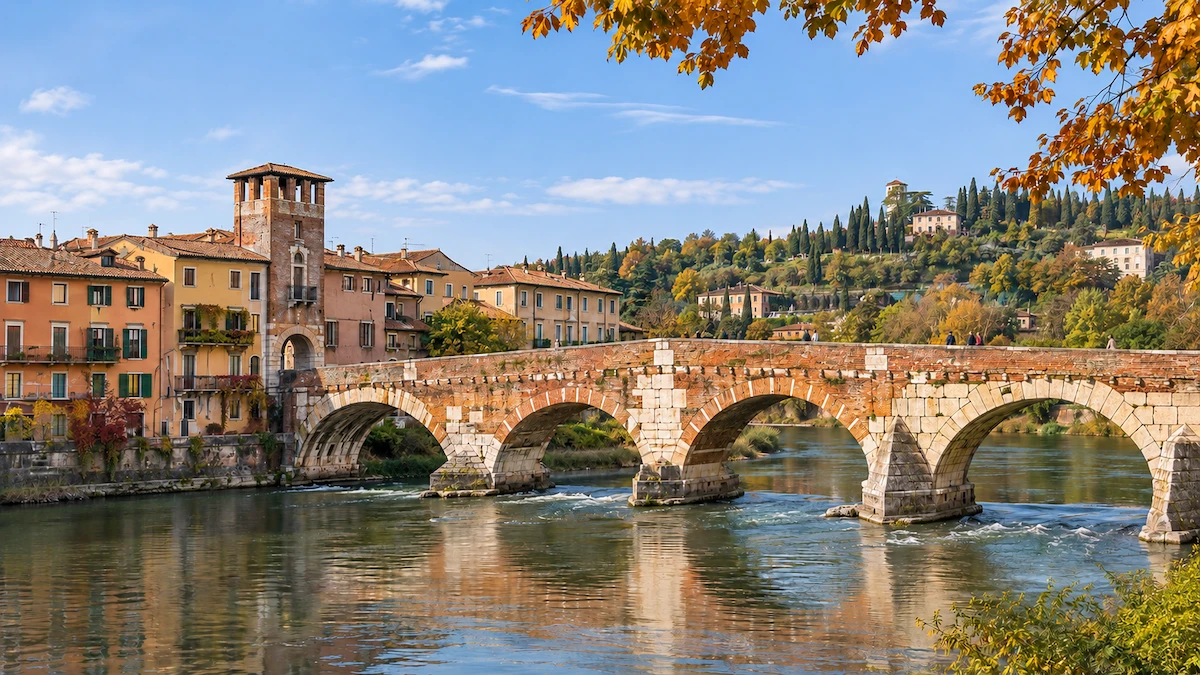
- Ponte Pietra and the Castel San Pietro viewpoint: best for river scenery and visitors willing to negotiate a hill. Allow 90 minutes to two hours, more if adding the Roman Theatre archaeological museum. Walk to Ponte Pietra, cross it, then use the steps or the funicular at Via Fontanelle Santo Stefano 6. The bridge and public viewpoint do not require a museum ticket; the funicular is €3 return or €2 one way, purchased separately. Aim for daylight with a comfortable return margin. The operator’s November–March hours are 10am–5pm; a sunset photograph does not guarantee a later ride down. Funicular fares and seasonal hours.
Tourist Traps to Avoid & Itinerary Hacks
- Do not use an old free-courtyard plan. Since April 2026 Juliet’s courtyard and house use controlled, reserved routes through Teatro Nuovo. Via Cappello is the exit side. A queue at the familiar arch is not your booking strategy.
- Do not make Monday your museum marathon. The Arena, Castelvecchio and the Roman Theatre museum normally close Monday. Juliet’s House normally opens Monday afternoon, rather than closing all day. Exceptional holiday openings can differ; the current civic calendar lists 7 December 2026 as an extra opening. Check your dates, then exchange whole day modules.
- Do not pay for a promised universal fast track. The tourism office specifies Arena priority access at gate 5 for VeronaCard, not skip-the-line access at every attraction. A pass does not remove Juliet’s timed reservation, security checks or closures.
- Do not turn every hill into a compulsory climb. The tower, the Arena’s steps, museum levels and the San Pietro ascent are separate physical demands. One satisfying viewpoint is enough. Spend saved energy on a meal rather than another staircase.
- Do not mistake the Scaliger Tombs for a currently bookable interior stop. The city announces seasonal closure from 2 November 2026. Look at the monuments from the surrounding public street and continue; do not allocate an indoor visit on the strength of a summer video. Current civic opening calendar.
- Check the menu before sitting down. Compare the actual cover charge, drinks and meal prices rather than assuming that every table near a famous square is a scam or every side street is cheap. Choose lunch near the end of that morning’s route, not back beside the hotel.
The Perfect 3-Day Itinerary at a Glance
The numbered days are geographic modules, not fixed weekdays. For a straightforward Tuesday-to-Thursday visit, follow them in order. If Monday falls in your stay, put the northern church-and-river walk on Monday, omit its optional civic museum, and keep the Arena and Castelvecchio days on their actual opening dates. For Sunday, move church interiors into the published afternoon visiting windows.
Day 1: Piazza Bra, the Arena and the Old-Town Core
- Suggested start: around 8:45am at Piazza Bra on an ordinary Arena opening day. Enjoy the square, then use a morning Arena ticket if entering; its normal municipal hours are Tuesday–Sunday, 9am–7pm, subject to performances and notices.
- Route: Bra → Arena → Via Mazzini → the area around Piazza delle Erbe → your reserved Juliet route at Teatro Nuovo → Piazza dei Signori. Choose a slot allowing a generous gap after the Arena; 11am or later is more forgiving than two back-to-back entrance times.
- Transport and effort: walk between these central stops. Budget roughly three to five kilometers including local exploration, plus indoor standing and any hotel approach. The figure is a flexible allowance, not a surveyed route length. Skip a tower climb if the Arena’s steps were enough.
- Lunch: after the reserved visit, choose a place around the old-town streets and sit down properly. Do not spend the slot buffer waiting for a meal to arrive.
- Easy cut: Torre dei Lamberti. Keep it only if the weather is clear, you want a second elevated view and the day is running comfortably.
- Rain or low energy: reduce the outdoor loop and keep the reserved house visit. A short museum visit is preferable to forcing a wet climb. Leave room for a café break before dinner near Erbe or Bra.
This order moves from the southern civic landmark into the northern central streets once. It avoids photographing the Arena, walking to Juliet, returning for the Arena ticket and then walking north again for dinner. If you do not care about the house interior, choose that deliberately before purchasing; the reserved courtyard-only route is a different product.
Day 2: Castelvecchio, the Riverside and San Zeno
- Suggested start: around 9:30am near Castelvecchio, with the museum at its normal 10am opening on Tuesday–Sunday. Allow 90 minutes to two hours rather than racing through galleries to meet another ticket.
- Route: museum → Ponte Scaligero stroll → return to the southern side → continue west toward San Zeno. There is no need to cross the river repeatedly just to collect bridge photographs.
- Transport and effort: mostly walking, with a broad three-to-five-kilometer daily allowance before extra detours. The museum has level changes and the bridge surface is uneven. A short taxi to or from the western neighborhood can be worth paying for when mobility or fatigue is the issue.
- Lunch: near San Zeno before the basilica visit. This works especially well Sunday, when tourist visits begin at 1pm; confirm the current church schedule rather than waiting outside during worship.
- Easy cut: a long return along the river. A direct walk or suitable bus/taxi back to your base preserves the evening.
- Rain or low energy: give the museum more time, shorten the bridge visit and travel directly to the basilica. On a Monday, move the museum to another day; rain does not make a closed museum available.
The western grouping is the route’s quiet efficiency win. San Zeno is easy to overlook on a central map and awkward to bolt onto an already full northern-hill day. Giving the west its own afternoon makes the church and lunch feel purposeful rather than like a compulsory march back from the other side of town.
Day 3: Northern Churches, Ponte Pietra and the Hill
- Suggested start: around 10am on a winter weekday. Choose the Cathedral complex or Sant’Anastasia as your principal interior, allowing 45–60 minutes; add the other only if you enjoy churches. In winter both normally start at 10am on weekdays. Sunday tourist openings are later: 1:30pm at the Cathedral and 1pm at Sant’Anastasia.
- Route: northern old-town church streets → lunch near Ponte Pietra → cross the bridge → optional archaeological museum at the Roman Theatre → San Pietro viewpoint. If adding the museum, give it 60–90 minutes and put it before the viewpoint.
- Transport and effort: walk the northern cluster; use the funicular instead of the hill steps if that makes the day manageable. Allow roughly three to five kilometers depending on hotel position and optional interiors, with the hill creating a much bigger effort difference than the flat distance suggests.
- Lunch: before crossing, or on the river’s northern side. An early-afternoon meal leaves daylight for the view.
- Easy cut: the Roman Theatre museum, particularly on Monday when it normally closes. It is the archaeological museum beside the theatre, not the separate National Archaeological Museum elsewhere in Veronetta.
- Rain or low energy: keep one church, a long lunch and a brief river look. On a suitable museum opening day, substitute the archaeological galleries for the viewpoint. Do not climb slippery steps simply because the itinerary says “Day 3.”
In November–March, aim to finish the funicular outing well before its 5pm closing. On Sunday, begin with the free river streets and lunch, then one church after opening, and choose between a museum and the hill. Trying to include both churches, the museum and a late winter viewpoint after their Sunday openings defeats the point of a forgiving plan. Official seasonal church hours.
Save Your Legs! The Most Efficient Route
The three walking clusters follow Verona’s shape: the Bra-to-Erbe spine, the western castle-to-San-Zeno corridor, and the northern churches-to-Ponte-Pietra connection. None needs a daily return to Porta Nuova station between attractions. The station is a useful arrival hub, not a sightseeing interchange you must revisit for every leg. There is no metro to solve these short central journeys.
Walk where the next stop is genuinely in the same cluster. For the station arrival, use a current ATV connection or a licensed taxi to the accommodation when luggage or weather makes the approach unpleasant. Check the actual stop and direction in the ATV journey information; day, evening and holiday services differ. Do not memorize one weekday bus number and expect it to cover every arrival.
The hill steps, the Arena’s tiers, medieval paving and museum circulation are poor places for a large wheeled suitcase. Castelvecchio’s operator also states that strollers are not admitted; Juliet’s operator lists the courtyard as the accessible part and says the route is not accessible to strollers. Contact the venues about your exact needs rather than treating a lift symbol elsewhere in the city as universal access.
Where to stay: the Bra/Cittadella edge is practical for arrivals and the first day; Erbe’s surroundings reduce evening walks but can mean noise and a longer final luggage approach. San Zeno gives the western day a pleasant base but adds distance to the northern route. Veronetta can suit travelers who like a local street setting, provided they account for bridges and their actual building entrance. Keep one base; changing hotel during three days rarely recovers the time spent packing. Our Verona neighborhood guide helps compare these trade-offs.
Ask the hotel to confirm luggage storage before check-in and after checkout, including collection hours. If that is unavailable, select a staffed store or locker with sufficient capacity and opening hours for your train; a listing near the station does not promise an empty large locker. Forwarding luggage is useful only with a confirmed delivery date and reception arrangement. Do not rely on same-day delivery without an actual service commitment.
Ticket Tips & Skip-the-Line Hacks
Start with the new official booking route. Civic ticket management changed on 1 October 2026. Follow the current municipal calendar into Verona CoopCulture, rather than an old MidaTicket bookmark. Book Juliet’s House or courtyard in advance; eligible free visitors and VeronaCard holders still need a reserved entry. Arena and Castelvecchio booking can be worthwhile on busy dates, but advance purchase cannot reopen a closed day or make a performance ticket interchangeable with monument admission.
Electronic ticket does not mean zero waiting. Castelvecchio’s official product offers mobile tickets and print-at-home options. Save the actual admission code and confirmation, then follow the venue’s checking instructions. A reseller voucher requiring exchange is a different document. The Arena has a stated VeronaCard priority entrance; the tourism office says there is no general priority access for the other included sites. Security, capacity and the correct reserved slot still apply.
Do not prebook everything. The four historic churches sell their €4 single entrance only on site, with no advance reservation for ordinary individual visits. The €8 four-church circuit can be bought online or at the church ticket desks and lasts 90 days for one visit to each church. Free squares, public bridges and an exterior view of the seasonally closed Scaliger Tombs need no attraction ticket. Ask about services and special events before treating a church’s tourist timetable as unconditional.
Price the pass against this route. The current transport-inclusive VeronaCard costs €33 for 24 hours or €38 for 48 hours. Arena €12 + the full Juliet route €12 + Castelvecchio €9 + a single San Zeno visit €4 totals €37 before transport and other admissions. That example alone does not justify a €38 pass. A tower visit, another museum or useful bus rides can change the comparison; eligible reduced/free visitors should calculate separately. A card covering the first two days may expire before Day 3’s afternoon attractions. Follow the current wallet activation instructions and check the actual expiry.
The pass excludes the Aerobus, extraurban buses and the San Pietro funicular; Lamberti’s lift also costs extra. For an optional reseller comparison, the genuine Klook VeronaCard listing has bookable package options. Compare its final price and redemption requirements with the official product. Some listing information remains inconsistent with the current municipal calendar, so use official venue rules and do not assume direct QR admission or universal fast-track access. This is an affiliate link; the official booking alternatives above remain available.
Tried & Tested: My Honest Review
This is a practical assessment of the five route anchors, not a claim of firsthand testing. The genuine videos offer visual context; their filming dates, routes and prices do not establish current admission rules. Traveler footage is not a representative review survey.
📍 Stop 1: The Arena and Piazza Bra
Tags: Roman landmark · exposed steps · compact first morning
✅ What Other Travelers Say: WonderJourneys’ documented visual tour shows the arches, internal passages and stepped seating, which is useful for deciding whether the interior adds enough beyond the square. It does not establish a current visitor consensus or today’s queue.
⚠️ The Catch (Things to Keep in Mind): It is an outdoor monument with substantial steps, and event arrangements can alter the visitor route. A comfortable first morning leaves energy for the old town; a full opera evening is a separate decision and ticket.
📍 Stop 2: Piazza delle Erbe and Juliet’s Old-Town Streets
Tags: classic squares · literary connection · reserved entrance
✅ What Other Travelers Say: PixelPulse Travels’ walk shows the central squares and shopping streets at street level, including the familiar Via Cappello area. It helps visualize a busy pedestrian setting, rather than proving an easy or empty visit.
⚠️ The Catch (Things to Keep in Mind): A film showing the old entrance area does not override the current Teatro Nuovo access system. The house is a museum associated with a literary story, not evidence of a historical Shakespearean couple living here. Skip it if that connection does not interest you.
📍 Stop 3: Castelvecchio Museum and Bridge
Tags: art and architecture · slower indoor time · uneven circulation
✅ What Other Travelers Say: 99archi’s architectural footage shows the courtyard, galleries and carefully arranged passages. It makes the case for visiting slowly if architecture matters to you, without pretending that every viewer ranks the museum the same way.
⚠️ The Catch (Things to Keep in Mind): This is not a five-minute indoor detour attached to a free bridge photograph. Normal Monday closure, accessibility limits and the no-stroller rule need to be considered before paying.
📍 Stop 4: Basilica of San Zeno
Tags: Romanesque art · western neighborhood · worship-sensitive hours
✅ What Other Travelers Say: Inside Verona’s video shows the façade, cloister, bronze doors and interior details. These are visual reasons to give the basilica a proper visit, rather than inventing a claim that travelers universally prefer it to Juliet’s House.
⚠️ The Catch (Things to Keep in Mind): The western location costs time if paired with the far northern hill. Sunday sightseeing begins later, and wheelchair access is partial. Check the church operator’s current timetable, not the video’s age or a generic “open daily” label.
📍 Stop 5: Ponte Pietra and the San Pietro Viewpoint
Tags: river scenery · hill or funicular · daylight-dependent payoff
✅ What Other Travelers Say: Coaster Trek’s footage shows the funicular, elevated city views and the theatre area below. It is useful orientation for the landscape; it does not verify current ride hours, accessibility or a castle-interior visit.
⚠️ The Catch (Things to Keep in Mind): The viewpoint is the reason to go. This itinerary does not include an unverified castle-interior tour. Finish before the winter funicular closes or choose the steps knowingly, allowing for weather and your own mobility.
Key FAQs
Is three days enough for Verona without rushing?
Yes, with three full sightseeing days and one accommodation base. The three clusters cover the main central landmarks, the western basilica and a river viewpoint. If your trip includes two travel days, remove optional museums and the tower instead of squeezing the same plan into less time.
How should I change a 3-day Verona itinerary that includes Monday?
Keep the Arena and Castelvecchio on other dates. Use Monday for the northern outdoor route and a church during its tourist hours; omit the normally closed Roman Theatre museum. Juliet’s House normally opens Monday at 2pm, but still requires a reservation. Check exceptional dates before finalizing.
Is the VeronaCard worth it for a three-day visit?
Only if the paid admissions and useful urban transport within its actual 24- or 48-hour window exceed its price. It is not a three-day pass. Children, reduced-price visitors and people choosing mostly free streets often need fewer paid products than a standard adult itinerary suggests.
Final Verdict and Your Next Step
Keep the central spine, the west and the northern hill as separate days. Book the correct Juliet route, put museum visits on open dates and leave a large enough lunch gap that the afternoon still feels like a holiday. That is more useful than collecting another landmark at the cost of a needless cross-city walk.
Your next step is to check the official calendar and current civic booking links, reserve the visits you actually want, then compare individual tickets with the official VeronaCard. If comparing a reseller package, use the real Klook VeronaCard options and read the redemption conditions. Advance purchase should secure a worthwhile visit, not turn three days into a race to recover a pass price.