💡 Key Takeaways
- Best all-round choice: October has warm walking weather and fewer date-specific complications than peak festival weeks.
- Best for spring: Choose May or a March–April window outside Semana Santa and Feria if the palace and short transfers are your priority.
- Best for lower-price flexibility: Compare midweek January and February dates. In July and August, give yourself a noon-to-evening break plan before choosing your hotel.
The best time to visit Seville is October for most first-time visitors and May if you prefer long evenings and spring gardens. Neither needs a festival to fill a trip. The calendar matters almost as much as temperature. A procession can lengthen a six-minute walk, while a June afternoon can feel more like August than the dates suggest. Use the month to choose a rough window and the city calendar to pick your actual nights.
The 1-Min Cheat Sheet
- March to April Best for spring walks and festival atmosphere. Average daily highs near 22–23°C. Plan regular sightseeing before or after Semana Santa or Feria if you prefer easier street access.
- May to June Best for outdoor dinners with more flexibility. Average daily highs rise from about 27°C in May to 32°C in June. May is better for a full afternoon outdoors.
- July to August Best for travelers comfortable with a split day and strong heat. Expect average highs around 36°C. Set the park and palace gardens early and cool off indoors after lunch.
- September to November Best for balanced sightseeing, especially October. Average highs move from nearly 32°C in September to 26°C in October and 20°C in November. Later weeks need a rain backup.
- December to February Best for museums, long lunches and a calmer break after the holidays. Average afternoon highs are around 16–18°C, with cool evenings. Check festive schedules and January holidays.
Top Survival Tips
- Look up Semana Santa and Feria separately. Their dates shift, and they shape different parts of the city. The procession streets are the concern for Holy Week, while Los Remedios and access to the fairground matter during the Fair. Follow the city festival listings before choosing a hotel door.
- Plan for the hours you will actually walk. Average highs in the AEMET airport climate record describe a long historical period and include different weather years. Check the forecast near departure and expect stone streets and open plazas to feel warmer than a shaded hotel patio.
- Check a daily schedule, including the Sunday version. The cathedral balances worship and cultural visits. Festival periods can alter stops and entrances, and a time written in a guide can trail the official plan. Screenshot the entry details and your return hotel route.
- Compare dates using identical hotel terms. A cheap nonrefundable midweek room and a refundable festival weekend room answer different questions. Check both with your real party size and any heating or cooling requirements.
- Move entire half-days in rain. Keep the Museo de Bellas Artes or a show ready for a rainy afternoon. Swap the park or rooftop to the next dry half-day without breaking a timed palace visit. Check the museum calendar before counting on a Monday.
- Choose a base for the condition you most dislike. If you hate heat, use a hotel you can reach easily in the middle of the day. If you dislike noise, ask about room exposure and late events. The Seville hotel and neighborhood guides help narrow that choice.
Best Time to Visit Seville by Season
🌸 March to April — Spring Gardens and Two Very Different Festivals
Fresh evenings · religious processions · fair week
Spring is excellent for gardens and walking. It is also the season in which Seville changes the most from one week to another. Semana Santa puts major processions into the old town, with crowds and rerouted transport. Feria takes place on a separate schedule at the fairground in Los Remedios. If they are the reason you are going, allow time for them rather than booking a crowded first visit around both.
For ordinary sightseeing, make an early Alcázar visit the anchor and compare another spring date before committing to a hotel. If you want to see Feria, look up public casetas and transport in the city’s visitor information. For Semana Santa, ask which streets stay accessible between your hotel and the taxi drop-off. Check both schedules, including year-specific times.
✅ What Other Travelers Say: Event footage shows why many travelers make a festival the main plan for the day instead of an afterthought.
⚠️ The Catch (Things to Keep in Mind): Do not assume all fair tents are open to visitors or that the shortest route to your room will be usable at procession time.
🌤️ May to June — Long Evenings and an Early Start
More daylight · warmer plazas · movable evening plans
May is a good pick for people who want spring scenery with fewer calendar complications. In early June, take the longest outdoor walk in the morning and start lunch before you feel the need to cool down. A short morning at the park still leaves a whole afternoon to choose between a museum and a rest.
If you have a cool room near the center, make the hotel pause part of the itinerary. The river and Setas come back into play later in the day. In late June, judge the day by the actual temperature rather than the month.
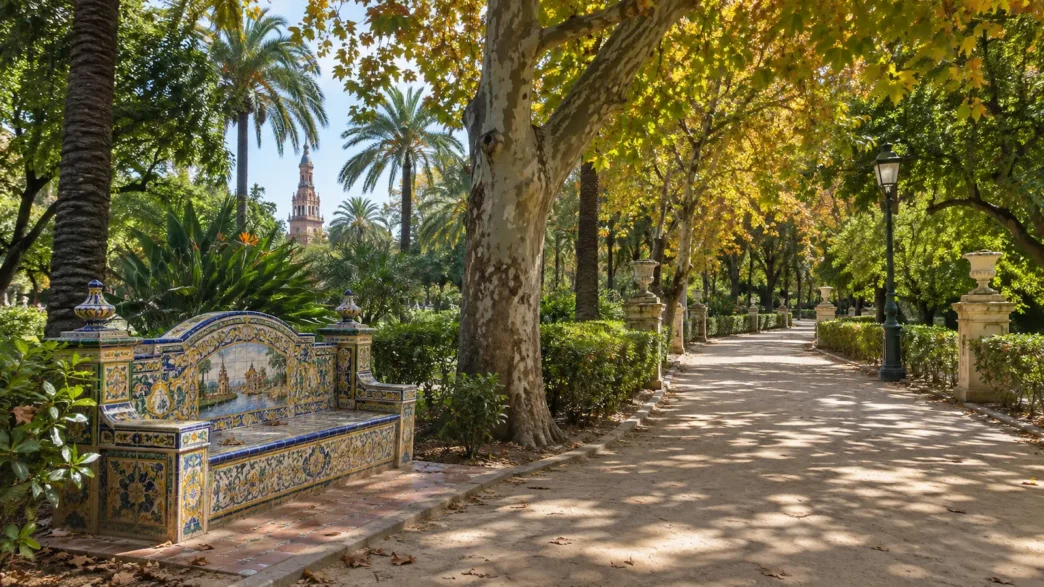
✅ What Other Travelers Say: May walking footage gives a clear look at the scale of Plaza de España and why the park shade nearby is welcome.
⚠️ The Catch (Things to Keep in Mind): Temperatures rise fast as summer approaches. A late start can cost the most comfortable two walking hours of your day.
☀️ July to August — Plan Around the Hottest Part of the Day
Hot afternoons · indoor lunch · dawn and evening routes
A summer day works as two small outings around a long break, with a morning booking and a separate evening meal. Plan shaded alternatives if the forecast is especially difficult. Reach the palace or Plaza de España first and leave errands, indoor visits and lunch for the longest open stretch of the afternoon.
Confirm room cooling before paying and keep your reserve for a short taxi if walking feels too demanding. River breezes and cooler shade vary by day. The weather forecast should decide whether an exposed rooftop visit is comfortable.
✅ What Other Travelers Say: Summer visitors often plan around shaded corridors, indoor breaks and early start times.
⚠️ The Catch (Things to Keep in Mind): Seville does not reliably feel cool simply because the sun begins to go down. Let the measured temperature control when you restart.
🍂 September to November — October for the Best Balance
Warm September · flexible October · cooler November
October lets you use the old town and parks across more hours of the day. There is still a chance of rain. Keep the plaza and exterior photography flexible, and reserve one big indoor stop on the day you are least willing to move.
September stays warmer and suits later dinners. November brings useful mild temperatures, particularly for walkers who struggle with heat, and a greater chance of a wet day. Use Prado or Arenal for a short return route if rain or temperatures make you reconsider the evening.
✅ What Other Travelers Say: Walking videos capture why autumn appeals to travelers who want to spend more of the day outside.
⚠️ The Catch (Things to Keep in Mind): The autumn label hides a three-month temperature change. September and late November require different clothing and pacing.
🌙 December to February — Short Days and Easier Museum Visits
Winter daylight · festive streets · quiet midweeks
Winter is an easy fit if you care mainly about architecture, art and food. Put your most important outdoor sight in the middle of the day and look for a comfortable indoor second stop. Before booking a room in a stone building, read recent information about heating and cold nights.
Christmas and early January have their own event calendar. If your priority is a quieter, flexible trip, try an ordinary January or February weekday and keep part of your plan indoors while the skies decide. Book date-specific entry for the sights that matter most.
✅ What Other Travelers Say: December videos show that winter can still offer a lively evening, particularly when a public light display is on.
⚠️ The Catch (Things to Keep in Mind): Smaller sites and restaurants can shorten hours around holidays. Verify the schedule on both sides of a holiday before choosing a day trip.
Key FAQs
What is the best month to visit Seville for the first time? October is the easiest all-round choice for a walking trip, with an average daily high near 26°C in the airport climate record. May is a good alternative for longer spring evenings.
Is Seville too hot in August? It can be too hot for continuous outdoor touring. August’s historical average high is 35.5°C. Plan outdoor visits early, a long indoor pause and a separate evening schedule.
When is Seville cheapest for hotels? Check ordinary midweek dates in January or February and compare those with any flexible dates you have in summer. Always compare identical rooms and refund terms. Major events make exact dates more useful than a promised cheap month.
Final Verdict and Your Next Step
Pick October if you want an easy first trip, or compare May for greener courtyards and later light. Cross-check the official events calendar, then protect your best morning with a Real Alcázar ticket. The rest of the trip can shift around the weather, your energy and whichever part of town you like most.