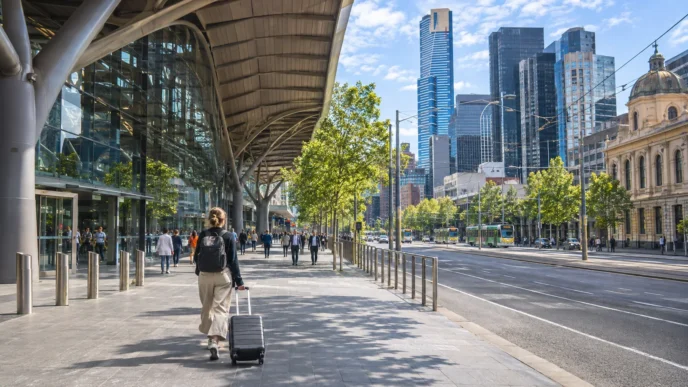

This Chicago Transportation Guide starts with a simple rule: walk within one neighborhood, ride the CTA between neighborhoods and use Metra only where the line solves a longer trip. A Ventra day pass is worth comparing if you expect several paid rides. The number of days you are in Chicago tells you less than the number of journeys you will actually make.
💡 Key Takeaways
- Tap the same card or device throughout an eligible CTA transfer. Compare a pass only after mapping your busiest day.
- The Blue Line connects O’Hare with downtown, and the Orange Line serves Midway. The train you want depends on direction and terminal.
- Retain one surface option for a last-mile trip. Buses, walking or a bike may beat a train that leaves you far from the door.
The 1-Minute Cheat Sheet
- Walk. The Loop, Riverwalk and nearby landmarks can share one outing.
- CTA L. Use color and destination for direct city trips and the two airport rail lines.
- CTA bus. Ideal for corridors where the sidewalk after a train would be long.
- Metra. Timetabled regional trains for selected farther trips including Hyde Park.
- Divvy and the lakefront. Good on a dry day if you know the type of bike, price and return point.
Top Survival Tips
- Choose an exact address and travel time. A weekday connection may look quite different on a Sunday. Save the station and direction, not just a line color.
- Compare pass coverage. CTA passes also cover Pace where listed. Metra uses separate fares even though tickets can be bought in the Ventra app.
- Keep the same physical card or the same device. Your phone wallet and the card in your pocket need not count as the same payment method.
- Plan step-free routes before leaving. Some historic stops have stairs only. Check station listings and real-time elevator alerts.
- Set an evening fallback. For a post-show ride, verify service hours and a closer surface stop while you still have a strong signal.
The Full Experience
Chicago Transportation Guide
🚇 CTA L for Reliable Cross-City Trips
Rail • Airport lines • Watch the end destination
Chicago’s L is both elevated and underground. A Red or Blue Line train near the Loop can be below street level. The Orange, Brown and other lines use the elevated circuit on selected services. Use the CTA rail and bus map before choosing a hotel based on the nearest train icon.
The CTA airport guide identifies the Blue Line for O’Hare and the Orange Line for Midway. The Blue Line serves O’Hare around the clock. Confirm the last Orange Line departure for an evening arrival, especially if you need a transfer after leaving Midway.
When using pay-as-you-go, CTA currently lists $2.50 for a standard full-fare L ride and a $5 fare from O’Hare, subject to separate pass rules. The fare chart explains transfer and pass coverage. Read the O’Hare exception before buying an unnecessary second ticket.
✅ What Other Travelers Say: The same train can be much easier than a car on a direct route with stop entrances near both ends.
⚠️ The Catch (Things to Keep in Mind): Read the destination and check live service. Even familiar line colors can have planned reroutes and stops with no step-free access.
🚌 CTA Buses for Streets the L Does Not Reach
Surface boarding • North–south and east–west routes • Check direction
The #22 Clark can reach north-side destinations that are better aligned to Clark Street than to a rail stop. The #151 Sheridan links Union Station and sections of Michigan Avenue and the north side. Start by comparing actual stop-to-door walks instead of choosing rail by habit.
CTA lists $2.25 for a standard adult bus ride with Ventra or contactless payment. Follow the payment instructions for cash, multiple riders and transfers. When everyone uses the group organizer’s card, check how the operator applies transfer rules rather than assuming that one pass admits everyone.
To ride with a stroller or luggage, favor the stop and time with a little space around the curb. Identify a nearby alternate ahead of a large festival. Buses can be easy to board and still get caught in event traffic.
✅ What Other Travelers Say: A direct bus is often the most comfortable way to avoid a long final walk along a busy commercial street.
⚠️ The Catch (Things to Keep in Mind): Same-named stops can sit on opposite sides of an intersection. Check the direction and stop number.
🚆 Metra for Hyde Park and Selected Longer Journeys
Commuter rail • Separate ticket • Timetable first
For Hyde Park, look at the Metra Electric timetable from Millennium Station and compare the nearest stop to the museum or campus address. Chicago has several downtown Metra terminals. A journey planner with “Metra” alone does not tell you which station building to enter.
Metra tickets are separate from your CTA ride. Purchase the correct ticket in the Ventra app or through the operator’s listed sales options for the line. Check the return service before you commit to dinner far from your hotel and leave extra time for the station entrance.
Compare a bus that arrives closer to the door if the train timing is poor. A quick in-vehicle ride loses its value when you have misjudged the weekend wait or the final walk.
✅ What Other Travelers Say: Scheduled commuter rail is especially useful on a day with one clear neighborhood anchor.
⚠️ The Catch (Things to Keep in Mind): Trips across town can require a connection on foot between Metra terminals or a separately paid CTA ride.
🚶 Walking Within the Loop and by the River
Flexible timing • Wacker levels • Lakefront weather
A single outing can combine Millennium Park, the Cultural Center and part of the Riverwalk. Plot street-level crossings as well as riverside access. The Chicago Riverwalk page is a better way to check the riverside route than a straight line across the river on a map.
On Wacker Drive, a street-level hotel entrance and a below-grade pickup can share an apparent pin. For a walking trip, confirm the level listed by the hotel or event. In winter, a Pedway segment can help where the access is open. Do not count on an unverified link between buildings.
If you use an elevator, ramp or quiet bench as part of your normal route, look those up before you set off. Wind on the river and lake is a stronger reason to shorten a walk than a sunny view from a hotel window.
✅ What Other Travelers Say: Close clusters preserve time for the museum or meal that brought you to the neighborhood.
⚠️ The Catch (Things to Keep in Mind): Street levels and bridge approaches are easy to underestimate on the map. Ground-level text directions help.
🚲 Divvy for a Flexible Lakefront Ride
Bike-share • Separate price • Check the return point
Chicago’s Lakefront Trail has distinct pedestrian and biking facilities along much of the route. Use the right space, pass thoughtfully and keep the outing short if you are not used to riding in wind. A ride can connect neighborhoods without an extra transfer.
Check the Divvy pricing page for the kind of bike you intend to take, time included, current electric-bike fees, and how to end the ride. A membership, day option and single ride can have different terms. Open the station map before deciding that a bike is your transport for the last mile.
In a group, confirm each person is comfortable riding the same distance. For younger riders or travelers with suitcases, a nearby bus or a walk with a park stop may be an easier plan.
✅ What Other Travelers Say: A dry morning ride is most satisfying when you end near lunch or the next activity.
⚠️ The Catch (Things to Keep in Mind): Check that the return confirmed in the app after docking. Weather and depleted docking capacity can change the plan.
Key FAQs
Is a Chicago CTA pass worth buying? Use the official fare list to compare a pass with your planned paid trips and included transfers. A one-day pass is most useful on a day with several transit legs or an O’Hare arrival and more rides.
Can I pay directly with a contactless card on CTA? Yes. Tap your accepted contactless card or device at the Ventra reader and use that same payment method on eligible transfers.
Does the CTA pass work on Metra? A standard CTA/Pace pass does not cover a standalone Metra ride. Review Metra’s fares for your actual trip or check separate regional pass eligibility.
Can I visit Chicago without a rental car? For downtown, the museum areas and many city neighborhoods, yes. Compare transit, walking and a short ride as needed. A car is more useful for plans far beyond the urban transit network.
Final Verdict and Your Next Step
Start with the map and the hotel entrance. Walk on days that stay in one area, use CTA for the bridges between neighborhoods and include Metra only when it makes a specific trip simpler. Price the pass once you know which rides you will actually take.
Compare the actual room type and cancellation deadline on the Chicago hotel listings. Use the related Travel Stay Guide articles to plan other parts of the trip.