💡 Key Takeaways
- Walk the old centre and use M1 to save a longer leg. Rihour serves Grand’Place, République–Beaux-Arts serves the museum, and Gambetta or Wazemmes serves the market.
- Use M2 or tram R for the northeast side. M2 serves both main rail stations and Roubaix. Tram R serves Croix and Roubaix, while tram T goes to Tourcoing.
- Start with €1.90 ordinary tickets. Three ordinary Ilévia trips match the €5.70 day pass before any ticket-medium charges. Keep the airport express shuttle separate.
This Lille transportation guide starts with the simplest trip: walk the central squares and Vieux-Lille, use M1 for République or Wazemmes, and use M2 or a tram when leaving the centre. Keep Lille-Flandres and Lille-Europe separate on your map. The decision that usually saves time is picking the correct station or street door, then paying only for the rides your trip actually needs.
Ilévia covers the metro, buses and tramways across the Lille metropolis. Its route planner matters because the closest metro stop might still have a longer walk than a bus or tram arrival. Look up the exact attraction and your return time, and confirm the fare or product before boarding.
Lille Transportation Guide at a Glance
- Walking: Best for Grand’Place, Rihour, the Opéra and nearby old streets. Add time for uneven paving and luggage.
- Metro M1 and M2: Best for crossing the city or making a station link. M1 serves Rihour, République and Wazemmes. M2 serves Lille-Europe as well as Lille-Flandres.
- Tram R and T: Best for points along their branches to Roubaix and Tourcoing. Both depart from the Lille-Flandres side and use a common corridor before splitting.
- Bus and the Old Lille shuttle: Best for a door away from the metro. Use P1 in Vieux-Lille on operating days. Bus 68 plus M1 is the cheaper public airport route.
- V’Lille: Shared bikes for short urban rides and park links. Confirm the signup, the dock at both ends and how long you plan to keep the bike.
Top Survival Tips for Lille Public Transport
- Know what your ticket covers. Ilévia’s fare shop lists €1.90 for an ordinary journey and €5.70 for a one-day pass. A standard journey is valid for one hour from validation under the product terms. Ticket media can add to the first purchase. Check where a specific pass covers eligible local TER and which physical carrier is needed. Treat an intercity trip as a separate ticket.
- Validate even on a connection. Look for the ticket, card or phone reader. Ilévia asks for validation on boarding or changing. Check the fare and ticket FAQ for group tickets, media and device rules. Use contactless bank payment only when the gate and trip meet the operator’s rules.
- Keep the €1.20 Zap in its lane. It covers eligible metro or tram trips of no more than three stations beyond the start and certain trips on the Vieux-Lille shuttle. It is a useful way to avoid paying for a full journey when going a short distance. Check a more complex transfer before choosing it.
- Price a visitor pass with exact rides. Three standard €1.90 fares equal €5.70. Four ordinary rides can make the day pass worthwhile, but if you walk the main squares or take cheaper Zap trips you may reach a different result. The tourist office’s City Pass has different coverage and variants.
- Check live service after dinner. Some trams, buses and stops change by day or holiday. Read the direction on the display and check the route back early, especially during the Braderie or rail work. For lifts and wider gates, check Ilévia’s accessibility page and the live route before setting off.
The Full Experience
🚶 Walking: Best for Lille-Centre and Vieux-Lille
No fare · Central squares · Street surfaces vary
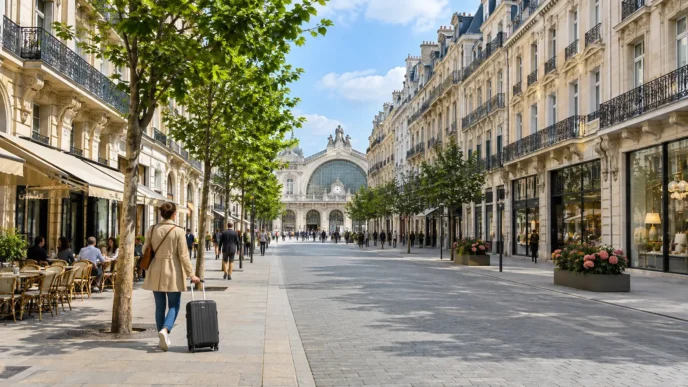
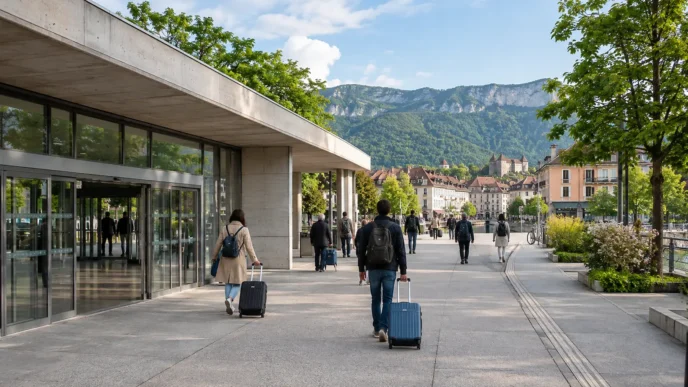
The centre works well on foot. From Lille-Flandres take Rue Faidherbe to Place du Théâtre and Grand’Place. Then walk toward Rue Esquermoise and Rue de la Monnaie for Vieux-Lille or head to Rihour for M1. Keep dinner in the same area when you want a short return.
SNCF lists about 10 minutes to walk between Lille-Flandres and Lille-Europe. Use street signs and an outdoor option after retail hours. A park path, an old-town street and a rail station passage each have different access. Use a short direct walk when it saves more time than approaching and leaving the platforms.
With a pushchair or wheelchair, look at street paving and dropped curbs. Plan the last hundred metres to the hotel with the same care you use for a railway change.
✅ What Other Travelers Say: People with cabin bags can often walk from the right station and avoid waiting. Compare the actual terrain and street crossings before relying on the map distance.
⚠️ The Catch (Things to Keep in Mind): Cobbles and event closures can make the route slower. Allow extra time for the last stretch to a specific door.
🚇 Metro M1 and M2: Best for the Museum, Market and Roubaix
M1 for Rihour and Wazemmes · M2 for both rail stations
Use M1 for Lille-Flandres, Rihour, République–Beaux-Arts and Gambetta or Wazemmes. For trips from central Lille to the stadium-side end, check for 4 Cantons–Stade Pierre Mauroy. The other directional endpoint is CHU–Eurasanté. Read the platform display if service is only running on part of the line.
Use M2 for the one-stop station link between Lille-Flandres and Lille-Europe or to reach Roubaix and Tourcoing. Lille-Flandres has both lines. The M2 page notes shortened trains or terminus patterns on some peak services. Check the final destination on a journey outside the centre.
Ilévia lists accessible metro features. Use the lift and gate guidance at both ends. If a line is interrupted, check whether a replacement bus runs and how much time the walk to the temporary stop adds.
✅ What Other Travelers Say: Match the metro station to the place you will actually visit. M1 is a strong default when crossing to Wazemmes, while M2 makes more sense for Roubaix.
⚠️ The Catch (Things to Keep in Mind): Lille-Europe has M2, and Rihour is on M1. Look for the right gates when changing at Lille-Flandres.
🚊 Tram R and T: Best for Croix, Roubaix and Tourcoing
Shared city section · Two branches · Check the destination
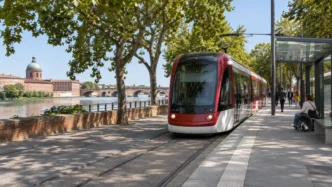
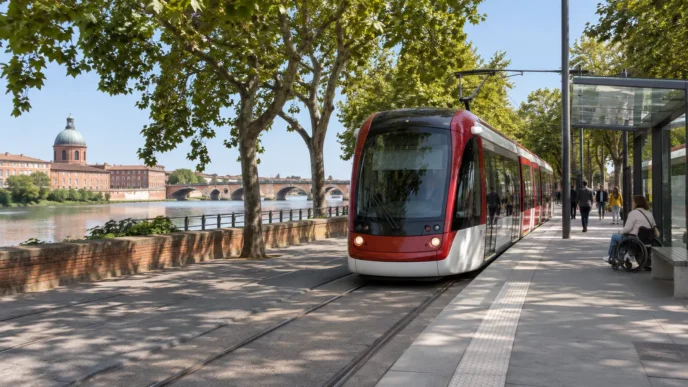
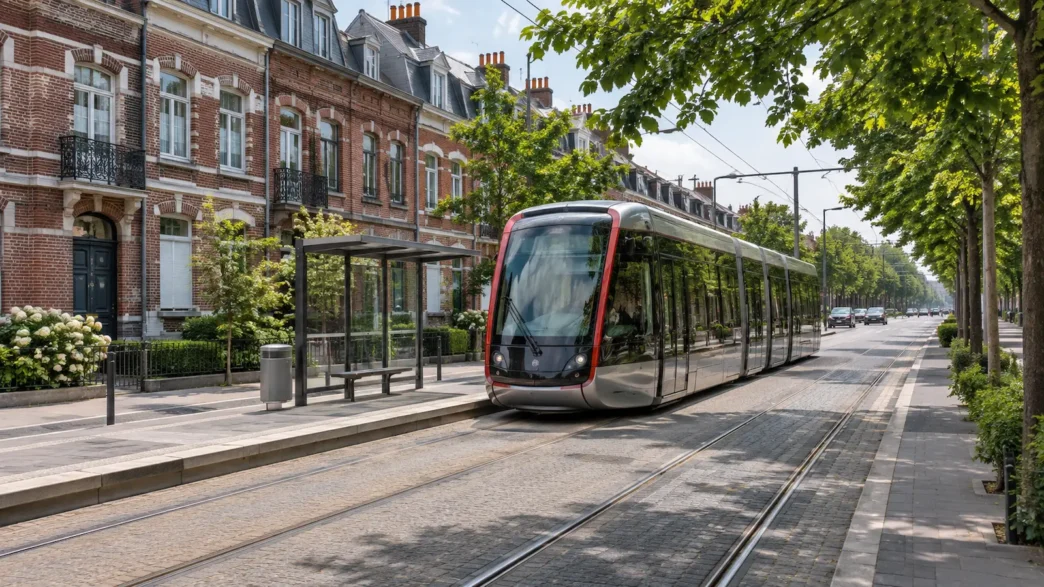
The Ilévia tram overview identifies line R toward Roubaix Eurotéléport and line T toward Tourcoing Centre. Both lines share the central section as far as Croisé Laroche. The line R page is the one to check for Villa Cavrois. The tram stop and the villa entrance are in different places, so plan the final walk at the same time.
For La Piscine in Roubaix, compare a route to Gare Jean Lebas on M2 against the tram plus a walk. For Villa Cavrois, the tram branch is often more useful. The shared central section makes it easy to board the wrong branch if you follow the first thing marked “tram”. Read the letter and terminal on the front.
If you board at Lille-Flandres with a chair, stroller or larger bag, read the operator’s accessibility note about positioning near the front doors. Keep time to move between the rail platform and tram stop.
✅ What Other Travelers Say: For travelers who like to see the suburbs above ground, the tram is part of the outing. Use the branch and final walk to make the decision against M2.
⚠️ The Catch (Things to Keep in Mind): A tram headed for Tourcoing and one headed for Roubaix diverge after the shared section. Check the terminal before the doors close.
🚌 Local Buses and the Vieux-Lille Shuttle: Best for Harder-to-Reach Doors
P1 old town loop · Bus 68 airport connection · Check days
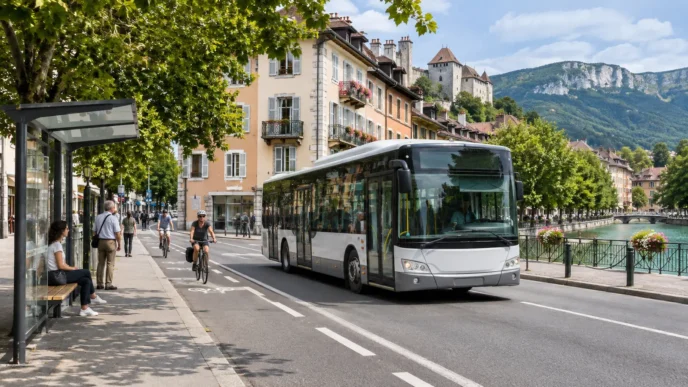
The Vieux-Lille shuttle page lists P1 service Monday through Saturday and identifies stops for wheelchair and pushchair boarding. It is useful when your hotel or destination is deeper in the old quarter. Read the route and boarding points before packing on a tight timetable.
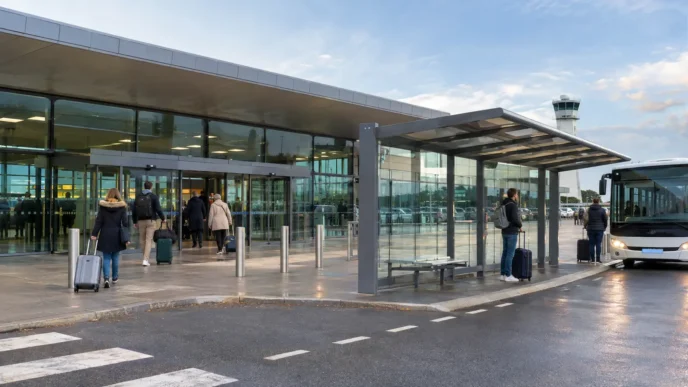
For the airport, bus 68 runs between Lille-Lesquin and 4 Cantons–Stade Pierre Mauroy M1. Check the bus and train times as one trip. The direct Flibco shuttle is a separate fare and stops by Lille-Flandres. The presence of both services on the airport page does not make their tickets interchangeable.
Use the Ilévia routes and journey planner for a venue or neighborhood address, then check the live stop on the day. A printed map can help you find the place and still be out of date on a diversion.
✅ What Other Travelers Say: The best bus trip is often the one that leaves the shortest final walk. A bus to your exact door can beat an underground transfer.
⚠️ The Catch (Things to Keep in Mind): Old-town shuttle and local bus schedules vary. Check late service and the Sunday plan separately.
🚲 V’Lille: Best for a short park or canal ride
Docked bike hire · First 30 minutes included per rental · Confirm return
Use the official V’Lille service page for a casual 24-hour or seven-day product and check the current price and card deposit. Ilévia states that after a subscription, the first 30 minutes of each loan are included and each additional half-hour costs €1.20. Look at the number of bikes at the origin and docks near the destination before unlocking.
Check the signed cycling route for the park and canal approach. For an hour of sightseeing with several stops, either budget the extra time or return and borrow according to the service rules. At return, wait for the dock’s confirmation so you know the rental has closed.
Use a different option if you have bulky luggage, rain or a party that needs child equipment the bikes do not provide. A short public trip can be easier than trying to fit a bike ride into the first hour in Lille.
✅ What Other Travelers Say: A shared bike helps when it removes a longer outdoor walk and a dock is close. The best value comes from planning the return, not simply being able to borrow a bike.
⚠️ The Catch (Things to Keep in Mind): A full dock means you need another one. Confirm the green light and sound when returning the bike.
Key FAQs
Do I need an Ilévia day pass in central Lille? Often a few tickets are enough. At current listed fares, three ordinary €1.90 rides match the €5.70 pass. Compare all the rides you need over a 24-hour period and any fare-media charge.
Does the Lille Metro connect both rail stations? Yes. M2 connects Lille-Flandres and Lille-Europe. M1 runs through Lille-Flandres and serves Rihour, République and Wazemmes.
Can I use a Lille metro ticket on the airport shuttle? The dedicated Lille Airport shuttle has a separate Flibco fare. Bus 68 and M1 are the local Ilévia route. Check current connection and fare validity.
Final Verdict and Your Next Step
Walk the old centre, add M1 when a longer leg warrants it and read the branch or terminal for a farther outing. Check Ilévia’s live visitor products before buying a pass, and use central Lille room availability if choosing a base that saves rides. See our city transportation guides for related trips.