💡 Key Takeaways
- Walk a short local loop, then use the subway for longer trips. Check line, direction, weekend change and street-level exit.
- Use the same physical card or wallet device every time for eligible OMNY fare capping. An ordinary subway or local bus ride costs $3 at check.
- Buses can save a crosstown walk. Use ferries or bikes when the actual route works, and price each separately from the subway.
This New York City transportation guide starts with the simplest plan for a first visit. Walk inside each neighborhood, use the subway for the long hops, and take a bus when it saves a difficult crosstown walk. NYC Ferry and Citi Bike are useful for the right route and have their own payment. Learn how to match your hotel door, station and fare before you need them in a hurry.
The 1-Min Cheat Sheet
- Subway: Best for longer city trips and many borough crossings. Most rides are $3.
- Local bus: Good for street-level trips, crosstown gaps and a ride with less walking.
- Walking: Free and convenient for several nearby sights. Be realistic about crosstown blocks.
- NYC Ferry: A scenic option when both landings and the schedule work. Separate fare.
- Citi Bike: Practical for an appropriate path and available docks. Choose pricing by trip type.
Top Survival Tips
- Use the line and direction. Two trains sharing a platform can travel different patterns when one runs local or branches later. Look up your actual stop and the next arrival.
- Match how you tap. The OMNY fare cap page gives a $35 seven-day subway and local-bus cap. Tap the same physical card or the same device and wallet card. Group taps on one credential do not build separate caps.
- Don’t guess about steps. Check the MTA accessible stations list and live elevator status, including where the elevator comes out. An accessible station on the map can still take a particular approach.
- Follow separate airport and commuter rules. LIRR, Metro-North and NJ Transit have distinct fares and baggage workflows. JFK AirTrain has its own charge even when paid on a contactless reader.
- Compare a car by use, not habit. A licensed taxi can make a heavy bag trip easier, and can still be slow at street peak. The city taxi fare page explains applicable charges.
The Full Experience: New York City Transportation Guide
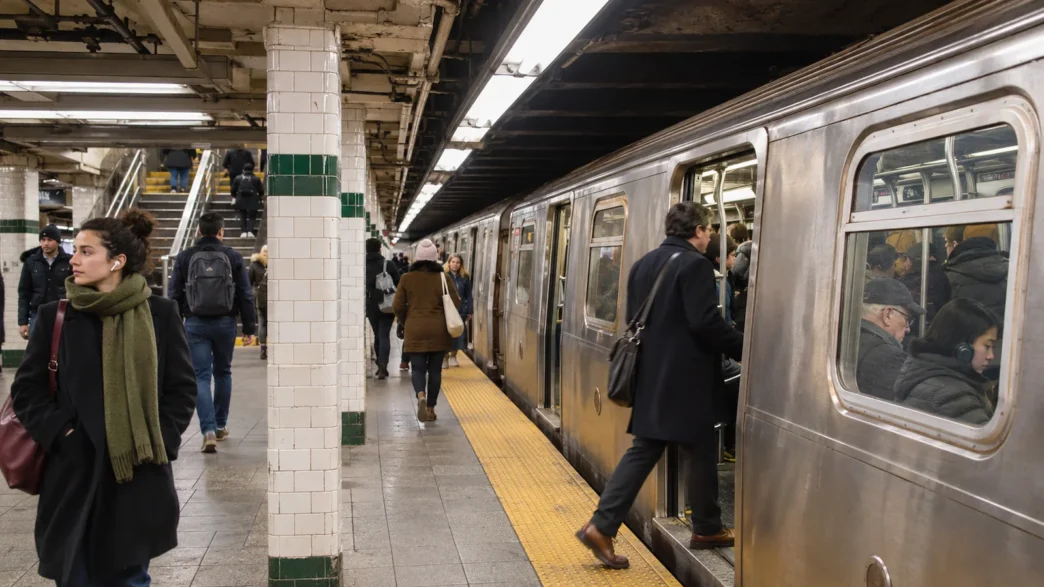
📍 Subway for Long Hops and Borough Crossings
OMNY · $3 regular fare · 24-hour system with variable service
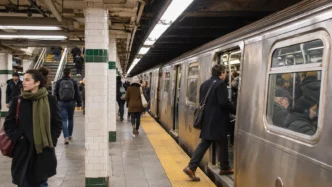
Use a marked entrance and check whether it serves both directions. Signs for uptown, downtown and the train’s destination matter more than the color alone. The MTA line maps give each line’s stops and usual pattern, and an actual trip planner accounts for work that changes service.
Tap with a supported contactless card or wallet device. The current fare page lists $3 for most riders, with separate rules for transfers and other services. In a busy station, clear the reader after your tap and plan where to meet anyone who goes through another entry.
Choose the route based on the stop you need. Faster express trains often pass stops. At night, build an alternate and evaluate the walk from the street exit instead of relying on train times alone.
✅ What Other Travelers Say
A direct train on the right line can make long cross-city distances much easier than a car in street traffic.
⚠️ The Catch (Things to Keep in Mind)
Service can change. Read notices for late-night and weekend patterns and verify accessibility rather than assuming the route is always the same.
📍 Local Bus for Crosstown and Street-Level Trips
Local and Select Bus Service · $3 standard · use official boarding instructions
Use a bus to fill an east–west gap, travel with a stroller or conserve energy after a long walk. Locate the correct street and direction. Several Manhattan avenues are one-way, so a return stop can be a block away rather than directly opposite.
Check the MTA bus rider guide for boarding and fare directions, including current guidance for the actual Select Bus Service lane and vehicle. For ordinary subway and local bus trips, an eligible transfer works with the same accepted payment credential and within the allowed window. Read the current fare terms.
If your party is unfamiliar with the city, read both the stop name and the previous cross street. You can look out of the window and step off at street level, which can make unfamiliar blocks easier to understand.
✅ What Other Travelers Say
The bus often works better than an underground transfer across town, particularly when the subway entrance is a long walk away.
⚠️ The Catch (Things to Keep in Mind)
Traffic can stretch even a short ride. Take the subway or walk when time is tight and the street conditions work.
📍 Walking for Compact Sightseeing Areas
Free · direct · better when several stops sit in one district
Walk around a single neighborhood when its streets, shops and indoor stops are part of the visit. Pick a few streets around Bryant Park, Chelsea or Lower Manhattan and count the time to make crossings and take breaks. The grid in Midtown can be useful, while streets downtown can take a few unexpected turns.
Start with the named door. One block across avenues can be substantially longer than a numbered street block. Know whether your final approach uses stairs, a hill or a narrow pavement. Keep a nearby transit station in mind when the ground is wet or your party is tired.
Pair walking routes with attractions you can move. A park or market walk fits before a venue when it can end near the entrance and when you have enough time to stop.
✅ What Other Travelers Say
The local walk often turns out to be as much of the trip as the ticketed venue. Use it to look around without rushing.
⚠️ The Catch (Things to Keep in Mind)
Crowds, wide crossings and summer heat make straight-line estimates unreliable with a group.
📍 NYC Ferry for Waterfront Connections
Separate $5 one-way at check · check sailing · distinct from the Staten Island Ferry
Choose NYC Ferry when your start and finish are close to the correct landings and there is time for the sailing. The current NYC Ferry ticket page lists $5 for a standard one-way ride, with separate passes and transfer terms. An older video can show a different fare.
Check dates, named stops, direction and the ticket you need before boarding. Some waterfront legs work better as optional outings rather than a way to make an appointment quickly. Leave time to find the correct pier and stand in the boarding area.
The Staten Island Ferry is a separate free route. Liberty Island sightseeing boats have a separate operator and destination. Search the actual route rather than buying a waterfront ticket by the word ferry.
✅ What Other Travelers Say
A ferry ride can be a memorable alternative if it is actually useful for your itinerary and weather.
⚠️ The Catch (Things to Keep in Mind)
Tickets and terminals can be confusing if several vessels operate nearby. A subway may work better when you need to arrive by a fixed time.
📍 Citi Bike for a Planned Bike-Lane Route
Bike share · app and live docks · check the cost before unlocking
Use this option when the ride itself is part of the plan or the route has a comfortable bike lane. Check the operator’s current rental instructions, eligibility, pricing and docks before unlocking. Standard and electric bikes can have different time and rate terms.
Pick a destination and a second possible dock nearby. Look for protected lanes and park rules, then make sure the dock actually accepts the bike at the end. If you cannot find a suitable route or the bikes or docks are scarce, switch to street transit.
For a visitor, a short waterfront outing can be easier to plan than rushing through unfamiliar streets in Midtown. Follow signs and use a strong route that everyone in the party is comfortable riding.
✅ What Other Travelers Say
Bike share works best when it avoids a stop-start walk and both ends have working docks.
⚠️ The Catch (Things to Keep in Mind)
The cost can increase by time or ride type. Weather, low-light conditions or surprise road work can make the bus more practical.
Key FAQs
Can I tap a credit card on the New York subway? Yes, an accepted contactless card or device can be used with OMNY. Use the same exact method each time if you want eligible rides to count toward a single fare cap.
How do I pay for a group? Use separate eligible payment credentials if each person wants an individual weekly cap. Look up current group tap rules if one person is paying and remember those fares do not create separate caps.
Is the subway or bus better with luggage? The subway is normally useful if there is a direct line and a verified step-free route. A bus or taxi can beat several underground transfers for a short but awkward trip.
Final Verdict and Your Next Step
Plan the first two journeys from your hotel using the live operator information and keep one fallback route. Read the transportation guides for specific station and airport trips, and compare hotel addresses if the route changes where you want to stay.