💡 Key Takeaways
- Walk the old town first. Around the cathedral and Santa Cruz, a bus stop or station entrance can add more walking than it saves.
- Use the mode that fits the corridor. TB1 connects Santa Justa to the northern center, T1 runs from Plaza Nueva toward Nervión and Metro Line 1 works well across the southern side.
- Price tickets for the trips you will actually take. The €6 EA airport bus, ordinary TUSSAM services, Metro and Cercanías have distinct fare rules.
This Seville transportation guide starts with a simple rule: spend transit time only when it unlocks a useful part of town. The cathedral, Arenal and the main river crossings are usually best approached on foot. The tram saves the longer return walk from the park. A bus or taxi becomes much more useful once a station, heavy bags or an exposed summer walk enters the plan.
The 1-Min Cheat Sheet
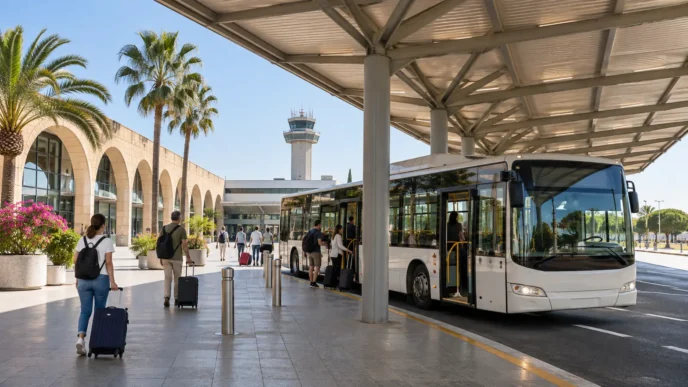
- TUSSAM buses, including TB1: Best for the station and areas beyond the pedestrian streets. Normal city single fare is published at €1.40. The airport EA is a separate €6 special fare.
- T1 MetroCentro tram: Best for a ride between Plaza Nueva, the southern old town, San Bernardo and the Nervión side. Buy or validate deliberately at the marked machine or reader.
- Metro de Sevilla Line 1: Best for longer southwest-to-southeast trips through stops such as Plaza de Cuba, Puerta Jerez, Prado, San Bernardo and Nervión. Prices depend on the fare boundaries crossed.
- Cercanías commuter rail: Best for scheduled trips from Santa Justa to San Bernardo, Cartuja or an outer destination on a matching line. Check the station pair and direction.
- Sevici public bikes: A good choice for the river or a stretch of separated cycle lane. Choose a valid rental option first and check a free dock near the finish.
Top Survival Tips
- Read both kinds of Metro. The street tram is called MetroCentro. The underground is Metro de Sevilla. San Bernardo makes it possible to switch between the systems, but one departure board or ordinary single ticket does not cover both.
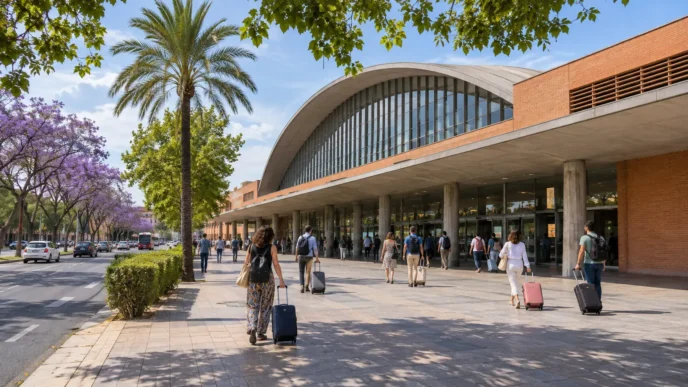
- Read the station name as well as the street name. Santa Justa is the main railway station. Plaza de Armas is an intercity bus station. Prado is useful for nearby city and regional services. Make sure your screenshot shows the boarding point and direction.
- Start with the proposed navigation only as a clue. Confirm the stop on the TUSSAM site around festivals, works or new route extensions. One update can change which side of a busy street serves your bus.
- Keep your card or device with you. A regular onboard bank-card single is usually an individual trip, and the device can be needed for inspection. TUSSAM’s bank-card help explains what is recorded by the validator. Buy a transfer product only if it suits the connections you have planned.
- Inspect the walk to the hotel before buying a pass. Put sightseeing in one geographic area each day. If your trip is a few short loops from a central hotel, a pass may buy rides you would never take. Check accommodation near your preferred route when a family member needs frequent returns.
- Protect the journey after dinner. Compare last departures on the right day type and make a realistic allowance to reach the stop. Festival nights and holidays can change both service and street access. Keep a taxi option if you would otherwise walk through an unfamiliar area while exhausted.
Seville Transportation Guide by Mode
🚌 TUSSAM Buses and TB1 — For Main Station and Old-Town Edge Trips
Ordinary city single · contactless · separate airport fare
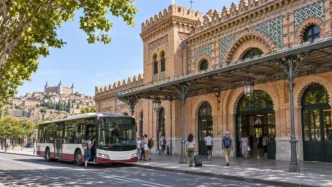
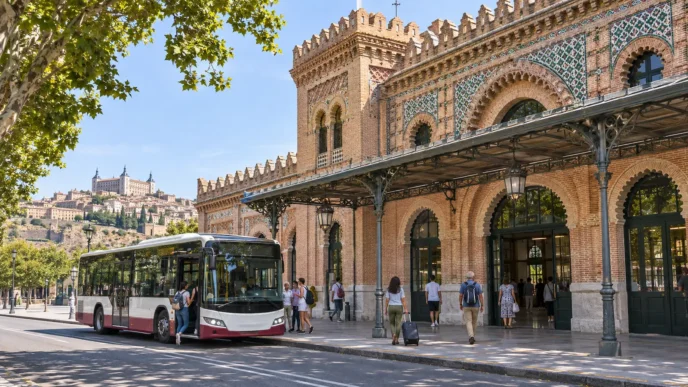
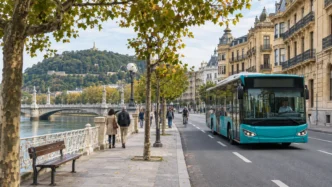
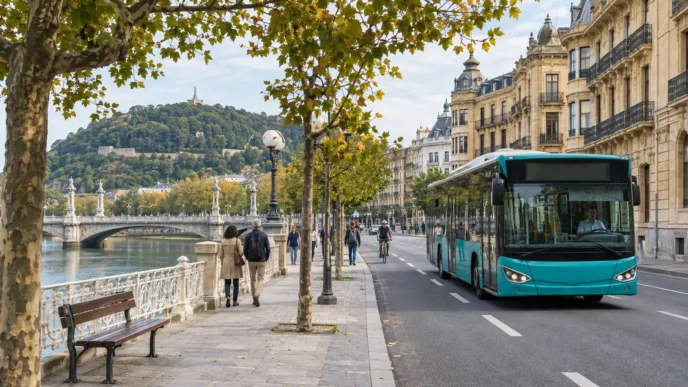
TB1 now extends from Santa Justa toward Plaza del Duque. The official city announcement names Imagen and Ponce de León among the new stops. Use the updated route to get to the north side of the old town with light luggage. Use a different city bus or walk if the last leg takes you farther from your front door.
The published ordinary single fare is €1.40. Board with a suitable card or pay as instructed on that vehicle. Special services have their own tariffs and rules, so check the EA airport service separately and allow extra time for the terminal stop. For repeated rides, compare the rebated products and their precise coverage before loading money.
✅ What Other Travelers Say: Visitors tend to appreciate a city bus most when it removes a long approach to a station or an unshaded stretch between neighborhoods.
⚠️ The Catch (Things to Keep in Mind): The bus can get you to the old-town edge. It cannot remove the narrow last stretch to an interior hotel door.
🚊 T1 MetroCentro — For Plaza Nueva, Prado and Nervión
Street tram · old-town edge · stops at useful walking junctions
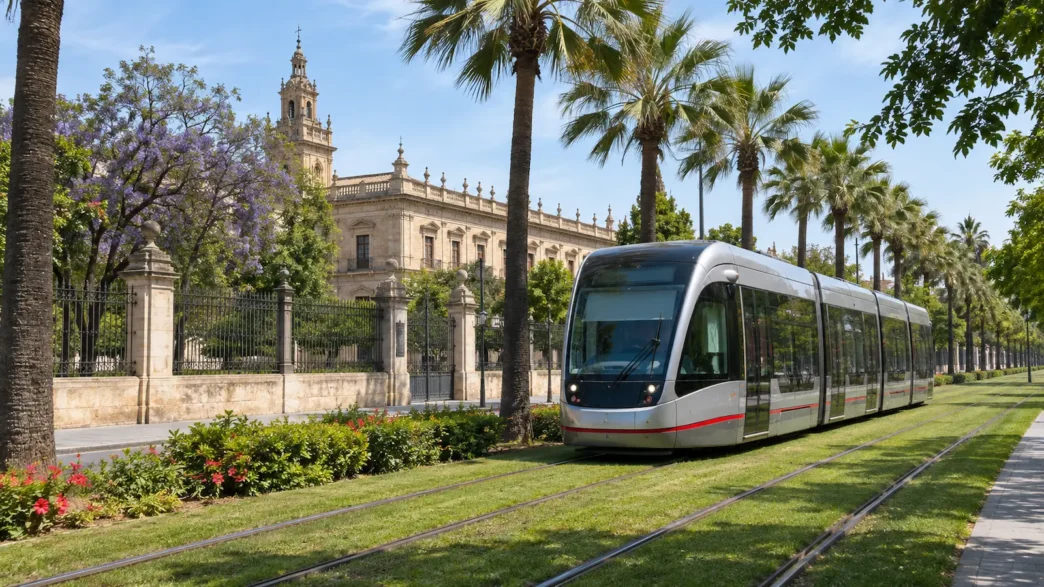
T1 connects Plaza Nueva with the cathedral area at Archivo de Indias, Puerta Jerez, Prado de San Sebastián and San Bernardo before continuing toward Luis de Morales. It is an easy way to shorten the return from the park district to dinner in the center. Use the operator’s last departure notice and its current operating day.
Read the platform sign before buying or validating. With a single-trip plan, the useful travel decision is the street on which you get off. Allow time to cross carefully and walk the remaining distance. If the weather is pleasant and the stops are only a few streets apart, the walk can be just as quick.
✅ What Other Travelers Say: The carriages and broad stops are easy to recognize on a route preview, and the ride saves a long return after an outdoor morning.
⚠️ The Catch (Things to Keep in Mind): T1 serves a narrow corridor. A hotel near Setas or in Triana usually needs a further walk after you leave the tram.
🚇 Metro Line 1 — For Triana’s South Edge and Longer Cross-City Trips
Zone-based journey · useful uphill or hot-day alternative · underground
Use Metro de Sevilla’s trip and fare calculator for your two stops and ticket type. Puerta Jerez is useful for the southern historic center; Prado and San Bernardo serve nearby hubs, and Plaza de Cuba works for the southern side of Triana and Los Remedios. The Metro is more useful on longer rides than on short hops within the pedestrian center.
Walk the last block before judging the route. Plaza de Cuba can be a comfortable start for Calle Betis from the south, while the covered market sits closer to Puente de Isabel II. If you need the old market first, compare a direct walk across the bridge.
✅ What Other Travelers Say: Travelers using the Metro for a broader cross-town trip value the predictable route and clear station exits.
⚠️ The Catch (Things to Keep in Mind): The line does not run under Santa Justa or the airport terminal. Confirm a connecting mode for those locations.
🚆 Cercanías — For the Longer Trips That Match a Station Pair
Local rail · separate ticket rules · validate in and out where required
The Renfe Cercanías map is useful for Santa Justa, San Bernardo and destinations beyond the compact center. Pick the line that serves your stop in the right direction. In particular, a circular line can turn a short trip into a long one if you board the other way.
Check Renfe’s ticket and contactless rules before tapping. If your method requires entry and exit validation, use the same card or device at both ends. Some mainline tickets can include a companion Cercanías entitlement. Verify the operator, exact dates and ticket conditions rather than assuming a universal transfer.
✅ What Other Travelers Say: The short hops are strongest when you have an onward rail trip or when a local train serves your real destination.
⚠️ The Catch (Things to Keep in Mind): A rail platform wait plus a second mode is often slower than a good city bus for old-town sightseeing.
🚲 Walking and Sevici — For the River and Other Flatter Outdoor Routes
Free central walks · short bike hires · plan your dock
Walk in the denser pedestrian streets and consider a bike for the flatter river corridor, where there is more room to move. Sevici’s published short-duration options distinguish casual use from longer subscriptions. Its riding instructions describe the included first 30 minutes and secure docking process.
Before you unlock a bike, find an alternative docking station near the intended finish. Watch for walking-only stretches, check docking confirmation and keep a sensible buffer on the rental clock. Children, luggage and a crowded market approach favor walking.
✅ What Other Travelers Say: The riverside is often the trip where visitors feel the biggest practical difference between cycling and walking.
⚠️ The Catch (Things to Keep in Mind): A bike is another thing to manage at a busy plaza. A full destination dock and a billing clock can cost more time than the short ride saves.
Key FAQs
Do I need a transport pass for three days in Seville? Maybe, but only if you have enough paid rides on the covered network. Visitors based within a short walk of the cathedral often use a few ordinary singles and a separate airport fare.
Can I use the same ticket on Metro, airport bus and TUSSAM tram? Each system has specific fare rules. TUSSAM ordinary products and airport travel have different conditions, and Metro fares depend on route and product. Verify shared coverage explicitly before paying.
What is the easiest public transport from Santa Justa to the old town? For Setas, Imagen and Plaza del Duque, look for TB1 toward the center. For other addresses compare a direct city bus, a walk with light bags or the taxi rank.
Final Verdict and Your Next Step
Mark the hotel, the station, and the main sights you plan to visit. Walk the compact cluster, save T1 or Metro for longer trips and pick TB1 if the northern center is your target from Santa Justa. Use the individual transfer guides to check the specific last departure and stop for travel days.