This Washington DC travel guide is for a first trip with enough time to enjoy the places you came for. Give the west-end memorials their own walk, reserve one major Smithsonian visit, and put the Capitol and Library of Congress on a separate eastern outing. Stay near the Metro or in Penn Quarter if you want flexibility. Choose one neighborhood outside the Mall for an afternoon that feels less scheduled.
💡 Key Takeaways
- A three-day first trip can work with one western memorial walk, one central museum day and one Capitol Hill outing. Add Georgetown or the waterfront with a fourth day.
- Reserve only the free passes your priority venues require. Put the other sights, meals and walks around those appointments.
- Check the airport code and the exact hotel entrance. DCA, IAD and BWI require different arrival plans.
The 1-Min Cheat Sheet
- Stay: Penn Quarter for a broad first trip, or Capitol Hill near Union Station if an early train fixes the plan.
- Arrive: check Yellow or Blue from Reagan National, Silver from Dulles, or the terminal shuttle and separate rail journey from BWI.
- See: walk a part of the Mall, spend real time in one museum, and take a slower neighborhood afternoon.
- Reserve: look up the desired Smithsonian museum, Capitol and Library separately. Use the venue’s current entry instructions.
- Eat and rest: set lunch near the first reservation, and keep a dry afternoon alternative near your room or destination.
Top Survival Tips
- Pick two priorities before adding attractions. Name a museum or tour and a walk that matter most. Then protect a half day for each. A schedule that accommodates both already gives the trip structure.
- Use the full door address. Washington’s street quadrants can change the destination. At large museums and stations, find the entrance you plan to use rather than the main map marker.
- Separate monument viewing from building entry. The Mall is a free outdoor area with individual attractions. The White House visit page explains a separate tour process. Outdoor viewing locations and paths may change with events.
- Make a bag plan before leaving home. Use a hotel that confirms what happens when you arrive before the room is ready. When entering a screened venue, check the bag rules before taking a case or large daypack.
- Keep an alternate street-to-station route. Washington is easier when you have the right Metro stop or a substitute bus. Check the WMATA trip planning guidance and upcoming service for the days you will actually ride.
Washington DC Travel Guide for Five First-Visit Areas
📍 National Mall and Penn Quarter for the main museums
Smithsonian buildings · outdoor memorials · dinner north of the Mall
Begin with a choice between a substantial indoor visit and an outdoor memorial walk. On a museum morning, use the exact building name. If you cannot obtain a pass for Air and Space or the African American History Museum, pick a different open exhibit nearby rather than commuting across town to a crowded paid attraction.
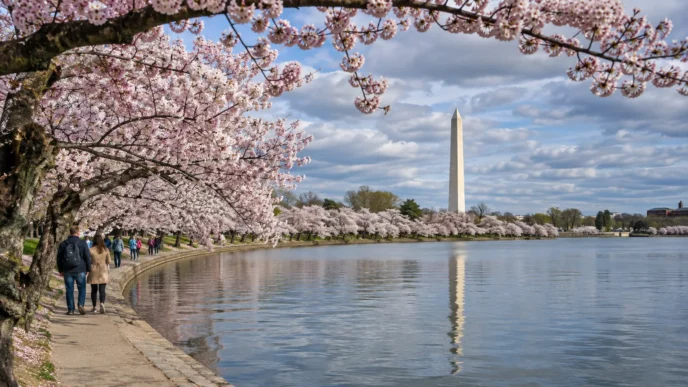
The western memorials deserve a separate outing. In good weather, begin near the Lincoln Memorial and approach the Monument area as you have energy. See the National Park Service visit guide for paths and temporary closures. In rain, choose the Portrait Gallery or another open downtown interior.
Plan lunch by the area you will actually finish in. An F Street meal is practical after an eastern museum. A convenient stop back near the hotel can be worth more than trying to cross the entire Mall to reach a famous place for lunch.
✅ What Other Travelers Say: The street footage makes the open stretches and city blocks easier to compare than a list of landmark names.
⚠️ The Catch (Things to Keep in Mind): A museum may be free and still need advance entry. Check rules and any time for screening.
📍 Capitol Hill and Eastern Market for history and a slower lunch
Capitol Visitor Center · Library of Congress · Southeast neighborhood
Start with the Capitol Visitor Center booking page and use a slot that leaves time for screening. If the Library of Congress is a priority, make its Thomas Jefferson Building entry your other reservation with generous space before or afterward. The building tour and library are distinct visits.
Use Eastern Market for an afternoon food stop when the indoor market is open. Barracks Row and the surrounding streets offer a very different walk from the governmental end of the hill. Leave time between the institutions and lunch if the group moves slowly.
Check schedules before assigning this day. On a day the Capitol is closed, build a different outing around an open museum or reserve the Capitol for another morning. If arriving by train with bags, use the hotel first.
✅ What Other Travelers Say: The video shows the scale of the side streets and market stalls that make an afternoon in the area rewarding.
⚠️ The Catch (Things to Keep in Mind): The area is larger than the Capitol’s front steps. Check the security entrance and weekday or weekend market hours.
📍 Georgetown for canal walks and river time
C&O Canal · M Street · Potomac waterfront
Give Georgetown half a day if you want time below M Street at the canal and along the water. From a central base, compare a suitable Metrobus with a walk from Foggy Bottom or a direct ride. Georgetown does not have its own Metrorail station.
On arrival, use the waterfront district guide to pick a route for your pace. The lower path and hills back to the main streets are useful when you want the visit to feel like a walk. For an easier arrival with a stroller, choose a short stretch and check the surfaces after rain.
If it is a busy weekend, decide where to have lunch before descending to the water. Choose one inside fallback or a brief return route. There is no need to fit Georgetown between the Capitol and a museum reservation.
✅ What Other Travelers Say: A continuous riverside walk shows which parts of the area are worth pairing with a meal.
⚠️ The Catch (Things to Keep in Mind): Allow a separate trip for the Mall. Sweeping up Georgetown and another distant neighborhood in one afternoon compresses the time in both.
📍 Southwest and The Wharf for a low-pressure evening
Waterfront promenade · L’Enfant Plaza · paid museum option
Use The Wharf after a museum morning if you still want air and space without another mandatory stop. The Wharf shuttle connects designated stops around L’Enfant Plaza and the waterfront. Verify the route and hours for when you need it.
The International Spy Museum is a separately ticketed option near L’Enfant Plaza. Give it its own time if the family wants an interactive visit, then walk or take the shuttle to the waterfront. On a limited budget, pick a meal and a free riverside walk instead.
If an event is ending at The Anthem or the promenade is crowded, walk toward the next useful pickup or rail route. A little flexibility here can make the last part of a busy museum day feel worthwhile.
✅ What Other Travelers Say: The walk shows the distance between the different piers, meal options and common meetup spots.
⚠️ The Catch (Things to Keep in Mind): A late event can change the pace near the water. Check the return schedule before counting on the shuttle or a boat.
📍 Shaw and U Street for music history and dinner
Black Broadway history · 7th and 9th streets · Metro to the neighborhood
Go to Shaw if you want a Washington experience that feels different from the museums and monuments. Use the official Shaw neighborhood guide to choose a short walk around historic cultural sites, small businesses and dinner streets. The U Street corridor’s Black Broadway history can give the outing a focus beyond the restaurant list.
Look up the performance calendar if the Lincoln Theatre or Howard Theatre is part of the trip. These are separate venues. Confirm the ticket, address and opening time, and allow a meal nearby before the performance.
During an early- or late-evening visit, map the route back from the actual destination. If the nearest station exit is inconvenient for the party, choose a bus or direct ride. On a first trip it only takes one neighborhood evening to see a different side of the city.
✅ What Other Travelers Say: The video shows which blocks are lively without assuming that every nearby street feels the same.
⚠️ The Catch (Things to Keep in Mind): Do not let a late dinner add a difficult ride to a packed day. Put it on a lighter day and check your homeward route.
Key FAQs
What should I see on a first Washington DC trip? Choose the Lincoln Memorial area, one main Smithsonian museum and a Capitol Hill visit. Add Georgetown, Shaw or the Wharf according to the type of afternoon or evening you want.
How many days should I spend in Washington DC? Three full days give a realistic first trip. With four or five, add a separate neighborhood or Virginia day rather than crowding more museums into every morning.
Which reservations matter most? Book the required passes for your selected Smithsonian site, Capitol tour or Library visit. Check the White House or separately ticketed experiences independently, and leave time for screening.
Final Verdict and Your Next Step
For a museum-focused trip, give the central Mall a day and hold a room near a useful rail or walking route. For families, plan one morning anchor and an afternoon escape. For food and evenings, keep Georgetown, Shaw or the Wharf as a separate part of the trip.
Start with the Smithsonian official visitor guide and the Capitol tour reservation page. Compare a cancellable room in the Washington DC hotel listings against the actual routes you want to take.
For the next part of the trip, see the Travel Stay Guide travel tips articles.