
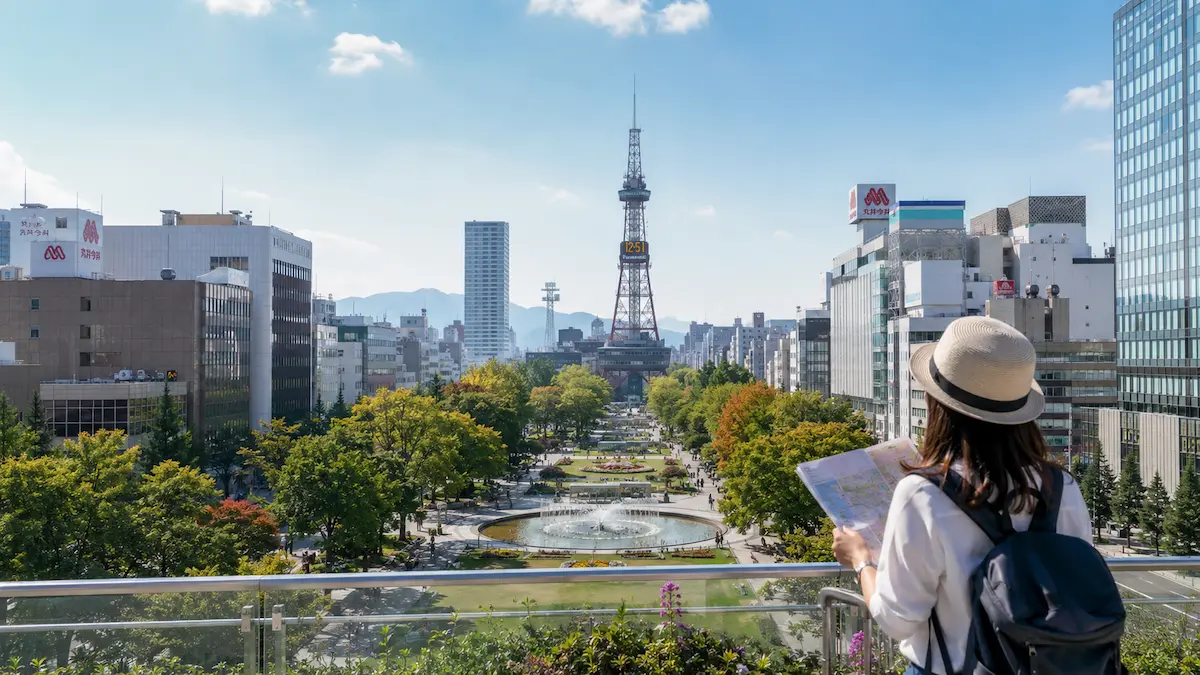
💡 Key Takeaways
- A realistic Sapporo travel budget starts at about ¥11,000–¥18,000 (US$73–$120) per person per day including accommodation, but central hotels during the Snow Festival, Golden Week, summer events and autumn weekends can push the same trip far above that range.
- The cheapest hotel is not always the cheapest base. A room far from Sapporo Station, Odori or a subway station can add daily fares, difficult winter walks, luggage transfers and wasted sightseeing time.
- Small extras cause most budget leaks: accommodation tax, airport transfers, reserved seats, lockers, coffee, desserts, late-night food, winter gear, card fees and an emergency taxi can quietly add several thousand yen a day.
Planning a reliable Sapporo travel budget is harder than multiplying one “average daily cost” by the number of days. Hotel prices can change sharply by district, weekday and season. New Chitose Airport is outside the city, so the airport transfer deserves its own line in your budget. JR trains, the municipal subway, streetcars and buses do not all share the same passes, and a rail pass that looks convenient may not cover the transport you actually use.
Food is another trap. Sapporo can be very affordable when breakfast comes from a convenience store and lunch is ramen or soup curry, but specialty coffee, soft-serve ice cream, seafood bowls, jingisukan, drinks and a second late-night meal in Susukino can double a supposedly “cheap” food day. Many budget guides also overlook accommodation tax, luggage storage, seat reservations, airport delays, foreign-card fees and the cost of crossing the city several times because the itinerary was poorly grouped.
This guide uses practical planning ranges rather than pretending there is one correct average. All US dollar figures are rounded using a simple planning rate of ¥150 to US$1, not a live exchange rate. Transport fares and tax details were checked on August 5, 2026, but travelers should recheck official pages before departure.
The 1-Min Cheat Sheet
- Budget Traveler: ¥11,000–¥18,000 per person per day, approximately US$73–$120, including accommodation.
This assumes a hostel, capsule, guesthouse or low-cost business hotel; convenience-store breakfast; ramen, curry or set meals; mostly walking and short subway rides; and a limited number of paid attractions. A private room during a major event may make this range unrealistic. - Mid-Range Traveler: ¥20,000–¥32,000 per person per day, approximately US$133–$213, including accommodation.
This works for a well-located business or mid-range hotel, especially when two people share a room, plus a proper breakfast or café stop, casual local meals, subway use and one paid attraction or modest experience. Solo travelers should budget closer to the top of the range because they cannot split the room cost. - Comfortable Traveler: ¥35,000–¥60,000 per person per day, approximately US$233–$400, including accommodation.
This allows for a central four-star hotel or a good single room, taxis when useful, seafood or jingisukan dinners, drinks, paid viewpoints, an onsen visit and enough flexibility to avoid designing the whole day around the lowest price.
These daily ranges normally exclude international or domestic flights to Hokkaido, major shopping, ski equipment and lift tickets, high-priced theme parks or attraction days, and long-distance rail travel to cities such as Hakodate. Keep those items in separate budget categories so one expensive day does not make the rest of the plan look inaccurate.
What Your Sapporo Daily Budget Actually Needs to Cover
Accommodation: the largest and least stable cost
For planning purposes, a hostel or capsule bed may fall around ¥3,500–¥7,000, while a simple private business-hotel room may be around ¥7,500–¥15,000 on quieter dates. A central mid-range double room often needs an allowance of roughly ¥13,000–¥25,000 per room, and a comfortable four-star stay can easily require ¥22,000–¥45,000 or more per room. These are working ranges, not guaranteed prices. Snow Festival dates, Saturday nights, Golden Week and major event weekends can push ordinary rooms into premium territory.
Compare the final price, not the first price displayed. Check whether breakfast, taxes, service charges and cancellation flexibility are included. Since April 1, 2026, stays in Sapporo are subject to combined Sapporo City and Hokkaido accommodation taxes. The total is generally ¥300 per person per night for accommodation under ¥20,000, ¥400 for ¥20,000 to under ¥50,000, and ¥1,000 for ¥50,000 or more. The tax can apply even when the booking was made before the launch date if the actual stay is on or after April 1, 2026.
Food: cheap basics, expensive add-ons
- Low-cost breakfast: allow about ¥500–¥900 for an onigiri, sandwich, yogurt, fruit and a drink from a convenience store or supermarket.
- Casual lunch: allow roughly ¥900–¥1,500 for ramen, soup curry at the lower end, soba, udon, a rice bowl or a lunch set.
- Casual dinner: allow around ¥1,200–¥2,500 for an everyday restaurant meal without heavy drinking.
- Local-specialty dinner: allow roughly ¥3,000–¥7,000 or more for seafood, sushi, crab, jingisukan, izakaya dishes and drinks.
- Daily “invisible snacks”: coffee, soft serve, cheesecake, beer and late-night ramen can add ¥1,500–¥4,000 before you notice.
Local transport: inexpensive only when the route makes sense
Sapporo subway fares currently run from ¥210 to ¥380 per ride. The subway-only one-day ticket costs ¥830, while the Donichika ticket costs ¥520 on Saturdays, Sundays, national holidays and the year-end/New Year period. A streetcar ride costs ¥230. That means a weekend pass can pay off quickly when you genuinely need at least three subway rides, but buying a pass for a mostly walkable Odori–Tanukikoji–Susukino day wastes money.
Attractions and experiences
Many of Sapporo’s best-known city sights, including Odori Park, Tanukikoji and Hokkaido Shrine grounds, can be enjoyed with little or no admission cost. Paid viewpoints, museums, factory experiences, ropeways, onsens and guided tours change the picture. A sensible city-sightseeing allowance is ¥1,000–¥4,000 per day, but a ski day, theme-park-style attraction day or full-day excursion should have a separate budget of its own.
Daily buffer
Add at least ¥1,500–¥3,000 per person per day for weather changes, small purchases, a missed connection, extra food or an unplanned taxi split. In winter, increase the buffer if your hotel requires a long outdoor walk or your itinerary depends on buses that may be affected by snow and traffic.
Sapporo Airport Transfer Budget
The New Chitose Airport transfer is often omitted from “daily spending” estimates, but it should never be omitted from the trip total.
- JR Airport Train: ¥1,230 one way in a non-reserved seat.
The fastest services reach Sapporo in about 33 minutes, while other Airport trains take roughly 37–43 minutes. It is usually the best balance of speed, frequency and price for travelers staying near JR Sapporo Station. - Reserved JR seat: ¥2,230 one way.
The extra ¥1,000 buys a reserved seat rather than a faster train. It can be worthwhile after a long flight, during busy periods or when you do not want to stand with luggage. Most seats are non-reserved, so do not pay the surcharge automatically. - Airport bus: around ¥1,500 one way to central Sapporo.
It can be more convenient for hotels near a bus stop because large luggage goes in the hold, but road traffic and snow can make the journey much slower and less predictable than JR. - Taxi or private transfer:
This is usually a comfort purchase, not a budget choice. It may make sense for a family or group arriving late with several large bags, but the price is highly dependent on destination, traffic and vehicle type. Compare the whole-vehicle cost with four separate train or bus fares before dismissing it.
The cheapest transfer is not automatically the best. A bus that stops near your hotel may save a difficult winter walk and a second subway fare. Conversely, a low-priced hotel near Susukino may require a slow airport bus or an extra transfer after the JR ride. Price the complete door-to-door route.
Where to Stay Without Creating a Transport Problem
Sapporo Station
Best for: airport access, JR day trips, short stays and travelers with luggage. The trade-off is that rooms can cost more, and evening dining feels less concentrated than Susukino. It is often worth paying a modest premium when Otaru, Asahikawa or other JR trips are central to the itinerary.
Odori
Best for: first-time visitors who want a balanced base. Odori sits between Sapporo Station and Susukino, connects multiple subway lines and allows many central sights to be reached on foot. A slightly higher room rate can be recovered through fewer fares and less backtracking.
Susukino and Tanukikoji
Best for: nightlife, late dinners, covered shopping and travelers who want to walk back after eating. The danger is lifestyle inflation: drinks, desserts and late-night meals are always nearby. Light sleepers should also check reviews for street noise.
Nakajima Park
Best for: travelers seeking better-value hotels while remaining close to central Sapporo. It can be a smart compromise, particularly near a subway station. Check the exact walking route in winter; five minutes on a dry map can feel much longer on snow or ice with a suitcase.
Outer neighborhoods
Best for: longer stays, repeat visitors and people with a specific reason to be there. A hotel that is ¥2,000 cheaper per night may not be a bargain if two travelers each spend an extra ¥600–¥1,000 per day on transport and lose an hour commuting. Calculate the saving for the entire room, then subtract the added fares, luggage hassle and time.
Top Budget Survival Tips
- Calculate the hotel’s “true daily cost,” not just the room price.
Add the nightly rate, accommodation tax, breakfast, the cost of reaching your main sightseeing areas and any airport transfer changes. Also count the physical cost of moving luggage. A centrally located room that is ¥1,500 more expensive can still be the better budget choice when it removes four fares and a difficult transfer. - Buy transport passes only after building the route.
The ¥520 weekend Donichika ticket is excellent for a subway-heavy day, but pointless for a central walking route. The ¥830 weekday pass normally needs several paid rides before it saves money. Write down the point-to-point fares first; do not buy a pass because “unlimited” sounds reassuring. - Do not assume a JR pass covers Sapporo city transport.
JR Hokkaido area passes do not cover the Sapporo subway, streetcar or ordinary city buses. A Sapporo–Furano Area Pass can be valuable for an intensive four-day rail itinerary, but it is poor value when most days are spent inside Sapporo. Compare the pass price with the exact trains you will use. - Choose the airport transfer for your hotel and luggage, not by headline price alone.
JR is faster and costs ¥1,230 non-reserved, but it deposits you at Sapporo Station. A ¥1,500 bus may be easier if it stops beside your hotel and stores large bags underneath. For a family with several suitcases, paying slightly more can prevent an exhausting subway transfer. - Treat cherry blossom season, Golden Week, Saturdays and Japanese public holidays as separate pricing risks.
Sapporo’s blossoms usually arrive from late April to early May, overlapping Golden Week in some years. Domestic demand and limited weekend inventory can raise room prices quickly. Search one day earlier and later; shifting the stay by a weekday can matter more than changing hotel brands. - Give every high-cost attraction day its own envelope.
A theme park, ski resort, guided countryside tour or onsen excursion can include admission, equipment, transport, food and locker costs. Do not force it into the ordinary city-day allowance. Label it separately so the rest of the trip remains realistic. - Use convenience stores for control, not for every meal.
Convenience stores are useful for breakfast, drinks and emergency food, but a full basket of premium snacks, desserts and canned alcohol can cost as much as a casual restaurant meal. Decide what the store is replacing before entering. - Target supermarket markdowns without designing your evening around them.
Prepared foods are often discounted later in the day, with timing varying by store. Department-store basement food halls may also mark down bento, sushi and side dishes near closing. This works best when the store is already on your route; spending ¥500 on transport to save ¥400 on dinner is not a saving. - Group each day by area.
Put Sapporo Station and the former Hokkaido Government Office area together; combine Odori, the TV Tower, Nijo Market and Tanukikoji; pair Maruyama Park with Hokkaido Shrine; and avoid bouncing from east to west and back again. Fewer transfers mean lower fares and more energy for places you actually came to see. - Walk when it replaces a short ride, not when it ruins the next half of the day.
Sapporo Station to Odori, Odori to Tanukikoji and Tanukikoji to Susukino are often walkable. In heavy rain, deep snow, icy conditions or with tired children, saving ¥210 may be false economy. One short subway ride can preserve enough energy to avoid a much more expensive taxi later. - Keep a weather-and-mistake reserve.
Set aside at least ¥5,000–¥10,000 per person for the trip, separate from ordinary spending. This covers umbrellas, traction cleats, extra layers, an unplanned locker, a replacement activity, a missed last train or a taxi when weather disrupts the plan. - Block impulse shopping with a separate cap.
Hokkaido sweets, cosmetics, character goods and airport souvenirs are designed to be easy add-ons. Decide on a total shopping allowance before arrival and track it separately. Otherwise, shopping quietly consumes the money intended for meals and activities. - Pay in yen and reject dynamic currency conversion.
When a terminal or ATM offers to charge your home currency, the displayed conversion usually includes a less favorable rate. Choose Japanese yen and let your card issuer handle the conversion. Before departure, check your card’s foreign transaction fee, cash-advance rules and ATM charges; the Japanese ATM and your own bank may both impose fees. - Withdraw fewer, larger amounts of cash when fees are fixed.
Small repeated ATM withdrawals multiply flat fees. Carry enough yen for small restaurants, markets, lockers and backup transport, while using a no-foreign-fee card for larger purchases. Do not carry the entire trip budget in cash.
Sapporo Budget by Travel Season
Cherry blossom season: late April to early May
Sapporo’s cherry blossoms usually arrive later than those in Tokyo or Kyoto, commonly from late April into early May. The budget risk is not only blossom demand; the dates may overlap with Golden Week. Rooms near Maruyama, Odori and Sapporo Station can tighten on weekends, and domestic travelers may book earlier than international visitors expect. Reserve a cancellable room early, then recheck prices as the forecast becomes clearer.
Golden Week: late April to early May
Golden Week is one of Japan’s busiest domestic travel periods. Flights, popular hotels and day-trip transport can become expensive or scarce. A budget traveler should avoid assuming that Sapporo will remain cheap simply because it is outside Tokyo. If dates are flexible, compare the weekdays immediately before and after the holiday cluster rather than searching only the most convenient weekend.
Summer: June to August
June can offer a useful balance of mild weather and less intense demand, but festival weekends can still create spikes. July brings major events around Odori Park, including summer festival and beer-garden activity, while August combines leisure demand, school holidays and Obon travel. Air-conditioned rooms, family rooms and central hotels may tighten first. Food spending also tends to rise because outdoor events encourage repeated drinks and snacks.
Autumn foliage season: September to November
Central Sapporo commonly sees stronger autumn color from around mid-October into early November, while Jozankei can peak earlier, often in early to mid-October. The cost pressure is concentrated on good-weather weekends and onsen stays rather than every night of the season. Travelers who can visit foliage sites on a weekday and stay in the city instead of an onsen resort can reduce the premium.
Christmas and New Year
Christmas illuminations make central Sapporo attractive, but Christmas itself is not guaranteed to be the year’s most expensive period. Prices depend on weekends, ski traffic, events and room supply. New Year requires more caution: some restaurants and attractions shorten hours or close, transport patterns change and limited open options can make meals less flexible. Budget for reservations rather than assuming you can always find a cheap walk-in meal.
Quieter winter periods
Late November to early December and some post-New-Year weekdays before the Snow Festival can be more affordable than headline winter dates. However, “winter” is not one price season. Ski weekends, concerts, storms and school holidays can create sudden jumps. A cheap winter room far from a station may also require extra spending on taxis, traction aids or replacement plans.
Sapporo Snow Festival: the peak many generic guides forget
The Snow Festival is one of the most important pricing events in Sapporo. The 2027 festival is scheduled for February 4–11, 2027. Central rooms can sell early, and the remaining inventory may be unusually expensive or poorly located. Book a cancellable hotel as soon as dates are known. Waiting for a last-minute bargain is a high-risk strategy during this period.
No month is automatically the cheapest. Hotel prices respond to events, day of the week, room type, domestic holidays, flight capacity and weather. Search your exact dates, compare nearby weekdays and review the event calendar before treating any seasonal average as reliable.
Sample Sapporo Trip Budgets
The following totals include accommodation, ordinary meals, local city transport and modest sightseeing. They exclude flights to Hokkaido, major shopping, ski days, theme parks, long-distance Hokkaido rail travel and premium tours.
Three days in Sapporo
- Budget: approximately ¥33,000–¥54,000 per person.
- Mid-range: approximately ¥60,000–¥96,000 per person.
- Comfortable: approximately ¥105,000–¥180,000 per person.
Five days in Sapporo
- Budget: approximately ¥55,000–¥90,000 per person.
- Mid-range: approximately ¥100,000–¥160,000 per person.
- Comfortable: approximately ¥175,000–¥300,000 per person.
Seven days in Sapporo
- Budget: approximately ¥77,000–¥126,000 per person.
- Mid-range: approximately ¥140,000–¥224,000 per person.
- Comfortable: approximately ¥245,000–¥420,000 per person.
Add at least ¥2,460 per person for a round-trip non-reserved JR airport transfer, or about ¥3,000 for a round-trip airport bus. Couples sharing a room may spend less per person than solo travelers. Families may save per person on rooms and taxis but spend more on larger room categories, reserved seats and attraction tickets.
Common Budget Mistakes
1. Counting only flights and hotels
The mistake: The two largest bookings are treated as the whole budget, while food, airport transfers, local fares, tax, attractions and shopping remain invisible.
The fix: Divide the plan into accommodation, airport transport, daily transport, meals, paid activities, shopping and emergency money. Keep each category visible until the trip ends.
2. Forgetting the airport round trip
The mistake: New Chitose Airport is mentally treated as if it were in central Sapporo.
The fix: Add the return transfer at the beginning of the budget: at least ¥2,460 by non-reserved JR, or around ¥3,000 by airport bus, before considering hotel transfers or reserved seats.
3. Assuming a JR pass covers everything
The mistake: Travelers buy a regional rail pass and then discover it does not cover the municipal subway, streetcar or most city buses.
The fix: Separate intercity JR travel from Sapporo city transport. Price each planned JR segment, then compare the sum with the pass. Add city fares separately.
4. Scheduling distant areas on the same day
The mistake: The itinerary jumps from Sapporo Station to Maruyama, back to Nijo Market, then out toward Moiwa, creating repeated fares and lost time.
The fix: Build geographic clusters. Use one central walking day, one western Sapporo day and one dedicated excursion day rather than crossing the city repeatedly.
5. Setting a low food budget while buying coffee, sweets and late-night meals every day
The mistake: Only breakfast, lunch and dinner are counted.
The fix: Create a separate daily snack-and-drink allowance of ¥1,000–¥2,500. Once it is spent, choose either dessert or late-night food, not both automatically.
6. Having no shopping ceiling
The mistake: Souvenirs are considered “small extras,” even when purchased every day and again at the airport.
The fix: Set one total shopping limit and reserve part of it for the final day. Photograph products instead of buying immediately; many famous sweets are available at New Chitose Airport.
7. Ignoring luggage storage and forwarding
The mistake: Check-out and departure-day itineraries assume bags can be carried for free or left anywhere.
The fix: Ask whether the hotel stores luggage before check-in and after check-out. JR Hokkaido coin lockers are commonly around ¥400–¥800 depending on size, while temporary staffed storage at Sapporo Station may cost about ¥1,000 per piece. Budget more for hotel-to-hotel delivery.
8. Booking an inconvenient hotel to save a small amount
The mistake: A room is selected solely because it is ¥1,000–¥2,000 cheaper.
The fix: Multiply the extra daily fares by every traveler, then add the airport route, winter walking conditions and lost time. Pay more for location when the net difference is small.
9. Forgetting the accommodation tax
The mistake: The booking confirmation is treated as the final amount even when local tax is payable at the property.
The fix: Add ¥300–¥1,000 per person per night according to the accommodation-price band and check whether the platform has already collected it.
10. Using dynamic currency conversion
The mistake: A terminal offers a familiar home-currency amount, which feels safer.
The fix: Select Japanese yen. Check the card issuer’s exchange markup and foreign transaction fee in advance, and avoid cash advances unless you understand the interest rules.
11. Carrying no emergency budget
The mistake: Every yen is assigned to planned activities, leaving nothing for snow delays, illness, a missed last train or damaged winter gear.
The fix: Keep ¥5,000–¥10,000 per person untouched. A reserve is not unused money; it is what prevents one problem from forcing a credit-card cash advance or ruining the next day.
Key FAQs
How much money do I need for five days in Sapporo including accommodation?
A realistic five-day Sapporo budget is approximately ¥55,000–¥90,000 for a budget traveler, ¥100,000–¥160,000 for a mid-range traveler and ¥175,000–¥300,000 for a comfortable traveler. Add flights, shopping, premium tours, skiing and long-distance Hokkaido travel separately. Solo travelers usually need more per person for accommodation than couples sharing a room.
Is Sapporo expensive compared with Tokyo?
Sapporo can be cheaper for ordinary hotels, local transport and casual meals, especially outside major events. However, Snow Festival accommodation, winter clothing, ski trips, seafood dinners and Hokkaido day tours can make the total equal to or higher than a Tokyo city break. The real answer depends more on dates and activities than on the city name.
What is a realistic Sapporo daily budget for food and transport without a hotel?
Allow roughly ¥4,000–¥7,000 per person per day for controlled spending: simple breakfast, casual lunch and dinner, limited snacks and several local rides. A food-focused traveler should allow ¥8,000–¥15,000 or more, especially when seafood, jingisukan, alcohol, cafés and late-night dining are priorities.
Final Verdict and Your Next Step
A budget traveler can enjoy Sapporo without feeling deprived by staying near an efficient transport line, grouping sights by area and choosing one meaningful food splurge instead of several automatic add-ons every day. Mid-range travelers should spend first on location and flexibility, not room size alone. Comfortable travelers should keep a separate allowance for taxis, seafood, onsens, winter activities and day trips so these upgrades do not distort the ordinary daily budget.
The most important action is to reserve accommodation early when traveling during cherry blossom dates, Golden Week, summer festival weekends, autumn foliage weekends or the Sapporo Snow Festival. Book a cancellable option first, then continue checking the same dates. Waiting is only a strategy when demand is weak; during major Sapporo events, it is often simply a gamble.
Compare Sapporo hotel prices on Agoda
Check Sapporo hotels and cancellation options on Booking.com
Browse Sapporo tours, transfers and activities on Klook
Compare Sapporo tours and day trips on KKday