

💡 Key Takeaways
- Base yourself near Odori rather than automatically choosing Sapporo Station: this itinerary uses the subway more often than JR, and Odori reduces repeated north-south backtracking.
- Walk Otaru in one direction—from Otaru Station to the canal and Sakaimachi, then leave from Minami-Otaru Station—instead of retracing the same tourist street uphill.
- Do not arrive at Mount Moiwa exactly at sunset. Online tickets do not remove the ropeway boarding queue, and poor visibility can make the entire trip disappointing.
- Reserve the Jozankei Kappa Liner and any must-do workshop or premium tour; do not waste time pre-booking free shrines, markets or ordinary city transport.
- Leave large luggage at your hotel. Otaru, Mount Moiwa and local buses are dramatically less pleasant when you are handling suitcases on snow, stairs or crowded platforms.
A good Sapporo 5-day itinerary is not about collecting the largest possible number of pins on Google Maps. The usual first-timer plan—Odori, Otaru, Shiroi Koibito Park, Hokkaido Shrine, Mount Moiwa, the Beer Museum and Jozankei—looks easy because Sapporo feels spacious and orderly. In practice, the attractions spread west, south, north and east of the center. Add winter pavements, early-closing Otaru shops, sunset ropeway crowds and buses slowed by traffic, and a “relaxed” holiday can become five days of unnecessary transfers.
This route keeps the classic highlights but rearranges them into five geographic zones: central Sapporo, Otaru, west and southwest Sapporo, north and east Sapporo, and Jozankei. It is written for a traveler who wants the famous sights without spending every evening recovering from bad routing. Ticket and transport rules were checked against official sources in August 2026, but operating hours, weather closures and seasonal events can change, so recheck the linked official pages before departure.
The 1-Min Cheat Sheet
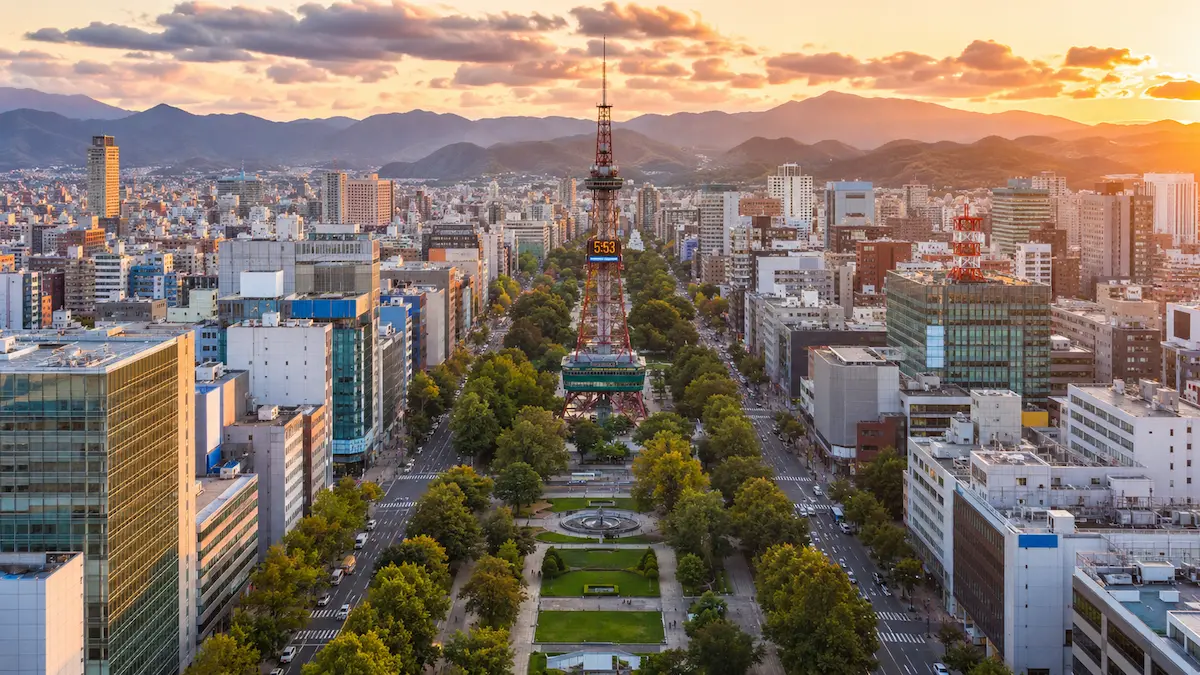
- Odori Park, Sapporo TV Tower, Nijo Market and Tanukikoji: Best for first-day orientation, food and travelers with limited stamina. Allow 4–6 hours including lunch. Odori Park, Nijo Market and Tanukikoji are free; the TV Tower observatory is paid and has advance e-ticket options. Use the subway to Odori, then walk.
- Otaru Canal and Sakaimachi Street: Best for photography, desserts, glassware and an easy coastal day trip. Allow 6–8 hours from Sapporo. Streets and canal are free; the canal cruise is optional and paid. JR is much more reliable than a road tour for a simple Otaru day.
- Shiroi Koibito Park: Best for families, themed interiors, sweets fans and rainy-weather sightseeing. Allow 2–3 hours. The garden and shopping areas include free sections, while the factory-themed paid area and workshops require tickets; workshops should be reserved.
- Hokkaido Shrine and Maruyama Park: Best for a calm cultural stop, seasonal foliage and travelers who prefer atmosphere over “big attraction” spectacle. Allow 1–1.5 hours. Worship is free; take the Tozai subway line to Maruyama-Koen and walk through the park.
- Mount Moiwa Ropeway: Best for a clear-weather city panorama and couples. Allow 2–3 hours including queues and transfers. A paid ropeway and mini cable car ticket is required. Reach the base by taxi, streetcar plus walk/shuttle, or bus; check same-day operation before leaving.
- Hokkaido University and its museum: Best for architecture, trees, a low-cost morning and a weather-flexible museum stop. Allow 1.5–2.5 hours. The campus and university museum are free; the museum is normally closed on Mondays. Walk from Sapporo Station and stay within the core campus instead of wandering the entire grounds.
- Sapporo Beer Museum: Best for industrial history, beer fans and an early dinner at the Beer Garden. Allow 1.5–3 hours. The ordinary self-guided museum visit is free and does not require a reservation; the limited-capacity Premium Tour is paid and should be booked.
- Jozankei Onsen: Best for a full recovery day, autumn scenery and travelers comfortable with Japanese bathing customs. Allow 7–9 hours from central Sapporo. The town itself is free, but day-use baths charge separately. The direct Kappa Liner requires a reservation; ordinary buses are the slower backup.
The Most Practical 5-Day Itinerary
Day 1: Central Sapporo Without the “Walk Everything” Mistake
Best route: Odori Park → Sapporo TV Tower → Nijo Market → Tanukikoji → Susukino. Keep Sapporo Clock Tower as a short exterior stop rather than building the day around it.
- Recommended start: 8:45–9:00. This is late enough for a comfortable breakfast but early enough to reach the TV Tower before most tour groups and Nijo Market before the main lunch rush.
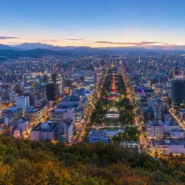
- Stop 1 — Odori Park: 30–45 minutes. Walk only the eastern and central sections unless a seasonal event gives you a reason to continue west. Odori is long; crossing every block on arrival day adds steps without adding much variety.
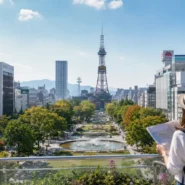
- Stop 2 — Sapporo TV Tower: 45–60 minutes. Go up near opening time if visibility is good. The observatory is compact, and the strongest view is the straight axis over Odori Park. It is worth doing once, but it is not a two-hour attraction.
- Optional Clock Tower stop: 10–30 minutes. The famous exterior is much smaller than promotional photographs suggest. Go inside only if you enjoy local history; otherwise, take the photo and continue.
- Stop 3 — Nijo Market: 60–90 minutes around 10:30–11:00. Browse first, compare displayed prices and decide whether you genuinely want a seafood bowl. “Market” does not automatically mean budget food, and the most visible restaurants can carry a tourist-location premium.
- Lunch and rest zone: Nijo Market or the eastern end of Tanukikoji. Travelers who dislike queues should eat before noon or walk a few blocks away from the market for soup curry, set meals or ramen.
- Stop 4 — Tanukikoji: 1.5–2 hours at an easy pace. The covered arcade is useful in rain, snow or intense sun. Do not walk all seven blocks unless you are actively shopping; the middle sections are enough for most visitors.
- What to cut: Skip the TV Tower if clouds hide the hills, and skip the Clock Tower interior if you are tired. Neither should delay lunch or force you to rush Tanukikoji.
- Rain alternative: Replace the park walk with the underground pedestrian network, Pole Town, Aurora Town, Tanukikoji and AOAO Sapporo. Revisit the TV Tower only when visibility improves.
- Best evening area: Susukino for dinner, or return toward Odori for a quieter evening. Ramen Alley is atmospheric but often has lines and tiny counters; it is not the only place to eat good miso ramen.
- Why this beats the usual influencer route: Many itineraries send visitors from Sapporo Station to the university, back to Odori, then to the market, then north again for a tower view. This day stays in one compact central corridor and delays the university for a separate north-side morning.
Day 2: Otaru as a One-Way Walk, Not a Backtracking Marathon
Best route: JR Sapporo → Otaru Station → Sankaku Market → Otaru Canal → historic warehouses/optional art museum → Sakaimachi Street → Minami-Otaru Station → JR Sapporo.
- Recommended start: Leave Sapporo around 7:45–8:15. Most Airport trains have non-reserved seating that does not require advance booking, although the reserved car is useful in peak periods or when you want a guaranteed seat.
- Stop 1 — Sankaku Market: 45–60 minutes immediately after arrival. It sits beside Otaru Station, so this is the only sensible time to visit. Compare seafood prices before ordering and do not let breakfast consume half the morning.
- Stop 2 — Otaru Canal: 45–75 minutes. Walk downhill from the station to the canal before the midday concentration of tour buses. The canal’s iconic section is attractive but smaller than many first-timers expect; you do not need hours unless you are taking a cruise or photographing at dusk.
- Optional cruise or museum: Allow 40 minutes for the canal cruise plus check-in time, or 60–90 minutes for one art/history stop. Do one, not three. Otaru becomes inefficient when every converted warehouse museum is treated as mandatory.
- Stop 3 — Sakaimachi Street: 2.5–3.5 hours including lunch, desserts and shops. Walk southeast from the canal and finish near the Music Box Museum area. This is the busiest part of the day, so eat either before 11:30 or after 13:30.
- Lunch and rest zone: Sakaimachi’s side streets or the area between the canal and Ironai. The famous dessert counters are convenient for a break, but standing in several separate food lines can quietly waste an hour.
- Exit strategy: Continue to Minami-Otaru Station instead of walking back to Otaru Station. Check the JR timetable because service frequency and stopping patterns vary. This one-way finish is the biggest leg-saving improvement in the entire itinerary.
- What to cut: Skip Tenguyama, the aquarium and distant herring mansions on a first day trip unless one is a personal priority. Adding buses to the outskirts turns a compact walking day into a transfer-heavy race.
- Rain alternative: Prioritize Otaru Art Base, the Music Box Museum, glass shops and cafes. Wet stone streets can be slippery; shorten the canal walk and use a taxi for a short transfer if conditions are poor.
- Best evening area: Return to Sapporo for dinner near the station or Odori. Many Otaru shops wind down relatively early, so staying late only makes sense for a specific illumination, dinner reservation or night cruise.
- Why this beats the usual influencer route: The standard plan starts and ends at Otaru Station, forcing an uphill return along streets you have already seen. The Minami-Otaru exit converts the tourist corridor into a continuous route.
Seasonal reversal: During winter illumination periods, photographers may prefer to start at Minami-Otaru, walk Sakaimachi first, reach the canal near dusk and depart from Otaru Station. That route sacrifices the early market breakfast but avoids a separate return trip to the canal after dark.
Day 3: West Sapporo to Mount Moiwa—The Smart Taxi Day
Best route: Shiroi Koibito Park → Maruyama lunch → Hokkaido Shrine → short taxi to Mount Moiwa → Susukino.
- Recommended start: Arrive at Shiroi Koibito Park around 9:45 for its 10:00 opening. Take the Tozai subway line to Miyanosawa; this is easier and more predictable than a sightseeing bus.
- Stop 1 — Shiroi Koibito Park: 2–2.5 hours. Go directly to any reserved workshop, then tour the paid area. If you only want photos, sweets and souvenirs, the free sections may be enough; do not buy admission out of habit.
- Transfer: Take the Tozai Line directly from Miyanosawa toward Maruyama-Koen. There is no reason to return to Sapporo Station between these western districts.
- Lunch and rest zone: Maruyama between 12:45 and 13:45. This neighborhood has better opportunities for a calm seated lunch than the narrow food counters inside the theme park.
- Stop 2 — Hokkaido Shrine and Maruyama Park: 60–90 minutes. Enter through the wooded park, visit the main worship area and leave before fatigue turns the peaceful walk into a chore.
- Transfer to Mount Moiwa: Use a taxi from Maruyama/Hokkaido Shrine when traveling as a pair, family or winter group. The short ride costs more than public transport but can remove a subway/streetcar change, a walk and uncertain shuttle timing. This is one of the rare Sapporo journeys where a taxi buys real value.
- Stop 3 — Mount Moiwa: Reach the base 75–90 minutes before sunset, not at sunset. Check the official operation and visibility information before taking the taxi. Allow 2–2.5 hours for ascent, the summit, queues and descent.
- What to cut: If clouds hide the city, cut Mount Moiwa and move it to the clearest evening. If children are tired, cut the paid Shiroi Koibito area and enjoy only the free garden/shop sections.
- Rain alternative: Spend longer at Shiroi Koibito Park, return to Odori for covered shopping or visit an indoor museum. Do not ride the ropeway merely because you bought a ticket; poor visibility removes most of its value.
- Best evening area: Take the streetcar or taxi toward Susukino for dinner. Avoid committing to a tightly timed restaurant reservation immediately after the ropeway, because descent queues are unpredictable.
- Why this beats the usual influencer route: Shiroi Koibito, Hokkaido Shrine and Mount Moiwa sit along a west-to-southwest arc. Combining them is geographically sensible; pairing Shiroi Koibito with the Beer Museum on the opposite side of town is not.
Day 4: Hokkaido University and the Beer Museum at a Human Pace
Best route: Hokkaido University core campus → university museum → Sapporo Station lunch → Sapporo Beer Museum → Beer Garden or Sapporo Factory/JR Tower.
- Recommended start: 8:30–9:00. Enter the university from the Sapporo Station side and walk only the central heritage area, main avenue and seasonal highlight you actually want to see.
- Stop 1 — Hokkaido University campus: 60–90 minutes outdoors. The grounds are much larger than first-time visitors expect. Save a campus map offline and set a turnaround point; otherwise, “a quick walk” can become several unnecessary kilometers.
- Stop 2 — Hokkaido University Museum: 60–90 minutes from its usual 10:00 opening. Admission is free, and it is a strong bad-weather option. It is normally closed Mondays, so swap Day 4 with another day when necessary.
- Lunch and rest zone: Sapporo Station around 12:00–13:15. Use the station complexes for a proper seated meal and rest. This is the one day when returning to the station is logical because you are already beside it.
- Transfer to the Beer Museum: Use a direct bus when traffic is light or a taxi when traveling in a small group. Walking the full distance is possible, but it adds little sightseeing value and can be miserable in snow, rain or summer heat.
- Stop 3 — Sapporo Beer Museum: 1.5–2 hours for the free self-guided route and tasting; about 2 hours if you have a Premium Tour reservation. The Premium Tour has limited capacity, so it is one of the few city experiences worth booking in advance.
- Early dinner option: Reserve a meal at the Sapporo Beer Garden only if lamb barbecue is genuinely appealing. It can be lively and filling; travelers who dislike noisy group dining may prefer to leave after the museum.
- What to cut: Non-drinkers and travelers uninterested in industrial history can skip the Beer Museum. Architecture and campus fans can spend longer at the university instead.
- Rain alternative: This is already the itinerary’s strongest wet-weather day. Reduce outdoor campus time, keep the museum, eat in the station complex and take a taxi to the Beer Museum.
- Best evening area: Sapporo Station/JR Tower for a polished final city night, or Sapporo Factory if you prefer a relaxed shopping complex. Do not cross to Susukino merely because it appears on every nightlife list.
- Why this beats the usual influencer route: The university and Beer Museum are both north/east of the main Odori-Susukino strip. Grouping them prevents another day of bouncing through the central subway interchange.
Day 5: Jozankei Onsen Without Risking Your Flight
Best route: Reserved Kappa Liner → Jozankei river and bridge walk → early lunch → preselected day-use onsen → reserved return bus → relaxed final dinner.
- Recommended start: Reserve a morning Kappa Liner that reaches Jozankei around 10:00. The direct bus takes roughly an hour under normal conditions and currently requires reservations. The ordinary route bus is a slower backup, while the Makomanai subway-plus-bus option is useful when direct seats are sold out.
- Important warning: Do not schedule Jozankei on your international flight day. Road traffic, snow and weather disruptions can extend the return journey, and there is no rail alternative from the onsen town.
- Stop 1 — Jozankei orientation walk: 60–90 minutes around the river, footbath area and bridge viewpoints. Stay on maintained paths and shorten the walk in heavy rain, snow or icy conditions.
- Lunch and rest zone: Eat around 11:30–12:30, before the bath. Restaurant choice is narrower than central Sapporo, and some ryokan dining requires advance arrangements.
- Stop 2 — Day-use onsen: 2–3 hours. Choose the facility before leaving Sapporo and check day-use hours, towel availability, tattoo policy, age restrictions and whether walk-ins are accepted. “Jozankei Onsen” is a district, not a single public bath with one universal ticket.
- Return timing: Book a return that leaves a buffer before your evening plans. A 15:30–16:30 departure usually provides a full day without forcing you to rush through the bath.
- What to cut: Skip distant dams, orchards or extra attractions unless you have a car or are visiting during a specific seasonal service. The best use of a first Jozankei day is slowing down, not adding another transport project.
- Rain alternative: Go directly to lunch, a cafe and the onsen; avoid exposed river paths. During severe weather, replace Jozankei with indoor central Sapporo and reschedule if possible.
- Best evening area: Eat close to your hotel. After a long soak and bus ride, crossing the city for a famous restaurant rarely feels worth it.
- Why this beats the usual influencer route: Some tours combine Jozankei and Otaru in one day, creating hours of road travel between opposite sides of the region. Giving Jozankei its own southern day preserves the purpose of visiting an onsen: rest.
Tourist Traps to Avoid & Itinerary Hacks
- Trap: Treating every famous Sapporo landmark as a major attraction. The Clock Tower is historically important but visually modest, Nijo Market is compact, and the TV Tower observatory is small. Visit them, but assign realistic time so they do not crowd out better meals and rest.
- Trap: Assuming seafood markets are automatically cheap. Central locations, premium ingredients and tourist demand can make bowls expensive. Check the displayed price, portion size and ingredient list before sitting down. A normal sushi restaurant may offer better value for your preferences.
- Trap: Taking city buses for every short trip. Buses look direct on maps but can be slowed by congestion, snow and boarding time. The subway is the default for Odori, Miyanosawa, Maruyama and Makomanai; use buses mainly where rail does not reach.
- Trap: Arriving at Mount Moiwa at the exact sunset minute. You may watch the sky change from a queue or miss sunset entirely. Arrive early, and understand that a prepaid ticket does not create a private ropeway lane.
- Trap: Buying a citywide rail pass without doing the arithmetic. A weekend Donichika subway pass can be excellent on a subway-heavy day, but this itinerary also uses JR, walking, taxis and a reserved bus. No single pass automatically covers everything.
- Trap: Dragging luggage to Otaru “because it is on the way.” Platforms, market aisles, slushy pavements and smaller lockers make this unpleasant. Leave luggage with your Sapporo hotel, use station lockers only as a backup, or forward bags to the next hotel.
- Trap: Doing Otaru Canal, Sakaimachi and then walking all the way back. Finish at Minami-Otaru Station when the timetable works. In winter illumination season, reverse the route so the canal is your dusk finale.
- Trap: Booking Jozankei before choosing a bath. Bus tickets only get you to the district. Day-use facilities have individual hours and rules; select the actual onsen first, then choose buses that fit it.
- Trap: Adding Furano and Biei as an ordinary Sapporo day trip. It can be worthwhile in flower season on a well-timed tour, but it is a long transport day and not a casual add-on. On a first five-day Sapporo trip, it often replaces rest rather than adding quality.
- Hack: Use short taxis strategically, not constantly. Maruyama to Mount Moiwa and Sapporo Station to the Beer Museum are examples where a group can save transfers, outdoor walking and energy. Spend money where it removes friction, not where the subway already works perfectly.
- Hack: Keep one clear-weather evening flexible. Move Mount Moiwa to the best visibility window. Sapporo’s indoor attractions are easy to swap, while a mountain panorama cannot be rescued by a fixed schedule.
Save Your Legs! The Most Efficient Route
The organizing principle is simple: central Sapporo belongs together; Otaru is a self-contained JR day; Miyanosawa, Maruyama and Mount Moiwa form a west-to-southwest arc; Hokkaido University and the Beer Museum sit north and east of the center; Jozankei deserves a dedicated southern day. This is the Sapporo equivalent of grouping Kyoto by Higashiyama, Arashiyama and southern Kyoto. Geography matters more than a list of “top ten” attractions.
Walk the compact links: Odori to the TV Tower, TV Tower to Nijo Market, Nijo to Tanukikoji, Hokkaido University’s core campus, Hokkaido Shrine through Maruyama Park, and the Otaru Station–canal–Sakaimachi–Minami-Otaru corridor. Do not turn long, featureless connector roads into walking challenges just because a map says they are technically possible.
Use the subway for reliable cross-city movement: the Tozai Line serves Odori, Miyanosawa and Maruyama-Koen; the Namboku Line is useful for Susukino and Makomanai; the Toho Line can help with eastern areas. Use JR for Otaru and the airport. Use the streetcar mainly for the Mount Moiwa side of the center, recognizing that it may be busy and still leaves a walk or shuttle transfer. Use buses for Jozankei and destinations beyond rail, but avoid depending on central-city buses during road peaks when the subway offers an alternative.
A short taxi is smarter when it removes multiple transfers, a steep or icy walk, or a wait for an infrequent connection. Two especially defensible examples are Maruyama/Hokkaido Shrine to the Mount Moiwa base and Sapporo Station to the Beer Museum. For one solo traveler in good weather, public transport is cheaper. For two to four people, winter travelers, families or anyone protecting their knees, the time-and-energy savings can justify the fare.
Do not return to Sapporo Station after every attraction. It is a transport hub, not the center point of every sightseeing day. On Day 1, stay in the Odori–Tanukikoji–Susukino corridor. On Day 3, ride directly from Miyanosawa to Maruyama, then continue south. On Day 2, return from Minami-Otaru when practical. Every avoided hub transfer is one less platform change and one less temptation to waste time in a huge station complex.
For accommodation, Odori is the best all-round base for this exact route, especially within a short walk of Odori Station and the underground network. Sapporo Station is better for travelers planning multiple JR day trips or an early airport departure. Susukino is best for nightlife and late dining but adds distance to JR departures. Staying far outside these three zones may save room cost while quietly increasing daily transport time.
Large luggage should stay at your hotel on all five sightseeing days. Use station lockers when changing hotels and unable to leave bags at reception, but do not assume a large locker will be available during festivals, weekends or peak arrival times. For a multi-city Hokkaido trip, ask your hotel about luggage forwarding so you can travel to Otaru, Jozankei or your next destination with a day bag. JR Hokkaido explicitly encourages luggage delivery for lighter travel, and the practical benefit is greatest in winter.
Ticket Tips & Skip-the-Line Hacks
Sapporo TV Tower: This is the cleanest place in the itinerary to buy an electronic ticket. Klook and KKday both operate verified product pages, and the KKday listing specifies e-voucher direct entry. A digital ticket can remove the purchase step, but it cannot remove an elevator queue or observation-deck crowd. Buy online when your date is reasonably firm, then visit near opening or outside the sunset rush.
Check Sapporo TV Tower e-tickets on Klook
Check Sapporo TV Tower e-tickets on KKday
Mount Moiwa: Klook sells a verified ropeway and mini cable car product. It is useful for prepayment and can simplify the transaction, but do not advertise it to yourself as a guaranteed skip-the-line ticket. Current redemption instructions and on-site procedures can change, and all visitors still depend on the same operating conditions and boarding capacity. Check the official ropeway status on the day before committing to the trip.
Check Mount Moiwa Ropeway tickets on Klook
Shiroi Koibito Park: Buy from the official reservation site when you want the paid area or a sweets workshop. The free garden/shopping area does not require admission. Workshop participants also need the applicable admission ticket, so place both in the same booking. This is a real reason to reserve; arriving without a workshop slot can leave children disappointed.
Book Shiroi Koibito Park admission and workshops on the official site
Otaru: The canal, Sakaimachi Street and markets do not need admission tickets. Most travelers do not need to pre-book an ordinary JR non-reserved journey from Sapporo; use an IC card and check the train destination. Reserve a seat only when a guaranteed seat is worth the extra cost. The Otaru Canal Cruise is optional, and advance booking is sensible for a specific departure, winter illumination or a tightly timed day.
Check and reserve the Otaru Canal Cruise on the official site
Hokkaido Shrine: Worship is free and no tourist reservation is required. New Year, festivals and cherry-blossom periods can be crowded, but there is no legitimate “skip-the-line shrine ticket” to buy.
Hokkaido University: The campus and Hokkaido University Museum are free. No advance ticket is needed. Check Monday closure and special holidays before arranging Day 4.
Sapporo Beer Museum: The self-guided museum route is free and ordinarily requires no reservation. The paid Premium Tour is different: it has limited capacity, includes tasting and accepts online reservations. Reserve only if the guided experience matters to you; otherwise, the free route is the smarter flexible choice.
Check current Sapporo Beer Museum tours on the official site
Jozankei: Reserve the direct Kappa Liner. There is no single Jozankei attraction ticket, and hot-spring admission belongs to each hotel or bath facility. Book a private bath, meal package or popular ryokan day plan when it is essential; otherwise, confirm whether same-day entry is accepted. Also check tattoo and child policies directly with the facility.
Check Jozankei transport and Kappa Liner information
Experiences that genuinely need advance planning: a Shiroi Koibito workshop, Sapporo Beer Museum Premium Tour, Kappa Liner seat, private onsen, popular dinner reservation, winter festival event, Otaru cruise at a specific time and kimono/photo experiences with limited slots. Ordinary shrines, parks, markets, subways and self-guided museums do not become better simply because you paid an intermediary in advance.
Tried & Tested: My Honest Review
📍 Stop 1: Odori Park, Sapporo TV Tower, Nijo Market and Tanukikoji
Tags: First-day orientation · Food · Covered shopping · Low transfer stress
My honest view: This central cluster is essential because it teaches you the city layout, not because every individual sight is spectacular. Odori is a pleasant spine, the TV Tower gives useful perspective, Nijo is convenient for seafood, and Tanukikoji is practical in bad weather. The mistake is expecting four blockbuster attractions.
✅ What Other Travelers Say: Visitors commonly enjoy the easy walkability, Odori view and convenience of moving from sightseeing to food and shopping without another train. TV Tower ticket reviews frequently praise simple digital entry and the straight-on view of the park.
⚠️ The Catch (Things to Keep in Mind): The observatory is small, the Clock Tower nearby can feel underwhelming, and Nijo Market prices are not automatically bargains. Snow Festival and major event periods fundamentally change crowd levels.
📍 Stop 2: Otaru Canal and Sakaimachi Street
Tags: Coastal day trip · Historic streets · Desserts · One-way walking route
My honest view: Otaru is worth a day for travelers who like atmosphere, food and browsing. It is less rewarding for someone expecting a city full of major monuments. The canal is a short visual highlight; Sakaimachi and the old commercial buildings create the fuller experience.
✅ What Other Travelers Say: Travelers consistently praise the canal, preserved streets, seafood, sweets, glassware and music boxes. Many find that a planned half-day expands naturally because browsing and eating take longer than expected.
⚠️ The Catch (Things to Keep in Mind): Midday can feel like a conveyor belt of tour groups, popular photo streets affect local residents, and many shops are not late-night businesses. Stay out of roadways, never enter private property for photos and use Minami-Otaru Station to avoid retracing your route.
📍 Stop 3: Shiroi Koibito Park
Tags: Family-friendly · Sweets · Indoor option · Highly themed
My honest view: It is polished, photogenic and easy with children, but it is also a brand-themed attraction. Adults who are not interested in sweets, workshops or decorative European-style sets may find two hours more than enough. The free sections are a valid choice, not a second-rate visit.
✅ What Other Travelers Say: Families praise the interactive elements, seasonal decorations, gardens and ability to watch or learn about confectionery production. The park is especially appreciated when outdoor weather is poor.
⚠️ The Catch (Things to Keep in Mind): Workshops can sell out, paid admission is separate from some activity fees, and the experience can feel crowded and commercial at peak times. Reserve the exact workshop, not just a generic entrance ticket.
📍 Stop 4: Hokkaido Shrine and Maruyama Park
Tags: Sacred forest · Free admission · Seasonal scenery · Quiet morning
My honest view: This is one of Sapporo’s best resets: trees, a broad approach and a real place of worship rather than a purpose-built tourist attraction. It works because it is calm. Travelers looking for elaborate Kyoto-scale temple architecture may need to adjust expectations.
✅ What Other Travelers Say: Reviewers repeatedly describe the shrine as spacious, peaceful, clean and well maintained, with the surrounding park adding much of the appeal.
⚠️ The Catch (Things to Keep in Mind): New Year, festivals and blossom season are not quiet. Visit respectfully, do not block ceremonies or worshippers, and remember that souvenir/amulet counters have operating hours even when park paths are accessible.
📍 Stop 5: Mount Moiwa Ropeway
Tags: Night view · Weather-dependent · Sunset queues · Romantic stop
My honest view: On a clear evening, Mount Moiwa earns its popularity. On a cloudy, windy or heavily queued evening, it can be the most frustrating stop in Sapporo. Treat it as a weather window, not a fixed appointment carved into the itinerary months in advance.
✅ What Other Travelers Say: Ticket-platform reviews praise the broad city panorama and the chance to see both daylight and night lights. Many recommend arriving before sunset and staying after dark.
⚠️ The Catch (Things to Keep in Mind): The descent queue can be longer than expected, the summit is colder than central Sapporo, and strong wind or maintenance can suspend service. Online purchase does not bypass ropeway capacity.
📍 Stop 6: Hokkaido University and the University Museum
Tags: Free · Architecture · Trees · Rain-friendly museum
My honest view: The campus is a welcome contrast to commercial attractions and can be excellent in foliage or snow. The danger is its scale: without a route, visitors wander far beyond the main sights and finish with sore feet before lunch.
✅ What Other Travelers Say: Visitors enjoy the green avenues, historic buildings, seasonal scenery and free museum. It is frequently described as a calm walk close to Sapporo Station.
⚠️ The Catch (Things to Keep in Mind): It is a working university, not an amusement park. Keep noise down, avoid restricted buildings and check the museum’s Monday closure. In winter, pathways may be icy even when central streets are cleared.
📍 Stop 7: Sapporo Beer Museum and Beer Garden
Tags: Industrial heritage · Free self-guided visit · Paid tasting · Optional dinner
My honest view: The building and brewing history are more interesting than many first-time visitors expect, and the free self-guided option makes it low risk. The museum is not automatically a must-do for non-drinkers, and the Beer Garden dinner should be chosen for the food—not because a guide says everyone must eat Genghis Khan here.
✅ What Other Travelers Say: Travelers often praise the historic atmosphere, multilingual displays, affordable tasting options and the convenience of pairing the museum with a meal.
⚠️ The Catch (Things to Keep in Mind): The Premium Tour has limited capacity and is not necessary for everyone. Tasting and dinner add time, and alcohol makes a long walk or complicated transfer afterward less attractive.
📍 Stop 8: Jozankei Onsen
Tags: Hot springs · Recovery day · Autumn scenery · Reservation-sensitive transport
My honest view: Jozankei is the right final day when you want to finish more rested than you started. It is the wrong final day when you are using it as a checklist stop, dislike communal bathing or must catch a flight. The quality of the visit depends more on choosing the right bath than on seeing every bridge.
✅ What Other Travelers Say: Visitors praise the valley scenery, convenient direct bus, clean hot-spring facilities and the ability to reach nature without leaving Sapporo’s municipal area.
⚠️ The Catch (Things to Keep in Mind): Direct buses can sell out, road delays happen, and day-use rules differ by property. Confirm bathing etiquette, tattoo policy, towels, last entry and whether the bath accepts non-staying guests that day.
Key FAQs
What is the best Sapporo 5-day itinerary for first-time visitors without a car?
Spend Day 1 in central Sapporo, Day 2 in Otaru by JR, Day 3 along the west/southwest corridor from Shiroi Koibito Park to Hokkaido Shrine and Mount Moiwa, Day 4 at Hokkaido University and the Beer Museum, and Day 5 in Jozankei by reserved bus. This route uses rail where it is strongest and avoids forcing distant attractions into the same day.
Is five days in Sapporo too long if I am not skiing?
No. Five days is comfortable when one day is Otaru and one is Jozankei. It becomes too long only for travelers interested exclusively in major monuments. Sapporo’s appeal is a combination of food, neighborhoods, museums, nature and slower pacing rather than nonstop headline sights.
Where should first-time visitors stay in Sapporo to reduce walking and transfers?
Odori is the best-balanced base for this itinerary because it sits at the subway interchange, connects to covered underground walkways and lies between Sapporo Station and Susukino. Choose Sapporo Station instead when you have several JR day trips or an early airport train; choose Susukino when nightlife matters more than morning transport.
Final Verdict and Your Next Step
The most successful Sapporo trip is not the one with the longest attraction list. It is the one where Otaru is walked once instead of twice, Mount Moiwa is visited in clear weather, Jozankei is not squeezed between airport deadlines, and your suitcase stays at the hotel instead of joining you on local buses.
Book only the items where a reservation protects a real constraint: your Kappa Liner seat, Shiroi Koibito workshop, Beer Museum Premium Tour, private or limited day-use onsen, timed canal cruise and high-demand meals. For straightforward paid attractions, an e-ticket can remove the ticket-purchase step. It cannot remove weather, capacity limits or every queue.
Useful verified booking links:
Sapporo TV Tower ticket on Klook
Sapporo TV Tower ticket on KKday
Mount Moiwa Ropeway ticket on Klook
Before departure, check the official JR timetable, Mount Moiwa operation status and Jozankei bus reservation one final time. Then stop adding attractions. The spare hour you preserve each day is what turns this from a five-day transport exercise into a holiday.
Editorial verification note: Core operational claims in this guide were checked against JR Hokkaido, Sapporo City Transportation, Shiroi Koibito Park, Mount Moiwa Ropeway, Sapporo Beer Museum, Hokkaido University Museum, Jozankei Tourist Association and official Hokkaido/Sapporo tourism sources. Always recheck temporary closures, seasonal timetables and weather on the day of travel.