
💡 Key Takeaways
A good Hiroshima 5-day itinerary is not a contest to collect the most red pins on Google Maps. The usual first-time route—Hiroshima city, Miyajima, Onomichi and Kure—is popular for good reason, but it is also easy to arrange badly. Travelers lose time by taking the streetcar all the way to Miyajima when JR is faster, dragging suitcases onto ferries, climbing Onomichi before discovering the ropeway, or reaching the Peace Memorial Museum at the exact hour when everyone else does.
This itinerary fixes those problems by grouping places that naturally belong together, using early starts only where they produce a real benefit, and building in exits for rain, heat and tired legs. It also takes a clear position: some famous stops are essential, some are optional, and a few are worth less time than social media suggests.
Practical details and ticket rules were fact-checked on August 5, 2026. Opening hours, fares and temporary restrictions can change, so recheck the linked official pages shortly before travel.
The 1-Min Cheat Sheet
- Hiroshima Peace Memorial Museum — Best for first-time visitors who want historical context rather than a photo-only visit. Allow 90–120 minutes. Adult admission is inexpensive, but advance booking is valuable and mandatory in certain time windows and peak dates. From Hiroshima Station, use a streetcar, sightseeing loop bus or taxi rather than walking with luggage.
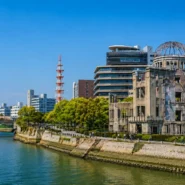
- Peace Memorial Park and Atomic Bomb Dome — Best for every first-time visitor, including travelers who do not enter the museum. Allow 60–90 minutes. The park and exterior viewing areas are free. Walk between the museum, cenotaph, Children’s Peace Monument and Dome.
- Shukkeien Garden — Best for garden lovers, photographers and anyone wanting a gentle first day. Allow 60–75 minutes. Adult admission is ¥350; an optional web ticket exists, but advance purchase rarely saves meaningful time on an ordinary weekday. It is walkable from Hiroshima Station or one short taxi ride away.
- Hiroshima Castle Grounds and Ninomaru — Best for travelers interested in Hiroshima’s pre-1945 history. Allow 45–75 minutes. The main keep’s interior closed on March 22, 2026; exterior viewing, grounds and reconstructed Ninomaru buildings remain, with the Ninomaru buildings free. Do not plan around a tower observation deck that no longer operates.
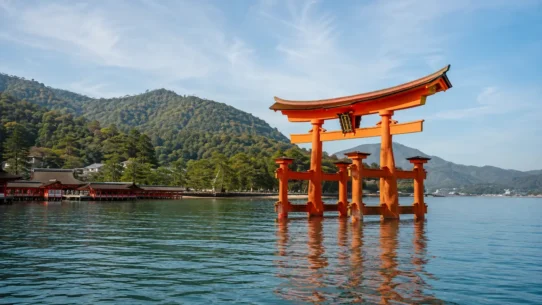
- Itsukushima Shrine — Best for architecture, cultural history and iconic scenery. Allow 45–60 minutes for the shrine, more for the island. Adult admission is ¥300, normally purchased on site. From Hiroshima Station, take JR to Miyajimaguchi and then a ferry; the ferry crossing takes roughly 10 minutes.
- Mount Misen and Miyajima Ropeway — Best for active travelers and clear-weather views. Allow 2.5–4 hours including transfers and walking. The ropeway is ¥2,000 round trip for adults; reservations are required only on designated peak dates, not every day. The summit still requires a substantial walk after the ropeway.
- Senkoji and the Onomichi Hillside — Best for atmospheric lanes, temple views and a slower Setouchi town. Allow 4–6 hours in Onomichi. The Senkoji Ropeway is ¥500 one way or ¥700 round trip for adults. Ride up and walk down; doing the reverse wastes energy.
- Yamato Museum, Kure — Best for maritime history, engineering and visitors who want context beyond Hiroshima city. Allow 2–3 hours. The renovated museum reopened on April 23, 2026; adult admission for non-Kure residents is ¥1,000. It is usually closed Tuesday, subject to holiday and seasonal exceptions.
The Most Practical 5-Day Itinerary
Day 1: Shukkeien, Hiroshima Castle Exterior and Downtown Without Arrival-Day Exhaustion
- Recommended start: 9:30 a.m. if you are already in Hiroshima, or about 60–90 minutes after your train arrives. Leave large bags at your hotel, a station locker or a delivery counter before sightseeing.
- Order: Hiroshima Station → Shukkeien Garden → Hiroshima Castle grounds and Ninomaru → Kamiyacho/Hondori → Nagarekawa or Hatchobori for dinner.
- Shukkeien stay: 60–75 minutes. Walk one complete loop rather than darting across every bridge. The garden is compact, but stone paths and small inclines make rolling luggage an especially bad idea.
- Transfer to Hiroshima Castle: Walk about 20 minutes in comfortable weather. In rain, summer heat or with limited mobility, a short taxi is a sensible use of money because it removes an unremarkable connecting walk.
- Castle stay: 45–75 minutes for the moat views, exterior, Ninomaru and surviving wartime traces. Do not budget time for entering the main keep: it closed to interior visitors on March 22, 2026. The official notice confirms that the exterior remains viewable and the Ninomaru area continues operating.
- Lunch and rest: Eat around Kamiyacho or Motomachi after the castle, where there are department-store restaurants, cafés and indoor seating. This is more reliable than hoping for a convenient lunch inside the castle grounds.
- Afternoon: Walk through Hondori shopping arcade. It is useful on a rainy or very hot day because much of the route is covered. Save okonomiyaki for dinner when you can sit without watching the clock.
- What to cut: If arriving after lunch, cut Hiroshima Castle before cutting Shukkeien. The castle exterior is attractive, but travelers expecting a major interior museum may now find it underwhelming.
- Rain alternative: Pair Shukkeien with the adjacent Hiroshima Prefectural Art Museum, then use the covered Hondori arcade. View the castle exterior only if the rain eases.
- Best evening area: Hatchobori, Nagarekawa or Hondori. These areas have more dinner choice than the immediate Peace Park surroundings and prevent an unnecessary return to Hiroshima Station between sightseeing and dinner.
- Why this beats the usual influencer route: Many itineraries force Peace Park onto arrival day, when travelers are tired and emotionally unprepared. This softer route is geographically coherent, keeps the first day flexible and avoids wasting your most crowd-sensitive early morning.
Day 2: Peace Memorial Museum First, Then the Park, Dome and Downtown
- Recommended start: Reserve a 7:30 a.m. museum entry and arrive 10–15 minutes early. This is the one early start that pays back immediately.
- Order: Peace Memorial Museum → Cenotaph → Hiroshima National Peace Memorial Hall → Children’s Peace Monument → Atomic Bomb Dome → optional Orizuru Tower → Hondori/Fukuromachi.
- Museum stay: 90–120 minutes. Do not schedule another timed activity immediately afterward. The exhibits are emotionally demanding, and the narrow flow can become slow when groups enter.
- Park and Dome stay: 75–90 minutes. Walk north in one direction from the museum through the memorial axis toward the Dome. This prevents the common mistake of bouncing back and forth across the park for photographs.
- Transport: From a Hiroshima Station hotel, use the streetcar, sightseeing loop bus or an early taxi. The tram is inexpensive, but a taxi can be excellent value for two to four people at this hour and removes waiting and crowding.
- Lunch and decompression: Walk to Hondori or Fukuromachi around 11:30 a.m. Avoid stacking an intense guided tour directly after the museum. A quiet lunch or coffee break is not wasted time here.
- Optional afternoon: Orizuru Tower is convenient beside the Dome and offers a useful elevated view, but its paid observation experience is not essential for every budget traveler. Choose it for views and architecture, not because you think it is part of the memorial park.
- What to cut: Cut Orizuru Tower first. Also skip Okonomimura at its busiest meal peak if queues are long; many excellent okonomiyaki counters exist elsewhere.
- Rain alternative: Keep the museum, National Peace Memorial Hall and Orizuru Tower. Shorten the outdoor memorial loop and return when rain softens, because the Dome deserves more than a rushed umbrella photograph.
- Best evening area: Fukuromachi, Hondori or Nagarekawa. This is a good night for Hiroshima-style okonomiyaki, but choose a nearby counter with visible turnover rather than waiting an hour for a famous name.
- Why this is more efficient: The standard rushed plan reaches the museum late morning, then fights the flow toward the Dome before racing to Miyajima. This route gives the museum the calmest slot, follows the park’s natural south-to-north line and leaves the afternoon flexible.
Day 3: Miyajima Before the Day-Trip Wave, With an Honest Mount Misen Decision
- Recommended start: Leave Hiroshima Station around 6:40–7:00 a.m.. JR to Miyajimaguchi takes about 30 minutes, followed by a short walk and roughly 10-minute ferry crossing.
- Order: Ferry → Itsukushima Shrine → waterfront and torii viewpoints → Daisho-in → Momijidani → optional ropeway and Mount Misen → late lunch and Omotesando shopping street.
- Itsukushima Shrine stay: 45–60 minutes. The shrine opens at 6:30 a.m., so an early arrival gives you quieter corridors before the large day-tour wave. Buy the standard admission ticket on site.
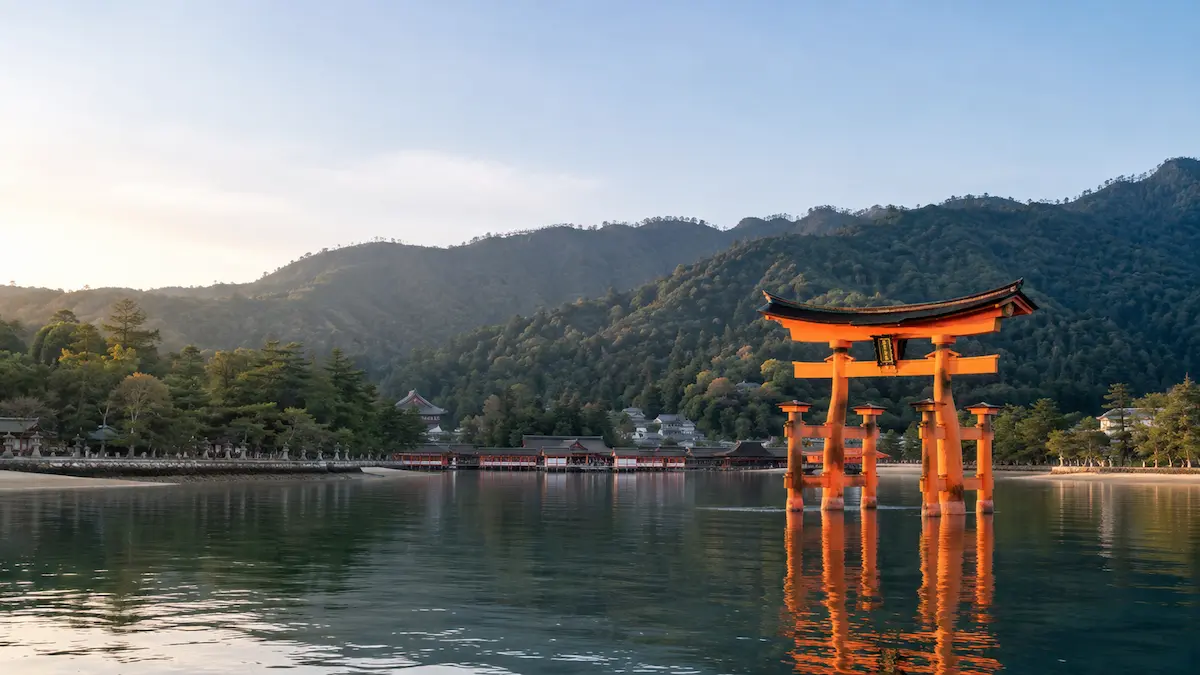
- Tide reality: High tide creates the classic floating appearance; low tide lets visitors walk closer to the torii when conditions allow. Neither is objectively “wrong.” Do not waste half a day waiting for a second tide unless photography is your main goal.
- Daisho-in stay: 45–60 minutes. It is one of the island’s best stops and often calmer than the shrine-shopping-street axis. The uphill approach is manageable but noticeable.
- Ropeway decision point: Around 10:00 a.m., check wind, cloud cover, queue length and your legs. The ropeway reaches Shishiiwa, not the summit. Add roughly another hour for a summit round trip from the upper station, and more if you stop often.
- Mount Misen stay: 2.5–4 hours from Momijidani if using the ropeway and walking to the summit. On designated peak dates, make the required web reservation. On normal dates, advance booking is not mandatory.
- Lunch and rest: If hiking, carry water and a small snack, then eat a late lunch around 1:30–2:30 p.m. near Omotesando or Machiya Street. This timing avoids the worst restaurant queue. Travelers skipping the mountain can lunch earlier and visit quieter backstreets.
- What to cut: Cut Mount Misen if the summit is clouded, the ropeway queue is severe, temperatures are extreme or anyone has knee problems. Do not cut Daisho-in merely to say you reached the summit.
- Rain alternative: Keep the shrine and Daisho-in, add the Treasure Hall or cafés, and skip Mount Misen. The ropeway can suspend for strong wind or thunderstorms, and wet summit paths are not worth forcing.
- Best evening area: Return to Hiroshima Station and eat nearby, especially after hiking. This is not the night to cross town for a complicated reservation.
- Why this is more efficient: Most day trippers shop first because the street is immediately visible, then reach the shrine and ropeway at peak crowding. This plan reverses that behavior: heritage first, shopping last, and the mountain only after a realistic conditions check.
Day 4: Onomichi From the Top Down—Ropeway First, Temple Lanes Second
- Recommended start: Leave Hiroshima around 7:30 a.m.. With a suitable JR pass, a practical route is Sanyo Shinkansen to Mihara and a local train to JR Onomichi. Without a pass, compare the faster combination with the cheaper direct/local options in a live journey planner.
- Avoid this mistake: Do not take the Shinkansen to Shin-Onomichi simply because it has “Onomichi” in the name without checking the onward transfer. Shin-Onomichi is inland and requires a bus or taxi to the old town; JR Onomichi Station is on the waterfront where you actually want to be.
- Order: JR Onomichi Station → waterfront orientation → bus, taxi or 15-minute walk to the ropeway base → one-way ropeway up → Senkoji Park and Senkoji Temple → downhill lanes and selected temple-path sections → shopping arcade → ONOMICHI U2/waterfront.
- Senkoji area stay: 60–90 minutes for viewpoints, temple grounds and photographs. The ropeway ride is short; the value is avoiding the steepest uphill start.
- Downhill walk: Allow 90–150 minutes depending on how many temples and side lanes you explore. Choose a curated section rather than trying to complete every temple marker. Cobblestones, stairs and narrow alleys make this a poor place for wheeled suitcases.
- Cat Alley warning: Treat it as an atmospheric lane, not a guaranteed cat encounter. Online content often oversells the number of cats. The real appeal is the hillside texture, small shrines, art and views.
- Lunch and rest: Eat around the central shopping arcade or waterfront between 12:30 and 1:30 p.m. Famous ramen shops can have long lines; a good nearby shop with a shorter queue is often the smarter use of a day trip.
- Afternoon: Slow down at the waterfront or ONOMICHI U2 before returning. This flat finish matters after hours of stairs.
- What to cut: Cut distant temples and the full Temple Walk before cutting the one-way ropeway and Senkoji viewpoint. Travelers with weak knees should take the ropeway round trip and explore only the upper area plus the flat waterfront.
- Rain alternative: Skip slippery hillside lanes. Use the ropeway only if operating safely, visit a current exhibition at the Onomichi City Museum of Art if open, then focus on the covered arcade, cafés and waterfront facilities. Check closure calendars because small museums often have weekday closures.
- Best evening area: Return to Hiroshima Station for dinner. Staying late in Onomichi is pleasant, but train frequency becomes more important in the evening, so check the return before ordering another drink.
- Why this is more efficient: The common route starts at the station and climbs until everyone is tired, then discovers a ropeway at the top. Riding up and walking down turns the same scenery into a controlled descent and saves the flat waterfront for recovery.
Day 5: Kure’s Yamato Museum and Real Submarine Without a Museum Marathon
- Recommended start: Take a JR Kure Line rapid service around 8:00 a.m. when available. The ride from Hiroshima Station to Kure is about 30–35 minutes on a rapid train.
- Calendar check: The Yamato Museum and nearby JMSDF Kure Museum are generally closed Tuesday, with exceptions around public holidays and specified seasonal periods. If Day 5 falls on a closure day, swap Kure and Onomichi.
- Order: Kure Station → Yamato Museum at opening → lunch near the waterfront or station → JMSDF Kure Museum → optional Irifuneyama Memorial Museum or Kure Bay ship cruise → Kure Station.
- Yamato Museum stay: 2–3 hours. The renovated museum reopened April 23, 2026. The 1:10 Yamato model is visually dominant, but the more valuable story is Kure’s shipbuilding, manufacturing and wartime history. Read beyond the centerpiece.
- JMSDF Kure Museum stay: 60–90 minutes. Admission is free, and the real decommissioned submarine is the main draw. Passageways can feel confined, so travelers with claustrophobia may prefer the standard galleries and exterior.
- Lunch and rest: Eat between the two museums or near Kure Station. Kure naval curry is a logical local choice, but “naval curry” is a category rather than one universally superior restaurant; choose by queue, opening hours and dietary needs.
- Optional afternoon: Choose one: Irifuneyama for local architecture and history, or a harbor cruise for ships and industrial scenery. Do not force both after two museums.
- What to cut: Cut the cruise first in poor weather and cut the second museum if military technology is not your interest. Kure is rewarding, but not everyone needs six hours of naval history.
- Rain alternative: This is already the strongest wet-weather day. Keep both museums, skip the harbor cruise and return earlier.
- Best evening area: Hiroshima Station’s restaurant floors or Ekie complex. You end beside your hotel and transport, which is particularly useful if packing for departure.
- Why this is more efficient: Many visitors treat Kure as a rushed half-day after Miyajima. That creates two transfers and reduces both places to headline exhibits. A dedicated rail day keeps the museums within a short walk and gives you an easy final evening.
Tourist Traps to Avoid & Itinerary Hacks
- Trap: Hiroshima and Miyajima in one “complete” day. It is physically possible, but the usual schedule places both headline sites in their busiest hours. Hack: Give Peace Park and Miyajima separate early mornings.
- Trap: Riding the streetcar from central Hiroshima all the way to Miyajimaguchi because it looks simple. It can take roughly twice as long as JR from Hiroshima Station. Hack: Use JR for the island day unless you are already far west in the city and value a no-transfer ride more than speed.
- Trap: Choosing a rail pass before calculating the actual itinerary. The Kansai–Hiroshima Area Pass can be excellent when arriving from Osaka/Kyoto and adding Onomichi or Himeji, but a traveler based only in Hiroshima may spend less on individual tickets. Hack: Add your long-distance segments first; buy the pass only when the numbers and coverage work.
- Trap: Assuming every popular attraction has QR fast-track entry. Itsukushima Shrine is usually a simple on-site ticket, and the two ropeways have their own rules. Hack: Prebook only where a timed slot or e-ticket changes the experience.
- Trap: Treating the Peace Memorial Museum as a 45-minute checklist stop. The subject matter, crowd flow and exhibit density make that unrealistic. Hack: Allow two hours and leave a buffer afterward.
- Trap: Believing “skip the line” means no waiting at any time. The Klook museum ticket specifically notes that skip-the-line benefits apply to particular early/evening periods and daytime visitors may still wait. Hack: Book 7:30 a.m. rather than relying on marketing language.
- Trap: Planning to enter Hiroshima Castle’s keep using an old blog. Interior access ended March 22, 2026. Hack: visit for the exterior, moat, Ninomaru and historical landscape, then move on.
- Trap: Climbing Onomichi first and using the ropeway down. You spend energy on the least rewarding direction and still face uneven descents later. Hack: ride up, descend slowly and finish on the flat waterfront.
- Trap: Dragging luggage to Miyajima or through Onomichi’s slopes. Ferry terminals and hillside alleys magnify every kilogram. Hack: forward the large bag, store it at Hiroshima Station or leave it at your hotel.
- Trap: Waiting in a famous okonomiyaki or ramen queue merely because it appears in every video. The dish may be excellent, but an hour-long wait can erase the benefit. Hack: use the visible queue as a decision point and keep two nearby alternatives saved.
- Trap: Expecting deer to behave like photo props. Miyajima’s deer are wild animals. Hack: secure paper maps, tickets and food, and do not feed or touch them.
- Trap: Scheduling Mount Misen as a fixed obligation. Wind, cloud, heat, queues and knees matter more than your spreadsheet. Hack: make the final decision on the island and enjoy Daisho-in without regret if you skip it.
- Trap: Visiting on August 6 without understanding the context. The annual Peace Memorial Ceremony brings security controls, solemn observances and major crowds. Hack: attend respectfully if that is your purpose; otherwise move your standard museum sightseeing to another date.
Save Your Legs! The Most Efficient Route
The core principle is to divide this Hiroshima itinerary into central Hiroshima, western Hiroshima/Miyajima, eastern Hiroshima/Onomichi and southeastern Hiroshima/Kure. Each day should move in one direction. Inside the city, Shukkeien and Hiroshima Castle form a northern-central cluster; Peace Park, the Atomic Bomb Dome, Hondori and Fukuromachi form a western-downtown cluster. Do not return to Hiroshima Station between these sights. Walk the useful connections and eat in the district where you finish.
On Day 1, walking from Shukkeien to Hiroshima Castle is reasonable in mild weather. From the castle, continue south toward Kamiyacho and Hondori. On Day 2, the museum, cenotaph, memorials and Dome are designed for a continuous walk. A streetcar is useful for reaching or leaving the cluster, but it is unnecessary between the individual memorial sites.
For Miyajima, JR plus ferry is usually the efficient default from Hiroshima Station. The official shrine access guide estimates about 30 minutes by JR to Miyajimaguchi and about 10 minutes by ferry. The streetcar to Hiroden-Miyajimaguchi is slower but can make sense for travelers staying near a convenient western tram stop who dislike transfers. On the island, walk the shrine–Daisho-in–Momijidani corridor. Use the ropeway as an energy tool, not a trophy.
For Onomichi, use JR and avoid blindly selecting Shin-Onomichi. The waterfront JR Onomichi Station is the practical sightseeing gateway. From the station, walking to the ropeway base takes about 15 minutes; a local bus or short taxi saves energy before the hillside descent. A taxi is especially rational for two to four people, in heavy rain, with elderly family members, or when a 10-minute ride prevents a missed train. Paying a little to remove a low-value uphill connection is often smarter than paying for another attraction later.
For Kure, the JR Kure Line is straightforward and the main museums are a short walk from Kure Station. Buses and trams in central Hiroshima can become crowded at commuter hours, while street traffic slows buses and taxis. JR trains are less affected by road congestion but can also be busy around weekday peaks. Avoid carrying large bags on any of them.
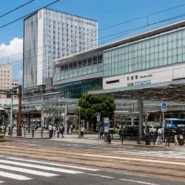
The best accommodation choice for this exact itinerary is near Hiroshima Station, preferably the south side or an easy walk from the main concourse. Three days begin with JR, and the station has extensive food and luggage services. Hatchobori or Kamiyacho is better for nightlife and the Peace Park, but it adds a tram or taxi transfer on every day trip. A practical compromise is a hotel between Hiroshima Station and Hatchobori, provided it has an easy tram connection and will hold bags.
Do not commute back to Hiroshima Station in the middle of a central-city day. Start there only when the railway is genuinely required. On Day 1, finish downtown. On Day 2, stay around Hondori for lunch and dinner. On Days 3–5, the station naturally becomes the transport hub, so a nearby hotel finally pays off.
With large luggage, use your hotel, lockers or a delivery service. Hiroshima’s official tourism site lists Crosta Hiroshima inside JR Hiroshima Station, with storage from ¥800 for normal pieces and ¥1,000 for large pieces, plus same-day delivery to participating Hiroshima hotels for ¥1,500 when accepted by 2:00 p.m. It also lists Tours Hiroshima near the station, with storage and city-hotel delivery services. Check current conditions on the official luggage service page. If staying overnight on Miyajima, forward the main suitcase to your next city and take only a small overnight bag.
Ticket Tips & Skip-the-Line Hacks
Book the Hiroshima Peace Memorial Museum first. Current published hours are generally 7:30 a.m.–7:00 p.m., extended to 8:00 p.m. in August and shortened to 6:00 p.m. from December through February, with last admission 30 minutes before closing. Advance reservations are required for the first hour and last 90 minutes, and online reservations are required all day from August 8–16, 2026. Check the official museum website for your date. A real Klook purchase page is available here: Hiroshima Peace Memorial Museum ticket on Klook. Its own product notes make clear that daytime entry may still involve waiting, so the 7:30 a.m. slot is the meaningful line-saving move.
Itsukushima Shrine normally does not need advance booking. It opens at 6:30 a.m. most days and adult admission is ¥300. Buy the shrine ticket on site; there is no reason to invent a “fast pass” for a straightforward shrine entrance. Check seasonal closing times and current fees on the official Itsukushima Shrine admission page.
Miyajima Ropeway reservations are date-specific, not universal. Standard operating hours are typically 9:00 a.m.–4:00 p.m. uphill, with the final downhill departure at 4:30 p.m. Adult round-trip fare is ¥2,000. The operator designates certain peak dates when advance web reservations are required. Check the day’s operating notice, maintenance and reservation status on the official Miyajima Ropeway website. Strong wind, thunder or maintenance can suspend service.
Shukkeien offers a web ticket, but most visitors do not need it. Ordinary admission is quick and inexpensive. Buying online can be convenient for a special illumination or peak event, but it is unlikely to transform a normal morning. The official site lists adult admission at ¥350 and seasonal closing times on its visitor information page.
Hiroshima Castle does not require a tower ticket in 2026 because the keep is closed. Exterior viewing remains available; the reconstructed Ninomaru buildings are free. Confirm current events and opening details on the official castle website. Any third-party page still selling the idea of an interior castle observation experience should be treated as outdated.
Senkoji Ropeway tickets are normally bought on site. Adult fares are ¥500 one way and ¥700 round trip. Advance purchase is usually unnecessary; the efficient decision is one-way up, not a complicated ticket bundle. Check current service on the official fare page.
Yamato Museum has a genuine official e-ticket option. The museum reopened after renovation on April 23, 2026, is generally open 9:00 a.m.–6:00 p.m. with last admission at 5:30 p.m., and normally closes Tuesday outside listed exceptions. An e-ticket is useful on weekends and holidays, but a weekday opening-time visit may not require advance purchase. Use the purchase link from the official Yamato Museum page rather than an unverified reseller.
Free attractions need no ticket: Peace Memorial Park, exterior viewing of the Atomic Bomb Dome, the Hiroshima Castle exterior and grounds, and the JMSDF Kure Museum. The island ferries generally operate as transport rather than reserved sightseeing experiences for ordinary passengers; buy or tap as directed at the terminal.
Reserve experiences, not ordinary entrances. Popular kimono rental slots on Miyajima, private guides, cooking classes, seasonal cruises and some cultural activities can sell out. Book those because staffing and inventory are limited. A standard shrine visit or a normal streetcar ride does not need weeks of preparation.
Use Klook or KKday only when the product solves a real problem. The Klook Pass Hiroshima can combine the Peace Museum with selectable attractions, but compare its current inclusions with what you truly plan to visit. The 5-Day JR Kansai–Hiroshima Area Pass is strongest for travelers arriving from Kansai and using several long-distance JR segments; it is not automatically the cheapest choice for five nights based only in Hiroshima. Travelers who prefer a guided, low-navigation day can review this verified KKday Hiroshima and Miyajima UNESCO guided bus tour, but understand the trade-off: convenience comes with a fixed pace and less control over crowd timing.
Tried & Tested: My Honest Review
The reviews below are an editorial route-planning verdict based on current operating information and recurring traveler feedback. Video URLs are placed on their own lines for WordPress auto-embedding. YouTube availability and embedding permissions can change after publication.
📍 Stop 1: Hiroshima Peace Memorial Museum
Tags: Essential context · Emotionally intense · Best at 7:30 a.m. · Timed ticket recommended
This is the one place I would not compress merely to protect a packed schedule. The museum’s value is not spectacle; it is the accumulation of personal objects, testimony, chronology and consequences. The low admission price can mislead visitors into treating it as a quick municipal museum. It is not.
✅ What Other Travelers Say
Recurring feedback describes the museum as deeply moving, difficult and essential. Visitors often appreciate the clear narrative but report that crowd density can make the exhibit route feel slow and emotionally claustrophobic.
⚠️ The Catch (Things to Keep in Mind)
Midday queues and dense indoor flow can undermine the experience. Graphic and distressing material may be unsuitable for some children or travelers managing trauma. Give yourself quiet time afterward, and do not treat the gift shop exit as the end of the subject.
📍 Stop 2: Peace Memorial Park and the Atomic Bomb Dome
Tags: Free · Outdoor memorial landscape · Best early or late · Allow time for reflection
The Dome is visually recognizable, but the park makes more sense when approached as a connected memorial landscape. Start at the museum and walk north through the cenotaph and monuments. Photographing only the Dome without reading the surrounding context reduces a profound place to a landmark selfie.
✅ What Other Travelers Say
Travelers repeatedly value the park’s calm atmosphere at dawn and around sunset. Many find the spatial alignment from the museum through the cenotaph to the Dome one of the most memorable elements.
⚠️ The Catch (Things to Keep in Mind)
There is little shade in parts of the park, summer heat can be severe, and August 6 is not a normal sightseeing day. Be respectful around ceremonies and memorial activities. The Dome is viewed from outside the protective boundary; there is no interior tour.
📍 Stop 3: Shukkeien Garden
Tags: Compact garden · Gentle first day · Seasonal scenery · Uneven paths
Shukkeien is one of the easiest places to underestimate. It is not Japan’s grandest garden, but its compact scale is exactly why it works after a long train ride. The miniature-landscape design creates frequent changes in view without demanding half a day.
✅ What Other Travelers Say
Visitors often call it peaceful, photogenic and surprisingly substantial for its size. It receives less international hype than Miyajima, which helps it feel like a genuine pause rather than another crowd-management exercise.
⚠️ The Catch (Things to Keep in Mind)
Some paths, bridges and stones are awkward for wheelchairs, strollers or unstable knees. It is less impressive in harsh midday light, and visitors expecting a huge Kyoto-style garden circuit may find it modest. One focused loop is enough.
📍 Stop 4: Hiroshima Castle Grounds and Ninomaru
Tags: Exterior only in 2026 · Free Ninomaru · Prewar history · Old guides are outdated
Hiroshima Castle still adds important historical balance to a first visit, but its value has changed. The reconstructed keep is now an exterior landmark rather than an interior museum. Come for the moat, grounds, Ninomaru and the story of the castle town—not for a tower view.
✅ What Other Travelers Say
Visitors enjoy the photogenic moat, cherry-blossom season and quieter grounds. The Ninomaru buildings offer a more tangible architectural experience than a quick exterior photograph alone.
⚠️ The Catch (Things to Keep in Mind)
The main keep closed to interior visitors on March 22, 2026. Any review praising the old interior exhibition or top-floor view describes a past experience. Travelers with limited time may reasonably skip the castle after viewing it from the grounds.
📍 Stop 5: Itsukushima Shrine
Tags: UNESCO World Heritage · Tidal scenery · On-site ticket · Go before tour groups
Itsukushima Shrine deserves its fame, but not every photograph tells the same story. At high tide, the vermilion corridors appear to float; at low tide, the relationship between architecture and tidal flat becomes visible. The best visit is not necessarily the tide Instagram chose—it is the one with enough space to notice the structure.
✅ What Other Travelers Say
Travelers praise the approach by ferry, the changing tide and the shrine’s setting against the wooded island. Early visitors consistently report a calmer, more contemplative experience.
⚠️ The Catch (Things to Keep in Mind)
The corridor can bottleneck, particularly when groups stop for photos. The famous “floating” effect disappears at low tide, which disappoints visitors who never checked a tide chart. High heels are a poor choice because gaps in the floorboards can catch narrow heels.
📍 Stop 6: Mount Misen and Miyajima Ropeway
Tags: Clear-weather payoff · Not a shortcut to the summit · Peak-date reservations · Knee test
The ropeway is scenic and removes a major part of the climb, but it does not deliver you to Mount Misen’s summit. The final walking section surprises underprepared visitors. On a clear, mild day it can be the highlight of Miyajima; in cloud, heat or high wind it can become an expensive endurance test.
✅ What Other Travelers Say
Visitors love the Seto Inland Sea views and the sense of scale above the island. Many also say the summit walk is more demanding than expected, particularly after a full morning around the shrine.
⚠️ The Catch (Things to Keep in Mind)
Queues can build, service can suspend in bad weather, and designated peak dates require reservations. The circular ropeway section is not accessible to strollers and wheelchairs, and the system has no elevators. Skip without guilt when conditions are poor.
📍 Stop 7: Senkoji and the Onomichi Temple Lanes
Tags: Ride up, walk down · Hillside atmosphere · Stairs and slopes · Cats not guaranteed
Onomichi is less about one major monument and more about the transitions between sea, railway, roofs, temples and alleys. That subtlety is why racing through every temple marker fails. The best route uses the ropeway to remove the initial climb, then lets the town unfold downhill.
✅ What Other Travelers Say
Travelers love the layered views, retro shopping streets, small cafés and cinematic atmosphere. The one-way ropeway strategy is often praised by those who planned it correctly.
⚠️ The Catch (Things to Keep in Mind)
Stairs are unavoidable on the classic hillside route, summer humidity is punishing, and wet stone can be slippery. “Cat Alley” is frequently overmarketed; you may see few or no cats. Go for the lane itself, not an animal guarantee.
📍 Stop 8: Yamato Museum in Kure
Tags: Reopened April 2026 · Maritime engineering · Strong rainy-day stop · Usually closed Tuesday
The 1:10 Yamato model is the visual hook, but treating the museum only as a giant-warship display misses the more interesting material: Kure’s industrial development, shipbuilding skill, labor and the human cost of war. The 2026 renewal makes old reviews and floor descriptions unreliable.
✅ What Other Travelers Say
Visitors interested in engineering and maritime history praise the scale model and technical displays. Pairing it with the free JMSDF submarine museum creates a fuller day than either attraction alone.
⚠️ The Catch (Things to Keep in Mind)
Travelers uninterested in ships may experience museum fatigue. Military-history presentation should be approached critically and in the wider context of Hiroshima’s peace sites. Check the Tuesday closure calendar before leaving Hiroshima.
Key FAQs
Is five days in Hiroshima too long for first-time visitors?
No, provided “Hiroshima” means the wider region rather than five full days inside the city center. Two city days plus Miyajima, Onomichi and Kure create a balanced itinerary with memorial history, sacred architecture, landscape, a port town and maritime industry. Travelers interested only in the headline sights can reduce the trip to three days by dropping Onomichi and Kure.
What is the best area to stay in Hiroshima for a five-day itinerary with Miyajima and Onomichi?
Near Hiroshima Station is the most efficient base for this route because Miyajima, Onomichi and Kure all use JR. Hatchobori and Kamiyacho are better for nightlife and walking to central sights, but they add a connection on each day trip. A station hotel also makes luggage storage and departure day easier.
Do I need a JR Pass for a Hiroshima 5-day itinerary?
Not automatically. A regional pass can save substantial money if you travel from Kansai to Hiroshima and use additional covered Shinkansen or JR trips. If you fly into Hiroshima, stay in one hotel and make only the day trips listed here, compare individual fares against the pass price first. Do not buy a pass because five days sounds like it should match a five-day product.
Final Verdict and Your Next Step
The smartest first-time Hiroshima route is not the one with the longest attraction list. It is the one that protects the quiet early hours at the Peace Museum and Itsukushima Shrine, keeps each day in one geographic direction, and gives you permission to skip Mount Misen, a castle interior that no longer exists, or a famous restaurant queue when the real conditions are poor.
Lock in only the reservations that can genuinely derail the trip. Start with the Hiroshima Peace Memorial Museum ticket. Then check whether the Klook Pass Hiroshima matches the attractions you will actually use. Travelers arriving from Osaka or Kyoto should calculate the value of the 5-Day JR Kansai–Hiroshima Area Pass rather than assuming it is necessary. For a fixed, guided day that removes navigation work, compare the itinerary and pace of this KKday Hiroshima and Miyajima tour.
Finally, recheck the Peace Museum reservation policy, Miyajima Ropeway operating notice, Yamato Museum closure calendar and weather 48–72 hours before each relevant day. A flexible plan with verified tickets will save more time than any “perfect” schedule copied months in advance.