


💡 Key Takeaways
- The most workable 3-day Nagoya itinerary is not a greatest-hits checklist. It is two directional city days plus one properly paced Inuyama day trip.
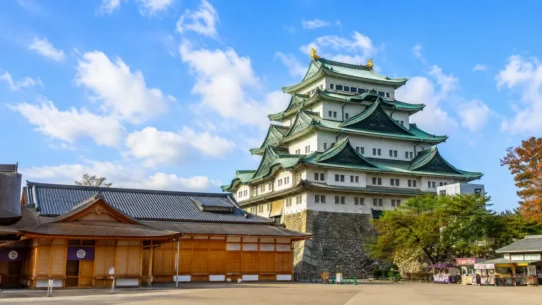
- Do not plan to enter Nagoya Castle’s Main Tower Keep. It remains closed; the worthwhile interior is Hommaru Palace.
- Visit Osu after about 11:00, not at breakfast time. The streets are open earlier, but many shops and food counters are not.
- Ghibli Park, LEGOLAND, the Port of Nagoya Public Aquarium and SCMAGLEV and Railway Park are each major time commitments. Adding one casually can break this route.
- Buy useful e-tickets before departure, but do not confuse a QR voucher with a magical skip-the-line pass. Narrow castle stairs, security checks and crowd controls still apply.
Most first-time visitors do not struggle because Nagoya lacks things to do. They struggle because the city looks deceptively compact on a map. A museum near Nagoya Station, a shrine in the south, a theme park in the east and a castle north of the city can all appear to belong in one neat day. They do not. The result is usually too many transfers, lunch at the wrong time, an attraction reached just before last admission, and a lot of walking through stations rather than sightseeing.
This 3-day Nagoya itinerary fixes that problem by treating geography, opening hours, shop rhythms, crowd patterns and energy levels as real constraints. Day 1 moves through Nagoya’s western manufacturing heritage toward the castle district. Day 2 travels from Atsuta in the south through Osu to Sakae. Day 3 gives Inuyama enough time to be enjoyable instead of turning it into a rushed photo stop.
Information check: Core hours, admission rules and ticket products in this guide were checked on August 5, 2026. Hours, closure days, event pricing and redemption rules can change, so always recheck the linked official pages before travel.
The 1-Minute Cheat Sheet
- Toyota Commemorative Museum of Industry and Technology
Best for curious adults, engineering fans, families with school-age children and anyone who thinks this is only a car museum.
Suggested stay: 2 to 2.5 hours.
Admission: Adult admission is currently ¥1,000; concessions are available.
Nearest transport: Sako Station on Meitetsu, the Me~guru sightseeing bus, or a roughly 20- to 25-minute walk from Nagoya Station depending on your exit and pace.
Reservation: Usually unnecessary for individual visitors; group rules differ.
Best time: Be at the entrance for the 9:30 opening.
Biggest catch: Live demonstrations and two substantial exhibition areas make a one-hour visit unrealistic. It is also closed on Mondays, or Tuesday when Monday is a holiday. Check the official museum calendar. - Nagoya Castle and Hommaru Palace
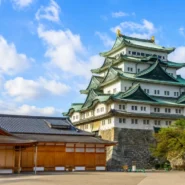
Best for first-time visitors, architecture lovers and travelers interested in Tokugawa history.
Suggested stay: 1.5 to 2 hours.
Admission: Adult admission is ¥500 through September 30, 2026 and rises to ¥1,000 on October 1, 2026. Junior-high students and younger are free under the published rules.
Nearest transport: Nagoyajo Seimon-mae bus stop or Nagoyajo Station on the Meijo subway line, followed by a walk to the gate.
Reservation: Not normally required for standard daytime admission.
Best time: 14:00 on this route, after the morning museum crowds have spread out, while leaving enough time for Hommaru Palace before its final entry.
Biggest catch: The Main Tower Keep cannot be entered. Last admission comes earlier than many travelers expect. Verify the official visitor information and the October 2026 price change. - Atsuta Jingu and the Osu District
Best for culture, local food, low-cost sightseeing and travelers who want a mix of calm and street life.
Suggested stay: 1 to 1.5 hours at Atsuta Jingu and 2.5 to 3 hours in Osu, including lunch.
Admission: The main shrine grounds are free; museum facilities are separately charged. Osu’s streets and Osu Kannon are free to enter.
Nearest transport: Jingumae Station, Atsuta Station or Atsuta Jingu Nishi for the shrine; Kamimaezu or Osu Kannon Station for Osu.
Reservation: No reservation for the shrine or shopping streets. Famous hitsumabushi restaurants may require a separate strategy and can consume a large part of the day.
Best time: Atsuta around 8:00; Osu from about 11:00 onward.
Biggest catch: Arriving in Osu too early produces shuttered storefronts. Arriving at a famous eel restaurant at peak lunch without a plan can produce a very long wait. - Sakae, Oasis 21 and Chubu Electric Power MIRAI TOWER
Best for city views, evening atmosphere, shopping, architecture and an easy final stop after Osu.
Suggested stay: 2.5 to 4 hours, depending on shopping and whether you visit the observation deck.
Admission: Oasis 21’s rooftop is free. MIRAI TOWER’s standard adult observation-deck price is ¥1,300, but seasonal night events may use different hours and pricing.
Nearest transport: Sakae Station or Hisaya-odori Station.
Reservation: Usually unnecessary for a normal daytime visit; event nights may work differently.
Best time: Late afternoon through blue hour.
Biggest catch: Seasonal projection events can split daytime and nighttime sessions, create a closed gap between sessions, and invalidate some pass access at night. Check the official fee and hours page. - Inuyama Castle and Castle Town
Best for travelers who want an original wooden castle, traditional streets and a satisfying day trip without changing hotels.
Suggested stay: 5 to 6 hours in Inuyama, including lunch.
Admission: Adult admission is currently ¥1,000; children under 14 are ¥200 under the published tariff.
Nearest transport: Meitetsu express from Meitetsu Nagoya to Inuyama or Inuyama-Yuen, then walk.
Reservation: Standard castle admission normally does not require a timed reservation, but transport bundles may require voucher exchange.
Best time: Enter the castle at 9:00, then explore the town after shops begin opening.
Biggest catch: The interior stairs are steep, narrow and polished. Entry may be controlled during crowd peaks, and the climb is unsuitable for large luggage, strollers and many visitors with limited mobility. Check the official castle information.
Tourist Traps to Avoid & Itinerary Hacks
- Trap: Treating Ghibli Park like a quick suburban add-on. It is in Nagakute, requires advance reservations for park tickets, and deserves most of a day. Do not attach it to Atsuta, Osu or Inuyama. Replace Day 3 with Ghibli Park only when it is your highest priority. Confirm the current system on the official overseas ticket page.
- Trap: Pairing Nagoya Castle and Inuyama Castle because both are castles. They sit on different transport systems and provide different experiences. Combining them wastes time and makes Inuyama feel like a rushed second act.
- Trap: Scheduling Osu at 8:30. Osu Kannon can be visited early, but much of the commercial district wakes up later. Use the quiet morning for Atsuta Jingu and reach Osu around 11:00.
- Trap: Expecting to climb Nagoya Castle’s Main Tower Keep. The tower remains closed. The honest reason to pay is Hommaru Palace, the grounds, reconstructed architecture and historical context—not a city view from the keep.
- Trap: Letting one famous hitsumabushi restaurant control Day 2. Atsuta Houraiken is famous for a reason, but walk-in procedures, closures and waits can change. Choose it only when the meal is a priority. Otherwise, eat hitsumabushi in Sakae or around Nagoya Station at an off-peak time.
- Trap: Combining the Port of Nagoya Public Aquarium with LEGOLAND or SCMAGLEV because all three feel like “port attractions.” The aquarium uses the Meiko subway corridor. LEGOLAND and SCMAGLEV use the Aonami Line to Kinjo-futo. Moving between the corridors is not a quick waterfront hop.
- Trap: Using buses for every city transfer. Buses are useful when they provide a direct link, but traffic and unfamiliar stops add friction. Prefer rail and subway for the long move, then walk or take one strategic taxi for the awkward final connection.
- Hack: Use a short taxi on Day 1. Splitting a taxi from Noritake Garden to Nagoya Castle can be a better value than spending time on an indirect transfer, particularly for two to four travelers, older visitors or families.
- Hack: Do not automatically buy a nationwide rail pass. This itinerary mainly uses Nagoya subway, city buses and Meitetsu. A local day ticket, IC card or targeted attraction pass is usually more relevant.
- Hack: Treat Monday as a planning hazard. The Toyota museum and several cultural facilities commonly close on Monday or shift closure after a public holiday. Swap Days 1 and 2 when necessary rather than forcing a closed-door itinerary.
The Perfect 3-Day Itinerary at a Glance
Day 1: Western Nagoya Craftsmanship, Noritake and Nagoya Castle
Suggested start: Leave your hotel around 8:50 and be at the Toyota museum before its 9:30 opening.
Main order: Toyota Commemorative Museum of Industry and Technology → Noritake Garden and lunch → Nagoya Castle and Hommaru Palace → optional Endoji or Nagoya Station dinner.
Between stops: Take Meitetsu one stop from Nagoya to Sako, use the Me~guru bus when its timetable fits, or walk from Nagoya Station. Walk roughly 10 to 15 minutes between the Toyota museum and Noritake area. From Noritake to Nagoya Castle, use a short taxi for the least friction; budget travelers can use public transport, but should allow extra transfer time.
Walking and effort: Approximately 9,000 to 12,000 steps, mostly flat. The museum involves long periods on your feet. Nagoya Castle has broad outdoor grounds and a walk between the gate and Hommaru Palace.
Lunch strategy: Eat between 12:00 and 13:15 at Noritake Garden, the adjacent mall or a nearby café. Do not postpone lunch until inside the castle grounds unless you have checked current restaurant hours.
Easiest stop to cut: Noritake’s paid Craft Center and Museum. Keep a short garden-and-lunch stop if you need rest, then continue to the castle.
Rain or low-energy alternative: Spend longer at the Toyota museum, have lunch at the Noritake complex and take taxis for both outdoor transfers. At Nagoya Castle, prioritize Hommaru Palace and skip a full circuit of the grounds.
Why this order works: The Toyota museum has a hard opening time and substantial indoor content, so it belongs first. Noritake is naturally next door and provides a seated lunch break. The castle comes later without forcing a return toward Nagoya Station. Many online itineraries reverse these stops, then lose time waiting for the museum to open or reaching Hommaru Palace too late.
Day 2: Atsuta to Osu to Sakae — A South-to-Centre Food and Neighbourhood Route
Suggested start: Reach Atsuta Jingu around 8:00. The shrine grounds are open around the clock, while paid museum facilities have limited daytime hours.
Main order: Atsuta Jingu → optional Shirotori Garden or an early coffee break → Osu Kannon → Osu Shopping District and lunch → Sakae → Oasis 21 → MIRAI TOWER around sunset or after dark.
Between stops: Use the Meijo subway line from the Atsuta area toward Kamimaezu for Osu. From Osu to Sakae, walk when the weather is comfortable or take the subway to save energy. Once in Sakae, Oasis 21, Hisaya-odori Park and MIRAI TOWER are best explored on foot.
Walking and effort: Approximately 8,000 to 11,000 steps. Mostly flat, but Osu’s shopping arcades encourage more wandering than the map suggests.
Lunch strategy: Start eating between 11:15 and 11:45 before the busiest lunch period. Build lunch around one full meal plus one or two snacks rather than trying every viral food stall. For hitsumabushi, choose a restaurant with a practical queue or reservation process instead of crossing the city for one famous branch.
Easiest stop to cut: The MIRAI TOWER observation deck. Oasis 21 and Hisaya-odori Park still provide a good evening atmosphere for free.
Rain or low-energy alternative: Shorten the shrine grounds, use the subway between every district and spend more time inside Osu’s covered arcades, department stores and Oasis 21. Save the observation deck for a clear evening.
Why this order works: Atsuta is peaceful early, while Osu is disappointing too early. Sakae stays active into the evening. The route follows one broad northbound direction rather than bouncing between commercial districts.
Day 3: Inuyama Castle, Castle Town and a Slower Final Afternoon
Suggested start: Board a Meitetsu express from Meitetsu Nagoya at about 8:00. Aim to reach the castle entrance close to 9:00.
Main order: Inuyama or Inuyama-Yuen Station → Inuyama Castle at opening → Sanko Inari Shrine → old castle town streets → early lunch → optional Urakuen garden or riverside walk → return to Nagoya by mid- or late afternoon.
Between stops: Use Meitetsu from Nagoya. In Inuyama, walk. The town is compact enough that local buses usually add more waiting than value for this route.
Walking and effort: Approximately 7,000 to 10,000 steps. The total distance is moderate, but the castle’s steep wooden stairs raise the difficulty. Use both hands, keep your bag compact and wear secure shoes.
Lunch strategy: Visit the castle before the town fills, then eat after 11:00 when more shops are open. A proper sit-down lunch is usually better than spending the entire afternoon queueing for photogenic skewers.
Easiest stop to cut: Urakuen or the longer riverside extension. The essential day is the castle, Sanko Inari and the town.
Rain or low-energy alternative: Replace Inuyama with the indoor-heavy SCMAGLEV and Railway Park at Kinjo-futo. It opens at 10:00 and normally closes on Tuesdays; when Tuesday is a national holiday, it opens Tuesday and closes the following day. It is directly reached on the Aonami Line from Nagoya. Check the official visitor information. Do not attempt Inuyama Castle’s steep polished stairs in poor conditions merely to preserve the plan.
Why this order works: Castle entry first avoids the narrowest-space crowd problem. Castle Town comes second because shops open later. Returning to Nagoya before evening leaves margin for luggage collection, shopping, a relaxed dinner or an onward train.
Save Your Legs! The Most Efficient Route
The route is built around three geographic sweeps. Day 1 stays west and north of central Nagoya. Day 2 begins south and moves toward the city’s main evening district. Day 3 uses one private railway corridor north to Inuyama. That is more efficient than organising days by attraction type—for example, “two castles in one day” or “all museums in one day”—because attractions with similar themes are not necessarily near each other.
The best same-day pairings are Toyota Commemorative Museum plus Noritake Garden, Atsuta Jingu plus Osu, and Osu plus Sakae. Toyota and Noritake are genuinely close. Atsuta and Osu share a practical northbound subway direction. Osu and Sakae are close enough to walk in good weather, yet connected by rail when your legs are finished.
The misleading pairings are Nagoya Castle plus Inuyama Castle, Ghibli Park plus central Nagoya, and the Port of Nagoya Public Aquarium plus Kinjo-futo attractions. Nagoya Castle and Inuyama use different networks and each deserves unhurried time. Ghibli Park sits well outside the central grid and has reservation constraints. The aquarium and Kinjo-futo are on separate transport corridors even though both are associated with Nagoya’s waterfront.
Use trains and subway for the long moves. Meitetsu is the correct tool for Sako, Atsuta’s Jingumae access, the airport and Inuyama. The Meijo subway line is useful for Atsuta, Kamimaezu, Sakae and Nagoya Castle. Use buses only when they provide a clearly direct ride and the wait is reasonable. Use one strategic taxi rather than three awkward transfers when traveling as a small group, with children, with older family members or in extreme heat.
Walking warnings: Inuyama Castle has very steep interior stairs and limited room to pass. Nagoya Castle requires more outdoor walking than visitors expect because the gate, grounds and Hommaru Palace are separated. Osu is flat but deceptively tiring because browsing multiplies distance. Large Nagoya Station has long underground corridors, multiple railway companies and confusing exits; build ten extra minutes into any transfer involving JR Nagoya and Meitetsu Nagoya.
Strollers and large luggage: Do not take a large suitcase into Inuyama Castle or drag it around Osu. Stone, thresholds, narrow passages, crowds and station stairs turn a manageable route into an exhausting one. Strollers work better in the wide city districts than inside historical buildings; at Inuyama, expect to park or carry them where permitted and never assume step-free access to the tower.
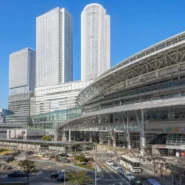
Where to stay: Nagoya Station is best for Shinkansen travelers, airport access, Inuyama departures and a short arrival or departure day. Its downside is a businesslike atmosphere and a large station that takes time to learn. Sakae is best for restaurants, nightlife, shopping and an easy Day 2 evening, but it adds a subway transfer for Shinkansen and Inuyama. Fushimi is the compromise: quieter than Sakae, centrally positioned and useful for travelers who value balanced access over immediate nightlife. Staying beside Atsuta or the port saves little on this particular route.
Arrival-day luggage: Leave bags at your hotel before check-in whenever possible. At Nagoya Station, use a station locker only after noting the exact railway, gate, floor and locker number; “Nagoya Station locker” is not precise enough when you return tired. For Sakae, the Oasis 21 i Center publishes a hands-free luggage counter with storage and delivery service. Check current hours and capacity on the official tourist information page.
Departure-day luggage: Ask your hotel about same-day storage or takkyubin forwarding before checkout. When flying from Chubu Centrair, travel to the airport with your luggage rather than trying to sightsee at Atsuta en route unless your flight is late and your baggage plan is confirmed. The Meitetsu airport connection is direct, but Meitetsu Nagoya’s platforms and ticket rules deserve unhurried time.
Ticket Tips & Skip-the-Line Hacks
First rule: check official hours, closure days and reservation rules again before departure. This matters especially for Monday closures, holiday substitutions, seasonal night events, maintenance closures and the October 1, 2026 Nagoya Castle price change.
Book before travel: Ghibli Park is the clearest advance-booking case, even though it is not part of this core route. For the itinerary itself, a Nagoya Castle e-ticket, a city attraction pass or an Inuyama transport bundle can reduce ticket-counter friction. However, compare the included attractions with your real plan. A pass is not a saving when it pushes you to add unwanted stops.
Useful QR-code option: KKday’s NAGOYA Sightseeing Pass currently advertises a two-day pass covering ten participating facilities, including Nagoya Castle and MIRAI TOWER, with one QR code per traveler and direct scanning at participating entrances. It also has blackout dates and limits for certain facilities and nighttime sessions. Read the conditions before buying: Check the NAGOYA Sightseeing Pass on KKday.
Simple Nagoya Castle e-ticket: Travelers following this exact route may prefer a standalone castle ticket rather than a multi-attraction pass. The following product page was verified as a live Nagoya Castle admission listing: Buy a Nagoya Castle ticket on Klook. An e-ticket may save the purchase step, but it does not open the closed Main Tower Keep or bypass capacity management inside Hommaru Palace.
Inuyama ticket warning: Inuyama bundles can be convenient because they combine Meitetsu transport, castle admission and town coupons. Some products still require you to exchange the voucher for physical tickets. That is not true “scan and enter” access. Read the redemption point and operating hours before purchase: View the Inuyama Castle Town train bundle on Klook or compare the Inuyama Castle Town package on KKday.
Tickets that are normally fine on site: Individual admission to the Toyota museum is generally straightforward outside special events and group periods. Atsuta Jingu’s main grounds and Osu are free. Inuyama Castle admission can usually be bought on site, although queues and controlled entry still happen at peak periods.
There is no genuine skip-the-line service for everything. No ticket can bypass Inuyama Castle’s narrow stair bottleneck. A QR code does not eliminate security, admission checks or weather-related restrictions. Free districts such as Atsuta and Osu have no ticket line to skip. MIRAI TOWER event sessions may have separate rules. Be suspicious of any reseller wording that implies universal priority access.
Airport e-ticket: For a smoother arrival or departure, KKday currently lists a Meitetsu Airport Express electronic ticket with QR gate instructions. The ordinary-car product does not automatically include the reserved-seat μ-ticket, so read the inclusions: Check the Meitetsu airport train e-ticket on KKday.
Tried & Tested: My Honest Review
Editorial note: The verdicts below are based on current official operating information, route testing and recurring traveler feedback. They are not sponsored attraction descriptions and do not pretend that every traveler values the same things. The plain YouTube URLs are formatted for WordPress auto-embedding; popularity rankings change, so each link is a high-visibility or official result verified as live on August 5, 2026 rather than a permanent claim about global view rank.
📍 Stop 1: Toyota Commemorative Museum of Industry and Technology
Tags: Industrial heritage · Live machinery · Rain-friendly · Family-friendly · Better than its name sounds
The museum is one of Nagoya’s strongest attractions because it explains the city’s identity instead of merely displaying objects. The textile machinery section is not filler; it shows the engineering culture that led to Toyota’s automotive development. Demonstrations, sound and moving equipment make the story understandable even for visitors who do not care about cars.
✅ What Other Travelers Say
Positive feedback repeatedly focuses on the live demonstrations, the unexpected textile history, the scale of the automotive hall and the value for money. Families often find it easier to enjoy than a conventional text-heavy museum.
⚠️ The Catch (Things to Keep in Mind)
The museum rewards attention. If you arrive hungry, tired or with only 45 minutes, it can feel overwhelming. Demonstration times may not align perfectly with your pace. Monday closure is the biggest itinerary trap, and the similarly named Toyota Automobile Museum is a different attraction in Nagakute.
📍 Stop 2: Nagoya Castle and Hommaru Palace
Tags: Tokugawa history · Ornate palace interiors · First-timer essential · Outdoor walking · Closed keep warning
The castle is worth visiting when expectations are correct. The star is Hommaru Palace, with richly reconstructed rooms and painted panels. The grounds also give useful context for Nagoya’s Tokugawa history. It is less satisfying for travelers whose only goal is climbing a keep for a skyline view.
✅ What Other Travelers Say
Visitors commonly praise the palace interiors, gold detailing, spacious grounds and the ease of combining the site with central Nagoya. Online ticket users often value skipping the purchase counter.
⚠️ The Catch (Things to Keep in Mind)
The Main Tower Keep is closed, and this is not a minor footnote. Do not describe the visit as “going inside Nagoya Castle” without clarifying that the keep and palace are different structures. The grounds can be hot and exposed in summer, while final entry to the palace arrives earlier than night-oriented travelers expect.
📍 Stop 3: Atsuta Jingu and Osu Shopping District
Tags: Spiritual calm · Free sights · Street food · Vintage shopping · Timing-sensitive
This pairing works because it uses the day properly. Atsuta is best before tour groups and midday heat. Osu is best after the shutters rise. Together, they provide more texture than a full day of formal monuments: forested shrine paths, local worship, covered arcades, subculture shops, secondhand fashion and casual food.
✅ What Other Travelers Say
Atsuta is often described as calm and atmospheric despite being in a major city. Osu wins praise for variety rather than polish: electronics, vintage clothing, religious sites, snacks and pop culture all coexist within a walkable area.
⚠️ The Catch (Things to Keep in Mind)
The sacred object associated with Atsuta is not displayed like a museum exhibit, so travelers expecting a dramatic treasure-room reveal may be disappointed. In Osu, the strongest experience is browsing; anyone who dislikes shopping or street food may need less time. Famous food queues can turn a flexible district into a rigid schedule.
📍 Stop 4: Sakae, Oasis 21 and MIRAI TOWER
Tags: Evening district · City architecture · Free rooftop · Night views · Weather-dependent
Sakae is not a single attraction. Its value comes from the combination of Hisaya-odori Park, shopping, restaurants, Oasis 21 and the tower. It works best as a late-day district when you can adjust the plan around weather and energy.
✅ What Other Travelers Say
Travelers like the easy access, the futuristic Oasis 21 roof, the contrast between park space and city lights, and the ability to enjoy much of the area without paying admission. The tower is especially popular around sunset and after dark.
⚠️ The Catch (Things to Keep in Mind)
The paid tower is not mandatory when visibility is poor. Seasonal projection events may raise the price, split operating sessions or restrict use of certain passes at night. Oasis 21’s rooftop can also close or become unpleasant in severe weather.
📍 Stop 5: Inuyama Castle and Castle Town
Tags: Original wooden keep · Day trip · Steep stairs · Traditional streets · Crowd-sensitive
Inuyama is the route’s most rewarding contrast with central Nagoya. The castle feels materially different from a modern reconstruction, and the town gives the day enough variety. Visiting at opening is the difference between an atmospheric climb and a slow-moving staircase queue.
✅ What Other Travelers Say
Visitors consistently mention the river view, the authenticity of the wooden interior, the compact castle town and the ease of reaching Inuyama by Meitetsu from Nagoya. Many consider it one of the most memorable day trips in Aichi.
⚠️ The Catch (Things to Keep in Mind)
The stairs are genuinely steep—not a decorative “old building” inconvenience. Visitors with knee, balance or mobility problems should not feel pressured to climb. Weekends, cherry-blossom periods and autumn foliage can trigger controlled entry. Food in the castle town can become more about queueing and photographs than quality, so choose selectively.
Key FAQs
Is three days enough for Nagoya for a first-time visitor?
Yes. Three days is enough for Nagoya’s strongest city highlights plus one well-paced Inuyama day trip. It is not enough for this route plus Ghibli Park, LEGOLAND, the port aquarium, SCMAGLEV and a Shirakawa-go excursion. Choose one major alternative, not all of them.
Where should I stay for a 3-day Nagoya itinerary: Nagoya Station or Sakae?
Stay near Nagoya Station when you arrive by Shinkansen, fly through Chubu Centrair, plan Inuyama or have heavy luggage. Stay in Sakae when restaurants, evening walks and shopping matter more than direct intercity transport. Fushimi is a good middle ground for travelers who want quieter nights and balanced subway access.
Can I visit Nagoya Castle and Inuyama Castle on the same day?
Technically yes, but it is a poor first-timer plan. You would spend prime sightseeing time changing networks and would likely reach one castle during its busiest period. Nagoya Castle pairs better with Toyota and Noritake. Inuyama works better as its own half- to full-day trip.
Final Verdict and Your Next Step
The perfect Nagoya plan is not the one with the most pins. It is the one that still works after a 30-minute lunch wait, a confusing station exit, summer heat or tired feet. This three-day route protects the attractions that deserve time: Toyota’s industrial story, Hommaru Palace, Atsuta’s morning calm, Osu after it wakes up, Sakae in the evening and Inuyama before the staircase crowds.
Before departure, recheck every official calendar, especially if a day falls on Monday, a Japanese public holiday or a seasonal event period. Then buy only the e-tickets that remove a real bottleneck. For this itinerary, the most practical advance options are a standalone Nagoya Castle ticket on Klook, the two-day NAGOYA Sightseeing Pass on KKday when the included facilities match your plan, and an Inuyama transport-and-castle bundle on Klook when its exchange rules suit your arrival time.
My recommendation: Reserve or buy the paid essentials online before you leave home, save the QR codes offline, screenshot redemption instructions, and still arrive early. That combination—not an imaginary universal skip-the-line promise—is what actually saves time in Nagoya.
Verification Links
Official references used for the time-sensitive details in this guide:
- Toyota Commemorative Museum calendar and hours
- Toyota Commemorative Museum admission
- Nagoya Castle visitor information
- Hommaru Palace admission times
- Atsuta Jingu access information
- Osu Shopping District visitor information
- MIRAI TOWER fees and hours
- Inuyama Castle hours and admission
- Ghibli Park overseas ticket rules
- Nagoya city transport day-ticket information