


💡 Key Takeaways
- Stay in one Kanazawa base for all five days. Moving hotels to Shirakawa-go or Takayama creates more luggage work than sightseeing value for most first-time visitors.
- Do not treat the city loop bus as a hop-on, hop-off theme-park ride. Kanazawa is compact, but peak-time buses can be crowded and slow. Walk within each district, then use one strategic bus or taxi hop between districts.
- Visit Kenrokuen at opening time and claim the 21st Century Museum’s “Swimming Pool” time slot before doing anything else nearby. These two timing decisions prevent the most common queues.
- Reserve Shirakawa-go transport and Myoryuji separately. The former can sell out; the latter requires advance telephone booking and is not an e-ticket attraction.
- Build one intentionally light day. Kanazawa’s stone streets, garden paths, museums, and repeated shoe removal are more tiring than the map suggests.
A good Kanazawa 5-day itinerary should feel calm, not like a daily race back to Kanazawa Station. The classic first-timer mistake is to copy a list that jumps between Kenrokuen, Higashi Chaya, Omicho Market, Nagamachi, and the 21st Century Museum in whatever order the attractions appeared on social media. That route looks compact on a map, but it creates crowded bus rides, duplicated walking, missed museum slots, late lunches, and unnecessary returns to the station.
This plan reorganizes the city into practical geographic zones. You will cover the east-side teahouse districts, the central castle-and-garden core, the southern museum belt, the southwest temple and samurai areas, plus one properly reserved Shirakawa-go day trip. It is designed for travelers who care more about a smooth day than collecting the maximum number of pins.
Who this itinerary suits: first-time visitors staying four or five nights, couples, solo travelers, families with older children, and travelers who prefer moderate walking with sensible breaks. It is less suitable for travelers who want nightlife every night, people determined to add Takayama and the Tateyama Kurobe Alpine Route to the same five days, or anyone who dislikes gardens, craft culture, and slower historic districts.
Last fact-checked: August 6, 2026. Opening hours, fares, exhibition closures, bus timetables, and reservation rules can change. Recheck official pages before travel, especially for Mondays, public holidays, winter schedules, and seasonal events.
The 1-Min Cheat Sheet
- Omicho Market — Best for seafood lovers and travelers who arrive hungry. Allow 60–90 minutes. The market itself is free; pay individual shops and restaurants. Walk about 15 minutes from Kanazawa Station or take a short bus/taxi ride. Go near opening or after the main lunch rush, not at 11:30 with luggage.
- Higashi Chaya District and Kazuemachi — Best for architecture, photography, tea, and an atmospheric first afternoon. Allow 90 minutes to 2.5 hours. Streets are free; preserved teahouses such as SHIMA charge admission. From Omicho, walk or use a short bus/taxi hop to Hashiba-cho.
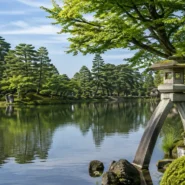
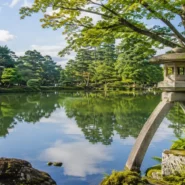
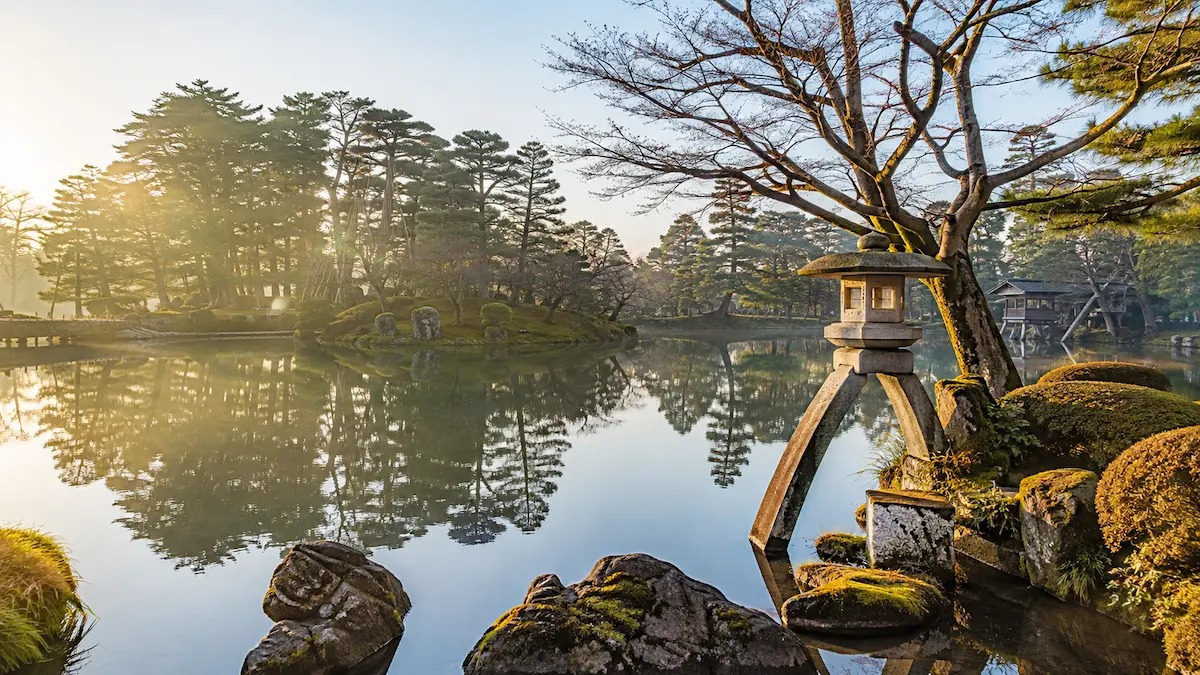
- Kenrokuen Garden — Best for nearly every first-time visitor, particularly garden and seasonal scenery fans. Allow 75–120 minutes. Standard admission is paid; early-entry periods may be free under specific gate and exit rules. Use the Kenrokuen-shita area as your access point.
- Kanazawa Castle Park — Best for history, spacious grounds, and pairing with Kenrokuen. Allow 60–90 minutes. The park grounds are free; selected reconstructed interiors require a ticket. Walk directly from Kenrokuen via Ishikawa-mon.
- 21st Century Museum of Contemporary Art and the Museum District — Best for contemporary art, architecture, and rainy days. Allow 2–4 hours depending on exhibitions. The public zone is free, exhibitions are ticketed, and underground access to “The Swimming Pool” requires a same-day time slot in addition to the relevant exhibition ticket.
- Nagamachi Samurai District and Nomura Residence — Best for travelers who enjoy intimate historical interiors more than monumental castles. Allow 90 minutes to 2 hours. Streets are free; Nomura Residence is paid. Walk from Korinbo or take a short taxi from the museum area.
- Myoryuji and Nishi Chaya District — Best for older children and adults interested in defensive architecture and unusual building design. Allow 40 minutes for the guided visit plus 60–90 minutes nearby. Myoryuji requires advance phone reservation and cash payment; preschool-age children cannot enter.
- Shirakawa-go Day Trip — Best for travelers who want one rural mountain landscape without changing hotels. Allow a full day. Reserve the highway bus or an organized tour in advance. Do not take full-size luggage unless you are relocating, because storage space is limited and dragging bags through the village is miserable.
The Most Practical 5-Day Itinerary
Day 1: Arrival, Omicho Market, Kazuemachi, and Higashi Chaya
- Suggested start: 9:00–10:00 if already in Kanazawa, or immediately after arrival if your train reaches the city by early afternoon.
- First move: Do not take your suitcase sightseeing. Leave it at your hotel, use a station locker, or send it to your staffed hotel with the station’s same-day delivery service. This single decision improves the entire first day.
- Stop 1 — Omicho Market: Spend 60–90 minutes. Morning visitors get the widest choice; late lunch around 13:30 can be calmer, but some stalls begin winding down later in the afternoon. Avoid assuming every seafood bowl is a bargain. Check the displayed price before joining a queue.
- Best lunch strategy: Eat in or around Musashigatsuji/Omicho. A short queue at a place with visible turnover is reasonable; a one-hour wait for a photogenic bowl is not. Backup restaurants outside the market often offer a calmer meal.
- Stop 2 — Kazuemachi Chaya District: Walk 15–20 minutes from Omicho or take a short taxi in rain. Spend 30–45 minutes along the Asano River. It is smaller and usually less commercial than Higashi Chaya.
- Stop 3 — Higashi Chaya District: Cross the river and allow 75–120 minutes. Visit the streets early for photos, then enter one preserved teahouse or sit for tea after businesses open. Do not pay for multiple near-identical gold-leaf snacks simply because they are famous online.
- Optional cut: Skip the paid teahouse interior if you are jet-lagged or arriving after 15:30. The streets remain rewarding, but many shops close in the late afternoon.
- Rain plan: Shorten the river walk and prioritize a teahouse interior, a craft shop, tea service, or the Yasue Gold Leaf Museum area. A taxi from Omicho is a sensible weather expense.
- Evening area: Return to Musashigatsuji, Korinbo, or Katamachi for dinner. Higashi Chaya becomes atmospheric after shops close, but it is not the city’s most practical dinner district.
- Why this beats the common influencer route: Many itineraries send travelers from Omicho to Kenrokuen, back east to Higashi Chaya, and then west to Nagamachi in one day. This version keeps your arrival day in one east/northeast corridor and saves the garden for a genuinely early start.
Day 2: Kenrokuen, Kanazawa Castle, Oyama Shrine, and Nagamachi
- Suggested start: Reach Kenrokuen at regular opening, or use the official early-admission period if the seasonal gate rules work for you. Early admission requires visitors to exit shortly before normal opening, so read the rules rather than assuming you can remain inside indefinitely.
- Stop 1 — Kenrokuen: Spend 75–120 minutes. Follow a one-way route through the major viewpoints instead of repeatedly crossing the garden for every marked feature. The garden is most peaceful before tour groups arrive.
- Stop 2 — Kanazawa Castle Park: Walk through Ishikawa-mon and spend 60–90 minutes. The grounds are free. Pay for the reconstructed interiors only if you enjoy timber construction or want a weatherproof break; the castle does not contain the kind of original keep some visitors expect.
- Rest and early lunch: Eat around Hirosaka, Korinbo, or near the castle’s western side between 11:30 and 12:30. Waiting until 13:00 inside the most obvious tourist cluster often means longer queues and fewer relaxed options.
- Stop 3 — Gyokusen’inmaru Garden and Oyama Shrine: Walk west through the castle grounds. Allow 30–45 minutes for the garden and 20–30 minutes for Oyama Shrine. This creates a natural exit toward the city center.
- Stop 4 — Nagamachi Samurai District: Continue on foot or use a very short taxi if your legs are tired. Spend 60–90 minutes, including Nomura Residence if you want one preserved interior.
- Optional cut: Skip Nomura Residence if you have already spent a long time inside castle buildings, or drop Oyama Shrine during heavy rain.
- Rain plan: Spend more time in the castle interiors and Nomura Residence, use covered cafés around Korinbo, and take a short taxi between the castle’s west side and Nagamachi rather than waiting for a crowded bus.
- Evening area: Korinbo or Katamachi. This is the easiest night for restaurants, bars, and department-store food floors without another cross-city ride.
- Why this is more efficient: You move continuously from east to west: Kenrokuen → castle → Oyama Shrine → Nagamachi. There is no reason to return to Kanazawa Station between stops.
Day 3: 21st Century Museum, D.T. Suzuki Museum, and the Craft Museum Belt
- Suggested start: Arrive at the 21st Century Museum area before 9:00 if “The Swimming Pool” is a priority. Secure the same-day waiting number first, then plan the rest of the morning around the assigned time.
- Stop 1 — 21st Century Museum public zone: Use 30–45 minutes before the ticketed galleries open. The public architecture and outdoor works are useful even when you do not buy an exhibition ticket.
- Stop 2 — Ticketed exhibition and “The Swimming Pool” slot: Allow 90 minutes to 2 hours. A web exhibition ticket may reduce ticket-counter friction, but it does not remove the same-day pool time-slot requirement.
- Stop 3 — D.T. Suzuki Museum: Walk approximately 10–15 minutes and spend 45–60 minutes. This is intentionally quiet and minimal. Travelers expecting a dense biographical museum may find it too sparse; travelers who value architecture and contemplation often love it.
- Lunch and rest: Eat around Hirosaka, Dewamachi, or Korinbo. This district is better for a planned café break than an improvised meal at peak time.
- Stop 4 — National Crafts Museum or another nearby museum: Spend 60–90 minutes. Check the current exhibition and Monday/holiday closure before committing. Choose one museum well rather than rushing through three.
- Optional cut: Skip D.T. Suzuki Museum if minimalist spaces do not interest you. Skip the National Crafts Museum if the temporary exhibition theme is not appealing.
- Rain plan: This is already the best indoor day. Swap it with Day 1, Day 2, or Day 5 when the forecast turns wet, provided museum closure days still work.
- Evening area: Katamachi for dinner, or walk the Saigawa riverside at dusk in good weather.
- Why this is more efficient: The museum cluster is compact enough to walk. A poor itinerary inserts Omicho or Higashi Chaya between museums, wasting time on a crowded bus and risking your pool slot.
Day 4: Shirakawa-go as a Proper Day Trip, Not a Luggage Transfer
- Suggested start: Take a reserved morning highway bus from Kanazawa Station, ideally one of the earlier departures, or use a verified organized tour. Arrive at least 20–30 minutes before departure because finding the correct platform while carrying breakfast is not a good last-minute challenge.
- Before leaving: Carry a day bag only. Leave large luggage at your Kanazawa hotel or station storage. Bus luggage compartments have finite capacity, and village paths are not designed for suitcase sightseeing.
- Stop 1 — Shiroyama Viewpoint: Go early, before the central lanes become busiest. Use the shuttle when operating or walk only if conditions and your fitness are suitable. Snow, heat, and wet surfaces change the effort dramatically.
- Stop 2 — Ogimachi village lanes and one gassho-style house: Spend 2–3 hours. Choose one major house interior instead of paying for several similar ones. The real value is the settlement landscape, not speed-running every museum.
- Lunch strategy: Eat before the main midday crush, reserve when possible, or carry a simple backup snack. Small village restaurants cannot absorb multiple buses at once.
- Afternoon: Continue at a slower pace, visit the open-air museum if it matches your interests, then reach the bus terminal well before your reserved return.
- Optional cut: Skip the viewpoint if weather obscures the village or the path is unsafe. Skip additional house museums if the first has already satisfied your curiosity.
- Rain plan: Keep the reserved transport but focus on selected interiors and cafés. In severe weather, mountain transport may be disrupted; check the operator’s notice before departure. A flexible itinerary allows Day 4 and Day 5 to swap when reservations permit.
- Evening area: Kanazawa Station or your hotel neighborhood. Do not book a rigid kaiseki dinner immediately after the scheduled return; road and weather delays are possible.
- Why this is more efficient: A common “ultimate day trip” combines Shirakawa-go and Takayama independently, leaving travelers watching the clock rather than the scenery. A single-destination day gives you contingency time and avoids changing hotels. An organized combo tour is acceptable only if you knowingly prefer breadth over depth.
Day 5: Myoryuji, Nishi Chaya, Teramachi, and a Flexible Departure Buffer
- Suggested start: Build the day around your confirmed Myoryuji reservation, ideally in the morning. Do not turn up hoping to join; advance telephone booking is part of the visit.
- Stop 1 — Myoryuji: Allow about 40 minutes for the guided visit plus arrival time. Bring cash. The explanation is primarily in Japanese, with support materials for non-Japanese visitors. This is not an actual ninja residence; its appeal is deceptive defensive architecture.
- Stop 2 — Nishi Chaya District: Walk a few minutes and spend 45–60 minutes. It is much smaller than Higashi Chaya and should not be oversold as an equal-sized substitute. Its advantage is lower intensity and easy pairing with Myoryuji.
- Stop 3 — Teramachi or Saigawa riverside: Spend 45–90 minutes depending on weather. This is a breathing-space section, not a compulsory checklist.
- Lunch and rest: Eat around Katamachi, Korinbo, or the Nishi Chaya side of the river. For an afternoon departure, return to your hotel after lunch and collect luggage without stress.
- Optional afternoon: Book a craft workshop, tea experience, or kimono rental only if you genuinely want the activity. Do not rent a kimono merely for one hurried photo before a train.
- Optional cut: Drop Teramachi in rain, skip Nishi Chaya if you already feel satisfied with historic streets, or replace both with an indoor craft experience.
- Rain plan: Myoryuji remains viable, followed by a craft workshop, covered shopping, or a museum missed on Day 3.
- Evening area: For a fifth night, choose Katamachi/Korinbo. For departure day, keep the final two hours uncommitted and eat near the station only after collecting luggage.
- Why this is more efficient: The final day stays southwest and deliberately avoids a fragile, tightly timed route. It also gives you a recovery slot for anything disrupted by rain or a museum closure earlier in the trip.
Tourist Traps to Avoid & Itinerary Hacks
- Trap: Using Kanazawa Station as the start of every sightseeing leg. The station is a transport hub, not the geographic center of every attraction. Once you enter the castle, garden, or museum zone, continue through the district rather than riding back to reset.
- Trap: Riding the loop bus for every two-stop journey. At busy times, waiting, boarding, and standing can take longer than walking. Use buses for the first or last cross-city movement, not for every short connection.
- Hack: Share one short taxi at the moment it matters. Sudden rain, tired children, older relatives, or two suitcases can make an ¥800–¥1,900 taxi far better value than losing 40 minutes and everyone’s energy. Split among two to four people, the premium may be modest.
- Trap: Arriving at Omicho Market at 11:45 with no backup. The most visible seafood restaurants attract queues and tourist pricing. Go earlier, eat later, or walk one block beyond the market for alternatives.
- Trap: Scheduling Higashi Chaya after 16:30 and expecting full shopping and tea options. The streets remain photogenic, but many interiors and shops close before dinner time. Visit early for quiet streets or mid-morning for open businesses.
- Trap: Assuming “The Swimming Pool” is included automatically. The 21st Century Museum may require both the relevant exhibition ticket and a same-day waiting number for underground access. Claim the slot before building your museum day.
- Trap: Treating every digital ticket as skip-the-line. An electronic ticket can reduce payment friction without creating a separate entrance. Read the product’s actual entry instructions.
- Trap: Calling Myoryuji a ninja attraction and expecting stunts or weapons. The “Ninja Temple” nickname is marketing shorthand. The building is fascinating because of concealed stairs, traps, and defensive design, not because ninjas lived there.
- Trap: Buying a transport pass before counting rides. A one-day bus pass can be worthwhile on a bus-heavy day, but this route deliberately walks within compact zones. Compare the current pass price with your realistic number of rides.
- Trap: Combining Shirakawa-go, Takayama, and a hotel transfer with large luggage. This creates timetable anxiety and limited storage problems. Stay in Kanazawa, take a day bag, and reserve the return trip.
- Hack: Keep Day 3 and Day 5 flexible. The museum day is your rain shield; the lighter southwest day is your recovery buffer. Reordering them is smarter than forcing a garden day through heavy rain.
- Trap: Overbooking paid interiors. Multiple teahouses, samurai homes, and gassho houses can become repetitive. Select one excellent interior in each category and spend the saved time outside.
- Hack: Check weekly closure patterns before assigning calendar dates. Several museums close on Mondays or the following day after a holiday, while individual market shops and cultural sites keep different weekly schedules.
Save Your Legs! The Most Efficient Route
The route works because it divides Kanazawa into five usable zones rather than five random attraction lists: the east/northeast river and teahouse zone, the castle-and-garden core, the Hirosaka museum belt, the southwest samurai/temple zone, and Kanazawa Station as the day-trip gateway. The point is not to cram the maximum number of attractions into each day. It is to enter a zone once, move in one direction, and finish near dinner or your hotel.
Walkable chains: Omicho → Kazuemachi → Higashi Chaya works for active travelers in good weather. Kenrokuen → Kanazawa Castle → Gyokusen’inmaru → Oyama Shrine → Nagamachi is the most valuable one-way sightseeing chain in the city. The 21st Century Museum → D.T. Suzuki Museum → National Crafts Museum cluster is also best on foot because buses add waiting without saving much distance.
When to use buses: Use a city bus or loop bus for the first outbound leg from Kanazawa Station, for a return from Higashi Chaya, or when rain makes a long approach unpleasant. Buses are least appealing around station arrival waves, weekend midday periods, major holidays, and popular event dates, when vehicles may be full and traffic slows.
When rail helps: JR and private railways are useful for arriving in Kanazawa and for regional side trips, but they do not connect the main city sights in a convenient sightseeing loop. Do not keep returning to the station merely because rail feels familiar.
When a short taxi is smarter: A taxi is often the most efficient choice from the station to your hotel with luggage, from Omicho to Higashi Chaya in heavy rain, from the museum district to Nagamachi when someone is tired, or from Nishi Chaya back to the station before a fixed train. Kanazawa’s short urban distances mean one carefully chosen taxi can save more energy than a day-long transport pass.
Best accommodation zones: Musashigatsuji/Omicho is the strongest all-round base for first-time visitors who want market access and reasonable links east, west, and to the station. Korinbo/Hirosaka is best for restaurants, museums, Nagamachi, and evening convenience. Kanazawa Station is practical for a late arrival, early Shirakawa-go bus, or one-night stay, but it adds repeated travel to the historic core. Higashi Chaya is atmospheric but less efficient for five-day transport and late dining.
How to avoid the daily station reset: Leave your hotel after breakfast, enter the day’s zone once, and finish in an adjacent dinner district. On Day 2, for example, go directly to Kenrokuen, then continue west until Katamachi. Returning to the station at noon would add a transfer without improving the route.
Large luggage strategy: Kanazawa Station has hundreds of lockers in several sizes, plus staffed storage for oversized items. Same-day luggage delivery from the station to qualifying staffed accommodation can remove the worst first-day problem. Use delivery when your room is not ready and your hotel participates; use lockers for a short stopover or late departure. Never store valuables, fragile items, perishables, or medication you may need during the day.
Ticket Tips & Skip-the-Line Hacks
First, reject the blanket advice to “buy every ticket online and scan a QR code.” That is not how Kanazawa works. Some of the city’s best districts are free, several temples sell or confirm access in traditional ways, and certain museum experiences require a separate same-day procedure.
Useful online ticket: The 21st Century Museum offers online exhibition tickets. Buying online can reduce time at the ticket counter, especially on weekends and holidays. However, underground access to “The Swimming Pool” still requires a same-day waiting number and is limited to a short visit. Go to the museum’s official process first thing in the morning.
Electronic tickets that do not necessarily skip a queue: Klook currently lists admission products for Kenrokuen and selected Kanazawa Castle interiors. They may be convenient for cashless planning, but the Kenrokuen product states that electronic-ticket holders wait in the same entry line as same-day purchasers. Buy for convenience, not because the word “e-ticket” implies priority access.
Check the verified Kenrokuen e-ticket on Klook
— useful for advance payment, not a guaranteed line bypass.
Check the verified Kanazawa Castle admission product on Klook
— compare the included paid interiors with your actual interests because the main park grounds are free.
Phone reservation only: Myoryuji requires advance telephone booking. English reservation assistance is available, but the tour commentary is primarily Japanese. Admission is paid in cash. This is the clearest example of why an invented QR-code recommendation would be misleading.
Free-entry places: Higashi Chaya streets, Kazuemachi streets, Nishi Chaya streets, Nagamachi lanes, Oyama Shrine, and the general grounds of Kanazawa Castle Park are free. Paid preserved buildings or exhibitions within those areas are optional.
Usually no advance ticket needed: Standard Kenrokuen admission, Nomura Residence, SHIMA teahouse, and most small museums can normally be handled on site. Advance purchase matters less than arriving at a good time and confirming closure days.
Must reserve early: Reserve your Kanazawa–Shirakawa-go highway bus as soon as your date is fixed, especially on weekends, holidays, foliage periods, snow-viewing periods, and peak international travel dates. If the preferred bus is unavailable or you want logistics handled for you, a verified organized tour is a reasonable alternative.
Check the verified Shirakawa-go/Takayama tour from Kanazawa on Klook
— choose this only if you accept less time in each destination than a Shirakawa-go-only day.
Culture and kimono experiences: A well-reviewed workshop, tea session, or kimono rental should be reserved if it has a fixed start time, limited instructor capacity, or a seasonal date. Do not reserve merely because an affiliate platform exists. For kimono, check the return deadline, hairstyling inclusions, weather policy, luggage storage, and branch location.
Check the verified Kanazawa Korinbo kimono rental on Klook
or
compare the verified Kanazawa kimono rental listing on KKday.
Discount combinations: The official Kanazawa Cultural Zone Pass and Kenrokuen combination tickets can be good value when your selected paid museums match the inclusions. Do the arithmetic after choosing attractions, not before. A pass that changes your itinerary to “get your money’s worth” is not saving you money.
Tried & Tested: My Honest Review
📍 Stop 1: Omicho Market
Best for: seafood, breakfast, first-day energy | Skip if: you dislike queues, raw fish, or tourist-market pricing
Omicho is useful because it is central, lively, and easy to understand on arrival day. It is not automatically cheap, and “market” does not mean every stall offers a local bargain. The best approach is to browse prices, watch turnover, and avoid committing to the first long queue you see.
✅ What Other Travelers Say
Visitors consistently praise the seafood variety, energetic atmosphere, seasonal produce, and convenience. Many also enjoy sharing small snacks rather than sitting for one large meal.
⚠️ The Catch (Things to Keep in Mind)
Peak lunch queues can consume an hour, some highly visible dishes carry tourist-area prices, and individual shop hours vary. Do not arrive late expecting the full morning selection, and never bring a rolling suitcase into narrow crowded aisles.
📍 Stop 2: Higashi Chaya and Kazuemachi
Best for: historic streets, tea culture, early photography | Skip if: you expect extensive nightlife or dislike commercialized heritage districts
The district deserves its popularity, but timing determines whether it feels elegant or staged. Early morning gives you calm streets but few open interiors. Mid-morning provides tea and museum access but more groups. Kazuemachi adds a quieter river edge and prevents the visit from becoming one crowded shopping lane.
✅ What Other Travelers Say
Travelers praise the wooden façades, photogenic lanes, tea experiences, and atmosphere along the Asano River. Early and late visits are commonly described as more peaceful.
⚠️ The Catch (Things to Keep in Mind)
The main street can become congested, gold-leaf products are heavily marketed, and many businesses close by late afternoon. One paid teahouse interior is enough for most visitors; paying for several can feel repetitive.
📍 Stop 3: Kenrokuen Garden
Best for: first-time visitors, seasonal landscapes, quiet mornings | Skip if: formal gardens do not interest you or mobility on slopes is difficult
Kenrokuen is the one major attraction I would not downgrade simply because it is famous. The disappointment usually comes from poor timing, not the garden itself. At midday, visitors may experience a stream of tour groups and rush past subtle views. Early in the day, the landscape has room to breathe.
✅ What Other Travelers Say
Visitors value the seasonal changes, water features, carefully composed viewpoints, winter supports, and immediate connection to Kanazawa Castle.
⚠️ The Catch (Things to Keep in Mind)
Paths include slopes and uneven sections, popular photo points become crowded, and early free admission has strict seasonal gate and exit rules. An e-ticket does not automatically create a separate fast lane.
📍 Stop 4: Kanazawa Castle Park
Best for: architecture, open space, pairing with Kenrokuen | Skip if: you only value original medieval keeps
The castle park is excellent as a continuation of Kenrokuen, but weaker as a stand-alone “Japanese castle” pilgrimage. Its value lies in the reconstructed timber structures, gates, walls, spatial scale, and free grounds—not in an original central keep filled with artifacts.
✅ What Other Travelers Say
Travelers often appreciate the spacious lawns, clean reconstructions, stone walls, and easy connection to the garden and city center.
⚠️ The Catch (Things to Keep in Mind)
Some visitors find the reconstructions less dramatic than castles with surviving keeps. Pay for interiors only when the timber construction genuinely interests you or the weather makes indoor time valuable.
📍 Stop 5: 21st Century Museum and the Hirosaka Museum District
Best for: contemporary art, architecture, rainy days | Skip if: you only want the pool photo and dislike timed procedures
The museum is strongest when treated as an architecture-and-exhibition visit, not a single Instagram installation. The circular building, public zone, changing exhibitions, nearby museums, and café create a complete half-day. The pool procedure is the part most likely to derail an improvised itinerary.
✅ What Other Travelers Say
Travelers highlight the building, interactive works, convenient central location, and the visual effect of “The Swimming Pool.” Families often appreciate the accessible public spaces.
⚠️ The Catch (Things to Keep in Mind)
The pool’s underground area requires a same-day waiting number and relevant ticket, popular slots can fill, and exhibitions vary in appeal. The museum has announced a major renovation closure planned from May 6, 2027 through March 2028, so future visitors must verify operating status.
📍 Stop 6: Nagamachi Samurai District and Nomura Residence
Best for: compact history, garden details, quiet lanes | Skip if: you expect a large samurai fortress or action-oriented attraction
Nagamachi works because it sits naturally between the castle core and Korinbo/Katamachi. The district’s earthen walls and canals are subtle, while Nomura Residence offers a concentrated interior and garden experience. It is better as part of a westward route than as a separate cross-city excursion.
✅ What Other Travelers Say
Visitors often praise the peaceful lanes, small garden at Nomura Residence, traditional details, and easy access from central shopping and dining areas.
⚠️ The Catch (Things to Keep in Mind)
The district is compact and can feel underwhelming to anyone expecting a large preserved compound. Narrow indoor spaces can become crowded, so visit outside the main afternoon peak.
📍 Stop 7: Myoryuji and Nishi Chaya District
Best for: defensive design, unusual interiors, older children | Skip if: you cannot follow a structured tour, have preschoolers, or expect ninja entertainment
Myoryuji is one of Kanazawa’s most distinctive visits, but only when expectations are accurate. It is a carefully controlled tour through a temple built with defensive and deceptive features. Nishi Chaya is a small add-on, not a full second Higashi Chaya.
✅ What Other Travelers Say
Travelers enjoy the hidden stairways, clever architecture, compact guided format, and the English support booklet or materials provided for non-Japanese speakers.
⚠️ The Catch (Things to Keep in Mind)
Advance phone booking is required, commentary is mainly Japanese, payment is cash, photography restrictions may apply, and preschool-age children cannot enter. Calling it “Ninja Temple” creates the wrong expectation if not explained.
📍 Stop 8: Shirakawa-go
Best for: mountain scenery, traditional farmhouses, one major day trip | Skip if: you dislike bus schedules, peak crowds, or weather exposure
Shirakawa-go is visually memorable and logistically fragile. Its small restaurants, narrow lanes, viewpoint transport, and limited bus seats are all affected by simultaneous arrivals. A reserved early trip, day bag, and single-destination mindset make the difference between a rewarding visit and a timetable chase.
✅ What Other Travelers Say
Visitors praise the viewpoint, gassho-style roofs, mountain setting, and seasonal scenery. Reviews of organized tours often value reaching the viewpoint before the largest crowds and having transport handled.
⚠️ The Catch (Things to Keep in Mind)
Highway buses can sell out, luggage space is limited, midday crowds are real, and weather changes the experience. A combined Shirakawa-go–Takayama day offers variety but less depth at both places.
Key FAQs
Is five days too long for Kanazawa for first-time visitors?
Five days is not too long when one day is reserved for Shirakawa-go and the remaining days are paced by district. It may feel long to travelers interested only in Kenrokuen, Omicho, and Higashi Chaya. In that case, use three days in Kanazawa and continue elsewhere. For travelers who enjoy museums, crafts, food, architecture, and a slower rhythm, four city days plus one day trip is comfortable rather than excessive.
Where should first-time visitors stay in Kanazawa to reduce walking and bus time?
Musashigatsuji/Omicho offers the best balance for market access, the station, Higashi Chaya, and the castle side. Korinbo/Hirosaka is better for museums, Nagamachi, restaurants, and evening convenience. Stay at Kanazawa Station when early transport or luggage handling is the priority, not because every attraction is beside it.
Can you visit Shirakawa-go from Kanazawa without a tour?
Yes. Reserved highway buses connect Kanazawa and Shirakawa-go, making an independent day trip realistic. Book both outbound and return seats, carry only a day bag, and reach the terminal early. Choose an organized tour when bus seats are unavailable, you want a guide, or you prefer a combined Takayama itinerary and accept shorter visits.
Final Verdict and Your Next Step
The smartest first trip to Kanazawa is not the one with the most pins. It is the one that protects your mornings, keeps each day in one geographic direction, limits suitcase handling, and reserves only the experiences that genuinely require it.
Base yourself in Musashigatsuji/Omicho or Korinbo/Hirosaka, visit Kenrokuen early, claim the 21st Century Museum pool slot before the galleries fill, reserve Myoryuji by phone, and secure Shirakawa-go transport as soon as your travel date is fixed. Leave free districts and straightforward on-site tickets flexible.
Book first: Shirakawa-go transport or tour, Myoryuji by phone, and any fixed-time cultural experience. Book only for convenience: Kenrokuen or castle e-tickets. Do not prebook: free historic streets or ordinary walking districts.
Check the verified Klook Shirakawa-go tour from Kanazawa
and
check the verified KKday Kanazawa kimono experience.
Availability, inclusions, cancellation terms, and prices should be reconfirmed on the booking page before payment.
Affiliate disclosure: Some booking links may earn this website a commission at no extra cost to the reader. Recommendations are included only where advance booking can materially reduce uncertainty or secure limited capacity.