


💡 Key Takeaways
Fact-checked on August 5, 2026. This Nagoya 5-day itinerary is designed for first-time visitors who want the famous highlights without spending half the trip changing trains, waiting for buses or dragging luggage through stations. The classic mistake is to copy a list of “top Nagoya attractions” and assume they can be combined in any order. They cannot. Ghibli Park lies far east in Nagakute, the railway museum is at the southern waterfront, Inuyama is a separate city to the north, and central Nagoya itself is spread across several transport corridors.
The route below is not a maximum-attractions challenge. It is a five-day plan that a normal traveler can actually finish without feeling punished. It deliberately starts some popular places early, schedules Osu only after its shops come alive, avoids relying on road traffic at the worst times, and reserves the final day for an easy northbound day trip. I have also included the parts that glossy tourism articles often soften: what is closed, what may disappoint you, where advance booking genuinely matters, and where buying a pass or “skip-the-line” ticket adds little value.
Important scheduling note: the order assumes Day 3 falls on an operating day for Ghibli Park, and that the museum-heavy days do not clash with regular closures. If your dates do not fit, swap whole day blocks. Do not pull one remote attraction out of a block and attach it to the opposite side of the city.
The 1-Min Cheat Sheet
- Toyota Commemorative Museum of Industry and Technology
Best for: engineering fans, families, rainy days and travelers who want to understand why Nagoya became an industrial powerhouse.
Suggested stay: 1 hour 45 minutes to 2 hours 30 minutes.
Ticket and transport: Adult admission is ¥1,000 at the time of fact-checking. Ordinary admission does not require advance booking. Take Meitetsu one stop from Nagoya to Sako and walk about three minutes, or use a short taxi from Nagoya Station. - Nagoya Castle and Hommaru Palace
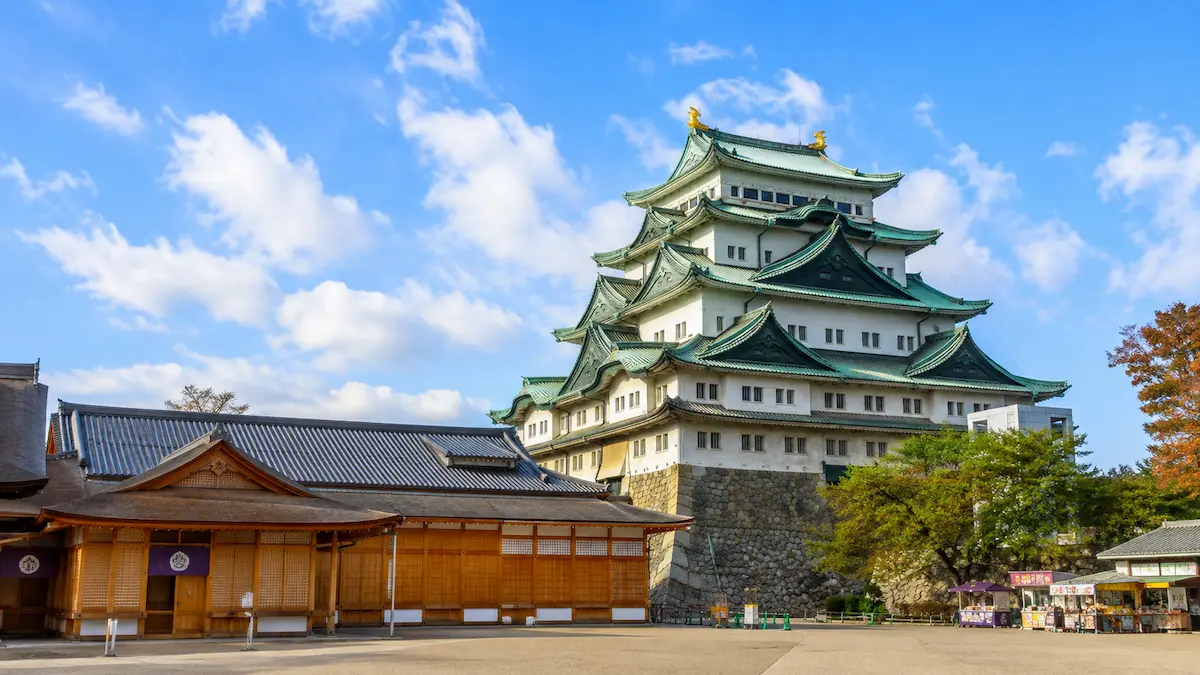
Best for: first-time visitors, architecture lovers and travelers interested in Tokugawa history.
Suggested stay: 1 hour 30 minutes to 2 hours.
Ticket and transport: Adult admission is ¥500 through September 30, 2026 and is scheduled to become ¥1,000 from October 1, 2026. The main tower keep is closed; Hommaru Palace is included. Use Nagoyajo Station on the Meijo subway line or a verified QR ticket if you want to bypass the ticket counter. - Tokugawa Art Museum and Tokugawaen
Best for: serious history, samurai art, quieter sightseeing and wet-weather days.
Suggested stay: 2 to 3 hours for the museum and garden together.
Ticket and transport: Exhibition-based pricing commonly falls around ¥1,600 to ¥2,000 for adults in 2026, but special exhibitions can change the price and last-admission time. Official QR tickets are available. A taxi from Nagoya Castle is often the least tiring connection; buses are cheaper but slower and more traffic-sensitive. - Osu Kannon and Osu Shopping Streets
Best for: street food, vintage shops, electronics, pop culture and casual browsing.
Suggested stay: 2 to 3 hours, longer for dedicated shoppers.
Ticket and transport: Free. Use Osu Kannon Station or Kamimaezu Station. Do not arrive at 8:00 or 9:00 expecting a lively market; many businesses open closer to late morning. - Ghibli Park
Best for: Studio Ghibli fans who enjoy detailed environments more than thrill rides.
Suggested stay: A full day, normally 6 to 8 hours including internal walking.
Ticket and transport: Advance dated admission is essential. The Premium Pass is the simplest first-visit option when available because it covers all five areas and more interiors. Travel by Higashiyama subway to Fujigaoka, then Linimo to Ai-Chikyuhaku Kinen Koen. Do not bring a suitcase. - Atsuta Jingu
Best for: early risers, shrine lovers, budget travelers and anyone needing a calm start before a busier attraction.
Suggested stay: 60 to 90 minutes for the main grounds; longer if visiting a museum or stopping for food.
Ticket and transport: The main shrine grounds are free. Meitetsu Jingu-mae is the easiest rail stop from central Nagoya. The sacred sword associated with the shrine is not normally displayed to the public. - SCMAGLEV and Railway Park
Best for: train fans, families, transport enthusiasts and rainy afternoons.
Suggested stay: 2 to 3 hours for casual visitors; 3 to 4 hours for enthusiasts.
Ticket and transport: Adult admission is ¥1,200. Take the Aonami Line from Nagoya Station to Kinjofuto. Simulator tickets are sold separately on the day and are first-come, first-served; advance admission does not guarantee a simulator slot. - Inuyama Castle and Castle Town
Best for: original castle architecture, traditional streets, food grazing and a manageable day trip.
Suggested stay: 4 to 6 hours including lunch and the station walk.
Ticket and transport: Adult castle admission is ¥1,000. Meitetsu limited express trains take about 25 minutes from Meitetsu Nagoya to Inuyama, followed by an approximately 20-minute walk. The original wooden stairs are steep and there is no elevator.
The Most Practical 5-Day Itinerary
Day 1: Toyota Industrial Heritage, Noritake Rest Stop, Osu and Sakae
- Recommended start: Leave your hotel around 9:00 and reach the Toyota Commemorative Museum shortly after its 9:30 opening. This day works best when it is not Monday or a substitute closure day.
- 09:30–11:45 — Toyota Commemorative Museum: Begin with the textile machinery building, but do not rush past it. The operating looms and manufacturing demonstrations explain Toyota’s evolution better than a wall of corporate dates. Continue into the automobile pavilion and allow extra time around the production-line displays.
- Best transport: From Nagoya Station, take Meitetsu to Sako and walk roughly three minutes. With two to four people, limited mobility or heavy rain, the official estimate of about five minutes by taxi makes a cab a sensible first-day choice.
- 12:00–13:20 — Lunch and a proper sit-down break near Noritake Garden: Walk or take a very short taxi toward Noritake Garden and the adjacent mall area. This is not a “must-see landmark” that deserves half a day. Its real value in this itinerary is a comfortable lunch, clean restrooms and an indoor recovery stop before Osu.
- 13:20–14:00 — Transfer to Osu: Walk to Kamejima Station, take the Higashiyama Line to Fushimi, then transfer to the Tsurumai Line for Osu Kannon. A taxi is worth considering in rain or for a group, but road traffic can erase the advantage at busy times.
- 14:00–17:00 — Osu Kannon and Osu Shopping Streets: Start at the temple, then walk through the covered arcades toward Kamimaezu. Browse selectively rather than trying to inspect every side lane. The area has more than a thousand businesses, so “completing” it is not a useful goal.
- Where to eat or rest: Have a proper lunch before Osu, then treat Osu food as tasting portions. Joining three separate queues for viral snacks is a poor use of the afternoon. Pick one famous item and one place that simply looks good.
- What to cut if tired: Skip Noritake’s museum-style content and use the area only for lunch. At Osu, stop at Kamimaezu instead of doubling back to Osu Kannon Station.
- Rain alternative: Spend longer at Toyota and the indoor Noritake shopping complex, then use the covered sections of Osu. This is already one of the itinerary’s most rain-resistant days.
- Evening area: Take the Meijo Line from Kamimaezu to Sakae for dinner, Oasis 21 and Hisaya-odori. Do not force another paid attraction into the evening; Day 1 should absorb jet lag and arrival fatigue.
- Why this beats the common influencer route: Many lists send visitors from Toyota to Nagoya Castle, then south to Osu, creating a zigzag and placing the castle in the hot, crowded middle of the day. This version keeps Day 1 west-to-south-to-east, uses Osu only after shops open, and saves the castle for opening time on Day 2.
Day 2: Nagoya Castle, Hommaru Palace, Tokugawa Art Museum and Sakae
- Recommended start: Leave by 8:25–8:35 and reach the castle gate before or close to the 9:00 opening. The grounds are far more pleasant before tour groups and midday heat build up.
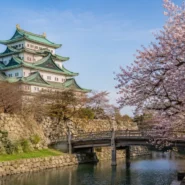
- 09:00–10:50 — Nagoya Castle: Go directly to Hommaru Palace before spending time on exterior photography and reconstructed gates. The main keep is closed, so do not stand around expecting a tower entry line to move. Your visit should be built around the palace interiors, historical displays and grounds.
- 10:50–11:10 — Transfer to the Tokugawa area: A short taxi is the efficient choice for two or more travelers, seniors, families or anyone trying to protect their legs. The sightseeing bus can be useful, but waiting plus traffic often turns a short geographic gap into a slow connection.
- 11:15–12:15 — Early lunch near Tokugawaen: Eat before the conventional 12:30 rush. A quieter lunch here also prevents you from leaving the museum midway because hunger wins.
- 12:20–15:20 — Tokugawa Art Museum and Tokugawaen: Visit the museum before the garden in hot weather or rain; reverse them on a cool, clear day. Check the current exhibition rather than assuming the National Treasure Tale of Genji scrolls will be on permanent display. Fragile masterpieces rotate for conservation.
- 15:20–16:00 — Transfer to Sakae or Hisaya-odori: Use a direct bus when it is imminent; otherwise take a taxi to a convenient Meijo Line station or directly to Sakae. Do not return to Nagoya Station just to change direction.
- 16:00 onward — Sakae and Hisaya-odori: This is the right time for cafes, shopping, the park promenade or a relaxed dinner. The district is livelier after office hours than it is early in the morning.
- What to cut if tired: Skip Tokugawaen in extreme heat, heavy rain or winter darkness and concentrate on the museum. Travelers who do not care for decorative arts may instead shorten the museum to 90 minutes.
- Rain alternative: Start with the Tokugawa Art Museum, take a short covered break, then see Hommaru Palace if conditions improve. If rain is severe, omit the garden and finish with indoor shopping around Sakae.
- Evening area: Sakae, Hisaya-odori or Fushimi. These areas provide dinner without a long detour and keep the following morning simple.
- Why this beats the common influencer route: The common failure is pairing Nagoya Castle with Atsuta Jingu and the port because all three appear on a “top ten” map. That creates two long north-south transfers. Castle plus Tokugawa is a coherent history day, while Sakae is a natural evening finish.
Day 3: Ghibli Park Without the Late-Afternoon Panic
- Recommended start: For a weekday opening, leave central Nagoya around 7:50–8:10. On weekends or holidays, leave earlier to match the earlier park opening. Take the Higashiyama Line to Fujigaoka, then Linimo to Ai-Chikyuhaku Kinen Koen.
- Book before arranging the sequence: Ghibli Park tickets are date-specific and the Grand Warehouse normally has a timed entry. The ideal first-timer target is a Grand Warehouse slot around early afternoon, because it lets you handle the distant outdoor areas while your legs are fresh.
- Opening–10:00 — Hill of Youth: Start near the entrance when your ticket includes it. It is compact and easy to complete without backtracking.
- 10:00–11:20 — Dondoko Forest: Continue to the park’s most distant major area before afternoon fatigue. The station-to-Dondoko distance can exceed a kilometer depending on the route, so use the internal bus when timing works and do not underestimate the walk.
- 11:30–12:10 — Mononoke Village: Keep this section focused. It has atmosphere and hands-on elements, but it should not steal time from the Grand Warehouse or Valley of Witches on a first visit.
- 12:10–12:50 — Early lunch: Eat before the conventional peak and carry a small drink. Do not depend on finding a seat at the exact moment everyone else leaves the morning areas.
- 13:00–15:15 — Ghibli’s Grand Warehouse: Enter at your reserved time and prioritize the exhibition zones you care about most. Photo queues can consume a large share of the visit. Choose two or three priority scenes rather than joining every line.
- 15:20–16:45 — Valley of Witches: Finish with this large, visually rich area. Premium-ticket interiors add real value here. Watch the final-entry rules and do not leave the area change until the last few minutes.
- If your Grand Warehouse slot is in the morning: Reverse the logic, not the entire geography. Enter the Warehouse at the reserved time, eat early, then visit Dondoko Forest before Hill of Youth and finish in the Valley of Witches. The non-negotiable principle is to avoid leaving Dondoko Forest until after 16:00.
- What to cut if tired: Mononoke Village is the first cut for most adults without children. Hill of Youth can also be shortened. Do not cut your timed Grand Warehouse entry, and do not sprint between all five areas just to claim completion.
- Rain alternative: This is a dated-ticket day, so the answer is usually not “go somewhere else.” Prioritize Grand Warehouse and ticketed interiors, wear waterproof shoes, and expect outdoor trails or rides to close in poor conditions. A compact rain jacket is easier than a large umbrella in queues.
- Evening area: Return to Nagoya Station or your hotel district and eat nearby. Ghibli Park is physically tiring even for fit visitors; adding a night observation deck is how a fun day becomes a chore.
- Why this beats the common influencer route: Social-media itineraries often show the most photogenic areas in an impossible order, omit the walking distances and assume every photo queue takes five minutes. This version respects the timed entry, handles the farthest area earlier and builds in a real lunch.
Day 4: Atsuta Jingu and the SCMAGLEV and Railway Park
- Recommended start: Leave central Nagoya around 7:30–7:45 and arrive at Atsuta Jingu near 8:00. The shrine is free and much calmer before tour groups, school visits and midday heat.
- 08:00–09:20 — Atsuta Jingu: Enter from the most convenient gate, walk the wooded approach, visit the main sanctuary and give yourself time to slow down. Do not rush around searching for the sacred sword; it is not a standard public exhibit.
- 09:20–10:15 — Optional museum or breakfast: Add a ticketed museum only when the current exhibition appeals to you. Otherwise, eat near Jingu-mae or move on. The shrine itself is the essential stop.
- 10:15–11:30 — Transfer to Kinjofuto: Take Meitetsu from Jingu-mae to Meitetsu Nagoya, walk to the Aonami Line and ride to Kinjofuto. This rail-only route is predictable and avoids cross-city buses.
- 11:30–12:20 — Lunch at Kinjofuto: Eat before entering the museum so you can stay through the afternoon without breaking your visit. Check restaurant operating days because the waterfront area can feel quiet outside major event days.
- 12:30–16:20 — SCMAGLEV and Railway Park: Go first to the simulator ticket process if that matters to you, because access is separate and first-come, first-served. Then work chronologically through full-size locomotives, Shinkansen displays and the maglev section. Casual visitors rarely need more than three hours; enthusiasts can stay until closing.
- 16:20–17:00 — Return on the Aonami Line: This is a direct ride back to Nagoya Station. Avoid leaving exactly when a large event at Port Messe or nearby venues finishes if you notice crowds building.
- What to cut if tired: Skip the shrine museum, not the main shrine. Non-train fans can limit the railway museum to two hours and return to Nagoya earlier.
- Rain alternative: This is the best wet-weather block in the itinerary. Atsuta’s tree cover helps in light rain, and the railway museum is mostly indoors. In severe weather, shorten the shrine and move to Kinjofuto earlier.
- Evening area: Nagoya Station or Kanayama. Both provide easy food and a straightforward return to the hotel.
- Why this beats the common influencer route: Both stops sit south of central Nagoya and connect cleanly through Meitetsu Nagoya and the Aonami Line. Pairing the railway museum with the castle or Ghibli Park creates a long diagonal transfer and leaves too little time for either.
Day 5: Inuyama Castle First, Castle Town Later
- Recommended start: Leave the hotel around 7:30–7:45, keep your large luggage at the hotel, and board a Meitetsu rapid limited express or limited express from Meitetsu Nagoya around 8:00–8:20.
- 08:30–09:00 — Walk from Inuyama Station: The castle is roughly a 20-minute walk away. Walk through town without stopping for food yet; many shops are not fully open, and your reward is reaching the castle near opening.
- 09:00–10:15 — Inuyama Castle: Enter before day-trip groups. The original wooden keep is compact, and the climb is steep. Keep both hands free, secure loose items and let faster visitors pass. The top-floor balcony is memorable, but people with vertigo or limited mobility should not feel pressured to complete it.
- 10:15–10:45 — Sanko Inari Shrine or Haritsuna Shrine: Choose one route down instead of circling repeatedly. These are nearby, low-effort additions rather than separate half-day attractions.
- 10:45–13:00 — Inuyama Castle Town and early lunch: Now the shops are open. Walk toward the station slowly, sample one or two local foods and choose a seated lunch before the midday peak. Avoid buying every skewer that photographs well; prices add up and quality varies.
- 13:00–14:30 — One optional cultural add-on: Choose a nearby museum, garden or tea experience based on opening hours and interest. Do not add Meiji Mura casually. It requires another bus journey and deserves its own substantial block.
- 14:30–15:15 — Return to Inuyama Station: Leave enough time to find the right platform and understand whether your train requires a reserved-seat supplement.
- 15:15–16:00 — Return to Nagoya: Collect luggage from the hotel. This timing works well for an evening Shinkansen or a final dinner in the station area, but do not schedule an international flight with a tight connection.
- What to cut if tired: Remove the optional cultural add-on and return after lunch. If the castle stairs are unsuitable, enjoy the exterior, shrines and castle town rather than risking a fall.
- Rain alternative: The castle’s steep polished stairs and exposed top level are less enjoyable in heavy rain. When forecasts are flexible, swap this day with another city day. If the date is fixed, keep the visit short, use museums and cafes in town, and skip the top balcony if staff conditions or personal balance make it unwise.
- Evening area: Nagoya Station for departure logistics. If staying another night, finish with an unhurried dinner around Yanagibashi, Fushimi or the station towers.
- Why this beats the common influencer route: The standard mistake is to browse the castle town first and reach the keep at its busiest time, or to combine Inuyama with distant Meiji Mura and underestimate the bus. Entering the castle at opening puts the narrow stairs before the crowds and moves food shopping to the time businesses are actually open.
Tourist Traps to Avoid & Itinerary Hacks
- Trap: Assuming Nagoya Castle means climbing a castle tower. The main tower keep remains closed. Go for Hommaru Palace, the grounds and Tokugawa context. Travelers focused only on panoramic castle views may prefer Inuyama.
- Hack: Visit Nagoya Castle at opening and Inuyama Castle at opening on separate days. One is strongest for palace reconstruction and urban history; the other is strongest for an original wooden keep.
- Trap: Booking Ghibli Park after flights and hotels are locked. Ticket availability should determine which day becomes Day 3. Two months ahead, sales usually open on the 10th at 14:00 Japan time for the relevant release cycle, but always confirm the official calendar.
- Hack: Aim for an early-afternoon Grand Warehouse slot. It offers the most flexible route for tackling Dondoko Forest before your energy drops.
- Trap: Bringing large luggage to Ghibli Park. The park itself does not provide general luggage storage, and large bags or suitcases are not suitable inside the areas. Limited Expo Park lockers are not a reliable arrival-day plan.
- Hack: Leave luggage with your hotel, use station lockers early in the day, or arrange luggage forwarding when changing cities. Never build a high-demand dated attraction around suitcase storage luck.
- Trap: Using the Me-guru sightseeing bus for every central attraction. It is easy to understand, but road traffic and full buses can make it slower than the subway or a short taxi.
- Hack: Use Me-guru only when the next bus is convenient and the route is direct. Use rail for predictable cross-city movement and taxis for short awkward links such as Nagoya Castle to Tokugawaen.
- Trap: Arriving at Osu too early. The temple is accessible, but the shopping streets can feel half asleep before late morning.
- Hack: Put Osu after lunch and walk one-way from Osu Kannon toward Kamimaezu, then continue to Sakae by subway.
- Trap: Expecting to see Atsuta Jingu’s sacred sword. The shrine’s significance is real, but the legendary object is not a normal display item. Visitors expecting a dramatic treasure-room reveal may leave confused.
- Hack: Go for the wooded atmosphere, ritual space and historical importance. Treat any museum exhibition as a separate, optional ticket decision.
- Trap: Assuming a railway museum admission ticket includes a guaranteed simulator. Simulator access is handled separately on the day and can sell out.
- Hack: Check the simulator process immediately after entering, then tour the museum. Do not promise children a particular session before you have it.
- Trap: Buying a transport or attraction pass because “five days must mean savings.” Nagoya’s remote attractions use different operators: municipal subway, Meitetsu, Aonami and Linimo. No single city pass automatically solves the entire itinerary.
- Hack: Price the pass against the exact paid facilities and journeys you will use. A subway 24-hour ticket can be good on a city-heavy day; it is less useful on Inuyama, Kinjofuto or Ghibli days.
- Trap: Eating lunch at 12:30 beside the day’s headline attraction. This creates the same queue at Ghibli Park, Inuyama and the waterfront.
- Hack: Eat around 11:30–12:00 or after 13:30, and make lunch a geographic anchor rather than a random detour.
- Trap: Adding Takayama, Shirakawa-go, Kyoto or Ise because Nagoya is a transport hub. They are valid trips, but not free additions. Too many long day trips turn your “Nagoya itinerary” into five mornings at Nagoya Station.
- Hack: Keep one major out-of-city day—Inuyama—inside this first-time plan. Add a farther excursion only by replacing a full day, not by squeezing it into the evening.
- Trap: Ignoring weekly closures. Toyota commonly closes Monday, while the railway museum commonly closes Tuesday. Museums may shift closures after public holidays.
- Hack: Check the exact calendar for your dates, then swap entire Day 1, Day 2 and Day 4 blocks as needed.
Save Your Legs! The Most Efficient Route
The route works because it divides the trip into five geographic jobs instead of five random lists. Day 1 stays around the west side of Nagoya Station before moving in one direction through Osu to Sakae. Day 2 remains in the north-central and eastern historical corridor. Day 3 is entirely devoted to Nagakute and Ghibli Park. Day 4 moves south through Atsuta to the waterfront. Day 5 uses Meitetsu for a clean northbound day trip to Inuyama. You are not chasing the theoretical shortest number of train stops; you are minimizing backtracking, waiting, transfers and end-of-day exhaustion.
Walk only where walking creates a sightseeing chain. Osu Kannon to the shopping arcades and Kamimaezu is a useful walk because the route is the attraction. Inuyama Station to the castle is also logical when you continue through Castle Town. Walking from Nagoya Station to every nearby museum just because the map says “20 minutes” is less wise in summer humidity, with children or after a flight. A three-minute Meitetsu ride to Sako or a short taxi can protect the rest of the day.
Use the subway for central predictability. The Higashiyama Line is useful for Nagoya–Fushimi–Sakae–Fujigaoka, the Meijo Line for Sakae, Nagoyajo and Kanayama-area connections, and the Tsurumai Line for Osu Kannon. Use JR or Meitetsu for Atsuta, Meitetsu for Inuyama, the Aonami Line for Kinjofuto, and Linimo for the final Ghibli Park approach. These are not interchangeable “train rides”; each solves a different corridor.
Be cautious with buses at commuter and sightseeing peaks. A bus that looks direct on a map can sit in traffic or arrive full. This matters most near Nagoya Station, Sakae and major attractions in late morning. Me-guru is convenient for orientation and certain direct legs, but it should not be the backbone of a time-sensitive day. When two or three people are traveling together, a short taxi from Nagoya Castle to Tokugawa Art Museum, from Nagoya Station to Toyota on a wet morning, or from a station to the hotel with luggage can cost more than rail but save enough time and energy to be the better-value decision.
Do not return to Nagoya Station between every attraction. It is a powerful hub, not a mandatory reset point. On Day 1, continue from Toyota toward Noritake, Osu and Sakae. On Day 2, move from the castle directly to Tokugawaen and then Sakae. Only Day 4 intentionally returns through the Nagoya transport complex because the Aonami Line begins there.
Choose accommodation based on the entire five days. Nagoya Station is best for airport access, Inuyama, Kinjofuto, Shinkansen transfers and luggage handling. Fushimi is the most balanced base for travelers who want easy access to both Nagoya Station and Sakae without sleeping in the busiest commercial zone. Sakae is strongest for nightlife and restaurants but adds friction to early Meitetsu and Aonami departures. Staying near Chubu Centrair may look cheaper on a map, but it wastes sightseeing time unless you have a very early flight.
Handle luggage before it becomes a transport problem. On arrival day, ask the hotel to hold bags before check-in. On departure day, leave them after check-out and collect them after Inuyama only when your onward schedule is generous. Use station lockers for carry-on-sized luggage when the hotel is geographically inconvenient, but popular large lockers can fill. Use luggage delivery between hotels when changing cities, when traveling with children, or when a large suitcase would otherwise follow you to Ghibli Park. Airport and station delivery services have cut-off times, size limits and eligible hotels, so confirm the counter rather than assuming same-day delivery is universal.
Ticket Tips & Skip-the-Line Hacks
Ghibli Park: buy first, plan second. This is the itinerary’s only genuinely non-negotiable advance booking. The official overseas ticket page releases dated inventory on a schedule, and there is no dependable walk-up fallback inside the park areas. Compare the current Standard and Premium inclusions carefully; for a first visit, Premium is usually the less frustrating choice when the additional interiors matter to you. The mobile voucher must be accessible on the day, so bring a charged phone and mobile data rather than relying on a screenshot.
Check the current Ghibli Park ticket and package availability on Klook. Check the exact included areas, date and cancellation terms before payment. Travelers who specifically want a ticket-plus-hotel arrangement can also compare KKday’s current Ghibli Park accommodation package. Do not buy a hotel bundle merely because the standalone ticket is sold out unless the total location and price still make sense.
Nagoya Castle: advance QR entry is convenient, not essential. Standard on-site admission is straightforward on many weekdays. A mobile ticket is helpful when weekend or holiday ticket-counter queues are visible, but it cannot open the closed main keep or remove security and palace-entry controls. Check the current Nagoya Castle QR ticket on Klook. Verify the visit date against the admission-fee change scheduled for October 1, 2026.
Tokugawa Art Museum: an official QR ticket exists. Buy online when a major special exhibition is running, when the exhibition page warns of congestion, or when you want to avoid the counter. Tickets can be exhibition-period specific and are generally not refundable. For an ordinary weekday, buying in advance may save only a few minutes. Use the official Tokugawa Art Museum e-ticket page and confirm the current exhibition price and last admission.
Toyota Commemorative Museum: normal admission is usually a walk-up purchase. There is no strong reason for most independent visitors to hunt for a reseller ticket. Family travelers should note that Technoland may use same-day numbered admission. Arrive near opening if that children’s area is a priority.
SCMAGLEV and Railway Park: do not confuse admission with simulator access. General admission is simple and usually does not justify a third-party “skip-the-line” premium. Simulator tickets are handled separately after arrival and cannot be guaranteed by buying museum admission early.
Inuyama Castle: on-site payment is simple. The official ticket gate accepts common cashless methods, so an advance ticket is not mandatory. A bundled day-trip product can be useful only when its train and local inclusions beat buying separately. Compare the current Inuyama Castle Town package on KKday, then verify every inclusion because package contents can change.
Atsuta Jingu and Osu Kannon: do not buy an “entry ticket.” Their main religious grounds are free. Museums, exhibitions, guided experiences, food and kimono rental are separate decisions. Reserve a kimono fitting, tea experience or seasonal event only when you have chosen a specific provider and time; the shrine itself does not need a fast pass.
Airport rail: pre-purchase can remove one arrival-day queue, but read the seat rules. Meitetsu connects Chubu Centrair with central Nagoya. Some products cover the basic fare while a μSKY reserved-seat supplement may be separate. Check Klook’s current Centrair–Nagoya rail option or compare KKday’s Centrair rail ticket. Confirm whether your chosen departure, carriage and reserved seat are included before boarding.
Attraction passes: calculate, do not assume. A multi-attraction pass can save money when you genuinely intend to use enough included facilities. It can also pressure you into rushing through places you would otherwise skip. Review the current two-day Nagoya sightseeing pass inclusions on KKday, then compare the included attractions with Days 1 and 2. It will not replace separate Ghibli Park, Inuyama, Linimo or Aonami planning.
Affiliate disclosure: the Klook and KKday links above are affiliate links. They may generate a commission at no extra cost to the reader. A product is included only where it solves a real ticket or transport problem; free-entry attractions and easy walk-up tickets are not dressed up as mandatory purchases.
Tried & Tested: My Honest Review
This section is an editorial verdict based on route stress-testing, current operating rules and recurring traveler feedback—not a claim that every visitor will react the same way. The YouTube URLs below were live and publicly discoverable when checked on August 5, 2026. Embed permission can later be changed by the video uploader, so recheck them before publishing or republishing the page.
📍 Stop 1: Toyota Commemorative Museum of Industry and Technology
Tags: Indoor • Family-friendly • Excellent value • Engineering • 2-hour core visit
My honest take: This is one of Nagoya’s most useful first-day attractions because it is close to the main station, almost entirely weatherproof and more engaging than the word “industry” suggests. The live machinery gives the museum a pulse that static corporate museums often lack.
✅ What Other Travelers Say: A common positive pattern is surprise: people who arrived mainly for Toyota cars often end up praising the textile section and production demonstrations. Families also appreciate the hands-on elements and the logical indoor route.
⚠️ The Catch (Things to Keep in Mind): The first galleries can feel technical when you are tired or uninterested in manufacturing. Technoland access can be limited by same-day numbered tickets. It is also regularly closed on Monday, so do not make it an automatic arrival-day stop without checking.
Best for: Curious adults, families, engineers and anyone seeking an intelligent rainy-day attraction. Skip or shorten it if: you have no interest in machines, cars or industrial design and only one day in Nagoya.
📍 Stop 2: Nagoya Castle and Hommaru Palace
Tags: Iconic • Tokugawa history • Palace interiors • Early-morning priority • Tower closed
My honest take: The castle is both essential and frequently mis-sold. It is essential because the Hommaru Palace reconstruction is lavish and gives context to the city’s political history. It is mis-sold whenever a photo of the main keep implies you can climb it. You cannot currently enter the tower.
✅ What Other Travelers Say: Visitors often highlight the palace paintings, gold details and scale of the grounds. Mobile-ticket users also report that QR entry can remove the ticket-counter step when a queue forms.
⚠️ The Catch (Things to Keep in Mind): Travelers expecting an original surviving keep may feel disappointed. The site is exposed in summer and can involve more walking than the compact map suggests. Admission pricing changes from October 1, 2026, so older blogs may quote the wrong amount.
Best for: First visits, architecture and Tokugawa-era context. Skip or shorten it if: your only goal is climbing an original castle; Inuyama is the better match.
📍 Stop 3: Tokugawa Art Museum and Tokugawaen
Tags: Samurai art • Quiet • Exhibition-dependent • Garden • Strong rain option
My honest take: This is the itinerary’s highest-quality cultural collection but not its most universally entertaining stop. The museum rewards visitors who slow down for armor, lacquerware, tea utensils, manuscripts and the material life of the Owari Tokugawa family. The garden adds variety without requiring another cross-city move.
✅ What Other Travelers Say: Serious museum visitors praise the preservation and quality of the collection, while garden lovers appreciate the calmer atmosphere compared with central shopping districts. Special exhibitions can be a major draw.
⚠️ The Catch (Things to Keep in Mind): Famous objects rotate and may not be displayed when you visit. Exhibition pricing and last admission can vary. Travelers who skim labels quickly may feel the museum is expensive for its size, especially if they arrive tired after the castle.
Best for: History, design and refined decorative arts. Skip or shorten it if: you dislike museums and would rather spend the afternoon shopping or eating.
📍 Stop 4: Osu Kannon and Osu Shopping Streets
Tags: Free • Street food • Vintage • Pop culture • Best after 11:00
My honest take: Osu is best approached as a living commercial neighborhood, not a checklist of “must-eat” stalls. Its appeal is the mix: temple, second-hand fashion, electronics, subculture shops, cafes and ordinary local businesses. That unpredictability is more valuable than any single viral snack.
✅ What Other Travelers Say: Travelers enjoy the variety and covered arcades, especially in unstable weather. Many appreciate that the area feels less polished and more local than a purpose-built mall.
⚠️ The Catch (Things to Keep in Mind): Early mornings are underwhelming because many shops are closed. Weekends and event days can be shoulder-to-shoulder. Food quality is uneven, and queue length is not proof that an item is worth the wait.
Best for: Browsers, food grazers and travelers who enjoy urban neighborhoods. Skip or shorten it if: you want quiet traditional streets or dislike shopping.
📍 Stop 5: Ghibli Park
Tags: Must-book • Full day • High walking load • Immersive sets • Not a ride park
My honest take: Ghibli Park is excellent when expectations are correct. It is an environment-and-detail park, not a conventional theme park built around roller coasters. Fans who notice props, architecture and references can spend a full day happily; casual visitors expecting constant rides may wonder why so much time is spent walking and queuing for photographs.
✅ What Other Travelers Say: Fans consistently praise the craftsmanship, scene recreation and emotional recognition of familiar films. The Grand Warehouse and Valley of Witches are frequent highlights, while the Premium interiors can make the visit feel substantially more complete.
⚠️ The Catch (Things to Keep in Mind): Tickets are dated, the Grand Warehouse is timed, internal distances are real and luggage storage is not available inside the park. Some popular photo spots develop long queues, and poor weather can affect trails or outdoor rides. A sold-out date does not have a reliable walk-up solution.
Best for: Committed Ghibli fans and detail-oriented travelers. Skip or reconsider it if: nobody in your group cares about the films, mobility is limited without advance planning, or you only have two days in Nagoya.
📍 Stop 6: Atsuta Jingu
Tags: Free • Spiritual • Early morning • Woodland • Low-cost highlight
My honest take: Atsuta works because it asks less of you. It is not covered in flashy ornament and does not need a half-day photo plan. Go early, listen to the gravel and trees, observe respectfully and let the quiet be the attraction.
✅ What Other Travelers Say: Visitors frequently mention the peaceful wooded approach and the contrast with the surrounding city. Its easy rail access and free main grounds make it a low-risk addition to a first itinerary.
⚠️ The Catch (Things to Keep in Mind): The sacred sword is not a standard public exhibit, and the restrained shrine architecture may disappoint travelers expecting a bright, monumental landmark. Museums and special displays have separate hours and fees.
Best for: Early risers, shrine visitors and travelers on a budget. Skip or shorten it if: you have already visited many major Shinto shrines and need to protect limited time.
📍 Stop 7: SCMAGLEV and Railway Park
Tags: Trains • Indoor • Family-friendly • Waterfront • Same-day simulators
My honest take: Train fans should not let the word “museum” make them allocate only an hour. The full-size rolling stock and transition from steam to Shinkansen to maglev are genuinely impressive. For non-fans, it remains a polished indoor attraction but does not need the entire day.
✅ What Other Travelers Say: Recurring praise focuses on the scale of the real trains, family appeal and clear presentation of Japanese rail technology. The direct Aonami Line ride also makes access simpler than the waterfront location first appears.
⚠️ The Catch (Things to Keep in Mind): It takes roughly half an hour from central Nagoya plus station time, and there is little reason to visit Kinjofuto casually if the museum does not interest you. Simulator slots are not guaranteed and may be gone when you arrive late.
Best for: Rail enthusiasts, children and bad-weather days. Skip or shorten it if: your group is indifferent to transport technology.
📍 Stop 8: Inuyama Castle and Castle Town
Tags: Original castle • Day trip • Steep stairs • Traditional street • Early start
My honest take: Inuyama gives you the tactile castle experience Nagoya Castle cannot currently provide. The wooden floors, tight staircases and top balcony feel authentic precisely because they are inconvenient. The town adds an easy lunch and browsing layer without requiring another train.
✅ What Other Travelers Say: Visitors value the original keep, river views and the combination of castle with a walkable food street. Arriving early is repeatedly rewarded because the interior staircases are narrow.
⚠️ The Catch (Things to Keep in Mind): The stairs are extremely steep, there is no elevator and the station is around a 20-minute walk from the castle. Castle Town is more commercial than some romantic photos suggest, and weekends can become crowded once shops open.
Best for: Castle lovers, photographers and an easy independent day trip. Skip or modify it if: stairs, balance or vertigo are serious concerns.
Key FAQs
Is five days in Nagoya too much for first-time visitors?
No. Five days is a good length when the trip includes Ghibli Park and Inuyama rather than five full days in the downtown core. Central Nagoya alone may feel stretched for travelers who move quickly, but the city is a practical base for a varied mix of industrial history, Tokugawa culture, shrines, rail technology and a short castle-town day trip. The danger is not boredom; it is wasting time by placing the remote attractions in the wrong order.
Where should I stay in Nagoya for a 5-day itinerary without a car?
Stay near Nagoya Station when airport access, the Shinkansen, Inuyama and the Aonami Line are priorities. Stay near Fushimi when you want a quieter, balanced base between Nagoya Station and Sakae. Sakae is best for nightlife but less convenient for early northbound or waterfront departures. For a first visit, changing hotels inside Nagoya rarely saves enough time to justify packing again.
Do I need to book Ghibli Park, Nagoya Castle and Inuyama Castle in advance?
Book Ghibli Park in advance; it is the essential dated reservation. Nagoya Castle can be purchased on site, although a verified QR ticket may save time during busy periods. Inuyama Castle is also a straightforward on-site purchase. Tokugawa Art Museum has official online tickets that become more useful during major exhibitions, while Toyota Museum and the railway museum normally do not require advance general admission for independent visitors. Special experiences, seasonal events and kimono rentals should be reserved separately when they have fixed capacity.
Final Verdict and Your Next Step
The smartest first-time Nagoya trip is not the one with the longest attraction list. It is the one that respects the map. Keep central industrial and shopping sights together, place the castle and Tokugawa collection on one history day, give Ghibli Park its own date-controlled day, connect Atsuta with Kinjofuto, and visit Inuyama early before its narrow castle stairs become crowded.
Your first booking should be Ghibli Park. After that, confirm museum closure days, choose a hotel near Nagoya Station or Fushimi, and decide whether an airport rail ticket or city attraction pass actually matches your arrival and paid attractions. Buying everything in advance is not smart travel; buying the few tickets that remove a genuine risk is.
Check Ghibli Park availability on Klook or compare the current KKday ticket-and-hotel package. For your airport transfer, compare the Klook Centrair rail option with the KKday Centrair rail ticket, checking reserved-seat conditions before purchase.
Final warning: opening calendars, exhibition prices, seasonal operations and ticket inventories change. Recheck the official attraction pages shortly before travel, especially for Ghibli Park, Tokugawa Art Museum, public-holiday closures and any visit after Nagoya Castle’s scheduled October 2026 fee revision.