

💡 Key Takeaways
A good Yokohama 5-day itinerary should feel spacious, not exhausting. Yet many first-time plans zigzag between Yokohama Station, Minato Mirai, Chinatown, Sankeien Garden and Hakkeijima as if they were neighboring subway stops. They are not. Add a suitcase, a weekend lunch queue and one crowded city bus, and a photogenic itinerary can turn into a day of standing, transferring and retracing your steps.
This guide rebuilds the most common first-timer route into five geographically sensible days: the central waterfront, southern Yokohama, Hakkeijima, northern Yokohama and one carefully edited Kamakura day trip. It does not pretend every famous attraction is essential. You will see where a short taxi is smarter than two buses, when a popular stop is mostly retail, and which “convenient” pass or return ticket may actually waste money.
Fact-check note: Operating calendars, prices and event restrictions were checked on August 5, 2026. Yokohama attractions frequently use date-specific hours, especially Hakkeijima Sea Paradise, Cosmo World and seasonal events, so reopen the official links shortly before travel.
The 1-Min Cheat Sheet
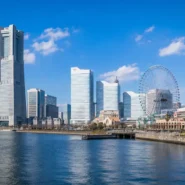
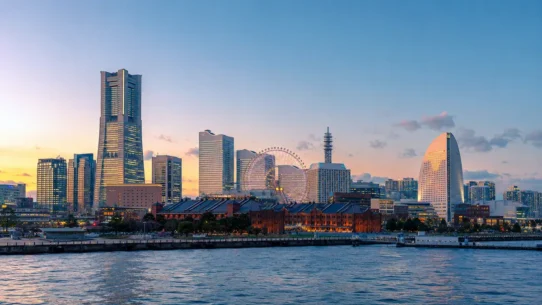
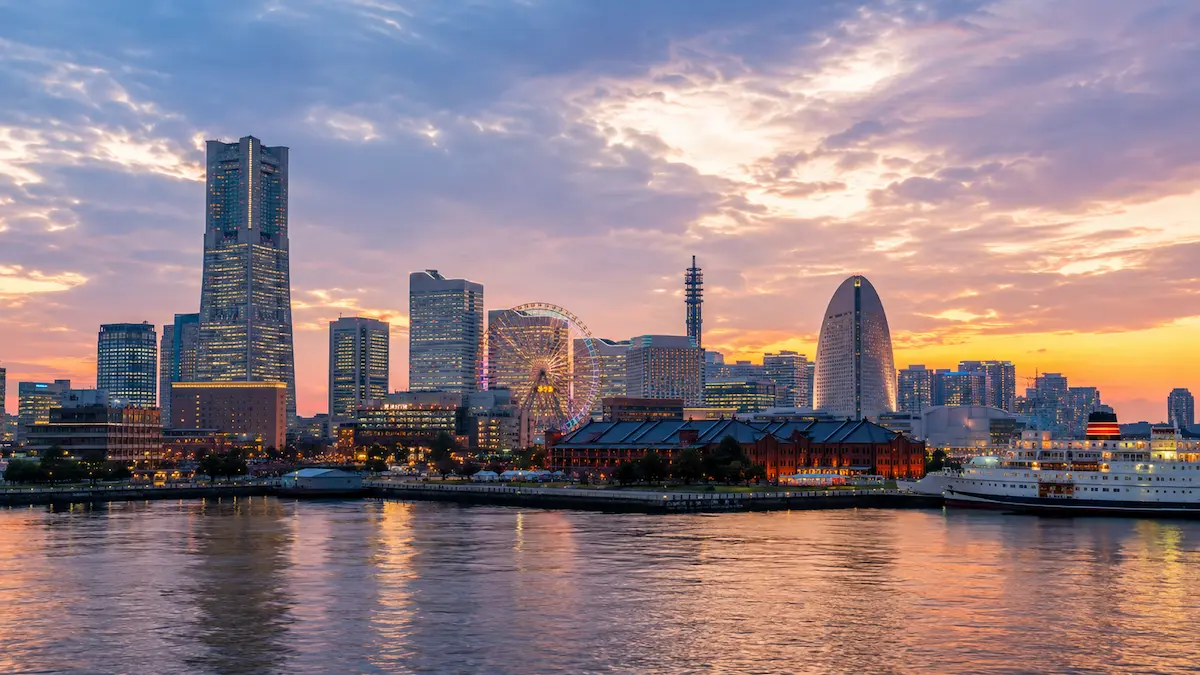
- Minato Mirai and YOKOHAMA AIR CABIN — Best for first-day orientation, skyline views and travelers who want a low-effort introduction. Allow 45–90 minutes for the one-way ride and canal-side walk. The cable car is paid, does not accept reservations and can still have a boarding line; walking is free and often faster when the queue is long.
- CUPNOODLES Museum Yokohama — Best for families, design fans and anyone booking the My CUPNOODLES Factory or Chicken Ramen Factory. Allow 90 minutes for the museum and custom cup, or longer for a reserved workshop. Buy through the official online ticket system; the museum specifically states that its online tickets are not sold through other websites.
- Yokohama Red Brick Warehouse and Osanbashi Pier — Best for harbor atmosphere, architecture, sunset and event days. Allow 45–75 minutes at Red Brick and 45–60 minutes at Osanbashi. Both areas are free to enter, although special events and purchases cost extra. Walk between them instead of taking a train for one stop.
- Sankeien Garden — Best for gardens, historic architecture, seasonal foliage and travelers needing a quieter counterpoint to Minato Mirai. Allow 2–2.5 hours. Paid entry; an official e-ticket is available. The most efficient access is usually JR to Negishi followed by a bus or short taxi.
- Yokohama Chinatown, Motomachi and Yamashita Park — Best for food, street atmosphere and an easy waterfront evening. Allow 3–5 hours including a meal. The district and park are free; individual temples, museums and restaurants set their own rules. Arrive before noon or eat after 13:30 to avoid the worst lunch crush.
- Yokohama Hakkeijima Sea Paradise — Best for families, aquariums and travelers happy to spend most of a day in one large complex. Allow 6–8 hours plus travel. Buy a date-valid ticket in advance on busy dates, check the facility-specific calendar and use public transport because weekend roads and parking can congest.
- Yokohama Zoorasia — Best for families and serious animal lovers. Allow 4.5–6 hours because the zoo is large and involves substantial walking. Paid entry; electronic tickets and transit IC payment are available. The final approach is by bus, and both buses and parking can become crowded during special evening openings.
- Shin-Yokohama Ramen Museum — Best for ramen enthusiasts, rainy days and travelers transferring through Shin-Yokohama. Allow 1.5–2.5 hours depending on restaurant queues. Admission is paid and ramen costs extra; restaurants do not take reservations, and each visitor of middle-school age or older is expected to order a bowl.
The Most Practical 5-Day Itinerary
This route assumes five full or nearly full days based in Yokohama. It follows the classic first-timer wish list, but removes the inefficient habit of bouncing back through Yokohama Station after every attraction. Day 5 is a Kamakura day trip because it is the nearby add-on most first-time visitors try to squeeze into a Yokohama stay. The route deliberately excludes Enoshima unless you remove half of Kamakura; trying to “do both” is one of the region’s most common itinerary failures.
Day 1: Minato Mirai to Osanbashi — One Continuous Waterfront Route
- Recommended start: 09:30 at Sakuragicho Station. On an arrival day, begin at 10:00–10:30 after leaving luggage at your hotel. Do not tour with a suitcase.
- Stop 1 — YOKOHAMA AIR CABIN or canal walk: 20–40 minutes. Ride one way from Sakuragicho to Unga Park when the ticket and boarding lines are reasonable. If the displayed queue is more than roughly 15 minutes, walk instead; the view is pleasant but not worth sacrificing a timed museum entry.
- Stop 2 — CUPNOODLES Museum Yokohama: 10:15 or 10:30 entry, 90–120 minutes. Reserve a workshop time only when it fits this route. Do not confuse general museum admission, the My CUPNOODLES Factory and the longer Chicken Ramen Factory workshop; they have different procedures.
- Lunch and rest: 12:15–13:00 around World Porters, Shinko Wharf or Yokohama Hammerhead. This is the right place for a seated break before the outdoor section. Avoid waiting for a trendy café if the line consumes half your waterfront afternoon.
- Stop 3 — Yokohama Red Brick Warehouse: 13:15–14:15. Browse the buildings, photograph the exterior and check whether a worthwhile event is running. Without an event, the indoor retail portion may need only 30–45 minutes.
- Stop 4 — Zou-no-hana Park to Osanbashi Pier: 14:30–16:15. Walk east along the harbor. Osanbashi’s rooftop deck is the free skyline viewpoint many visitors actually need; its ramps are easier on the knees than a stair-heavy lookout.
- Optional sunset extension: Continue to Yamashita Park or take a short taxi to Yokohama Marine Tower if you want a paid elevated view. Do not follow old guides to the Landmark Tower Sky Garden, which is closed for major renovation.
- What to cut when tired: Skip the AIR CABIN or reduce Red Brick to its exterior and main hall. Do not cut Osanbashi solely to spend more time shopping indoors.
- Rain plan: Prioritize CUPNOODLES Museum, World Porters and the covered areas of Red Brick. Use a short taxi between Red Brick, Osanbashi and the hotel rather than waiting for a packed waterfront bus in heavy rain.
- Best evening area: Noge for casual izakaya and local atmosphere, or Bashamichi/Kannai for a calmer dinner. Families may prefer Minato Mirai.
- Why this beats the common influencer route: You travel west to east once. The typical version rides the AIR CABIN round trip, returns to Sakuragicho, takes a train to Bashamichi and then walks back toward Red Brick—paying more to cover the same ground twice.
Day 2: Sankeien Garden, Motomachi, Chinatown and Yamashita Park
- Recommended start: Leave your hotel around 08:15 and aim to enter Sankeien Garden at 09:00. The morning is cooler, quieter and better for photography.
- Transport to Sankeien: From Sakuragicho or Kannai, take the JR Negishi Line to Negishi, then use the appropriate local bus or a short taxi. A taxi is especially sensible for three or four people, older travelers, families with a stroller or anyone visiting in humid weather. Check the official access page because bus stops and services can change.
- Stop 1 — Sankeien Garden: 09:00–11:15 or 11:30. Follow the inner garden and historic buildings first, then decide whether your legs justify the longer outer-garden loop. The site is larger and hillier than many photos imply.
- Transfer south-to-north only once: Take a bus toward Motomachi-Chukagai or use a taxi directly to Motomachi/Chinatown. This is one of the few short taxi legs that can replace an awkward transfer and preserve energy for the afternoon.
- Lunch: Arrive in Chinatown around 12:15, but consider a tea break first and a meal at 13:15–13:45. Weekend noon queues can be long, and the restaurants with the loudest street promoters are not automatically the best value.
- Stop 2 — Chinatown: 90–150 minutes including lunch. Focus on a temple, two or three side streets and one planned meal rather than grazing continuously at every viral snack stall.
- Stop 3 — Motomachi and Yamashita Park: 15:00–17:00. Walk through Motomachi if shopping interests you, then finish on the flat waterfront. Harbor View Park is optional; it adds an uphill segment and is not essential for travelers already visiting Osanbashi.
- What to cut when tired: Remove Harbor View Park first, then Motomachi shopping. Keep either Sankeien or Chinatown as the day’s anchor rather than shortening both into rushed photo stops.
- Rain plan: Shorten the outer garden loop, spend more time over lunch or tea in Chinatown, and consider Marine Tower or a nearby indoor museum. Sankeien is atmospheric in light rain but less comfortable during sustained downpours.
- Best evening area: Chinatown after the day-tour crowds begin thinning, or Kannai for easier reservations and less street congestion.
- Why this beats the common influencer route: Sankeien is handled first while energy and daylight are good, followed by a single move toward the city. The inefficient version starts in Chinatown, travels out to Sankeien in the afternoon, then returns to Yamashita Park at sunset.
Day 3: Hakkeijima Sea Paradise — Do Not Combine It with Central Yokohama
- Recommended start: Depart around 08:15. Take JR to Shin-Sugita, transfer to the Seaside Line and alight at Hakkeijima. Check the date-specific opening time and aim to arrive shortly before it.
- First priority: Enter the headline aquarium areas and check the day’s show schedule before wandering into shops. On ride-heavy days, use the official app to compare waiting times and operating status.
- Suggested order: Main aquarium exhibits and any must-see show in the morning; early lunch; remaining aquarium zones, animal encounters or rides in the afternoon. Exact order should follow that day’s show times, weather and maintenance closures rather than a rigid social-media checklist.
- Recommended stay: 6–8 hours. This is not a quick two-hour aquarium. The island is spread out, and walking between facilities takes longer than the map suggests.
- Lunch and rest: Eat around 11:15–11:45 before the main lunch rush. Choose a venue near your next scheduled show instead of crossing the island for a famous menu item.
- What to cut when tired: Drop exposed rides or secondary zones that do not match your interests. Families should protect the main aquarium and one or two signature experiences rather than trying to complete every attraction.
- Rain plan: Build the day around the aquariums and indoor facilities. Outdoor rides may be unpleasant or suspended, so do not buy a ride-heavy package without checking the forecast and operating notices.
- Best evening area: Return to your hotel district for a simple dinner. Adding Chinatown or Minato Mirai after a full Sea Paradise day sounds efficient on paper but usually produces an overtired evening.
- Why this beats the common influencer route: Hakkeijima is far enough from the center to deserve one dedicated travel cycle. Pairing it with Sankeien or Chinatown adds transfers, creates pressure to leave early and reduces the value of an expensive ticket.
Day 4: Zoorasia and Shin-Yokohama Ramen Museum — A Northern Yokohama Day
- Recommended start: Leave around 08:00 and reach Zoorasia for its 09:30 opening. Travel by rail to Nakayama Station and continue by bus. Check the zoo’s closure calendar; Tuesday closures and seasonal evening schedules can affect this day.
- Stop 1 — Yokohama Zoorasia: 09:30–15:00 or 15:30. Choose priority habitat zones before entering because the site is too large for a casual “we will see everything” approach. Families should take a proper seated break before children become exhausted.
- Lunch and rest: Eat inside the zoo around 11:15. Carry water and a small snack, but avoid overpacking—every extra kilogram matters on this walking-heavy day.
- Transfer: Return by bus to Nakayama and take the JR Yokohama Line to Shin-Yokohama. This keeps the day in the northern/western half of the city rather than sending you back to the waterfront.
- Stop 2 — Shin-Yokohama Ramen Museum: Arrive around 16:45–17:15 and stay 1.5–2 hours. This falls between the conventional lunch and dinner peaks, although popular shops can still queue.
- What to cut when tired: Travelers who are not enthusiastic about zoos should delete Zoorasia altogether. A slow morning, laundry or café break followed by the Ramen Museum is a more honest use of the day than forcing a six-hour outdoor attraction.
- Rain plan: Zoorasia is a poor-value choice in heavy rain because of the walking and variable animal visibility. Make the Ramen Museum your main stop, rest indoors around Shin-Yokohama and move a central indoor activity from another day.
- Best evening area: Eat at the Ramen Museum, then return directly by rail. Do not schedule another full dinner unless your chosen ramen portions are very small.
- Why this beats the common influencer route: Zoorasia and Shin-Yokohama are connected through Nakayama and the Yokohama Line. Placing the ramen museum after Minato Mirai or Chinatown creates a needless northbound detour on a day already rich in food options.
Day 5: Kamakura Core Day Trip — Temples First, Shopping Later
- Recommended start: Leave Yokohama around 07:00–07:15. Take JR to Kamakura, then the Enoden to Hase. The goal is to reach Hasedera close to its 08:00 opening before tour groups and midday Enoden congestion.
- Stop 1 — Hasedera: 08:00–09:05. See the main hall, terrace and garden before the lanes around Hase become busy. Hydrangea season can involve special entry controls, so check official seasonal notices.
- Stop 2 — Great Buddha at Kotoku-in: 09:15–10:00. Walk from Hasedera. No reservation is normally needed. The statue is iconic but the visit itself is relatively short unless you linger in the grounds.
- Return toward central Kamakura: Take the Enoden back before the worst midday crowd. A one-day Enoden pass is usually unnecessary when you make only a simple return trip between Kamakura and Hase.
- Stop 3 — Tsurugaoka Hachimangu: 10:40–11:40. Approach before lunch, then exit toward quieter side streets rather than treating Komachi-dori as the entire destination.
- Lunch and rest: Eat at 11:30–11:45 or after 13:30. Reserve a restaurant or choose side streets away from the busiest part of Komachi-dori. Standing in a snack queue is not a substitute for a real break.
- Optional afternoon: Spend 60–120 minutes in Kita-Kamakura for another temple area, or return to Yokohama early. Do not add Enoshima unless you remove Tsurugaoka, Komachi-dori and the optional northern temples.
- What to cut when tired: Cut shopping first and Kita-Kamakura second. Keep Hasedera and the Great Buddha as a compact Hase cluster.
- Rain plan: Light rain can suit temple gardens, but heavy rain makes stone paths and outdoor viewpoints less rewarding. Swap this day with your flexible Day 4 plan when the forecast is poor.
- Best evening area: Yokohama Station or your hotel neighborhood for dinner, packing and an early night. Returning before the heaviest Tokyo-bound commuter period can make the final journey more comfortable.
- Why this beats the common influencer route: You visit Hase at opening, use the Enoden before its midday crush and move toward central Kamakura once. The usual “Kamakura plus Enoshima plus every famous temple” route spends too much time on congested trains and too little time enjoying any one place.
Tourist Traps to Avoid & Itinerary Hacks
- Trap: Following an old guide to the Landmark Tower Sky Garden. The 69th-floor observation facility is closed for major renovation, with reopening planned for 2028 or later. Use Osanbashi for a free skyline view or Marine Tower for a paid elevated view, and verify reopening before building a future itinerary around it.
- Trap: Buying a round-trip AIR CABIN ticket automatically. The one-way ride is useful because it moves you from Sakuragicho into the waterfront route. A round trip returns you to the same side and often creates backtracking. Buy the return only when the cable car itself is the experience you value most.
- Trap: Treating Red Brick Warehouse as a half-day museum. It is mainly a heritage shopping, dining and event complex. On a non-event weekday, many visitors need less than an hour. The exterior, harbor walk and nearby Osanbashi often provide more memorable value than prolonged browsing.
- Trap: Eating in Chinatown at exactly 12:30 on a weekend. This is when tour groups and day-trippers converge. Eat early, eat late or book a specific restaurant. A long queue only proves popularity, not quality or value.
- Trap: Choosing a Chinatown restaurant because a promoter is persuasive. “All you can eat” and huge illustrated menus can be convenient, but they are not automatically the best meal. Check the actual menu, portion style, service charges and recent reviews before committing.
- Trap: Pairing Hakkeijima with Sankeien or central Yokohama. The map makes southern Yokohama look compact, but local transfers and the size of Sea Paradise turn this into an endurance test. Protect a full day for the island.
- Trap: Buying every possible day pass. Central waterfront attractions are best connected on foot. The Minatomirai Line one-day pass can make sense for several separate rides, but it is poor value when your route uses one or two trips and a long continuous walk.
- Trap: Assuming “QR ticket” means “skip every line.” An online ticket may remove the ticket-counter step, but security checks, workshop check-in, ride queues and boarding lines can remain. AIR CABIN does not accept reservations, and a combo ticket does not guarantee immediate boarding.
- Trap: Dragging luggage onto buses to Sankeien or Zoorasia. City buses have limited space and can be crowded. Leave bags with your hotel, use a station locker early in the day or send large luggage to the next hotel.
- Trap: Booking CUPNOODLES Museum through an unofficial seller. The museum states that its online tickets are sold through its official website, not other websites. Use the official ticket platform and treat third-party bundles cautiously.
- Trap: Reserving the wrong noodle activity. The My CUPNOODLES Factory is a shorter custom-cup experience; the Chicken Ramen Factory is a longer hands-on workshop with its own reservation procedure. Read the product name and time commitment before paying.
- Trap: Visiting Zoorasia because it appears on every family list. It is excellent for animal lovers but demands hours of walking and a bus connection. Couples or short-stay adults may gain more from a slower central day.
- Trap: Entering the Ramen Museum at peak meal time and expecting a quick tasting tour. Admission does not include ramen, shops can queue and older children/adults are expected to order. Arrive between meal peaks and decide which one or two shops matter most.
- Trap: Combining all of Kamakura and Enoshima in one day. It is technically possible and practically unpleasant on busy dates. Choose Kamakura’s temple core or an Enoshima-focused coastal day; do not confuse train mileage with meaningful sightseeing.
Save Your Legs! The Most Efficient Route
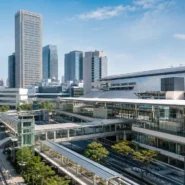
Yokohama becomes much easier when you stop treating “Yokohama” as one compact station area. The central waterfront is a walkable west-to-east corridor from Sakuragicho through Shinko Wharf and Red Brick to Osanbashi, Yamashita Park and Chinatown. Sankeien sits farther south and requires a bus or taxi after rail. Hakkeijima is farther south again and deserves its own Seaside Line day. Zoorasia and Shin-Yokohama belong to a separate northern/western cluster. Kamakura is an out-of-city rail day.
Walk these clusters: Sakuragicho to AIR CABIN/CUPNOODLES Museum, Red Brick to Osanbashi, Chinatown to Yamashita Park, Hasedera to the Great Buddha, and central Kamakura to Tsurugaoka Hachimangu. These walks replace short, inconvenient transfers and keep the route visually interesting.
Use JR for the long spine: the Negishi Line is useful for Sakuragicho, Kannai, Ishikawacho, Negishi and Shin-Sugita; the Yokohama Line connects Nakayama with Shin-Yokohama; the Yokosuka Line carries you from Yokohama to Kamakura. Use the private Minatomirai Line selectively for Motomachi-Chukagai, Nihon-odori, Bashamichi and Minatomirai, but do not train-hop between every waterfront stop.
Use buses only for the final gap: Sankeien and Zoorasia need a bus unless you take a taxi. At popular weekend times, buses may be full and road traffic can make arrival times less predictable. Hakkeijima’s Seaside Line is more reliable than trying to drive, and the attraction itself recommends public transport when roads and parking are busy.
Take a short taxi when it removes a weak link: Negishi Station to Sankeien, Sankeien to Motomachi/Chinatown, or an uphill transfer to Harbor View Park in bad weather can be worth the fare. For three or four travelers, the difference from multiple bus fares may be modest. A taxi is not smart for central Minato Mirai, where walking and rail are faster during event traffic, or for the full journey to Hakkeijima.
Do not return to Yokohama Station unless the route requires it. Yokohama Station is an excellent transport hub but a confusing sightseeing base with many exits and an extra last-mile trip to the waterfront. For this itinerary, Sakuragicho or Bashamichi gives the best balance of JR access, waterfront walking and evening dining. Kannai is a strong alternative for Chinatown, the stadium area and cheaper restaurants. Stay at Yokohama Station mainly when airport access, Shinkansen connections or a late arrival matter more than daily sightseeing efficiency.
Luggage strategy: ask your hotel to hold luggage before check-in and after checkout; this is usually simpler than hunting for a locker. If you must use a station locker, store bags early because large compartments can fill by late morning. Sankeien provides free coin lockers near its main gate, and Osanbashi has terminal lockers during building hours, but neither solves the problem of carrying luggage through crowded transit. Use Yamato or another luggage-forwarding service between hotels for large suitcases, and confirm the counter’s current cutoff time and delivery area before relying on same-day service.
Ticket Tips & Skip-the-Line Hacks
Yokohama does not have one universal booking system, and “book everything online” is not intelligent advice. The useful approach is to prebook timed or high-value attractions, use official channels when a venue requires them, and leave free or low-friction stops flexible.
Buy in advance through the official site: CUPNOODLES Museum Yokohama offers official online tickets, and its site explicitly states that online tickets are not sold on other websites. Book the Chicken Ramen Factory separately when you want the 70-minute workshop; reservations are handled through the museum’s official system and can fill. Do not use a third-party ticket merely because it displays a familiar logo.
Worth prebooking on busy dates: Hakkeijima Sea Paradise recommends advance purchase and uses date-specific operating information. Prices changed from August 1, 2026, so compare the current official price with any reseller rather than copying an old blog’s figure. A digital ticket may save the purchase-counter step, but you still need to plan around show schedules, weather and ride queues.
Optional e-ticket, not an urgent reservation: Sankeien Garden sells official online admission and notes that it can avoid lining up at the ticket counter. This is convenient during blossom, foliage and event periods, but ordinary weekdays rarely justify anxiety. Zoorasia also supports electronic tickets and transit IC payment at the gate; advance purchase is useful for convenience, not because the zoo normally sells out.
No reservation: YOKOHAMA AIR CABIN does not accept reservations. Buying a ticket or combo online can reduce the purchase step, but it does not reserve a cabin time. Red Brick Warehouse, Osanbashi Pier, Yamashita Park and the streets of Chinatown are free to enter. Cosmo World has free admission and pay-per-ride pricing, with date-specific hours and ride cutoffs.
On-site or low-friction temple admission: Kamakura’s Hasedera and Kotoku-in Great Buddha are normally straightforward paid entries without general advance reservations. Tsurugaoka Hachimangu’s main grounds are free. Seasonal controls can apply—particularly around Hasedera’s hydrangeas—so check official notices rather than assuming normal entry rules year-round.
Experiences that may need early action: reserve the Chicken Ramen Factory, popular cultural workshops, weekend kimono rentals and limited seasonal illuminations when they are central to your trip. For ordinary city trains, the AIR CABIN, free waterfront sights and regular temple visits, advance booking adds little value.
Verified affiliate options: The underlying product pages were verified at the time of fact-checking, and the requested affiliate parameters have been appended to the URLs below. Prices, currencies, inventory and inclusions can change, so compare them with the official site before buying. A reseller is worthwhile only when it offers the same valid admission, clear cancellation terms and a genuine price or language advantage.
- Check Sankeien Garden admission on Klook
- Check Sankeien Garden admission on KKday
- Check Hakkeijima Sea Paradise tickets on Klook
- Check Hakkeijima Sea Paradise tickets on KKday
- Check the AIR CABIN and Cosmo Clock 21 combo on KKday
- Check Shin-Yokohama Ramen Museum admission on Klook
Official booking and verification links: CUPNOODLES Museum official online ticket, Chicken Ramen Factory official reservation, Sankeien official admission information, Hakkeijima official ticket information, YOKOHAMA AIR CABIN official site, and Shin-Yokohama Ramen Museum official site.
Tried & Tested: My Honest Review
The reviews below use an editorial first-timer test: Does the stop justify its travel time, walking cost and queue risk? “Popular” does not automatically mean “essential,” and a free viewpoint can be a better decision than a famous paid attraction.
📍 Stop 1: Minato Mirai and YOKOHAMA AIR CABIN
Feature tags: Skyline · Easy first day · One-way shortcut · Family-friendly
My honest verdict: Minato Mirai is the right introduction to Yokohama because the skyline, canals and major sights are immediately legible. The AIR CABIN is best understood as transport with a view, not a must-do thrill ride. One way adds novelty and saves a little walking; round trip usually harms the itinerary.
✅ What Other Travelers Say: Visitors commonly praise the clean waterfront, night views and easy photographs. Families like the compact connection between the cable car, Cosmo World and indoor shopping.
⚠️ The Catch (Things to Keep in Mind): The ride is short, cabins are not reserved and queues can outlast the time saved. On clear, comfortable days the canal walk is free and nearly as satisfying. Do not confuse an online combo ticket with a skip-the-boarding-line pass.
📍 Stop 2: CUPNOODLES Museum Yokohama
Feature tags: Interactive museum · Rainy-day option · Kids · Advance planning
My honest verdict: The museum works best when you actively make something. The custom cup is memorable, visual and easy to fit into Day 1. Adults who skip every hands-on component may find the exhibition portion shorter and more brand-focused than expected.
✅ What Other Travelers Say: The My CUPNOODLES Factory is usually the highlight, especially for children and souvenir-minded visitors. Travelers also appreciate that the museum is indoors and easy to combine with the waterfront.
⚠️ The Catch (Things to Keep in Mind): General admission and factory activities are not the same purchase. The Chicken Ramen Factory requires more time and separate planning. Use the official online system—the museum says its online tickets are not sold through other websites.
📍 Stop 3: Yokohama Red Brick Warehouse and Osanbashi Pier
Feature tags: Free entry · Harbor sunset · Architecture · Event-dependent
My honest verdict: This pairing is stronger than either stop alone. Red Brick supplies heritage character and events; Osanbashi supplies the open skyline and breathing room. The walk between them is part of the attraction.
✅ What Other Travelers Say: Travelers consistently enjoy the warehouse exterior, seasonal markets and harbor photographs. Osanbashi is valued for sunset, ship views and the distinctive rooftop deck.
⚠️ The Catch (Things to Keep in Mind): Red Brick’s interior is largely shops and food, so it can feel overhyped without a good event. Seasonal markets may be crowded and charge admission. Check the calendar, but do not let an average retail visit displace the waterfront walk.
📍 Stop 4: Sankeien Garden
Feature tags: Historic garden · Quiet morning · Seasonal scenery · Moderate walking
My honest verdict: Sankeien is one of Yokohama’s best antidotes to glass towers and shopping complexes. It rewards visitors who enjoy architecture, gardens and slow observation. It is not a five-minute photo stop, and the remote access is precisely why it must anchor the morning rather than become an afternoon afterthought.
✅ What Other Travelers Say: Visitors often describe it as peaceful, spacious and better than expected, particularly during blossom and foliage seasons. The relocated historic structures give the garden more substance than a purely decorative park.
⚠️ The Catch (Things to Keep in Mind): The grounds are bigger, less flat and less child-focused than promotional photos suggest. Public transport requires a final bus; parking and buses can be busy during seasonal events. Use the free lockers near the main gate when needed.
📍 Stop 5: Yokohama Chinatown, Motomachi and Yamashita Park
Feature tags: Food district · Street atmosphere · Flat waterfront · Best off-peak
My honest verdict: Chinatown is worth visiting, but it is better as a district than as a food challenge. One planned meal, a temple, a few side streets and a walk to Yamashita Park create a richer afternoon than buying every viral snack.
✅ What Other Travelers Say: Travelers enjoy the gates, dense street life, broad restaurant choice and easy link to the waterfront. Yamashita Park provides welcome space after the busiest lanes.
⚠️ The Catch (Things to Keep in Mind): Weekend lunch hours can be uncomfortable, and aggressive restaurant promotion does not guarantee quality. Street snacks accumulate quickly in price and calories. Motomachi is pleasant but not essential for visitors uninterested in shopping.
📍 Stop 6: Yokohama Hakkeijima Sea Paradise
Feature tags: Full-day attraction · Aquariums · Rides · Weather-sensitive
My honest verdict: Sea Paradise can justify its travel time for families and aquarium fans because it offers enough for a complete day. It is poor value as a rushed half-day add-on. The smart strategy is to arrive early, choose priorities and accept that you may not complete every zone.
✅ What Other Travelers Say: Families value the variety of aquariums, shows and rides, while aquarium enthusiasts appreciate having multiple themed facilities in one destination.
⚠️ The Catch (Things to Keep in Mind): The complex is large, the journey is longer than central sightseeing, and hours differ by facility and date. Weather can affect rides. Ticket prices changed in August 2026, so use current official information rather than old screenshots or blog prices.
📍 Stop 7: Yokohama Zoorasia
Feature tags: Large zoo · Families · Naturalistic habitats · High step count
My honest verdict: Zoorasia is a quality zoo, not a compulsory Yokohama landmark. Its spaciousness is both strength and weakness: habitats feel less cramped, but the visitor walks a great deal. Keep it for travelers who genuinely want a zoo day.
✅ What Other Travelers Say: Families and animal lovers often praise the large grounds, themed habitat zones and slower pace compared with compact urban zoos.
⚠️ The Catch (Things to Keep in Mind): Animal visibility varies, heat and rain can reduce enjoyment, and the bus segment adds friction. Seasonal night openings can make roads, parking and buses particularly busy. The zoo is normally closed on Tuesdays, subject to holiday adjustments.
📍 Stop 8: Shin-Yokohama Ramen Museum
Feature tags: Indoor attraction · Ramen history · Retro design · Queue risk
My honest verdict: The retro streetscape and chance to compare regional ramen make this more than a food court. It works particularly well in late afternoon, on a rainy day or before a Shinkansen. It is less attractive for visitors with strict dietary needs or little appetite.
✅ What Other Travelers Say: Ramen fans like the ability to encounter styles from different regions without traveling across Japan. The reconstructed 1950s atmosphere is frequently mentioned as a highlight.
⚠️ The Catch (Things to Keep in Mind): Admission does not include food, restaurants cannot be reserved and queues remain possible. Each visitor of middle-school age or older is expected to order a bowl. Ask which shops offer smaller portions that day rather than assuming every menu does.
📍 Stop 9: Hasedera, the Great Buddha and Central Kamakura
Feature tags: Easy day trip · Temple gardens · Early start · Seasonal crowds
My honest verdict: Kamakura is the right fifth-day extension because it contrasts with modern Yokohama and is easy by JR. The successful version is edited: Hase at opening, central Kamakura before lunch and one optional afternoon area. Enoshima is not a harmless extra.
✅ What Other Travelers Say: Visitors praise Hasedera’s garden and views, the scale of the Great Buddha and the historic approach to Tsurugaoka Hachimangu. The town feels meaningfully different from central Yokohama.
⚠️ The Catch (Things to Keep in Mind): Enoden trains, Komachi-dori and hydrangea-season Hasedera can become very crowded. Temple paths may be slippery in rain. A one-day Enoden pass is unnecessary for a simple Kamakura–Hase return and can encourage pointless stop-hopping.
Key FAQs
Is five days too long for Yokohama for first-time visitors?
Five days works when you want the central waterfront, Sankeien and Chinatown, a full Hakkeijima day, one interest-based day such as Zoorasia/Shin-Yokohama, and a Kamakura day trip. Travelers who do not want Sea Paradise or Zoorasia may find three full Yokohama days sufficient. Do not pad the schedule with distant attractions merely to justify five nights.
Where should first-time visitors stay in Yokohama to reduce walking and transfers?
Sakuragicho and Bashamichi are the best all-round bases for this route because they combine JR access, waterfront walking and evening dining. Kannai is strong for Chinatown and value-focused restaurants. Yokohama Station is best for airport, long-distance and shopping convenience, but it adds a daily last-mile trip and its large station layout can waste time.
Do I need to book Yokohama attractions in advance for a five-day itinerary?
Book CUPNOODLES Museum through the official site, reserve the Chicken Ramen Factory if desired, and prebuy Hakkeijima admission on busy dates after checking the operating calendar. Sankeien and Zoorasia e-tickets are convenient rather than essential. AIR CABIN does not accept reservations, free waterfront sights need no ticket, and regular Kamakura temple entry is generally handled on site except when seasonal controls apply.
Final Verdict and Your Next Step
The best Yokohama itinerary is not the one with the most pins. It is the one that gives each distant district a clear purpose, keeps waterfront days moving in one direction and leaves enough energy to enjoy dinner. Stay near Sakuragicho, Bashamichi or Kannai, travel light, give Hakkeijima a full day, and treat Kamakura as a focused temple day rather than a race to Enoshima.
Before departure, lock in only the bookings that protect your time: the official CUPNOODLES Museum slot, any Chicken Ramen workshop, and a date-valid Hakkeijima ticket on a busy day. Then compare the verified affiliate options below against the official price and cancellation policy. Do not buy a pass simply because it contains more attractions; buy it only when it covers places you will actually visit and does not rely on a closed or unwanted stop.