
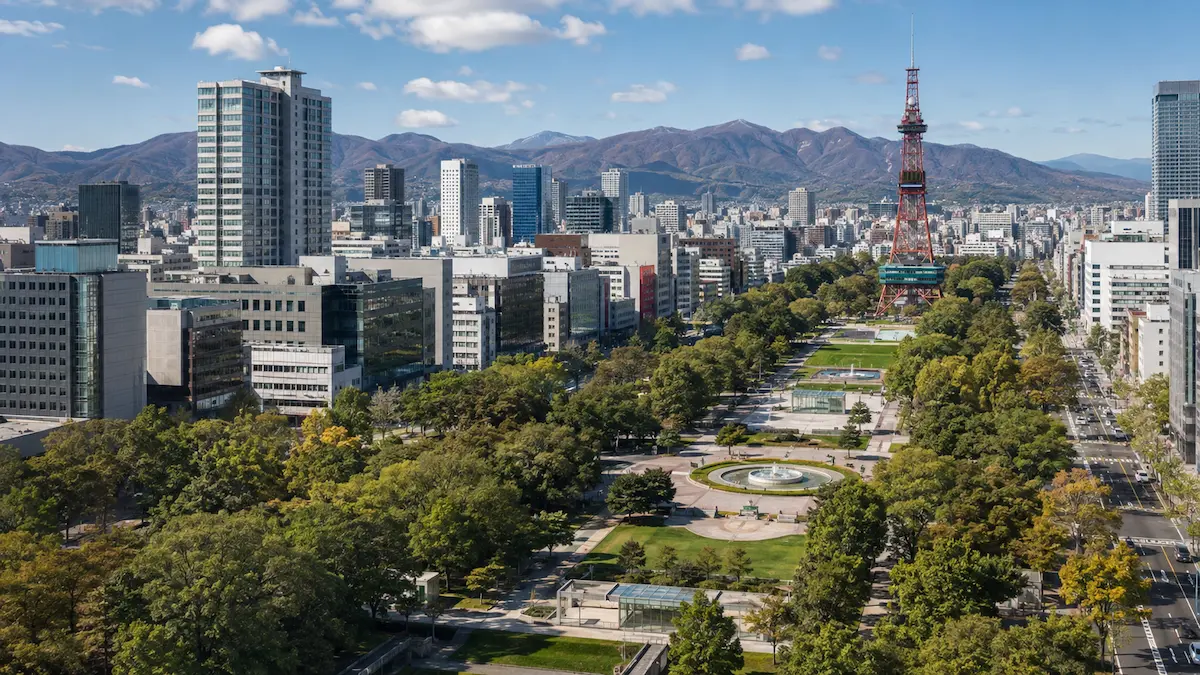
💡 Key Takeaways
- June is the best all-round month for comfortable walking weather, long daylight and relatively low rainfall—provided you check festival dates around Odori Park.
- Sapporo cherry blossoms usually arrive in late April or early May, not March. The prettiest window can overlap with Golden Week, when hotels and transport become busier and more expensive.
- Winter is not automatically cheap. Late January can offer good snow-season value, but New Year and the Sapporo Snow Festival create major price and crowd spikes.
Choosing the best time to visit Sapporo is harder than it looks because every attractive season comes with a trade-off. Cherry blossoms are beautiful but brief, and their late-April-to-early-May timing can collide with Golden Week. Summer is cooler than Tokyo or Osaka, yet July and August can still produce hot, humid days that make long walking itineraries tiring. Winter delivers the postcard version of Sapporo, but daylight is short, pavements can be icy and Snow Festival dates are among the most expensive times to stay.
There is also a common weather misunderstanding worth clearing up immediately: Hokkaido does not experience the same officially defined, weeks-long rainy season as most of mainland Japan. June in Sapporo is often one of the drier and more comfortable months. That does not mean guaranteed sunshine—low-pressure systems and sudden rain still happen—but it is misleading to treat Sapporo like Tokyo during tsuyu.
This guide compares weather, crowds, likely travel costs and seasonal events without pretending that one month suits everyone. The practical answer is simple: June is the safest choice for most first-time visitors, mid-to-late October is best for food and autumn color, and late January is the smartest winter compromise.
The 1-Min Cheat Sheet
- March to April: Best for lower prices, food-focused city breaks and travelers who do not mind messy shoulder-season weather. March is still wintry and often slushy. April improves quickly, but reliable cherry blossom viewing usually comes only near the end of the month.
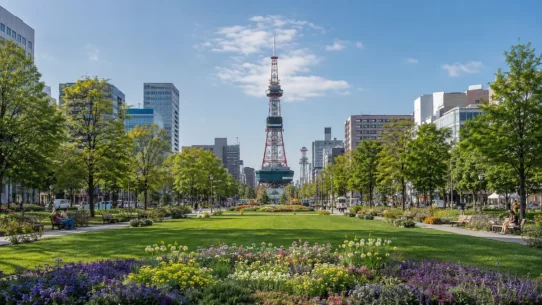
- May to June: Best overall balance. May becomes green and lively, while June usually offers mild days, long daylight and relatively low rainfall. Avoid the Golden Week rush in early May and check dates for the Lilac Festival and YOSAKOI Soran Festival.
- July to August: Best for festivals, beer gardens, day trips and outdoor evenings. It is cooler than central Japan, not cool in an absolute sense. August is the hotter, wetter and more crowded half, especially around Obon.
- September to November: Best for seasonal food and autumn foliage. September is comfortable but can be wet; October is the strongest month for most travelers; November is a risky in-between period when leaves may be gone but dependable snow has not yet arrived.
- December to February: Best for snow, skiing, illuminations and winter atmosphere. Early December can be variable, January is bitterly cold but often better value, and February becomes extremely busy around the Sapporo Snow Festival.
Top Survival Tips
- Do not plan a March “sakura trip” to Sapporo. This is one of the most common timing mistakes. The city’s cherry blossoms normally appear around late April or early May, and exact bloom dates shift from year to year.
- Treat early May as a peak period, not a quiet shoulder season. Golden Week brings domestic travelers onto planes, trains and roads. A room that looks reasonable for mid-May can be dramatically more expensive during the holiday cluster.
- Check the event calendar before judging a month by its average price. The Lilac Festival, YOSAKOI Soran Festival, Odori beer garden, Autumn Fest, White Illumination and Snow Festival can all tighten hotel availability around the city center.
- For August, confirm that your room has air-conditioning. Sapporo’s summer reputation was built on comparison with hotter Japanese cities. Heatwaves still happen, and older budget rooms or small guesthouses may not cool as effectively as expected.
- Winter footwear matters more than another fashionable coat. Insulated, water-resistant shoes with grip are essential. Compact traction cleats can be useful on polished ice, but remove them before walking on smooth indoor floors.
- Build a transport buffer into winter itineraries. Sapporo handles snow impressively, but heavy snowfall can still delay flights and surface transport. Do not schedule a tight international connection after a winter domestic flight.
- Use refundable hotel rates when traveling for blossoms or foliage. Seasonal timing can move by a week or more. Flexibility is worth paying slightly extra for, especially if the visual experience is the main reason for your trip.
- Choose your neighborhood based on weather, not only nightlife. Around Sapporo Station is convenient for day trips and underground access. Odori gives excellent event access. Susukino is lively at night, but dragging luggage farther across snow or slush becomes tiring fast.
The Full Experience
🌸 March to April: Lower Prices, but Sakura Comes Very Late
Best for: budget travelers, seafood and ramen trips, museums, late-season skiing | Typical feel: winter thaw, cold wind, slush, then a rapid spring transition
March is still winter by most travelers’ standards. Typical daytime highs are only around 4°C, nights remain below freezing and accumulated snow begins to melt into puddles, dirty roadside banks and slippery refrozen patches. It can be a useful month for travelers who care more about food, shopping and indoor attractions than scenery, but it is not Sapporo at its most photogenic.
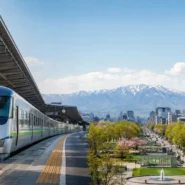
April is a month of rapid change. Average daytime highs rise to roughly 12°C, yet mornings and evenings remain cold. Parks can look bare in early April, and snow may linger in shaded areas. The reward comes near the end of the month, when cherry blossoms may begin opening around Hokkaido Shrine, Maruyama Park and other city spots.
✅ What Other Travelers Say
Travelers who enjoy quieter city breaks often like the easier restaurant reservations and lower accommodation pressure in March and early April. Food-focused visitors also appreciate being able to spend more time in markets, museums, cafés and underground shopping areas without feeling that bad weather has ruined the entire trip.
⚠️ The Catch (Things to Keep in Mind)
The biggest trap is expecting a classic Japanese spring scene too early. March is not cherry blossom season in Sapporo. Early April can also feel visually flat: winter snow has lost its clean appearance, but greenery has not fully returned. Late April is more attractive, yet prices and crowds may rise as Golden Week approaches.
Editor’s verdict: Choose March for value and indoor city experiences, not scenery. Choose the final week of April only if your dates are flexible and you are prepared for blossom uncertainty and holiday demand.
🌿 May to June: Best Overall Balance for Most Travelers
Best for: first-time visits, walking, parks, flowers, long daylight, comfortable day trips | Typical feel: fresh spring in May and mild early summer in June
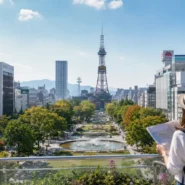
For the broadest range of travelers, this is the strongest period. May averages around 18°C by day and 9°C at night, while June reaches roughly 22°C and 13°C. The city becomes green, outdoor attractions are pleasant and daylight stretches well into the evening.
May has two very different personalities. The first week can be packed because of Golden Week and may overlap with cherry blossoms. The second half is calmer and brings lilacs, fresh greenery and generally comfortable walking weather. Locals even have a phrase for a brief return of cold weather around lilac season—so keep a light jacket even when the forecast looks springlike.
June is the month most people underestimate. Sapporo does not have the same formal rainy season as Tokyo, Kyoto or Osaka, and its long-term average rainfall is relatively low. It is not rain-free, but the combination of moderate temperatures, long daylight and manageable crowds makes June the best overall choice for a sightseeing-heavy itinerary.
✅ What Other Travelers Say
Visitors regularly praise how easy it is to explore on foot without the exhaustion of mainland Japan’s summer heat. Parks look alive, café terraces are usable and day trips to Otaru, Jozankei or nearby flower areas feel less physically demanding.
⚠️ The Catch (Things to Keep in Mind)
Festival dates can temporarily change the crowd picture. The Lilac Festival, YOSAKOI Soran Festival and Hokkaido Shrine Festival attract visitors around Odori Park and central transport routes. Weather can also turn cool quickly after sunset, especially in May and early June.
Editor’s verdict: Aim for mid-to-late May after Golden Week, or choose June for the safest weather-and-crowd balance. For a first Sapporo trip, June is the month I would book.
☀️ July to August: Great Festivals, but Do Not Assume It Will Be Cool
Best for: beer gardens, festivals, hiking, flower-field day trips, long evenings | Typical feel: warm summer, occasional heat, busier domestic travel
Sapporo is one of Japan’s better summer city choices, but “better” does not mean “cold.” Long-term averages put July highs near 25°C and August highs near 26°C, with August nights around 19°C. Hot spells above 30°C are possible, and humidity can become uncomfortable when you are walking on exposed streets or waiting for buses.
July is generally the easier half of summer. Parks are green, mountain access is good and evenings are lively. From late July into August, the Sapporo Summer Festival and Odori beer garden create a festive atmosphere in the center. This is excellent for travelers who enjoy outdoor dining and events, but less attractive for anyone seeking a quiet, cheap city break.
August brings more rainfall on average, stronger domestic demand and the Obon travel rush around the middle of the month. It is also a popular season for wider Hokkaido trips, so flights, rental cars and well-located hotels can sell faster than expected.
✅ What Other Travelers Say
Visitors arriving from Tokyo, Osaka or Kyoto often describe Sapporo as a relief. Even when daytime temperatures are high, mornings and evenings can be more manageable, and the city’s parks, food events and nearby nature provide more breathing room than dense mainland itineraries.
⚠️ The Catch (Things to Keep in Mind)
The city’s “cool summer” image can cause people to underpack. Bring breathable clothing, sun protection and a refillable water bottle. Confirm air-conditioning before booking a low-cost room. Mid-August is also a poor value choice unless Obon dates are unavoidable.
Editor’s verdict: Pick early to mid-July for the best summer balance. Choose late July or August for events, not bargains. Heat-sensitive travelers should prioritize June or late September instead.
🍁 September to November: Best for Food and Fall Color—If You Time October Right
Best for: autumn food, foliage, photography, onsen trips, comfortable city walks | Typical feel: mild September, crisp October, unstable transition in November
September begins pleasantly, with average highs around 23°C and nights near 15°C. The Sapporo Autumn Fest turns Odori Park into a concentrated showcase of Hokkaido food, making this one of the best periods for travelers who build itineraries around seafood, dairy, meat and regional produce.
The downside is rain. September is one of Sapporo’s wetter months, and typhoons or their remnants can disrupt flights and rail services even when the storm does not hit the city directly. A flexible day-trip plan is useful.
October is the standout. Average highs fall to around 16°C, mornings become crisp and autumn color spreads through Jozankei, Mount Moiwa, Nakajima Park, Maruyama Park and the Hokkaido University campus. Mountain and valley areas usually change before central city parks, so there is no single “perfect foliage date.” As a practical target, mid-to-late October gives the strongest odds for seeing color somewhere in or near Sapporo.
November is much harder to recommend. Daytime highs fall to roughly 9°C, nights approach freezing and leaves can disappear quickly after wind or early snow. The city may feel caught between seasons: too late for peak foliage, too early for a dependable deep-snow experience.
✅ What Other Travelers Say
Autumn visitors often rank October as the most comfortable month for combining urban sightseeing with nature. The food scene is a major highlight, and central parks allow travelers to see color without committing to a long rural road trip.
⚠️ The Catch (Things to Keep in Mind)
Foliage timing varies every year, and online forecasts should be checked close to departure. Jozankei can become congested on peak-color weekends. Early November may still show scattered color, but booking a trip specifically for leaves at that time is a gamble.
Editor’s verdict: Choose mid-to-late October for the best combination of weather, food and scenery. September is excellent for food events but wetter. Avoid November if your trip depends on either full autumn color or guaranteed snow.
❄️ December to February: Best for Snow, but Not Automatically Cheap
Best for: snow scenery, skiing, illuminations, winter food, the Snow Festival | Typical feel: freezing temperatures, short daylight, frequent snow and icy walking conditions
Winter is the season that gives Sapporo its strongest identity. Average daytime highs sit around 2°C in December, -1°C in January and 0°C in February. Night temperatures commonly fall well below freezing. Snow-covered streets, illuminated trees, warm ramen shops and easy access to ski areas create an experience that no other season can reproduce.
December is atmospheric, especially around illuminations and Christmas events, but early-season snow depth can vary. The New Year period can create closures and transport demand. January is usually colder and snowier, yet weekday hotel rates after the New Year holiday and before the Snow Festival can be comparatively reasonable.
February is the headline month because of the Sapporo Snow Festival. The event is genuinely impressive, but visitors should understand the trade-off: central hotels book early, prices rise, restaurants become busier and Odori Park can feel packed. The festival is worth it for travelers who specifically want the event. It is poor timing for travelers who merely want ordinary snow scenery at a low price.
✅ What Other Travelers Say
Winter visitors love the contrast between deep snow outside and the city’s warm, efficient indoor spaces. Underground walkways around Sapporo Station and Odori reduce exposure to bad weather, while day trips to Otaru, Jozankei and ski areas are easy to combine with city dining.
⚠️ The Catch (Things to Keep in Mind)
The cold is only part of the challenge. Ice is tiring, luggage becomes awkward, dry indoor heating can be uncomfortable and heavy snow can delay transport. Daylight is short, so outdoor sightseeing needs to start earlier than many travelers expect.
Editor’s verdict: Choose late January for reliable snow with a better chance of reasonable prices. Choose Snow Festival week only when the festival itself is your priority, and book accommodation several months ahead.
Key FAQs
What is the best month to visit Sapporo for good weather and fewer crowds?
June is the strongest all-round choice. Temperatures are mild, daylight is long and average rainfall is relatively low. Late September can also work well, while mid-to-late October is better if autumn foliage matters more than warmer weather.
Does Sapporo have a rainy season in June?
Not in the same officially defined way as most of mainland Japan. Hokkaido is generally excluded from Japan’s formal baiu rainy-season declarations, and June is one of Sapporo’s drier months by long-term averages. Rain and cloudy spells still occur, so pack a compact umbrella rather than assuming perfect weather.
Is Sapporo worth visiting during cherry blossom season?
Yes, especially if you missed the earlier bloom in Tokyo, Kyoto or Osaka. Sapporo’s late blossoms can feel like a second chance at spring. The drawback is timing: the window is short, weather-dependent and often overlaps with Golden Week. Book refundable accommodation and do not plan the entire trip around one forecast issued months in advance.
Final Verdict and Your Next Step
For most travelers, the best time to visit Sapporo is June. It gives you the most reliable balance of comfortable weather, long sightseeing days, manageable crowds and access to both city attractions and day trips. For a more scenic and food-focused trip, choose mid-to-late October. For winter atmosphere without the worst festival pricing, aim for late January.
The periods I would avoid unless they serve a specific purpose are early May during Golden Week, mid-August around Obon, Snow Festival week if you are not attending the festival, and November if you expect either peak foliage or deep winter snow. March is perfectly usable for a budget city break, but it is a poor choice for travelers imagining clean snow or cherry blossoms.
Once your dates are clear, compare refundable rooms early—especially for late April to early May, summer festival weekends, October foliage weekends and February Snow Festival dates.
Check Sapporo hotels on Agoda
Compare Sapporo stays on Booking.com
Browse Sapporo activities on Klook
Find Sapporo tours on KKday
Editorial data note: Temperature and precipitation guidance is based primarily on Japan Meteorological Agency 1991–2020 climate normals and official Sapporo tourism information. Seasonal event dates vary by year.