


💡 Key Takeaways
- Stay in Odori for the easiest all-round first trip, Sapporo Station for rail day trips and heavy luggage, or Susukino only if nightlife matters more than quiet sleep.
- Sapporo looks compact on a map, but snow, icy pavements, station construction and long suburban bus rides can turn a “quick stop” into half a day.
- Do not overload your itinerary with Otaru, Furano, Biei, Noboribetsu and Jozankei. Choose one or two major side trips and leave weather buffer, especially from December to March.
A useful Sapporo travel guide for first-time visitors needs to solve the problems glossy brochures usually skip: where to stay without dragging a suitcase through snow, which “must-see” sights are genuinely worth your limited time, how much ground you can realistically cover, and when a famous day trip becomes more tiring than rewarding. Sapporo is one of Japan’s easiest large cities to enjoy, but it is also easy to underestimate. The street grid looks simple, central attractions appear close together, and social media makes every Hokkaido highlight look like a convenient add-on. In reality, winter walking is slower, outer districts take longer to reach than expected, restaurant queues can swallow an evening, and one poorly chosen hotel can create unnecessary transfers every day.
This guide is designed for a first visit of two to five days. It prioritises sensible bases, direct routes, realistic timing, weather resilience and good-value decisions. You will still see the classic sights, eat extremely well and experience the character of Sapporo, but without treating your holiday like a transport endurance test.
The 1-Min Cheat Sheet
- Ideal trip length: Three full days for Sapporo itself; four to five days if you want Otaru, Jozankei or another major side trip.
- Best first-time base: Odori, especially near an underground entrance linking the Sapporo–Odori–Susukino corridor.
- Best base with large luggage: Sapporo Station, particularly when arriving by JR train or planning rail day trips.
- Best base for food and nightlife: Susukino, but choose a hotel away from the loudest intersections and late-night bars.
- Airport transfer: The JR Rapid Airport train is usually fastest, taking roughly 33 to 40 minutes to Sapporo. An airport bus can be easier when it stops close to your hotel and saves a suitcase-heavy transfer.
- Getting around: Subway, streetcar, buses and walking cover almost everything. Visitors carrying Suica, PASMO, ICOCA and other major Japanese IC cards generally do not need to buy a separate SAPICA card.
- Winter non-negotiable: Wear footwear with genuine grip. Ordinary smooth-soled trainers are a bad gamble on compacted snow and invisible ice.
- Best money-saving habit: Group sights by area. A badly planned cross-city zigzag costs more time than the subway fare itself.
- Most overrated planning mistake: Trying to visit every famous Hokkaido destination from one Sapporo hotel.
- Most useful mindset: Treat Sapporo as a destination, not merely a sleeping base between day tours.
Top Survival Tips
- Do not trust summer walking times in winter. A route shown as 12 minutes can take 20 minutes when pavements are icy, crossings are buried in slush and you are carrying shopping bags. Build extra time around dinner reservations, train departures and airport transfers.
- Avoid dragging luggage farther than one subway stop. Saving a small amount on a hotel is rarely worth a 700-metre outdoor walk through snow. Prioritise proximity to a station exit, airport bus stop or underground passage.
- Old Sapporo Station maps can mislead you. Construction linked to the Hokkaido Shinkansen project has altered passages and walking flows. Allow extra wayfinding time, particularly when changing between JR trains, the subway, department stores and airport services.
- Buy a transport day pass only after counting rides. Central Sapporo is walkable in good weather. The regular subway day pass tends to make sense only on a transit-heavy day, while the lower-priced weekend and holiday pass is easier to justify. Day passes are generally sold for cash, so do not assume you can tap an IC card to purchase one.
- Use the underground network strategically. The underground pedestrian corridor between Sapporo Station and Odori, plus the shopping passages toward Susukino, can save you from snow, wind, rain and traffic lights. It is especially useful on arrival day and when carrying hand luggage.
- Choose one major skyline view. Mount Moiwa, JR Tower-style city views and the Sapporo TV Tower all offer different experiences, but doing all of them is repetitive and expensive. Pick Mount Moiwa for atmosphere, a central tower for convenience, or skip both when visibility is poor.
- Treat the Clock Tower as a short historical stop. It is meaningful to Sapporo’s story, but physically small. Most visitors need 15 to 30 minutes outside and inside, not a dedicated half-day.
- Nijo Market is convenient, not automatically cheap. It is central and easy for a first seafood breakfast, but “market” does not guarantee the best price. Compare displayed menus, portion sizes and whether crab or uni prices are clearly stated before sitting down.
- Ramen Alley is about atmosphere as much as ramen. It is fun once, but do not assume the longest queue equals the best bowl in the city. Sapporo has excellent ramen across multiple neighbourhoods, often with shorter waits.
- Reserve the experiences that are actually capacity-limited. Popular jingisukan restaurants, Jozankei ryokan stays, direct buses, guided brewery tours and seasonal excursions can sell out. Ordinary sightseeing spots usually need less advance planning.
- Leave one flexible half-day in winter. Heavy snow, wind or transport disruption can affect outdoor plans. A spare block lets you move Mount Moiwa, an Otaru visit or an airport transfer without wrecking the whole itinerary.
- Do not combine distant suburbs just because they share a city name. Moerenuma Park, Shiroi Koibito Park, Mount Moiwa and the Beer Museum sit in different directions. Pair them based on transport logic, not a generic “Sapporo attractions” list.
When to Visit Sapporo: The Honest Version
December to March: Beautiful, Expensive and Slower
This is the Sapporo many first-time visitors imagine: deep snow, illuminated streets, steaming ramen and easy access to winter activities. It is also the season when walking takes longer, luggage becomes awkward and transport buffers matter most. January and February are properly cold, and compacted snow can be more dangerous than fresh powder. Indoors, however, hotels, malls and trains are heavily heated, so removable layers work better than one enormous coat you cannot adjust.
The Sapporo Snow Festival period brings extraordinary atmosphere but also high room rates and tighter availability. Book early and avoid changing hotels during the festival unless there is a strong reason. Moving luggage through crowded, snowy streets wastes valuable time.
April: A Compromised Shoulder Month
April can be cheaper, but do not expect instant spring. Early in the month, dirty snow piles, wet pavements and grey scenery are possible. Some seasonal attractions are between operating periods. It can still be a good value choice for food-focused travellers who care less about postcard scenery.
May to June: Comfortable and Underrated
Late spring and early summer are excellent for first-time visitors who prefer easier walking and fewer weather complications. Parks are greener, temperatures are generally comfortable, and you can explore the city without planning every route around snow. This is one of the best periods for a balanced city-and-nature itinerary.
July to August: Festivals, Beer Gardens and Higher Demand
Sapporo is cooler than much of Japan, but “cooler” does not always mean cold. Warm or humid days still happen, hotel rates can rise around major events, and popular restaurants stay busy. The upside is long daylight, open parks, summer beer gardens and easy access to outdoor attractions.
September to October: Crisp Weather and Autumn Colour
Early autumn is a strong all-round choice. The city is comfortable for walking and Hokkaido’s seasonal food is a major draw. Jozankei becomes especially popular during peak foliage, so buses and ryokan rooms should not be left until the last minute.
November: Quiet but Visually In-Between
November can offer lower prices and fewer crowds, but it may feel transitional: autumn colour has faded, while reliable deep snow has not yet arrived. Choose it for food, museums and a relaxed city break rather than guaranteed winter scenery.
Getting from New Chitose Airport Without Regretting It
JR Rapid Airport Train: Best for Speed and Sapporo Station Access
The JR Rapid Airport service is the default choice for most first-time visitors. The fastest services cover New Chitose Airport to Sapporo in about 33 minutes, while other departures take closer to 40 minutes. Trains run frequently, the airport station is directly below the terminal, and major IC cards can be used for non-reserved travel.
The catch: Arriving at Sapporo Station is not the same as arriving at your hotel. A property near Odori or Susukino may still require a subway transfer, taxi or long underground walk. With two large suitcases, that last stage can be the hardest part of the journey.
Airport Bus: Best for a Direct Hotel-Side Arrival
An airport coach can be the smarter option when it stops at or close to your hotel. It is slower and vulnerable to road conditions, but it may eliminate stairs, station navigation and a crowded subway change. This matters more in winter or when travelling with children, elderly relatives or bulky luggage.
The catch: Do not choose the bus simply because the stop name looks familiar. Confirm the exact stop, walking distance and timetable. A “central Sapporo” stop can still be several blocks from your hotel.
Taxi or Private Transfer: Best for Groups, Late Arrivals and Special Needs
A taxi is expensive for one person but can become reasonable when split among three or four travellers, particularly with ski bags or multiple suitcases. It also protects you from an awkward final transfer after a long flight.
The catch: Travel time and cost can rise with traffic or snow. Pre-book when arriving late, during major events or with unusually large luggage.
Where to Stay in Sapporo for a First Visit
Sapporo Station: Best for Trains, Airport Access and Luggage
Choose this area when you plan several rail trips, want a simple airport journey or dislike carrying bags through busy streets. Department stores, underground passages and transport connections make it practical in bad weather.
The trade-off is atmosphere. The station area feels more businesslike after shops close, and many of Sapporo’s best-known evening food streets are farther south. You may take the subway to dinner and back most nights.
Odori: Best Overall for First-Time Visitors
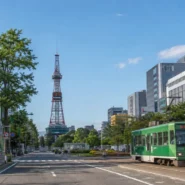
Odori is the safest all-round recommendation. It sits between Sapporo Station and Susukino, offers easy access to the park, TV Tower, shopping arcades and multiple subway lines, and works well for both daytime sightseeing and evening meals. Staying near an underground entrance gives you a major winter advantage.
The trade-off is price. Well-located hotels can cost more during festivals and weekends, and the area is spread out. Check the exact exit and walking route rather than relying only on the neighbourhood label.
Susukino: Best for Nightlife and Late Dining
Susukino is ideal for travellers who want izakaya, ramen, jingisukan, bars and late-night desserts within a short walk. It also has strong subway access and plenty of hotels at different price points.
The trade-off is noise and street atmosphere. Some blocks are lively until very late, and travellers seeking calm family evenings may prefer Odori or Nakajima Park. A hotel one or two streets away from the busiest intersections can be a better compromise.
Nakajima Park: Best for Better Value and Quieter Nights
Nakajima Park sits just south of Susukino and often offers larger rooms or better rates while remaining close to the nightlife district. The park adds breathing space, and subway access keeps the city centre easy to reach.
The trade-off is that you may walk or ride north for many meals and attractions. In deep winter, confirm how close the hotel is to a subway entrance rather than assuming the park-side location will always feel convenient.
The Full Experience
📍 Sapporo Station & Kita Ward: Best for Airport Access, Rail Day Trips and Heavy Luggage
Features: JR connections · Airport train · Underground walkways · Department stores · Practical arrival-day base
Sapporo Station is the city’s transport engine and the most forgiving base for travellers with large suitcases. The airport train arrives here, JR services to Otaru and other Hokkaido destinations depart here, and indoor shopping complexes make it easy to eat or buy essentials without fighting the weather. On a short winter trip, this practical advantage can be more valuable than staying beside a famous nightlife street.
Use the station area for arrival day, departure day and rail-heavy itineraries. The Hokkaido University grounds north-west of the station can provide a pleasant walk when conditions are good, while the underground corridor leading toward Odori allows you to cover part of the city centre without going outside.
✅ What Other Travelers Say
Travellers consistently value the convenience of direct rail access, especially when catching an early airport train or taking a day trip to Otaru. Hotel reviews in the area often praise proximity to transport, shopping and indoor routes. Families and older travellers tend to appreciate not needing a subway transfer immediately after landing.
⚠️ The Catch (Things to Keep in Mind)
The station complex is large, and construction has changed some routes. A hotel advertised as “near Sapporo Station” may sit on the opposite side from your platform or require several indoor turns. The area is also less atmospheric at night than Susukino. Stay here for convenience, not because it is the city’s most charming neighbourhood.
📍 Odori & Tanukikoji: Best for First-Time Balance, Underground Access and Efficient Sightseeing
Features: Central location · Odori Park · TV Tower · Tanukikoji arcade · Three subway lines · Strong winter convenience
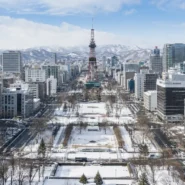
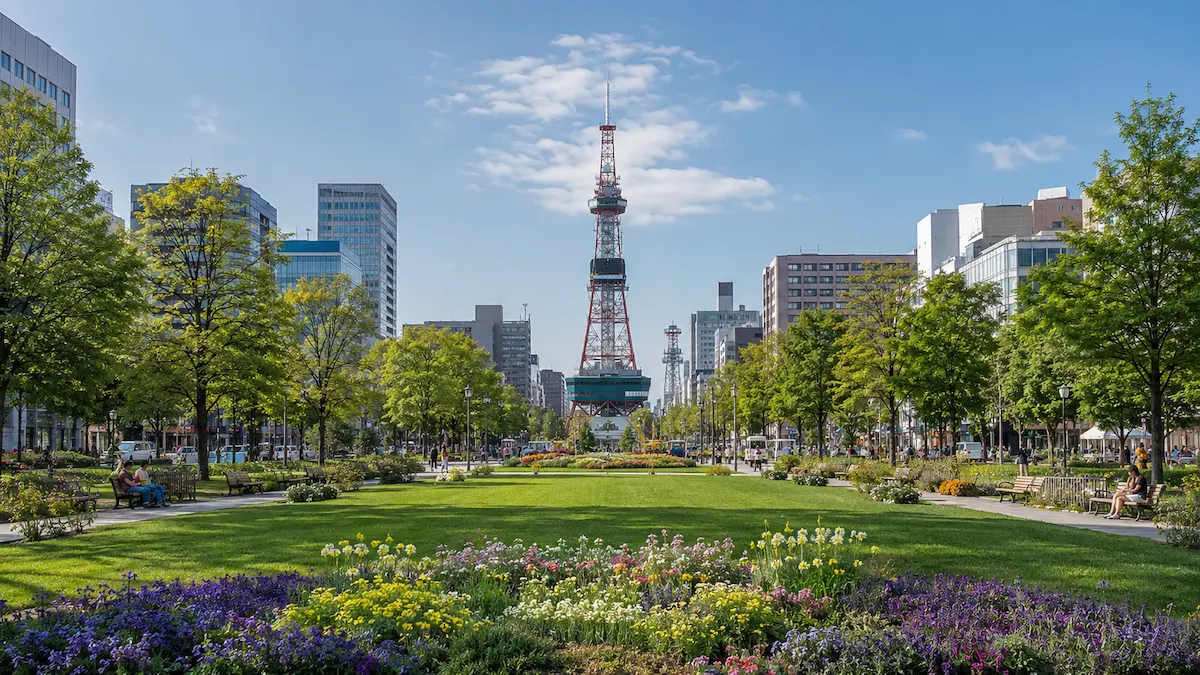
Odori is where Sapporo makes the most sense geographically. The park creates a clear east-west spine, Sapporo Station lies to the north, Susukino lies to the south, and major shopping streets sit between them. For a first visit, this central position reduces unnecessary subway trips and gives you multiple indoor escape routes when the weather turns unpleasant.
Start with a walk through Odori Park, then decide whether the TV Tower view is worth your time. Continue toward the Clock Tower as a short historical stop, not a major expedition. Tanukikoji works well for shopping, casual food and an indoor route toward Susukino. Nijo Market is close enough for breakfast, but compare menus before committing to a high-priced seafood bowl.
✅ What Other Travelers Say
Many first-time visitors consider Odori the easiest place to stay because it balances transport, shopping, sightseeing and food. Reviews often highlight the convenience of subway access and the ability to walk to both Sapporo Station and Susukino. Travellers visiting during rain or snow especially appreciate nearby underground passages and covered shopping arcades.
⚠️ The Catch (Things to Keep in Mind)
“Odori” covers a wider area than many people realise. A hotel several blocks west or east of the central subway interchange may be less convenient than its name suggests. Odori Park is attractive, but it is not a full-day attraction by itself. During major festivals, central rooms can become expensive and public spaces crowded.
📍 Susukino & Nakajima Park: Best for Food, Nightlife and Travellers Who Hate Early Evenings
Features: Izakaya · Miso ramen · Jingisukan · Shime parfait · Late-night dining · Quieter park-side hotel option
Susukino is the part of Sapporo that stays awake. It is where a first-time visitor can eat ramen after a late flight, move from jingisukan to a bar, and finish with a shime parfait without travelling across town. The density of restaurants is genuinely useful, especially in winter when you do not want to cross the city for every meal.
Ramen Alley is worth seeing for the atmosphere, but you do not need to queue for the most photographed doorway. Look at recent menu displays, waiting time and seating comfort. For jingisukan, reserve a reputable restaurant or arrive early. Smoke and strong lamb aromas can cling to clothing, so do not schedule it immediately before a formal event or long flight.
Nakajima Park, one subway stop farther south, is a sensible alternative for travellers who want access to Susukino without sleeping in its busiest core. It can offer quieter streets and better-value rooms while keeping nightlife within reach.
✅ What Other Travelers Say
Food-focused visitors love the variety and the ability to continue eating late. Solo travellers often find counters and small restaurants easy to use, while groups appreciate the concentration of izakaya. Guests staying near Nakajima Park frequently mention the calmer environment and convenient subway ride into the centre.
⚠️ The Catch (Things to Keep in Mind)
Susukino can be noisy, visually intense and less comfortable for travellers who prefer quiet evenings. Some hotels are close to adult-entertainment streets, so inspect the exact map rather than relying on a low room rate. Restaurant queues peak around normal dinner hours; eating at 5:00 p.m. or after 8:30 p.m. can save a surprising amount of time.
📍 Maruyama & Mount Moiwa: Best for Temples, Green Space and a Memorable Night View
Features: Maruyama Park · Hokkaido Shrine · Residential cafés · Streetcar ride · Ropeway night view · Slower pace
Western Sapporo offers the city’s best contrast to the commercial centre. Maruyama Park and Hokkaido Shrine feel calm and spacious, while nearby residential streets offer cafés and a more local pace. This is a good half-day choice when you need a break from shopping streets and busy food districts.
Mount Moiwa is the headline attraction. Reaching the summit normally involves a streetcar or bus connection followed by the ropeway and mini cable car. The view can be excellent, but the full trip usually needs around two and a half to three hours from central Sapporo once waiting, transfers and summit time are included. Go near sunset only when visibility is promising and you have enough buffer for queues.
✅ What Other Travelers Say
Visitors often praise the night view and the sense of leaving the city without travelling far. Maruyama is popular with travellers who enjoy shrines, parks and neighbourhood cafés rather than checklist sightseeing. Couples tend to rate Mount Moiwa highly when the sky is clear.
⚠️ The Catch (Things to Keep in Mind)
Cloud, snow, wind or maintenance can reduce the value of the Mount Moiwa trip or close the ropeway. Do not buy the experience emotionally just because it is on every list; check visibility first. The transport chain also makes it a poor fit on a tightly packed day. In winter, darkness arrives early, but icy paths and peak sunset crowds can slow you further.
📍 Higashi Ward: Best for Beer History, Architecture and Travellers Willing to Spend Time on Outer-City Sights
Features: Sapporo Beer Museum · Historic brick buildings · Beer tasting · Jingisukan · Moerenuma Park · Isamu Noguchi design
The Sapporo Beer Museum is one of the city’s more distinctive attractions because it connects industrial history, architecture and food in one place. The red-brick complex photographs well, the museum is manageable in length, and a beer tasting or jingisukan meal can turn it into an easy half-day. Non-drinkers can still enjoy the building and historical displays.
Moerenuma Park is a completely different experience. Designed as a unified sculptural landscape associated with Isamu Noguchi, it rewards visitors who enjoy architecture, open space and seasonal scenery. It is not, however, a casual extension of the Beer Museum. Public transport takes time, and the park’s scale means you need energy and suitable weather.
✅ What Other Travelers Say
The Beer Museum is often praised for being easy to understand, visually attractive and well paired with a meal. Architecture and design enthusiasts tend to consider Moerenuma Park one of Sapporo’s most rewarding non-central sights, particularly in green season or when winter activities are operating.
⚠️ The Catch (Things to Keep in Mind)
The Beer Museum can feel commercial if you expect a deep technical brewery tour, and popular dining slots may require advance booking. Moerenuma Park is far enough from the centre that a short visit can feel inefficient; allow roughly half a day and check bus times. Trying to combine the museum, Moerenuma, Shiroi Koibito Park and Mount Moiwa in one day is unrealistic.
📍 Jozankei Onsen: Best for an Overnight Reset, Autumn Scenery and a Break from City Hotels
Features: Hot springs · River valley · Ryokan stay · Autumn foliage · Snowy winter atmosphere · Direct bus option
Jozankei is the most convenient onsen escape from Sapporo, but it should be planned as a destination rather than squeezed into a spare two hours. Direct buses can take around an hour, while ordinary route services may take longer. The valley, bridges, foot baths and ryokan atmosphere are appealing, especially in autumn and winter.
A day trip works when you pre-book a day-use bath, understand the return bus schedule and accept that the town itself is not packed with major attractions. An overnight stay is more satisfying because it gives you time for dinner, a late bath, a quiet morning and a second soak before checkout.
✅ What Other Travelers Say
Travellers commonly praise the convenience of reaching a proper hot-spring town from central Sapporo and the quality of the ryokan experience. Autumn colour and snowy outdoor baths are major highlights. Visitors who stay overnight often value the slower pace after several busy city days.
⚠️ The Catch (Things to Keep in Mind)
Some parts of town feel dated, and not every hotel exterior matches the polished images used in marketing. Ryokan check-in can be relatively late and checkout early, so read the meal and bathing schedule carefully. During peak foliage, direct buses and desirable rooms can sell out. A rushed day trip without a confirmed bath can become a long bus ride for a short walk.
How Many Days Do You Really Need?
Two Days: A Focused City Break
Two days are enough only if you keep the plan compact. Spend the first day around Sapporo Station, Odori, the Clock Tower, Tanukikoji and Susukino. Use the second day for one theme: Maruyama and Mount Moiwa, or the Beer Museum and a relaxed food evening. Do not add Otaru, Jozankei and a distant park unless you are comfortable seeing almost nothing of Sapporo itself.
Three Days: The Sweet Spot for a First Visit
Three full days let you cover the urban core, one outer district and one flexible experience. A sensible plan is central Sapporo on day one, Maruyama and Mount Moiwa on day two, then the Beer Museum plus food exploration on day three. Alternatively, use one day for Otaru and keep two days in the city.
Four to Five Days: Best for One or Two Side Trips
With four or five days, you can add Otaru and either Jozankei, Asahikawa or a seasonal excursion without turning every morning into an early departure. This length also gives winter travellers room to move an outdoor plan when visibility or transport conditions are poor.
A Realistic First-Time Sapporo Itinerary
Day 1: Arrival, Odori and Susukino
- Check in and leave luggage before sightseeing.
- Walk or use the underground route from Sapporo Station toward Odori.
- See the Clock Tower briefly, then continue through Odori Park.
- Explore Tanukikoji and eat an early dinner in Susukino.
- Keep the evening flexible; jet lag and winter walking often reduce energy.
Day 2: Maruyama, Hokkaido Shrine and Mount Moiwa
- Visit Maruyama Park and Hokkaido Shrine in the morning.
- Have lunch in the Maruyama area or return toward the centre.
- Rest before travelling to Mount Moiwa.
- Check visibility and operating status before leaving.
- Finish with ramen, soup curry or a casual izakaya meal.
Day 3: Beer Museum, Local Food and a Flexible Afternoon
- Visit the Sapporo Beer Museum late morning.
- Book lunch nearby if jingisukan is a priority.
- Use the afternoon for shopping, Nijo Market, a museum or café time.
- Keep one evening for a restaurant you genuinely care about rather than queueing randomly.
Day 4: Otaru or Jozankei
- Choose Otaru for canals, warehouses, seafood and an easy rail journey.
- Choose Jozankei for hot springs and a slower day.
- Do not try to combine both unless you are using a private vehicle and accept a rushed schedule.
Day 5: Weather Buffer or a Major Hokkaido Excursion
- Use this day for anything moved by weather.
- Alternatively, take a pre-planned full-day tour to a farther destination.
- Return to Sapporo early enough to pack and avoid a stressful final night.
Day-Trip Reality Check: What Is Actually Sensible?
Otaru: The Easiest First Side Trip
Otaru is the most straightforward day trip from Sapporo because the train journey is short and frequent. A half-day is possible, but a full day feels less rushed if you want the canal, warehouse streets, glass shops, music-box stores and a seafood meal. In winter, allow time for slippery streets and possible coastal wind.
Jozankei: Better Overnight, Acceptable as a Planned Day Trip
Jozankei works as a day trip only when the bath, bus and return time are organised. An overnight stay delivers much more value. It is especially worthwhile after several days of early starts or winter walking.
Furano and Biei: Not a Relaxed Public-Transport Add-On
Social media often makes Furano and Biei look like nearby suburbs. They are not. From Sapporo, a same-day visit can involve long travel, limited connections and significant waiting, particularly outside peak seasonal schedules. A guided tour or rental car may simplify the day, but the experience is still long. In winter, weather disruption adds another layer of risk.
Asahikawa and Asahiyama Zoo: A Full-Day Commitment
This is feasible by train and bus, but it is not something to combine with central Sapporo sightseeing. Leave early, check zoo hours and accept that most of the day will revolve around transport and the attraction.
Noboribetsu and Lake Toya: Choose Carefully
Both are worthwhile, but neither should be treated as a quick extension of Sapporo. Noboribetsu is better when hot springs and volcanic scenery are the priority; Lake Toya is better for lake views and resort atmosphere. An overnight stay usually produces a more relaxed experience than returning late to Sapporo.
What to Eat Without Falling for Tourist Hype
Miso Ramen
Sapporo’s signature ramen style is rich, warming and especially satisfying in cold weather. Famous shops can have long queues, but quality is not limited to one brand. Decide how much waiting is worth to you. For most travellers, a very good bowl after a 15-minute wait beats a famous bowl after 90 minutes in snow.
Soup Curry
Soup curry is one of the best first-time meals because it is customisable by spice level, protein and vegetables. It also offers a break from seafood and noodles. Popular restaurants can be slow because dishes are prepared individually, so avoid arriving when you have a fixed tour or train shortly afterward.
Jingisukan
Grilled lamb is a major Sapporo experience, but restaurant styles differ. Some are smoky and lively; others are polished and reservation-driven. Wear washable clothing, confirm whether there is an English menu, and check whether the quoted price is à la carte or part of a set.
Seafood
Crab, uni, scallops and salmon roe are tempting, but high quality does not automatically mean high value. At markets, compare exact portions and seasonal pricing. At restaurants, lunch sets can offer better value than large dinner platters. Never order “market price” seafood without confirming the amount first.
Shime Parfait
The late-night parfait tradition is fun and distinctly Sapporo. It works best as a shared or lighter final stop after dinner. Popular shops can queue late into the evening, so consider going on a weekday or just before the late-night rush.
Budget Reality: Where Your Money Actually Goes
Sapporo can be good value compared with Tokyo, but the cheapest-looking plan is not always the cheapest in practice. A distant hotel may add daily subway fares and wasted time. A bargain flight arriving late may require an expensive transfer. A low-cost day tour may include long shopping stops or little time at the places you care about.
- Accommodation: Usually the largest variable. Rates rise sharply during the Snow Festival, autumn weekends, holidays and peak ski periods.
- Local transport: Modest when you stay central and group sights by area. Day passes are useful only on ride-heavy days.
- Food: Excellent meals exist at many price levels. Lunch sets, counters and department-store food halls help control costs.
- Attractions: Most central sights are inexpensive or free. Ropeways, observation decks and guided tours are where costs accumulate.
- Day trips: The hidden expense is often time. A cheap but complicated route can consume the day and force you to buy meals or taxis in inconvenient places.
- Winter gear: Budget for proper footwear or removable traction grips. A preventable fall is far more expensive than sensible shoes.
Common First-Time Mistakes
- Booking a hotel by city name instead of exact location. “Sapporo” can include areas that require a bus or long walk to reach the core.
- Assuming every subway exit has a lift. Check barrier-free routes when carrying large luggage or pushing a stroller.
- Planning outdoor night views on a fixed cloudy day. Keep Mount Moiwa movable.
- Trying to eat every famous dish in one evening. Rich ramen, lamb, seafood and parfait are more enjoyable spread across several meals.
- Visiting Nijo Market too late. Morning offers more choice, while some products and restaurant options thin out later.
- Using taxis for every short winter trip. Traffic and boarding time can make the subway faster in the central grid.
- Underestimating heated interiors. Heavy clothing that cannot be removed becomes uncomfortable in malls and trains.
- Leaving airport travel too tight. Snow, station navigation and baggage queues justify a larger departure buffer.
- Following an influencer itinerary without checking geography. A visually attractive list can hide hours of backtracking.
Key FAQs
How many days do first-time visitors need in Sapporo?
Three full days are ideal for a first visit focused on Sapporo. This allows one day for the central core, one day for Maruyama and Mount Moiwa, and one day for the Beer Museum, food and flexible sightseeing. Add one day for Otaru and another for Jozankei or a farther excursion. A two-day trip is possible, but only if you avoid stacking multiple day trips.
Is it better to stay near Sapporo Station, Odori or Susukino for a first trip?
Odori is the best all-round choice because it sits between the station and nightlife districts and offers excellent subway and underground access. Sapporo Station is better for heavy luggage, airport convenience and frequent rail day trips. Susukino is best for food and nightlife, but light sleepers should choose a quieter side street or stay near Nakajima Park.
Can first-time visitors explore Sapporo without a car in winter?
Yes. Central Sapporo is easy to explore by subway, streetcar, bus and underground walkways. A car is unnecessary for the main city sights and can become a burden when roads are icy or parking is limited. The real winter challenge is walking safely between stops, so choose a well-located hotel, wear high-grip footwear and allow more time than map estimates suggest.
Final Verdict and Your Next Step
Sapporo rewards travellers who plan less ambitiously and more intelligently. The best first trip is not the one with the most pins on a map; it is the one with a convenient base, short daily routes, good meals, weather flexibility and enough time to enjoy each neighbourhood. Build around two or three priorities per day, keep one outdoor plan movable and resist turning every Hokkaido attraction into a day trip from the same hotel.
- For a first visit of three nights: Stay near Odori and focus on the city, with at most one half-day outer-area excursion.
- For travellers with large luggage or several rail trips: Stay near Sapporo Station and confirm the easiest station exit before arrival.
- For food and nightlife travellers: Stay in Susukino, but choose a hotel away from the loudest blocks and reserve one or two priority restaurants.
- For families and light sleepers: Choose Odori or Nakajima Park, and avoid building the trip around late-night dining.
- For winter first-timers: Reduce the number of daily stops, use underground routes and keep extra time before trains and flights.
- For couples or slow travellers: Add one night in Jozankei instead of forcing it into a rushed day trip.
Book accommodation early for the Sapporo Snow Festival, peak autumn weekends, Japanese public holidays, ski season and popular Jozankei ryokan dates. Compare the exact hotel map, cancellation terms, room size and nearest station exit—not only the headline price.
Compare Sapporo hotel prices on Agoda
Check Sapporo hotels and flexible booking options on Booking.com
Browse Sapporo tours, transfers and attraction tickets on Klook