
💡 Key Takeaways
- Two nights is the practical minimum. Give Hiroshima city and Miyajima separate days unless you genuinely enjoy fast, tightly timed sightseeing.
- Do not drag a large suitcase to Miyajima. Store it at Hiroshima Station or send it to your next hotel; the train-ferry-walking combination becomes irritating very quickly with luggage.
- Several famous stops need a reality check. Hiroshima Castle’s main keep is closed, Okonomimura can be queue-heavy and touristy, and Mount Misen is not a quick add-on to a half-day island visit.
A useful Hiroshima travel guide for first-time visitors has to solve a problem that glossy destination pages rarely mention: Hiroshima looks compact on a map, but the trip actually involves three different travel rhythms. There is the emotionally demanding Peace Memorial area, the easy-going downtown food and shopping zone, and Miyajima, which requires a train or streetcar, a ferry, tide planning and considerably more walking than many people expect.
The city is not difficult, but it punishes careless sequencing. Stay in the wrong area and you may spend every evening commuting. Choose the scenic streetcar to Miyajima without checking the journey time and you can lose a large part of the morning. Carry your suitcase onto the island and every staircase, deer encounter and crowded ferry queue becomes less charming. Try to “do Hiroshima” as a rushed stop between Osaka and Fukuoka and you may leave feeling that you saw monuments rather than understood the place.
This guide is designed to prevent those mistakes. It explains where to stay, how many days you actually need, which transport option saves time, where the famous attractions are worth the effort, and which popular plans look better on social media than they feel in real life.
The 1-Min Cheat Sheet
- Ideal first visit: two nights and two full sightseeing days. Three nights is better if you want Onomichi, Saijo, Kure or a slow overnight on Miyajima.
- Best base for most first-timers: Hatchobori, Kamiyacho or the Hondori side of central Hiroshima for walkable dining and easy access to the Peace Memorial area.
- Best base for a one-night stop: Hiroshima Station, especially when arriving late, leaving early or carrying heavy luggage.
- Best Miyajima strategy: go early, check the tide, decide before arrival whether Mount Misen is a priority, and leave your large bags in the city.
- Fastest common route to Miyajima: JR from Hiroshima Station to Miyajimaguchi, then ferry. The streetcar is cheaper and scenic but normally much slower.
- Useful central transport: Hiroshima’s streetcars are easy once you understand that you generally pay when getting off. Major Japanese IC cards are accepted.
- Pass or pay as you go: the current flat streetcar fare is ¥240, while the streetcar-only day pass is ¥700. The pass starts making sense around the third or fourth ride, but it does not cover JR trains.
- Peace Memorial Museum timing: allow at least 90 minutes and avoid placing it immediately before a celebratory lunch, nightlife or a tightly timed train.
- Current closure: Hiroshima Castle’s main keep closed on March 22, 2026. The exterior, grounds and surviving/reconstructed structures may still be worth a short visit, but do not plan around climbing the tower.
- Most overrated expectation: seeing every major city sight and fully exploring Miyajima in one day. It is possible; it is rarely pleasant.
How Many Days Do You Really Need in Hiroshima?
One day: Choose one priority. Either focus on the Peace Memorial Park, museum and downtown food, or visit Miyajima. Combining both is possible only with an early start, disciplined meal breaks and no Mount Misen hike. A one-day visit from Osaka is especially rushed because your sightseeing day begins and ends with long-distance rail travel.
Two days: This is the sweet spot for most first-time visitors. Use one day for Hiroshima city and one full day for Miyajima. You will have enough time to absorb the museum, eat properly, see the city after dark and visit the island without watching the clock every ten minutes.
Three days: Add a slower Miyajima overnight, Onomichi, Saijo’s sake district, Kure, a Mazda-related experience or extra food exploration. Three days also gives families and older travelers room to reduce walking intensity.
Four days or more: Hiroshima becomes a regional base rather than a checklist stop. This is when the Seto Inland Sea, Shimanami Kaido, Takehara and more remote parts of the prefecture become realistic. Do not add these simply because they appear in the same prefecture; transport time matters more than administrative boundaries.
Top Survival Tips
- Choose your hotel for your evenings, not just your arrival. Hiroshima Station is excellent for Shinkansen access, luggage and an early Miyajima departure. However, travelers who want to walk to bars, restaurants, Hondori and the Peace Memorial area will usually prefer Hatchobori, Kamiyacho or central Naka Ward. Saving five minutes after arrival is not always worth adding transport to every evening.
- Do not assume “near Hiroshima Station” means near the main sights. The station and Peace Memorial Park are in different parts of the city. The streetcar connection is straightforward, but it is still a journey. Read the hotel’s map location rather than trusting a broad “city centre” label.
- Use luggage storage before sightseeing. Hiroshima Station has coin lockers and staffed storage options. Large lockers can fill during weekends, holidays and peak arrival hours, so a staffed counter is a useful backup. A small day bag changes the quality of a Miyajima visit more than almost any paid upgrade.
- Take JR to Miyajimaguchi when time matters. The Hiroshima Electric Railway streetcar can take you all the way toward Miyajima and may be covered by certain passes, but it makes many stops. It is a pleasant urban ride when you have time; it is a bad choice when your plan depends on reaching the island early.
- Consider the direct boat from Peace Memorial Park only when the route fits. The World Heritage Sea Route links the Peace Park area and Miyajima in roughly 45 minutes. It costs more than the JR-and-ferry combination and may be affected by operating conditions, but it avoids backtracking to Hiroshima Station and can be a smart one-way choice for travelers staying downtown.
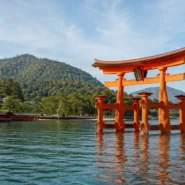
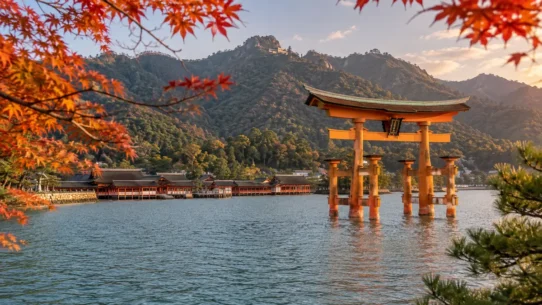
- Check the Miyajima tide before fixing your route. At high tide, Itsukushima Shrine and the great torii appear to float. At low tide, visitors can approach the gate across the exposed seabed. Neither is universally “better,” but arriving without checking can create disappointment if you built your entire day around one photograph.
- Decide on Mount Misen before lunch. The ropeway does not deliver you directly to the summit, and reaching the top still involves uneven paths and climbing. Queues, reservations on selected busy days, weather and the final descent can consume several hours. Do not casually add it after a long lunch and shrine visit.
- Respect the emotional weight of the Peace Memorial Museum. The museum is not a quick photo stop. Many visitors need quiet time afterward. Plan a river walk, coffee break or return to the hotel rather than jumping directly into a packed entertainment schedule.
- Reserve the museum when peak rules require it. Hiroshima has introduced advance purchase and reservation arrangements to manage congestion. For August 8–16, 2026, online reservations are required. Future peak-period rules may change, so verify the official museum notice before travel.
- Do not rely on old castle guides. Hiroshima Castle’s main keep permanently stopped admitting visitors on March 22, 2026 because of age and safety concerns. The exterior and grounds remain visible, but any itinerary promising an interior museum or tower view is outdated.
- Treat Okonomimura as an atmosphere choice, not an automatic “best restaurant.” The building is fun, easy to understand and convenient for groups, but popular stalls can have long waits and a visitor-heavy atmosphere. Excellent Hiroshima-style okonomiyaki is available throughout the city, often with shorter queues.
- Do not feed or tease Miyajima’s deer. They are wild animals, not props. Keep paper maps, food bags and tickets secured because curious deer can grab them. Families should supervise young children rather than encouraging close-up selfies.
- Build heat and rain margins into summer trips. Hiroshima’s sightseeing involves exposed park paths, humid streets and island slopes. A schedule that feels comfortable in spring can become exhausting in August. Move the longest walks to early morning and allow indoor recovery time.
Getting to Hiroshima and Moving Around Without Wasting Time
Arriving by Shinkansen
Hiroshima Station is the main arrival point for travelers coming from Osaka, Kyoto, Fukuoka and Tokyo. The station is large but manageable, and its newer streetcar connection has made the transfer into the city more direct. Follow signs rather than walking outside by habit; old blog posts and videos may show a different station layout.
When you arrive, make a simple decision immediately: hotel, luggage storage or transport. Wandering through the station with bags while trying to choose lunch is how travelers lose the first hour. The station’s ekie shopping and dining complex is useful for a quick meal, gifts and food before departure, but it can also distract you from a short sightseeing schedule.
Streetcar, Bus or Walking?
The streetcar is the most intuitive option for the main visitor corridor. It serves Hiroshima Station, Hatchobori, Kamiyacho, the Atomic Bomb Dome area and the line toward Miyajima. The current adult flat fare is ¥240, and common IC cards such as Suica, PASMO and ICOCA are accepted. Pay attention to the boarding and exit instructions displayed on the vehicle; visitors most often become confused because they expect the same payment procedure used on every Japanese bus or train.
Buses can be faster on selected routes but are less transparent to a newcomer. Walking works well within clusters: Peace Memorial Park to Hondori, Hondori to Hatchobori, and Hiroshima Castle to Shukkeien. It works poorly when you repeatedly cross the whole centre because the map makes the distances look smaller than they feel in summer heat.
Which Hiroshima Transport Pass Is Worth It?
A streetcar-only day pass is currently ¥700, compared with a ¥240 single ride. That means a traveler making only a return journey may spend less with an IC card, while someone making three or four separate rides can benefit from the pass. A streetcar-and-ferry pass and the broader Visit Hiroshima Tourist Pass may offer better value for specific plans, but read the coverage carefully: some versions use the Matsudai ferry, some include both ferry companies, and JR trains may not be included.
The usual mistake is buying a pass first and then forcing the itinerary to justify it. Plan your route, count likely rides and choose the ticket afterward. Convenience can matter more than saving a small amount, especially when one pass locks you into the slower streetcar route to Miyajima.
The Luggage Rule That Saves the Day
If you are visiting between hotel stays, store your suitcase at Hiroshima Station. Lockers are the first choice, but staffed storage is a valuable backup when larger lockers are full. Travelers staying on Miyajima should send or store unnecessary bags and take only an overnight bag. The island’s main waterfront is easy, but accommodation access can involve slopes, irregular paths or shuttle arrangements.
Where to Stay in Hiroshima Without Regretting It
Hatchobori and Kamiyacho: Best Overall for Most First-Timers
This is the most balanced base. You can reach Hondori, shopping, restaurants, nightlife, the Peace Memorial area and transport connections without making every outing start at Hiroshima Station. It suits couples, food-focused travelers and anyone staying two or more nights.
The trade-off: you will need a streetcar, bus or taxi to reach the Shinkansen platforms. That is usually a fair exchange for better evenings, but early departures require more planning.
Hiroshima Station: Best for Short Stays and Heavy Luggage
Stay here when you arrive late, leave early, plan a JR-heavy itinerary or have large bags. It is also convenient for the fastest common route to Miyajimaguchi. The renovated station has abundant dining and shopping, so the area no longer feels like a purely functional transport zone.
The trade-off: the Peace Memorial Park, Hondori and central nightlife are not on your doorstep. A station hotel can save transfer stress while costing you spontaneity after dinner.
Peace Park, Tokaichi and the Western Side of the Centre: Best for Quiet Walkability
This area works for travelers who value a calm neighbourhood, early access to the memorial sites and the possibility of using the direct boat to Miyajima. It can feel more residential and less hectic than Hatchobori.
The trade-off: restaurant choice thins out on some streets at night, and station transfers are less convenient. Check the exact tram stop before booking.
Miyajima: Best for Atmosphere After the Day-Trippers Leave
An overnight stay transforms the island. Early morning and evening are quieter, the waterfront becomes more atmospheric, and you can separate the shrine from Mount Misen instead of racing between them. It is a strong choice for couples, photographers and travelers willing to spend more for experience rather than transport efficiency.
The trade-off: restaurants and shops close earlier than in the city, ryokan meals may require fixed check-in times, and luggage logistics need advance thought. Do not book an island night before an early Shinkansen departure unless you have built in a generous ferry and train margin.
Ujina and the Waterfront: Best Only for a Specific Reason
Waterfront hotels can offer views, space and a resort-like feel, but they are not the most efficient base for a first sightseeing trip. Choose this area for a particular hotel, ferry connection, event or desire for quiet—not because a booking map labels it Hiroshima.
The Full Experience
📍 Hiroshima Station and ekie: Best for Fast Arrivals, Luggage Control and Early Departures
Features: Shinkansen access · Station dining · Coin lockers and staffed storage · Easy JR start for Miyajima · Practical one-night base
Hiroshima Station is the logistics centre of the trip, not necessarily the emotional or cultural centre. That distinction matters. First-time visitors often book beside the station because it feels safe and convenient, then discover that most of their evening plans are in Hatchobori, Hondori or around the Peace Memorial Park.
Use the station deliberately. Store luggage, buy an IC card or transport pass if needed, pick up breakfast for an early island departure, and learn where your Shinkansen gate is before departure day. The ekie complex is also an efficient place to try local food or buy souvenirs when rain disrupts the plan.
What is genuinely worth doing here: a quick meal on arrival, browsing Hiroshima specialties before departure, watching the modern streetcar connection, and using the area as a clean transfer point. Do not spend half a precious sightseeing day inside the station unless you are tired, shopping or waiting for transport.
✅ What Other Travelers Say
Travelers repeatedly praise station hotels for easy check-in after the Shinkansen, convenient bag storage and stress-free departures. Guests with children or multiple suitcases often value this more than nightlife access. The growing amount of food and shopping also makes the station area more comfortable than older guides suggest.
⚠️ The Catch (Things to Keep in Mind)
“Station area” hotel listings can cover both sides of a large transport complex, so a property that looks close on a map may still involve overhead walkways, crossings or a longer route with luggage. The main visitor sights are not next door. For a two- or three-night stay focused on restaurants and central walking, Hatchobori or Kamiyacho may provide a better overall experience.
📍 Peace Memorial Park, Kamiyacho and Hondori: Best for Essential History and the Most Convenient City Base
Features: Peace Memorial Museum · Atomic Bomb Dome · Riverside walks · Hondori shopping · Okonomiyaki and nightlife · Central streetcar access
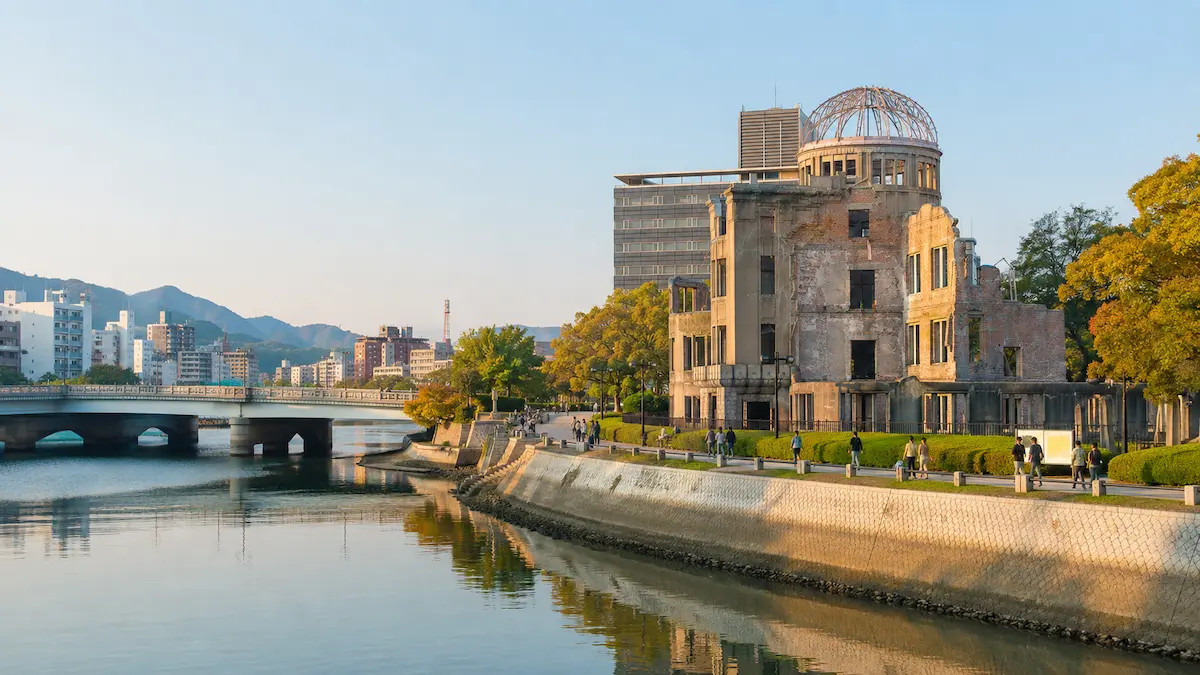
This is where Hiroshima’s historical importance and present-day city life meet. The Peace Memorial Park deserves unhurried attention, but it should not define every hour of the visit. Hiroshima is a living city, and the short walk toward Hondori, Kamiyacho and Hatchobori helps visitors understand that recovery is not an abstract slogan—it is visible in ordinary streets, food counters, baseball enthusiasm and busy evening life.
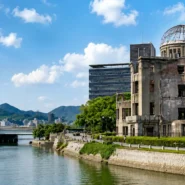
A sensible route begins at the Atomic Bomb Dome, continues through the park and memorials, then enters the Peace Memorial Museum. Allow at least 90 minutes inside, more if you read carefully. Afterward, walk beside the river or stop at a quiet café. Save Orizuru Tower for travelers who genuinely want the viewpoint and interactive experience; budget-conscious visitors may not find the admission essential.
Hondori is useful rather than beautiful. The covered arcade protects you from heat and rain and links the memorial area with downtown shops and restaurants. Okonomimura is nearby and can be fun for the atmosphere, but it is not the only place to eat Hiroshima-style okonomiyaki. A smaller neighbourhood counter may provide a more relaxed meal.
Hiroshima Castle and Shukkeien are often grouped with this area, but be realistic. The castle’s main keep closed on March 22, 2026, so the visit now centres on the exterior, grounds and historical context. Shukkeien is a better choice for travelers who want a peaceful garden rather than another reconstructed landmark.
✅ What Other Travelers Say
Many visitors describe the museum and memorial park as the most meaningful part of their Hiroshima trip. Travelers also appreciate how easily they can walk from the historical sites into Hondori for food and a change of mood. Staying nearby is frequently praised because it reduces repeated streetcar journeys and allows early or evening riverside walks.
⚠️ The Catch (Things to Keep in Mind)
The museum can be crowded and emotionally intense. Do not rush through it to protect an unrealistic schedule. Some visitors also overpay for a central viewpoint or wait a long time at a famous okonomiyaki building when equally satisfying alternatives are nearby. Hiroshima Castle information published before March 2026 may be outdated.
📍 Miyajima: Best for Scenic Impact, Shrine Atmosphere and a Full-Day Escape
Features: Itsukushima Shrine · Great torii gate · Daisho-in Temple · Mount Misen · Deer · Oysters and momiji manju · Optional ryokan night
Miyajima is the classic companion to Hiroshima city, but it works best as a full experience rather than a photograph of the torii gate. The island’s value comes from contrasts: crowded Omotesando and quiet temple paths, tidal flats and open water, easy waterfront walking and demanding mountain trails.
Arrive early if you want breathing room. From Hiroshima Station, the usual time-efficient route is JR to Miyajimaguchi followed by the ferry. The JR ferry’s daytime route can provide a good sea view of the torii. Travelers based near the Peace Park can consider the direct World Heritage Sea Route to avoid returning to the station, especially as a one-way journey.
Check the tide before finalising the order of sights. At high tide, visit Itsukushima Shrine while the water surrounds the complex. At low tide, walk toward the great torii if conditions and access allow. Then move beyond the busiest street. Daisho-in is often one of the most rewarding places on the island and is missed by visitors who spend too long queuing for snacks.
Mount Misen requires a separate decision. The ropeway reduces the climb but does not remove it. From the upper station, you still face uneven paths and a substantial walk to the summit. On crowded dates, ropeway reservations may be needed and return queues can disrupt ferry plans. Hikers should start early, carry water and avoid treating the mountain as a casual ninety-minute detour.
Food is part of the visit, but queues can distort the day. Freshly made momiji manju is worth trying, and oysters are a regional specialty. You do not need to queue at the first famous shop you see. Walk a little farther or eat outside the central lunch rush.
An overnight stay is worthwhile when atmosphere matters more than budget. Once day-trippers leave, the island becomes calmer and more reflective. It is less useful for travelers who prioritise late-night dining, cheap rooms or an early train the next morning.
✅ What Other Travelers Say
Visitors consistently praise the view of the torii from the ferry, the changing appearance of the shrine with the tide and the calmer atmosphere beyond the main shopping street. Travelers who stay overnight often say that early morning and evening reveal a completely different island. Daisho-in also receives strong praise from people who expected only the shrine and deer.
⚠️ The Catch (Things to Keep in Mind)
Midday crowds can be intense, deer may grab paper or food, and the island is more physically demanding than the flat waterfront suggests. Mount Misen can consume half the day. Shops close earlier than city businesses, and ferry queues grow around common return times. A half-day visit is acceptable for the shrine area; it is not enough for the shrine, long lunch, Daisho-in, ropeway, summit and relaxed shopping.
📍 Onomichi: Best for Slow Streets, Temple Views and Travelers with a Third Day
Features: Hillside temples · Seto Inland Sea views · Café culture · Ropeway · Narrow lanes · Shimanami Kaido gateway
Onomichi is one of the best additions to a longer Hiroshima trip, but it is frequently inserted into itineraries that have no room for it. The town rewards slow walking, small discoveries and changing sea views. It is not a high-efficiency attraction cluster.
The most practical route from central Hiroshima is often the regular JR line to Onomichi Station. Shin-Onomichi sounds faster because it is a Shinkansen stop, but it sits away from the waterfront centre and requires a bus or taxi connection. Always compare the complete door-to-door route, not only the fastest train segment.
Begin near the waterfront, use the ropeway strategically if operating, and walk downhill through temples and lanes rather than forcing yourself to climb every staircase. The Temple Walk is atmospheric but can be slippery or exhausting in rain and summer humidity. Cat Alley is charming as a neighbourhood detail, not a guaranteed cat encounter or a reason to cross the prefecture by itself.
The Shimanami Kaido begins in the Onomichi area, but cycling it is a separate trip objective. A full route or serious island-hopping day requires bicycle arrangements, weather planning and a return or luggage strategy. Do not add “cycle the Shimanami” beneath an already full Onomichi sightseeing list.
✅ What Other Travelers Say
Travelers love Onomichi’s nostalgic lanes, cafés, temple views and slower pace after Japan’s major cities. Many describe it as a place where wandering is more rewarding than chasing famous landmarks. The waterfront and hillside combination is especially popular with photographers and repeat visitors to Japan.
⚠️ The Catch (Things to Keep in Mind)
The hills and stairs are real, summer walking can be punishing, and not every shop opens daily. Cat sightings are never guaranteed. Transport from Hiroshima takes enough time that Onomichi should not replace a first Miyajima day unless its atmosphere is genuinely more important to you. Travelers with mobility limitations should research the ropeway, taxis and accessible routes in advance.
What Is Overrated, Underrated and Worth the Hype?
Worth the Hype: Peace Memorial Museum and Park
This is the central reason many people visit Hiroshima, and it deserves the time. The mistake is not going; the mistake is treating it as an item to complete quickly. Read, listen and leave space afterward.
Worth the Hype: Miyajima at the Right Time
The island can feel magical in early morning, late afternoon or after the day crowds leave. At peak midday, it can feel like a busy food street attached to a famous shrine. Timing determines the experience.
Potentially Overrated: Okonomimura as the Only Food Plan
It is lively, central and easy for visitors, so it is not a trap. It becomes overrated only when travelers assume the most famous building must contain the city’s single best version. Pick it for atmosphere and convenience, not because every other okonomiyaki counter is inferior.
Potentially Overrated: Orizuru Tower for Budget Travelers
The location and view are appealing, but the price may feel high if you mainly want a skyline photograph. It makes more sense for travelers who value the full indoor experience, weather protection and time near the Atomic Bomb Dome.
Currently Misrepresented: Hiroshima Castle
The exterior is still a recognisable city landmark, but the main keep is no longer open to visitors. A short grounds visit can fit naturally with Shukkeien; a special cross-city journey solely to enter the tower cannot.
Underrated: Daisho-in on Miyajima
Many first-timers stop at the shrine and food street, then leave. Daisho-in offers a quieter, layered temple experience and helps the island feel more substantial than its postcard image.
Underrated: Hiroshima After Dark
A stay in the city centre allows time for Nagarekawa, small bars, local restaurants and evening walks. Day-trippers often see only the memorial sites and miss the city’s ordinary energy.
Realistic Hiroshima Itineraries
One Day: Hiroshima City Without Pretending You Saw Everything
- Arrive early and store luggage at Hiroshima Station.
- Travel to the Atomic Bomb Dome and walk through Peace Memorial Park.
- Spend at least 90 minutes in the Peace Memorial Museum.
- Take a quiet lunch or coffee break rather than immediately racing onward.
- Walk through Hondori toward Hatchobori.
- Choose one secondary sight: Shukkeien, the castle exterior and grounds, or a viewpoint—not all three.
- Finish with Hiroshima-style okonomiyaki before returning to the station.
What to skip: Miyajima, Mount Misen and Onomichi. Adding them turns a meaningful city visit into transport management.
Two Days: The Best First-Time Plan
Day one: Peace Memorial Park, museum, riverside break, Hondori, Hatchobori and dinner. Add Shukkeien or the castle grounds only if energy remains.
Day two: Early JR to Miyajimaguchi, ferry, Itsukushima Shrine timed around the tide, Daisho-in, lunch and either Mount Misen or a relaxed waterfront afternoon. Return to Hiroshima for dinner, or stay overnight on the island.
Why this works: the emotional city day and scenic island day remain separate. You are less likely to rush the museum, miss ferry timing or eat every meal from a station convenience store.
Three Days: Add Depth, Not More Checkboxes
Option A for slow travelers: Hiroshima city, a full Miyajima day and a second relaxed city day for Shukkeien, neighbourhood food, shopping and rest.
Option B for photographers and couples: Hiroshima city, overnight Miyajima and a slow island morning before returning.
Option C for repeat Japan visitors: Hiroshima city, Miyajima and Onomichi.
Option D for food and drink: Hiroshima city, Miyajima and Saijo’s sake district, checking brewery opening days in advance.
Food Strategy: Eat Well Without Spending the Day in Queues
Hiroshima-style okonomiyaki: Unlike the mixed-batter style many visitors associate with Osaka, Hiroshima’s version is built in layers and commonly includes noodles. Watch the cooking when seated at the counter; the process is part of the experience. Popular venues may place guests shoulder-to-shoulder, so travelers who need more space should check seating before joining a queue.
Oysters: Hiroshima is famous for them, and Miyajima makes them difficult to ignore. Grilled and fried options are widely available for travelers who do not want raw shellfish. Quality, season and personal tolerance matter more than eating oysters simply because a guide says you must.
Momiji manju: Try one freshly made on Miyajima rather than buying only a large souvenir box. Fillings extend beyond red bean, and the fried version is richer than it looks.
Tsukemen and local noodles: Hiroshima’s spicy dipping noodles provide a useful alternative when you have already eaten okonomiyaki. Choose the spice level carefully; “local” does not mean you need to order the most aggressive option.
Queue rule: a thirty-minute wait can be reasonable for a meal you specifically want. It is poor value when you joined because a crowd looked authoritative. Save two or three alternatives on your map and walk away when the queue damages the day.
Budget Advice That Actually Saves Money
- Spend on location before room size. A slightly more central hotel can save repeated fares, taxi temptation and evening time.
- Use an IC card when your route is simple. A pass is not automatically cheaper. Count rides first.
- Take JR to Miyajima when time is valuable. The slower streetcar can save little if it costs you an hour that would otherwise be spent on the island.
- Buy breakfast before an early departure. This avoids waiting for a café to open and helps you reach Miyajima before the main crowd.
- Choose one paid viewpoint. Do not stack Orizuru Tower, ropeways and other admission-based views unless each offers something you genuinely value.
- Use luggage delivery selectively. Paying to move one large suitcase can be better value than losing several hours to awkward transfers.
- Do not book a guided tour simply because transport looks confusing. Independent travel between the city and Miyajima is manageable. A guide is most valuable for historical interpretation, accessibility support or a tightly limited day—not for basic navigation alone.
Common First-Time Mistakes
- Booking only one night and assuming arrival and departure days count as two sightseeing days.
- Taking the slow streetcar to Miyajima while expecting an early-island itinerary.
- Carrying full-size luggage onto the ferry for a day trip.
- Ignoring the tide and feeling disappointed by the torii view.
- Adding Mount Misen after lunch without checking the last practical descent and ropeway conditions.
- Scheduling the Peace Memorial Museum in a rushed 45-minute gap.
- Following an old guide that says Hiroshima Castle’s keep is open.
- Eating only at the most famous queue because choosing an alternative feels risky.
- Staying far from the centre for a waterfront view, then spending the trip on buses.
- Trying to add Onomichi and the Shimanami Kaido to an already full two-day visit.
Key FAQs
How many days do first-time visitors need in Hiroshima and Miyajima?
Plan two nights and two full sightseeing days. Give Hiroshima city one day and Miyajima one day. Add a third night for Onomichi, Saijo, a Miyajima overnight or a slower pace. A single day can cover selected highlights, but it does not provide a complete or relaxed first visit.
Is it better to stay near Hiroshima Station or Peace Memorial Park?
Stay near Hiroshima Station for a one-night stop, early Shinkansen, heavy luggage or a JR-focused itinerary. Stay around Hatchobori, Kamiyacho, Hondori or the Peace Park side for better evening walkability, restaurants and central sightseeing. Most travelers spending two or more nights prefer the central downtown side, while station hotels win on pure logistics.
Can you visit Hiroshima and Miyajima in one day from Osaka?
Yes, but the plan is demanding and leaves little margin for museum crowds, ferry queues, tides or a proper meal. Start on one of the earliest practical trains, limit Miyajima to the shrine area, skip Mount Misen and reserve the Peace Memorial Museum when required. For a more meaningful trip, stay at least one night in Hiroshima.
Final Verdict and Your Next Step
For most first-time visitors, the winning plan is simple: stay two nights, base yourself in central Hiroshima or beside the station according to your luggage and departure needs, give the Peace Memorial area proper time, and reserve a separate day for Miyajima. The trip becomes difficult only when you try to make every famous place fit into the smallest possible window.
For couples: stay around Hatchobori or Kamiyacho for dining, or spend one night on Miyajima for quieter evening atmosphere. Do not book the island if late-night food choice matters more than scenery.
For families: prioritise station convenience, elevators, luggage storage and a slower Miyajima day. Mount Misen is optional, not compulsory. Young children may find the museum challenging, so adults should plan the visit thoughtfully.
For budget travelers: use an IC card unless a pass clearly matches your rides, eat at local okonomiyaki counters rather than only famous venues, and book accommodation early enough to keep a central location within budget.
For older travelers or anyone with limited mobility: reduce hotel changes, avoid taking luggage to Miyajima, check ropeway and accessible route details, and consider a taxi for the small number of transfers where it meaningfully saves energy.
For one-day visitors: choose depth over coverage. Hiroshima city alone is a complete day. Miyajima alone is a complete day. Combining them is a compromise, not a secret efficiency trick.
Hiroshima accommodation can tighten around weekends, events, cherry blossom season, autumn foliage and Japanese holiday periods. Compare refundable options before your route is final, especially when deciding between Hiroshima Station, the downtown core and Miyajima.
- Compare Hiroshima hotels on Agoda
- Check refundable Hiroshima stays on Booking.com
- Browse Hiroshima and Miyajima tickets and tours on Klook
- Compare Hiroshima activities on KKday
Book the hotel first when location matters, then reserve any time-sensitive museum entry, ropeway slot or guided experience. Avoid locking every hour before checking the tide and transport sequence; Hiroshima rewards a clear structure with enough breathing room.