

💡 Key Takeaways
- Yokohama Station is not the main sightseeing area. It is a major transport hub, while most first-time attractions sit around Sakuragicho, Minato Mirai, Nihon-odori and Motomachi-Chukagai.
- Do not force Sankeien Garden, Shin-Yokohama Ramen Museum, Chinatown and the full waterfront into one rushed day. The first two are worthwhile detours, but they pull you away from the compact bay route.
- The best-value Yokohama experience is mostly a well-timed walk. Spend selectively on one signature attraction, then use free waterfront viewpoints such as Kishamichi Promenade, Yamashita Park and Osanbashi Pier.
A Yokohama travel guide for first-time visitors should begin with the mistake that wastes the most time: treating “Yokohama” as one compact stop around Yokohama Station. It is not. The station is enormous, the waterfront is spread across several different stations, and Shin-Yokohama—where the bullet train stops—is a separate district again. Arrive without a route and you can spend your first hour changing platforms, walking through underground malls and wondering why the famous skyline is nowhere in sight.
The good news is that central Yokohama becomes easy once you understand its shape. The classic bay sights form a mostly walkable line from Sakuragicho and Minato Mirai through Shinko, the Red Brick Warehouse and Osanbashi to Yamashita Park and Chinatown. Plan in one direction, keep your luggage out of the equation, and Yokohama feels relaxed rather than complicated.
This guide focuses on the decisions that actually affect your day: which station to use, where a paid ride saves little time, which famous places are better as photo stops than major attractions, when the garden detour is worth it, and where first-time visitors should stay without creating unnecessary transfers.
The 1-Minute Cheat Sheet
- Best first visit length: one full day for the waterfront and Chinatown; two days if you also want Sankeien Garden, Yamate or Shin-Yokohama without rushing.
- Best all-round starting station: Sakuragicho for the skyline walk, Kishamichi Promenade, Air Cabin and easy access to Minato Mirai.
- Best station for Chinatown: Motomachi-Chukagai on the Minatomirai Line. Kannai is useful, but it leaves you on the stadium side rather than at the most atmospheric entrance.
- Best first-time hotel base: Sakuragicho for balanced sightseeing and transport; Kannai or Nihon-odori for better-value access to Chinatown and the historic waterfront.
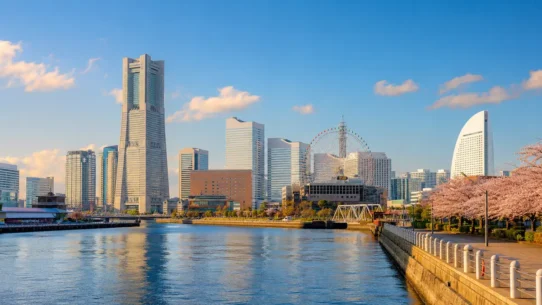
- Best free view: Osanbashi Pier rooftop near sunset. It gives you a wide look back at the Minato Mirai skyline without paying for an observation deck.
- Best paid family stop: Cup Noodles Museum if the custom-cup experience is part of the plan. General entry is easier than the hands-on activities, so check the official ticket system before going.
- Most overestimated transport ride: Yokohama Air Cabin. It is scenic and convenient with children or limited mobility, but it covers a short waterfront stretch that active travelers can walk.
- Most common planning error: adding Sankeien Garden as though it sits beside Chinatown. It requires a bus detour and deserves a proper block of time.
- From central Tokyo: allow roughly 25–40 minutes depending on your starting station and train. From Haneda Airport, Yokohama is usually much easier than crossing Tokyo first.
- With luggage: store it at your hotel or in a station locker before entering the sightseeing route. Cobblestones, ramps, crowds and long waterfront walks make rolling luggage a bad companion.
Top Survival Tips
- Check the destination station, not just the word “Yokohama.” Yokohama Station, Shin-Yokohama Station, Sakuragicho Station and Motomachi-Chukagai Station serve very different purposes. Shinkansen passengers arrive at Shin-Yokohama, not Yokohama Station.
- Use the fastest line for your actual starting point. From Tokyo or Shinagawa, the JR Tokaido Line is usually the straightforward choice. From Shibuya, many Tokyu Toyoko services continue onto the Minatomirai Line, which can take you directly toward Minato Mirai or Motomachi-Chukagai. From Shinjuku, the Shonan-Shinjuku Line avoids an unnecessary change.
- Do not buy a day pass automatically. The central waterfront rewards walking. If you only make two or three short rides, an IC card is often simpler than trying to “earn back” a pass. A JR-only pass also does not cover the privately operated Minatomirai Line.
- Pick either the Air Cabin or Cosmo Clock 21 if your budget is tight. Paying for both gives you two short elevated views of a similar part of the harbor. The Ferris wheel feels more like an attraction; the Air Cabin is more useful as transport.
- Book the experience, not merely the building. Cup Noodles Museum general admission is not the same as securing a hands-on factory activity. If making a custom cup is the main reason for visiting, use the museum’s official ticket information and do not rely on turning up late on a busy weekend.
- Treat the Red Brick Warehouse as event-dependent. The exterior, waterfront setting and seasonal markets are memorable. On an ordinary day, the interior is mainly shops and restaurants, so it may only need 30–60 minutes unless an event genuinely interests you.
- Do not choose a Chinatown restaurant from the loudest pavement sign. The district has excellent long-running restaurants, but it also has tourist-focused set menus and repetitive street snacks. Decide whether you want a proper regional Chinese meal or casual grazing, then choose accordingly.
- Keep one sunset plan. The skyline changes quickly around dusk. Osanbashi, the Ferris wheel, Landmark Tower and a harbor cruise all compete for the same golden-hour window; trying to do all of them usually means enjoying none properly.
- Check event calendars before booking a hotel. Concerts at K-Arena, conventions at Pacifico Yokohama, baseball games and Red Brick events can affect room prices, trains and restaurant queues.
- In summer, reduce the outdoor route rather than pretending the heat is harmless. The waterfront has long exposed sections. Use malls as cooling breaks, carry water and move museums into the hottest part of the afternoon.
- In rain, the city is still workable—but not with the same plan. Prioritize the Cup Noodles Museum, Landmark Plaza, Queen’s Square, World Porters and Chinatown dining. Save Yamate’s slopes and Sankeien’s garden paths for better weather.
How to Get to Yokohama Without Starting the Day Tired
From Tokyo, Shinjuku or Shibuya
Yokohama is close enough to be a genuine day trip, but the best train depends on where you are sleeping. From Tokyo Station or Shinagawa, a fast JR service to Yokohama Station is normally the cleanest option. From Shibuya, the Tokyu Toyoko and Minatomirai through-service can be more useful because it carries you beyond Yokohama Station toward the sightseeing districts. From Shinjuku, use a direct JR service where possible rather than changing in central Tokyo.
Practical shortcut: if your first stop is Chinatown or Yamashita Park, search your route all the way to Motomachi-Chukagai, not merely Yokohama Station. A direct or well-timed through-service can save a platform change and a long station walk.
From Haneda Airport
Haneda is the airport that pairs naturally with Yokohama. Direct Keikyu services reach Yokohama far more simply than traveling into Tokyo first and then backtracking south. After landing, resist the urge to haul your suitcase straight onto the sightseeing route. Go to your hotel, use luggage storage, or leave bags in a suitable locker before heading to the bay.
From Narita Airport
Narita is much farther away. Allow around 90 minutes or more depending on the service and connection. If your flight arrives late, staying beside Yokohama Station can be sensible for one night; if sightseeing is the priority, move to Sakuragicho, Minato Mirai or Kannai after dropping your bags.
Arriving by Shinkansen
The Tokaido Shinkansen stops at Shin-Yokohama. This is useful for travelers arriving from Kyoto, Osaka or Nagoya, but Shin-Yokohama is not beside the harbor. Continue by subway or JR to the central sightseeing districts. The one exception is a deliberate visit to the Shin-Yokohama Ramen Museum, which is close enough to make an efficient arrival-day stop.
For current transport options, check the official Yokohama access guide and the official getting-around guide.
Where to Stay Without Creating Transport Problems
Sakuragicho: Best Overall for a First Visit
Sakuragicho is the easiest compromise between atmosphere, rail access and a walkable sightseeing start. You can step out toward Kishamichi Promenade and Minato Mirai, reach Noge’s casual nightlife on the opposite side of the station, and use JR or the subway without navigating Yokohama Station every morning.
The trade-off: rooms with skyline views can command a premium, and budget choices may be smaller than they appear in photos.
Minato Mirai: Best for Views, Families and a Polished Stay
Choose Minato Mirai for waterfront hotels, modern malls, wide pavements and easy access to family attractions. It is comfortable and visually impressive, especially at night.
The trade-off: the district can feel quiet and corporate after shopping centers close. Travelers seeking izakaya lanes or local nightlife may prefer Sakuragicho or Kannai.
Kannai or Nihon-odori: Best for Value and Historic Waterfront Access
These areas place you between Chinatown, Yokohama Stadium, Bashamichi and Osanbashi. They often offer a more practical price-to-location balance than the premium waterfront towers.
The trade-off: some streets feel businesslike on weekdays, and hotel quality varies more. Check the exact walking route from the station rather than trusting a broad “Yokohama” location label.
Yokohama Station: Best for Regional Connections, Not Harbor Atmosphere
Stay here when you need fast access to Tokyo, Haneda, Kamakura or other parts of Kanagawa. It is also useful for late arrivals and early departures.
The trade-off: you will commute to most classic sights, and the station’s size can add friction every time you enter or exit.
Shin-Yokohama: Best Only for Shinkansen or Arena Priorities
Shin-Yokohama works well for a bullet-train stopover, Yokohama Arena event or ramen-museum visit. It is not the best base for a romantic waterfront holiday.
The Full Experience
📍 Minato Mirai and Sakuragicho: Best for the First-Time Skyline and an Easy Start
Tags: skyline views · family-friendly · malls and museums · best from late afternoon to night
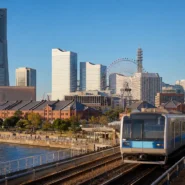
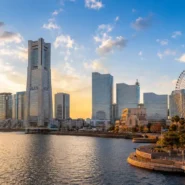
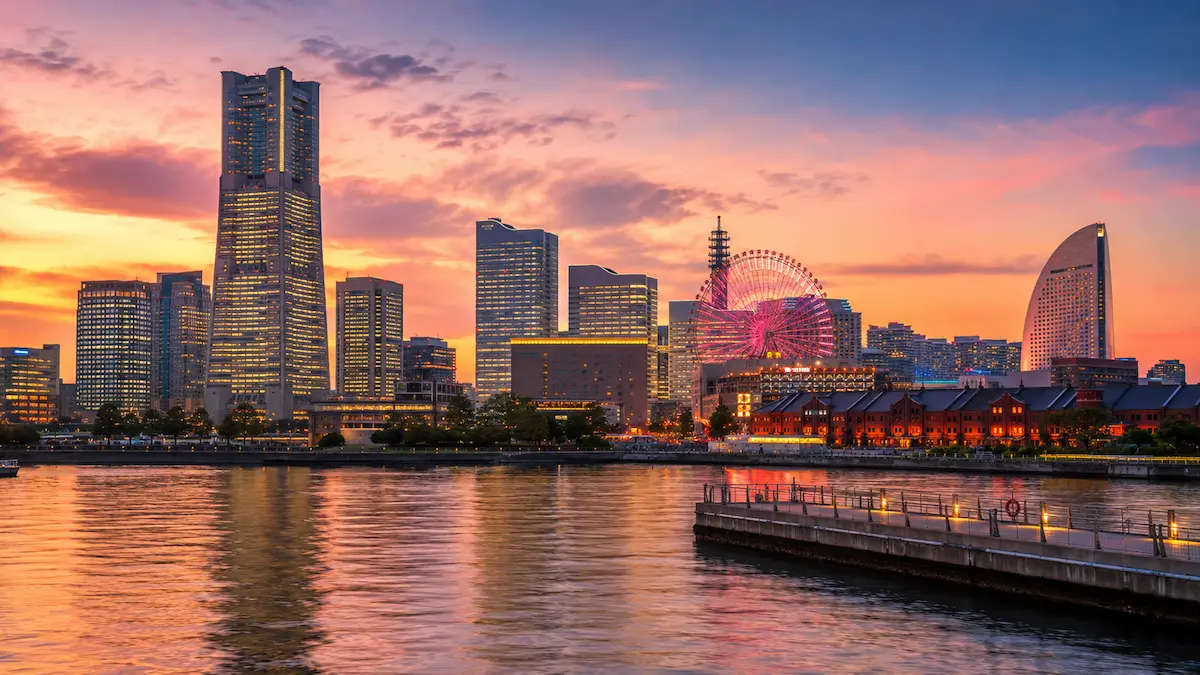
This is the Yokohama most first-time visitors imagine: Cosmo Clock 21, Landmark Tower, modern hotels, reflective water and broad pedestrian routes. Start at Sakuragicho if you want the skyline to reveal itself gradually along Kishamichi Promenade. Start at Minatomirai Station if you want immediate access to the malls, museum and central towers.
The smart route is not to enter every building. Walk past the Nippon Maru, follow Kishamichi toward the Shinko side, choose one paid attraction, and leave space for the city after dark. Cup Noodles Museum is most rewarding when you secure the activity you care about; otherwise, the exhibits alone may feel brief to adults without a strong interest in food design or product history.
Landmark Tower’s observation deck can be excellent on a clear day, but visibility determines its value. If the sky is hazy, save the money and enjoy the lower, more atmospheric harbor views. Cosmo World itself has no general entrance fee; you pay for individual rides, which makes a short Ferris wheel stop easy to fit into the evening.
✅ What Other Travelers Say
Visitors consistently praise the clean waterfront walk, the nighttime reflections and the ability to combine shopping, food and family attractions without long transfers. The area is also popular with travelers who want a gentler day after several intense days in Tokyo.
⚠️ The Catch (Things to Keep in Mind)
Minato Mirai contains a lot of retail space. If you dislike malls, do not give the district an entire day by default. The Air Cabin is photogenic but brief, and queues can erase the small time saving. On concert and convention days, restaurants and trains can become far busier than the wide streets suggest.
Best use of time: 3–5 hours, ideally crossing from daylight into evening.
📍 Shinko, Red Brick Warehouse and Osanbashi: Best for Waterfront Walking and Free Skyline Views
Tags: historic-industrial setting · seasonal events · photography · free sunset viewpoint
The Red Brick Warehouse photographs better than many visitors expect and entertains for less time than many itineraries allow. Its strongest qualities are the restored exterior, harbor setting and event program. Inside, you will find shops, cafés and restaurants rather than a large historical exhibition. That is not a flaw, but it matters when deciding whether to schedule 40 minutes or three hours.
From Sakuragicho, walking via Kishamichi takes about 15 minutes and is part of the experience. From Bashamichi or Nihon-odori stations, the walk is shorter. Continue from Red Brick toward Osanbashi rather than doubling back. The roof of the international passenger terminal is one of Yokohama’s best free spaces: long ramps, open bay views and a direct look back at the skyline.
Osanbashi is particularly valuable around sunset because the view includes the same landmarks people pay to see from higher decks, but with the water and city layered together. The rooftop is normally open around the clock, though port operations and special notices can affect access.
✅ What Other Travelers Say
Travelers tend to love the exterior atmosphere at Red Brick, especially during Christmas markets, flower events and food festivals. Osanbashi earns especially strong comments from photographers and repeat visitors who consider it one of the city’s best free viewpoints.
⚠️ The Catch (Things to Keep in Mind)
Without an event, the Red Brick interior can feel like a compact shopping complex in an attractive shell. Weekend event queues can be long, and the exposed waterfront can be windy. Check the Red Brick Warehouse event calendar before building your day around it.
Best use of time: 1.5–3 hours including the walk to Osanbashi and a sunset pause.
📍 Chinatown and Yamashita Park: Best for Food, Color and an Evening Finish
Tags: food-focused · lively streets · easy evening stop · crowded on weekends
Yokohama Chinatown is large enough to reward a plan and touristy enough to punish a random choice. The gates, lanterns, temples and dense restaurant streets create a genuine sense of arrival, but the most visible snack stall is not automatically the best meal.
Choose your eating style before you arrive. For a proper lunch or dinner, look for a restaurant known for a specific regional cuisine, dim sum or long-established specialty. For street food, share small items rather than buying a full portion at every queue. Pan-fried soup dumplings, steamed buns and sesame sweets are filling faster than they look.
Pair Chinatown with Yamashita Park. The park itself is not an attraction that needs a checklist; it is a breathing space between dense streets and the harbor. Walk along the water, see the Hikawa Maru from outside, then enter Chinatown for dinner. This order works better than eating heavily first and then trying to climb toward Yamate.
✅ What Other Travelers Say
Most visitors enjoy the atmosphere, food variety and contrast with the modern Minato Mirai skyline. Families appreciate the easy combination of snacks, temples and open waterfront space. Evening lighting adds energy without requiring a paid ticket.
⚠️ The Catch (Things to Keep in Mind)
Food quality and value vary. All-you-can-eat menus can be convenient for groups but are not automatically the district’s best cooking. Weekend lanes become congested, queues can block pavements, and travelers familiar with Chinese regional cuisine may find some popular dishes adapted to Japanese tastes. Go for the full neighborhood experience, not a promise that every meal will be exceptional.
Best use of time: 2–4 hours including Yamashita Park and a proper meal.
📍 Motomachi and Yamate: Best for Quieter Streets, Port History and a Slower Pace
Tags: Western-style heritage · hillside walking · cafés and boutiques · quieter than the waterfront core
Motomachi and Yamate show the older international side of Yokohama. Motomachi is a polished shopping street at the base of the hill; Yamate rises above it with parks, churches, former foreign residences and harbor viewpoints. Several historic houses can be entered without a major admission cost, making this a rewarding low-budget cultural walk.
For the least painful route, use the upper exit and escalator system from Motomachi-Chukagai Station toward Harbor View Park, then walk downhill through Yamate toward Motomachi or Ishikawacho. Doing the route in reverse adds an unnecessary climb, especially in summer.
This area suits travelers who enjoy architecture and atmosphere more than headline attractions. The houses are modest in scale; the pleasure comes from linking them through residential streets and gardens rather than racing between “must-see” interiors.
✅ What Other Travelers Say
Visitors praise the calm, greenery and sense of history, especially after the crowds of Chinatown. Many appreciate that the area feels distinct from both Tokyo and modern Minato Mirai.
⚠️ The Catch (Things to Keep in Mind)
The slopes are real, summer humidity makes them harder, and the historic homes may feel understated to travelers expecting grand European palaces. Motomachi shopping is pleasant but not essential for bargain hunters. Skip this area on a very tight one-day route unless heritage walks genuinely interest you.
Best use of time: 2–3 hours, preferably before Chinatown rather than after a large meal.
📍 Sankeien Garden: Best for Garden Lovers Who Can Give It Half a Day
Tags: traditional landscape garden · historic buildings · seasonal scenery · bus detour required
Sankeien is one of Yokohama’s most rewarding attractions and one of the easiest to misuse in an itinerary. The large garden brings together ponds, wooded paths and historic structures relocated from places including Kyoto and Kamakura. It is not a quick urban park. The scale and uneven paths reward at least two relaxed hours inside.
The transport cost is mostly time. Buses from central Yokohama commonly take around 35–40 minutes depending on the starting point and traffic, followed by a short walk. At the time of writing, the regular schedule is generally 9:00 a.m. to 5:00 p.m. with last admission at 4:30 p.m.; always check the official Sankeien website for seasonal openings, restoration work and event changes.
The most sensible strategy is to visit first thing in the morning, then continue to Motomachi, Yamate or Chinatown. Adding it after a full waterfront morning often creates a tired bus journey and a rushed final admission.
✅ What Other Travelers Say
Garden lovers frequently describe Sankeien as calmer and more substantial than they expected. Seasonal blossoms and autumn color receive strong praise, and the relocated historic buildings give the garden more architectural interest than a simple landscaped park.
⚠️ The Catch (Things to Keep in Mind)
It is not on the main rail-based sightseeing loop. Traffic can make the return journey unpredictable, some buildings may be under restoration, and the paths are less comfortable in heavy rain or extreme heat. Travelers with only six or seven hours in Yokohama should choose Sankeien instead of several waterfront stops, not in addition to all of them.
Best use of time: 3.5–5 hours including transport.
📍 Shin-Yokohama: Best for Ramen Fans and a Smart Shinkansen Stopover
Tags: regional ramen · retro indoor setting · arrival-day option · separate from the waterfront
The Shin-Yokohama Ramen Museum is less a conventional museum than a themed food complex built around a nostalgic late-1950s streetscape. Its strongest feature is the ability to sample ramen styles from different regions without traveling across Japan. Mini bowls make more sense than one full bowl if you want variety.
The museum is a short walk from the JR station and even closer to a suitable subway exit, so it works well when arriving by Shinkansen. It works poorly as a casual add-on between Red Brick Warehouse and Chinatown because it pulls you away from the bay and adds another round of station navigation.
Go near opening time or outside the main meal rush. Popular shops can develop queues, and eating three bowls after a full Chinatown lunch is not the culinary victory it sounds like during planning.
✅ What Other Travelers Say
Travelers enjoy the theatrical retro design, the chance to compare ramen styles and the convenience of ordering smaller portions. Food-focused visitors often consider it more memorable than expected.
⚠️ The Catch (Things to Keep in Mind)
You pay admission to enter a venue where you then pay again for food. For some visitors, that feels like a food court with an entrance fee. Queues reduce the number of bowls you can realistically try, and the small historical exhibition is not enough reason to travel here if you are indifferent to ramen.
Check current shops, opening hours and classes on the official Shin-Yokohama Ramen Museum website.
Best use of time: 2–3 hours, ideally tied to a Shinkansen arrival or departure.
Realistic Yokohama Itineraries That Do Not Zigzag
One-Day Classic Waterfront Route
- 9:30 a.m.: Start at Sakuragicho and walk Kishamichi Promenade.
- 10:00 a.m.–12:00 p.m.: Cup Noodles Museum or Landmark/Minato Mirai exploration. Choose one main indoor attraction.
- 12:00–1:00 p.m.: Lunch around World Porters, Marine & Walk or Bashamichi rather than waiting until you are trapped in a long Chinatown queue.
- 1:00–3:00 p.m.: Red Brick Warehouse, seasonal event and harbor walk.
- 3:00–5:30 p.m.: Osanbashi and the approach to Yamashita Park, slowing down near sunset.
- 6:00 p.m. onward: Chinatown dinner. Return from Motomachi-Chukagai or walk to Kannai if your hotel is on the JR side.
Skip: Sankeien and Shin-Yokohama. Adding either turns this into a transport exercise.
One-Day Culture and Garden Route
- Morning: Sankeien Garden at opening time.
- Early afternoon: Bus toward Motomachi-Chukagai, then use the escalator route up to Harbor View Park.
- Mid-afternoon: Walk downhill through Yamate and Motomachi.
- Evening: Yamashita Park and Chinatown dinner.
Skip: a full Minato Mirai museum-and-mall circuit. Add only a short nighttime skyline stop if energy remains.
Two-Day First-Time Plan
Day one: Minato Mirai, Cup Noodles Museum, Red Brick Warehouse, Osanbashi, Yamashita Park and Chinatown.
Day two: Sankeien in the morning, Yamate and Motomachi in the afternoon, then Noge or a relaxed waterfront dinner. Substitute Shin-Yokohama Ramen Museum if food is a bigger priority than gardens.
Rainy-Day Plan
Use Sakuragicho or Minatomirai Station, move through Landmark Plaza and Queen’s Square, visit one museum, cross to World Porters, then take the Minatomirai Line toward Chinatown for a seated meal. Do not force a long Osanbashi or Yamate walk in driving rain merely because it appears on a saved itinerary.
What to Book in Advance—and What Not to
- Book early: your hotel for weekends, public holidays, major concerts, conventions and waterfront events.
- Book early when it matters: Cup Noodles hands-on activities, ramen-making classes, popular cruises and special seasonal events.
- Usually no need to pre-book: Yamashita Park, Osanbashi rooftop, Kishamichi Promenade, Motomachi streets and general waterfront walking.
- Do not lock every hour: Yokohama is best when you can extend a good meal, wait for better light or skip a crowded attraction without feeling that the day has failed.
Key FAQs
Is Yokohama worth visiting as a day trip from Tokyo for first-time visitors?
Yes—especially if you want a spacious waterfront, night views, Chinatown food and a calmer urban day without traveling as far as Hakone or Nikko. It is less compelling for travelers who only want traditional temples; Kamakura may suit that priority better. Yokohama’s advantage is variety with relatively easy access.
What is the best Yokohama itinerary for first-time visitors without a car?
Start at Sakuragicho, walk through Minato Mirai and Kishamichi, choose one paid attraction, continue to the Red Brick Warehouse and Osanbashi, then finish at Yamashita Park and Chinatown. The route is mostly linear and avoids backtracking. Use trains only to reach the start and leave from the finish.
Where should first-time visitors stay in Yokohama?
Sakuragicho is the best all-round choice for sightseeing, JR access and evening atmosphere. Minato Mirai is better for polished waterfront hotels and families. Kannai or Nihon-odori often gives better value near Chinatown and the historic port. Yokohama Station is best for transport connections, while Shin-Yokohama is mainly for Shinkansen convenience.
Final Verdict and Your Next Step
Yokohama rewards travelers who plan by geography rather than popularity. Keep the waterfront route linear, choose one paid skyline or museum experience, and do not drag luggage through a sightseeing day. Sankeien Garden and Shin-Yokohama Ramen Museum are both worthwhile, but each deserves a deliberate detour rather than a last-minute squeeze.
For couples: stay around Sakuragicho or Minato Mirai, walk toward Osanbashi at sunset, then finish with dinner rather than trying to collect every attraction.
For families: prioritize Cup Noodles Museum, Cosmo World and wide waterfront spaces. Keep the Air Cabin if it reduces tired walking, but reserve hands-on activities before promising them to children.
For budget travelers: base yourself in Kannai or near Sakuragicho, rely on IC-card rides plus walking, use Osanbashi for the skyline, and spend your budget on one good meal rather than multiple small attractions.
For garden and history lovers: give Sankeien the morning and pair it with Yamate and Chinatown. Do not sacrifice the garden’s pace merely to say you also visited every Minato Mirai mall.
Rooms with convenient station access and attractive bay views can rise sharply on weekends and event dates. Compare availability before your route becomes fixed: check Yokohama hotels on Agoda or compare Yokohama stays on Booking.com.
For attraction passes, museum tickets, cruises and bookable activities, review the live inventory rather than assuming every attraction needs advance payment: browse Yokohama activities on Klook and check Yokohama experiences on KKday.