

💡 Key Takeaways
- Best overall balance: travel in the second half of May, mid-October or November for comfortable walking weather without paying the full cherry-blossom premium.
- Best value: January to February and rainy-season weekdays in June often bring softer hotel demand, but New Year closures and wet-weather disruption can erase the savings.
- Biggest traps: late March to early April, Golden Week, mid-August and major event weekends can push up prices; July and August can be so hot and humid that ambitious walking itineraries stop being realistic.
The best time to visit Nagoya is not simply “spring or autumn.” Cherry blossoms are beautiful, but the most photogenic week can also bring expensive rooms, crowded parks and a real risk that wind or rain strips the petals early. Summer festivals are lively, yet Nagoya’s heat and humidity can turn a normal sightseeing day into a sequence of air-conditioned recovery stops. The rainy season does not mean nonstop rain every day, but it does make outdoor plans less predictable. Golden Week, Japanese public holidays and large events can also raise accommodation and transport demand with little warning to overseas visitors.
Winter is usually calmer and drier, with better-value rooms outside the New Year period, but daylight is shorter and some attractions or restaurants close around the year-end holidays. The honest answer is that Nagoya has several “best” periods depending on whether your priority is weather, price, flowers, festivals or low crowds. This guide compares the trade-offs so you can choose a month that fits the way you actually travel.
The 1-Minute Cheat Sheet
- March to April: Best for cherry blossoms and spring atmosphere. Expect cool-to-mild weather, rapidly changing bloom dates, higher room rates and busy parks around peak blossom.
- May to June: Late May is one of the smartest all-round windows. Early May is disrupted by Golden Week, while June brings rising humidity and the start of the Baiu rainy season.
- July to August: Best for summer festivals, night events and cosplay culture, but worst for heat-sensitive travellers. Mid-August also overlaps with Obon, a major domestic travel period.
- September to November: September can still feel like summer and is the wettest month in Nagoya’s long-term climate normals. October is excellent for city walking; November is better for autumn colour.
- December to February: Best for lower crowds, dry weather, museums, winter food and illumination trips. Avoid assuming New Year is a normal sightseeing week because closures are common.
Top Survival Tips
- Do not book a non-refundable sakura trip around one “average” date. Nagoya’s blossom timing shifts with winter and early-spring temperatures. Use a refundable hotel rate, then monitor the latest forecast two to three weeks before arrival.
- Treat Golden Week as a price-and-crowd warning, not a minor holiday. The cluster of holidays from late April into early May is one of Japan’s busiest domestic travel periods. Trains, family attractions and conveniently located hotels can fill quickly.
- Rainy season is a planning problem more than a constant downpour. The Tokai region’s climatological Baiu period centres on roughly early June to around 19 July. You may get dry stretches, but humidity, low cloud and sudden heavy rain can still spoil gardens, viewpoints and mountain day trips.
- Build a summer itinerary around air conditioning. In July and August, schedule Nagoya Castle grounds, Osu and outdoor parks early, move to the Toyota Commemorative Museum, SCMAGLEV and Railway Park, the aquarium or department stores in the afternoon, then return outside after sunset.
- Keep one flexible day in September. September has high long-term rainfall and a greater tropical-cyclone risk than October. A flexible day lets you move a Korankei, Kiso Valley, Takayama or Gifu excursion away from the worst forecast.
- Do not expect central Nagoya’s best autumn colour in early October. October is superb for comfortable weather, but the strongest urban foliage is usually later. Mountain areas change earlier; city gardens and parks often look better from mid-to-late November into early December.
- Separate Nagoya city weather from Japan Alps weather. Nagoya may be dry and manageable in winter while Takayama, Shirakawa-go or mountain roads have snow, ice and transport disruption. Check the destination forecast, not only the city forecast.
- Compare Nagoya Station with Sakae rather than blindly choosing the cheapest room. A slightly higher rate near the station can save time on day trips; Sakae is often better for dining and nightlife. In heavy rain or summer heat, an inconvenient 15-minute walk can feel much longer.
- Search event calendars before paying. The World Cosplay Summit, Nagoya Festival, major concerts, sports fixtures and holiday weekends can create local price spikes even outside Japan’s famous national peak seasons.
The Full Experience
🌸 March to April: Best for Cherry Blossoms, but Not for Bargain Hunters
Best for: Sakura, parks, photography, first-time Japan trips | Crowds: High around peak bloom | Budget: Expensive at the most desirable dates
March begins cool, with Nagoya’s long-term average daytime maximum around 14.5°C and an average nighttime minimum around 4.6°C. April is much easier for long days outside, with an average maximum around 20.1°C and minimum around 9.7°C. The problem is not usually extreme weather; it is timing. Cherry blossoms commonly peak from late March into early April, but a warm spell can accelerate flowering while wind and rain can shorten the best viewing window.
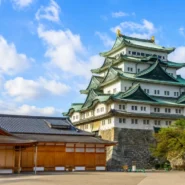
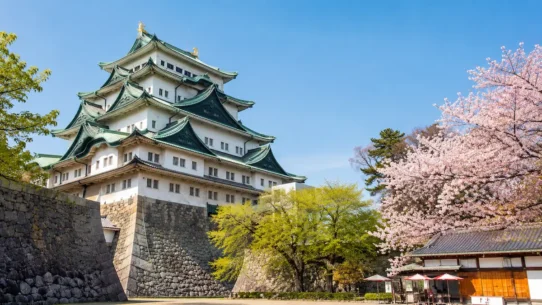
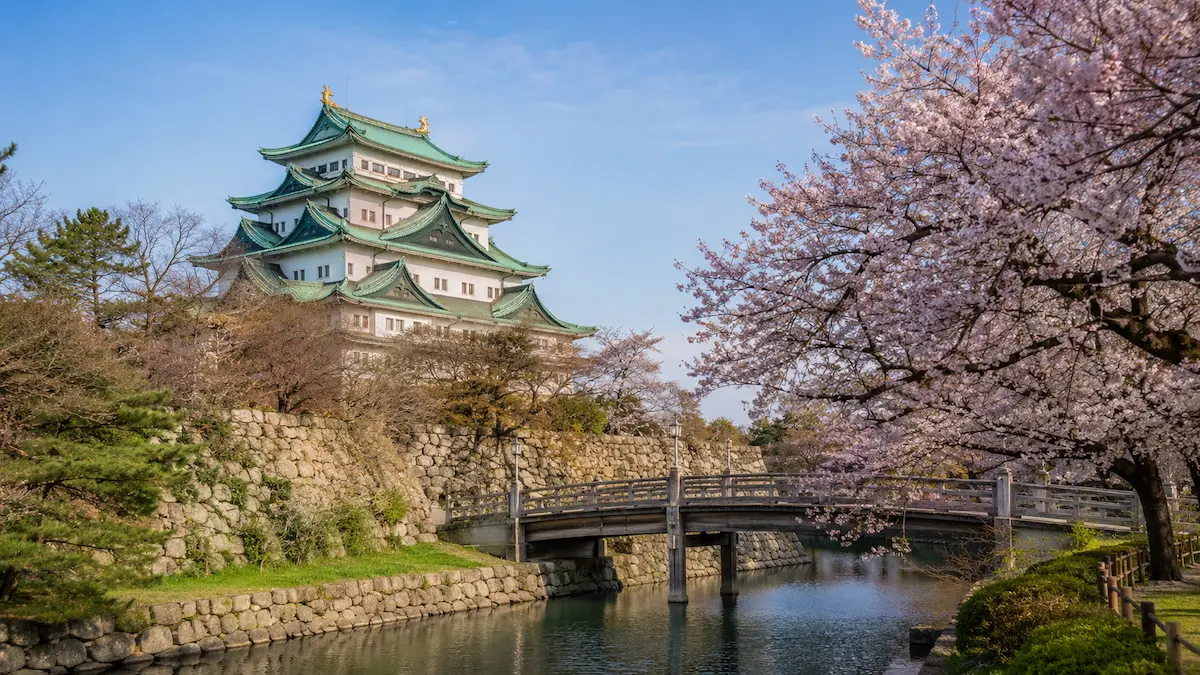
When the timing works, this is Nagoya at its most photogenic. Yamazaki River offers a long blossom-lined walk, Tsuruma Park has a livelier hanami atmosphere, and the castle grounds combine sakura with one of the city’s best-known landmarks. Early mornings on weekdays are noticeably more pleasant than weekend afternoons and illuminated evening periods.
Who should choose it: Travellers who genuinely care about cherry blossoms, are willing to pay for flexibility and can handle crowds. It is also a good season for visitors combining Nagoya with Kyoto, Tokyo or the Kiso Valley, although the same seasonal demand affects much of the country.
✅ What Other Travelers Say
Experienced Japan travellers consistently describe sakura season as beautiful but unpredictable. The common lesson is that the flowers are worth seeing, yet building an entire non-refundable trip around a single predicted peak date creates unnecessary stress. Visitors also report that weekday mornings and less famous neighbourhood riverside spots feel far calmer than headline parks at peak times.
⚠️ The Catch (Things to Keep in Mind)
Hotel prices can rise before the final bloom timing is known, so you may pay a premium and still arrive early or late. Rainfall also increases from winter into spring. Avoid packing only light clothing: early mornings, evenings and windy castle grounds can still feel cold. The last days of April also lead into Golden Week, when domestic travel demand rises sharply.
Editor’s verdict: Worth it for a once-in-a-lifetime sakura trip, but not the best choice for travellers who prioritise low prices, quiet sightseeing or certainty.
🌿 May to June: Best Overall Value after Golden Week, with a Rainy-Season Gamble
Best for: Comfortable weather, gardens, festivals, balanced prices | Crowds: Moderate after Golden Week | Budget: Good in late May and on June weekdays
May is the month many visitors should choose but overlook. Nagoya’s average daytime maximum is around 24.6°C, warm enough for light clothing without the full summer sauna effect. The second half of May is particularly attractive: Golden Week has ended, spring crowds have eased and the rainy season has usually not yet settled in.
The first week of May is a different story. Golden Week is one of Japan’s busiest travel periods, so the weather may be excellent while trains, hotels and family attractions are frustratingly busy. Waiting until the second or third week of May often delivers a much better price-to-experience ratio.
June brings richer greenery, seasonal festivals and more variable conditions. Atsuta Jingu’s main annual festival is held on 5 June, and early June also brings local cultural events such as the Arimatsu Shibori Tie-Dye Festival. The downside is the Baiu rainy season. Japan Meteorological Agency climatology places the Tokai region’s typical onset around 6 June, although each year differs.
Who should choose it: Late May suits almost everyone, especially walkers, food-focused travellers and visitors planning day trips. June suits flexible travellers who are comfortable swapping outdoor and indoor days according to the forecast.
✅ What Other Travelers Say
Many June visitors report that rainy season was less dramatic than they feared: rain may arrive in bursts rather than falling all day, every day. They also value smaller crowds and the abundance of air-conditioned indoor attractions. The positive reports usually come from travellers who carried a compact umbrella, wore quick-drying shoes and kept their itinerary flexible.
⚠️ The Catch (Things to Keep in Mind)
Humidity can be more tiring than the temperature suggests, and wet shoes are a bigger morale-killer than an umbrella. Heavy rain or low cloud can also ruin scenic day trips even when city museums remain easy to visit. Book cancellable outdoor tours where possible, and avoid scheduling every major excursion on consecutive fixed days.
Editor’s verdict: The second half of May is one of the best times to visit Nagoya. June can be excellent value, but only for travellers who accept weather uncertainty.
🔥 July to August: Best for Festivals, Worst for Heat-Sensitive Travelers
Best for: Summer events, cosplay, nightlife, families tied to school holidays | Crowds: Event-driven and high around Obon | Budget: Mixed, with spikes around holidays and festivals
This is the period most travel marketing softens too much. Nagoya’s average daytime maximum is around 31.4°C in July and 33.2°C in August, and the humidity can make it feel significantly harder. Long exposed walks around castle grounds, parks and transport hubs become exhausting. The heat also continues after sunset, so an evening plan is cooler, not necessarily cool.
The reward is a strong festival calendar. The World Cosplay Summit brings international cosplay events to Nagoya around late July and early August, and summer programmes extend opening hours at attractions such as the aquarium and zoo in some years. Night festivals, food stalls and illuminated city spaces give the season an energy that winter cannot match.
Mid-August adds another complication: Obon. This traditional family holiday, commonly centred around 13–16 August, is one of Japan’s major domestic travel periods. Transport and accommodation can become more competitive even when a specific Nagoya attraction does not look crowded online.
Who should choose it: Festival-focused travellers, cosplay fans, families who cannot travel at another time and people with proven tolerance for tropical heat. It is not a sensible first choice for older travellers, very young children or anyone planning 20,000-step sightseeing days.
✅ What Other Travelers Say
Summer visitors repeatedly say that air conditioning makes the trip possible, not effortless. Travellers who enjoy the season plan early starts, long indoor afternoon breaks, frequent drinks and lighter evening activities. Those who struggle most are the ones who copy a spring itinerary and simply attempt it in August.
⚠️ The Catch (Things to Keep in Mind)
Heat exhaustion is a real planning concern, not just discomfort. Thunderstorms and intense rain can arrive after hot mornings, while Obon and major events reduce last-minute flexibility. Carry water, use sun protection, schedule indoor recovery time and choose a hotel near a station so the final walk back is short.
Editor’s verdict: Visit in July or August for a specific event, not because a generic guide called summer “vibrant.” For ordinary sightseeing, almost every other season is easier.
🍁 September to November: Best Weather from October, Best Autumn Color in November
Best for: Walking, food trips, day trips, autumn foliage | Crowds: Moderate, then high at famous foliage spots | Budget: Good in October; firmer around November weekends
These three months should not be treated as one uniform “autumn.” September remains warm, with an average daytime maximum around 29.1°C, and it has the highest monthly precipitation in Nagoya’s 1991–2020 climate normals at about 231.6 mm. Tropical cyclones and the autumn rain front can disrupt flights, trains and mountain day trips.
October is the sweet spot for comfortable city sightseeing. The average maximum falls to around 23.3°C, humidity becomes easier and the Tokai region often gets refreshing, sunnier spells. It is excellent for Nagoya Castle, Atsuta Jingu, Osu, Sakae and full-day walks. The Nagoya Festival adds historical parades and city events, but exact dates change each year.
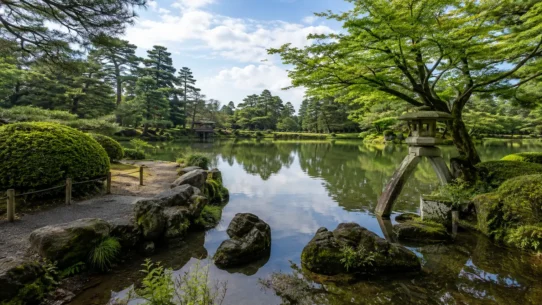
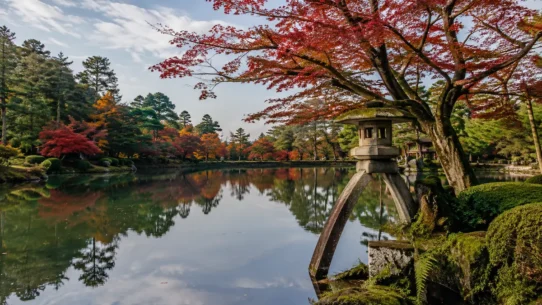
November is better for foliage. Tokugawaen Garden, Shirotori Garden and parks around the city develop colour later than many mountain destinations. Korankei Gorge, an easy-to-understand autumn day trip from Nagoya, holds its annual maple festival through November and attracts heavy weekend traffic. The colour is impressive, but the bus and road journey can be the least enjoyable part of the day.
Who should choose it: October is ideal for travellers who value weather more than seasonal spectacle. November is ideal for photographers, hikers and visitors willing to start early for foliage day trips.
✅ What Other Travelers Say
Travellers often describe Nagoya as an underrated base for central Japan in autumn, with practical rail access to Inuyama, Gifu, the Kiso Valley, Takayama and other destinations. They also note that weekends and long weekends are significantly busier than weekdays, especially on popular scenic routes.
⚠️ The Catch (Things to Keep in Mind)
Early September can feel like an extension of summer. Early October may be too soon for strong colour in central Nagoya, while peak November weekends at Korankei can involve queues and traffic. Autumn forecasts shift with temperature, so do not assume last year’s peak dates will repeat exactly.
Editor’s verdict: Mid-October through late November is the strongest all-round season. Choose October for easier weather and November for better foliage.
❄️ December to February: Best for Low Crowds and Value, except at New Year
Best for: Budget trips, museums, winter food, illuminations, regional snow excursions | Crowds: Low outside holidays | Budget: Often best from mid-January to February
Nagoya’s winter is cold but generally manageable for urban sightseeing. Average daytime maximums are around 11.7°C in December, 9.3°C in January and 10.5°C in February. Average precipitation is far lower than in summer and early autumn, making crisp walking days common. Snow can occur, but visitors should not expect central Nagoya to look like Shirakawa-go.
Winter works particularly well for Nagoya because many of its strongest attractions are indoors: the Toyota Commemorative Museum, SCMAGLEV and Railway Park, Nagoya City Science Museum, shopping complexes and food-focused neighbourhoods. Seasonal illuminations in Nagoya and at Nabana no Sato add an evening reason to travel, while miso nikomi udon and other hearty local dishes feel better in cold weather than in August.
The major exception is the New Year period. Japan’s year-end holiday commonly runs from around 29 December to 3 January, and many museums, restaurants and attractions close or reduce hours. Atsuta Jingu becomes a major hatsumode destination, creating a meaningful cultural experience but also intense local crowds.
Who should choose it: Budget travellers, repeat visitors, museum lovers, food-focused travellers and people using Nagoya as a gateway to winter scenery in Gifu. Mid-January through February is usually the cleanest value window.
✅ What Other Travelers Say
Winter travellers appreciate calmer stations, easier restaurant access and the ability to walk without summer humidity. Many also use Nagoya as a buffer city before or after Takayama and Shirakawa-go. The recurring warning is that winter driving and mountain logistics require more planning than sightseeing inside Nagoya itself.
⚠️ The Catch (Things to Keep in Mind)
Daylight is shorter, gardens are less colourful and year-end closures can make a loosely planned itinerary fail. Snow or ice may disrupt mountain buses and roads even when Nagoya is clear. Book important restaurants and check attraction calendars rather than assuming everything reopens immediately on 2 January.
Editor’s verdict: Mid-January to late February is the best period for low crowds and strong hotel value. Avoid late December to early January unless New Year traditions are the purpose of the trip.
Key FAQs
What is the best month to visit Nagoya for good weather and fewer crowds?
October is the safest answer for comfortable walking weather, lower humidity and manageable crowds. Late May is equally strong if you travel after Golden Week and before the rainy season becomes established. For autumn colour rather than weather alone, choose the second half of November.
Is cherry blossom season in Nagoya worth the higher hotel prices?
Yes, when sakura is a major personal priority. Nagoya offers attractive blossom locations without the same international fame as Kyoto, but peak parks are still busy and the bloom window is fragile. Use refundable bookings and avoid paying a premium based only on a forecast issued months in advance.
Is June a bad time to visit Nagoya because of the rainy season?
No, but it is a higher-risk month for rigid outdoor itineraries. City attractions remain easy to visit, and rain may be intermittent rather than continuous. June becomes a poor choice when your trip depends on clear mountain views, multiple hikes or fixed day tours with no backup dates.
Final Verdict and Your Next Step
For the best overall trip: target roughly mid-to-late May or mid-October through late November, then choose weekdays where possible. These windows give you the best balance between walkable weather, reasonable crowd levels and prices that are usually less aggressive than peak sakura season.
For the lowest-cost trip: check mid-January to February, June weekdays and early December. Compare the total trip cost rather than the room alone: a cheaper hotel is not a bargain if rain cancels an expensive day tour or an inconvenient location creates repeated taxi rides.
For cherry blossoms: aim for late March to early April, but keep your booking flexible and monitor the latest forecast. For autumn colour: favour the second half of November and reserve popular weekend accommodation early.
Periods to avoid when you have a choice: Golden Week, mid-August around Obon, July and August if you dislike humid heat, and late December to early January if you expect normal opening hours.
Once your dates are fixed, book a cancellable room before flight prices or event demand force you into a poor location. Compare Nagoya hotels on Agoda and Nagoya hotels on Booking.com, then check timed tickets and day trips on Klook Nagoya and KKday Nagoya. Booking early matters most for sakura dates, Golden Week, major event weekends and peak November foliage.