


💡 Key Takeaways
- Give Kanazawa two nights if possible. One day is enough for highlights, but not enough for Kenrokuen, the historic districts, Omicho Market, contemporary art, and relaxed meals without rushing.
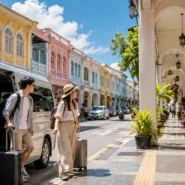
- Do not drag a large suitcase onto the sightseeing bus. Use the same-day baggage delivery service at Kanazawa Station or leave your luggage at your hotel before starting.
- The biggest planning mistake is poor timing. Visit Omicho Market before lunch, photograph Higashi Chaya before the afternoon crowds, and treat the 21st Century Museum’s “Swimming Pool” as a reservation-dependent bonus rather than a guaranteed experience.
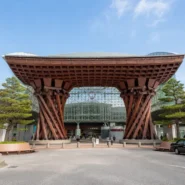
A first visit to Kanazawa looks deceptively easy on a map. The main sights are compact, the station is modern, and the city is often sold as a calmer alternative to Kyoto. All of that is broadly true—but this Kanazawa travel guide for first-time visitors starts with the less glamorous reality: the attractions are spread around a loop rather than one straight walking street, rain can turn a pleasant 20-minute walk into a tiring detour, popular restaurants close or sell out earlier than expected, and arriving from Kyoto or Osaka now involves a transfer at Tsuruga.
Kanazawa rewards travelers who plan by area and time of day. It punishes travelers who bounce repeatedly between the station, Kenrokuen, Higashi Chaya, and Katamachi while carrying bags. The goal of this guide is not to convince you that every attraction is essential. It is to help you choose what genuinely suits your trip, understand what is overhyped, and build a route that feels enjoyable rather than technically possible.
The 1-Minute Cheat Sheet
- Ideal stay: Two nights and roughly two sightseeing days. Add a third night only if you want a Shirakawa-go, Gokayama, Kaga Onsen, or Noto-related side trip.
- Best first-time base: Omicho Market or Minamicho for the best sightseeing balance; Kanazawa Station for the easiest luggage and onward-travel logistics; Korinbo or Katamachi for restaurants and nightlife.
- From Tokyo: The Hokuriku Shinkansen is direct and takes about 2.5 hours.
- From Kyoto or Osaka: Take the Limited Express Thunderbird to Tsuruga, then change to the Hokuriku Shinkansen for Kanazawa. Do not plan around an old guide that describes a direct Thunderbird all the way to Kanazawa.
- Local transport: Combine walking with the Kanazawa Loop Bus. A single loop-bus ride is inexpensive; the one-day pass normally makes financial sense when you expect at least four covered rides.
- Top priorities: Kenrokuen, one historic teahouse interior in Higashi Chaya, Omicho Market before lunch, and either Nagamachi or the 21st Century Museum depending on your interests.
- Most skippable for a rushed visit: Spending a long time inside reconstructed castle buildings, joining a huge queue for an ordinary seafood bowl, and crossing the city solely for gold-leaf soft serve.
- Realistic daily spending: As an editorial planning estimate, allow roughly ¥7,000–¥15,000 per adult per day excluding accommodation and intercity transport. The biggest variable is seafood.
- Weather rule: Carry a compact umbrella even when the morning looks clear. Kanazawa is known for sudden coastal showers.
- Luggage rule: Use station lockers, hotel storage, or same-day station-to-hotel delivery. Historic lanes, wet pavements, and busy buses are a poor combination with large cases.
Top Survival Tips
- Build your route as a circle, not a series of returns to Kanazawa Station.
Omicho Market, Higashi Chaya, Kanazawa Castle, Kenrokuen, Hirosaka, Nagamachi, and Korinbo form a practical sightseeing arc. Returning to the station between areas wastes time and usually adds unnecessary bus rides. - Know which Loop Bus direction you need before boarding.
The Right Loop and Left Loop travel around the city in opposite directions. Both eventually reach major sights, but choosing the wrong direction can turn a short transfer into a near-complete circuit. Check the next two stops, not merely the attraction name somewhere on the route map. - Do not automatically buy the one-day bus pass.
Many first-time visitors only take two or three rides because central Kanazawa is walkable. Buy the pass when you genuinely expect four or more covered rides, want its attraction discounts, or are visiting in rain, heat, or winter cold. - Send your suitcase ahead from Kanazawa Station.
The tourist information center offers same-day baggage delivery to many hotels and ryokan. This is one of the city’s most useful services, especially when you arrive before check-in and want to start at Omicho Market or Higashi Chaya. - Go to Omicho Market for breakfast or an early lunch, not a late-afternoon wander.
Core business hours are generally around 9:00 to 16:00, but individual shops vary. By mid-afternoon, the market can feel more like closing time than a food destination, and the best-known lunch counters may have stopped taking names. - Separate “photo time” from “shopping time” in Higashi Chaya.
The streets are most photogenic early, while many interiors, cafes, and shops open later in the morning. A smart compromise is to arrive around 9:00, photograph the quieter lanes, then visit Shima when it opens. - Use Kenrokuen’s early hours only if you understand the rule.
Early admission can be free and wonderfully quiet, but visitors must leave before regular opening time. It is ideal for photographers and early risers, not for travelers expecting to enter free and remain inside all morning. - Treat the 21st Century Museum’s “Swimming Pool” as conditional.
Access below the pool uses a same-day reservation system, and popular slots can disappear. The museum is still worth considering for architecture and exhibitions, but it is disappointing when a visitor expects one viral photo to justify the entire stop. - Check the museum calendar before building a trip around it.
The 21st Century Museum has announced a large-scale closure from 6 May 2027 to March 2028. Exhibition rooms also have changing schedules and occasional closures, so verify the official website close to your date. - Do not mistake Myoryuji for a ninja theme attraction.
“Ninja Temple” is a nickname. The appeal is ingenious defensive architecture, hidden stairs, traps, and controlled passageways—not performers or ninja demonstrations. Advance telephone reservations are required, preschool children cannot enter, and the structured visit is not a convenient last-minute add-on. - Keep a rain version of your itinerary.
In poor weather, prioritize Omicho Market, Shima or Kaikaro, the 21st Century Museum, the National Crafts Museum, and a relaxed lunch. Save long riverside walks and Nagamachi’s lanes for the clearest window. - Use taxis strategically rather than treating them as a luxury.
Central distances are short. For two to four people, a taxi can be better value than losing 30 minutes to a missed bus—especially with children, luggage, heavy rain, or a dinner reservation.
The Full Experience
📍 Kenrokuen and Kanazawa Castle: Best for Classic First-Time History
Features: Landmark garden • seasonal scenery • castle architecture • early-morning option • 2.5–3.5 hours
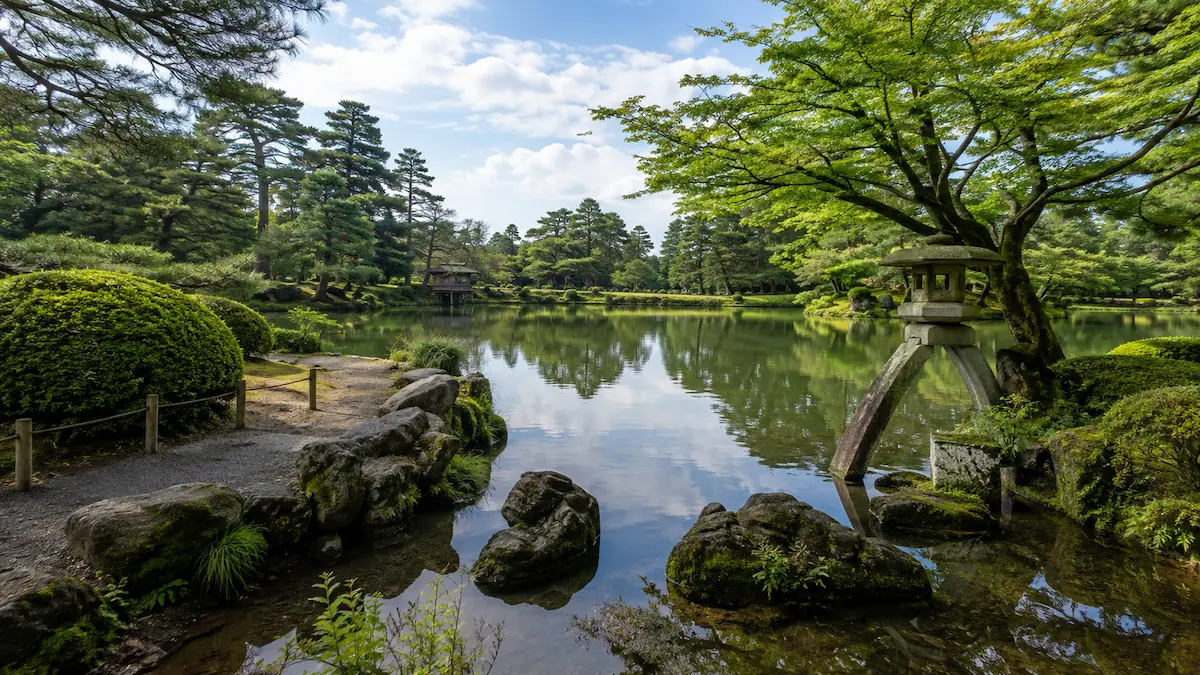
Kenrokuen is the one Kanazawa attraction that deserves its headline status. The garden is not about one dramatic viewpoint; it is a designed sequence of ponds, bridges, pines, streams, teahouses, borrowed views, and seasonal details. Travelers who rush directly to the famous Kotoji-toro lantern, take a photo, and leave miss most of the experience.
For a normal first visit, allow 90 minutes for Kenrokuen. Add time for tea, photography, autumn color, cherry blossoms, or snow. Enter through a gate that suits your route rather than blindly following the busiest entrance. If you start early, use the quiet to explore the central pond and side paths before tour groups arrive.
Kanazawa Castle Park sits directly beside the garden and works naturally in the same half-day. The grounds, gates, stone walls, and Gyokusen-inmaru Garden are more important than “collecting” every interior. Much of the castle complex is reconstructed, so visitors expecting an intact original keep may feel underwhelmed. The reconstruction is impressive for architecture and craftsmanship, but it is not the same type of experience as Himeji Castle or Matsumoto Castle.
Best route: Start at Kenrokuen, cross to Ishikawa Gate and the castle, walk through the grounds toward Gyokusen-inmaru Garden, then continue to Oyama Shrine, Omicho Market, or Korinbo depending on the time of day.
Worth paying for: Kenrokuen itself. Paid castle interiors are optional when time is limited. A tea stop can be worthwhile when the garden is quiet, but it becomes less relaxing during peak periods.
✅ What Other Travelers Say: Visitors consistently praise the maintenance, seasonal atmosphere, and sense of calm when arriving early. Many also say that the quieter side paths are more enjoyable than the heavily photographed central spots.
⚠️ The Catch (Things to Keep in Mind): The garden can become crowded surprisingly early during cherry blossom, autumn foliage, weekends, and holiday periods. It also includes slopes, gravel, stepping stones, and wet surfaces. The castle is visually impressive but largely reconstructed, so history-focused travelers should adjust expectations.
📍 Higashi Chaya and Kazue-machi: Best for Early Photos and Teahouse Atmosphere
Features: Preserved wooden streets • geisha heritage • wagashi and tea • craft shopping • 2–3 hours
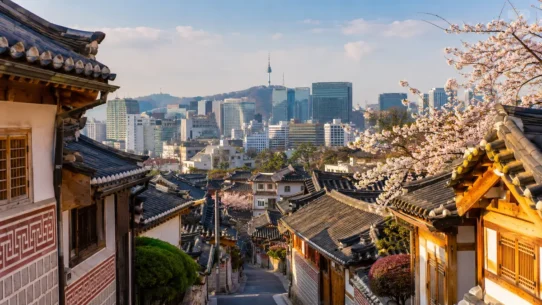
Higashi Chaya is beautiful, but the main street is smaller than many first-time visitors imagine. The district becomes meaningful when you enter at least one historic building, walk the side lanes, and connect it with the Asano River and neighboring Kazue-machi. Without that context, it can feel like a 20-minute photo stop lined with souvenir shops.
Shima is the easiest historic teahouse interior to recommend. It is compact, well preserved, and helps explain how the district functioned. Kaikaro offers another atmospheric interior and refreshments, although opening days and access should be checked. Travelers interested in crafts should look beyond edible gold leaf and browse lacquerware, Kutani ceramics, Kaga-yuzen-related items, tea utensils, and quality wagashi.
The famous gold-leaf soft serve is not a scam, but it is mostly a visual novelty. The gold contributes little flavor. Buy it because you enjoy the fun, not because it represents Kanazawa’s best culinary value. A well-made seasonal sweet with tea often delivers a more memorable taste of the city.
Best timing: Arrive around 9:00 for quieter streets, then enter Shima after opening. An alternative is late afternoon, when crowds thin, but many shops begin closing around 17:00. The middle of the afternoon is often the busiest and least atmospheric period.
Best route: Get off near Hashibacho, cross or follow the river, explore Higashi Chaya, then walk through Kazue-machi. From there, continue to Omicho Market or Kanazawa Castle instead of returning to the station.
✅ What Other Travelers Say: Travelers love the preserved wooden facades, tea shops, sweets, and easy photography. Many find the district especially atmospheric before shops fully open or after day-trippers begin leaving.
⚠️ The Catch (Things to Keep in Mind): Peak hours can feel crowded and commercial. The most photographed street is short, shop prices reflect the tourist location, and an evening visit can be too late for interiors and shopping. Staying in the district is atmospheric but less convenient for broad restaurant choice and station access.
📍 Omicho Market and Musashigatsuji: Best for Seafood—But Not Guaranteed Bargains
Features: Seafood • seasonal produce • early lunch • covered market lanes • 1.5–2.5 hours
Omicho Market is worth visiting, but it should not be marketed as a guaranteed cheap meal. It is a working market, a major visitor attraction, and a concentration of high-value seafood. Seasonal crab, premium uni, nodoguro, and elaborate kaisendon can be expensive for legitimate reasons—and sometimes because the location supports tourist pricing.
The practical strategy is to arrive before the lunch rush, walk one full circuit, compare menus, and only then choose. A long queue does not automatically mean the best food; it may mean the restaurant appeared in a guidebook or social video. Look at what is seasonal, whether the bowl is padded with inexpensive ingredients, and whether a smaller set meal would let you try local fish without spending your entire food budget at lunch.
Do not ignore the non-seafood side of the market. Local vegetables, fruit, croquettes, grilled items, pickles, sweets, and pantry products make the visit more varied. Travelers who do not eat raw seafood can still enjoy Omicho, although they should not expect every stall to provide comfortable seating or detailed English explanations.
Best timing: Around 9:00–10:30 for browsing and breakfast, or an early lunch before 11:30. Winter seafood season is exciting but also busier and more expensive.
Best route: Omicho is about a 15-minute walk from Kanazawa Station and sits naturally between the station, castle, and teahouse districts. It is an excellent first stop after leaving luggage, but a poor final stop at 15:30 when stalls are winding down.
✅ What Other Travelers Say: Visitors value the freshness, variety, and energy, particularly in the morning. Positive reviews often mention the ability to sample several small items rather than commit to one large meal.
⚠️ The Catch (Things to Keep in Mind): Famous restaurants can have long waits, the narrow lanes become congested, and premium bowls are not budget food. Business hours vary by shop, Wednesday closures are common for some vendors, and arriving late can leave you with far fewer choices.
📍 Nagamachi, Korinbo and Katamachi: Best for Samurai Lanes, Dinner and Nightlife
Features: Samurai district • compact historic residence • shopping • restaurants and bars • 2–4 hours
Nagamachi is more subtle than Higashi Chaya. Its appeal lies in earthen walls, narrow waterways, stone lanes, winter wall coverings, and the sense of a former residential quarter. It is not a street of constant attractions, so travelers who need entertainment every five minutes may find it quiet. Those who enjoy urban texture and history usually prefer it to the more commercial teahouse district.
Nomura Samurai Residence is the main paid stop. The house is compact, and crowd flow can be awkward, but the garden is beautifully composed and often becomes the highlight. Arrive near opening or during a quieter meal period. The free Ashigaru Museum offers useful contrast by showing the homes of lower-ranking foot soldiers rather than only an elite household.
After Nagamachi, walk into Korinbo and Katamachi. This is the best transition from sightseeing to evening. Korinbo is useful for department stores and polished shopping; Katamachi is stronger for izakaya, local bars, Kanazawa oden, sushi, grilled seafood, and late-night energy. Travelers staying near the station often miss this side of the city because they return too early.
Best timing: Late afternoon into evening works well. Visit Nagamachi while residences are open, then continue to dinner in Katamachi. In winter, go earlier because Nomura Residence closes sooner.
✅ What Other Travelers Say: Travelers frequently praise Nomura’s garden and the district’s calm, preserved streets. Many enjoy Nagamachi most when they slow down rather than treat it as a checklist stop.
⚠️ The Catch (Things to Keep in Mind): The district is visually restrained, paid interiors are small, and groups can create bottlenecks. Katamachi is lively at night but less convenient with large luggage, and some small bars may feel intimidating to visitors who expect English menus everywhere.
📍 Hirosaka and the 21st Century Museum: Best for Modern Art and Rainy-Day Flexibility
Features: Contemporary art • landmark architecture • viral “Swimming Pool” • nearby museums • 1.5–3 hours
The 21st Century Museum is one of Kanazawa’s signature attractions, but whether it deserves two hours or half a day depends heavily on the exhibition calendar. The circular glass building, public spaces, commissioned works, and playful relationship between inside and outside are part of the experience. It should not be judged solely by one swimming-pool photograph.
Leandro Erlich’s “Swimming Pool” is split into the view from above and controlled access below. The lower section uses same-day reservations. Arrive early and follow the official reservation instructions rather than assuming an ordinary museum ticket guarantees entry. Do not sacrifice the rest of Kanazawa to wait for a single photo slot.
The Hirosaka area becomes more useful when you see it as a museum cluster. The National Crafts Museum suits travelers interested in Japan’s applied arts and Kanazawa’s craft identity. The D.T. Suzuki Museum is quieter and more contemplative. These are strong alternatives during rain or when contemporary exhibitions do not match your taste.
Best timing: Morning for the best chance of handling same-day pool reservations, or early afternoon as a weather backup. Check closure days and current exhibitions before arriving.
✅ What Other Travelers Say: Many visitors enjoy the building and interactive works, and the pool remains a favorite photo experience. Art-focused travelers appreciate the contrast with Kanazawa’s gardens and historic districts.
⚠️ The Catch (Things to Keep in Mind): Some visitors find the paid exhibition value inconsistent, especially when they came mainly for the pool. Reservation slots can fill, portions of the building may close between exhibitions, and the announced large-scale renovation closure from May 2027 to March 2028 will materially affect future trips.
A Realistic Two-Day Kanazawa Itinerary
Day 1: Market, Teahouse Districts and Castle Quarter
- 08:30–09:00: Arrive or leave luggage at your hotel. When arriving by train, use a locker or same-day baggage delivery instead of taking a suitcase onto the Loop Bus.
- 09:00–10:45: Omicho Market. Browse first, then eat. This timing avoids the worst lunch queues and gives you more stall choice.
- 11:00–13:00: Higashi Chaya and Kazue-machi. Visit Shima or another interior rather than only photographing the street.
- 13:00–13:45: Tea, wagashi, or a light snack. Avoid forcing a second large meal simply because a social-media shop is famous.
- 14:00–16:30: Walk toward Kanazawa Castle Park, explore the main gates, stone walls, and Gyokusen-inmaru Garden.
- 17:00 onward: Continue via Oyama Shrine toward Korinbo or Katamachi for dinner. Return to the station area only after eating unless you specifically want station dining.
Day 2: Kenrokuen, Art and Samurai Kanazawa
- Early option: Use Kenrokuen’s free early admission, leave before regular opening, have breakfast, then re-enter later only if you want more time.
- 08:00–10:00: Kenrokuen during regular hours for a slower first visit. Spend time on the side paths instead of chasing every famous photo angle.
- 10:15–12:15: Choose the 21st Century Museum, National Crafts Museum, or D.T. Suzuki Museum. Do not attempt all three.
- 12:30–13:30: Lunch around Hirosaka, Korinbo, or Tatemachi rather than returning to Omicho unless you intentionally skipped it on Day 1.
- 14:00–16:30: Nagamachi and Nomura Samurai Residence. Add the Ashigaru Museum if you want more social history.
- Evening: Dinner in Katamachi, or return to Kanazawa Station for souvenir shopping and an easy departure the next morning.
When You Only Have One Day
Start at Kenrokuen by 8:00, cross through Kanazawa Castle, eat an early lunch at Omicho Market, visit Higashi Chaya in the early afternoon, then choose either Nagamachi or the 21st Century Museum. Trying to do both usually produces a rushed final two hours and unnecessary transport stress. A one-day visit is a highlights tour, not a complete Kanazawa experience.
Where to Stay in Kanazawa for the First Time
Kanazawa Station: Best for Luggage, Late Arrivals and Day Trips
Stay near the station when your priority is a painless arrival, an early train, or a bus trip to Shirakawa-go. Hotels are easy to find, restaurants and souvenir shops are concentrated inside and around the station, and wet-weather transfers are simpler.
The downside: You will take a bus or taxi to most historic sights, and the area feels more practical than atmospheric. It is the right choice for logistics, not the best choice for stepping outside directly into old Kanazawa.
Omicho Market and Minamicho: Best Overall Balance
This is the most versatile first-time base. You can walk to Omicho, Kanazawa Castle, Oyama Shrine, and parts of central shopping, while the station remains a short bus or taxi ride away. It minimizes backtracking across a two-day itinerary.
The downside: The immediate market area becomes quieter after business hours. For late-night bars, you may still walk or ride toward Katamachi.
Korinbo and Katamachi: Best for Food, Shopping and Evenings
Choose this area when dinner matters as much as sightseeing. You are close to Nagamachi, Hirosaka, museums, Tatemachi, izakaya, and bars. It is also convenient for travelers who prefer an active city-center atmosphere after attractions close.
The downside: It is less convenient with heavy luggage and requires a bus or taxi from the station. Some nightlife-facing rooms may be noisier, so check reviews carefully.
Higashi Chaya: Best for Atmosphere, Not Maximum Convenience
A machiya stay near Higashi Chaya can be memorable, particularly for couples, photographers, and repeat Japan visitors. The streets are magical before day-trippers arrive and after shops close.
The downside: Dining options narrow in the evening, buses are less useful late at night, and traditional properties may involve stairs, futons, limited soundproofing, or no staffed front desk. Confirm luggage-delivery acceptance before relying on the station service.
What to Eat Without Blowing the Budget
- Sea of Japan seafood: Prioritize seasonal fish rather than ordering the largest “deluxe” bowl. Nodoguro, sweet shrimp, yellowtail, and winter crab are popular, but availability and prices change.
- Kanazawa oden: A good cold-weather dinner and often a more relaxed evening experience than another expensive seafood meal.
- Kanazawa curry: Thick, dark curry with shredded cabbage and a cutlet is filling, local, and useful for a lower-cost meal.
- Wagashi with tea: Kanazawa’s tea culture makes seasonal sweets a better cultural experience than treating dessert as an afterthought.
- Gold-leaf food: Enjoy it once for the photo, but do not mistake edible gold for flavor or culinary quality.
- Station food: Kanazawa Station is not merely a fallback. It is useful for regional dishes, bentos, sake, and last-minute souvenirs when market shops have closed.
Is a Shirakawa-go Day Trip from Kanazawa a Good Idea?
Yes—when Kanazawa is your base for at least three nights. No—when it consumes the only full day you have in the city. Shirakawa-go is not a quick suburban excursion; bus schedules, reserved seats, weather, and crowds shape the day. Combining Shirakawa-go, Takayama, and a full Kanazawa sightseeing list in one rushed day may look efficient on a sales page, but the real experience can become mostly transport and timed photo stops.
Independent travelers should reserve highway-bus seats early during weekends, snow season, autumn foliage, and holidays. A guided tour can reduce transfer anxiety, but read the stop durations carefully. A tour that lists many destinations is not automatically better if each visit is too short to enjoy.
Best Time to Visit Kanazawa
Spring: Comfortable temperatures and blossoms make this an easy first visit, but popular weekends bring higher hotel demand. Cherry-blossom timing varies, so do not book non-refundable plans around one predicted date months in advance.
Summer: Green gardens and festivals are appealing, but heat and humidity can make a walking-heavy itinerary exhausting. Start early, use buses or taxis in the afternoon, and add indoor museums.
Autumn: One of the best periods for gardens and walking, with the usual trade-off of stronger demand during foliage weeks.
Winter: The city can be wet, cold, and occasionally snowy, yet winter seafood, yukitsuri rope supports, gardens, and quieter streets can be excellent. Build extra transfer time and wear waterproof shoes with grip. Snow photographs are never guaranteed.
The year-round truth: Rain is part of Kanazawa travel. A good itinerary is not one that assumes perfect weather; it is one that can swap a garden, market, museum, and historic interior without collapsing.
Common First-Time Mistakes
- Using an outdated Kyoto–Kanazawa transport guide and missing the required Tsuruga transfer.
- Booking a station hotel, then repeatedly returning to it during the sightseeing day.
- Arriving at Omicho Market after 15:00 and expecting the full morning-market atmosphere.
- Visiting Higashi Chaya only at 14:00, when crowds are often strongest.
- Assuming Kanazawa Castle is an intact original keep.
- Expecting the “Ninja Temple” to provide a child-friendly ninja show.
- Planning the 21st Century Museum around guaranteed pool access without checking reservations.
- Buying a bus pass for two rides simply because every guide recommends it.
- Walking every transfer to save a small amount, then losing energy for the attractions that matter.
- Adding Shirakawa-go when Kanazawa itself has only been allocated one day.
Key FAQs
How many days do first-time visitors need in Kanazawa?
Two nights is the practical minimum for a satisfying first trip. This gives you one arrival-side day and one full day, or two substantial sightseeing days depending on train times. One day works for Kenrokuen, the castle area, Omicho Market, and one historic district, but you will need to skip either modern art or Nagamachi. Three nights is ideal when adding Shirakawa-go or a slower food-and-crafts experience.
What is the best area to stay in Kanazawa for first-time visitors?
Omicho Market or Minamicho offers the best balance between the station and major attractions. Stay at Kanazawa Station when luggage, an early departure, or a day-trip bus is your priority. Choose Korinbo or Katamachi when restaurants, bars, and evening atmosphere matter more than being beside the train.
How do you get around Kanazawa without a car?
Use a mix of walking, the Kanazawa Loop Bus, and occasional taxis. Most major sights sit within roughly two kilometers of Kanazawa Castle, but they are not all adjacent. The one-day pass is useful for four or more covered rides; otherwise, paying per ride may cost less. In rain or when traveling as a group, a short taxi often saves more time than it costs.
Final Verdict and Your Next Step
Kanazawa is an excellent first-time destination for travelers who want Japanese gardens, historic streets, crafts, seafood, and contemporary art without the scale of Tokyo or the constant intensity of central Kyoto. Its weakness is not a lack of attractions. The real risk is overplanning a compact-looking city and spending too much of the day waiting, doubling back, or walking in poor weather.
For couples and culture-focused travelers: Stay near Omicho, Minamicho, Korinbo, or a carefully chosen machiya. Give Higashi Chaya and Kenrokuen early-morning time, and reserve at least one meaningful interior or craft experience.
For families: Base near the station or Omicho, send luggage ahead, use taxis strategically, and avoid building the day around Myoryuji if a child is below the admission age or struggles with structured tours. The museum can work well, but confirm current exhibitions and pool access.
For food travelers: Visit Omicho early, but do not eat every seafood meal there. Save an evening for Katamachi, try oden or a local counter restaurant, and use the station for regional specialties when daytime markets close.
For budget travelers: Walk the logical sections, pay per bus ride unless the pass genuinely saves money, use free castle grounds and museums selectively, and choose one premium seafood meal instead of ordering expensive bowls repeatedly.
For a one-night stopover: Stay near Kanazawa Station, leave luggage immediately, and focus on Omicho, Kenrokuen, the castle, and one historic district. Do not add Shirakawa-go.
Book accommodation early for cherry-blossom weekends, autumn foliage, Japanese public holidays, winter seafood season, and major events. Rates can rise quickly, and the best-located rooms disappear before generic business hotels do.
Check Kanazawa hotel prices on Agoda
Compare Kanazawa accommodation on Booking.com
Browse Kanazawa tickets and tours on Klook
Browse Kanazawa activities and day trips on KKday
Affiliate disclosure: Some booking links may earn Travel Stay Guide a commission at no extra cost to you. Availability, prices, opening hours, transport schedules, and attraction rules can change; verify final details before travel.
Information checked in August 2026 against official Kanazawa tourism, Kenrokuen, museum, and attraction sources.
Official access guide •
Official local transport guide •
Official Kenrokuen information •
21st Century Museum official website •
Myoryuji official website