


💡 Key Takeaways
- For the best all-round trip, choose mid-May or mid-October. Both windows usually offer comfortable walking weather, long enough sightseeing days and fewer weather disruptions than summer or winter.
- Cherry blossom season is beautiful but poor value. The bloom is brief, weather-dependent and heavily crowded; refundable accommodation is more useful than trying to guess one “perfect” date months ahead.
- Late July to mid-August is the main danger zone. Heat, humidity, sudden downpours and packed indoor attractions can drain the fun from a walk-heavy itinerary, even when headline hotel prices look tempting.
The best time to visit Seoul depends on which compromise you dislike least. April can look spectacular under cherry blossoms, but central hotels become expensive and famous blossom spots can feel like outdoor queues. July does not necessarily mean nonstop rain every day, yet the combination of humidity, wet shoes and unreliable outdoor plans is more tiring than many first-time visitors expect. Winter is calmer and often cheaper, but the wind can be punishing, daylight is shorter and snow is never guaranteed.
There is also a pricing trap: the month with the nicest weather is rarely the month with the best value. Regional holiday periods, Korean public holidays, concerts, festivals and large conventions can move hotel rates far more than average seasonal charts suggest. Japan’s Golden Week may add some regional demand in late April and early May, but Korea’s own holidays—especially Seollal, Children’s Day, Buddha’s Birthday and Chuseok—usually have a more direct effect on closures, domestic transport and local crowds.
This guide separates weather, crowds, travel costs and seasonal experiences so you can choose the right month for your own trip rather than blindly following a generic “spring or autumn” recommendation. Climate figures are long-term averages, not a forecast for your exact dates. For trip-week conditions, cross-check the Korea Tourism Organization climate guide, the Seoul Metropolitan Government climate page and the latest short-range forecast before packing.
The 1-Min Cheat Sheet
- March to April — Best for spring scenery and cherry blossoms: March begins cold and unpredictable, while early April can deliver the classic pink-blossom version of Seoul. Expect high demand, sharp evening temperature drops, spring dust and crowded photo spots. Great for photographers; weak for bargain hunters.
- May to June — Best balance of weather, cost and usable sightseeing time: Mid-May is one of the safest choices for a first visit. Days are warm, parks are green and walking remains comfortable. Humidity and rain risk increase through June, especially toward the end of the month.
- July to August — Best for nightlife, shopping and indoor attractions: This is Seoul at its hottest, stickiest and wettest. It can work for food, beauty, cafés, museums and late-night city energy, but it is the weakest period for palace-hopping, hiking and long outdoor days.
- September to November — Best overall weather and autumn colour: Late September through October is excellent for city walks, day trips and hiking. October is the premium choice and often priced accordingly. Early September may still feel summery; late November can turn cold quickly.
- December to February — Best for lower prices and lighter crowds: Winter rewards travellers who dress properly and enjoy museums, cafés, markets, spas and seasonal food. January is usually the coldest month. Avoid assuming every winter trip will include snow.
Top Survival Tips
- Book the room before the blossom forecast—but make it refundable. Seoul’s cherry blossom peak can shift by several days because of late cold, sudden warmth, rain or wind. A flexible booking gives you leverage without forcing you to pay last-minute peak rates.
- Do not treat the cherry blossom “date” as a full-season guarantee. Opening bloom, full bloom and petals falling are different moments. One windy rainstorm can shorten the best viewing window dramatically.
- A rain icon does not always mean an entire day is lost. During the monsoon period, rain may arrive in intense bursts. The real problem is uncertainty: outdoor bookings, viewpoints and long walking routes become harder to schedule confidently.
- Build one indoor backup into every summer day. Pair Gyeongbokgung with the National Museum of Korea, Seongsu streets with a large café or shopping complex, and a Han River plan with COEX, DDP or a jjimjilbang.
- Check air quality as well as temperature in spring. Yellow dust and fine-particle days can affect visibility and comfort. Travellers with asthma or allergies should keep a KF94-style mask available rather than assuming every blue-sky forecast means clean air.
- Korean holidays matter more than imported holiday lists. Japan’s Golden Week can contribute to regional demand, but Korean holiday weekends and Chuseok or Seollal transport patterns are the bigger operational issue. Verify annual dates on the official VisitKorea public holiday page.
- Compare weekdays, not just months. A Tuesday-to-Friday stay in April or October may feel more manageable than a weekend in a supposedly quieter shoulder month. Yeouido, Seokchon Lake, Bukchon and major palaces are noticeably easier early on weekday mornings.
- Do not underestimate indoor air-conditioning in summer. Outside may feel tropical while subways, malls and cafés feel cold. A light layer prevents the sweaty-outside, freezing-inside cycle from becoming miserable.
- Short winter daylight changes itinerary math. Put palaces, viewpoints and neighbourhood photography earlier in the day. Save markets, shopping streets, spas and restaurants for after sunset.
- Leave one weather-flex day on trips longer than five nights. This matters during blossom season, monsoon weeks and winter cold snaps. A spare day can rescue a palace photo session, Bukhansan hike or day trip without forcing you to travel in poor conditions.
The Full Experience
🌸 March to April: Best for Cherry Blossoms, but Not for Bargain Hunters
Best for: cherry blossoms, palace photography, cafés, couples | Crowds: high around full bloom | Prices: moderate to high | Main risk: mistiming a short bloom window
March is not the soft, warm spring many travellers picture. Early March can still feel wintery, especially after sunset, and trees may remain bare. By late March, daytime conditions improve, but large temperature swings make packing awkward: a sunny afternoon may feel mild, followed by a genuinely cold evening.
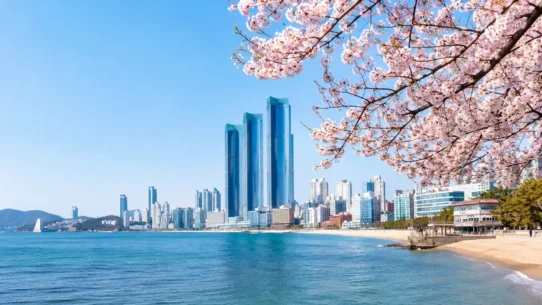
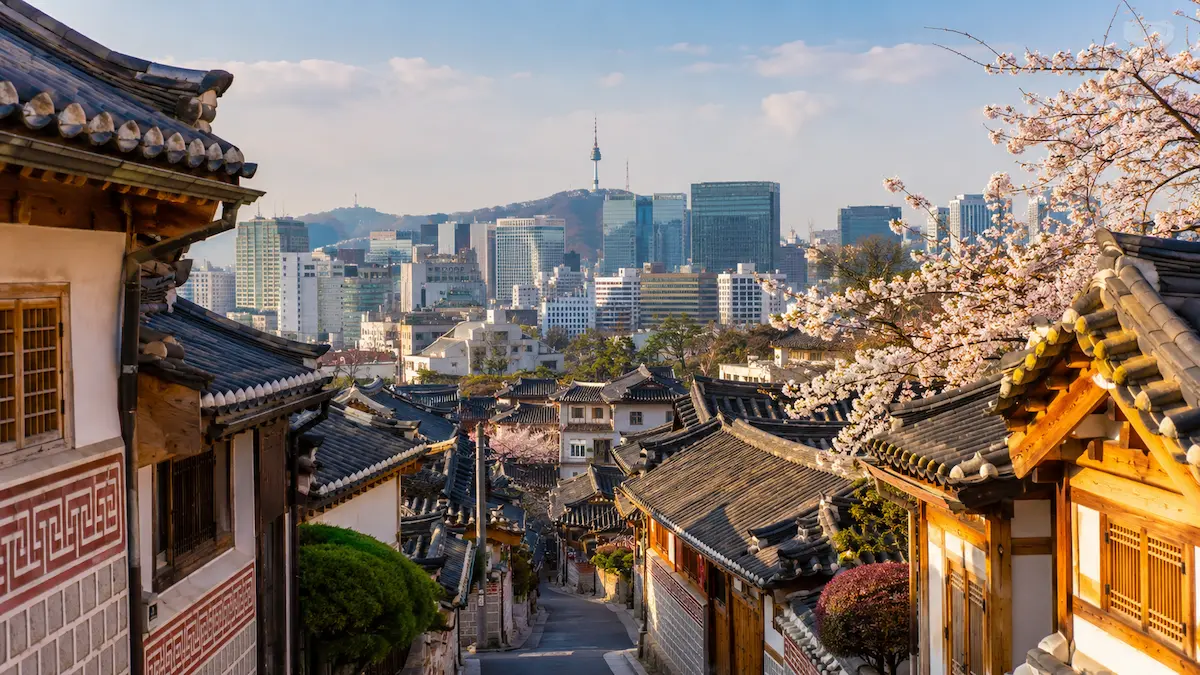
Early April is the headline period because cherry blossoms can frame Yeouido, Seokchon Lake, Namsan, palace grounds and residential streets. The catch is that “cherry blossom season” is not a stable two-week festival you can book with certainty. Full bloom is brief and can shift from year to year. Rain and wind matter as much as the official forecast.
For the best odds, plan a stay of at least four nights with some date flexibility. Visit the famous locations before 8:00 a.m. on a weekday, then use smaller neighbourhood parks later in the day. Seokchon Lake and Yeouido can become intensely congested once commuters, tour groups and local visitors overlap.
Weather reality: Seoul’s average daytime high rises sharply from roughly 11°C in March to around 18°C in April, but nights remain much cooler. Spring air can also be dry, and yellow dust or fine-particle episodes may reduce visibility.
Cost and crowd reality: Hotels in central areas such as Myeongdong, Jongno, Hongdae and Jamsil can rise quickly once bloom forecasts and event dates become clearer. Flights may also be expensive because Seoul competes with other East Asian spring destinations for the same holiday demand.
✅ What Other Travelers Say
The recurring positive feedback is that spring makes familiar Seoul landmarks feel genuinely special: palace roofs, lake paths and neighbourhood cafés become much more photogenic. Travellers who enjoy the season most usually start early, accept that the bloom may be imperfect and avoid trying to visit every famous blossom spot in one day.
⚠️ The Catch (Things to Keep in Mind)
Do not build the entire trip around one predicted full-bloom date. You may arrive early, arrive after a storm, or find the blossoms perfect but the viewing area uncomfortably crowded. April is worth the premium for blossom-focused travellers, but it is not the best-value month for a general first visit.
Editorial verdict: Choose late March to early April only when blossoms are a major priority. For similar temperatures, greener parks and less blossom pressure, mid-May is the smarter all-round choice.
🌿 May to June: Best Overall Balance—Especially in Mid-May
Best for: first visits, walking, food trips, day tours, families | Crowds: moderate, with holiday spikes | Prices: moderate | Main risk: late-June humidity and rain
May is the period many Seoul guides underrate. The cherry blossom frenzy has passed, trees are fully green, palace gardens look alive and outdoor dining becomes comfortable. Daytime highs commonly reach the low 20s Celsius, yet the oppressive summer humidity has usually not settled in.
Mid-May is particularly strong for travellers who want a balanced itinerary: palaces in the morning, neighbourhood walks in the afternoon and river or rooftop time after dark. It is also easier to combine Seoul with Suwon, Nami Island, the DMZ area or a mountain hike without constantly checking for heat warnings.
The main planning trap is the holiday calendar. Children’s Day and Buddha’s Birthday can create family crowds and short domestic travel surges. Late April to early May also overlaps with Japan’s Golden Week, which may increase regional demand. However, it is misleading to blame every May price rise on Golden Week; Korean holidays, university events, concerts and conventions can have a stronger local impact.
June is a split month. Early June can still be a good-value alternative to May, with long days and warm evenings. By late June, humidity rises and the rainy season may begin. You may still get several excellent days, but the weather becomes less dependable for hiking, outdoor photo sessions and tightly scheduled day tours.
Weather reality: May’s average high is around 24°C, while June can reach the upper 20s. Rainfall increases as summer approaches, and the “feels like” temperature begins to matter more than the thermometer.
Cost and crowd reality: May is popular but usually less frantic than blossom week or peak October. June can offer better hotel value, particularly before school-holiday demand strengthens, but rates still jump around major concerts and events.
✅ What Other Travelers Say
Many repeat visitors prefer May because Seoul feels active without becoming physically exhausting. Common praise includes comfortable evenings, green parks and the ability to walk between neighbourhood sights. Early June also receives good feedback from travellers who tolerate warmth and want longer daylight.
⚠️ The Catch (Things to Keep in Mind)
Do not assume all of June behaves like May. A trip beginning in the first week of June and one beginning in the final week can feel like different seasons. For late-June dates, prioritise a hotel near a subway interchange and keep rain-friendly alternatives ready.
Editorial verdict: For most first-time travellers, roughly May 10 to June 10 offers the strongest compromise between weather, daylight, price and crowd levels.
🌧️ July to August: Best for Indoor Culture and Nightlife, Worst for Walk-Heavy Trips
Best for: shopping, beauty treatments, nightlife, museums, cafés | Crowds: mixed outdoors, busy indoors | Prices: variable | Main risk: heat, humidity and weather disruption
July and August are not automatically “do not travel” months, but they demand a different style of trip. Seoul remains lively, public transport is efficient and the city has excellent indoor attractions. The mistake is planning summer as if it were October: ten-hour walking days, exposed palace courtyards, steep neighbourhood lanes and afternoon hikes can become punishing.
July is normally the wetter month. Seoul’s official climate information shows a sharp summer rainfall peak, with July standing out as the wettest month in its monthly averages. That does not mean rain falls continuously from breakfast to dinner. It means the forecast is less reliable, downpours can be intense and a “simple” outdoor day requires more backup planning.
August is generally the hottest period, with Seoul’s average monthly high around 30°C. Humidity makes exposed attractions feel hotter, and shade is inconsistent around palace complexes and major plazas. Afternoon thunderstorms can still disrupt plans after the main monsoon period.
Summer works best when you reverse the normal sightseeing rhythm. Start outdoor activities early, retreat indoors around midday and return to streets, markets or the Han River after sunset. Seoul’s late-night dining, cafés, department stores and entertainment districts make this approach realistic.
Weather reality: Expect hot nights, sweaty subway transfers and occasional heavy rain. Typhoons do not hit Seoul directly every year, but late-summer systems can still affect flights, rail services and day-trip conditions.
Cost and crowd reality: Prices are inconsistent. Some city hotels discount wet weekdays, while family attractions and resorts can rise during school holidays. Indoor favourites such as COEX, Lotte World, major museums and trendy cafés become more crowded when rain pushes everyone inside.
✅ What Other Travelers Say
Travellers who enjoy Seoul in summer usually have indoor-heavy priorities: shopping, skincare, food, concerts, nightlife and café hopping. They often report that rain itself is manageable, but humidity and repeated clothing changes are the bigger energy drain.
⚠️ The Catch (Things to Keep in Mind)
Cheap accommodation does not automatically mean good value if poor weather causes you to cancel paid tours or spend most afternoons inside. Heat-sensitive travellers, families with small children and anyone planning Bukhansan or long palace days should strongly consider another season.
Editorial verdict: Avoid late July to mid-August for a first, walk-heavy Seoul trip. Choose these months only when your dates are fixed or your priorities are mostly indoor and nightlife-based.
🍁 September to November: Best Weather and Fall Colour, with Holiday Traps
Best for: first visits, hiking, neighbourhood walks, autumn foliage | Crowds: moderate to high | Prices: moderate to high | Main risk: Chuseok disruption and October demand
Autumn is Seoul’s most dependable outdoor season, but the three months are not interchangeable. Early September can still be warm and humid, and late-summer weather systems may affect travel. By late September, conditions usually become much more comfortable. October offers the strongest combination of mild temperatures, clearer skies and easy walking.
October is the best month for a classic first trip if your budget allows it. Palace visits, Bukchon, Seochon, Namsan, Seoul Forest, riverside paths and Bukhansan all become easier when you are not fighting summer humidity. Evenings are cool enough for a jacket without requiring full winter gear.
Autumn colour is another timing trap. Mountain foliage, city parks and street trees peak at different times. Bukhansan can colour earlier than central Seoul, while downtown ginkgo and maple streets may look best from late October into early November. No single “peak foliage date” covers the entire city.
Chuseok dates change annually because the holiday follows the lunar calendar. Seoul itself may feel quieter in some business districts while transport hubs and intercity routes become extremely busy. Some independent restaurants and shops close, even though many major attractions remain open or run special programmes. Check the exact holiday dates before booking trains or day trips.
November is excellent for travellers who want crisp air and slightly lower pressure than October. Early November can still deliver strong foliage in central Seoul. Later in the month, temperatures drop rapidly, trees become bare and the experience begins to feel like early winter.
Weather reality: September is transitional, October is mild and November becomes cool to cold. Rain is generally less dominant than in summer, making this the safest season for outdoor itineraries.
Cost and crowd reality: October’s reputation is deserved, so well-located hotels can sell early. Weekend day-trip destinations and major foliage spots become busy. Early November often provides a better value-to-scenery ratio.
✅ What Other Travelers Say
Autumn receives the most consistent praise for comfortable walking, clearer views and flexible day planning. Repeat visitors often favour late October or early November because they can combine urban sightseeing with parks, palaces and short hikes without weather dominating every decision.
⚠️ The Catch (Things to Keep in Mind)
October is not a secret shoulder season. It is premium season, and popular hotels may be expensive even when attractions do not look overwhelmingly crowded. During Chuseok, the main risk is not just attraction crowds—it is closures, limited restaurant choice and difficult domestic transport.
Editorial verdict: Choose mid-October for the best overall experience, or early November for a smarter balance of colour, cooler weather and slightly better value.
❄️ December to February: Cheapest and Calmest, but Properly Cold
Best for: budget trips, food, spas, museums, shopping, winter atmosphere | Crowds: low outside holidays | Prices: low to moderate | Main risk: cold wind, short daylight and holiday closures
Winter is Seoul’s most underrated value season for travellers who own real cold-weather clothing. Hotel availability often improves, famous sights become easier to photograph and the city’s indoor culture—cafés, markets, museums, shopping complexes, spas and restaurants—fits the weather naturally.
December offers festive lighting and a more accessible introduction to winter, although Christmas and New Year can create local price spikes. January is usually the coldest month. Seoul’s average January high is only around 2°C, and wind can make exposed palace courtyards, bridges and viewpoints feel much colder.
February begins cold but gradually improves. It can be a strong budget month outside Seollal, yet the lunar new year creates a major domestic travel period. Some businesses close for several days, transport demand rises and intercity plans become complicated. The exact dates change each year, so do not rely on an old calendar.
Snow is a bonus, not a booking strategy. Seoul can look magical after fresh snowfall, but many winter days are simply cold, dry and grey-brown. Plan the trip around food, museums and neighbourhood life; treat a snow-covered palace as good luck.
Weather reality: Winter is cold and dry with short days. Indoor heating is strong, so layered clothing works better than one extremely heavy outfit. Lip balm, moisturiser, gloves and shoes with grip are more useful than fashion-first winter clothing.
Cost and crowd reality: January and February often produce good hotel value, excluding New Year, Seollal, major events and ski-demand weekends. Attractions are quieter, but some outdoor programmes have reduced schedules.
✅ What Other Travelers Say
Winter fans praise short queues, hot comfort food, clear cold-day views and the pleasure of warming up in cafés or jjimjilbangs. Travellers who struggle usually underestimated wind, packed inadequate shoes or scheduled too many consecutive outdoor hours.
⚠️ The Catch (Things to Keep in Mind)
Lower hotel prices do not compensate for discomfort if you dislike cold. Daylight is limited, icy patches are possible and a DMZ, mountain or countryside trip may feel significantly colder than central Seoul. Seollal can also remove some of winter’s convenience advantage.
Editorial verdict: Choose late January or non-holiday February for budget and low crowds, provided you are comfortable sightseeing below freezing. December is better for atmosphere but not always the cheapest.
Key FAQs
What is the best month to visit Seoul for good weather and fewer crowds?
Mid-May is the safest answer for most travellers. It normally provides warm but manageable days, green scenery and fewer peak-season pressures than cherry blossom week or October. Early November is the best autumn alternative if you prefer cooler weather.
When is the cheapest time to visit Seoul without ruining the trip?
January and February, excluding New Year and Seollal, usually offer the strongest combination of lower hotel demand and lighter sightseeing crowds. Late November and early March can also provide value, but the weather is less predictable and scenery may be limited.
Is Seoul worth visiting during the July rainy season?
Yes, but only with the right priorities. July suits shopping, cafés, museums, beauty appointments, food and nightlife. It is a poor choice for travellers whose dream itinerary depends on hiking, clear viewpoints, outdoor photography or long palace days. Rain may not last all day, but humidity and uncertainty can still reduce the value of a tightly scheduled trip.
Final Verdict and Your Next Step
For a first visit, the strongest choices are May 10 to June 10 and October 10 to early November. Choose spring if you want green parks, warmer evenings and slightly better value. Choose autumn if weather reliability, hiking and long city walks matter more than price.
Choose late March to early April only when cherry blossoms are central to the trip and you can tolerate crowds, uncertainty and premium rates. Choose January or February for budget and calm, but exclude major holidays and pack for real winter. Avoid late July to mid-August when you are heat-sensitive, travelling with young children or planning an outdoor-heavy itinerary.
The practical next step is to check refundable accommodation before locking in flights. Compare the same neighbourhood and cancellation terms across Agoda and Booking.com. Once your dates are stable, compare attraction tickets and day tours on Klook and KKday.
Booking rule: reserve early for blossom week, October weekends and major holidays, but prioritise free cancellation. A slightly higher refundable rate is often cheaper than being trapped with the wrong dates after a blossom forecast, weather shift or event announcement.