
💡 Key Takeaways
- Best overall: October. It gives you the strongest balance of comfortable walking weather, relatively low rain risk, long-enough sightseeing days and fewer seasonal headaches than spring blossom weekends or midsummer.
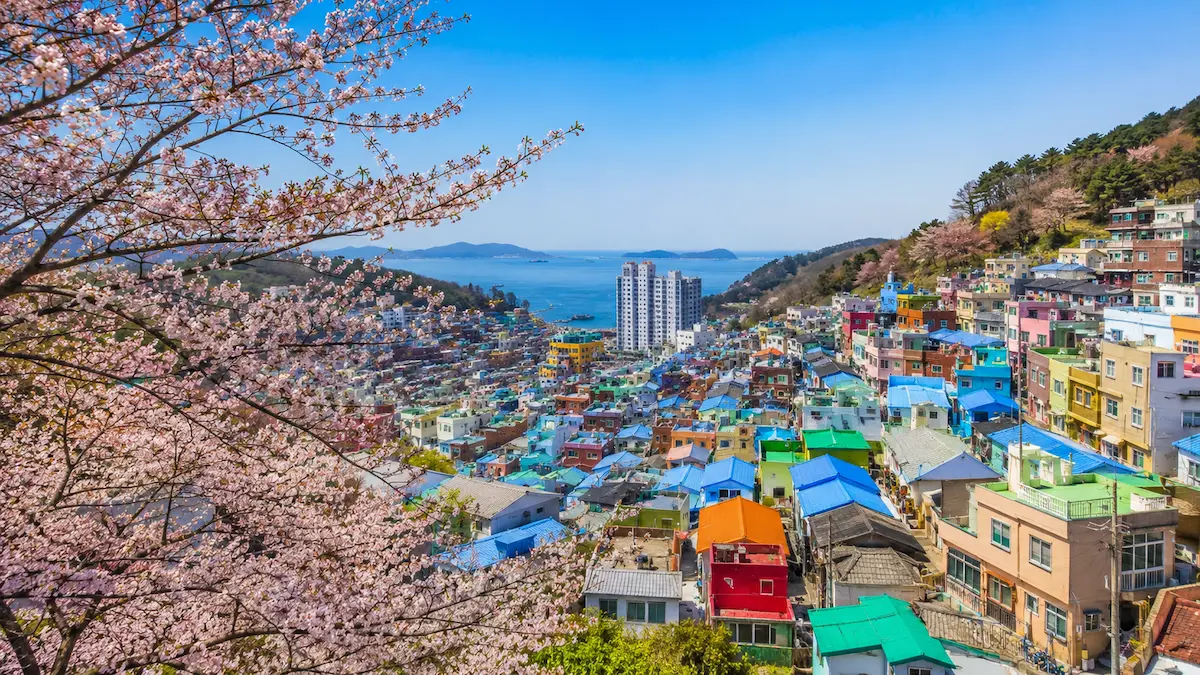
- Best for cherry blossoms: usually early to mid-April, not “any time in April.” Incheon can bloom a little later than central Seoul, but the exact peak shifts every year. Blossom weekends are busy, so flexible dates beat blind early booking.
- Biggest weather trap: July to August. July is typically the wettest part of the year and August the hottest. If your plan is built around Chinatown, Wolmido, Songdo and island walks, heat plus humidity can cut your useful sightseeing time dramatically.
Choosing the best time to visit Incheon is less straightforward than picking “spring” or “autumn” on a generic Korea weather chart. Cherry blossom season is beautiful, but the best weekends can be crowded and more expensive than ordinary April weekdays. Summer brings long daylight hours and major events, yet high humidity can make a simple waterfront walk feel much harder than expected. Korea’s rainy season does not mean nonstop rain every day, but it does make outdoor plans less predictable, especially from late June through July. Japanese Golden Week can tighten demand on Japan–Korea flights in late April and early May, although Korean public holidays and major local events usually have a more direct impact on Incheon accommodation and transport. Winter is often easier on the wallet, but the trade-off is cold coastal wind, shorter daylight and a higher chance of weather disruption.
Incheon also needs to be planned differently from a compact city. The airport and Yeongjongdo, Songdo, Chinatown, Wolmido, Incheon Grand Park, Ganghwa and the offshore islands are spread out. A month that looks fine on a climate chart can still be a poor choice if you have a walking-heavy itinerary or several ferry-dependent days. The guide below focuses on the decision that actually matters: which period gives your type of trip the best mix of weather, crowds, cost and things worth doing?
The 1-Min Cheat Sheet
- March to April — Best for spring scenery and cherry blossoms. March is cool and often windy; April becomes much more pleasant. Choose early-to-mid April if blossoms are the priority, but keep your dates flexible because peak bloom moves with the weather. Cost: moderate to high on popular spring weekends. Crowds: highest at famous blossom spots, not necessarily citywide.
- May to June — Best for mild-weather value before peak summer. May is one of the easiest months for long outdoor days. Early June is still workable, but humidity rises and the rainy season risk builds toward late June. Cost: usually moderate. Crowds: manageable outside public holidays and event weekends.
- July to August — Best for festivals, nightlife and travelers who genuinely tolerate heat. This is the least reliable period for walking-heavy sightseeing: July is generally the wettest month and August the hottest, with sticky nights as well as hot afternoons. Cost: variable; event weekends and summer leisure demand can push it up. Crowds: concentrated around beaches, resorts and festivals.
- September to November — Best overall, especially October. September can still feel warm and humid at first, but October is the sweet spot for comfortable city walking. Late October into early November can bring excellent foliage at Incheon Grand Park, though peak color changes every year. Cost: moderate. Crowds: generally easier than blossom season, except during Chuseok and popular foliage weekends.
- December to February — Best for lower prices, cafés, spas and short urban breaks. Expect cold, dry weather, coastal wind and shorter sightseeing days. Snow can be beautiful but should never be treated as guaranteed. Cost: often lower outside Christmas/New Year and Seollal. Crowds: usually light at outdoor attractions.
Top Survival Tips
- Do not book a cherry-blossom trip around a fixed “peak date” months in advance. Bloom timing can shift by several days or more. If blossoms are the whole point of the trip, use a cancellable hotel rate and check current bloom reports about 7–10 days before arrival.
- Treat late June through July as a weather-risk window, not a write-off. Korea’s rainy season can produce cloudy spells, short intense downpours or multi-day wet periods. You may still get usable hours, but island ferries, parks and outdoor photography become harder to plan reliably.
- Do not underestimate humidity. A forecast high around the upper 20s Celsius can sound reasonable on paper. In July and August, high humidity and warm nights reduce recovery time, so a four-attraction outdoor day can become unrealistic.
- Build your itinerary by district, not by attraction ranking. Pair Chinatown with Songwol-dong and Wolmido; group Songdo sights together; keep Yeongjongdo or airport-area activities on another day. Crossing Incheon repeatedly wastes more time than most first-time visitors expect.
- Watch Korean holidays before you worry about foreign holidays. Seollal and Chuseok can affect domestic transport and business hours, while Children’s Day and long weekends can increase family travel. Japanese Golden Week in late April and early May matters mainly if you are flying a Japan–Korea route; it should not be treated as an automatic citywide Incheon hotel surge.
- Festival weekends can distort normal hotel patterns. The Incheon Pentaport Rock Festival brings concentrated demand around Songdo. If that event is your reason for visiting, book early; if it is not, check the festival calendar before choosing a Songdo hotel.
- For islands, leave a weather buffer. Ganghwa is reachable by road, but smaller islands and ferry-based itineraries are more exposed to wind, rain and schedule changes. Avoid putting a must-catch international flight immediately after a ferry-dependent day.
- Winter daylight changes the rhythm of the trip. In the coldest months, plan your best outdoor viewpoints for the middle of the day, then switch to cafés, markets, spas or indoor attractions after sunset.
- At seafood markets, confirm the price before ordering. Ask whether the quoted amount is per item or by weight and whether cooking, seating or preparation fees are separate. It is a simple way to avoid the type of bill shock travelers sometimes report in busy seafood areas.
The Full Experience
🌸 March to April: Best for Cherry Blossoms, but Not for Bargain Hunters
Best for: cherry blossoms, parks, photography, first-time spring trips | Watch out for: windy March days, bloom uncertainty, blossom-weekend crowds
March looks like spring on the calendar, but in Incheon it can still feel distinctly chilly. Historical climate data puts typical March daytime highs around 9–10°C, with nights only a few degrees above freezing, and the coastal wind can make it feel colder. April is the real upgrade: daytime highs move into the mid-teens Celsius, flowers appear, and long walks around Songdo Central Park, Jayu Park and Incheon Grand Park become much more comfortable.
If cherry blossoms are your reason for coming, early to mid-April is the practical target, but there is no guaranteed peak week. Incheon is often a little later than central Seoul. In 2026, for example, the Incheon Grand Park cherry blossom event was scheduled for April 4–11. That is useful evidence of the normal timing, not a date you should copy into every future year.
Weather: March is cool and wind-prone; April is mild but still needs layers after sunset.
Crowds: concentrated at blossom parks and on weekends. Early mornings are dramatically easier for photos.
Travel cost: ordinary March can be good value. April weekends around blossoms are less predictable, particularly if your trip also includes Seoul.
Best experiences: Incheon Grand Park, Songdo Central Park, Jayu Park, Wolmi Park and spring day trips to Ganghwa.
✅ What Other Travelers Say
Recent traveler discussions generally support two points: Incheon can hold blossoms slightly later than Seoul, and the most photogenic parks become much busier once full bloom hits. That makes weekday mornings a better choice than simply chasing the “official festival weekend.” Travelers also like Incheon in spring because it can feel calmer than central Seoul once you move away from the headline blossom locations.
⚠️ The Catch (Things to Keep in Mind)
The biggest mistake is assuming “April = guaranteed cherry blossoms.” A warm spell, cold snap, rain or wind can move the useful viewing window. If you cannot change your dates, choose Incheon because you want the city itself, not only the flowers. Also remember that March can be windy enough to make waterfront sightseeing less pleasant than the temperature number suggests.
🌿 May to June: Best for Comfortable Sightseeing Before the Humidity Takes Over
Best for: long walking days, Songdo, Chinatown, families, balanced prices | Watch out for: holiday weekends, rising humidity, late-June rain risk
For many travelers, mid-May to early June is the second-best window after October. Typical daytime highs rise from roughly 21–22°C in May to around 25–26°C in June, while evenings stay comfortable enough for Songdo Central Park or Wolmido without the winter wind or midsummer sweat.
May is especially good if your itinerary is active. You can walk Chinatown, climb through Jayu Park, continue to Wolmido and still have energy for dinner. Parks are green, the days are long, and the city is not yet in its most humid phase. Early June remains attractive, but by late June you should stop treating the weather as stable. VisitKorea advises travelers to watch forecasts from late June into late July because this overlaps with Korea’s rainy season.
Weather: mild to warm in May; warmer and more humid through June.
Crowds: moderate, with spikes around Korean public holidays and family weekends.
Travel cost: often a strong value-to-weather compromise, especially on weekdays.
Best experiences: Songdo cycling and canal walks, Chinatown and Jayu Park, Wolmido sunset, Yeongjongdo, Ganghwa and outdoor cafés.
✅ What Other Travelers Say
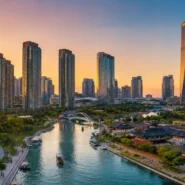
Travelers who enjoy Songdo often mention the clean waterfront, space and lower-pressure pace compared with central Seoul. Others find the district too quiet or planned, which is a useful reminder: Songdo works best when the weather is good enough to enjoy the park, canals and skyline rather than when you expect nonstop street energy.
⚠️ The Catch (Things to Keep in Mind)
Do not treat all of June as “perfect spring weather.” The second half can turn humid and unsettled quickly. Also, Japanese Golden Week falls in late April and early May and can increase demand on Japan–Korea air routes. If you are flying from Tokyo, Osaka or another Japanese city, compare fares early. For local Incheon conditions, however, Korean holidays and event weekends are the more meaningful crowd signal.
🔥 July to August: Best for Festivals, but the Hardest Months for Walking
Best for: Pentaport, summer nightlife, resorts, travelers who enjoy heat | Watch out for: heavy rain, high humidity, heatwaves, weather-dependent island plans
This is the period I would actively avoid for a first Incheon trip if you dislike heat or your itinerary is mostly outdoors. Historical Incheon data typically puts July and August daytime highs around the upper 20s Celsius, with warm nights and the year’s highest humidity. The average can also hide much hotter episodes. Recent severe heat in the Seoul metropolitan region is a useful reminder that a trip planned around “normal” summer temperatures can still run into extreme conditions.
July adds another problem: rain. It is typically Incheon’s wettest month, and Korea’s rainy season commonly overlaps late June through July. That does not mean it rains all day, every day. The more practical problem is uncertainty: a dry morning can become a stormy afternoon, several wet days can arrive together, and a ferry or open-air plan has fewer good fallback options than a museum-heavy Seoul itinerary.
There is one big reason to choose this period deliberately: the Incheon Pentaport Rock Festival. In 2026 it ran from July 31 to August 2 at Songdo Moonlight Festival Park, drawing a large lineup and concentrated demand. Festival travelers should book Songdo accommodation early rather than assume normal summer availability.
Weather: hot, humid and rain-prone; August is usually the hottest month.
Crowds: event- and leisure-driven rather than uniformly packed across the whole city.
Travel cost: unpredictable; festivals, resorts and weekends can be expensive even though the weather is less comfortable.
Best experiences: Pentaport, evening Songdo walks, Paradise City or other indoor resort facilities, cafés, markets and short coastal outings timed around forecasts.
✅ What Other Travelers Say
Summer festival-goers repeatedly emphasize hydration, cooling gear and pacing rather than trying to “power through” the heat. Travelers who still enjoy Incheon in summer tend to shift outdoor sightseeing to early morning and evening, then use indoor attractions during the hottest part of the day.
⚠️ The Catch (Things to Keep in Mind)
A summer plan that looks efficient on Google Maps can fall apart physically. Chinatown hills, exposed waterfront paths and long transfers are much more tiring in humid heat. Keep one major outdoor block per half-day, reserve indoor alternatives, and avoid putting a ferry-dependent island trip on the only day you have available.
🍁 September to November: Best Overall — October Is the Sweet Spot
Best for: first-time visitors, outdoor sightseeing, foliage, photography, balanced value | Watch out for: early-September humidity, Chuseok transport, variable foliage timing
If you want one answer rather than five, October is the best time to visit Incheon for most people. The oppressive summer humidity has usually broken, typical daytime highs are around 20°C, rainfall is much lower than midsummer, and the city is comfortable for the type of long, mixed indoor-outdoor days that Incheon rewards.
September is a transition month. Early September can still feel summery, while late September is much easier for walking. October is the most dependable compromise. November becomes cooler quickly, with typical highs around the low teens Celsius, but the first half can still be excellent if you dress in layers.
For foliage, late October into early November is often the useful target at Incheon Grand Park. The park is known for its zelkova-lined roads and autumn color, but peak foliage is weather-dependent just like cherry blossoms. Treat any exact “peak date” as a forecast, not a promise.
Weather: warm in September, mild and crisp in October, cool by November.
Crowds: generally comfortable, with spikes during Chuseok and on peak foliage weekends.
Travel cost: usually moderate; value improves if you avoid major holiday dates.
Best experiences: Incheon Grand Park, Sorae Marsh, Songdo Central Park, Chinatown and Wolmido, Ganghwa hiking and photography-heavy days.
✅ What Other Travelers Say
Autumn travelers frequently single out Incheon Grand Park once foliage develops, and recent visitor reports describe late-October to early-November color as particularly rewarding. Songdo also benefits from the season: people who find it exposed or sterile in poor weather often enjoy it much more when the air is crisp and the park is comfortable to walk.
⚠️ The Catch (Things to Keep in Mind)
Chuseok is the main calendar trap. Domestic travel demand rises and transport can become harder, so do not assume an otherwise perfect September forecast automatically means an easy trip. Also, November is not “warm autumn” for everyone; once the sun drops, coastal wind can make evenings feel significantly colder.
❄️ December to February: Best for Lower Prices, but Only If You Can Handle the Cold
Best for: budget stays, quiet attractions, cafés, spas, airport stopovers | Watch out for: cold wind, short daylight, snow disruption, Seollal closures or schedule changes
Winter is the value play, but it is not a free upgrade. Typical January daytime highs sit only a little above freezing, nights often fall below 0°C, and Incheon’s coastal exposure can make the wind feel harsher than the thermometer suggests. Daylight is also much shorter than in summer, so ambitious outdoor itineraries have less usable time.
The upside is obvious: outdoor attractions are quieter, many travelers can find better-value accommodation outside major holiday dates, and Incheon has enough indoor options to build a comfortable short stay. Airport-area resorts, spas, cafés, Sinpo Market, Chinatown food stops and Songdo’s indoor venues all work well when the weather turns unfriendly.
Weather: cold and relatively dry, with occasional snow or ice.
Crowds: low at most outdoor sights; holiday periods are the exception.
Travel cost: often the lowest seasonal level, though Christmas/New Year and Seollal can change the pattern.
Best experiences: food-focused trips, cafés, spa/resort stays, quiet Chinatown walks, airport stopovers and clear-day winter photography.
✅ What Other Travelers Say
Winter visitors commonly advise more insulation than first-time Korea travelers expect: gloves, a wind-resistant outer layer and hand warmers make a noticeable difference. Many also appreciate how quiet outdoor attractions feel compared with spring and autumn.
⚠️ The Catch (Things to Keep in Mind)
Do not build the trip around seeing snow. Snowfall is possible, not guaranteed, and a heavy event can disrupt flights or local transport. If you are using Incheon as the final stop before an international departure, keep your last day simple in bad weather. Seollal can also affect opening hours and domestic movement, so verify individual attractions rather than assuming everything operates normally.
Key FAQs
What is the best month to visit Incheon for good weather and fewer crowds?
October is the strongest all-round choice. It is usually much less humid than summer, more stable for walking and outdoor sightseeing, and less concentrated around one must-see event than cherry blossom season. If you want a warmer alternative, mid-May to early June is also excellent.
When is the best time to visit Incheon for cherry blossoms?
Aim for early to mid-April, then check current bloom reports 7–10 days before you travel. Incheon can bloom slightly later than central Seoul, but there is no fixed annual peak. If your dates cannot move, book the trip for Incheon’s parks, food and neighborhoods as well as the blossoms so one weather shift does not ruin the visit.
Should I avoid Incheon during Korea’s rainy season in July?
Not automatically, but July is a poor choice for a rigid outdoor itinerary. The rainy season is not continuous all-day rain, yet heavy downpours and multi-day wet spells can make ferries, parks and long walking routes unreliable. Visit in July if a festival or fixed event is your priority; otherwise, May, early June or October gives you better odds.
Final Verdict and Your Next Step
For most travelers, book October. It offers the best balance of comfortable weather, manageable crowds, outdoor flexibility and reasonable seasonal value. Choose mid-May to early June if you want warmer days and green parks without peak summer conditions. Choose early to mid-April if cherry blossoms matter more than price certainty and crowd avoidance. Choose July or August only with a clear reason—such as Pentaport, a resort stay or a summer event—and build your days around heat and rain. Choose winter when budget and quiet matter more than long outdoor days.
Whichever period you choose, do not wait until the last minute for blossom weekends, Korean holiday periods or major Songdo events. Incheon has plenty of hotel inventory, but the best-located rooms and refundable rates disappear before the city is literally “sold out.” Compare a few channels before paying, especially if your itinerary could shift with the weather.
Check live accommodation and activity availability:
Compare Incheon hotels on Agoda
Check Incheon stays on Booking.com
Browse Incheon tours and activities on Klook
Browse Incheon experiences on KKday
Planning Note: What This Guide Is Based On
Seasonal recommendations use long-term Incheon-area climate data plus current tourism and event information. Weather averages are a planning baseline, not a promise. Cherry blossom peaks, autumn foliage, rainy-season timing and extreme heat vary from year to year, so recheck forecasts and event dates shortly before travel.
- Korea Meteorological Administration regional climate statistics
- VISITKOREA climate and seasonal travel guidance
- Official Incheon spring travel information
- Incheon city information for the 2026 Pentaport Rock Festival
- South Korea public holiday information
- JNTO guidance on Golden Week and Japanese holidays