
💡 Key Takeaways
- Best overall: late April to May and October give you the easiest balance of comfortable walking weather, manageable rain and good outdoor scenery.
- Biggest weather trap: July and August can combine heat, high humidity and intense rain. A forecast that looks merely “warm” can feel much harder once you are walking between attractions.
- Best value: winter is usually easier on accommodation availability, but you trade that saving for freezing mornings, shorter daylight and less enjoyable hiking.
The best time to visit Daejeon depends less on chasing one “perfect” month and more on deciding which inconvenience you are willing to accept. Early April can be beautiful when cherry blossoms cooperate, but bloom dates move every year and popular blossom spots are much busier on weekends. Summer looks convenient on school and work calendars, yet Daejeon becomes hot, humid and much wetter, making long walking days more exhausting than the temperature alone suggests. The Korean rainy season does not mean nonstop rain every day, but it does mean you need more flexibility because heavy downpours can arrive in short, disruptive bursts. Winter is calmer and often easier for finding rooms, but cold mornings, icy patches and shorter daylight reduce how much outdoor sightseeing you can comfortably fit into one day.
One important pricing reality is easy to miss: Daejeon does not have its own major international airport, so airfare usually follows broader South Korea demand rather than a Daejeon-specific peak season. Hotel prices in the city are more likely to tighten around Korean long weekends, local festivals, university or convention dates and popular seasonal weekends. Japan’s Golden Week can increase regional travel demand, but it should not be treated as the main reason Daejeon gets expensive. For this city, Korean holidays and local event calendars matter more.
Weather note: historical averages are useful for planning, not promises. Daejeon has been experiencing the same increasing summer heat volatility seen across South Korea, so check the Korea Meteorological Administration forecast again 7–10 days before any weather-sensitive trip.
The 1-Min Cheat Sheet
- March to April: Best for spring flowers and cherry blossoms. March can still feel chilly; early April has better blossom potential but higher weekend crowds and more price pressure near popular spring dates.
- May to June: One of the best all-round windows. May is especially comfortable for parks, hiking and Yuseong. Early June is still workable, but humidity and rain risk rise as the month progresses.
- July to August: The weakest choice for most first-time visitors. Expect the year’s highest combination of heat, humidity and rainfall. Go mainly if a specific summer event is your priority or your dates are fixed.
- September to November: The best overall season for many travelers. September can still be warm and occasionally wet, while October is the sweet spot for walking weather. Late October into November brings stronger autumn color but colder evenings.
- December to February: Best for lower-key city trips, hot springs, museums and travelers who prioritize availability over outdoor comfort. January is the coldest stretch and requires proper winter clothing.
Top Survival Tips
- Do not book cherry blossom dates as if they are guaranteed. Blossoms typically appear around late March to early April across central Korea, but a warm spell can move the season forward and rain or wind can shorten peak viewing quickly. Book flexible or refundable accommodation if blossoms are the reason for your trip.
- Choose weekdays for spring and autumn nature spots. Daejeon is generally calmer than Seoul, but places such as Temi Park, riverside blossom routes, Hanbat Arboretum and Jangtaesan Recreational Forest can feel completely different on a sunny Saturday versus a weekday morning.
- Late June is not the same as early June. Early June can still be a very good travel period. By late June, the chance of humid, unstable and rainy weather increases as Korea moves toward the jangma rainy-season pattern.
- In July and August, schedule outdoor sightseeing before lunch. Put museums, cafés, department stores, the National Science Museum or other indoor stops in the afternoon. Evening sightseeing is more realistic than trying to power through a full exposed walking route at 2 p.m.
- Do not underestimate rain intensity. Rainy season is not automatically an all-day washout, but short periods of heavy rain can disrupt buses, walking trails and riverside plans. Keep one indoor backup itinerary ready.
- Check event dates before assuming August is “low value.” Daejeon’s 0 O’Clock Festival is a major summer event and can make the central area much livelier and busier. If you want the festival, the heat may be worth the trade-off. If you do not care about it, those dates may simply mean more congestion.
- Korean holidays matter more than Japan’s Golden Week. Children’s Day in May, Buddha’s Birthday when it creates a long weekend, Chuseok in September or October, and October national holidays can increase domestic movement. Check the Korean calendar before locking non-refundable rooms.
- Do not treat Daejeon as a fully walkable compact city. Central districts are easy enough to navigate, but nature attractions such as Jangtaesan, Daecheong Lake and mountain trails add transport time. Bad weather hurts more when your day depends on buses plus outdoor walking.
- For airfare, shop Korea-wide dates first. Most international visitors reach Daejeon via Incheon or another Korean airport and continue by train or bus. A cheap Daejeon hotel does not help much if your flight into Korea is priced at a national holiday premium.
The Full Experience
🌸 March to April: Best for Cherry Blossoms, but Not for Fixed-Date Planners
Tags: Cherry blossoms · Cool-to-mild weather · Photography · Weekend crowd risk · Unpredictable bloom timing
March is the transition month. Average daytime highs move from roughly the mid-teens Celsius in March toward the high teens in April, but mornings can still be cold enough for a proper jacket. The reward is that walking is comfortable, humidity is relatively low and the city starts to wake up visually after winter.
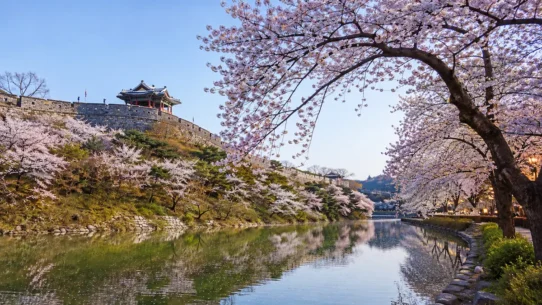
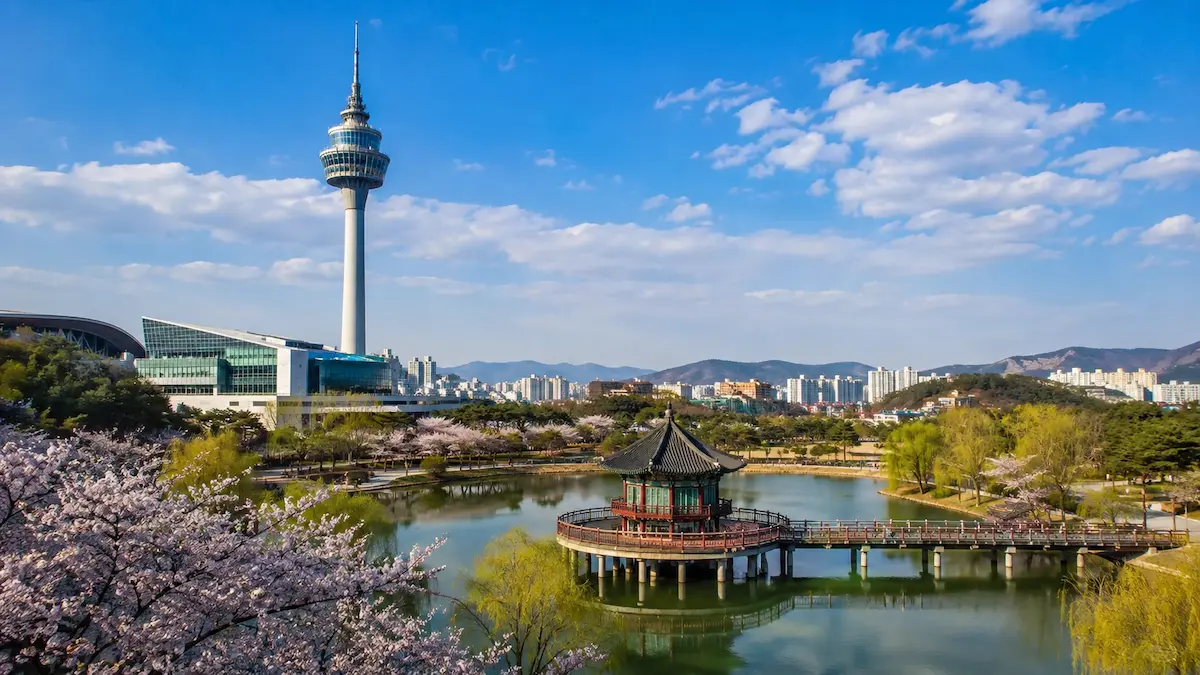
April is the month most travelers picture when they imagine spring in Daejeon. Cherry blossoms can transform Temi Park, university areas, riverside paths and the Daecheong Lake area. The problem is timing. Full bloom is brief, and a single rainy or windy spell can strip petals quickly. If blossoms are a bonus rather than the entire purpose of the trip, April is excellent. If blossoms are the only reason you are flying to Korea, you need flexible expectations.
For price-conscious travelers, the smartest compromise is often late April after the peak blossom rush. You still get fresh spring scenery and comfortable weather, while accommodation pressure around the most photogenic blossom weekend may have eased.
✅ What Other Travelers Say
Traveler comments and recent spring content consistently show that Daejeon’s blossom experience can feel less overwhelming than Korea’s most famous cherry blossom destinations. Visitors particularly like being able to combine flowers with cafés, markets and urban parks instead of committing to a single festival zone. The recurring advice, however, is to go on a weekday if photos and relaxed walking matter to you.
⚠️ The Catch (Things to Keep in Mind)
Do not confuse “cherry blossom season” with “guaranteed cherry blossoms throughout April.” Peak bloom can shift by days or more each year, and petals do not wait for your hotel reservation. March also has a larger temperature swing than many visitors expect: a sunny afternoon can feel pleasant while the evening becomes sharply colder.
Best for: photographers, couples, first-time spring visitors and travelers who can keep their dates slightly flexible.
Avoid if: you dislike crowds but can only visit on a peak-bloom weekend, or you need guaranteed scenery on fixed dates.
🌿 May to June: Best Balance of Weather, Price and Easy Sightseeing
Tags: Best all-rounder · Parks and hiking · Yuseong Hot Springs · Long daylight · Rising late-June rain risk
If someone asked me to choose one period for a first Daejeon trip without knowing anything else about them, I would look hardest at May. Historical averages put daytime highs around the mid-20s Celsius, nights are generally comfortable, and the city is green without the oppressive humidity of midsummer. It is a good month for Hanbat Arboretum, Gyejoksan, Yuseong and long days that mix outdoor sightseeing with food stops.
May also benefits from the Yuseong Hot Springs Culture Festival, which is held annually in the hot-spring district. Festival dates change, so check the current year’s schedule before booking. The area is still worth visiting outside the festival, especially if you enjoy slower travel rather than ticking off landmarks.
June needs a more careful answer. Early June can be excellent. Temperatures rise toward the upper 20s Celsius and days are long. By late June, however, humidity climbs and Korea’s rainy-season pattern becomes more relevant. This is where many generic “June is a great month” guides become too simplistic.
✅ What Other Travelers Say
Visitors frequently describe Yuseong as an easy, relaxing counterpoint to busier Korean city itineraries, and Daejeon’s green spaces work especially well when temperatures are warm but not yet punishing. Travelers who prefer local neighborhoods, bakeries, cafés and science attractions often find this period easier to enjoy than short-lived blossom season.
⚠️ The Catch (Things to Keep in Mind)
Korean holiday weekends can create sudden domestic travel demand in May, so a “shoulder season” label does not guarantee bargain hotels on every date. In June, the bigger trap is assuming the whole month has identical weather. If your trip is built around hiking or long outdoor days, early June is a much safer bet than the final week.
Best for: first-time visitors, hikers, families, slow travelers and anyone prioritizing comfortable weather over peak seasonal spectacle.
Avoid if: your only goal is cherry blossoms, or you are traveling in late June and cannot tolerate schedule changes caused by rain.
☔ July to August: Cheapest-Looking Dates Can Cost You in Comfort
Tags: Hot and humid · Heavy rain risk · Summer festivals · Indoor attractions · Flexible itinerary essential
For most travelers, July and August are the months I would try hardest to avoid. Historical Daejeon climate data shows July as the wettest month, with average rainfall dramatically higher than spring or winter, while August is typically the hottest month. Humidity is also much higher. That combination matters more than the headline temperature.
A day around 30–31°C does not sound catastrophic on paper, but add strong humidity, sun exposure, warm nights and sudden rain and your sightseeing pace drops. Long walks between neighborhoods become tiring, clothes stay damp, and an itinerary that looked relaxed at home can start feeling like work.
Rainy season is often misunderstood. It does not mean rain from breakfast to bedtime every single day. You may get dry windows or even sunny periods. The problem is reliability: rainfall can be heavy enough to change transport, trail and riverside plans at short notice. Travelers with only one or two days in the city have less room to absorb that disruption.
There is one major reason to accept the discomfort: summer events. The Daejeon 0 O’Clock Festival typically turns the central Jungang-ro area into a large-scale evening festival zone in August. If that event is specifically on your list, build the trip around nighttime activities, air-conditioned breaks and a deliberately slower daytime schedule.
✅ What Other Travelers Say
Summer travel discussions across Korea repeatedly emphasize that humidity is the part visitors underestimate most. Daejeon travelers who enjoy summer successfully tend to shift their routine: early starts, long indoor breaks, cafés or museums in the afternoon, and outdoor activities after sunset. That strategy works much better than pretending the weather is just a warmer version of May.
⚠️ The Catch (Things to Keep in Mind)
Historical averages can understate a bad summer. South Korea has experienced increasingly severe heat episodes, and extreme years can be far hotter than the monthly average suggests. Do not book a summer trip based on “average high” alone. Also check rainfall warnings before using underpasses, riverside paths or mountain trails during intense storms.
Best for: festival-focused travelers, indoor-attraction fans and people whose dates are fixed.
Avoid if: you hate humidity, want long hikes, travel with heat-sensitive family members or expect to sightsee outdoors all day.
🍂 September to November: Best Overall Season for Most Travelers
Tags: Best overall · Comfortable walking · Autumn foliage · Hiking · Strong October sweet spot
Autumn is where Daejeon makes the strongest case for itself. September is still warm, and early in the month you should not assume summer humidity is completely gone. Rain can also remain a factor. But conditions generally improve as the month progresses.
October is my top pick for the best time to visit Daejeon. Historical averages show comfortable daytime temperatures around 20°C, cooler nights and much less oppressive humidity than summer. It is the kind of weather that lets you walk, hike, eat and explore without planning your entire day around air conditioning.
Autumn foliage gives you another reason to stay longer than a quick bakery stop. Jangtaesan Recreational Forest is one of the clearest seasonal draws, while Hanbat Arboretum, Gyejoksan and city parks also become more photogenic as colors deepen. Peak foliage does not arrive everywhere on the same day, so late October into early November can be especially rewarding depending on the year.
November is still a good value option if you are comfortable with colder nights. Daytime temperatures fall quickly, but the city remains much easier for walking than midsummer. The trade-off is that late-November foliage may already be past peak and sunset comes earlier.
✅ What Other Travelers Say
Autumn Daejeon travel videos and visitor reviews repeatedly highlight Jangtaesan as a reason to make the city a destination rather than merely a transit stop. Travelers also like the combination of foliage, bakeries and cafés: you can spend a few hours outdoors, then warm up without sacrificing the rest of the day.
⚠️ The Catch (Things to Keep in Mind)
Autumn is not one continuous “peak foliage” season. September can still feel summery, October is the comfort sweet spot, and November becomes noticeably colder. Chuseok and October public holidays can also change transport demand and opening patterns, so check dates before assuming every autumn week is equally convenient.
Best for: almost everyone, especially hikers, photographers, couples, food-focused travelers and first-time visitors.
Avoid if: you need the lowest possible hotel rates on a major autumn holiday weekend or expect peak foliage in early September.
❄️ December to February: Best for Quiet City Trips and Hot Springs, Not Outdoor Marathons
Tags: Cold and dry · Better availability · Hot springs · Museums and cafés · Shorter daylight
Winter is the best time to visit Daejeon only for a specific type of traveler: someone who values a quieter city, indoor attractions, cafés, food and hot springs more than greenery or hiking. January is the coldest month, with historical average lows well below freezing. December and February are slightly easier, but you still need a proper coat, gloves and footwear with decent grip.
The upside is predictability of a different kind. Winter is relatively dry compared with summer, and you are less likely to lose an entire outdoor plan to monsoon-style rain. Yuseong Hot Springs also makes much more emotional sense when the air is cold. Museums, the National Science Museum, department stores, bakeries and long café stops fit naturally into a winter itinerary.
From a budgeting perspective, winter can be easier for accommodation availability outside major holiday dates. But do not overstate the savings: Christmas, New Year, Seollal and special events can still create busy pockets, and cheaper accommodation does not compensate for a bad clothing setup. If you arrive underdressed, you will spend more time hiding indoors than sightseeing.
✅ What Other Travelers Say
Reviews of Yuseong’s foot-bath area are especially positive in cold weather, with visitors repeatedly describing it as relaxing after walking around the city. Winter visitors also tend to appreciate Daejeon’s less frantic pace compared with major tourist hubs, particularly when their trip is built around food, cafés and indoor attractions.
⚠️ The Catch (Things to Keep in Mind)
Snow is not guaranteed, so do not book Daejeon in winter expecting a postcard-white city every day. The bigger certainty is cold. Mountain viewpoints can be windier and colder than downtown, and short daylight means you need to start outdoor sightseeing earlier than you would in May or October.
Best for: budget-minded city travelers, hot-spring fans, museum visitors and repeat Korea travelers who do not need perfect outdoor weather.
Avoid if: you want lush scenery, long outdoor days, comfortable evening walks or guaranteed snow.
Key FAQs
What is the best month to visit Daejeon for good weather and fewer crowds?
October is the strongest all-round choice. The weather is generally comfortable for walking, summer humidity has eased, and autumn scenery is improving. If you prefer spring, May is the closest equivalent: green, mild and easier to plan than cherry blossom week.
Is Daejeon worth visiting during cherry blossom season in April?
Yes, especially if you want a calmer alternative to Korea’s headline blossom destinations. Daejeon has several attractive blossom areas, but the trip is only worth building around cherry blossoms if your dates are flexible. Peak bloom is short, weather-sensitive and impossible to guarantee months in advance.
Should I avoid Daejeon during Korea’s rainy season in July?
If outdoor sightseeing is your priority, I would avoid July when possible. It is historically the wettest month in Daejeon and also hot and humid. If July is your only option, keep the itinerary flexible, plan indoor backups and avoid stacking multiple nature attractions on the same day.
Final Verdict and Your Next Step
For the best mix of weather, crowd control and overall travel quality, choose October. For spring travelers, May is the safest all-round bet, while early April is the higher-risk, higher-reward option for cherry blossoms. If your schedule is flexible, I would avoid July and August unless a specific festival or event is the reason you are going. Winter is a perfectly valid budget-conscious alternative, but only if you are happy to trade outdoor comfort for hot springs, museums, cafés and a slower pace.
Whichever month you choose, do not leave accommodation until the last minute if your dates overlap a Korean long weekend, a major Daejeon festival, a convention or peak spring/autumn weekend. Daejeon may not have Seoul-level tourist pressure, but the best-located rooms can still disappear first.
Check accommodation: Compare Daejeon hotels on Agoda or see Daejeon availability on Booking.com.
Check tours and activities: browse Daejeon activities on Klook or see Daejeon experiences on KKday.
Book the refundable option when possible, then re-check the weather forecast, festival calendar and blossom or foliage timing shortly before departure. In Daejeon, choosing the right week can improve the trip more than adding another attraction to your itinerary.