
💡 Key Takeaways
- Stay at Nagoya Station when your trip revolves around the Shinkansen, airport train, Takayama, Kyoto, Osaka, or frequent day trips. Paying more for direct station access can save far more energy than it costs.
- Stay in Sakae or Yabacho when food, shopping, nightlife, Osu, and an enjoyable evening neighborhood matter more than being next to the bullet train.
- “Near Nagoya Station” is not the same as “inside the station.” The station complex is enormous, and a nominal eight-minute walk can feel much longer with a suitcase, rain, crowds, and the wrong exit.
- Do not book the cheapest room category blindly. Bed clearance, suitcase space, bathroom layout, and train-facing windows can matter more than the hotel’s overall star rating.
- Book early for weekends, concerts, cherry-blossom season, major holidays, and school breaks. The best-value rooms usually disappear before the hotels themselves sell out.
Finding the best hotels in Nagoya is less about chasing the highest review score and more about choosing the right base for your actual itinerary. Nagoya is easy to navigate once you understand it, but it is also a city where a poor hotel choice can create repeated subway rides, long underground walks, awkward station exits, and several unnecessary battles with heavy luggage.
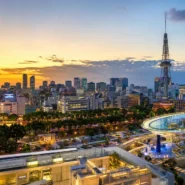
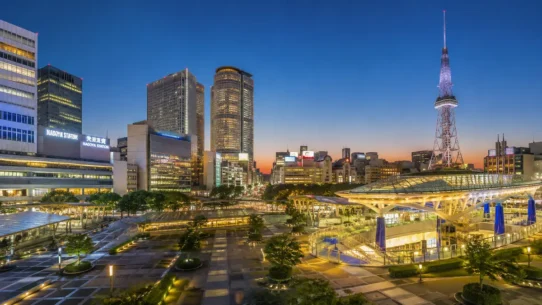
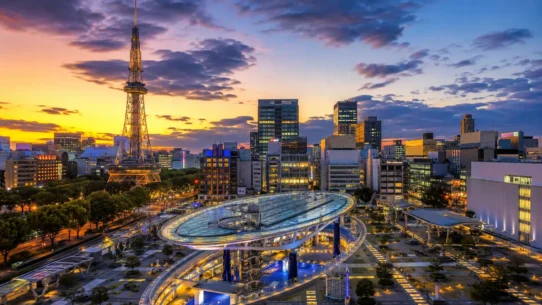
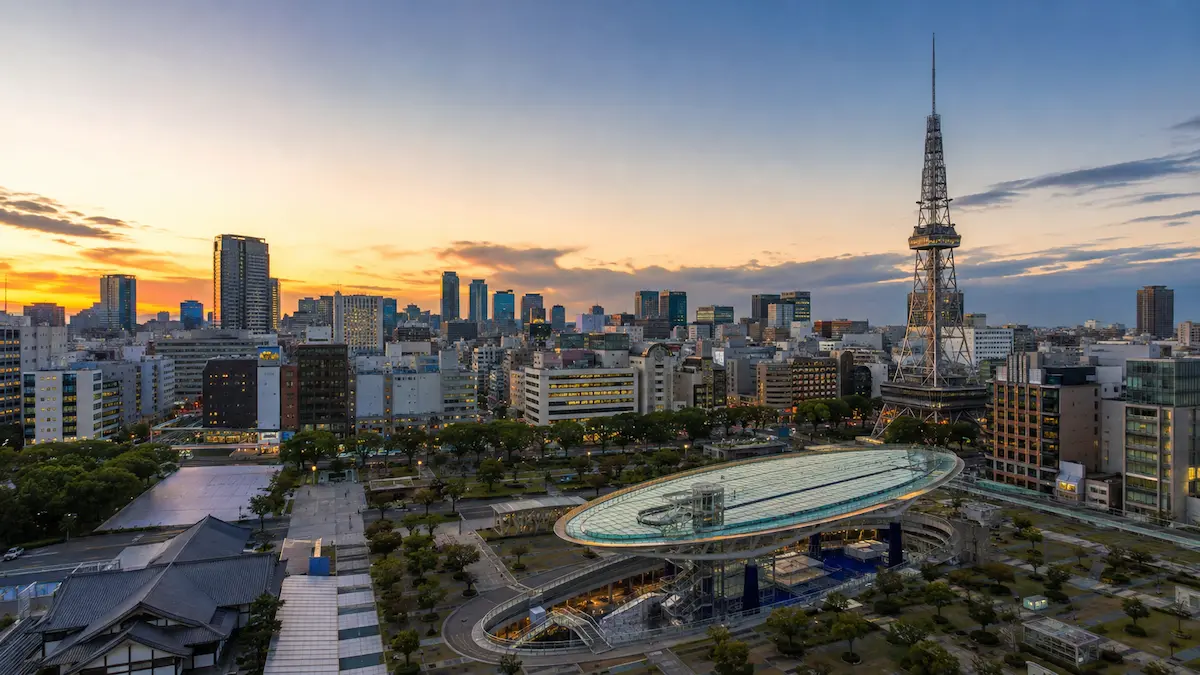
The biggest decision is simple: Nagoya Station or Sakae? Nagoya Station is the practical transport hub, directly linking the Shinkansen, JR trains, Meitetsu airport services, Kintetsu trains, subways, buses, shopping malls, and restaurants. Sakae is the more enjoyable urban base for many leisure travelers, with better evening atmosphere, shopping, restaurants, Hisaya-odori Park, Oasis 21, and easy access to Osu. Neither area is automatically better. The expensive mistake is choosing one while planning a trip that clearly suits the other.
This guide compares five genuinely different stays, from a minimalist capsule near Nagoya Station to a full-service luxury hotel in Yabacho. The goal is not to declare one universal winner. It is to show you who each hotel suits, where the convenience is real, where the marketing language needs translating, and what you should check before entering your card details.
Editorial note: Hotel access details, room information, guest policies, booking pages, and review patterns were checked in August 2026. Prices change by date, so the price symbols below are relative indicators rather than fixed quotes.
The 1-Min Cheat Sheet
Price guide: $ = capsule/lowest-cost stay, $$ = value private room, $$$ = upper-mid-range, $$$$ = upscale, $$$$$ = luxury.
- 9h nine hours Nagoya station — $
Best for: Solo travelers, one-night stopovers, late arrivals, and travelers prioritizing price over privacy.
Transport advantage: Roughly a six-to-eight-minute walk from Nagoya Station, depending on the exit and your pace.
Reality check: It is a capsule hotel with shared showers, shared locker areas, limited luggage space, and no true soundproofing. - Hotel Forza Nagoya Sakae — $$
Best for: Couples, friends, shoppers, and travelers wanting a proper private room without paying upscale rates.
Transport advantage: About five minutes from Yabacho Station and walkable to Sakae, Osu, department stores, and restaurants.
Reality check: Excellent leisure location, but it is not a Nagoya Station hotel. You will need the subway or a taxi with luggage. - Nagoya JR Gate Tower Hotel — $$$
Best for: First-time visitors, Shinkansen users, families with luggage, early departures, and multi-city Japan trips.
Transport advantage: Directly connected to JR Nagoya Station, with the Meitetsu airport railway a short indoor walk away.
Reality check: You pay for location. The entry-level room is comfortable rather than huge, and train-view rooms may carry some rail noise. - The Royal Park Hotel Iconic Nagoya — $$$$
Best for: Couples, design-conscious travelers, city-view seekers, and visitors who want to stay in the heart of Sakae.
Transport advantage: Direct underground access to Sakae Station during stated access hours, with dining and shopping in the same building complex.
Reality check: The vertical layout takes getting used to, and some room categories look more spacious in photos than they feel around the bed. - TIAD, Autograph Collection — $$$$$
Best for: Luxury trips, special occasions, wellness-focused stays, and travelers who value genuinely large rooms.
Transport advantage: About one minute from Yabacho Station, opposite Hisaya-odori Park and near Sakae and Osu.
Reality check: It is a destination hotel, not merely a bed. The price makes little sense when your schedule leaves no time for the room, pool, lounge, or wellness facilities.
Top Survival Tips for Choosing a Hotel in Nagoya
- Choose around your heaviest travel day, not your sightseeing wish list. A traveler arriving from Tokyo with two suitcases and leaving for Takayama at 8 a.m. should strongly favor Nagoya Station. A traveler staying three nights for food, shopping, and local sightseeing may enjoy Sakae far more.
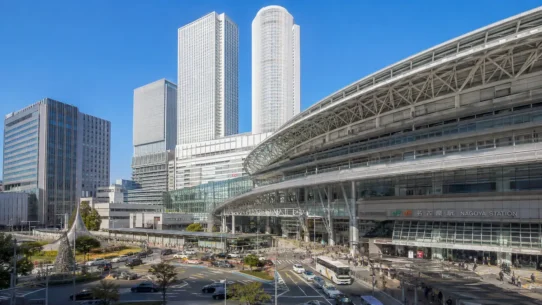
- Treat Nagoya Station as a district, not a single platform. JR, Shinkansen, Meitetsu, Kintetsu, subway lines, bus terminals, underground malls, and high-rise buildings connect through a huge complex. A hotel described as “near Nagoya Station” may still involve traffic lights, exposed sidewalks, stairs, or a confusing exit. Direct connection is worth a premium for families, older travelers, and anyone carrying large luggage.
- Do not drag large suitcases onto the Higashiyama Line during rush hour unless necessary. The subway between Nagoya Station and Sakae is quick, but crowded carriages, station corridors, and vertical transfers can turn a short ride into an unpleasant start or finish. A taxi can be a rational expense for two or more travelers with luggage.
- Check the exact room type, not just the hotel name. Nagoya business hotels often sell multiple categories within the same building. One room may have a 160-centimeter bed and 20 square meters of space; another may have twin beds, a separate toilet and bath, and much better suitcase clearance. A small upgrade can materially improve a three-night stay.
- Ask yourself where two open suitcases will go. This is the question hotel photography avoids. Capsule hotels can be especially awkward, but even polished high-rise hotels may have tight space beside the bed. Travelers with large checked luggage should prioritize floor area, bed clearance, and a usable entrance zone.
- Train views are a feature only when you enjoy trains. High-floor station hotels are usually well insulated, but some rooms still carry rail or mechanical noise. Light sleepers should request a quieter orientation rather than assuming that every upper-floor room is silent.
- “Direct underground access” may have operating hours. At The Royal Park Hotel Iconic Nagoya, the direct underground route is stated as available from 7:00 to 23:00. Outside those hours, guests use a street-level exit. That detail matters after a late dinner, concert, or airport arrival.
- Do not overpay for luxury you will not use. TIAD’s large rooms and wellness facilities can justify the rate for a slow, celebratory stay. They are poor value when you leave before breakfast, return after dinner, and spend every day outside the city.
- Compare the final price, not the headline rate. Check whether breakfast, cancellation, child policies, parking, extra beds, and local taxes are included. The cheapest non-refundable option can become the most expensive choice when plans change.
- Use luggage forwarding strategically. On a longer Japan itinerary, sending large bags to your next major hotel and traveling overnight with a small bag can make a capsule stay or a Sakae hotel much more practical. Confirm delivery timing with both properties before sending anything valuable or essential.
The Full Experience
📍 9h nine hours Nagoya station
Best budget capsule · Solo travelers · Short stopovers · Nagoya Station access · Minimalist design
Why it makes the list: Nine Hours is one of the clearest low-cost answers for a solo traveler who needs a clean place to sleep near Nagoya Station and does not need a private room. It strips the stay down to the essentials: capsule, shower, locker, and shared spaces. That simplicity is exactly why it works for a one-night transit stop—and exactly why it can be the wrong choice for a longer leisure stay.
Location reality check: The property is around 500 meters from Nagoya Station. On a map, that looks effortless. In practice, allow more time on your first walk because the station has multiple exits and levels. With a backpack, the walk is easy. With a large suitcase in rain or summer heat, it feels less “next to the station” than the distance suggests.
Who should book it: Solo travelers arriving late, leaving early, attending an event, or breaking a longer rail journey. It also suits experienced capsule-hotel users who already understand the etiquette and do not expect hotel-room privacy.
Who should skip it: Couples wanting to stay together, families with young children, light sleepers, anyone who needs to work privately, and travelers carrying two large cases. Even when separate male and female areas feel secure, the experience remains communal.
✅ What Other Travelers Say
Positive comments repeatedly focus on cleanliness, modern design, comfortable pods, helpful staff, station access, and the city-view lounge. Many guests consider it good value when judged as a capsule hotel rather than compared with a private hotel room. The showers are often described as spacious and well maintained.
⚠️ The Catch (Things to Keep in Mind)
The capsule entrance is a blind or curtain, not a locking door, so sound and light depend heavily on the behavior of nearby guests. Locker areas can feel cramped when several people open suitcases at once. The sleeping pod is not the place to unpack a large case. Shared showers may queue at busy times, and guests are generally required to vacate the sleeping area during the daytime cleaning window. Keep valuables secured and bring earplugs even when the hotel provides them.
Smart room strategy: There is no meaningful “room upgrade” in the conventional sense. The practical upgrade is to travel with a smaller bag, choose a private hotel if you need daytime access, and avoid a pod close to entrances or high-traffic areas when requests are accepted.
Bottom line: This is the best pick here for minimizing cost, not maximizing comfort. Book it for one efficient night, not because glossy capsule photos make communal accommodation look like a futuristic private room.
📍 Hotel Forza Nagoya Sakae
Best-value private room · Couples and friends · Shopping and food · Yabacho access · Larger room options
Why it makes the list: Hotel Forza Nagoya Sakae hits the useful middle ground many visitors actually need: a proper private room, modern facilities, a strong leisure location, and rates that often remain below the city’s premium high-rise hotels. It is especially attractive for travelers who care more about Sakae, Osu, department stores, cafés, and evening dining than about sleeping directly above the Shinkansen.
Location reality check: The hotel is about a five-minute walk from Yabacho Station and roughly ten minutes, give or take, from central Sakae depending on your destination and walking speed. Nagoya PARCO, Matsuzakaya, Osu, and major shopping streets are close. From Nagoya Station, however, this is a subway or taxi hotel—not a walk-with-luggage hotel for most people.
Room choice matters here: The hotel offers a wider spread of layouts than many business hotels. Double rooms around 18 to 20 square meters are practical for one or two light packers, while twin categories around 24.5 to 29.5 square meters provide far better breathing room. Several twin and higher-category rooms separate the bath, toilet, and washbasin, which is genuinely useful when two people are getting ready.
Who should book it: Couples, friends, repeat Japan visitors, shoppers, food-focused travelers, and anyone who wants more usable room space than a basic station business hotel without stepping up to luxury prices.
✅ What Other Travelers Say
Guests frequently praise the clean and relatively spacious rooms, comfortable beds, friendly staff, easy check-in, central shopping location, and practical extras such as coin laundry, a communal microwave, free coffee, and welcome drinks. Some room types include massage chairs, but you should verify the exact category rather than assume every room has one.
⚠️ The Catch (Things to Keep in Mind)
The hotel name says Sakae, but Yabacho is usually the more convenient subway stop. That distinction matters when arriving with luggage. A few reviews mention pillow comfort or room-temperature control, which is common in centrally managed Japanese hotel systems. The lobby is above street level, so the arrival sequence is less immediate than entering a small ground-floor hotel. Also, the cheapest double may not provide the suitcase space suggested by photos of larger twin rooms.
Smart room strategy: For two people with checked luggage, prioritize a Forza Twin, Superior Twin, Refresh Twin, or Deluxe Twin. The extra floor area and separate wet-zone layouts are worth more than a decorative upgrade. Solo travelers can save with a smaller double while retaining a private bathroom.
Bottom line: Hotel Forza is the value winner for travelers who want a real room and an enjoyable neighborhood. It loses only when your itinerary requires repeated early departures from Nagoya Station.
📍 Nagoya JR Gate Tower Hotel
Best overall convenience · Direct JR station connection · Shinkansen trips · Families with luggage · High-floor city views
Why it makes the list: This is the hotel I would most readily recommend to a first-time visitor whose Nagoya stay is part of a larger Japan rail itinerary. It sits directly above and connects to JR Nagoya Station, reducing the risk of wrong exits, wet sidewalks, crowded subway transfers, and long suitcase drags. That convenience is not glamorous on paper, but it can transform a trip in practice.
Transport advantage: JR and Shinkansen access is the headline benefit. The hotel’s official access guidance also places Meitetsu Nagoya Station—a key link for Chubu Centrair International Airport—about a short indoor walk away. Travelers arriving on the airport railway should still expect station navigation, but they avoid changing to the subway simply to reach the hotel.
Room reality: Guest rooms occupy the 18th to 24th floors. The entry Moderate Double is 20 square meters with a 160-centimeter-wide bed, which is comfortable for a couple but not generous when both travelers open large suitcases. Superior rooms provide noticeably better space, while 37-square-meter corner twins are the sensible splurge for families or longer stays.
Who should book it: Shinkansen users, families, older travelers, visitors with heavy luggage, business travelers, and anyone catching an early train. It is also a strong choice for a first or final night in Nagoya.
✅ What Other Travelers Say
Location dominates the positive feedback, followed by cleanliness, professional service, breakfast, comfortable rooms, city views, and direct access to extensive shopping and dining. Guests appreciate having station facilities, restaurants, shops, coffee, and convenience retail within the same connected complex. Many rooms feel quiet despite the central setting.
⚠️ The Catch (Things to Keep in Mind)
“Directly connected” does not mean you step off every train beside reception. Nagoya Station remains large, and the hotel lobby is on an upper level reached by dedicated elevator routes. The lowest room category can be tight for two travelers with large luggage. The hotel itself notes that some train-view rooms may hear running trains. Isolated reviews also mention mechanical or exterior noise in particular orientations, so light sleepers should request a quiet side rather than choosing solely for the view.
Smart room strategy: Choose the Moderate Double for one traveler or a light-packing couple. Choose a Superior Twin for two travelers who need separate beds and reasonable suitcase space. Choose a Deluxe Corner Twin when room comfort matters almost as much as station access. Train enthusiasts can request a rail view; sensitive sleepers should do the opposite.
Bottom line: You are not paying only for a nicer room. You are buying back time, energy, and certainty. For a rail-heavy itinerary, that is often the smartest hotel upgrade in Nagoya.
📍 The Royal Park Hotel Iconic Nagoya
Best upscale Sakae stay · Direct subway access · Skyline views · Couples · Design-led interiors
Why it makes the list: Opened in 2024 in the Chunichi Building, The Royal Park Hotel Iconic Nagoya gives Sakae a polished high-rise stay that feels more distinctive than a standard business hotel. All the practical leisure ingredients are here: subway access, shopping, dining, views, park access, and a central position for exploring Sakae and Osu without returning to the station district every evening.
Location reality check: The hotel has direct underground access from Sakae Station and Sakaemachi Station during the stated 7:00-to-23:00 access window. Outside those hours, guests use Exit 13. The hotel begins high in the building, so the experience involves elevators and a vertical arrival sequence rather than a simple street-to-room path.
Neighborhood advantage: Sakae is a stronger base than Nagoya Station for travelers who enjoy walking out after dinner, browsing department stores, visiting Oasis 21 and Hisaya-odori Park, or spending time around Osu. It is also well connected by the Higashiyama and Meijo subway lines. The trade-off is one additional ride when using the Shinkansen.
Who should book it: Couples, design lovers, city-break travelers, shoppers, special-occasion guests, and visitors who want an upscale hotel without retreating to a quiet luxury bubble.
✅ What Other Travelers Say
Recent traveler feedback is consistently strong on skyline views, cleanliness, staff, atmosphere, Sakae access, breakfast variety, and the sense of calm above a busy commercial district. Guests often appreciate having restaurants, shops, coffee, pharmacy, and convenience options within or beneath the building. High-floor rooms create a genuine sense of occasion.
⚠️ The Catch (Things to Keep in Mind)
The design is not equally practical in every room. Some guests report limited clearance beside large beds, awkward furniture placement, or layouts that feel tighter than the headline floor area suggests. The building’s elevator changes and multi-level facilities can feel confusing on the first day. Travelers who need a comfortable desk, generous bedside clearance, or fully separated bathroom zones should inspect the exact floor plan and guest photos before booking.
Smart room strategy: Avoid selecting only by floor label or décor concept. Compare bed placement, bathroom layout, and square meters. A superior twin or larger corner category may be a better choice than a dramatic king room with minimal side clearance. Ask for a view direction that matters to you rather than assuming every high floor faces the same landmarks.
Bottom line: This is the strongest upscale choice for enjoying Sakae itself. Choose it over JR Gate Tower when evenings, views, and neighborhood atmosphere matter more than stepping directly onto the Shinkansen.
📍 TIAD, Autograph Collection
Best luxury hotel · Large rooms · Wellness and indoor pool · Special occasions · Yabacho and Hisaya-odori Park
Why it makes the list: TIAD is the clear luxury step-up in this selection. Its strength is not just polished service or an attractive lobby; it offers room sizes that feel genuinely luxurious by Japanese city-hotel standards. Entry luxury categories commonly start around the low-50-square-meter range, with larger king rooms reaching around 60 square meters. That difference is immediately noticeable when you have luggage, want to relax by the window, or are staying more than one night.
Location reality check: The hotel is about one minute from Yabacho Station Exit 1, facing the greenery of Hisaya-odori Park and close to Nagoya PARCO, Matsuzakaya, Sakae, and Osu. This is an excellent leisure location. It is not the most efficient base for repeated Shinkansen journeys, and airport arrivals still require a transfer or taxi from the Nagoya Station area.
What makes the price more defensible: The hotel’s wellness zone includes an indoor infinity pool, gym, wellness lounge, thermal-bath-style facilities, and spa services. Rooms have enough space to spend meaningful time in, rather than merely sleep in. The view and park-facing orientation can make the hotel feel calmer than its central address suggests.
Who should book it: Couples celebrating an occasion, luxury travelers, Marriott Bonvoy members, wellness-focused guests, and anyone who values room space enough to pay for it.
✅ What Other Travelers Say
Guests consistently praise the large rooms, modern design, cleanliness, comfortable beds, park or city views, attentive staff, and high-quality wellness facilities. Review scores are especially strong for cleanliness and location. Travelers accustomed to compact Japanese rooms often describe the space as the most immediate luxury.
⚠️ The Catch (Things to Keep in Mind)
The price is difficult to justify on a packed sightseeing schedule. The indoor pool and parts of the wellness area have operating hours, and the official wellness information states an age limit of 16 or over, which matters for families. Spa treatments, dining, parking, and premium services can raise the final bill. Some guests also debate whether breakfast value matches the luxury room rate, so compare breakfast-included and room-only plans rather than adding it automatically.
Smart room strategy: Park-view rooms provide the more distinctive Nagoya experience, especially when greenery matters. City-view rooms may feel more urban and dramatic at night. Choose based on orientation and time spent in the room, not merely the highest category you can afford. A spacious standard luxury room may deliver more than an expensive package filled with facilities you will not use.
Bottom line: TIAD is the best hotel in this guide for the hotel experience itself. It is not the best value for every traveler—and that distinction is important. Book it when the stay is part of the trip, not just infrastructure between sightseeing days.
Key FAQs
Is it better to stay near Nagoya Station or Sakae for first-time visitors?
Stay near Nagoya Station when you are using the Shinkansen, arriving from Chubu Centrair Airport by Meitetsu, taking multiple day trips, or carrying heavy luggage. Stay in Sakae when you want better evenings, shopping, restaurants, parks, and a more enjoyable leisure neighborhood. For a two-night rail-focused stop, Nagoya Station usually wins. For a three-or-four-night city break, Sakae often feels more rewarding.
What is the best hotel near Nagoya Station for travelers with large luggage?
Nagoya JR Gate Tower Hotel is the safest all-round choice because it is directly connected to JR Nagoya Station and offers larger twin and corner-room categories. The key is not to book the smallest room simply because the hotel is convenient. Two travelers with large cases should compare the Superior Twin and Deluxe Corner Twin rather than defaulting to the Moderate Double.
How far in advance should I book a Nagoya hotel for weekends, cherry blossoms, concerts, or Ghibli Park trips?
As an editorial rule of thumb, start comparing two to four months ahead for normal busy weekends and earlier for cherry-blossom season, major holidays, large concerts, Formula 1 travel dates, and school breaks. You may still find a room later, but the best layouts and flexible rates usually vanish first. Book a cancellable rate early, then recheck prices before the free-cancellation deadline.
Final Verdict and Your Next Step
Choose 9h nine hours Nagoya station when the budget is tight and you only need one clean, efficient night. Choose Hotel Forza Nagoya Sakae for the best balance of private-room comfort, neighborhood convenience, and price. Choose Nagoya JR Gate Tower Hotel when luggage, Shinkansen access, airport connections, or early departures are the main concern. Choose The Royal Park Hotel Iconic Nagoya for an upscale Sakae stay with views and strong evening convenience. Choose TIAD when you want luxury, space, wellness facilities, and time to enjoy them.
The most common Nagoya booking mistake is paying for the wrong kind of convenience. A cheap Sakae room is not a bargain when you make four suitcase-heavy station transfers. A premium station hotel is not automatically worth it when you spend every evening returning from the restaurants and shops you actually wanted to be near. Match the hotel to the trip, then compare the exact room category across several booking platforms.
Check live rates and cancellation terms before the best room layouts disappear:
- Check 9h nine hours Nagoya station on Booking.com · Check 9h nine hours Nagoya station on Klook
- Check Hotel Forza Nagoya Sakae on Booking.com · Check Hotel Forza Nagoya Sakae on Klook · Check Hotel Forza Nagoya Sakae on KKday
- Check Nagoya JR Gate Tower Hotel on Agoda · Check Nagoya JR Gate Tower Hotel on Booking.com · Check Nagoya JR Gate Tower Hotel on Klook
- Check The Royal Park Hotel Iconic Nagoya on Agoda · Check The Royal Park Hotel Iconic Nagoya on Klook · Check The Royal Park Hotel Iconic Nagoya on KKday
- Check TIAD, Autograph Collection on Booking.com · Check TIAD, Autograph Collection on Klook · Check TIAD, Autograph Collection on KKday
Do not wait until the final week if location or room layout matters. Reserve a flexible rate early, confirm the exact bed and bathroom configuration, and recheck prices before the cancellation deadline. In Nagoya, the right base can save more time and energy than almost any sightseeing shortcut.