
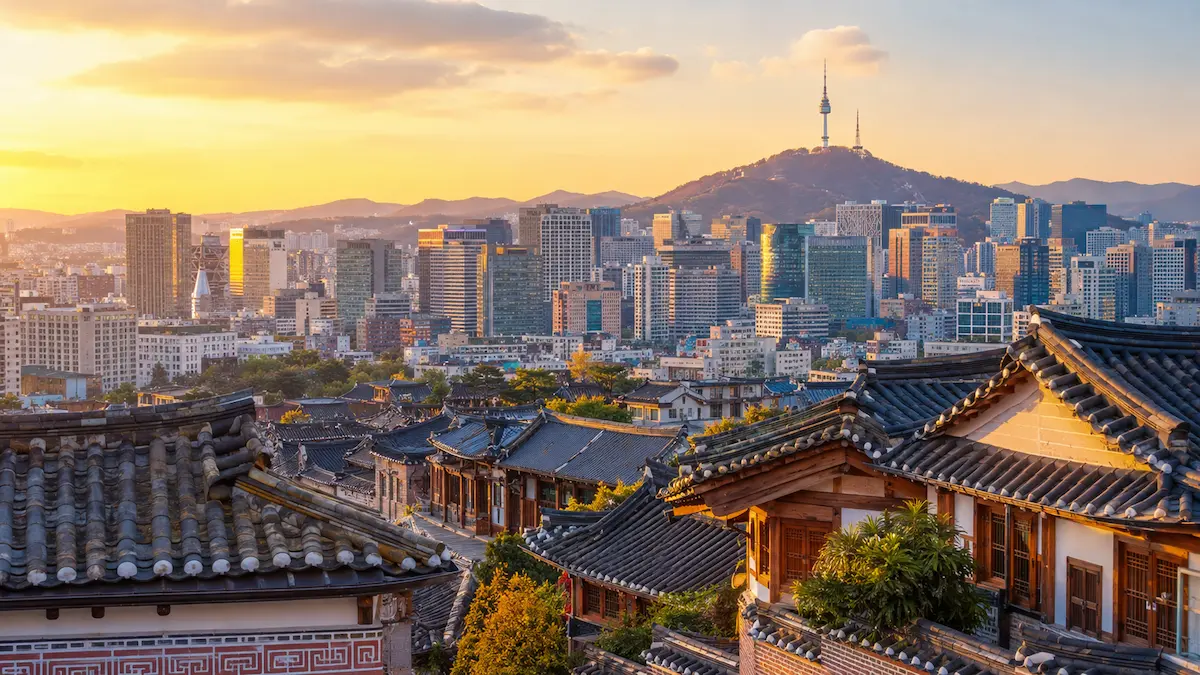
💡 Key Takeaways
- Plan Seoul by district, not by a social-media wish list. The fastest-looking itinerary often wastes hours crossing the Han River or changing subway lines.
- Visit Gyeongbokgung at opening, but do not copy old advice telling you to photograph residential Bukchon at dawn. The designated Bukchon red zone is open to tourists only from 10:00 to 17:00.
- Use the subway for long or traffic-prone journeys, walk only within compact neighborhoods, and take a short taxi when it removes an awkward transfer or steep climb.
- Buy online tickets only where they genuinely reduce friction: Seoul Sky, N Seoul Tower, the AREX Express, and time-sensitive experiences such as hanbok rental.
- Unless skyline views are a major interest, pay for either N Seoul Tower or Seoul Sky—not both. The money and queuing time are usually better spent elsewhere.
A good Seoul 5-day itinerary for first-time visitors is not the one with the longest attraction list. It is the one that keeps you out of rush-hour buses, avoids dragging luggage through giant interchange stations, reaches famous places before their worst crowds, and gives you somewhere sensible to sit down before your legs give up. Seoul looks compact on a map, but its hills, wide roads, underground malls, long station corridors and river crossings make careless planning surprisingly tiring.
The classic first-trip route usually includes Gyeongbokgung, Bukchon, Insadong, Myeongdong, N Seoul Tower, Gwangjang Market, Dongdaemun, Hongdae, Seongsu, COEX and Lotte World Tower. That list is popular for a reason—but it is also where first-timers make the same mistakes: visiting Bukchon at an inappropriate hour, arriving at markets when stalls are shut, treating Starfield Library as a half-day attraction, combining Hongdae and Gangnam on the same day, or transferring at Seoul Station with two suitcases because a map made it look “convenient.”
This itinerary rebuilds that familiar route into five practical geographic clusters. It assumes five full sightseeing days, a moderate budget, normal mobility, and accommodation in central Seoul. Opening hours, admission systems and transport products can change; the operational details below were fact-checked on August 7, 2026.
The 1-Min Cheat Sheet
- Gyeongbokgung Palace and Bukchon Hanok Village: Best for first-time culture, architecture and hanbok photos. Allow 2 hours for the palace and 45–60 minutes for a respectful Bukchon walk. Gyeongbokgung is paid but inexpensive, normally closed Tuesdays, and general admission rarely needs advance booking; Bukchon streets are free, but the designated residential red zone permits tourist visits only from 10:00 to 17:00.
- Insadong and Ikseondong: Best for crafts, tea, compact hanok lanes, cafés and an easy afternoon after the palace. Allow 2–3 hours including lunch or a café stop. Streets are free; individual workshops, exhibitions and cafés have their own charges or waitlists. Use Anguk Station or Jongno 3-ga Station rather than forcing a taxi through narrow lanes.
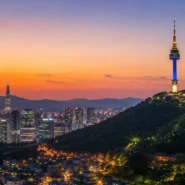
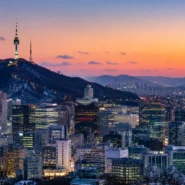
- Myeongdong and N Seoul Tower: Best for a low-stress arrival day, shopping and a first skyline view. Allow 2 hours for Myeongdong and 1.5–2.5 hours for Namsan including access queues. Myeongdong is free; the tower observatory is paid. The cable car is a separate ticket and often becomes the real bottleneck.
- Gwangjang Market and Dongdaemun Design Plaza: Best for a short market tasting and modern architecture. Allow 60–90 minutes at the market and 60–90 minutes at DDP. Market entry and DDP’s exterior are free; exhibitions vary and may require separate tickets. Walk between them in good weather or take one short subway hop when tired.
- Seoul Forest and Seongsu: Best for travelers who want greenery, design shops, cafés and current local trends. Allow 60–90 minutes in the park and 2–3 hours in Seongsu. The park and neighborhood are free; pop-ups may use reservations or numbered queues. Use Ttukseom or Seoul Forest Station according to your first stop.
- Mangwon, Yeonnam and Hongdae: Best for affordable market food, younger nightlife, shopping and street energy. Allow most of a day, with Hongdae saved for late afternoon and evening. Neighborhoods are free; individual venues charge separately. A short taxi from Mangwon to Yeonnam can be smarter than two subway rides for two or three people.
- Bongeunsa Temple and Starfield Library at COEX: Best for a calm-to-modern contrast and a rainy-day-friendly morning. Allow 45–60 minutes at the temple and 60–90 minutes in COEX. Both are free. Enter from Bongeunsa Station to reduce wandering inside the enormous mall.
- Seoul Sky and Jamsil: Best for modern Seoul, sunset views and travelers who prefer an indoor observation deck. Allow 1.5–2 hours for Seoul Sky plus 60–90 minutes for Seokchon Lake or Lotte World Mall. Seoul Sky is paid and advance mobile ticketing is useful; Jamsil is reached directly from Samseong on Line 2.
The Most Practical 5-Day Itinerary
Day 1: Myeongdong, Cheonggyecheon and N Seoul Tower Without Arrival-Day Burnout
- Recommended start: 14:00 after hotel check-in. On a full sightseeing day, start around 11:00 and add a relaxed lunch. Do not schedule a palace or timed cultural experience immediately after an international flight.
- Route order: Cheonggyecheon Stream near Euljiro or Jonggak → Myeongdong shopping streets → early dinner → Namsan/N Seoul Tower around late afternoon or sunset.
- Suggested time at each stop: Cheonggyecheon 30–45 minutes; Myeongdong 1.5–2 hours; dinner 60 minutes; Namsan and the tower 1.5–2.5 hours depending on access queues.
- Best transport: Walk between Cheonggyecheon and Myeongdong if you have light bags. To reach N Seoul Tower with less climbing, take Line 4 to Chungmuro and use the Namsan circulation bus shown on the tower’s current official transport page. The cable car is scenic but requires an uphill approach to its lower station and may have long queues. A taxi is useful only to the lower cable-car area or a legal drop-off point—not as a promise of door-to-door access to the observatory.
- Lunch or rest area: Myeongdong has abundant food, cafés and department-store seating, but the most photographed street-food stalls are not automatically the best value. Eat an early dinner before the sunset rush rather than joining two queues while hungry.
- What to delete if tired: Skip Cheonggyecheon first. It is pleasant, free and easy to revisit from Jongno or Euljiro on another evening. Do not skip hotel check-in just to protect a social-media schedule.
- Rain alternative: Spend more time in Myeongdong’s department stores, underground shopping areas or nearby museums, then visit the tower only if visibility is acceptable. Paying for an observation deck in low cloud is a classic avoidable disappointment.
- Best evening area: Myeongdong for convenience, Euljiro for bars and late food, or the tower if the weather is clear.
- Why this beats the usual influencer itinerary: Many itineraries combine Myeongdong, Namsan, Dongdaemun and Hongdae on the first day. That creates unnecessary cross-city travel when you are tired and still learning the subway. This version stays central, keeps commitments flexible and places the weather-dependent viewpoint at the end.
Day 2: Gyeongbokgung, Bukchon, Insadong and Ikseondong in One Continuous Cultural Route
- Recommended start: Arrive at Gyeongbokgung around 08:40 for the 09:00 opening. Do not plan this day on Tuesday unless the official palace calendar confirms a special opening.
- Route order: Gwanghwamun Gate → Gyeongbokgung Palace → exit toward the eastern or northeastern side when available → Samcheong/Anguk lunch → Bukchon’s permitted visitor route after 10:00 → Insadong → Ikseondong for late afternoon and dinner.
- Suggested time at each stop: Gyeongbokgung 1.5–2 hours; lunch 60 minutes; Bukchon 45–60 minutes; Insadong 60–90 minutes; Ikseondong 1.5–2 hours.
- Best transport: Take the subway to Gyeongbokgung Station or Gwanghwamun Station. After entering the palace, avoid walking all the way back to the main gate if an eastern exit is operating. From Bukchon, continue downhill toward Anguk and Insadong. Insadong to Ikseondong is a practical walk; use Jongno 3-ga Station when finishing.
- Lunch or rest area: Eat around Samcheong-dong or Anguk before entering Bukchon’s steeper lanes. Ikseondong’s famous cafés often have queues, so do not postpone all food until 15:00 and expect immediate seating.
- What to delete if tired: Cut the highest Bukchon viewpoints or limit Insadong shopping. Keep Gyeongbokgung and one hanok neighborhood. Seeing every lane adds fatigue, not necessarily insight.
- Rain alternative: Replace most of Bukchon with the National Palace Museum of Korea, the National Folk Museum, craft galleries in Insadong, or a tea house. Wet stone paths and steep residential lanes are not the time to chase a perfect hanok photo.
- Best evening area: Ikseondong and Jongno 3-ga for dinner, traditional alcohol bars and easy subway access.
- Why this beats the usual influencer itinerary: The common mistake is Gyeongbokgung → Bukchon before 10:00 → Myeongdong → Changdeokgung → N Seoul Tower. That ignores Bukchon’s resident-protection rules and doubles back across central Seoul. This route moves east and downhill, with food and indoor breaks placed before energy drops.
Day 3: Gwangjang Market, DDP, Seoul Forest and Seongsu—Always Moving East
- Recommended start: 10:15–10:30 at Gwangjang Market. Individual stalls set their own hours, so breakfast-time visits can look disappointingly half-closed.
- Route order: Gwangjang Market early lunch → Cheonggyecheon walk or short ride → Dongdaemun Design Plaza → Line 2 toward Ttukseom → Seoul Forest → Seongsu cafés, shops and dinner.
- Suggested time at each stop: Gwangjang 60–90 minutes; DDP 60–90 minutes; Seoul Forest 60–90 minutes; Seongsu 2.5–3.5 hours.
- Best transport: Walk 15–20 minutes from Gwangjang to DDP when weather and mobility allow. From Dongdaemun History & Culture Park Station, Line 2 reaches Ttukseom without crossing the city. Walk through Seoul Forest, then use a short local bus, taxi or 15–25 minute walk to the specific Seongsu block you saved in Naver Map.
- Lunch or rest area: Treat Gwangjang as a tasting stop, not an endurance challenge. Share two or three items, check posted prices, and leave room for a café or proper meal in Seongsu.
- What to delete if tired: Skip DDP’s interior unless a current exhibition genuinely interests you, or skip Seoul Forest in bad weather. The DDP exterior is visually strong but does not require hours.
- Rain alternative: Spend longer at a ticketed DDP exhibition, Dongdaemun shopping complexes and Seongsu’s indoor cafés or pop-ups. Do not force a park walk in heavy rain just because it appears on a checklist.
- Best evening area: Seongsu for dinner and cafés. Return before the final rush if you dislike packed Line 2 trains.
- Why this beats the usual influencer itinerary: Gwangjang, DDP and Seongsu all progress eastward. Pairing Gwangjang with Bukchon, then Seongsu, then Hongdae creates three separate directions and turns a food-and-design day into a transfer marathon.
Day 4: Mangwon Market, Yeonnam-dong and Hongdae From Quiet Morning to Lively Night
- Recommended start: 10:30 at Mangwon Market. This is late enough for more stalls to operate and early enough to avoid the densest lunch crowd.
- Route order: Mangwon Market → optional Mangwon Hangang Park → short taxi or subway to Yeonnam-dong → Gyeongui Line Forest Park → Hongdae shopping streets → dinner, live music or nightlife.
- Suggested time at each stop: Mangwon Market 1.5 hours; Hangang Park 45–60 minutes; Yeonnam 1.5–2 hours; Hongdae 3–5 hours depending on shopping and nightlife.
- Best transport: Use Line 6 to Mangwon. After the market, a short taxi to Yeonnam can save a transfer and a long station walk, especially for two or three travelers outside rush hour. Otherwise, take Line 6 to Hapjeong, transfer to Line 2 and exit Hongik University Station at Exit 3 for Yeonnam.
- Lunch or rest area: Eat at Mangwon, where portions are easier to share and the atmosphere is less staged than Seoul’s most internationally famous market aisle. Use Yeonnam for a café break before entering louder Hongdae.
- What to delete if tired: Skip the riverside park in extreme heat, cold or rain. If shopping is not your interest, leave Hongdae after dinner rather than staying for nightlife out of obligation.
- Rain alternative: Stay longer inside Mangwon Market, then focus on Yeonnam cafés, Hongdae shopping, self-photo studios and indoor entertainment. The Hangang section is optional, not a test of commitment.
- Best evening area: Hongdae and Hapjeong. Yeonnam is better for quieter dinner and conversation; central Hongdae is better for noise, shopping and late-night energy.
- Why this beats the usual influencer itinerary: Hongdae is underwhelming in the early morning and overwhelming when combined with Gangnam at night. Starting in Mangwon lets the day build naturally from food to cafés to nightlife while staying entirely in western Seoul.
Day 5: Bongeunsa, COEX, Starfield Library, Jamsil and Seoul Sky
- Recommended start: 09:00 at Bongeunsa Temple. The temple is calmer before COEX fills and before tour groups arrive.
- Route order: Bongeunsa Temple → COEX/Starfield Library → early lunch inside or near COEX → Line 2 from Samseong to Jamsil → Seokchon Lake or Lotte World Mall → Seoul Sky in late afternoon or at a reserved sunset window.
- Suggested time at each stop: Bongeunsa 45–60 minutes; Starfield Library and COEX 1.5–2 hours; lunch 60 minutes; Seokchon Lake 45–60 minutes; Seoul Sky 1.5–2 hours.
- Best transport: Use Line 9 to Bongeunsa Station for the temple side. After COEX, follow signs to Samseong Station and take Line 2 two stops to Jamsil. This is one of the cleanest major-attraction connections in Seoul; there is no reason to add a taxi unless mobility or luggage makes the underground walk difficult.
- Lunch or rest area: COEX has many indoor options but can be confusing. Save the restaurant in Naver Map before arriving. Lotte World Mall is an easy second option if you prefer to reach Jamsil before lunch.
- What to delete if tired: Skip Seokchon Lake or Starfield Library. The library is a striking 20-minute photo stop for many visitors, not a compulsory half-day destination.
- Rain alternative: This is already the itinerary’s best rain day. Spend more time at COEX, a paid indoor attraction, Lotte World Mall or Seoul Sky if visibility remains acceptable.
- Best evening area: Jamsil for dinner and the illuminated lake area. Do not return to Myeongdong for dinner unless your hotel requires it.
- Why this beats the usual influencer itinerary: Bongeunsa and COEX are across the road from each other, while Samseong and Jamsil are directly linked by Line 2. The route avoids the common error of mixing COEX with Bukchon or Hongdae. If your flight departs on Day 5, swap this day earlier or omit Jamsil—do not gamble on a cross-city airport transfer after sunset.
Tourist Traps to Avoid & Itinerary Hacks
- Do not visit Bukchon’s residential red zone before 10:00 or after 17:00. Old blog posts still recommend sunrise photography. That advice is now inappropriate and potentially expensive: Seoul’s official notice sets restricted hours from 17:00 to 10:00 and lists a ₩100,000 fine. Keep noise low, do not block doorways, and remember that the photogenic lanes are people’s homes.
- Do not assume the Namsan cable car “skips the climb.” You still need to reach the lower station, queues can be substantial, and the cable-car ticket is separate from observatory admission. The circulation bus is less romantic but often more practical.
- Do not pay for both observation decks by default. N Seoul Tower gives the classic hilltop city view; Seoul Sky gives a higher, polished indoor experience with Jamsil beneath you. Choose one unless architecture and skyline viewpoints are a major theme of your trip.
- Do not treat Gwangjang Market as an unlimited street-food bargain. It is atmospheric and worth a controlled tasting, but the central food aisle can be crowded and value varies. Check the menu, confirm the price before ordering, share portions, and leave if a stall feels pushy.
- Do not arrive at every market at 08:00. Traditional markets are not theme parks with synchronized opening. Individual vendors keep different hours. Late morning is safer for first-timers who want food choices without peak dinner crowds.
- Do not plan Starfield Library as a major attraction unless you genuinely love the space. It is free, photogenic and convenient, but many travelers spend 20–40 minutes there. The real value is pairing it with Bongeunsa and a weather-proof COEX break.
- Do not schedule Lotte World theme park as a two-hour add-on. It can consume an entire day once queues, meals and navigation are included. Theme-park fans should replace Day 5 with Lotte World rather than squeezing it between COEX and Seoul Sky.
- Do not change subway lines simply because a route is technically possible. Some interchanges involve long underground walks. For a group of two or three, a short off-peak taxi from Mangwon to Yeonnam or between Seoul Forest and a specific Seongsu shop can be worth the modest premium.
- Do not use buses for every central journey at peak time. Buses are excellent when they provide a direct route, but road congestion and full vehicles make them less predictable around the morning and evening commute. Use the subway for cross-city travel; use buses for simple local links.
- Do not buy a city pass because the headline discount looks large. Count only attractions you will actually visit. This itinerary contains many free neighborhoods, parks and temples, so a broad attraction pass may cost more than individual tickets.
- Do not rely on one map app. Save Korean names and entrances in Naver Map or KakaoMap, especially for Seongsu pop-ups, underground malls and market stalls. A station name alone is not enough when exits are far apart.
- Do not carry shopping bags all day “to save time.” Put purchases in a station locker, use T-Luggage, or return to a centrally located hotel before the evening section when the detour is genuinely short.
Save Your Legs! The Most Efficient Route
The logic of this Seoul itinerary is the same principle that makes a good Kyoto itinerary work: divide the city into geographic zones and stop returning to the main station after every attraction. In Seoul, the useful clusters are central Seoul and Namsan, the palace/Jongno area, Dongdaemun and eastern Seoul, western Seoul around Mangwon and Hongdae, and Gangnam/Jamsil. Each day should move in one broad direction.
Walk Gyeongbokgung → Samcheong/Anguk → Bukchon → Insadong → Ikseondong because those places form a connected cultural corridor. Walk Gwangjang → DDP in reasonable weather. Walk Yeonnam → Hongdae because the atmosphere becomes livelier as the day progresses. Walk Bongeunsa → COEX because they are immediate neighbors. These are useful walks with things to see—not empty “transfer walking.”
Use the subway for Dongdaemun → Ttukseom, central Seoul → Mangwon, and Samseong → Jamsil. Line 2 is especially useful for the eastern and southern sections, but it becomes very crowded during commuting periods. Use Line 3 for Gyeongbokgung/Anguk access, Line 4 for Myeongdong/Chungmuro, Line 6 for Mangwon, and Line 9 for Bongeunsa. Buses are best when one direct route removes a steep climb or awkward station transfer; they are worst when you are standing with luggage in traffic at rush hour.
A short taxi is the smart choice when it removes a transfer plus a 15-minute station walk, when you are sharing the fare, when weather is severe, or when mobility is limited. It is not the smart choice for crossing central Seoul at 18:00 or for entering pedestrian-heavy shopping districts. For Namsan, use a taxi only to an appropriate access point; do not assume it can deliver you to the tower entrance.
For accommodation, Myeongdong, Euljiro and Jongno 3-ga minimize travel across this five-day plan. Myeongdong is easiest for first-timers and airport buses; Euljiro is convenient for central dining and nightlife; Jongno 3-ga is strong for palace days and multiple subway lines. Hongdae is excellent for the airport railroad and late-night western Seoul, but it increases travel time to the palaces, Gangnam and Jamsil. Seoul Station is useful for rail and AREX connections, yet the immediate area is not automatically the best sightseeing base.
With large luggage, choose your airport transfer according to the hotel—not according to whichever train has the word “Express.” The AREX Express is comfortable and reserved but ends at Seoul Station. If your hotel requires another subway transfer with stairs and long corridors, an airport limousine bus, the all-stop airport railroad to Hongik University, or a luggage-delivery service may be easier. Seoul Metro’s official T-Luggage service currently lists storage and same-day delivery locations including Seoul Station, Hongik University, Jamsil, Myeongdong and Jongno 3-ga. Use it on arrival, departure or hotel-change days instead of dragging a suitcase through Bukchon, COEX or Hongdae.
Ticket Tips & Skip-the-Line Hacks
Advance electronic tickets that can genuinely help: Seoul Sky is the clearest candidate because a dated or mobile ticket reduces ticket-counter friction, and Klook’s current product page states that its QR code can be used at the gate. N Seoul Tower tickets can be cheaper online, but “e-ticket” does not always mean direct observatory entry: some Klook or KKday products require redemption at a self-service kiosk or ticket counter. Read the voucher instructions instead of promising yourself a nonexistent fast lane.
Attractions where advance booking is usually unnecessary: Gyeongbokgung general admission is inexpensive and normally easy to purchase on site. Wearing a qualifying full hanbok grants free admission under the Royal Palaces and Tombs Center’s published rules, but renting one only to save the small palace fee makes no financial sense. Bukchon, Insadong, Ikseondong, Gwangjang Market, the DDP exterior, Seoul Forest, Seongsu, Mangwon, Yeonnam, Hongdae, Bongeunsa, Starfield Library and Seokchon Lake are free public areas; there is no legitimate “skip-the-line ticket” for the neighborhood itself.
Places or experiences that may require reservations: Changdeokgung’s Secret Garden is not part of the core route, but it is the important exception for palace visitors. Capacity is controlled and the official reservation page releases limited slots according to its current schedule. Seasonal palace night openings, major exhibitions, performances, limited pop-ups, professional photo sessions and popular cultural workshops may also require advance booking. Check the exact event, not a generic attraction page.
Transport that benefits from booking: The AREX Express between Incheon Airport and Seoul Station uses reserved seats, so buying or activating a ticket in advance can reduce uncertainty. The all-stop airport train is different: it works like regular urban rail and does not need a reserved seat. Seoul’s five-day Climate Card short-term pass currently costs ₩15,000, with the physical card sold separately for ₩3,000. It can be useful for frequent eligible subway and Seoul-bus rides, but it does not cover the AREX Express or airport limousine buses, and travelers cannot use it to board at Incheon Airport.
Experiences worth pre-booking only when they matter to you: A hanbok rental near Gyeongbokgung can save selection and fitting time if photos are a real priority. Book the earliest practical slot, allow 30–60 minutes for changing and hair styling, and confirm return rules. Do not let a four-hour rental force you to rush Bukchon residents or skip lunch.
Verified booking options: These links were checked against live product pages on August 7, 2026. Prices, redemption rules and availability can change. Affiliate links may earn this site a commission at no extra cost to the reader.
- N Seoul Tower: Check Klook N Seoul Tower tickets or check KKday N Seoul Tower tickets. Confirm whether your voucher is direct-entry or kiosk redemption.
- Seoul Sky: Check Klook Seoul Sky tickets or check KKday Seoul Sky tickets.
- AREX Express: Check Klook AREX Express tickets or check KKday AREX Express tickets. A voucher may still require seat activation or ticket-machine redemption.
- Hanbok rental: Check Klook hanbok rental near Gyeongbokgung or check KKday hanbok rental options.
Tried & Tested: My Honest Review
This is a practical stress test of each stop using current operating rules, route logic and recurring traveler feedback—not a tourism-board list of compliments. YouTube popularity and embedding permissions can change; the public videos below were available when this article was checked.
📍 Stop 1: Gyeongbokgung Palace and Bukchon Hanok Village
Best for: First-trip history and photography | Energy: Moderate to high | Best time: Palace opening, then Bukchon after 10:00
✅ What Other Travelers Say: The palace’s scale, mountain backdrop, ceremonial spaces and hanbok atmosphere make it one of the most satisfying first-day landmarks. Bukchon adds intimate lanes and rooflines that contrast with the palace’s formal courtyards.
⚠️ The Catch (Things to Keep in Mind): Gyeongbokgung is much larger than photos suggest, shade is limited in hot weather, and the best-known Bukchon lanes are steep residential streets. The village is not an outdoor film set. Visit only during permitted hours, speak quietly and leave immediately if a lane is congested.
📍 Stop 2: Insadong and Ikseondong
Best for: Crafts, tea and compact café lanes | Energy: Low to moderate | Best time: Weekday afternoon before dinner queues
✅ What Other Travelers Say: Insadong is easy to browse without a plan, while Ikseondong’s small hanok conversions create a memorable setting for coffee, dinner and evening drinks. The two areas work well as a softer second half after the palace.
⚠️ The Catch (Things to Keep in Mind): Some souvenir shops feel repetitive, and Ikseondong’s most photographed cafés can involve long waits for food that is more visual than exceptional. Narrow alleys become uncomfortable when groups stop in the middle for photos. Choose one café, not five.
📍 Stop 3: Myeongdong and N Seoul Tower
Best for: Easy arrival-day sightseeing and classic skyline views | Energy: Moderate | Best time: Late afternoon on a clear weekday
✅ What Other Travelers Say: The hilltop setting makes N Seoul Tower feel more romantic than a standard skyscraper observatory, and Myeongdong is convenient for shopping, cosmetics and an easy dinner.
⚠️ The Catch (Things to Keep in Mind): The cable car can create two queues—going up and coming down—and reaching its lower station still involves effort. Myeongdong street food is fun but often pricier than market alternatives. On hazy or rainy days, the paid view can be disappointing.
📍 Stop 4: Gwangjang Market and Dongdaemun Design Plaza
Best for: Food sampling and contemporary architecture | Energy: Moderate | Best time: Late morning market, early afternoon DDP
✅ What Other Travelers Say: Gwangjang delivers concentrated market energy, recognizable dishes and an easy introduction to communal counter seating. DDP’s flowing exterior is a strong visual contrast and photographs well after dark.
⚠️ The Catch (Things to Keep in Mind): The busiest aisle can feel more tourist-focused than local, raw beef and blood sausage are not universal crowd-pleasers, and ordering too much at the first stall is a common mistake. At DDP, the architecture may be more memorable than an exhibition you did not research.
📍 Stop 5: Seoul Forest and Seongsu-dong
Best for: Green space, design retail and café culture | Energy: Moderate | Best time: Weekday afternoon
✅ What Other Travelers Say: Visitors enjoy the abrupt change from a large urban park to former industrial blocks filled with fashion, beauty, cafés and temporary brand spaces. It feels more current than a fixed monument itinerary.
⚠️ The Catch (Things to Keep in Mind): Seongsu changes quickly. A viral pop-up may close before your trip, and weekend queues can consume the afternoon. Save several alternatives in the same micro-area rather than crossing the district for one trending pastry.
📍 Stop 6: Mangwon Market, Yeonnam-dong and Hongdae
Best for: Affordable food, shopping and nightlife | Energy: Moderate to high | Best time: Mangwon late morning, Hongdae after 17:00
✅ What Other Travelers Say: Mangwon feels approachable for casual snacking, Yeonnam offers a gentler café-and-park atmosphere, and Hongdae supplies the shopping and night energy many first-time visitors expect from Seoul.
⚠️ The Catch (Things to Keep in Mind): Central Hongdae can feel loud, commercial and repetitive, especially for travelers who do not care about fashion, photo booths or nightlife. Street performances and vendor activity vary by day, weather and enforcement; never build the entire day around a guaranteed show.
📍 Stop 7: Bongeunsa Temple and Starfield Library at COEX
Best for: A calm temple, dramatic modern interior and bad-weather flexibility | Energy: Low | Best time: Temple before 10:00, library before lunch
✅ What Other Travelers Say: The visual contrast between Bongeunsa’s temple grounds and the towers around COEX is uniquely Seoul. Starfield Library is free, comfortable in bad weather and easy to combine with food or shopping.
⚠️ The Catch (Things to Keep in Mind): COEX navigation can be frustrating, and the library’s central photo area gets clogged by people waiting for the same angle. It is a public space inside a mall, not a hushed research library or a reason to cross the city by itself.
📍 Stop 8: Seoul Sky, Lotte World Tower and Jamsil
Best for: High-rise views, polished indoor sightseeing and sunset | Energy: Low to moderate | Best time: Clear late afternoon
✅ What Other Travelers Say: The fast elevator, glass-floor sections and expansive view make Seoul Sky feel more like a complete attraction than a simple rooftop. Lotte World Mall and Seokchon Lake make waiting for a timed entry easy.
⚠️ The Catch (Things to Keep in Mind): Visibility controls the experience, not the ticket price. A fast-pass upgrade is often unnecessary outside major holidays, but queues are unpredictable. Budget travelers who already visited N Seoul Tower should ask whether a second paid skyline is really their best use of money.
Key FAQs
Is five days enough for a first trip to Seoul?
Yes. Five full days are enough for the major historic, shopping, market and modern districts without taking a suburban day trip. The key is to keep each day geographically focused. Add a sixth or seventh day for the DMZ, Suwon, hiking, Lotte World or a slower museum schedule rather than squeezing those into this route.
Where should first-time visitors stay in Seoul for this five-day itinerary?
Myeongdong, Euljiro or Jongno 3-ga provide the best overall balance. Myeongdong is easiest for first-time navigation and airport buses; Euljiro is central with better evening character; Jongno 3-ga is excellent for palace access and multiple subway lines. Choose Hongdae when airport-rail convenience and nightlife matter more than short rides to Gangnam and Jamsil.
Is the five-day Seoul Climate Card worth it for tourists?
It can be worth it when you expect frequent eligible subway and Seoul-bus rides. The current five-day short-term pass is ₩15,000, and a physical card costs an additional ₩3,000. It does not cover the AREX Express or airport limousine buses, and it cannot be used to board at Incheon Airport. Travelers making only two rides on some days may spend less with a regular T-money card.
Final Verdict and Your Next Step
The best first-time Seoul itinerary is not a race from palace gate to shopping mall. It is five connected days: a gentle central arrival day, one continuous palace-and-hanok corridor, an eastbound market-and-Seongsu day, a western Mangwon-to-Hongdae day, and a direct Gangnam-to-Jamsil finish. That structure cuts backtracking, protects your energy and gives weather-sensitive attractions somewhere sensible to move.
Before departure, book only the items that remove a real bottleneck. Reserve your airport train if the AREX Express fits your hotel location, secure a Seoul Sky time if sunset matters, and pre-book a hanbok only when the experience is important enough to shape your palace morning. For N Seoul Tower, compare the online price with the redemption process—an “e-ticket” is not always a magic queue bypass.
Useful final booking links: Klook AREX Express, KKday AREX Express, Klook Seoul Sky, KKday Seoul Sky, Klook N Seoul Tower, and KKday N Seoul Tower.
Official information checked: Royal Palaces and Tombs Center; Seoul Metropolitan Government Bukchon restrictions; N Seoul Tower hours; N Seoul Tower admission; Seoul Sky ticket information; Seoul Climate Card; and Seoul Metro luggage storage and delivery.