
💡 Key Takeaways
- Use five days for a relaxed Verona base, not five daily departures from the station: Bra, the old-town squares, the west, the northern river-and-hill cluster, then Veronetta and San Fermo.
- Book Juliet’s courtyard or house through the current official route and enter from Teatro Nuovo in Piazzetta Navona. A VeronaCard holder still needs a reservation; an old video showing Via Cappello does not establish today’s entrance.
- Put the garden-and-San-Fermo module on Monday when useful, leaving the Arena and civic museums for their open dates. Rework Sunday church visits around afternoon tourist hours.
- A 48-hour pass does not cover a five-day holiday. Compare actual admissions, the €8 four-church circuit and the current €33/€38 transport-inclusive VeronaCard, including the separate funicular and garden costs.
This Verona 5-day itinerary is for travelers who want to unpack once, see the city properly and still have energy for dinner. The familiar planning error is to make every day a tour of the same famous streets, adding an opposite-side attraction whenever a spare hour appears. Five days should give you breathing room, rather than five opportunities to repeat the walk from the station.
There is enough time here for eight useful attraction groups, slow museum visits, a garden and a hill outing. You do not need five full days to collect Verona’s headline landmarks; this plan suits art lovers, families and travelers who value breaks. If your five calendar days include a late arrival and early departure, shorten the modules instead of treating them as five complete sightseeing days.
The practical information is research-based and checked against official city, venue and operator sources on 5 November 2026. Starts and visit lengths are suggested allowances, not measured walks or guaranteed queues. The assessments do not claim firsthand testing or a representative review survey. Recheck the actual travel dates before booking.
The 1-Min Cheat Sheet
- Arena and Piazza Bra: best for a first orientation and the Roman landmark. Allow 45–75 minutes inside plus time around the square. Ordinary adult monument admission is €12; Bra is free. Reach the center on foot from a suitable hotel or by a current ATV connection from Porta Nuova. The normal Arena visiting pattern is Tuesday–Sunday, subject to event restrictions. A performance needs a separate ticket.
- Piazza delle Erbe, Piazza dei Signori and Juliet’s House: best for classic central streets and the literary connection. Allow two to three hours including a reserved visit and unhurried wandering. The public squares are free. The Teatro Nuovo-and-courtyard route is €5; including the house is €12. Both require online booking, including free-eligible visits. Walk to the entrance in Piazzetta Navona; Via Cappello is the exit side.
- Castelvecchio Museum and Ponte Scaligero: best for art and architectural detail. Allow 90 minutes to two hours in the museum and a separate brief bridge stroll. Adult museum admission is €9; the public bridge does not require that ticket. Walk along the western central corridor. The normal museum schedule is Tuesday–Sunday, 10am–6pm, last admission 5:15pm.
- Basilica of San Zeno: best for Romanesque art and a neighborhood lunch. Allow 45–60 minutes plus a rest around the square. A single church ticket is €4; the four-church circuit is €8. Continue west from Castelvecchio, using a short taxi or suitable city bus if the walk would spoil the day. Individual sightseeing visits need no reservation; Sunday tourist access begins at 1pm in the current winter schedule.
- The Cathedral complex and Sant’Anastasia: best for visitors who enjoy different church interiors. Allow 45–60 minutes at each, or choose just one. Each costs €4 singly; both are part of the four-church circuit. Walk the northern old-town streets between them. No ordinary individual reservation is required, but worship and seasonal hours control access. Winter Sunday visits start at 1:30pm at the Cathedral and 1pm at Sant’Anastasia.
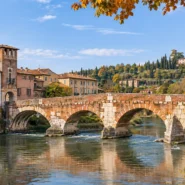
- Ponte Pietra, the Roman Theatre area and San Pietro viewpoint: best for river scenery and a manageable hill decision. Allow 90 minutes to two hours without the museum, adding 60–90 minutes if entering it. Bridge and public viewpoint access are free; the archaeological museum’s ordinary adult ticket is €9. The separate funicular costs €3 return or €2 one way. Walk across Ponte Pietra, then choose the hill steps or the operator’s station at Via Fontanelle Santo Stefano 6.
- Giardino Giusti: best for gardens and a slower morning in Veronetta. Allow 90 minutes to two hours, longer if you want to spend time in the apartment rooms as well. The owner lists €14 ordinary admission and €10 for eligible VeronaCard holders. Buy at the garden or through its genuine official ticket entry. The upper terraces involve steps and slopes; the lower garden is the more accessible part, and the apartments have no lift.
- San Fermo and Ponte Navi: best for a final church interior and a sensible river crossing back from Veronetta. Allow 45–60 minutes in the church, plus the nearby streets. San Fermo is another €4 single entrance or part of the €8 circuit; no ordinary individual reservation is needed. The operator identifies steep stairs as a wheelchair-access barrier. Do not confuse this site with San Zeno on the other side of the center.
These are ordinary adult face-value prices, not every possible reduction or booking fee. Check the municipal museum tariff, church ticket rules and garden’s actual ticket page for the party and product you intend to buy.
The Most Practical 5-Day Itinerary
Treat these as geographic modules. Before assigning dates, put the Arena and civic museums on their actual open days and reserve the chosen Juliet route. If Monday is in your stay, the garden-and-San-Fermo module is the easiest first swap, subject to those venues’ own notices. The city’s current calendar lists exceptional civic opening on Monday 7 December 2026, so normal weekday rules are a starting point, not a substitute for your calendar.
Day 1: Piazza Bra, the Arena and a Gentle Central Introduction
- Start: around 8:45am at Bra on an ordinary Arena opening day. Allow 30 minutes to orient yourself, then 45–75 minutes inside the monument if you want that visit.
- Order and transport: Piazza Bra → Arena → the nearby streets toward Via Roma and Corso Cavour → a short riverside look if you still want to walk. Stay on foot in this southern-central cluster; do not take a station detour to connect neighboring places.
- Lunch and rest: choose a nearby menu you are happy to pay for, then take a proper afternoon break. If arriving this morning, luggage drop and lunch can replace the Arena; reserve the monument for another open window rather than gambling on a delayed train.
- Optional cut: the extra river loop. Keep the square and one worthwhile interior rather than adding a museum simply because you have not yet filled every hour.
- Rain plan: shorten the exposed Arena and outdoor loop. Use an open indoor visit that genuinely interests you, or keep the afternoon free; a rainy Monday does not reopen the normal civic museum closures.
- Evening: Bra/Cittadella or a convenient meal near the accommodation. Add an opera or concert only after checking the actual performance, venue and separate ticket.
- Why this works: it gives a first-time visitor a useful southern reference point without forcing the northern hill into the arrival day. The wide gap after the principal visit is intentional.
Day 2: Erbe, the Civic Squares and the Correct Juliet Entrance
- Start: around 9am for the public squares on an ordinary day, allowing 45–60 minutes around Piazza delle Erbe and Piazza dei Signori before a comfortable reserved slot.
- Order and transport: Erbe → Signori → optional exterior look at the Scaliger Tombs → Teatro Nuovo in Piazzetta Navona for the reserved Juliet route → exit toward Via Cappello. Walk the compact cluster; let the actual booking time decide the short street order.
- Visit lengths: allow 45–75 minutes for the chosen Juliet route, including entry checks, then leave lunch flexible. This is an allowance, not a timed museum promise. If choosing Torre dei Lamberti, reserve a suitable window and allow another 45–60 minutes rather than trying to fit it into a ten-minute gap.
- Lunch and rest: eat after the fixed reservation near the central streets. Keep shopping or a café stop for the afternoon, when a little crowding does not threaten another appointment.
- Optional cut: the tower. The trip already includes a river viewpoint, and not everyone needs both. The Scaliger Tombs are a street-side look in this plan: their internal visit is seasonally closed from 2 November 2026.
- Rain plan: keep the house visit if booked and reduce the exterior loop. The courtyard-only route is not a substitute for the house interior in bad weather. Do not buy a second ticket by mistake when changing plans.
- Evening and efficiency: stay around Erbe or the adjoining central streets for dinner. This keeps the literary and civic landmarks together instead of walking back to Bra between every stop.
Day 3: Castelvecchio and the Western San Zeno Corridor
- Start: around 9:30am near Castelvecchio, entering at the normal 10am opening on Tuesday–Sunday. Give the galleries 90 minutes to two hours.
- Order and transport: museum → Ponte Scaligero stroll → return to the southern bank → continue west toward San Zeno. Walk the connected corridor; use a suitable bus or short taxi for a tiring return rather than crossing the center twice.
- Lunch and lengths: aim for lunch near San Zeno, followed by a 45–60-minute basilica visit. On Sunday, arrange the church after its 1pm tourist opening. A relaxed meal is a useful schedule buffer, not wasted sightseeing time.
- Optional cut: an extended river walk after the basilica. Museum attention, uneven paving and standing inside a church all count toward the day’s physical load.
- Rain plan: spend longer in the museum, travel directly to San Zeno and shorten the bridge photograph stop. If the day is Monday, move the museum module to another date before buying.
- Evening: eat in the western neighborhood if it suits your plans, or return directly to the hotel area. Check the actual restaurant opening rather than assigning a particular unverified table.
- Why this works: the west gets one coherent day. It avoids tagging San Zeno onto an afternoon already spent around Ponte Pietra at the other end of the center.
Day 4: Northern Churches, Ponte Pietra and a Daylight Hill Visit
- Start: around 10am on a winter weekday. Allow 45–60 minutes at the Cathedral complex and the same at Sant’Anastasia if you want both. Their weekday winter tourist hours normally begin at 10am; the Cathedral’s Saturday closure is earlier, at 3:30pm.
- Order and transport: Cathedral area → Sant’Anastasia → lunch near Ponte Pietra → cross the bridge → optional Roman Theatre archaeological museum → San Pietro viewpoint. Walk within the cluster, then choose the funicular instead of the hill steps if appropriate.
- Afternoon lengths: the archaeological museum needs 60–90 minutes, with its normal Tuesday–Sunday schedule checked first. If including it, visit before the hill, leaving a generous margin for the winter funicular, whose operator lists 10am–5pm in November–March.
- Lunch and rest: eat around the northern river streets before committing to the museum and hill. Make the optional decision while sitting down, rather than after starting a staircase.
- Optional cut: either the museum or the second church. On Sunday, start with public river streets and lunch, then use the afternoon church opening. Choose one church plus the viewpoint; fitting both churches and the museum after their Sunday openings is unnecessarily tight in winter.
- Rain plan: favor one or two church interiors and, on an open day, the archaeological galleries. Drop the hill if visibility or slippery steps remove its appeal. The funicular does not make every part of the outing fully accessible.
- Evening and efficiency: return toward the northern old-town streets or a convenient part of Veronetta for dinner. Pairing the river crossing and hill on one day avoids making a separate trip just for a sunset that may not materialize.
Day 5: Giardino Giusti, Veronetta and San Fermo
- Start: around 10am at Giardino Giusti, allowing 90 minutes to two hours. Its dedicated opening page currently states 10am–5pm, with last admission at 4pm. The site footer and tourism office’s seasonal summary show a later closing; use the earlier limit for planning and confirm your travel date with the venue.
- Order and transport: garden → nearby Veronetta streets → lunch → Ponte Navi → San Fermo. Walk toward the river once and cross toward the church, rather than returning north to Ponte Pietra out of habit.
- Lengths and lunch: give the neighborhood streets about an hour if you enjoy them, with a proper lunch before crossing or near the bridge. Allow 45–60 minutes for San Fermo. Sunday and religious-holiday winter tourist access starts at 1pm, which fits an after-lunch visit.
- Optional cut: the garden’s upper terraces or the additional apartment rooms if stairs or fatigue are the issue. The lower garden can be a worthwhile visit in its own right; confirm accessibility and ticket scope first.
- Rain plan: move the garden to a better-weather slot where possible, keeping San Fermo if appropriate. The apartment is not a fully accessible, step-free substitute; the tourism office says it has no lift. Use an open indoor attraction you have actually chosen or keep time for packing.
- Evening: finish around the central streets reached from San Fermo or return directly to your base. On a departure day, remove the upper garden and neighborhood wandering before compromising the luggage collection or train.
- Why this works: the eastern neighborhood gets attention without being mixed with western San Zeno. It also offers a useful Monday module, when the garden and church normally operate but the main civic museums do not.
The church operator’s current winter calendar and the municipal museum calendar should determine your final dates. Neither a five-day stay nor a prepaid pass makes a closed interior available.
Tourist Traps to Avoid & Itinerary Hacks
- Five days do not require five distant excursions. This is a slower city itinerary. If you want a Lake Garda outing, replace a whole module and independently plan its transport and seasonal attraction access. Do not bolt an unverified last boat onto a full Verona hill day.
- Juliet’s courtyard is no longer an unreserved free stop. Both paid routes use a reservation and the Teatro Nuovo entrance. A valid card or other free entitlement does not replace that reservation.
- The ticket provider changed recently. The city announces a new civic ticketing system from 1 October 2026. Use the current official Verona CoopCulture portal, reached through the municipal calendar, rather than a saved MidaTicket link.
- Do not plan the Scaliger Tombs’ internal route in the closed season. The municipal notice starts seasonal closure on 2 November 2026. An exterior street view is a different visit.
- Do not buy the longest pass before arranging the dates. The €38 transport-inclusive card covers 48 hours, not five days. Spending slowly can make individual tickets and the church circuit a better fit, even when a dense two-day plan would favor a pass.
- Keep sunset ambitions separate from the ride timetable. The funicular operator’s winter closing is 5pm. A generic year-round late-opening summary, an old film or a pretty evening photograph does not extend it.
- Read menus and booking conditions. Check the actual cover charge, included breakfast, drinks and cancellation terms. A landmark location is not proof of bad value; a cheap-looking headline is not proof of a low total.
- Protect a weather buffer. Make the garden and hill swappable before prepaying multiple fixed appointments. Rain can reduce the value of an outdoor view without making a different, sold-out slot available.
Save Your Legs! The Most Efficient Route
The five clusters deliberately give each direction its own place: southern Bra, the central civic/literary streets, the west, the northern river crossing, and eastern Veronetta with San Fermo. Walking links neighboring attractions naturally; there is no metro or useful reason to return to Porta Nuova for each short central leg. The railway is relevant for arrival, departure or a separately planned excursion, not as a circular sightseeing shuttle.
Use ATV’s current journey information for a station-to-hotel connection, a western return or a longer hotel approach. Match the stop, direction, weekday and time; evening and holiday services are not identical to a weekday daytime route. Buses can be slower or fuller when traffic and events are busy. A licensed taxi can be sensible for a tiring end-of-day transfer or luggage move, especially when sharing the cost, but confirm the fare basis rather than treating an unrelated airport tariff as a city quote.
The hill steps, bridge paving, church stairs and long periods standing are the real effort traps. Choose one upper viewpoint instead of insisting on every climb. San Zeno has only partial wheelchair access; San Fermo’s operator flags steep stairs. Castelvecchio’s current operator says strollers are not admitted, and Juliet’s operator lists the courtyard as the accessible portion and excludes strollers from the route. Ask about your exact needs before paying for an interior that a mobility aid cannot reach.
Choose the base by the complete stay. Bra/Cittadella balances the southern sights and arrivals; Erbe puts central evenings nearby but can mean noise or a longer luggage approach. San Zeno fits the west but adds distance to the north. Veronetta suits the eastern day and a neighborhood atmosphere, with bridge crossings and the building’s exact address still relevant. The Verona neighborhood guide compares those trade-offs. Staying put generally beats changing hotel just to save one central walk.
Confirm hotel luggage storage and collection hours before making arrival or departure day into a sightseeing day. Where external lockers or a staffed store are needed, check capacity, bag dimensions, actual charges and operating hours. Luggage forwarding needs a confirmed arrival date and a receiving property; it is not an assumed same-day fix. Leave the main cases stored while visiting the garden, museum levels and hill.
Ticket Tips & Skip-the-Line Hacks
Book the date-sensitive visits first. For Juliet’s House, choose between the €5 courtyard route and €12 full route, reserve online and check the actual Teatro Nuovo admission instructions. Ordinary Monday hours are 2–7pm; Tuesday–Sunday normally run 9am–7pm. The operator currently lists a 9am opening on 7 December 2026 as an exception. Do not arrive at the Via Cappello exit expecting a box office to solve an absent reservation. Official routes and visit rules.
Distinguish an admission code from an exchange voucher. The official Castelvecchio product provides mobile-ticket and print-at-home options. Save the supplied code and follow the venue’s checking procedure. A third-party voucher can require exchange before a pass is usable. Do not promise that every ticket in a travel app lets you bypass the ticket desk and scan directly at every door.
Churches have a different system. Ordinary €4 single tickets are sold on site only, without reservation or advance purchase. The €8 circuit covers one visit to each of San Zeno, the Cathedral complex, Sant’Anastasia and San Fermo within 90 days, and can be bought online or at their ticket offices. Across this five-day route, that circuit avoids paying €16 for four separate full-price church entries. Eligible free or reduced visitors should compare their own terms. No advance booking is needed for the free public squares and bridges.
Use the pass for a real window of visits. The current transport-inclusive VeronaCard is €33/24 hours or €38/48 hours. A sample ordinary-adult basket of Arena €12 + full Juliet route €12 + Castelvecchio €9 + four-church circuit €8 + Giusti €14 totals €55 at the listed face values, before any online fees or optional extras. That is a five-day basket, not proof a 48-hour card covers it: Giusti is discounted rather than included, and any visit outside the card’s period needs its own entitlement.
For comparison, add your chosen paid sights and useful urban bus rides within the actual validity window, then price the exclusions separately. The card excludes Aerobus, extraurban buses and the funicular. Lamberti’s ordinary admission is €6; VeronaCard covers the stairs but the lift costs €1 extra. Reservations for the tower are recommended by its operator. The official tourism office specifies Arena priority access at gate 5 and says other included sights do not have general skip-the-line priority. Follow the current digital-wallet activation and bus-validation instructions, and check the expiry rather than assuming five consecutive calendar days.
For the garden, use the owner’s genuine ticket entry or its on-site ticket office. Published hours conflict: the dedicated owner opening page currently says 10am–5pm, last admission 4pm, while the site footer and tourism office’s seasonal summary say 10am–6pm. This route starts at 10am and uses the earlier 4pm admission cutoff and 5pm finish until the venue confirms otherwise. Do not plan a late arrival from the broader seasonal summary. Private events can change access. The garden prohibits picnics, so plan lunch outside.
If you prefer a reseller comparison, the genuine Klook VeronaCard listing has real package options. Compare the final price and voucher-redemption process with the official product. Its general opening information contains inconsistencies with the current municipal calendar; use official venue rules and do not rely on a universal fast-track claim. This is an affiliate link. There is no reason to buy a second pass simply because an itinerary lasts longer than the first.
Tried & Tested: My Honest Review
The following assessments explain the eight anchors’ practical value. They are research-based, not a claim of personal testing. Genuine published videos give visual context; neither their narration nor old signage verifies current prices, reservations or access. They are not a representative survey of visitor opinions.
📍 Stop 1: Arena and Piazza Bra
Tags: Roman landmark · outdoor steps · easy first orientation
✅ What Other Travelers Say: WonderJourneys’ visual documentary shows the exterior, internal passages and tiered seating. Use that record to decide whether going inside matters to you, rather than treating a view count as a recommendation from every traveler.
⚠️ The Catch (Things to Keep in Mind): Exposure, steps and event preparations affect the experience. Monument admission does not include an evening performance, and an attractive square photograph does not prove the interior is open on your date.
📍 Stop 2: Erbe, Signori and Juliet’s Streets
Tags: central squares · literary attraction · online reservation
✅ What Other Travelers Say: PixelPulse Travels’ walk gives a street-level record of the squares, shopping streets and familiar Juliet-side area. Its pedestrian scenes help visualize the setting without establishing a current crowd forecast or review consensus.
⚠️ The Catch (Things to Keep in Mind): The correct entry is now through Teatro Nuovo. The house is a literary-associated museum; visiting is optional if the Shakespeare connection leaves you cold. The public squares still make a worthwhile central walk.
📍 Stop 3: Castelvecchio Museum and Ponte Scaligero
Tags: art · Scarpa architecture · level changes
✅ What Other Travelers Say: 99archi’s footage shows galleries, the courtyard and passages with changing levels and materials. It supports giving the architecture time, rather than making up a universal visitor ranking.
⚠️ The Catch (Things to Keep in Mind): A bridge stroll and a museum visit have different time and ticket requirements. The no-stroller rule and partial accessibility deserve a check before purchase; normal Monday closure also applies.
📍 Stop 4: Basilica of San Zeno
Tags: Romanesque detail · western lunch stop · later Sunday opening
✅ What Other Travelers Say: Inside Verona shows the façade, cloister, bronze doors and interior details. That visual record is more useful for deciding your interests than an invented statement that all travelers prefer one church to another.
⚠️ The Catch (Things to Keep in Mind): The basilica is west of the central attractions, so grouping it with Castelvecchio is deliberate. Tourist access begins later on Sunday, and wheelchair access is partial.
📍 Stop 5: Cathedral Complex and Sant’Anastasia
Tags: northern church cluster · choose one or both · worship-sensitive hours
✅ What Other Travelers Say: Trillionex Travel’s Sant’Anastasia film shows its exterior and ornate interior. It previews that church specifically; it is not a filmed tour of every building in the separate Cathedral complex.
⚠️ The Catch (Things to Keep in Mind): Two churches can feel repetitive if you are visiting only to tick names off. Choose your preferred interior and respect service restrictions. Sunday afternoon starts and the Cathedral’s earlier Saturday closing matter more than another saved map pin.
📍 Stop 6: Ponte Pietra and the San Pietro Viewpoint
Tags: river panorama · hill choice · separate funicular fare
✅ What Other Travelers Say: Coaster Trek shows the funicular cabin and track, river views and the theatre hillside. This is useful geographic orientation, not verification of a present-day timetable or a castle-interior ticket.
⚠️ The Catch (Things to Keep in Mind): Plan for the viewpoint, not an unverified building tour. The Roman Theatre museum is a separate decision, and the winter ride closes at 5pm. If the view is poor, keeping a relaxed lunch is a reasonable alternative.
📍 Stop 7: Giardino Giusti
Tags: formal garden · terraced slopes · slower eastern morning
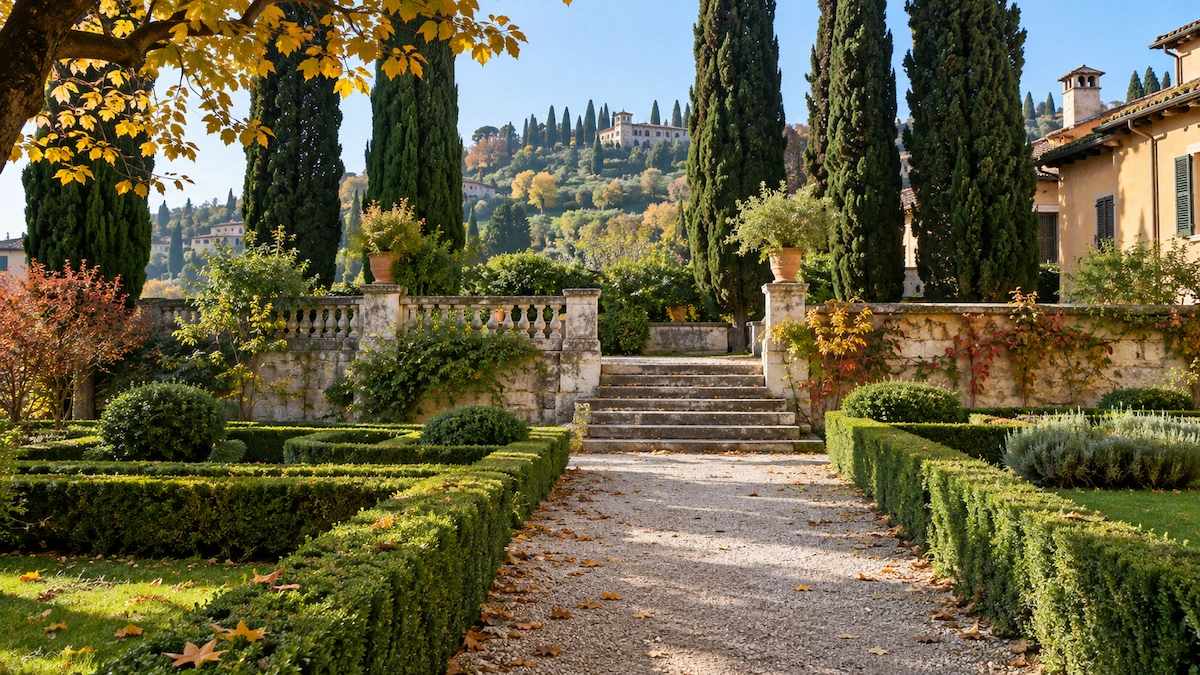
✅ What Other Travelers Say: AZZURRAMUSICable’s published garden film shows hedges, cypress rows, paths and sculptures. It helps identify the garden’s character; seasonal appearance and present planting conditions can differ from the footage.
⚠️ The Catch (Things to Keep in Mind): This is a separate paid visit, with only a reduced price for VeronaCard holders. Upper levels involve slopes and stairs, the apartments have no lift, and a picnic is not permitted. Buy for the garden you want, not for an assumed free pass inclusion.
📍 Stop 8: San Fermo and the Riverside
Tags: church architecture · Ponte Navi connection · stepped interior
✅ What Other Travelers Say: Travel And Discover’s film shows San Fermo’s exterior and portal details alongside riverside and bridge scenes. It provides visual context for this connection, rather than proving a complete current interior route.
⚠️ The Catch (Things to Keep in Mind): The operator flags steep stairs and lack of wheelchair access. Keep it an interest-led final visit, not a compulsory stop after everyone has already had enough church interiors.
Key FAQs
Is five days too long for a first visit to Verona?
It is more time than needed for the main headline landmarks, but it suits slow museum visits, garden time, families and regular breaks. Choose this plan for that pace. If you prefer variety outside the city, replace a full module with a separately checked excursion rather than squeezing both into one day.
How do I organize a Verona 5-day itinerary that includes Monday and Sunday?
Use the garden-and-San-Fermo module on Monday when those venues’ notices permit, keeping normally closed civic museums on other dates. On Sunday, put church interiors after their actual tourist opening and simplify the northern hill day. Check exceptional openings before fixing the bookings.
Should I buy a VeronaCard for all five days?
There is no five-day product in the current 24/48-hour offering. Calculate what fits a real validity window, then compare exclusions and remaining days with individual tickets. The €8 four-church circuit lasts 90 days for its four one-time visits and can suit a slower itinerary particularly well.
Final Verdict and Your Next Step
The strength of five days is having time to change your mind: a shorter hill outing, a longer museum visit, a garden morning in better weather and a proper lunch without watching a second reservation approach. Keep the geographic modules intact and let actual opening dates determine the order.
Check the current official museum calendar and booking portal, reserve the Juliet route you want and decide which interiors genuinely matter. Compare the official VeronaCard with the church circuit and individual admissions. The genuine Klook VeronaCard package page is an optional affiliate comparison; read its exchange conditions and use current official venue rules. Buy the fixed parts early, then keep enough of the five-day plan flexible to enjoy it.