
💡 Key Takeaways
- Build your 3-day Kyoto itinerary around three geographic zones: Fushimi and Higashiyama, Arashiyama and northwestern Kyoto, then central Kyoto and Gion.
- Start Fushimi Inari before 7:30 a.m. and Arashiyama before 8:00 a.m.; arriving “just after breakfast” is when the tour groups usually catch up.
- Use trains and the subway for the long cross-city legs. Treat buses as short last-mile connections, not as your default transport.
- Most headline temples do not offer a genuine skip-the-line ticket. Nijo Castle is the important exception where an official advance web ticket can save time.
- Do not drag luggage through Higashiyama, Gion, Nishiki Market or the Arashiyama bamboo grove. Store it at Kyoto Station or use same-day delivery.
Planning the perfect 3-day Kyoto itinerary sounds easy until you look at a map and assume every famous temple is close to every other famous temple. It is not. Kyoto’s biggest first-timer problem is not a lack of things to do; it is trying to do Fushimi Inari, Kiyomizu-dera, Arashiyama, Kinkaku-ji, Nishiki Market and Gion in one frantic zigzag. That plan looks efficient in a social-media reel and feels miserable on the ground.
I have made the classic mistakes: waiting for a bus that crawled through traffic, arriving at Nishiki Market before half the shops opened, climbing steep stone lanes after an unnecessary cross-city transfer, and treating the Fushimi Inari summit as a quick photo stop. This guide fixes those problems. It keeps the must-see sights, but rearranges them around geography, opening times, crowd patterns and realistic energy levels.
Information check: opening hours, admission rules and transport products referenced below were checked against official sources on August 2, 2026. Kyoto’s temples, seasonal illuminations and special viewing areas can change their rules, so always recheck the official website shortly before your visit.
The 1-Min Cheat Sheet
- Fushimi Inari Taisha — Best for photographers, shrine lovers and active first-time visitors. Allow 1.5 to 2.5 hours for the lower and middle trails, or about 3 hours for the full summit loop. General entry is free. Use JR Inari Station from Kyoto Station or Keihan Fushimi-inari Station from the Gion and downtown side. No reservation is required. Arrive between 6:30 and 7:30 a.m. The catch: the trail is a real uphill hike, not a flat tunnel of gates, and the lower section becomes intensely crowded later in the morning.
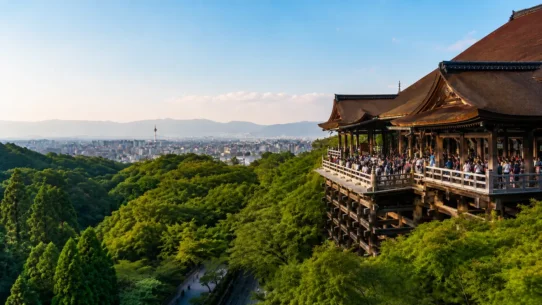
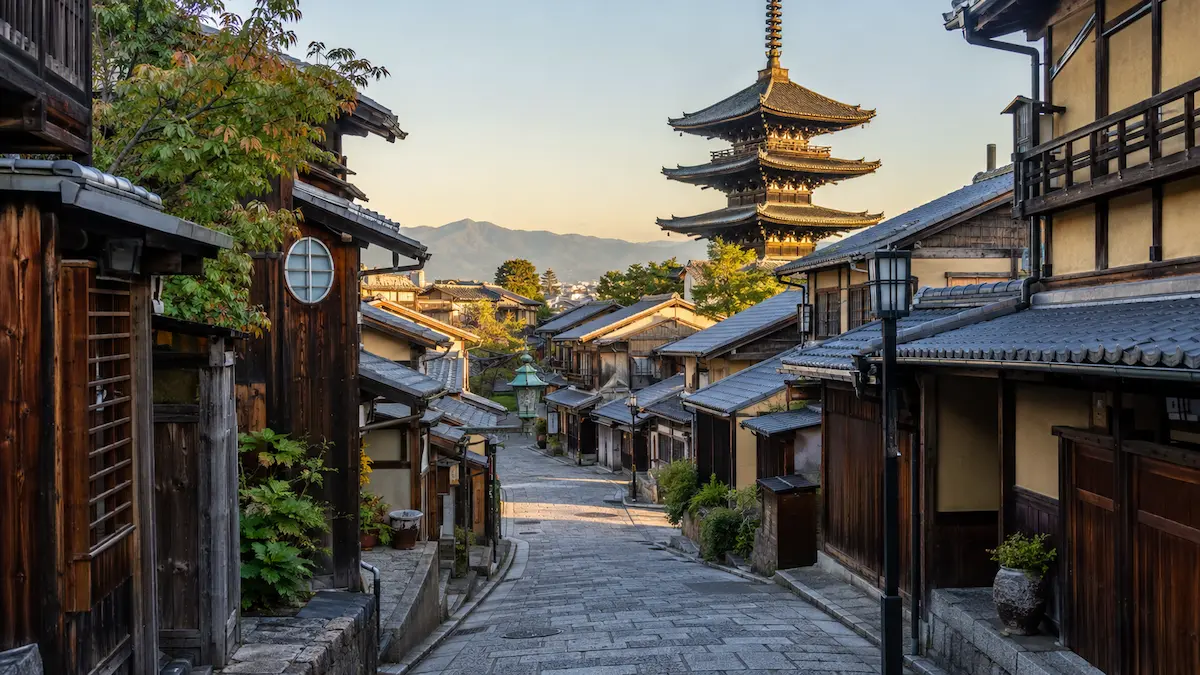
- Kiyomizu-dera and the Higashiyama Streets — Best for architecture, historic streets, views and a classic first Kyoto experience. Allow 2.5 to 4 hours including Sannenzaka, Ninenzaka and the walk toward Yasaka Shrine. Adult temple admission is currently ¥500; the surrounding streets are free. Kiyomizu-gojo Station is the nearest major railway stop, but the final approach is uphill; Gojozaka and Kiyomizu-michi are the common bus stops. No standard reservation is required. Visit the temple around 9:15 a.m. on this route, or at 6:00 a.m. on a separate sunrise visit. The catch: steep slopes, stone paving, stairs and narrow streets make this area hard with large luggage, weak knees or a fully loaded stroller.
- Arashiyama, Tenryu-ji and the Bamboo Grove — Best for scenery, gardens, couples and travelers who want a softer nature day. Allow 3.5 to 5 hours before moving to Kinkaku-ji. The bamboo grove and Togetsukyo Bridge are free; Tenryu-ji’s garden is ¥500 for high-school age and above, with an additional ¥300 for the buildings. Use JR Saga-Arashiyama Station, Randen Arashiyama Station or Hankyu Arashiyama Station. The core outdoor sights need no reservation, but restaurant bookings are wise in peak seasons. Arrive by 7:30 to 8:00 a.m. The catch: the famous bamboo section is smaller than many visitors expect and loses much of its atmosphere when packed.
- Kinkaku-ji — Best for first-time visitors, photographers and travelers who want one instantly recognizable Kyoto landmark without a long visit. Allow 45 to 75 minutes. General admission is ¥500. The temple has no rail station at its gate; combine Randen with a short bus or taxi from Kitano-Hakubaicho, or use a bus from JR Enmachi or Kitaoji Subway Station. No individual reservation is normally required. Visit shortly after opening or in the early afternoon after Arashiyama. The catch: it is a controlled one-way viewing route, often crowded, and the visit is more about the iconic view than a deep temple experience.
- Nijo Castle, Nishiki Market and Gion — Best for history, food, shopping and a lower-intensity final day. Allow 1.5 to 2.5 hours at Nijo Castle, 60 to 90 minutes at Nishiki Market and 1.5 to 2 hours around Gion. Nijo Castle plus Ninomaru Palace is ¥1,300 for general admission; Nishiki and Gion are free. Use Nijojo-mae Subway Station, then Shijo Station or Kyoto-kawaramachi Station for the market, and Gion-shijo Station for Gion. Advance booking is useful for Nijo Castle and required for the limited Honmaru Palace slots; Nishiki and Gion need no reservation. Start Nijo at opening, reach Nishiki before lunch peaks, and see Gion near dusk. The catch: many Nishiki shops close on Wednesdays, opening hours vary by shop, and photography is not permitted on some private Gion lanes.
Tourist Traps to Avoid & Itinerary Hacks
- Trap: putting Arashiyama, Fushimi Inari and Kiyomizu-dera in one day. These attractions sit in different directions and each deserves an early start. A one-day checklist tour can physically reach them, but you will spend the best light and quietest hours in transit. Hack: give Fushimi and Higashiyama Day 1, then protect a separate early morning for Arashiyama.
- Trap: taking a direct sightseeing bus from Kyoto Station for every trip. Kyoto buses are useful, but they are vulnerable to traffic and can be too full to board in peak seasons. Official Kyoto guidance specifically recommends rail-first routes for major areas. Hack: use JR for Fushimi and Arashiyama, Keihan for the eastern side, and the subway for Nijo Castle; use a bus or taxi only for the final short connection to Kinkaku-ji or Kiyomizu-dera.
- Trap: treating Fushimi Inari as a 30-minute photo stop. The famous gate tunnels are near the bottom, but the atmosphere improves as you climb. Hack: decide in advance whether your turnaround point is the lower Senbon Torii, the Mitsutsuji junction or the Yotsutsuji viewpoint. Do not begin the full summit loop simply because the path continues.
- Trap: arriving at Nishiki Market for an early breakfast. Nishiki is not a wholesale market that springs to life at dawn. Each shop keeps its own schedule, and many open later in the morning. Hack: arrive around 10:30 to 11:15 a.m., before the tight lane reaches its lunch crush. Avoid Wednesday when possible because many businesses close.
- Trap: expecting a quiet bamboo forest at 10:00 a.m. The grove is a public path and cannot control entry. Hack: arrive before Tenryu-ji opens, walk the bamboo first, then return to Tenryu-ji at 8:30 a.m.
- Trap: buying a pass because “Kyoto buses are expensive.” A pass is only a bargain when it matches your route. This itinerary intentionally uses several different rail operators, short walks and occasional taxis. Hack: compare the pass price with your actual rides. An IC card is often simpler, while a Keihan digital pass only makes sense if you will make enough Keihan journeys.
- Trap: assuming “skip the line” means instant temple entry. Fushimi Inari is free, while Kiyomizu-dera, Tenryu-ji and Kinkaku-ji generally use straightforward on-site admission. Third-party products may be tours or transport bundles, not a special fast-entry lane. Hack: buy Nijo Castle’s official web ticket, but do not pay a premium for imaginary priority access elsewhere.
- Trap: wearing rented kimono for the hardest walking day. Higashiyama’s slopes and Fushimi Inari’s stairs are tiring in regular shoes. Hack: schedule kimono or a tea ceremony on Day 3, when the route is flatter and easier to shorten.
- Trap: waiting in Gion to photograph a maiko. Gion is a living neighborhood, not an outdoor performance set. Private streets and photography restrictions must be respected. Hack: enjoy the architecture, book a legitimate cultural experience and keep moving rather than blocking lanes or following residents.
The Perfect 3-Day Itinerary at a Glance
Day 1: Fushimi Inari, Kiyomizu-dera and the Higashiyama District
Why this grouping works: Fushimi Inari sits south of the city, while Kiyomizu-dera, Yasaka Shrine and Gion form a natural northbound chain along Kyoto’s eastern side. Keihan Railway links the southern and eastern sections without forcing you back through Kyoto Station.
- Suggested start: Leave your hotel around 6:00 to 6:30 a.m. and reach Fushimi Inari by approximately 6:45 to 7:00 a.m.
- Main sequence: Fushimi Inari lower shrine and torii trail → Keihan Railway northbound → Kiyomizu-dera → Sannenzaka → Ninenzaka → optional Kodai-ji → Yasaka Shrine → Gion or Gion Shirakawa.
- Transport between stops: Use JR Inari if you are staying at Kyoto Station. If you are based near Kawaramachi or Gion, use Keihan. After the shrine, board Keihan at Fushimi-inari Station and travel north. From Kiyomizu-gojo, either walk 25 to 30 minutes uphill or take a short taxi to save your legs for the historic streets.
- Estimated walking and difficulty: Roughly 14,000 to 18,000 steps, depending on how high you climb at Fushimi. Difficulty is moderate to hard because of stairs, uphill paths and uneven stone paving.
- Lunch strategy: Do not wait until the most crowded section of Ninenzaka at 12:30 p.m. Eat early around 11:30 a.m., or walk a few blocks away from the headline lanes toward Higashioji-dori. Restaurants directly beside the most photographed slopes often trade on location more than value.
- Easiest optional stop to cut: Kodai-ji. It is worthwhile, but it is the first place to remove if Fushimi took longer than expected or the heat is draining you.
- Rain or low-energy alternative: Shorten Fushimi to the lower gate tunnels, then replace the long Higashiyama street walk with Sanjusangen-do and the Kyoto National Museum area. Use taxis for the uphill and downhill Kiyomizu legs if you still want the temple.
Practical timing: Leave Fushimi around 8:45 a.m., reach the Kiyomizu area around 9:30 a.m., and move downhill rather than climbing the shopping streets toward the temple. You will meet crowds, but the one-way downhill flow is much less punishing than arriving at noon and fighting uphill. Aim to reach Yasaka Shrine by mid-afternoon, then pause for coffee before seeing Gion near dusk.
Day 2: Arashiyama and Northwestern Kyoto
Why this grouping works: Arashiyama and Kinkaku-ji are not next door, but they are on the same western side of the city and can be linked by the Randen tram network plus one short last-mile ride. This is far more logical than visiting Arashiyama and then crossing all the way to Kiyomizu-dera.
- Suggested start: Reach the Arashiyama area by 7:30 to 7:45 a.m.
- Main sequence: Bamboo Grove → optional Okochi Sanso area → Tenryu-ji at opening → Togetsukyo Bridge and riverside → early lunch → Randen to Kitano-Hakubaicho → short bus or taxi → Kinkaku-ji → optional Ryoan-ji only if energy remains.
- Transport between stops: From Kyoto Station, the JR Sagano Line is fastest. From downtown, Hankyu or the subway-plus-Randen route can be more comfortable. To reach Kinkaku-ji, take Randen from Arashiyama, change at Katabiranotsuji for the Kitano Line, then use a short bus or taxi from Kitano-Hakubaicho.
- Estimated walking and difficulty: Around 10,000 to 14,000 steps. Difficulty is moderate. The central Arashiyama area is manageable, but the Monkey Park adds a steep climb and should not be treated as a casual add-on.
- Lunch strategy: Eat by 11:00 or 11:30 a.m. Arashiyama’s central restaurants develop long queues quickly. A reservation is valuable during cherry blossom, autumn foliage and holiday periods. Do not spend 90 minutes queueing for a viral snack while your afternoon route collapses.
- Easiest optional stop to cut: Ryoan-ji. Keep Kinkaku-ji as the main northwestern finish and add Ryoan-ji only when you are ahead of schedule and still interested in another temple.
- Rain or low-energy alternative: Visit Tenryu-ji and a short section of the bamboo grove, then return toward central Kyoto for the Kyoto Railway Museum or a long lunch. Bamboo paths and riverside areas can become slippery and less pleasant in heavy rain.
Practical timing: Walk the bamboo grove before 8:15 a.m., enter Tenryu-ji at 8:30 a.m., finish the core Arashiyama loop by 11:30 a.m., then travel to Kinkaku-ji after lunch. This gives Kinkaku-ji enough time without pretending it is a half-day destination. The temple’s compact one-way route usually fits comfortably into an hour.
Day 3: Nijo Castle, Nishiki Market and Gion at Dusk
Why this grouping works: Day 3 deliberately has a gentler pace. Nijo Castle connects directly to the subway, Nishiki Market sits near central shopping streets, and Gion is an easy final walk or one short train ride away. It also leaves room for shopping, a tea ceremony or an early departure.
- Suggested start: Arrive at Nijo Castle around 8:35 a.m. for its 8:45 a.m. opening.
- Main sequence: Nijo Castle and Ninomaru Palace → subway to Shijo → Nishiki Market → Teramachi or Shinkyogoku arcades → hotel or café break → Gion Shirakawa → Hanamikoji public streets → Yasaka Shrine or Pontocho dinner.
- Transport between stops: Use Nijojo-mae Station on the Tozai Subway Line. Change at Karasuma Oike for one stop to Shijo, then walk to Nishiki. From Nishiki, Gion is walkable in roughly 20 minutes, or use Hankyu/Keihan depending on your exact destination.
- Estimated walking and difficulty: Roughly 10,000 to 13,000 steps. Difficulty is easy to moderate and can be reduced with a taxi between central Kyoto and Gion.
- Lunch strategy: Treat Nishiki as a tasting stop, not a guaranteed seated lunch. Choose two or three specialties and eat them at the shop as requested. Then sit down at a restaurant in the surrounding streets. Walking while eating is discouraged by the market.
- Easiest optional stop to cut: Teramachi and Shinkyogoku shopping. They are useful in rain, but expendable when you would rather rest before Gion.
- Rain or low-energy alternative: Keep Nijo Castle and Nishiki Market, both of which offer substantial covered sections, then replace a long Gion walk with a prebooked tea ceremony or cultural performance.
Practical timing: Spend approximately 8:45 to 10:45 a.m. at Nijo Castle, reach Nishiki around 11:15 a.m., leave the market by 12:45 or 1:00 p.m., and take a genuine break. Gion is more enjoyable when you are not arriving with aching feet and shopping bags.
Save Your Legs! The Most Efficient Route
The core logic is simple: travel in one direction within each day, and use rail for the long jump. Day 1 moves north from Fushimi into eastern Kyoto. Day 2 stays west, linking Arashiyama with Kinkaku-ji. Day 3 uses the subway to reach central Kyoto, then finishes on foot near the river and Gion.
Attractions that belong together: Fushimi Inari and Kiyomizu-dera work on the same day because Keihan Railway connects their wider districts. Kiyomizu-dera, Sannenzaka, Ninenzaka, Yasaka Shrine and Gion form a continuous downhill-to-flat walk. Arashiyama, Randen and Kinkaku-ji make a workable western route. Nijo Castle, Nishiki Market and Gion create a flexible central day.
Attractions that look compatible but are not: Arashiyama and Fushimi Inari are on opposite sides of Kyoto and both benefit from the earliest hours. Kinkaku-ji and Kiyomizu-dera are iconic temples but sit across the city with no elegant direct railway connection. The Philosopher’s Path looks close to Gion on a tourist map, yet adding its full length after Kiyomizu creates another major walking block. Save it for a fourth day with Ginkaku-ji and the Okazaki area.
Train, subway, bus, walking or taxi? Use JR for Kyoto Station to Fushimi Inari and Saga-Arashiyama. Use Keihan for the eastern side and the Fushimi-to-Higashiyama connection. Use the subway for Nijo Castle and cross-city central transfers. Use buses only for short last-mile sections such as Kitano-Hakubaicho or Enmachi to Kinkaku-ji. A taxi is excellent value when it replaces a steep 25-minute approach, an unreliable crowded bus or a connection shared by two to four travelers.
Hard walking sections: Fushimi Inari has long staircases and continuous uphill stretches. Kiyomizu-dera’s approach is steep, while Sannenzaka and Ninenzaka use stone paving that can be slippery in rain. Arashiyama Monkey Park is a genuine uphill hike. The bamboo grove itself is easier, but the area is busy and not pleasant with a large suitcase. Gion’s narrow lanes and Nishiki Market’s cramped passage are unsuitable for bulky luggage. Large strollers are possible in some public areas but awkward on temple stairs and crowded stone streets.
Where to stay:
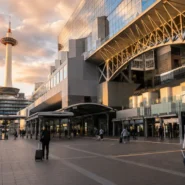
- Kyoto Station: Best for first-time rail users, airport access, day trips and convenient luggage storage. JR provides easy access to Fushimi Inari and Arashiyama. The downside is that evenings feel less atmospheric, and reaching Gion or Higashiyama usually requires another ride.
- Shijo-Kawaramachi or Shijo-Karasuma: Best overall balance for dining, shopping, Nishiki Market, Gion and multiple railway lines. It is the most practical base for this exact itinerary. The downside is heavier street activity and potentially higher weekend prices.
- Gion or Higashiyama: Best for atmosphere, early Kiyomizu walks and special-occasion stays. The downside is fewer effortless cross-city connections, more stone lanes, more walking with luggage and often higher room rates.
Arrival and departure day luggage strategy: Store bags at Kyoto Station, use a staffed storage counter or arrange delivery to your accommodation. Kyoto’s official tourism guidance promotes hands-free travel, and Kyoto Station has lockers plus delivery services. Same-day delivery availability and cut-off times vary, so check before arrival. On departure day, ask your hotel to hold your bags or send them onward rather than bringing them to Nishiki Market, Gion or a crowded bus.
Official planning resources: Getting Around Kyoto, Kyoto Congestion Forecast, and Kyoto Luggage Services.
Ticket Tips & Skip-the-Line Hacks
Always check the official site before departure. Seasonal night viewings, special exhibitions, palace closures and temple ceremonies can change the normal schedule. Confirm the latest opening time, last admission, closed days and reservation rules 24 to 72 hours before your visit.
Nijo Castle is the attraction where advance purchase matters most. Its official website sells advance web tickets for castle admission and Ninomaru Palace. Honmaru Palace has limited capacity and normally requires an advance reservation; only a small number of same-day spaces may be released. Buying online can reduce time at the ticket office, but it does not turn security checks or crowded interior routes into a private visit. Use the official Nijo Castle ticket page.
Kiyomizu-dera, Tenryu-ji and Kinkaku-ji: standard same-day admission is normally sufficient. These temples do not advertise a universal, official skip-the-line lane for ordinary visitors. Arriving early is more valuable than buying an inflated third-party bundle. Fushimi Inari’s general shrine grounds are free, so there is no entry ticket to skip.
Digital and QR transport products: Kyoto offers selected digital rail passes, including a Keihan Kyoto pass. A digital pass can be convenient, but it only saves money when the included rail area matches your journeys. This three-day route does not automatically justify a pass every day. Compare the adult pass price with point-to-point fares and read the activation or redemption conditions carefully.
Affiliate booking options checked as live purchase pages:
- Check the Kyoto & Osaka Sightseeing Pass by Keihan Railway on Klook. Useful for travelers making several Keihan trips; not automatically good value for one short ride.
- Compare the Keihan Railway One-Day Pass on KKday. The listed product includes e-ticket options, but confirm whether your chosen package is direct-use or requires redemption.
- View an eastern Kyoto guided walking tour on Klook. This is a guided experience, not a magical fast-entry temple ticket.
- Check an Arashiyama and Kinkaku-ji bus tour on KKday. It can suit visitors with limited mobility or low confidence using transit, but independent travelers get more control over early-morning crowd timing.
A QR code is not always the final ticket. Some products provide a mobile voucher that must be exchanged, while others allow direct digital entry or activation. Read the “how to use” section rather than relying on the words “instant confirmation.” Also avoid a Kyoto pass that must be redeemed at Kansai Airport if you have already arrived in the city; that redemption condition can erase the convenience you thought you were buying.
Tried & Tested: My Honest Review
📍 Stop 1: Fushimi Inari Taisha
Tags: Free Entry · Early-Morning Essential · Moderate-to-Hard Climb · Best Photography Before 8:00
Fushimi Inari earns its fame, but only when you approach it as a mountain shrine rather than a red-gate photo studio. The lower tunnels are visually striking and also the busiest. Walk beyond the first dense cluster and the experience becomes quieter, greener and more spiritual. My preferred first-timer plan is to reach the Mitsutsuji area or continue to the Yotsutsuji viewpoint if the weather is cool and your knees feel good.
✅ What Other Travelers Say: Visitors consistently praise the fact that the shrine is open around the clock, free to enter and easy to reach by rail. Many also say the atmosphere improves dramatically once they walk beyond the first photo bottleneck.
⚠️ The Catch (Things to Keep in Mind): The full circuit takes longer than expected, summer humidity is punishing, and the descent can be hard on knees. Shops and staffed shrine facilities may not operate at the same early hour as the grounds. Carry water, wear proper shoes and set a turnaround time.
📍 Stop 2: Kiyomizu-dera and the Higashiyama Streets
Tags: Classic Kyoto · Steep Approach · Historic Streets · Heavy Midday Crowds
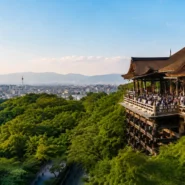
Kiyomizu-dera is not overrated, but the approach can be. The wooden stage and eastern hills deliver a genuine sense of place; the problem is the narrow commercial route that becomes a slow-moving wall of people. The smart move is to arrive from below by taxi or determined uphill walk, visit the temple, then continue downhill through Sannenzaka and Ninenzaka. That keeps the day flowing instead of forcing you to climb the same streets twice.
✅ What Other Travelers Say: Travelers love the views, seasonal color and combination of temple architecture with preserved streets. Many consider this area the single best introduction to traditional Kyoto.
⚠️ The Catch (Things to Keep in Mind): The photogenic lanes are commercial and crowded, not a silent preserved village. Steps and stone surfaces become slippery in rain. Stroller users and travelers with mobility limitations should use a taxi for the upper approach and be ready to skip some side lanes.
📍 Stop 3: Arashiyama, Tenryu-ji and the Bamboo Grove
Tags: Scenic Morning · Garden Highlight · Free Bamboo Path · Crowd-Sensitive
Arashiyama is worth half a day, but the bamboo grove alone is not worth crossing Kyoto for. The area works when you combine the grove with Tenryu-ji’s garden, the river, Togetsukyo Bridge and a quiet side street. Visit only the famous bamboo strip at midday and you may leave wondering what the fuss was about. Visit at dawn, then enter Tenryu-ji at opening, and the district makes much more sense.
✅ What Other Travelers Say: Early visitors praise the atmosphere and photography, while garden lovers often rank Tenryu-ji above the bamboo path itself. The JR connection from Kyoto Station is frequently appreciated for its speed.
⚠️ The Catch (Things to Keep in Mind): The central district becomes busy quickly, buses from Kyoto Station can be slow, and restaurant queues waste valuable time. The Monkey Park climb is steep and should be chosen instead of another major walk, not added automatically.
📍 Stop 4: Kinkaku-ji
Tags: Iconic View · Short Visit · On-Site Ticket · Awkward Last-Mile Transport
Kinkaku-ji is visually spectacular and logistically awkward. The pavilion reflected in the pond is one of Kyoto’s defining images, but the visitor route is compact and highly managed. I recommend it for a first visit because the landmark is unique, while setting expectations: you are coming for a famous view and garden circuit, not an uncrowded meditation retreat.
✅ What Other Travelers Say: First-time visitors often describe the pavilion as even more striking in person, especially in clear weather or after light snow. The short visit is easy to fit into a western Kyoto day.
⚠️ The Catch (Things to Keep in Mind): There is no convenient rail station at the gate. Direct buses can be slow or full, and the first pond viewpoint becomes congested. Take your photo, keep moving with the one-way flow and do not expect to enter the pavilion.
📍 Stop 5: Nijo Castle
Tags: Shogun History · Official Web Ticket · Subway Access · Indoor-and-Outdoor Mix
Nijo Castle is one of the smartest Day 3 choices because it adds political history and interior architecture after two temple-heavy days. The Ninomaru Palace gives context to the Tokugawa shogunate, while the gardens let you control your pace. It is also one of the few major Kyoto sights where buying the official web ticket in advance has a practical benefit.
✅ What Other Travelers Say: Visitors frequently highlight the “nightingale” floors, painted interiors and contrast between palace rooms and landscaped grounds. The subway station beside the castle makes it easier than many outer temples.
⚠️ The Catch (Things to Keep in Mind): Ninomaru Palace closes on selected dates, Honmaru Palace uses limited advance slots, and interior photography restrictions apply. The grounds are larger than they look, so allow more than a rushed hour.
📍 Stop 6: Nishiki Market and Gion
Tags: Food Tasting · Central Kyoto · Best at Off-Peak Hours · Etiquette Matters
Nishiki Market is neither a complete tourist trap nor an essential full meal. It is best treated as a focused tasting and shopping stop. Choose seasonal pickles, tamagoyaki, yuba, tea, spices or cookware from shops that clearly specialize in one thing. Then leave the narrow lane for a seated lunch. Later, Gion works best as an architectural walk rather than a celebrity hunt.
✅ What Other Travelers Say: Food-focused visitors enjoy the variety and concentration of Kyoto specialties, while evening walkers appreciate Gion Shirakawa, Yasaka Shrine and the river atmosphere.
⚠️ The Catch (Things to Keep in Mind): Prices in the busiest stalls can be high, many shops close on Wednesday, and business hours vary. Do not walk while eating; consume purchases at the shop’s designated area. In Gion, obey photography signs, stay off private lanes and never follow or obstruct maiko, geiko or local residents.
Key FAQs
What is the best 3-day Kyoto itinerary for first-time visitors without rushing?
Spend Day 1 in Fushimi and eastern Kyoto, Day 2 in Arashiyama and northwestern Kyoto, and Day 3 in central Kyoto and Gion. This preserves one early-morning priority each day, limits cross-city transfers and leaves room for meals and rest.
Is three days enough for Kyoto, including Fushimi Inari and Arashiyama?
Yes, three full days are enough for Kyoto’s major first-time highlights when you group sights geographically. Three days are not enough to add every famous temple, Uji, Nara, Kurama, Kibune and Osaka. Treat those as extra days or separate trips.
Should I buy a Kyoto bus pass or use an IC card for a three-day itinerary?
For this route, an IC card is usually the simplest base because you will mix JR, Keihan, subway, Randen, short buses and possibly a taxi. Buy a one-day pass only after counting the rides it actually covers. A rail-first plan is often faster than trying to maximize a bus pass.
Final Verdict and Your Next Step
The best Kyoto itinerary is not the one with the most pins. It is the one that still feels enjoyable at 4:00 p.m. This three-day plan protects the two most crowd-sensitive mornings, keeps each day in a clear geographic zone and deliberately makes Day 3 easier. You will still walk a lot—Kyoto rewards walking—but you will not waste your energy repeating routes across the city.
Before departure, confirm the official schedules for Kiyomizu-dera, Tenryu-ji, Kinkaku-ji, Nijo Castle and Nishiki Market. Buy Nijo Castle’s official web ticket when your date is fixed, and reserve any limited cultural experience or popular lunch well in advance.
Useful booking links:
- Buy or compare the Keihan Kyoto & Osaka Sightseeing Pass on Klook
- Buy or compare the Keihan Railway pass on KKday
- Reserve an eastern Kyoto guided walking tour on Klook
- Reserve a Gion kimono and tea ceremony experience on KKday
Book only what solves a real problem: a timed palace entry, a guide who adds context, a transport pass that matches your rides, or a cultural experience with limited capacity. For the temples themselves, the most powerful skip-the-line hack remains free—arrive earlier than everyone else.