
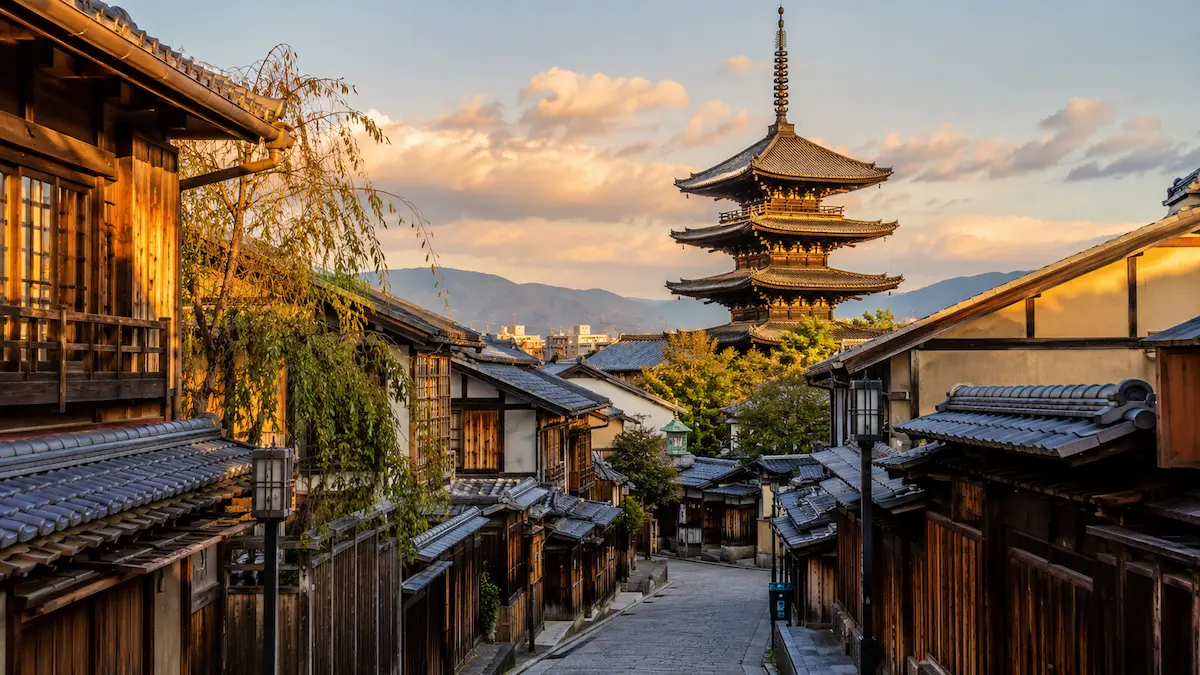
💡 Key Takeaways
- Downtown Kyoto around Kawaramachi and Sanjo is the best all-round choice for most first-time visitors because you can walk to food, shopping, Pontocho and parts of Gion without planning every evening around a bus.
- Kyoto Station is the least stressful base for heavy luggage, short stays and day trips, but it does not feel like the Kyoto many travelers picture in their heads.
- Gion and Southern Higashiyama deliver the strongest traditional atmosphere, yet hillside streets, limited direct rail access to Kyoto Station and higher room prices make the wrong hotel location surprisingly tiring.
- Shijo-Karasuma and Karasuma Oike are the smartest compromise for travelers who want central transport, quieter nights and better-value hotels without being stranded in a dull suburb.
- Do not choose a Kyoto hotel by attraction distance alone. A room near a temple but far from a useful train or subway station can create more waiting, walking and luggage trouble than a slightly less scenic central base.
Deciding where to stay in Kyoto is harder than it looks on a map. The famous sights are spread across the east, west, north and south of the city, while the rail network does not connect every tourist district neatly. A hotel can appear “central” yet still leave you waiting for crowded buses, climbing a slope after dinner or dragging a suitcase between two stations that share a neighborhood name but are not actually beside each other.
For a first visit, the best area is not simply the prettiest one. It is the place that fits your real itinerary, arrival station, luggage size, walking tolerance, budget and evening habits. This guide takes a practical view: where you will save time, where you may overpay, which areas become quiet early, which bases work without buses, and which attractive neighborhoods are better visited than slept in.
Price note: The nightly ranges below are realistic planning bands for a standard double or twin room for two adults, generally room-only and before local accommodation tax. Kyoto prices change sharply by weekday, season, room size and cancellation terms. Cherry blossom season, autumn foliage weekends, Japanese public holidays and major festival dates can push the same room far above its normal price.
The 1-Min Cheat Sheet: Best Areas to Stay in Kyoto
- Downtown Kyoto: Kawaramachi, Sanjo and Pontocho — best overall. Stay here for walkable restaurants, shopping, evening atmosphere and access to Hankyu and Keihan trains. Avoid it if you need silence, large rooms at low prices or effortless access to the Shinkansen. Typical room: ¥12,000–¥35,000; peak nights can reach ¥25,000–¥60,000 or more.
- Kyoto Station — best for luggage, short stays and day trips. Stay here for the Shinkansen, JR lines, airport access, Nara, Osaka, Himeji and early departures. Avoid it if your priority is lantern-lit streets and traditional neighborhood character. Typical room: ¥10,000–¥30,000; peak nights often rise to ¥20,000–¥45,000.
- Gion and Southern Higashiyama — best for atmosphere and early temple walks. Stay here for Yasaka Shrine, Kiyomizu-dera, preserved streets and romantic evenings. Avoid it with heavy luggage, limited mobility or a tight budget unless your hotel is close to Gion-Shijo, Kiyomizu-Gojo or a reliable taxi drop-off. Typical room: ¥18,000–¥45,000; premium ryokan and luxury hotels can exceed ¥60,000.
- Shijo-Karasuma and Karasuma Oike — best balanced base. Stay here for subway access, calmer nights, business hotels, Nishiki Market and easy movement north-south. Avoid it if you want Kyoto’s most photogenic streets directly outside your door. Typical room: ¥9,000–¥25,000; peak nights commonly reach ¥18,000–¥40,000.
- Arashiyama — best for a scenic one-night stay. Stay here for bamboo-grove mornings, riverside walks and a ryokan-style escape after day-trippers leave. Avoid making it your only base for a busy first-time itinerary. Typical room: ¥15,000–¥40,000; high-end retreats can cost ¥60,000–¥150,000 or more.
- Nijo Castle and Shijo-Omiya — best value near central Kyoto. Stay here for lower rates, local restaurants, the Tozai subway, JR Nijo and Randen access. Avoid it if you want to walk to Gion every night or dislike taking a train, subway or taxi for dinner districts. Typical room: ¥7,500–¥20,000; peak nights often reach ¥14,000–¥30,000.
Top Survival Tips Before Booking a Kyoto Hotel
- Choose your rail line before choosing your hotel. Mark your likely day trips and major Kyoto sights first, then see which station reduces transfers. Why it matters: Kyoto’s buses cover many gaps, but they are slower and less predictable during busy periods. A hotel near the right railway can save more energy than a hotel that is technically one kilometer closer to an attraction.
- Draw a realistic 700-meter walking circle around the station. Do not trust a listing that says “near station” without checking the exact walking route, station exit and road gradient. Why it matters: Seven hundred meters feels very different with a 20-kilogram suitcase, summer humidity, rain, narrow pavements or Higashiyama’s stone slopes.
- Treat Kyoto buses as sightseeing tools, not luggage transfer vehicles. Use luggage delivery, hotel-to-hotel forwarding, station lockers or a taxi when moving with large suitcases. Why it matters: Kyoto’s official tourism guidance encourages hands-free sightseeing because large bags consume scarce space and can prevent residents and other visitors from boarding comfortably. See the official Kyoto luggage-services guide.
- Check the exact railway company, not only the station name. Kyoto has JR, the municipal subway, Hankyu, Keihan and Randen, and nearby-sounding stations may use different systems. Why it matters: Transfers are not always inside one building. In Arashiyama, for example, JR Saga-Arashiyama, Randen Arashiyama and Hankyu Arashiyama serve different sides of the district.
- Do not assume Kyoto Station is best for every Kyoto sight. It is excellent for regional trains and luggage, but Downtown, Gion and northern Kyoto often require a subway transfer, bus or taxi. Why it matters: A first-timer can waste 30 minutes returning to Kyoto Station for dinner even when the day’s sightseeing ends near Kawaramachi.
- Check what remains open near the hotel after 9 p.m. Search for convenience stores, casual restaurants and the walking route from the station at night. Why it matters: Temple districts can become beautifully quiet but inconvenient. Late arrivals may find few affordable meals, dark side streets and limited public transport options.
- Compare the final price, not the headline room rate. Include breakfast, cancellation terms, room size, local tax and whether the quoted price is per person or per room. Why it matters: Since March 1, 2026, Kyoto’s accommodation tax is charged per person per night: ¥200 below ¥6,000; ¥400 from ¥6,000 to under ¥20,000; ¥1,000 from ¥20,000 to under ¥50,000; ¥4,000 from ¥50,000 to under ¥100,000; and ¥10,000 at ¥100,000 or above. The taxable lodging amount is based on the room charge and service fee, excluding meals and consumption tax. Confirm details on the official Kyoto City accommodation-tax page.
- Book cancellable rooms early, then recheck. Reserve as soon as your dates are firm, especially for late March to early April, autumn foliage season and festival weekends. Why it matters: The best-located mid-range rooms disappear first. Waiting may leave you choosing between an expensive central room and a cheaper hotel that adds daily transport and walking costs.
- Split your stay only when it solves a real problem. A Downtown-plus-Arashiyama combination can be worthwhile for five or more nights, but moving hotels during a three-night visit usually wastes time. Why it matters: Checkout, luggage storage, transfer and check-in can consume half a sightseeing day even when the two hotels look close on a map.
The Full Experience: A Practical Area-by-Area Breakdown
📍 Downtown Kyoto: Best Overall for First-Time Visitors
Best for: first trips, food, shopping, couples, solo travelers, evening walks | Transport: Hankyu, Keihan nearby, subway depending on micro-location | Night feel: lively but generally orderly
If a first-time visitor asks for one answer without giving me an itinerary, I would choose Downtown Kyoto, particularly the zone between Kyoto-Kawaramachi, Sanjo, Nishiki Market and the west bank of the Kamo River. It gives you the widest margin for error. You can finish sightseeing, return to the hotel, rest, and still walk out for ramen, izakaya, department-store food, cafés or a riverside stroll without studying another bus timetable.
The strongest micro-location is not necessarily directly on Shijo-Kawaramachi, which can be noisy and crowded. A hotel five to ten minutes north toward Sanjo, west toward Teramachi or around Kiyamachi can offer a better balance. You remain close to the action while avoiding the busiest intersection outside your window.
Transport reality: Hankyu’s Kyoto-Kawaramachi Station is useful for Osaka-Umeda and western central Kyoto. Keihan’s Gion-Shijo and Sanjo stations are valuable for Fushimi Inari, Tofukuji, Uji and parts of Osaka. Depending on your hotel, the Karasuma or Tozai subway may be a walk away rather than directly downstairs. Kyoto Station is not on these lines, so arriving with luggage usually means a subway-plus-walk, bus or taxi.
Walking and luggage: Central streets are mostly flat, but the area has busy crossings, covered shopping arcades and narrow side streets. This is manageable with a suitcase, though less pleasant at rush hour or in rain. A taxi from Kyoto Station is often worth the money for two travelers with large luggage.
Hotel price guide: Expect roughly ¥12,000–¥35,000 for a well-reviewed standard room on ordinary dates. Compact business hotels and private hostel rooms can be lower. Stylish boutique hotels, larger family rooms and weekends during peak seasons can move quickly above ¥40,000.
Who should stay here: Travelers who want a flexible base, food options after sightseeing, easy evenings and less dependence on buses. It is especially strong for a three- to five-night first visit.
Who should not stay here: Light sleepers booking directly on Kiyamachi or near late-night bars; families needing large rooms at budget prices; and travelers whose entire trip revolves around Shinkansen day trips.
✅ What Other Travelers Say
Review patterns consistently praise walkability, the number of restaurants, easy access to Nishiki Market and the ability to walk across the river toward Gion. Guests also like having multiple railway choices instead of depending on one bus stop. The most common complaints are small rooms, weekend street noise and the inconvenience of reaching Kyoto Station with heavy luggage.
⚠️ The Catch (Things to Keep in Mind)
“Downtown” covers a wide area. A bargain hotel west of Karasuma can be 20 to 30 minutes on foot from the river, while a property advertised as near Gion may sit across a bridge and several crowded intersections. Check the exact station-to-hotel route. Also inspect the room’s soundproofing reviews if the hotel faces Kiyamachi, Shijo or a nightlife lane.
📍 Kyoto Station: Best for Luggage, Day Trips and Short Stays
Best for: first or last night, heavy luggage, rail-pass users, Nara and Osaka trips, early departures | Transport: Shinkansen, JR, subway, Kintetsu, airport trains and buses | Night feel: busy around the station, quieter a few blocks away
Kyoto Station is the practical answer when logistics matter more than atmosphere. You can arrive by Shinkansen, walk to your hotel, leave luggage and start the day without transferring through central Kyoto. It is also the easiest area for early trains, airport connections and day trips to Nara, Osaka, Himeji, Hiroshima or the Lake Biwa side of the region.
There are two very different sides. The north, or Karasuma side, has Kyoto Tower, buses, department stores and a direct route toward central Kyoto. The south, or Hachijo side, often has better-value hotels and convenient airport or tour-bus pickup points, but the streets feel more functional and less atmospheric. Crossing through the enormous station can take longer than expected, so choose the side that matches your hotel and transport.
Transport reality: JR trains provide fast access to Fushimi Inari via Inari Station and to Arashiyama via Saga-Arashiyama. The Karasuma subway runs north through Shijo, Karasuma Oike, Imadegawa and Kitaoji. However, Gion and Kiyomizu-dera are not directly connected by a simple rail ride from Kyoto Station; many visitors end up using a bus, taxi or subway transfer.
Walking and luggage: This is Kyoto’s easiest major area for luggage, but only if your hotel is genuinely near the correct exit. A property “near Kyoto Station” can still require a 12- to 18-minute walk around railway tracks or over large intersections. Hotels inside or immediately beside the station cost more but can be worth it for a one-night stop.
Hotel price guide: Standard rooms commonly fall around ¥10,000–¥30,000. There is strong competition among business hotels, and the Hachijo side can produce good deals. Larger family rooms, station-connected properties and peak dates often climb to ¥20,000–¥45,000 or higher.
Who should stay here: Travelers with large suitcases, two- or three-night stays, several regional day trips, late arrivals, early departures, young children or limited patience for transfers.
Who should not stay here: Travelers who want to step outside into historic lanes, spend every evening in Gion or feel immersed in old Kyoto. You will likely commute to the city’s most atmospheric dinner and walking areas.
✅ What Other Travelers Say
Guests repeatedly praise the ability to reach trains quickly, store luggage, find familiar restaurants and buy food inside the station complex. Families and day-trippers particularly value the convenience. Common negatives are the confusing scale of the station, crowded bus queues and a sense that the neighborhood could be in almost any large Japanese city.
⚠️ The Catch (Things to Keep in Mind)
Do not book here simply because every route-planning app starts at Kyoto Station. Returning to the station between eastern Kyoto sightseeing and a Downtown dinner can add unnecessary travel. Also check whether “station view” means railway noise, and verify whether your airport bus or tour leaves from the north or south side.
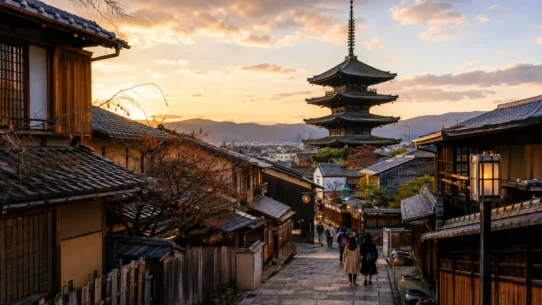
📍 Gion and Southern Higashiyama: Best for Traditional Kyoto Atmosphere
Best for: couples, photography, early temple visits, ryokan stays, slow travel | Transport: Keihan on the western edge, buses and taxis elsewhere | Night feel: atmospheric, quiet away from Shijo, limited casual dining late
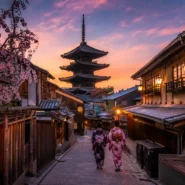
This is the Kyoto of wooden machiya, stone lanes, Yasaka Shrine, lanterns and morning walks before tour groups arrive. Staying in Gion or Southern Higashiyama lets you experience the district at its best times: around sunrise, after dinner and after many day visitors have left. For atmosphere, no other central area competes.
The problem is that “Gion” and “Higashiyama” cover very different terrain. A hotel near Gion-Shijo Station is relatively flat and close to Downtown. A ryokan near Kodaiji, Ninenzaka or Kiyomizu-dera can involve slopes, stone paving, narrow roads and a significant walk from rail transport. That can be magical with a small overnight bag and miserable with two large suitcases.
Transport reality: Gion-Shijo and Kiyomizu-Gojo on the Keihan Line are useful for Fushimi Inari, Tofukuji, Uji and Osaka-bound services. They do not provide a direct train to Kyoto Station. Higashiyama subway station serves the northern side near Heian Shrine and museums, not the steep Kiyomizu lanes. Buses and taxis fill the gaps.
Walking and luggage: This is the most important warning in the article: check elevation and road access. Some historic accommodations are on lanes where taxis cannot stop at the door. Ask the hotel for the recommended arrival route and luggage-delivery instructions before booking.
Hotel price guide: Well-located standard hotels often start around ¥18,000 and rise beyond ¥45,000. Traditional inns, dinner-inclusive ryokan and luxury properties can exceed ¥60,000 per night, with top rooms much higher. Compare what is included; a ryokan with breakfast and kaiseki dinner is not directly comparable to a room-only business hotel.
Who should stay here: Couples, photographers, repeat visitors, travelers who prioritize morning and evening atmosphere, and anyone planning a special ryokan night.
Who should not stay here: Travelers with mobility limitations, stroller users, people carrying heavy luggage, visitors planning many western-Kyoto sights, and anyone needing a wide choice of cheap late-night food.
✅ What Other Travelers Say
Travelers love stepping out before breakfast onto nearly empty historic streets and walking to Yasaka Shrine, Kenninji, Kodaiji and Kiyomizu-dera. Many describe evening Gion as the emotional highlight of their Kyoto stay. Negative feedback focuses on daytime crowds, expensive dining, uphill walks and the lack of direct rail access to Kyoto Station.
⚠️ The Catch (Things to Keep in Mind)
The beauty is real, but so is overtourism. Some lanes are private, and visitors must respect signs, residents and photography restrictions. Do not treat Gion as a theme park. Also note that a quiet historic district can feel extremely quiet after restaurants close; confirm dinner plans and convenience-store distance rather than assuming there will be casual food beside the hotel.
📍 Shijo-Karasuma and Karasuma Oike: Best Balance of Transport, Price and Quiet
Best for: practical first-timers, repeat visitors, business-hotel value, quiet sleepers, subway users | Transport: Karasuma subway, Hankyu at Karasuma, Tozai subway at Karasuma Oike | Night feel: active near main streets, calm in side lanes
This is the area I recommend when Downtown prices look unreasonable but you do not want to sacrifice convenience. Shijo-Karasuma sits one Hankyu stop from Kyoto-Kawaramachi and is walkable to Nishiki Market. Karasuma Oike is the interchange between Kyoto’s two subway lines, giving it unusually efficient access north-south and east-west.
The streets are more modern and businesslike than Gion, but that is not a disadvantage after a long sightseeing day. You get flat pavements, supermarkets, cafés, reliable convenience stores and a large supply of mid-range hotels. Walk a few blocks east and you reach the shopping arcades; walk west and the atmosphere becomes residential.
Transport reality: The Karasuma Line runs directly to Kyoto Station and north toward the Imperial Palace area. At Karasuma Oike, the Tozai Line reaches Nijo Castle, Higashiyama, Yamashina and the Randen connection at Uzumasa Tenjingawa. Hankyu’s Karasuma Station provides access toward Osaka and Kawaramachi. This is one of the few areas where a rail-first itinerary genuinely works.
Walking and luggage: Mostly flat and straightforward. The main complication is that Shijo Station and Hankyu Karasuma Station are connected underground, and exits can place you on different corners of a large intersection. Check the nearest lift-equipped exit if you have heavy luggage.
Hotel price guide: Good business and mid-range hotels often fall between ¥9,000 and ¥25,000. Peak dates can push popular properties to ¥18,000–¥40,000, but the area usually offers more alternatives than Gion.
Who should stay here: Travelers who want efficient transport, quieter sleep, good value and a central base without needing postcard scenery outside the lobby.
Who should not stay here: Visitors who judge a Kyoto hotel mainly by romance and traditional atmosphere, or travelers who want to walk to Kiyomizu-dera at dawn.
✅ What Other Travelers Say
Guests often highlight clean modern hotels, easy subway access, nearby convenience stores and quieter rooms compared with Kawaramachi. Many are pleasantly surprised that Nishiki Market and Downtown remain walkable. The main criticism is that the immediate streets can feel corporate or uneventful at night.
⚠️ The Catch (Things to Keep in Mind)
Listings often use “central Kyoto” very loosely. A hotel west of Horikawa may be much farther from Shijo-Karasuma than the marketing suggests. Also, Karasuma Oike is excellent for transport but less lively after dinner than Kawaramachi; travelers who want nightlife should stay east of Karasuma Street or accept a short train, taxi or 15- to 25-minute walk.
📍 Arashiyama: Best for a Scenic One-Night Escape, Not a Full First Visit
Best for: couples, ryokan stays, nature, early bamboo-grove walks, slower itineraries | Transport: JR, Hankyu and Randen at separate stations | Night feel: peaceful, very quiet, limited late dining
Arashiyama is one of Kyoto’s most rewarding places to stay for one night. At dawn, the bamboo grove and riverside are calmer, the air feels cooler and the neighborhood belongs briefly to hotel guests and local residents rather than tour groups. After sunset, the famous main street empties and the district becomes a retreat.
That same isolation is why I rarely recommend Arashiyama as the only base for a first visit. Gion, Kiyomizu-dera, Fushimi Inari and Kyoto Station are all on the other side of the city or require transfers. You may save time at the bamboo grove but lose it every other day.
Transport reality: JR Saga-Arashiyama is the fastest practical link to Kyoto Station. Randen Arashiyama is convenient for local western Kyoto travel and connections toward the Tozai subway. Hankyu Arashiyama sits south of the river and can be useful for Osaka or central Hankyu destinations, but it is not beside the JR or Randen station. Always check which station is nearest your hotel.
Walking and luggage: The central tourist area is walkable, but hotels can be scattered along the river, hillside or residential lanes. Some high-end properties provide transfers; others require a taxi or a longer walk. Confirm pickup details, especially if arriving after dark.
Hotel price guide: Simple guesthouses and standard hotels can appear around ¥15,000–¥40,000. Riverside ryokan, private baths, dinner-inclusive plans and luxury retreats often begin around ¥60,000 and can exceed ¥150,000.
Who should stay here: Couples, honeymooners, nature lovers, photographers and visitors spending five or more nights in Kyoto who want one special night away from the city center.
Who should not stay here: Travelers with a packed temple checklist, late-night diners, short-stay visitors and anyone who dislikes planning dinner or transport in advance.
✅ What Other Travelers Say
Overnight guests praise the calm mornings, river scenery, attentive ryokan service and the feeling of experiencing a different Arashiyama after day-trippers leave. Complaints focus on crowded daytime streets, limited evening restaurants and the inconvenience of commuting to eastern Kyoto.
⚠️ The Catch (Things to Keep in Mind)
Arashiyama’s three railway stations are not interchangeable. A hotel that is convenient for Hankyu may be inconvenient for JR luggage arrival. Restaurants can close early or require reservations, and convenience-store choice is thinner than Downtown. For most first-timers, the winning strategy is one night here and the remaining nights in Downtown, Kyoto Station or Karasuma.
📍 Nijo Castle and Shijo-Omiya: Best Value Without Leaving Central Kyoto
Best for: budget-conscious couples, longer stays, local food, repeat visitors, quiet nights | Transport: Tozai subway, JR Nijo, Hankyu at Omiya, Randen | Night feel: local and low-key, livelier near Omiya
Nijo and Omiya are useful when central Kyoto hotel prices become unreasonable. They are not remote suburbs; they sit west of the main Downtown core and often provide larger rooms, newer budget hotels and more local restaurants for less money. The area around Sanjo-kai shopping arcade is particularly practical for everyday food and supplies.
Nijo Castle itself is a landmark, but the best accommodation zone depends on transport. Near Nijojo-mae Station, you have the Tozai subway. Around JR Nijo, you gain direct JR access to Kyoto Station and Saga-Arashiyama. Around Shijo-Omiya, you have Hankyu and the Randen tram. A cheap hotel between these nodes may be less convenient than it appears.
Transport reality: The Tozai Line connects Nijojo-mae to Karasuma Oike and Higashiyama. JR Nijo reaches Kyoto Station and Arashiyama-side destinations. Hankyu Omiya connects toward Kawaramachi and Osaka, while Randen reaches Arashiyama. Buses remain useful for northern temples, but you can complete much of a first itinerary by rail plus moderate walking.
Walking and luggage: Streets are generally flat and easier than Higashiyama. The main danger is booking too far from a station to save a small amount. Ten extra minutes each way becomes tiring when repeated twice a day.
Hotel price guide: Budget and mid-range rooms commonly fall around ¥7,500–¥20,000 on ordinary dates. Peak periods can raise these to ¥14,000–¥30,000, still often below equivalent Downtown or Gion rooms.
Who should stay here: Travelers watching their budget, people staying a week or more, repeat visitors, and first-timers who are comfortable using trains and subways rather than demanding walkability to every famous district.
Who should not stay here: Travelers who want spontaneous late-night walks in Gion, first-time visitors with only two nights, or anyone whose hotel is more than ten minutes from the station and who dislikes walking.
✅ What Other Travelers Say
Guests often praise the room value, quieter streets, local restaurants and access to Nijo Castle or Arashiyama-bound transport. Longer-stay travelers appreciate supermarkets and laundries. Negative comments usually mention that the area lacks iconic evening scenery and requires a short ride to Downtown dining.
⚠️ The Catch (Things to Keep in Mind)
This area rewards travelers who check the exact map and punishes those who book by ward name. Nakagyo Ward is large, and “near Nijo” may mean near the castle, JR station or neither. Prioritize a hotel within a genuine eight-minute walk of Nijojo-mae, JR Nijo, Omiya or Shijo-Omiya.
Key FAQs About Where to Stay in Kyoto
Is it better to stay near Kyoto Station or Gion for a first trip to Kyoto?
Choose Kyoto Station when you have heavy luggage, a short stay, several day trips or an early train. Choose Gion when atmosphere, sunrise walks and historic streets matter more than transport simplicity. For a typical four-night first visit with no major mobility issues, Downtown Kyoto near Kawaramachi is often a better compromise than either extreme.
What is the best area to stay in Kyoto without relying on buses?
Shijo-Karasuma or Karasuma Oike is the strongest rail-first base because it combines the Karasuma subway, Tozai subway and Hankyu access. Downtown near Kawaramachi also works well if your itinerary uses Hankyu and Keihan. Kyoto Station is excellent for JR destinations, but eastern Kyoto still often requires a transfer or taxi.
How many nights should first-time visitors stay in Kyoto, and should they split hotels?
Four nights is a comfortable minimum for eastern Kyoto, Fushimi Inari, Arashiyama and one northern or central sightseeing day without racing. Keep one hotel for stays of two to four nights. Consider splitting the trip only with five or more nights, usually adding one Arashiyama or ryokan night to a central base.
Final Verdict and Your Next Step
For most first-time visitors, Downtown Kyoto around Kawaramachi, Sanjo and the western edge of Gion is the safest overall choice. It gives you the best mix of food, walkability, evening atmosphere and railway options. Choose Kyoto Station instead when luggage and day trips dominate your plans. Pick Gion or Southern Higashiyama for a romantic, atmosphere-first stay, but only after checking slopes and station access. Choose Shijo-Karasuma or Karasuma Oike when you want the smartest balance of price, transport and sleep. Treat Arashiyama as a special one-night experience, and use Nijo or Omiya when value matters more than postcard scenery.
The expensive mistake is not paying slightly more for the right area. It is saving ¥3,000 on a room and then spending every day on extra taxis, crowded buses, long walks and avoidable transfers. Once your dates are fixed, book a cancellable room early and compare the same room type across several platforms.
Check live Kyoto hotel availability: