
💡 Key Takeaways
- For most first-time visitors, Downtown Kyoto or Central Kyoto is the safest all-round choice. You get better evening dining, useful rail and subway connections, and less dependence on crowded buses.
- Kyoto Station is the practical winner for heavy luggage and day trips, not the atmospheric winner. It saves transfers to Osaka, Nara, Hiroshima and Tokyo, but many classic Kyoto streets are elsewhere.
- Do not book by neighborhood name alone. A hotel that is “in Gion” or “near Kyoto Station” can still involve a long walk, an uphill approach, the wrong side of a huge station, or daily bus journeys.
Choosing among the best areas to stay in Kyoto is harder than it first appears. Kyoto looks compact on a map, but its headline sights are scattered across the eastern hills, western Arashiyama, northern temple districts and southern Fushimi. Add crowded buses, large station complexes, uneven historic lanes and hotels that use generous definitions of “near,” and a cheap room can quietly cost you an extra hour of travel every day.
The right base is not simply the prettiest neighborhood. It is the area that matches your itinerary, luggage, arrival route, energy level and evening habits. A couple planning sunrise walks through Higashiyama will make a different choice from a family arriving with two large suitcases, while a traveler taking day trips to Nara and Osaka should not optimize for the same location as someone spending four slow days inside Kyoto.
This guide compares five genuinely useful bases: Kyoto Station, Downtown Kyoto, Gion and Southern Higashiyama, Central Kyoto around Karasuma Oike and Shijo-Karasuma, and Arashiyama. Each has a clear strength, a real downside and a type of traveler who should think twice before booking there.
The 1-Min Cheat Sheet
- Kyoto Station: Best for first or last nights, large suitcases, Shinkansen travel and frequent day trips. Convenient but less charming after dark.
- Downtown Kyoto — Shijo-Kawaramachi and Pontocho: Best for restaurants, shopping, nightlife and walkable evenings. Busy, energetic and often more expensive on popular dates.
- Gion and Southern Higashiyama: Best for traditional atmosphere, couples, photographers and early access to Kiyomizu-dera. Beautiful, but hills, crowds and weaker cross-city transport can wear you down.
- Central Kyoto — Karasuma Oike and Shijo-Karasuma: Best overall balance for most travelers. Excellent subway logic, calmer nights and strong value, though it lacks Gion’s postcard scenery.
- Arashiyama: Best for a ryokan stay, nature and quiet mornings. Ideal as a special one- or two-night add-on, but inconvenient as the only base for a typical first Kyoto trip.
Top Survival Tips for Choosing Where to Stay in Kyoto
- Choose a station before choosing a neighborhood. In Kyoto, “five minutes from Shijo Station” is more useful than “central location.” Check the exact walking route from the station exit, not the straight-line distance shown on the booking site.
- Prioritize trains and subways over buses. Buses reach many temples, but road congestion and queues make journey times unpredictable. A hotel near the Karasuma Line, Tozai Line, Keihan Line, Hankyu Line or JR network gives you more reliable alternatives.
- Inspect the last 500 metres. Gion and Higashiyama may involve stone lanes, slopes and narrow pavements. A ten-minute walk feels very different when it is raining, crowded or completed with a 23-kilogram suitcase.
- At Kyoto Station, confirm the correct side. The north side faces Kyoto Tower and the main city-bus area; the south side is the Hachijo side, useful for airport buses, highway buses and many modern hotels. Crossing the entire station with luggage is possible, but it is not the arrival experience most tired travelers want.
- Group sightseeing days by geography. Pair Gion with Kiyomizu-dera, Arashiyama with western Kyoto, and Fushimi Inari with the JR Nara or Keihan corridor. Do not zigzag from east to west and back again just because social media placed the sights in that order.
- Use luggage delivery when your ideal hotel is not your ideal arrival point. Kyoto promotes hands-free travel, and same-day or next-day forwarding can be worth the fee if it prevents dragging cases through buses, stairs and historic streets.
- Read room details, not only the area score. Kyoto has everything from compact business hotels to machiya townhouses and full-service ryokan. Check room size, elevator access, reception hours, futon arrangements, private bathrooms, washing machines and whether breakfast or dinner has a fixed service time.
- Budget for Kyoto’s accommodation tax. From March 1, 2026, the tax is charged per person per night on a tiered basis: ¥200 for rooms under ¥6,000, ¥400 for ¥6,000–19,999, ¥1,000 for ¥20,000–49,999, ¥4,000 for ¥50,000–99,999, and ¥10,000 for ¥100,000 or more. Check whether your booking total includes it.
- Book cancellable rooms early for peak periods. Cherry blossom season, autumn foliage, New Year and major festivals compress the supply of well-located hotels first. Holding a sensible refundable option is usually safer than waiting for a last-minute bargain in the exact area you want.
The Full Experience
🚉 Kyoto Station: Best for Easy Transport, Heavy Luggage and Day Trips
Feature tags: Shinkansen hub · JR connections · Airport access · Family-friendly logistics · Wide hotel choice
Kyoto Station is the answer when your trip is logistically complicated. It connects the Tokaido Shinkansen, JR local lines, the JR Nara Line, the Sagano Line, Kintetsu Railway, the Karasuma subway line, airport transport and a dense network of buses. If you are arriving from Tokyo, leaving for Hiroshima, visiting Nara, commuting to Osaka or changing hotels with large luggage, staying nearby removes several irritating transfers.
It is particularly strong for short stays. On a two-night visit, saving 25 minutes at arrival and another 25 minutes at departure can matter more than waking up beside a lantern-lit lane. The area also has many large hotels, business hotels, restaurants, convenience stores, department-store food halls and luggage facilities, so it is easier to find a practical room even when central boutique properties are full.
Best micro-locations: Stay within a genuine five- to eight-minute walk of the exit you will use. The Kyoto Tower side is convenient for buses, the subway and walking north toward Higashi Hongan-ji. The Hachijo side often has newer hotels, airport-bus access and a calmer feel. Shichijo can offer better value, but check whether “Kyoto Station area” actually means a 12- to 18-minute walk.
Transport reality: Fushimi Inari and Tofuku-ji are easy on the JR Nara Line. Arashiyama is about 11 minutes away by rapid train to Saga-Arashiyama, although the Sagano Line platforms sit deep inside the station and trains can be crowded. Eastern Kyoto is less elegant: getting to Kiyomizu-dera or Gion often requires a bus, a train-plus-walk combination or a taxi.
✅ What Other Travelers Say
Travelers repeatedly praise the convenience of dropping bags, checking in quickly and making early trains without stress. Families and older visitors often value the abundance of lifts, indoor dining and straightforward day-trip options. Review patterns also show that many guests accept smaller rooms because the location saves so much transport effort.
⚠️ The Catch (Things to Keep in Mind)
Kyoto Station is not the Kyoto most visitors imagine. The immediate surroundings are modern, busy and traffic-heavy, and you will travel to most atmospheric evening areas. The station itself is enormous; a hotel advertised as “next to Kyoto Station” may still be awkward if it is on the opposite side from your train platform or bus stop. Avoid relying on buses from here at peak hours when a rail alternative exists.
Choose Kyoto Station if: you have heavy luggage, multiple day trips, a late arrival, an early departure, young children or only one to three nights.
Skip Kyoto Station if: your priority is romantic night walks, traditional streets outside the hotel door or a trip focused almost entirely on eastern Kyoto.
🌃 Downtown Kyoto: Best for Food, Shopping and Walkable Evenings
Feature tags: Restaurants · Pontocho nightlife · Nishiki Market · Hankyu and Keihan access · Maximum evening convenience
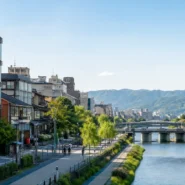
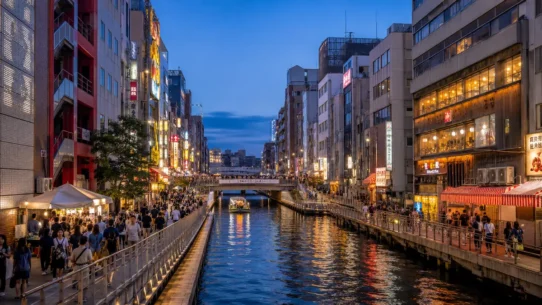
Downtown Kyoto, especially around Shijo-Kawaramachi, Kawaramachi-Sanjo, Pontocho and the western edge of Gion, is the most enjoyable base for travelers who dislike returning to a quiet hotel district after sightseeing. You can finish the day along the Kamo River, browse department stores, eat in Pontocho, explore covered shopping arcades or walk to Gion without planning another transport connection.
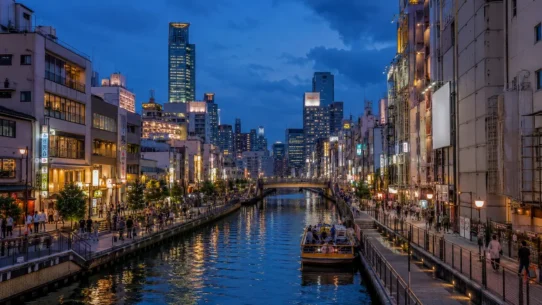
This is the strongest choice for travelers who value what happens after 5 p.m. Many temple districts become subdued early, while Downtown remains useful. You will find casual ramen, bakeries, izakaya, cocktail bars, traditional restaurants, coffee shops and late-opening shops within a compact area. Nishiki Market is nearby, although it is better treated as a daytime food street than as your only reason to stay here.
Transport reality: Kyoto-Kawaramachi Station on the Hankyu Line is useful for Osaka and western Kyoto. Gion-Shijo and Sanjo stations on the Keihan Line serve Fushimi Inari, Tofuku-ji, Uji and Osaka’s Keihan corridor. The subway is less immediate in some parts of Kawaramachi, so check your exact hotel. Shijo Station and Karasuma Oike are stronger if you need the north-south Karasuma Line.
Best micro-locations: Stay near Kawaramachi-Sanjo for a slightly calmer base with access to Sanjo Keihan and the Tozai Line. Choose Shijo-Kawaramachi for maximum shopping and dining. Pick the western side toward Shijo-Karasuma if you want quieter nights and easier subway access. A room directly above Kiyamachi or a nightlife lane can be lively well past bedtime.
✅ What Other Travelers Say
The most common praise is simple: travelers can walk to dinner without researching another bus. First-time visitors like having Gion, Pontocho, Nishiki Market, Teramachi and the Kamo River in one broad walking zone. Couples appreciate the evening atmosphere, while solo travelers value the number of well-lit streets and food options.
⚠️ The Catch (Things to Keep in Mind)
Downtown is busy, and the busiest intersections can feel like a shopping district rather than old Kyoto. Rooms near nightlife streets may pick up noise. Taxi access can be awkward on narrow lanes, and getting here from Kyoto Station with large suitcases is less seamless than the map suggests. Hotels also command a premium during cherry blossom season, autumn and festival dates.
Choose Downtown Kyoto if: restaurants, nightlife, shopping and evening walkability matter as much as temple access.
Skip Downtown Kyoto if: you want silence, a resort feel, the cheapest business-hotel rates or direct Shinkansen convenience.
🏮 Gion and Southern Higashiyama: Best for Atmosphere, Couples and Early Temple Walks
Feature tags: Historic streets · Kiyomizu-dera access · Romantic evenings · Traditional inns · Photography
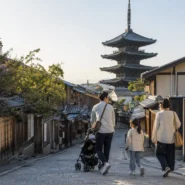
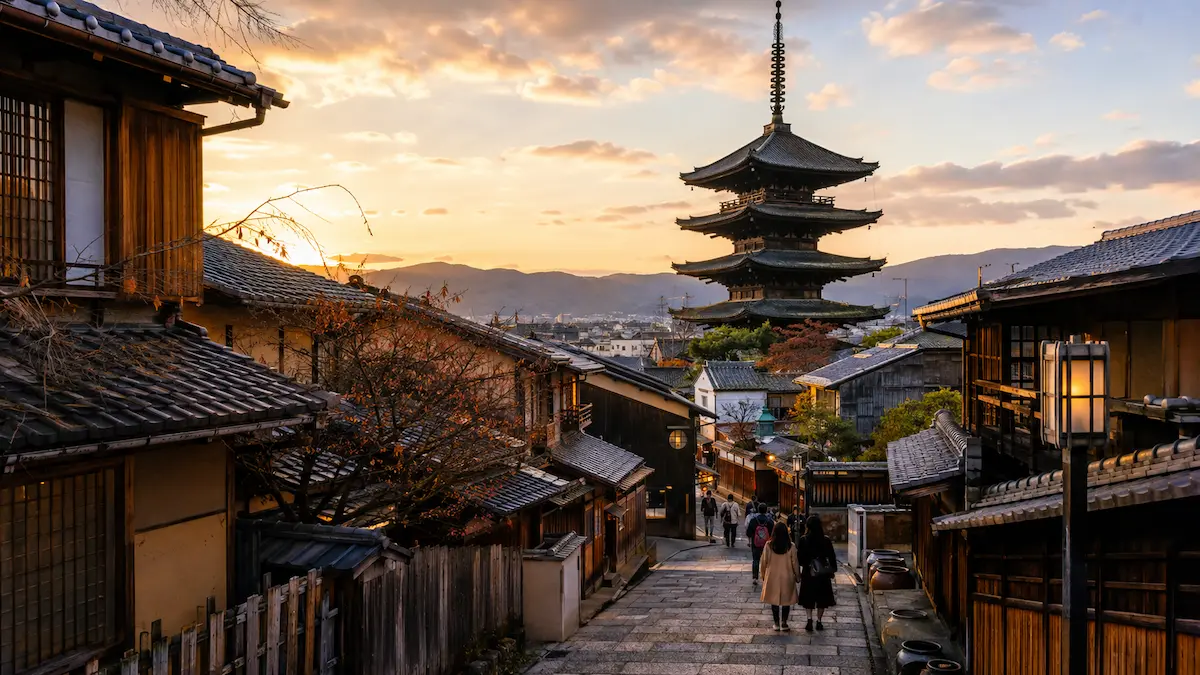
Gion and Southern Higashiyama deliver the classic Kyoto experience more convincingly than any other base. Depending on the exact location, you may be able to walk to Yasaka Shrine, Maruyama Park, Kennin-ji, Kodai-ji, Ninenzaka, Sannenzaka and Kiyomizu-dera. Early morning and late evening are the reward: the same lanes that feel overwhelmed at midday can become quiet, textured and genuinely memorable.
This is a strong choice for couples, photographers, culture-focused travelers and anyone booking a special ryokan or machiya stay. It also suits visitors who know they will spend two or more days in eastern Kyoto and would rather walk than commute. The emotional value is real; stepping outside into a historic streetscape changes how the city feels.
Transport reality: Gion-Shijo on the Keihan Line is the most useful rail anchor. Kiyomizu-Gojo works for the southern edge, but the walk toward Kiyomizu-dera is longer and uphill. Hotels deeper in Higashiyama often depend on buses or taxis. Official Kyoto guidance warns that road routes toward Kiyomizu-dera can be congested, so a hotel that looks close by bus may not be reliably close in practice.
Best micro-locations: For balance, stay within walking distance of Gion-Shijo, Higashiyama Station or a major east-west street. Around Yasaka Shrine, you gain atmosphere and access to Gion. Near Kiyomizu, you gain early-morning sightseeing but lose some evening dining and rail convenience. Properties on steep side streets should be checked carefully by travelers with mobility concerns.
✅ What Other Travelers Say
Guests often describe the area as the part of Kyoto that made the trip feel special. The ability to visit famous lanes before tour groups arrive is a major advantage. Ryokan guests also value the slower pace, attentive service and sense of place that a generic city hotel cannot reproduce.
⚠️ The Catch (Things to Keep in Mind)
The postcard setting comes with practical friction. There are slopes, stone surfaces, narrow pavements and daytime crowds. Some restaurants close early or require reservations, and supermarkets are less convenient than in Downtown or near Kyoto Station. Traditional properties may have stairs, curfews, fixed meal times or limited soundproofing. Gion is also a living residential and cultural district: do not enter private lanes, block streets, chase geiko or maiko, or photograph people without permission.
Choose Gion and Southern Higashiyama if: atmosphere is a core part of the trip and you are willing to trade transport efficiency for memorable mornings and evenings.
Skip it if: you have large luggage, limited mobility, many western-Kyoto day plans or a tight budget.
🚇 Central Kyoto: Best Overall Balance for First-Time and Repeat Visitors
Feature tags: Two subway lines · Calm central base · Good value · Cafés and local dining · Easy citywide routing
Central Kyoto around Karasuma Oike, Shijo-Karasuma, Sanjo-Karasuma and the eastern side of Nijo is the area many travelers overlook while chasing a famous neighborhood name. That is a mistake. For a typical three- to five-night trip, this is often the most balanced base in the city.
Karasuma Oike is the interchange between Kyoto’s two subway lines. The Karasuma Line runs north-south through Kyoto Station and Shijo; the Tozai Line runs east-west toward Nijo Castle, Higashiyama, Sanjo Keihan and the western connection for Randen services. This does not make every attraction direct, but it gives you multiple ways to avoid traffic and reduces dependence on any one bus route.
The neighborhood is calmer than Shijo-Kawaramachi and usually easier for taxis and luggage. It has design hotels, business hotels, apartment-style rooms, bakeries, independent cafés, convenience stores and local restaurants without the constant tourist flow of Gion. You can walk to Nishiki Market, Nijo Castle, the Kyoto Imperial Palace area and Downtown, although not all of them are equally close from every hotel.
Best micro-locations: Karasuma Oike is the transport sweet spot. Shijo-Karasuma is better for Hankyu access, shopping and a livelier evening. Sanjo-Karasuma offers a pleasant middle ground with cafés and walkable access to both Downtown and the museum area. Near Nijo Castle, rooms may be quieter and better value, but dinner choices become more spread out.
✅ What Other Travelers Say
Travelers who stay here often appreciate it more after a few days. The area feels central without being exhausting, and returning at night is easier than returning to a remote temple district. Guests frequently mention clean modern hotels, quiet rooms and the convenience of walking to breakfast before taking the subway in either direction.
⚠️ The Catch (Things to Keep in Mind)
The area is practical rather than instantly romantic. Step outside and you may see offices, apartment buildings and broad streets rather than lanterns and wooden townhouses. Some hotels advertise “near Nishiki Market” when the walk is 15 minutes or more. Also, subway coverage does not reach every major temple, so you will still use buses, trains, taxis or longer walks on certain days.
Choose Central Kyoto if: you want the safest all-round base, reliable transport, quieter nights and access to both eastern and western sightseeing.
Skip it if: you need scenery outside the window to feel that you are in Kyoto, or your entire itinerary is built around Kyoto Station day trips.
🎋 Arashiyama: Best for Ryokan Stays, Nature and Quiet Mornings
Feature tags: Bamboo grove · Riverside scenery · Ryokan escape · Early sightseeing · Slow travel
Arashiyama is a wonderful place to stay and a poor default base. Both statements are true. The district is on Kyoto’s western edge, surrounded by hills, temple gardens, the Katsura River and the famous bamboo grove. Staying overnight lets you experience a version of Arashiyama that day-trippers rarely see: quieter lanes in the early morning, a calmer river after shops close and the unhurried rhythm of a ryokan dinner and bath.
For a honeymoon, anniversary, wellness break or second visit to Kyoto, one or two nights can be a highlight. It also suits travelers who want to explore Tenryu-ji, Okochi Sanso, the monkey park, Saga’s quieter temples and the northern lanes without racing back across the city.
Transport reality: JR Saga-Arashiyama is the fastest connection to Kyoto Station; rapid trains take about 11 minutes, followed by a walk toward the main sights. Randen Arashiyama Station is atmospheric and useful for western and central neighborhoods. Hankyu Arashiyama sits south of the river and may be convenient for certain hotels, but it is farther from the bamboo grove. These stations are not interchangeable, so check which one your property actually uses.
Best micro-locations: Near Randen Arashiyama and Tenryu-ji is best for classic sightseeing. Near JR Saga-Arashiyama is better for onward transport and often better value. Riverside ryokan can be exceptional, but confirm pickup arrangements, meal times and whether access involves stairs, a boat, a shuttle or a longer walk.
✅ What Other Travelers Say
Overnight guests often say the district feels completely different once the daytime crowds disappear. Ryokan stays receive praise for scenery, meals and the chance to slow down after a busy city itinerary. Early access to the bamboo grove is another recurring benefit, especially for photographers and families who prefer cooler, quieter mornings.
⚠️ The Catch (Things to Keep in Mind)
Arashiyama is inconvenient for repeated trips to Gion, Fushimi Inari, Kyoto Station and northern-eastern temples. Evening dining is limited compared with Downtown, and many shops close early. The JR Sagano Line can be crowded, while buses from Kyoto Station are slower and vulnerable to traffic. For most first-time visitors, Arashiyama works better as a split stay than as the only hotel base.
Choose Arashiyama if: the hotel or ryokan experience is part of the trip, you enjoy nature, or you can dedicate at least one full day to western Kyoto.
Skip it if: you have only two or three nights, plan frequent day trips, want late-night dining or dislike changing hotels.
How to Match the Area to Your Trip Style
- First visit, three to five nights: Central Kyoto or Downtown Kyoto. These areas create the fewest serious compromises.
- Two nights with a Shinkansen arrival and departure: Kyoto Station. Spend your time sightseeing instead of moving luggage.
- Couples and photographers: Gion or Southern Higashiyama, ideally near a useful rail station rather than deep inside the hills.
- Families with strollers or large suitcases: Kyoto Station or a modern hotel near Shijo-Karasuma. Check lifts and room size before paying.
- Food-focused travelers: Downtown Kyoto, Kawaramachi-Sanjo or Shijo-Karasuma.
- Osaka, Nara and Uji day trips: Kyoto Station for JR routes, or Downtown near the Keihan and Hankyu lines if your plans fit those corridors.
- Ryokan, nature or a special occasion: One or two nights in Arashiyama, combined with a central hotel for the rest of the trip.
- Travelers who hate buses: Karasuma Oike is the best compromise, followed by Kyoto Station. No area eliminates buses entirely, but both provide useful rail alternatives.
Key FAQs
What is the best area to stay in Kyoto for first-time visitors?
For most first-time visitors, Central Kyoto around Karasuma Oike or Shijo-Karasuma is the best all-round choice. It offers reliable subway access, calmer nights, walkable dining and reasonable travel times to both eastern and western sights. Choose Downtown instead when restaurants and nightlife matter more; choose Kyoto Station when luggage and day trips dominate your itinerary.
Is it better to stay near Kyoto Station or Gion?
Stay near Kyoto Station for transport efficiency, Shinkansen journeys, Nara or Osaka day trips, early departures and heavy luggage. Stay in Gion for traditional atmosphere, romantic evenings and early access to eastern Kyoto. Kyoto Station saves effort; Gion improves the sense of place. For a four-night first visit, many travelers are happier in Central or Downtown Kyoto because those areas sit between the two extremes.
Where should I stay in Kyoto without relying on crowded buses?
Look near Karasuma Oike, Shijo-Karasuma, Kyoto Station, Sanjo Keihan or Gion-Shijo. These locations provide combinations of subway, JR, Hankyu or Keihan services. You will still need to walk or use a bus for some temples, but you can build most days around rail and use taxis selectively for the final stretch.
Final Verdict and Your Next Step
The best choice for most travelers is Central Kyoto. It is not the most photogenic base, but it minimizes the mistakes that waste time: long bus rides, awkward cross-city transfers, poor dinner access and dragging luggage over historic streets. Downtown Kyoto is the better choice for travelers who want lively evenings, while Kyoto Station wins for complicated transport days. Choose Gion and Southern Higashiyama when atmosphere is worth the extra friction, and treat Arashiyama as a deliberate retreat rather than a default location.
Before booking, open the map and check three routes from the exact hotel: arrival with luggage, your earliest sightseeing day and your likely dinner return. If all three are reasonable, you have probably chosen well. If the hotel only looks convenient because a bus stop is nearby, keep comparing.
Well-located rooms in Kyoto sell out early during cherry blossom season, autumn foliage and festival periods. Reserve a cancellable option as soon as your dates are firm, then recheck prices rather than waiting until the remaining rooms force you into the wrong district.
Compare Kyoto hotel availability:
- Check Kyoto hotels on Agoda
- Compare Kyoto stays on Booking.com
- Browse Kyoto hotels, tickets and activities on Klook
- Browse Kyoto transport, tours and activities on KKday
Disclosure: Some booking links may be affiliate links. If you make a purchase through them, the site may earn a commission at no additional cost to you. Prices, availability and cancellation conditions can change, so confirm the final terms before payment.
Planning Sources
This guide was cross-checked against current official Kyoto transport, accommodation-area, responsible-tourism and accommodation-tax information. Useful references include:
- Kyoto City Official Guide: Choosing accommodation by area
- Kyoto City Official Guide: Subway and train overview
- Kyoto City Official Guide: Access to Saga and Arashiyama
- Kyoto City Official Guide: Access to Higashiyama and Kiyomizu-dera
- Kyoto City Official Guide: Accommodation tax from March 2026
- Kyoto City Official Guide: Current sightseeing and Gion conduct guidelines