
💡 Key Takeaways
- Do not mix Universal Studios Japan and Osaka Aquarium Kaiyukan into one “efficient” day. They are both major, energy-heavy attractions, and USJ alone can consume every useful hour.
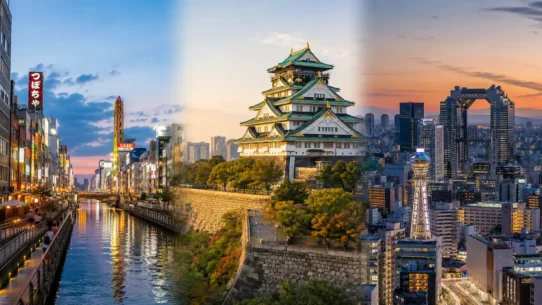
- Group Osaka Castle, Nakanoshima and Umeda on Day 1; move south-to-north from Tennoji through Shinsekai, Kuromon Market and Dotonbori on Day 2; give USJ the whole of Day 3.
- Kuromon Market is best treated as a controlled food stop, not an unlimited street-food binge. Compare posted prices before ordering premium seafood or wagyu.
- A Studio Pass gets you into USJ, but it does not automatically make ride queues disappear or guarantee entry to SUPER NINTENDO WORLD™. Learn the difference between park admission, area timed entry and an Express Pass.
- Stay near Namba for food and nightlife, Umeda for regional transport, or Hommachi for a quieter compromise. Do not change hotels during a three-night Osaka stay unless there is a compelling reason.
A good 3-day Osaka itinerary is not a contest to collect the most pins on Google Maps. The city looks compact on a screen, but first-time visitors regularly lose time inside enormous stations, walk farther than expected through Osaka Castle Park, arrive at food markets after the best stalls have wound down, or attempt to combine USJ with another headline attraction. The result is an expensive trip spent watching train departure boards and standing in queues.
This route is built around a simple rule: each day should have one geographic direction and one clear energy level. Day 1 moves from historic central Osaka toward the modern north. Day 2 starts at Tennoji and works north through the southern neighborhoods to Dotonbori after dark. Day 3 is reserved for USJ, because pretending it is a half-day stop is one of Osaka’s most common itinerary mistakes.
The plan below is realistic for a first visit, not a fantasy schedule written by someone who assumes every transfer takes five minutes. It includes breathing room for meals, station navigation, weather, queues and the fact that Osaka is more enjoyable when you stop long enough to notice its personality.
The 1-Minute Cheat Sheet
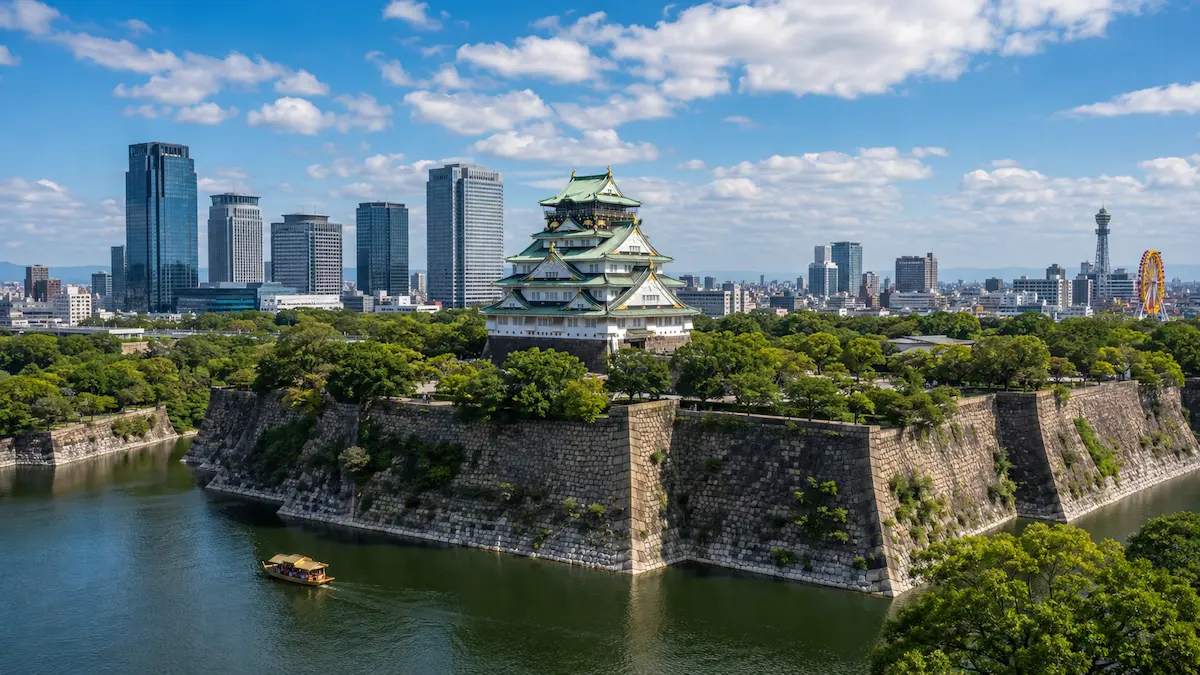
- Osaka Castle Museum and Osaka Castle Park
Best for: first-time visitors, history fans and photographers.
Suggested stay: 2 to 2.5 hours, including the park approach.
Admission: Osaka Castle Museum is ¥1,200 for adults; the surrounding park is free.
Nearest main station: Tanimachi 4-chome, Morinomiya or Osakajokoen, depending on your route.
Reservation: not mandatory for individual visitors, but buying a web ticket can reduce ticket-counter friction.
Best time: arrive around opening time, before tour groups build.
Biggest catch: the station-to-castle walk is longer than many maps make it look, and the museum interior is a modern reconstruction with elevators, exhibits and a viewing deck—not a preserved feudal interior. - Umeda and the Umeda Sky Building
Best for: skyline views, architecture, couples and travelers who like polished urban districts.
Suggested stay: 2.5 to 4 hours for Umeda, with 60 to 90 minutes at the observatory.
Admission: Kuchu Teien Observatory is ¥2,000 for adults and ¥500 for ages 4–12.
Nearest main station: JR Osaka Station or Osaka Metro Umeda Station.
Reservation: usually optional, but an advance ticket is sensible for sunset, weekends and holidays.
Best time: late afternoon into sunset; arrive earlier than the exact sunset time so the elevator queue does not steal the view.
Biggest catch: “near Osaka Station” still means a confusing 10- to 20-minute walk, often involving underground corridors, stairs and construction diversions. - Abeno Harukas 300, Shinsekai and Tsutenkaku
Best for: city views, retro streets, families and travelers who want an easy southern Osaka cluster.
Suggested stay: 3 to 4 hours for the combined area.
Admission: Harukas 300 is ¥2,000 for adults at the official same-day counter; Tsutenkaku’s standard observatory is ¥1,500 for adults and ¥800 for children aged 5–14. Special attractions cost extra.
Nearest main station: Tennoji/Osaka Abenobashi for Harukas; Ebisucho, Dobutsuen-mae or Shin-Imamiya for Shinsekai.
Reservation: Harukas can often be bought on the day, but congestion may produce numbered-ticket controls; Tsutenkaku now uses timed entry for ticket purchases, so advance booking is safer later in the day.
Best time: Harukas at 9:00 for a calm start, then walk toward Shinsekai before lunch crowds peak.
Biggest catch: paying for Harukas, Tsutenkaku and Umeda Sky Building on one short trip can feel repetitive. Choose one premium skyline experience unless observation decks are a priority. - Kuromon Market, Namba and Dotonbori
Best for: food-focused visitors, nightlife, first-time Osaka atmosphere and souvenir shopping.
Suggested stay: 4 to 6 hours across the wider Minami district.
Admission: free; food, cruises and entertainment are paid separately.
Nearest main station: Nippombashi for Kuromon; Namba, Osaka-Namba or Shinsaibashi for Dotonbori.
Reservation: not needed for the streets or market; reserve only specific restaurants, cruises or performances.
Best time: Kuromon around 11:30–13:30; Dotonbori once the signs light up, ideally after 17:00.
Biggest catch: the most visible food stalls are not automatically the best value. Check prices, portion sizes and whether seating is available before ordering. - Universal Studios Japan
Best for: theme-park fans, families, Nintendo fans, thrill-seekers and travelers willing to pay for a full entertainment day.
Suggested stay: a full day, usually from before the published opening time until evening.
Admission: date-based pricing; check the official calendar or an authorized seller for your travel date. Express Passes are separate from park admission.
Nearest main station: Universal City Station on the JR Yumesaki Line.
Reservation: strongly recommended. Buy admission before arriving; popular Express Pass combinations can sell out.
Best time: be at the entrance 60–90 minutes before the published opening on busy dates because the park may admit guests earlier than scheduled.
Biggest catch: a basic Studio Pass does not guarantee short queues, and SUPER NINTENDO WORLD™ may require an Area Timed Entry Ticket or Standby Entry Ticket.
Tourist Traps to Avoid & Itinerary Hacks
- Trap: USJ plus Kaiyukan in one day. They are both in the bay-side half of Osaka, so the pairing looks logical. In practice, USJ queues, timed-entry rules, shows and meals make it a full-day destination. Hack: use Kaiyukan, Tempozan Marketplace and the bay area as a complete replacement for Day 3 if theme parks are not your priority.
- Trap: Osaka Castle, Dotonbori, Umeda and Shinsekai in a single “highlights” day. That route zigzags between north, center and south while forcing every attraction into its busiest period. Hack: divide the city into a central-to-north day and a south-to-Minami day.
- Trap: arriving at Osaka Castle at noon. The exposed park approach can be punishing in summer, while the museum and observation floor become more congested. Hack: enter near opening, then leave the area before lunch.
- Trap: treating Kuromon Market as the cheapest place to eat seafood. It is convenient and atmospheric, but some tourist-facing items carry premium prices. Hack: buy one or two things you can see being prepared, compare multiple stalls, and save your main meal for a restaurant with posted menus.
- Trap: waiting until the evening to decide whether to enter Tsutenkaku. The tower now uses timed entry for ticket purchases, and evening slots can sell out. Hack: reserve earlier or treat the tower exterior and Shinsekai streets as the main experience.
- Trap: buying every Osaka observation deck. Umeda Sky Building, Harukas 300, Tsutenkaku, HEP FIVE and Osaka Castle all offer elevated views, but the marginal value drops quickly. Hack: choose Umeda Sky Building for open-air architecture and sunset, Harukas for height and weather protection, or Tsutenkaku for retro character.
- Trap: assuming the Osaka Amazing Pass automatically saves money. The 2026–27 standard pass costs ¥3,500 for one day or ¥5,000 for two consecutive days. It can be excellent when you deliberately combine included attractions, but it is poor value for a relaxed day with mostly free neighborhoods. Hack: add up your planned admissions first and remember that the pass’s free admission to Umeda Sky Building applies only until 15:00; after that it provides a discount rather than free entry.
- Trap: using a rail pass for the wrong network. Osaka mixes JR, Osaka Metro, Nankai, Kintetsu, Keihan, Hankyu and Hanshin services. Hack: for this itinerary, an ICOCA or other compatible IC card is the least stressful default. Buy a sightseeing pass only when its included lines and attractions match your exact plan.
- Trap: dragging suitcases through Dotonbori, Shinsekai or Osaka Castle Park. Crowds, narrow shop entrances, uneven paving and long station corridors turn luggage into a serious obstacle. Hack: leave bags at your hotel, a staffed baggage counter or a large station locker before sightseeing.
- Trap: booking a different hotel for each “side” of Osaka. Check-in time, check-out time and luggage handling cost more time than the train ride you are trying to avoid. Hack: keep one base for all three nights.
The Perfect 3-Day Itinerary at a Glance
Day 1: Osaka Castle, Nakanoshima and Umeda
Geographic theme: historic central Osaka moving northwest toward the modern business and shopping district. This sequencing is more efficient than the common Osaka Castle–Dotonbori–Umeda loop because it keeps you moving in one broad direction and saves Dotonbori for the evening when it looks best.
- Suggested start: 8:15–8:30 from your hotel; aim to be at the castle museum close to its 9:00 opening.
- Main order: Osaka Castle Park → Osaka Castle Museum → optional Miraiza exterior or Nishinomaru Garden when seasonally worthwhile → Nakanoshima/Kitahama → Umeda shopping district → Umeda Sky Building near sunset.
- Transport: take Osaka Metro to Tanimachi 4-chome for a practical approach, or JR to Osakajokoen if that is easier from your hotel. After the castle, walk toward Temmabashi or use a short taxi if heat, rain or mobility is an issue. Continue to Kitahama/Yodoyabashi, then use the Midosuji Line to Umeda.
- Walking and effort: moderate, roughly 9–13 km depending on station choice and shopping. The castle park approach is broad and exposed; Umeda adds substantial indoor walking that step counters often underestimate.
- Lunch strategy: leave the castle before peak lunch and eat around Kitahama, Yodoyabashi or Nakanoshima. These business districts offer more normal local lunch pricing than the immediate tourist zone, especially on weekdays.
- Easiest cut: skip the castle museum interior if the queue is long and you are more interested in architecture than exhibits. The park, moat and exterior still provide the iconic experience.
- Rain or low-energy alternative: replace the long Nakanoshima walk with the Osaka Museum of History near the castle, then go directly to Osaka Station’s connected malls. Choose Harukas 300 on Day 2 instead of Umeda’s open-air rooftop if weather remains poor.
Why this works: Osaka Castle is the only attraction that truly benefits from an early start on this day. Nakanoshima becomes a low-pressure decompression zone, and Umeda is at its best from late afternoon through evening. You are not racing south for a neon district that will still be there on Day 2.
Day 2: Tennoji, Shinsekai, Kuromon Market and Dotonbori
Geographic theme: start at Osaka’s southern transport hub and work north toward Minami. This is a far cleaner route than visiting Dotonbori in the morning, backtracking to Tennoji, then returning to Namba at night.
- Suggested start: arrive at Harukas 300 around its 9:00 opening, or start at 9:30 if you skipped breakfast and want a slower morning.
- Main order: Abeno Harukas 300 → Tennoji Park edge → walk or short train to Shinsekai → optional Tsutenkaku → Ebisucho/Nippombashi → Kuromon Market → Hozenji Yokocho → Dotonbori → Shinsaibashi or Amerikamura if energy remains → return to Dotonbori after dark.
- Transport: Harukas is directly connected to the Tennoji/Osaka Abenobashi complex. Walk to Shinsekai in about 15–25 minutes depending on pace, or use Osaka Metro for one short hop. From Ebisucho, walk north or take the Sakaisuji Line to Nippombashi. The rest of Minami is best explored on foot.
- Walking and effort: moderate to high, around 10–14 km. The route is mostly urban and flatter than Kyoto, but crowds slow you down and repeated browsing adds distance.
- Lunch strategy: do not eat a huge meal in Shinsekai if Kuromon is next. Have one kushikatsu snack or coffee, then graze selectively at Kuromon around 12:30–13:30. For better value, choose a sit-down lunch one or two streets away from the market’s busiest center.
- Easiest cut: skip the paid Tsutenkaku observatory if you already visited Umeda Sky Building or Harukas 300. The retro streets and tower exterior are free and often more memorable than a third skyline view.
- Rain or low-energy alternative: stay inside Abeno Harukas and Q’s Mall longer, ride directly to Nippombashi, walk Kuromon under its covered arcade, then use the Namba Walk underground network to reduce exposure.
Why this works: the day moves from Tennoji to Shinsekai to Nippombashi to Namba. The only deliberate exception is returning to the Dotonbori riverfront after sunset, which is not wasteful backtracking—it is seeing the district at the time it earns its reputation.
Day 3: Universal Studios Japan Without a Second Major Attraction
Geographic theme: a single-destination bay-side day. USJ is physically compact but operationally complicated, so the efficient choice is not adding more places—it is arriving prepared.
- Suggested start: reach the entrance 60–90 minutes before the official opening on weekends, holidays and peak seasons. USJ notes that admission can begin earlier than the published time.
- Main order: enter park → secure or use your SUPER NINTENDO WORLD™ timed-entry arrangement → prioritize your highest-demand ride → use the official app for live waits → schedule meals outside the busiest 12:00–13:30 window → stay for evening atmosphere or a final lower-wait ride.
- Transport: JR Osaka Loop Line to Nishikujo, then transfer to the JR Yumesaki Line for Universal City. Some trains run through, but do not assume yours does; check the platform display.
- Walking and effort: high, often 15–22 km inside the park, plus long periods standing. Comfortable shoes matter more here than on either city day.
- Lunch strategy: eat early around 11:00 or late after 14:00. Mobile or priority systems may change, so check the official app and current restaurant guidance.
- Easiest cut: drop any ride with a poor wait-to-enjoyment ratio for your group. Do not sacrifice three other attractions merely because one famous ride appears on every checklist.
- Rain or low-energy alternative: USJ still operates many indoor attractions, but weather can affect shows and outdoor rides. If you do not want a theme-park day at all, replace Day 3 with Kaiyukan → Tempozan Marketplace → bay cruise or indoor museum time. Do not try to do both versions.
Why this works: a USJ ticket is expensive enough that arriving late, improvising SUPER NINTENDO WORLD™ entry and leaving early for Kaiyukan is false economy. Giving the park a full day protects both your budget and your expectations.
Save Your Legs! The Most Efficient Route
The route minimizes backtracking by treating Osaka as three functional zones rather than one giant attraction list. Osaka Castle, Nakanoshima and Umeda belong together because they form a natural central-to-north progression. Tennoji, Shinsekai, Nippombashi, Kuromon and Dotonbori belong together because they form a south-to-north chain with short metro options. USJ belongs alone because its queues and timed-entry systems make external scheduling unreliable.
Attractions that look close but should not share the same time slot: Osaka Castle and Dotonbori are easy to connect by metro, but both suffer when you visit at the wrong time. The castle wants your morning; Dotonbori wants your evening. Umeda Sky Building and Harukas 300 are on the same north–south axis, yet placing both at sunset creates unnecessary rushing and repetitive views. USJ and Kaiyukan occupy the wider bay area, but proximity does not reduce the time each deserves.
Which transport should you prioritize? Use trains and Osaka Metro for district-to-district movement, then walk within each cluster. Buses are rarely the best default for a first-time Osaka city itinerary because rail is more predictable and signs are clearer. Use a taxi strategically for a tired group leaving Osaka Castle Park, travelers with mobility limitations, or a family caught in heavy rain—not as the default way to cross the city. A short taxi that prevents a 25-minute exposed walk can be money well spent; a taxi through Namba traffic at peak time may not be.
Difficult surfaces and hidden effort: Osaka Castle Park has long exposed paths, bridges and gradual inclines. Umeda Sky Building’s official pedestrian route from JR Osaka Station includes underground passages and stairs, although elevators and alternative accessible routes exist. Shinsekai itself is relatively flat, but crowded sidewalks, shop queues and occasional uneven paving make large suitcases awkward. Dotonbori’s bridges and narrow side streets are not stroller-friendly at peak dinner time. Inside USJ, expect prolonged standing rather than steep terrain.
Large luggage and strollers: do not take full-size luggage into Osaka Castle Park, Kuromon Market, Dotonbori or Shinsekai. Use elevators in major stations, but expect that the elevator route may be significantly longer than the stair route. For strollers, avoid the densest Dotonbori period around dinner and consider a baby carrier for short crowded sections. At Umeda, follow accessibility signs rather than blindly following the shortest map line, which may end at stairs.
Where to stay:
- Namba: best for first-time visitors who value food, nightlife and direct access to Dotonbori. It is also convenient for Nankai trains to Kansai Airport. The downside is noise, crowds and confusing station complexes; confirm which “Namba” station your hotel is actually near.
- Umeda/Osaka Station: best for travelers making day trips to Kyoto, Kobe or Himeji and for anyone arriving by JR. The downside is a maze-like station district and less immediate street-food atmosphere than Minami.
- Hommachi: the practical compromise. It sits on the Midosuji and Chuo lines between Umeda and Namba, often feels calmer at night, and can offer better hotel value. The trade-off is that you will commute for nightlife rather than stepping directly into it.
- Tennoji: useful for southern Osaka, Harukas and some airport connections. It is less central for Umeda and USJ but can work well for families who prefer large malls and a quieter base than Dotonbori.
Arrival and departure day luggage plan: ask your hotel to store bags before check-in or after check-out. Major hubs including Osaka/Umeda, Shin-Osaka, Namba and Tennoji have coin lockers and staffed counters, but large lockers can fill early. Osaka’s official Hands-Free Travel information lists temporary storage and same-day delivery options; JR-affiliated Crosta counters at Osaka and Shin-Osaka can be easier than hunting for an empty extra-large locker. For hotel-to-hotel or airport delivery, Yamato and similar services are useful, but confirm cut-off times and whether your accommodation has a staffed reception. Private apartments without reception may not accept standard hotel delivery.
Ticket Tips & Skip-the-Line Hacks
Always check official opening hours, closure dates and reservation rules shortly before travel. Osaka Castle Museum currently operates 9:00–18:00 with last admission at 17:30 and closes from December 28 to January 1. Umeda Sky Building currently lists 9:30–22:30 with last admission at 22:00. Harukas 300 lists 9:00–22:00 with last admission 30 minutes before closing. Tsutenkaku lists 9:00–21:45 for the general observatory and now requires a timed-entry reservation when purchasing tickets. USJ hours vary by date and can change without notice.
Buy these online in advance:
- Universal Studios Japan Studio Pass: strongly recommended because date-based inventory can sell out and a digital ticket allows direct QR entry. Remember that park admission and Express Pass are separate products.
- USJ Express Pass: buy early if your trip depends on specific high-demand rides or guaranteed timed access included in a particular package. Inventory is limited and combinations vary.
- Umeda Sky Building: optional on quiet weekdays, sensible for sunset or peak dates.
- Tsutenkaku: advance timed entry is increasingly useful, especially late afternoon and evening.
- Osaka Amazing Pass: buy only after calculating the actual attractions you will use. It is a digital pass that requires a working phone, network connection and browser camera permissions for QR use.
Usually fine to buy on site: Osaka Castle Museum outside major holidays and peak blossom periods; Harukas 300 on a normal weekday; and small museums without timed exhibitions. Even then, advance tickets can reduce time at the counter, not necessarily the security or elevator queue.
What “skip the line” really means: most Osaka city attractions do not offer a magical service that bypasses every queue. A QR ticket may skip the purchase counter, but it will not necessarily skip entry control, elevators, bag checks or capacity limits. Osaka Castle’s web ticket is a convenience, not a universal priority lane. Harukas and Umeda can still have elevator queues. Tsutenkaku timed entry manages arrival time rather than eliminating all waiting.
USJ is the exception—but only partly. A Universal Express Pass provides priority access to the specific attractions printed on that pass. It does not cover every ride, and it does not replace the Studio Pass required for park admission. SUPER NINTENDO WORLD™ may require an Area Timed Entry Ticket, Advance Booking or Standby Entry Ticket; a basic Studio Pass alone does not guarantee unrestricted entry. Register valid park tickets in the official app, enter early and follow the current timed-entry instructions.
Recommended advance booking links:
- Check Universal Studios Japan Studio Pass options on Klook
- Check USJ admission and Express Pass options on KKday
- Check the Osaka Amazing Pass on Klook
- Check the Osaka Amazing Pass on KKday
Affiliate disclosure: the booking links above may earn this website a commission at no additional cost to the reader. Prices, package contents and cancellation rules can change; verify the final product name and date before payment.
Tried & Tested: My Honest Review
📍 Stop 1: Osaka Castle Museum and Osaka Castle Park
Best first-morning landmark · Big park · Modern museum interior · Strong exterior photos
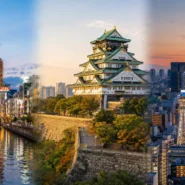
Osaka Castle is worth visiting, but only when expectations are set correctly. The exterior, moat and park create the grand historical impression. Inside, the museum is modern and vertical, with exhibits, stairs, elevators and an observation level. Travelers expecting the preserved timber atmosphere of Himeji Castle may feel underwhelmed.
The smartest visit is early and selective. Walk the best exterior viewpoints, enter the museum if the history interests you, and leave before the park becomes a hot, crowded midday crossing. The museum’s current adult admission is ¥1,200, and web tickets are available.
✅ What Other Travelers Say
Visitors consistently praise the photogenic exterior, broad park and city views. Many also appreciate that the elevator makes much of the museum more accessible than an original castle keep. Families like the open space, especially outside peak summer heat.
⚠️ The Catch (Things to Keep in Mind)
The walk is the hidden cost. Choosing the wrong station exit can add significant distance, and cherry-blossom periods bring intense crowds. The elevator does not necessarily remove all queuing, and upper areas may still involve stairs. If you have already toured a major original castle, the interior may not be your priority.
📍 Stop 2: Nakanoshima, Umeda and the Umeda Sky Building
Riverfront reset · Urban architecture · Sunset favorite · Confusing station approach
Nakanoshima is not Osaka’s loudest attraction, which is exactly why it works after the castle. The river, civic architecture, cafés and museums give your legs and senses a reset before Umeda’s shopping complexes. It also prevents the itinerary from becoming a conveyor belt of paid attractions.
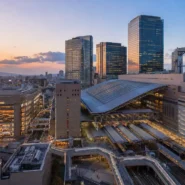
Umeda Sky Building is visually more distinctive than many generic observation decks. The rooftop’s open-air feeling and the escalator approach create a sense of occasion. For most first-time visitors, it is the observation deck I would prioritize over paying for every tower in Osaka.
✅ What Other Travelers Say
Travelers frequently highlight the sunset-to-night transition, open-air rooftop and unusual architecture. Many find the building itself as memorable as the skyline. The surrounding basement dining area and Grand Front/Osaka Station malls make it easy to build a full evening.
⚠️ The Catch (Things to Keep in Mind)
The walk from Osaka Station is more confusing than its distance suggests. Official directions include an underground passage and stairs, and construction can change the most intuitive path. Wind or heavy rain may close the rooftop. If you use the Osaka Amazing Pass, free admission currently applies only before 15:00, which conflicts with the best sunset timing.
📍 Stop 3: Abeno Harukas 300
Highest Osaka viewpoint · Weather-protected · Easy station access · Potentially repetitive
Harukas 300 is the easiest premium viewpoint to reach because the building connects directly with the Tennoji/Osaka Abenobashi transport complex. The observatory occupies the upper floors around 300 meters above ground and offers a broad 360-degree perspective. It is a strong choice for bad weather because much of the experience is protected by glass.
The linked video’s “tallest skyscraper in Japan” title reflects the building’s status when the video was published in 2020; that claim is no longer current. The practical visual overview remains useful, but travelers should rely on the current official site for prices and hours.
✅ What Other Travelers Say
Visitors praise the floor-to-ceiling views, spacious interior and direct station access. Photographers enjoy seeing the dense southern city grid and landmarks such as Tsutenkaku from above. Families appreciate having malls, food and indoor facilities in the same complex.
⚠️ The Catch (Things to Keep in Mind)
Cloud, haze and window reflections can reduce the visual payoff. Same-day tickets are available, but busy periods may involve long purchase queues or numbered-ticket controls. If you already paid for Umeda Sky Building, Harukas is optional unless height or indoor comfort is especially important.
📍 Stop 4: Shinsekai and Tsutenkaku
Retro Osaka · Kushikatsu streets · Strong night atmosphere · Timed tower entry
Shinsekai delivers the visual shorthand many people expect from Osaka: oversized signs, dense restaurant fronts, Billiken imagery and Tsutenkaku rising above the streets. The neighborhood is compact enough for a satisfying walk without committing to the tower.
Tsutenkaku’s observatory is fun for its retro identity rather than superior height. The newer paid attractions, including the Tower Slider and outdoor experiences, add novelty but also increase cost. Decide whether you want a view, an attraction or simply the neighborhood atmosphere before buying.
✅ What Other Travelers Say
Travelers enjoy the playful visuals, casual food and easy connection with Tennoji. Evening lighting gives the area more character, while daytime is easier for photos and families. Many visitors say the street-level experience is the highlight.
⚠️ The Catch (Things to Keep in Mind)
Restaurant touting and long queues can push visitors toward the most visible chains. Compare menus rather than joining the first line. Tsutenkaku now requires a time reservation when purchasing tickets, and evening inventory may sell out. Special observatories and attractions cost more than the standard tower ticket.
📍 Stop 5: Kuromon Market, Namba and Dotonbori
Food and neon · Easy walking cluster · Huge crowds · Tourist pricing risk
Kuromon, Nippombashi, Hozenji, Namba and Dotonbori should be treated as one extended district, not separate appointments. The best version of the day is flexible: one market snack, a quiet temple alley, a proper meal, some shopping and then the neon riverfront after dark.
Dotonbori is crowded because the spectacle works. The mistake is expecting peace or culinary authenticity from every storefront. Walk one or two blocks away from the river for easier restaurant choices, then return for the signs and atmosphere.
✅ What Other Travelers Say
First-time visitors love the density of food, shopping and photo opportunities. The Glico sign, canal bridges and giant restaurant displays feel unmistakably Osaka. Kuromon’s covered arcade is useful in rain, and the district is easy to combine with Shinsaibashi.
⚠️ The Catch (Things to Keep in Mind)
Kuromon’s best operating hours vary by shop, and late-afternoon visitors may find less choice. Premium seafood and wagyu can be expensive for the portion. Dotonbori becomes difficult with strollers and luggage around dinner. Do not block bridges or shopfronts for photos, and do not assume a long line proves quality.
📍 Stop 6: Universal Studios Japan
Full-day commitment · App-dependent planning · High energy · Worth preparing for
USJ is the attraction most likely to punish casual planning. A smooth day requires the official app, realistic ride priorities and a clear understanding of ticket types. The park’s operating hours vary, admission can begin before the published opening, and popular queues may close before official park closing if capacity has been reached.
The most important distinction is simple: a Studio Pass is park admission; an Express Pass is optional paid priority access for specific attractions; and SUPER NINTENDO WORLD™ may require a separate area timed-entry arrangement. Read the exact package before paying.
✅ What Other Travelers Say
Visitors praise the theming, especially Nintendo, Harry Potter and character areas, and many consider the park a highlight of an Osaka family trip. Travelers with a carefully chosen Express Pass often report a much less stressful day. Evening lighting can be excellent once daytime crowds begin to thin.
⚠️ The Catch (Things to Keep in Mind)
Costs escalate quickly after admission, food, merchandise and Express Passes. Ride closures and event schedules change. A timed entry to an area is not necessarily priority access to every ride inside it. Arriving late can mean missing limited entry opportunities even when you hold a valid Studio Pass.
Key FAQs
Is three days enough for Osaka for a first-time visitor?
Yes. Three full days are enough for Osaka Castle and Umeda, southern Osaka and Dotonbori, plus either USJ or the Osaka Bay aquarium area. Three days are not enough if you also try to add Kyoto, Nara, Kobe and Himeji without sacrificing Osaka itself. Treat day trips as additional days, not hidden extras.
What is the best area to stay for a 3-day Osaka itinerary without too much transport?
Namba is best for nightlife, food and airport access; Umeda is best for JR connections and regional day trips; Hommachi is the best balanced base for a quieter, often better-value stay between north and south. For this exact itinerary, Namba or Hommachi usually minimizes friction.
Is the Osaka Amazing Pass worth it for a three-day Osaka trip?
It can be worth it for Day 1 or Day 2 if you intentionally use several included paid attractions and covered transport. It is not automatically worth buying for all three days, and it does not replace a USJ ticket. Compare the pass price with your actual attractions, note time restrictions such as Umeda Sky Building’s pre-15:00 free-entry rule, and remember the two-day version must be used on consecutive days.
Final Verdict and Your Next Step
The perfect first-time Osaka route is not the one with the most attractions. It is the one that still feels enjoyable at 18:00. Start with Osaka Castle and finish Day 1 in Umeda. Begin Day 2 at Tennoji, move through Shinsekai and Kuromon, and let Dotonbori be your evening finale. Give USJ a full third day—or replace it completely with Kaiyukan and the bay area if theme parks are not worth the cost to you.
Book only the tickets that genuinely protect your time. USJ admission should be secured before travel, and an Express Pass deserves early consideration if missing specific rides would ruin the day. Tsutenkaku’s timed-entry system makes advance planning useful. City observatories and Osaka Castle are more flexible, but a digital QR ticket can still remove one unnecessary purchase queue.
Check current ticket availability before your dates lock in:
- Buy or compare USJ Studio Pass options on Klook
- Buy or compare USJ and Express Pass options on KKday
- Compare Osaka Amazing Pass options on Klook
- Compare Osaka Amazing Pass options on KKday
Save the QR tickets offline, carry a power bank, download the USJ app before park day and check every attraction’s official operating notice again shortly before departure. Osaka rewards spontaneity, but only after the expensive, capacity-limited parts are secured.
Planning Accuracy Note
Core hours, prices and ticket rules in this guide were checked against official attraction and tourism sources on August 4, 2026. Operating hours, closures, event schedules, ticket inventory and third-party packages can change without notice.
- Osaka Castle Museum official visitor guide
- Umeda Sky Building official website
- Harukas 300 official operating information
- Tsutenkaku official hours and ticket information
- USJ official operating calendar
- USJ official area timed-entry guidance
- Osaka Amazing Pass official price and validity information
- Official Osaka luggage storage search