

💡 Key Takeaways
- Yokohama Station is the safest all-round choice when your trip includes Tokyo, Kamakura, Haneda Airport or several day trips, but it does not deliver the classic harbor atmosphere outside your hotel door.
- Minato Mirai and Sakuragicho are best for a first leisure visit because the waterfront sights are walkable, although room rates are often higher and some “nearby” hotels still involve long pedestrian decks or indoor walks.
- Do not confuse Shin-Yokohama with central Yokohama. It is excellent for the Shinkansen, Yokohama Arena and Nissan Stadium, but it is a transport base rather than the best sightseeing base for the harbor.
Choosing among the best areas to stay in Yokohama is harder than the map makes it look. The main sights seem close together, yet your real experience depends on which railway line, station exit and side of the neighborhood your hotel sits on. A room that looks five minutes from a station may require navigating an enormous concourse, crossing an elevated walkway or hauling luggage through a crowded dining street. Meanwhile, a cheaper hotel in the wrong district can turn every day into another transfer.
The central decision is not simply “near the station or near the harbor.” It is whether you value direct regional transport, waterfront atmosphere, better-value business hotels, late-night food, or instant access to the Shinkansen. This guide compares the five most practical hotel bases without pretending that any one area is perfect for everyone.
The 1-Min Cheat Sheet: Where to Stay in Yokohama
- Yokohama Station: Best overall for transport, Tokyo commuters, Kamakura day trips, airport access and short stays. Choose it when convenience matters more than harbor views.
- Minato Mirai and Sakuragicho: Best for first-time visitors, couples, families and travelers who want the skyline, museums and waterfront walks close by.
- Kannai and Noge: Best for value, local restaurants, izakaya nightlife, baseball games and travelers who prefer a lived-in city atmosphere over polished waterfront malls.
- Chinatown, Yamashita Park and Motomachi: Best for food-focused travelers, historic port character, romantic walks and slower sightseeing days.
- Shin-Yokohama: Best for Shinkansen departures, concerts, stadium events and one-night stopovers before traveling west to Nagoya, Kyoto or Osaka.
Top Survival Tips for Choosing a Yokohama Hotel Area
- “Shin-Yokohama” is not a newer name for Yokohama Station. They are separate transport hubs. Shin-Yokohama is where the Tokaido Shinkansen stops; Yokohama Station is the major conventional rail hub closer to the harbor districts.
- Measure the hotel-to-platform journey, not the hotel-to-station pin. Yokohama Station is huge. A hotel near the wrong exit can add escalators, underground corridors and several minutes of indoor walking every time you travel.
- Choose the railway line that matches your itinerary. JR access is useful for Kamakura and many Tokyo journeys. The Minatomirai Line is better for the waterfront, Chinatown and direct travel toward Shibuya on through services. The Blue Line is useful for moving between central Yokohama and Shin-Yokohama.
- Check the micro-location inside Minato Mirai. A hotel beside Minatomirai Station is convenient for Pacifico Yokohama and the northern waterfront. A hotel near Sakuragicho is usually easier for JR trips. Properties near the Red Brick Warehouse or Shinko waterfront may feel scenic but less effortless with heavy luggage.
- Expect event-night price jumps. Large conventions, arena concerts, baseball games and stadium events can tighten availability around Minato Mirai, Kannai and Shin-Yokohama. A refundable booking made early is often smarter than waiting for a last-minute bargain.
- Read the room details, not only the neighborhood name. Confirm whether the room is smoking or non-smoking, whether the quoted view is actually a bay view, and whether breakfast is included. “City view” in a waterfront hotel may face offices rather than the famous skyline.
- Think about your final night. Travelers leaving early on the Shinkansen may save energy by moving to Shin-Yokohama for one night. Travelers heading to Haneda or spending a final day in Tokyo will usually find Yokohama Station more practical.
The Full Experience: Yokohama Neighborhoods Compared
🚉 Yokohama Station: Best for Easy Transport, Tokyo and Kamakura Day Trips
Area tags: Transport hub · Short stays · Airport access · Shopping · Rainy-day convenience
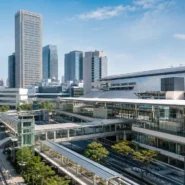
Yokohama Station is the most practical base for travelers whose plans extend beyond Yokohama itself. Multiple JR lines, private railways, the municipal subway and the Minatomirai Line converge here, making it the strongest choice for mixed itineraries. You can head toward Tokyo, Shibuya, Kamakura, Haneda Airport or the waterfront without committing to one narrow route.
This area works especially well for a two- or three-night stay, a business trip, or a Yokohama base with repeated Tokyo visits. It also gives you department stores, underground food halls, convenience stores and restaurants that remain useful when the weather is bad. You do not have to plan dinner around a tourist attraction’s closing time.
Choose your side carefully. The east side generally points you toward Bay Quarter, the newer waterfront developments and Minato Mirai. The west side has a denser mix of restaurants, bars, shopping streets and everyday city life. Neither side is automatically better; the correct choice depends on whether you want a smoother harbor approach or more evening food choices.
✅ What Other Travelers Say
Recurring hotel-review themes are convenience, easy access to Tokyo and larger or better-value rooms than comparable central Tokyo hotels. Travelers with luggage also appreciate having many shopping and dining options without needing another train ride after check-in.
⚠️ The Catch (Things to Keep in Mind)
The station is a destination-sized complex, not a simple platform with two exits. A hotel advertised as “near Yokohama Station” may still be inconvenient for the line you use most. Check the exact exit and walking route before booking. The neighborhood also feels like a major commercial center rather than the postcard version of Yokohama. You can reach Minato Mirai quickly, but you will not step outside into the Ferris wheel-and-harbor scenery.
Best booking strategy: prioritize a hotel on the same side of the station as your most-used route, and favor a clearly documented covered or step-free path when traveling with children, large suitcases or mobility concerns.
🌉 Minato Mirai and Sakuragicho: Best for First-Time Visitors, Couples and Families
Area tags: Waterfront views · Major attractions · Family-friendly · Romantic evenings · Premium hotels
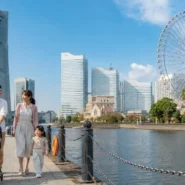
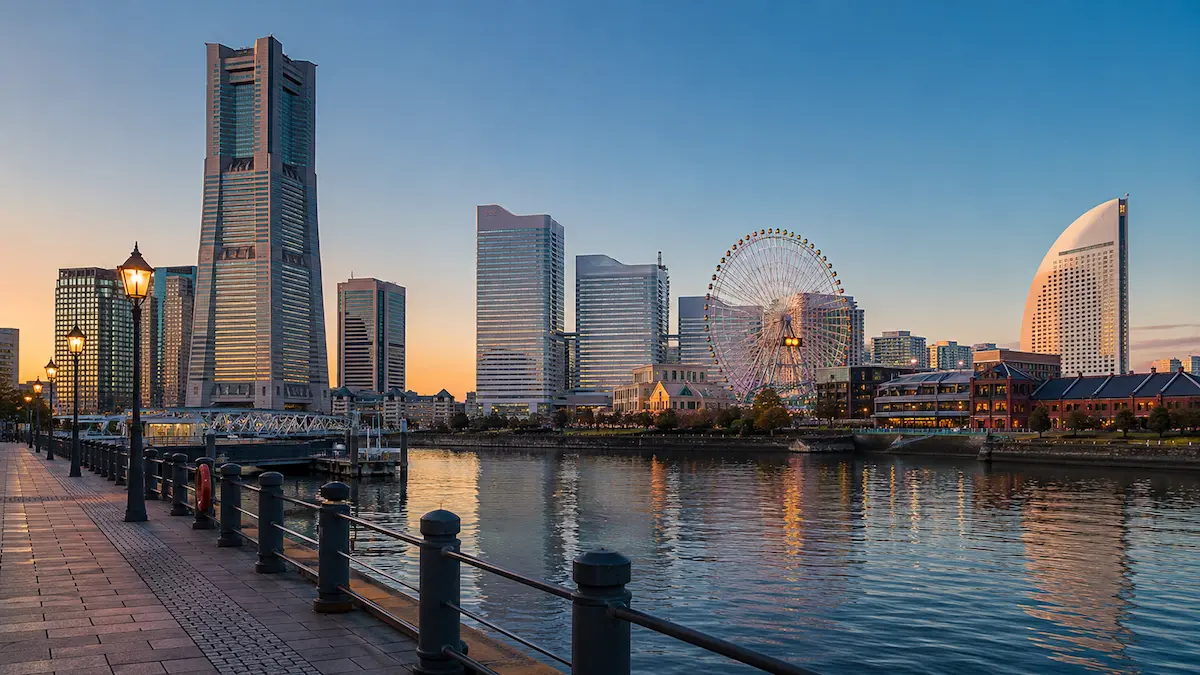
For a leisure-first Yokohama trip, Minato Mirai is the area most travelers imagine before arriving: a broad waterfront, the Cosmo Clock ferris wheel, museums, shopping centers, promenades and the Red Brick Warehouse within the wider sightseeing zone. It is the easiest place to build a pleasant day without repeatedly checking train routes.
Families benefit from having indoor attractions, malls, casual dining and wide pedestrian areas close together. Couples get the best evening atmosphere, especially when the office crowds thin and the skyline lights reflect across the harbor. First-time visitors can cover a large share of Yokohama’s signature sights on foot.
However, “Minato Mirai” covers more ground than many hotel listings suggest. Staying by Sakuragicho Station gives you JR and Blue Line access plus a straightforward gateway into the southern side of the district. Staying by Minatomirai Station is more convenient for Pacifico Yokohama, nearby malls and hotels in the northern core. Staying farther into the Shinko or pier area can be visually rewarding but less efficient when carrying luggage.
✅ What Other Travelers Say
Guests repeatedly praise the night views, clean and spacious public areas, easy attraction access and the feeling that Yokohama becomes enjoyable after day-trippers leave. Hotel reviews in this district often highlight room views and the convenience of walking to museums, shopping and the waterfront.
⚠️ The Catch (Things to Keep in Mind)
This is often the most expensive of the five bases, particularly on weekends, convention dates and holidays. The area is polished but can feel quiet or corporate after malls close. Distances are also deceptive: broad blocks, pedestrian decks and indoor shopping corridors can make a technically short route tiring after a full day. A “waterfront hotel” does not guarantee a landmark-facing room, so verify the exact view category.
Best booking strategy: choose Sakuragicho when JR day trips matter, Minatomirai Station when conventions and nearby attractions dominate, and a true pier-side property only when scenery is worth a longer luggage walk.
🍶 Kannai and Noge: Best for Value, Nightlife, Baseball and Local Food
Area tags: Better-value hotels · Izakaya · Local atmosphere · Yokohama Stadium · Late-night dining
Kannai is the practical compromise for travelers who want to remain close to central sights without paying full Minato Mirai prices. It sits near Yokohama Stadium, Isezakicho, Bashamichi and the western edge of Chinatown, while JR and the Blue Line keep the wider city accessible. Many hotels here are straightforward business properties: compact, functional and often better value than the waterfront’s view-focused hotels.
Noge, closer to Sakuragicho and Hinodecho, adds a more characterful evening scene with small izakaya, bars and tightly packed restaurant streets. This is the side of Yokohama that feels less curated. Food-focused adults and repeat Japan visitors often find it more memorable than another night inside a large mall complex.
The exact block matters more here than in Minato Mirai. The side toward Bashamichi and the waterfront generally feels calmer and more polished. The Isezakicho and entertainment-side streets are busier, more mixed and livelier after dark. That variety is part of the appeal, but it means two hotels both labelled “Kannai” can offer very different nighttime surroundings.
✅ What Other Travelers Say
Travelers commonly value the lower room rates, abundant restaurants, walkability to Chinatown and the waterfront, and a more local evening atmosphere. Baseball fans also appreciate being able to walk back after a game instead of joining the station rush.
⚠️ The Catch (Things to Keep in Mind)
Hotel quality can vary more than in the premium waterfront zone, and some properties are older or have very small rooms. Certain entertainment streets can include adult nightlife and street solicitation. This does not make the whole district unsafe, but families and solo travelers who prefer a quiet, polished environment should inspect the hotel’s immediate block and recent guest photos rather than relying on the broad “Kannai” label.
Best booking strategy: stay closer to Kannai Station, Bashamichi or the waterfront edge for a balanced first visit; choose Noge or the livelier entertainment side deliberately for food and nightlife, not merely because the room is cheaper.
🏮 Chinatown, Yamashita Park and Motomachi: Best for Food, History and Harbor Atmosphere
Area tags: Chinatown dining · Historic port character · Romantic walks · Boutique atmosphere · Slower travel
This southeastern waterfront zone is the strongest alternative to Minato Mirai for travelers who prefer street-level character over towers and shopping complexes. Yokohama Chinatown brings dense restaurant streets and colorful gates; Yamashita Park opens onto the bay; Motomachi adds cafés, boutiques and access toward the historic hillside districts.
The area is particularly satisfying for couples, photographers, food travelers and visitors spending two or more nights in Yokohama itself. Early mornings around Yamashita Park and evenings after the busiest day visitors leave can feel much calmer than the central sightseeing hours. You are also well placed for the Osanbashi pier area, historic port architecture and a scenic walk back toward the Red Brick Warehouse.
For transport, Motomachi-Chukagai Station is the key Minatomirai Line stop. Nihon-odori Station may be more convenient for the northern side of Chinatown, government-quarter hotels and the route toward Osanbashi. Ishikawacho Station provides JR access but can be less convenient for some hotels than the map initially suggests, particularly with luggage or when your property is closer to the waterfront side.
✅ What Other Travelers Say
Guests often praise the distinctive atmosphere, proximity to food, attractive morning and evening walks, and the ability to combine several major sights without using transport. Many travelers also find this part of Yokohama more atmospheric than staying beside the main station.
⚠️ The Catch (Things to Keep in Mind)
Chinatown’s narrow streets can become crowded, making suitcase movement unpleasant at peak dining times. Rooms directly above or beside busy restaurant lanes may experience noise or food odors. Breakfast choices can also be less obvious early in the morning because many Chinatown restaurants open later than a standard hotel breakfast service. Motomachi and the Yamate side become hillier, so check gradients before booking a property described as “near Chinatown.”
Best booking strategy: choose a hotel near Motomachi-Chukagai or Nihon-odori rather than deep inside the busiest lanes, unless being immersed in Chinatown is your main reason for visiting.
🚄 Shin-Yokohama: Best for Shinkansen Trips, Concerts and Stadium Events
Area tags: Tokaido Shinkansen · One-night stopovers · Yokohama Arena · Nissan Stadium · Business travel
Shin-Yokohama is a highly efficient specialist base. It serves the Tokaido Shinkansen and connects with local rail and subway services, making it ideal when your next destination is Nagoya, Kyoto or Osaka. It is also the obvious area for events at Yokohama Arena, matches or concerts near Nissan Stadium, and early departures that would otherwise require a morning transfer with luggage.
The station area has practical business hotels, shopping, restaurants and the Shin-Yokohama Ramen Museum within the wider neighborhood. For a single transit night, it can remove a great deal of stress. Travelers arriving late by Shinkansen may also prefer checking in immediately rather than transferring to the harbor after a long journey.
The newer direct rail connections have improved access toward parts of Tokyo and the Sotetsu network, but Shin-Yokohama remains separate from Yokohama’s main waterfront sightseeing zone. Reaching Minato Mirai, Chinatown or Yamashita Park still takes time and usually requires at least one local journey.
✅ What Other Travelers Say
Travelers value the effortless Shinkansen access, dependable business hotels and convenience for events. It receives especially positive comments from people who treat it as a one-night logistical stop rather than expecting a scenic port-city holiday base.
⚠️ The Catch (Things to Keep in Mind)
The name causes the biggest booking mistake in Yokohama. “Shin” means “new,” but Shin-Yokohama is not the central replacement for Yokohama Station and is not beside Minato Mirai. Staying here for several sightseeing days can mean repeated local train rides and extra transfers. Event crowds can also overwhelm nearby restaurants and raise hotel prices on popular dates.
Best booking strategy: use Shin-Yokohama for the night before or after a Shinkansen journey, or for an arena or stadium event. For a sightseeing-focused stay of two nights or more, move to Yokohama Station, Minato Mirai, Kannai or the Chinatown waterfront.
Key FAQs About Where to Stay in Yokohama
Is it better to stay near Yokohama Station or Minato Mirai for a first trip?
Choose Minato Mirai or Sakuragicho when Yokohama sightseeing, harbor views and evening walks are the priority. Choose Yokohama Station when you will make several trips to Tokyo, Kamakura or the airport. For a short first visit focused almost entirely on Yokohama, Minato Mirai provides the more memorable stay. For a wider Kanto itinerary, Yokohama Station saves more time.
What is the best area to stay in Yokohama without a car?
Yokohama Station is the best all-round car-free base because it connects the broadest range of railways. Minato Mirai and Sakuragicho are better when you want to walk to attractions instead of taking trains. Chinatown and Kannai also work well without a car, provided your hotel is close to the correct station and you are comfortable walking between sights.
Is Shin-Yokohama a good place to stay for Yokohama sightseeing and Tokyo day trips?
It is workable, but rarely optimal for a sightseeing-led holiday. Shin-Yokohama is excellent for the Shinkansen, arena events and stadium access. It is less convenient for repeated visits to Minato Mirai, Chinatown and Yamashita Park. For Tokyo plus Yokohama sightseeing, Yokohama Station usually offers a better balance of direct routes and fewer local transfers.
Final Verdict and Your Next Step
For most first-time leisure travelers, stay in Minato Mirai or near Sakuragicho. You will spend less of your holiday checking routes and more of it walking the waterfront. For the most efficient transport base, choose Yokohama Station. It is the sensible answer for Tokyo, Kamakura, Haneda and short multi-city trips. For better value and stronger local food culture, choose Kannai. For atmosphere and dining, choose Chinatown or Yamashita Park. For the Shinkansen or a major event, choose Shin-Yokohama—but do so deliberately.
The best hotel deal is not the lowest nightly rate. It is the room that avoids an unnecessary transfer, a 15-minute suitcase walk and a daily journey back across the city. Once your itinerary is fixed, compare the exact hotel location, station exit, room type, cancellation policy and total price—not just the neighborhood name.
Yokohama’s best-located rooms and refundable rates can disappear quickly around weekends, conventions, concerts and holiday periods. Reserve early, then recheck the price before the free-cancellation deadline.