💡 Key Takeaways
- Start at €60–100 per person per day for a budget stay, €110–175 for a shared mid-range room, or €190–315+ for a comfortable trip. Each range includes a lodging allowance.
- Price flights, regional trains and booked wine visits on separate lines. An inexpensive urban day and a vineyard outing have very different totals.
- Check taxes, the return airport ride and luggage storage before deciding which room is cheaper. Buy a city pass only when your real visits fit its usable hours.
Build a Bordeaux travel budget around the room you will pay for, the meal you most want and the days you will spend outside town. The center can be inexpensive to explore. Public squares, quays and short walks make a low-cost day easy. The bill changes quickly if you add two paid exhibitions, a winery transfer and an extra hotel night near the airport. Use these daily ranges to plan ordinary city days, then add the specific expenses that make your own trip different.
The 1-Min Cheat Sheet
- Budget traveler: €60–100 (about US$66–111) a day per person, including lodging. This assumes a dorm or a share of an inexpensive double, inexpensive breakfasts or market food, a limited number of rides and mostly free walks. Plan a separate allowance if you need a solo private room or want more than one paid visit.
- Mid-range traveler: €110–175 (US$122–193) a day per person, including lodging. This suits two sharing a private room, a seated lunch or dinner, ordinary TBM travel and one substantial paid visit when wanted. If you travel alone, add the other half of the double room quote before using this range.
- Comfortable traveler: €190–315+ (US$210–348+) a day per person, including lodging. Allow for a higher-priced shared room, one nicer meal, convenient short rides and more budget for museums or drinks. Premium bottles, multi-course dinners and private winery drivers deserve separate lines.
These are planning ranges for ordinary days, not quotes. US dollar conversions use the ECB reference rate of US$1.1052 per euro on 13 November 2026 as a rounded comparison. Your card may use a different rate or fee. Set aside air or mainline rail tickets, airport arrival and departure, regional outings, shopping and cancellation reserve before calculating what is left for each day.
Top Budget Survival Tips for a Bordeaux Travel Budget
- Choose the room and transport together. A low quote near Saint-Jean station can work well if you take an early train and have a direct tram route to dinner. A central room can repay a higher rate if it removes repeated rides or a late taxi. Use the exact guests, dates and refund terms when comparing the final figures.
- Count purchase windows for your tram plan. A TBM standard single costs €1.90 and includes eligible journeys within the validity window, with validation at each boarding. Three separately charged journeys are €5.70, while four are €7.60. The 24-hour ticket is listed at €6.50, and a 72-hour ticket costs €13.50. Use the date and time of your first validation, not the midnight boundary, to decide whether multiple-day coverage makes sense.
- Keep two airport rides separate. Under normal operations tram F is a local TBM option for the airport. The 30’Direct coach runs to Saint-Jean on its own ticket. Compare the time you need to reach the hotel or train, the fare for every person and luggage handling. If you are coming in late, the cheapest advertised fare is less useful if you will have to pay again for a long final ride.
- Make the right comparison for museum days. A typical dated adult Cité du Vin ticket is €23 and a typical adult Bassins des Lumières ticket is €16. These add up to €39. The 24-hour adult CityPass lists €37 with eligible transport and admissions, so the two standard visits can make a good starting comparison if they are both available to you. Check required reservations, age rates and collection before purchase. A single museum and an afternoon of free walks may be cheaper with individual fares.
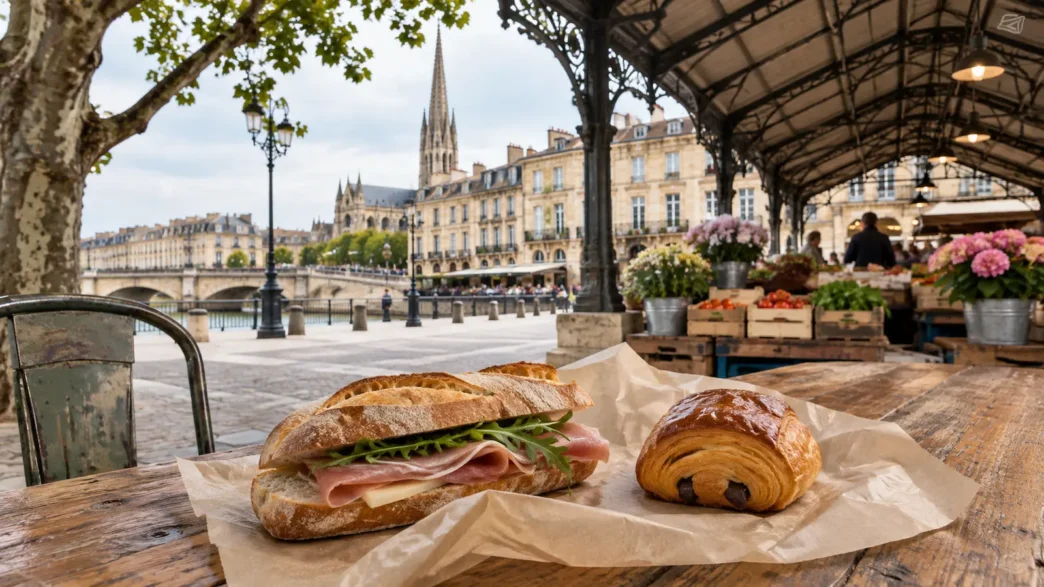
- Pay for one good meal rather than several incidental ones. Use the tourist office’s district guide to locate a morning food market and match it to what you actually need. A pastry and coffee, a market lunch and a chosen dinner do more for the trip than an afternoon of unplanned purchases between them. Check food hall vendor hours. Small snack and drink purchases can easily fill the amount you meant to save for dinner.
- Separate winery tastings from urban sightseeing. Tasting stops may include booked sessions, a transfer out of a village, or delivery costs for bottles. Walk the village for free and select one experience deliberately. Read the total before buying a flight, a hotel and a tour as if they were one package.
- Leave room for a wet afternoon or late connection. On a cold day, put an indoor ticket and a short ride in the reserve. Keep a second ride option in mind if the last convenient tram is too early. This makes it easier to preserve the activities you actually want.
- Keep the amount in euros at payment. When offered a conversion by a terminal or ATM, compare what it shows with your card issuer’s terms. Local currency usually leaves the conversion to your issuer. An ATM operator and your card can charge separately, so check the total before accepting.
A Worked Three-Night Solo Budget
Suppose you find a three-star double for your own use at €85 a night and travel on ordinary dates. Set aside €255 for the room. The official Bordeaux tax listing gives a €1.70 base for three-star accommodation, plus 10% and 34% additions where applicable. That is about €2.45 per liable adult per night, or €7.35 for this example. The Métropole’s tourist tax portal explains who pays and how collection works. Use the booking’s total so you count it only once.
- Three ordinary food days at €31 a day: €93, with bakery breakfast, market lunch or a simple meal, and a modest dinner.
- Six TBM singles: €11.40, including two airport tram rides and four other separately charged journeys. A contactless support or other purchase terms can add a small cost.
- Two paid Bacalan attractions: €39 total with the example standard adult tickets. Reductions, special programmes and a pass can change it.
- Cabin bag storage on departure day: €5.50 for the example service listed by Bordeaux Saint-Jean. Confirm size and hours.
- Flexible reserve: €40 in case the planned walk becomes a wet museum trip or the return transport needs a change.
This illustrative total is €451.25 before flights, long-distance train tickets, bottles or a winery trip. Removing one museum or avoiding luggage storage reduces it. Adding a different airport transfer or a more flexible reservation raises it. A €35 nightly increase changes the bill by €105 before you alter the food plan. Compare a second set of room dates before cutting away the outing you most wanted.
Bordeaux Budget by Travel Season
- March and April. Start with ordinary midweek rates and compare school-break or Easter dates separately. Outdoor plans can be good value if a shower stays short. Reserve enough for an indoor alternative and check seasonal reopens.
- May and June. This can be a strong period for long walks. Check weekends and the Bordeaux Wine Festival programme if relevant. The event can move between June and July, so confirm your travel year. A tasting pass and a hotel on the best return route each need a separate calculation.
- July and August. A hot day calls for lodging that can cool the actual room, and indoor time that may cost money. Price a weekday coast trip separately. A low daily city budget does not capture transport or a second hotel in the bay area.
- September to November. Harvest-period demand varies by estate and date. Some visits need reservations, others change their offering. Ask what the price includes before assuming every cellar accepts walk-ins. A wine-region room and a city room can move in different directions.
- December and New Year. Compare event dates and holiday openings. A seasonal market can be free to enter and still turn into a separate food and shopping afternoon. Keep enough in reserve for opening changes and the evening return.
- January and February. Ordinary weeks outside school breaks can suit an indoor trip. Compare actual quotes before treating winter as uniformly cheap. Some seasonal sites limit dates or hours, so a cheaper room only helps if your top choices are open.
Common Budget Mistakes
- 1. Dividing a room price inaccurately. Apply a shared-room budget only if someone is paying the other half. A solo private room needs the full price, and a family needs an actual rate for all occupants.
- 2. Forgetting tax on every night. Check the final booking lines and whether the hotel collects a local amount separately. Add any excluded tax once to the room, not again to the daily expense bucket.
- 3. Reusing an old airport fare. Verify current tram F, the standard TBM product and the actual return trip. A coach, taxi or shared van uses a different charge.
- 4. Buying attraction access for every day. Reserve paid visits for when you can use them. Walk the old town, public gardens and quays with a modest local fare on the other days.
- 5. Mixing a city pass and a coast ticket. Price the regional train to Arcachon independently, as well as any later bus or boat. Recheck the return time before buying a separate activity.
- 6. Paying twice to move the same bag. Ask first about the hotel’s hold hours. If you pay for a station service, choose the correct size and leave enough retrieval time for your own train.
- 7. Letting gifts take over the food budget. Set a separate amount for bottles, ceramics and edible gifts. Check delivery and baggage costs before assuming something is cheaper at the place you found it.
- 8. Equating a low rate with a good room. Match the route, room category, lift and air conditioning to your needs. A small room price cut does not compensate for several extra transfers on a short stay.
- 9. Setting the reserve at zero. Keep one modest amount for an unforeseen ticket, wait or change of transport. Having a cash margin makes it easier to cut a secondary stop without abandoning a day.
Choose One Expensive Day Before You Set the Average
Use a low-spend city day to leave room for the activity that matters most. For example, an assumed €35 dorm, €26 in food and two separately charged TBM journeys comes to €64.80 before any applicable local charges or storage. Place de la Bourse, a short bridge walk and the right-bank skyline can fill that day without another ticket. A second day with a dated exhibition and a longer lunch can cost considerably more while still fitting the same trip budget.
For a wine-country day, keep the return schedule beside the tasting booking. A late tasting requiring an extra transfer or a taxi is a different budget from a tasting in the village. Price the local connection and the possibility of a second bottle or shipment before deciding whether the price is worth it. If the hotel room has a refrigerator, a picnic lunch can keep that day flexible without forcing a rushed restaurant bill.
Key FAQs
Can you visit Bordeaux for €80 per day including a room? Yes on favorable dates if you use a dorm bed or split a budget room, eat simply and mostly see free sights. A solo private room and a busy event weekend can put it out of reach.
Do you need a Bordeaux CityPass to save money? Compare the specific admission and transport costs you can fit into its hours. The two usual adult Bacalan admissions are a useful comparison, while free walks and just a few rides may be cheaper separately.
How much extra should you budget for wine country? Price the round-trip train or booked driver, approach to the village or estate, tasting session and lunch. The amount depends on whether you visit the town independently or reserve an estate experience outside it.
Final Verdict and Your Next Step
Price the exact hotel first, decide which day merits a paid experience, and keep the day trips as separate budgets. Check the where-to-stay guides and Bordeaux hotel listings with the same nights and cancellation rules. A price you can verify and a route you can use are better starting points than a citywide average.