💡 Key Takeaways
- Walk inside one neighborhood, use the T for the longer leg and check the station exit before moving the group.
- The standard fares are $2.40 on the subway and $1.70 on a local bus. Check the current fare-pilot rules and use the same payment method for eligible transfers.
- Confirm the Green Line branch, the harbor dock and the last usable trip separately. Each can change your route.
Use this Boston transportation guide to keep most days simple: walk between close downtown stops and take the T for Fenway, Cambridge or a long cross-town trip. A Silver Line bus works for Seaport, and a ferry can be a useful harbor crossing. Pick the route from your actual door, then decide if individual fares or a pass make sense.
The 1-Min Cheat Sheet
- Walking. Best for Boston Common, the historic core and nearby waterfront blocks. Free, but brick, hills and weather matter.
- Subway and Green Line. Standard $2.40. Useful for red, orange, blue and green corridors; check Green Line branch letters.
- Local bus and Silver Line. Local service $1.70 as listed; several waterfront Silver Line routes use subway fare. Get the stop location right.
- Ferry. Good for specific town-to-waterfront trips, such as Long Wharf to Charlestown. Fares and schedules vary by route.
- Bluebikes. Good for one shorter ride on a suitable route. Confirm dock space and separate e-bike or extra-time charges.
Top Survival Tips
- Choose the trip before the ticket. A pass only makes financial sense if you expect enough paid rides. The MBTA fare page puts a standard day pass at $11 and a 7-day pass at $22.50. Coverage depends on the pass medium and mode; check the details before assuming commuter rail or ferry coverage.
- Understand the 2026 transfer pilot. Beginning September 1, 2026, eligible subway, bus and ferry trips allow expanded transfers within two hours. The official fare pilot explains the terms and exceptions. Stick with the same card or device for a linked journey.
- Read the station name and branch. North Station, South Station and Back Bay are not interchangeable. The T, regional commuter rail and Amtrak also have different tickets and platforms.
- Look up a station’s accessibility. A rail line can have both accessible and less suitable stations. Check the intended entrance, lift alerts and alternate stop using the MBTA access page.
- Plan your last ride while still at the hotel. Check the date, applicable alerts, destination branch or pier and an alternative if the last useful service changes.
Boston Transportation Guide: The Main Options
🚶 Walking: Best Within Downtown, the North End and Back Bay
Free • Short tours by area • Watch surfaces
In central Boston, a walk of a few blocks can beat a station transfer. Use clear names like Boston Common, Copley Square and Aquarium to choose a neighborhood for the day. The Greenway map is useful when the waterfront and downtown form a single outing.
Test one leg with the actual bags or shoes the group will use. Brick sidewalks, stairs, a bridge or a cold headwind can change the easiest route. On a long day, walk one way and make the return the short transit decision.
If it is wet, avoid making every choice depend on an outdoor cutoff. Put a public library or indoor meal on the main route rather than crossing town for a replacement.
✅ What Other Travelers Say: A walking route that ends at a useful station keeps the day flexible.
⚠️ The Catch (Things to Keep in Mind): Some central blocks are hillier or rougher than they appear on a map. Use step-free route information for both the street and station.
🚇 The T: Best for Fenway, Cambridge and Longer City Trips
Red, Orange, Blue and Green • Standard $2.40 • Multiple payment choices
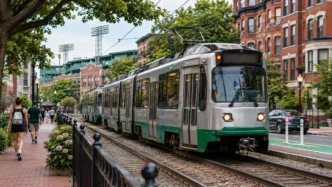
The MBTA subway guide shows the color routes and service structure. Red Line works for Cambridge and downtown. Blue Line serves Airport station, Aquarium, State and Government Center. Orange is useful for North Station, Downtown Crossing and Back Bay. Green Line serves several central and branch stops.
Use the branch letter for outer Green Line destinations. Write the stop name and the branch you need before heading out. For Kenmore or museum stops, check the stop independently rather than boarding a train only because its line is green.
Pay for each traveler with an eligible method, and see MBTA Tap to Ride instructions for contactless details. For a transfer, the physical card and a phone wallet are not always treated as the same token. Use the same method throughout and check whether a ticket or pass is required for a ferry or commuter rail leg.
✅ What Other Travelers Say: Most first trips can use the T for only the longer transitions and avoid rearranging the whole itinerary around it.
⚠️ The Catch (Things to Keep in Mind): Service changes affect directions and travel time, especially on weekends. Check the current map and alerts before relying on the quickest line shown in an older video.
🚍 Bus and Silver Line: Best When a Rail Stop Leaves a Long Walk
Local bus • Waterfront busway • Airport inbound exception
Compare the local bus stop with the actual store, hotel or museum door. A bus can remove a long station approach for a traveler with a stroller, but a short road segment can still be slow around a large event.
Silver Line service from South Station is useful for Courthouse, World Trade Center and named branch stops. Read the destination in addition to the SL label. The MBTA bus guide explains that waterfront branches SL1, SL2 and SL3 normally charge the standard subway fare. The inbound Logan SL1 leg is the special free ride.
For Back Bay at Logan, the Massport Logan Express option is separate from the T. Compare its stop and hours with the last leg rather than using the route name as if it were the airport subway.
✅ What Other Travelers Say: An exact bus stop can turn a tiring last half mile into a short connection.
⚠️ The Catch (Things to Keep in Mind): Road traffic and events can change bus timing. Keep the walking option or another route available when a paid appointment is close.
⛴️ Public Ferry: Best for a Harbor Crossing That Fits the Day
Signed public piers • Charlestown F4 • Weekday Harbor Loop
Take the Charlestown ferry if going between Long Wharf South and the Navy Yard, and the current sailing fits your day. Check the pier name when looking for a return, because different services can have nearby boarding points.
The weekday Harbor Loop timetable covers specific stops near North Station, Aquarium, Seaport and Logan’s dock. It is separate from the Charlestown trip as well as private sightseeing sailings. At Logan, allow time for the free shuttle from the dock to your terminal.
Use the official ferry fare page before tapping or buying a ticket. Fares, pass acceptance and transfer rules depend on the route and payment. If you need a step-free trip, check the boarding conditions for the specific pier.
✅ What Other Travelers Say: A short boat ride can give tired legs a rest and turn the crossing into part of the day.
⚠️ The Catch (Things to Keep in Mind): Never assume a sailing is frequent because it appears on the map. Confirm the actual timetable, last return and weather cancellation status.
🚲 Bluebikes: Best for a Short River or Neighborhood Ride
Docked share bikes • Different classic and e-bike charges • Plan the return dock
Pick Bluebikes when the terrain, weather and group match the route. The Charles River Esplanade information helps you plan a river outing. On shared paths, use a speed that leaves room for pedestrians and pay attention where paths or street crossings come together.
The official pricing page currently lists $3 for a 30-minute classic Single Trip and $11.99 for a day pass. Review the ride length included, e-bike charges and any additional time pricing before unlocking. The cheapest option depends on your ride rather than how long you are in the city.
Check the destination dock before setting out and identify a second one nearby. A bike share ride can become awkward if the entire group reaches a full dock before a timed booking.
✅ What Other Travelers Say: Short rides can work for the Esplanade or paths between stops when you have a place to dock at the end.
⚠️ The Catch (Things to Keep in Mind): Do not rely on available docks or bikes during an event without checking live availability. Reserve enough time to confirm the bike locked before walking away.
Key FAQs
How should a first-time visitor pay for the Boston T? A compatible contactless card or wallet can work for subway and bus rides, and Charlie products are also offered. Buy a daily or weekly pass only after checking the rides you actually expect.
Do you need a car for a Boston vacation? Usually no for central Boston, Fenway and Cambridge. Use rail, walking and occasional rides when they suit the location. Consider a car for a specific destination that is awkward by transit.
Is there a ferry from central Boston to Logan Airport? The weekday F10 Harbor Loop serves Logan’s boat dock and several waterfront stops. Check the sailing and Massport’s dock shuttle. A bus or subway transfer is a better option when the ferry timing does not fit.
Final Verdict and Your Next Step
Save a simple map of the places you will visit twice. Use the T for the cross-city leg, walk within the chosen area and check any ferry or bike trip by the exact dock. Buy the fare that matches those actual trips.
Check the operator’s latest route information. For more planning, browse the Travel Stay Guide transportation articles.