💡 Key Takeaways
- Allow three full days. Start in Santa Cruz, spend another morning on Plaza de España and the park, and save Triana for a late-morning market stop.
- Stay near Santa Cruz, Arenal or Puerta Jerez. Choose by your arrival route and how easily you can get back for a rest.
- Reserve the Real Alcázar first. Add a separate cathedral time. Leave the rooftop, river and market flexible so weather and energy can decide.
The simplest Seville travel guide for a first visit is two advance bookings, one centrally placed hotel and a cluster of sights each day. Add a meal across the river and one seated evening show if you want a different pace. Three full days let you see the main monuments and form a feel for the neighborhoods. Your late arrival works best as a short walk and dinner.
The 1-Min Cheat Sheet
- How long to stay: Three full sightseeing days for the headline visits and Triana. Add another day for art, a slower lunch schedule or a short day trip.
- Where to sleep: Santa Cruz for the palace, Arenal for the river and central sights, or Puerta Jerez for useful tram and Metro links. Compare the precise property approach with the Seville accommodation guides.
- When to come: May and October generally make longer walks easier. Check Semana Santa and Feria separately, as each changes transport and access.
- How to arrive: EA bus or licensed taxi from Seville Airport. For trains, Santa Justa is east of the old town and TB1 is useful if you are staying by Setas or Plaza del Duque.
- What to reserve: An Alcázar slot, a date-specific Cathedral and Giralda ticket and a flamenco show if timing matters. The park and river stay flexible.
- Cash and language: Euros are used. Keep a little cash for smaller purchases if you normally use a card. Llegadas means arrivals, salida is exit or departure in context, and sentido tells you the direction.
Top Survival Tips for a First Visit
- Give the two famous sights time between them. Book the Real Alcázar early and make the cathedral an afternoon visit if the calendar supports it. Leave space for an unhurried lunch and the small checks that timed entry still requires.
- Pick the exact place where wheels meet pavement. Save the entrance to your accommodation and the nearest legal drop-off. A short taxi ride can end at the mouth of a narrow street. Bring a screenshot of the final walk so arrival does not depend on reception.
- Eat with the clock in mind. Have a flexible lunch area in mind whenever the morning includes a timed ticket. Busy terraces on the shortest route can become a long detour if every table is full. Read the menu, decide whether the room is worth the wait and try a nearby side street.
- Keep the route in the shade when it matters. Seville interiors and gardens are large, and stone squares can feel intense in summer. Start the park early, plan a genuine mid-afternoon break and carry water. Move the rooftop if strong heat or wind makes it a poor evening choice.
- Check the city’s event and access notices. Seville’s event pages give access information for major dates. When worship, processions or fair traffic affect opening or transport, base your day on the current notice.
- Build your itinerary around geography. Visit the park from the south side, museums from the old town and Triana from the river. The Seville itinerary guides make it easier to split those areas over separate days.
Seville Travel Guide by Neighborhood
📍 Santa Cruz — Best for the Palace and First Old-Town Walk
Timed monuments · shaded side streets · busy center
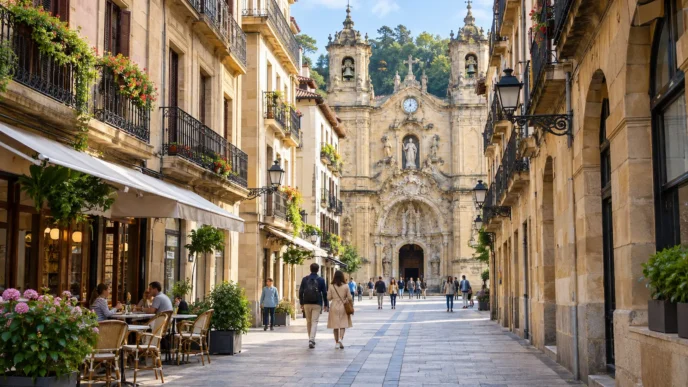
Santa Cruz is the natural base for a first morning. The palace and cathedral are close to each other and the little streets between them are more enjoyable before the middle of the day. Start with one main booking and leave the side-street wandering open. Look for Callejón del Agua or Plaza de Doña Elvira when you want to take a slower turn.
The Alcázar lists €15.50 general admission, and the cathedral standard online ticket is €13 at the time checked. Carry the booking ID for the palace and check the date-specific cathedral entrance. If you have to choose between a long garden walk and the Giralda ramps, decide which experience the group actually values.
✅ What Other Travelers Say: The change from small squares to the scale of the cathedral is one of the things that makes this area easy to remember.
⚠️ The Catch (Things to Keep in Mind): A five-minute radius with no bags feels different after dinner with a roller and a route through narrow paving. Ask for the hotel’s arrival instructions.
📍 Arenal and the Guadalquivir — Best for a Low-Effort Evening
Open river views · bridges · central dinner options
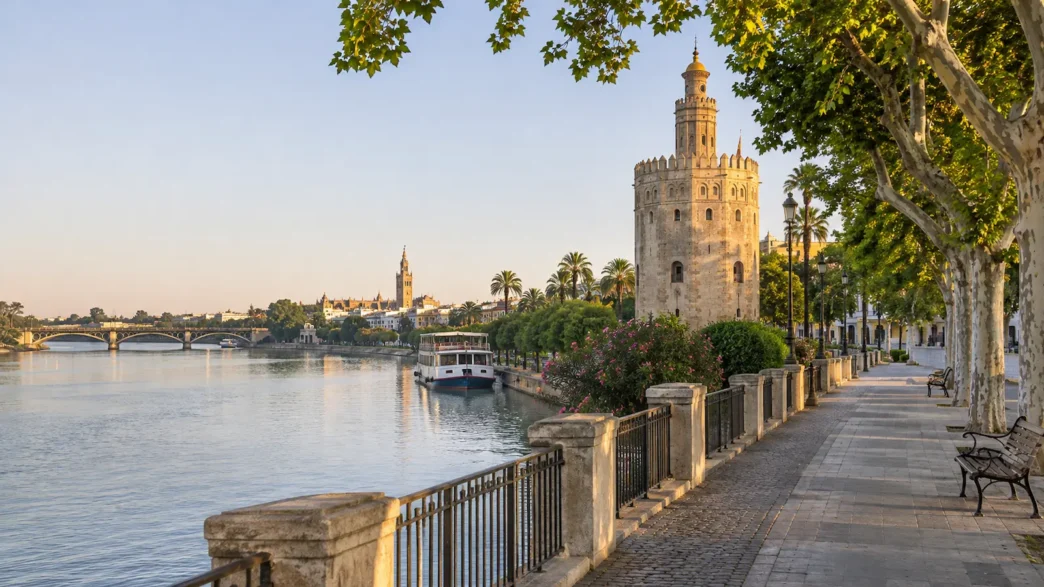
Arenal gives you walking access to the old town and some room to breathe near the river. Start from the Torre del Oro area and decide how far to go after you see the wind and sun. This is an enjoyable time to let the schedule end at dinner.
If you plan a second crossing, pick the bridge in advance. Isabel II works well for the market at the far side. San Telmo makes a useful loop when you want to walk north through Triana and find outdoor seating on the west bank.
✅ What Other Travelers Say: River walkers value being able to end the route when they see a comfortable place to stop.
⚠️ The Catch (Things to Keep in Mind): The lower path and crossings can add ramps, and weather matters near the water. Street-level alternatives are useful after dark or during a closure.
📍 Triana — Best for a Market Lunch and Ceramics
Food market · independent streets · a short bridge crossing
Cross Puente de Isabel II to Plaza del Altozano and start inside the Mercado de Triana. Give the market roughly an hour or use it for a light bite before a proper neighborhood lunch. Keep the nearby ceramic shops or ceramics museum as an optional second stop.
Spend whichever time you have left on Calle Betis or an inland street away from the riverfront. Eat in Triana when possible. That saves crossing back hungry just to start looking for somewhere around the cathedral.
✅ What Other Travelers Say: The market’s smaller counters and snacks often suit a group that cannot agree on one long lunch.
⚠️ The Catch (Things to Keep in Mind): Opening times vary by stall and local holiday. If seeing produce and fish matters, begin before lunch, not in the late afternoon.
📍 Prado and María Luisa Park — Best for Families and Sunny Mornings
Open plaza · park shade · easy cutoffs
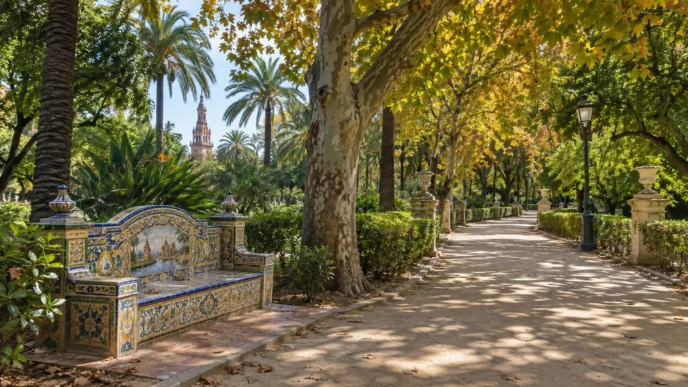
Start at Plaza de España when the square is still comfortable, then move into María Luisa Park for shade. The plaza and park are an especially good pair for families because it is easy to take a short loop, stop at a bench or turn toward Prado when a child is finished.
This is the cleanest morning to leave open. If the forecast calls for rain or a heat spike, postpone the outdoor portion and keep a simple indoor backup. Take T1 back toward the center if the group has had enough walking.
✅ What Other Travelers Say: The wide plaza and nearby benches make many travelers glad they scheduled the two sites together.
⚠️ The Catch (Things to Keep in Mind): Plaza de España is exposed. The park paths are easier to shorten than they are to sprint through after a full day.
📍 Encarnación and the Central Tablaos — Best for One Planned Evening
Setas viewpoint · walkable center · seated flamenco alternative
Choose the Setas rooftop when you want a city view and the weather suits it. General rooftop tickets start at €16. The square below is useful if you only want a brief look en route to dinner. Staying nearby keeps the walk home simple.
Choose a bookable flamenco performance when you want a seated evening. The Flamenco Dance Museum has several ticket formats. Check how early to turn up and whether seat assignments, age rules or a museum visit are included. Book one timed evening activity and let dinner fit around it.
✅ What Other Travelers Say: Travelers who keep this as their only evening commitment can enjoy it even after a longer lunch or a late hotel break.
⚠️ The Catch (Things to Keep in Mind): The rooftop is exposed and show seats can differ by room and format. Compare an exact time and entry condition before paying.
Key FAQs
Where is the best area to stay for a first trip to Seville? Santa Cruz is easy for the palace and cathedral, Arenal is good for both riversides, and Puerta Jerez helps when you want short journeys to the park and Metro. Decide using the hotel’s access route.
How many days do first-time visitors need in Seville? Three full days are enough to cover the main monuments, Triana and the park without rushing. Add a fourth to leave an extra day for a museum or a short excursion.
Is Seville easy to visit without renting a car? Yes. Walk the old town, use the city bus or tram for longer gaps, and take the EA bus or a licensed taxi from the airport. Consult the transfer and transport guides if your arrival leaves a longer final walk.
Final Verdict and Your Next Step
Choose the hotel whose front door fits your arrival, reserve the Alcázar and cathedral, then keep the park and river loose. Compare one rooftop or flamenco plan against the actual weather and your available evenings. That leaves enough time for the parts of Seville that are best discovered walking at your own pace.