
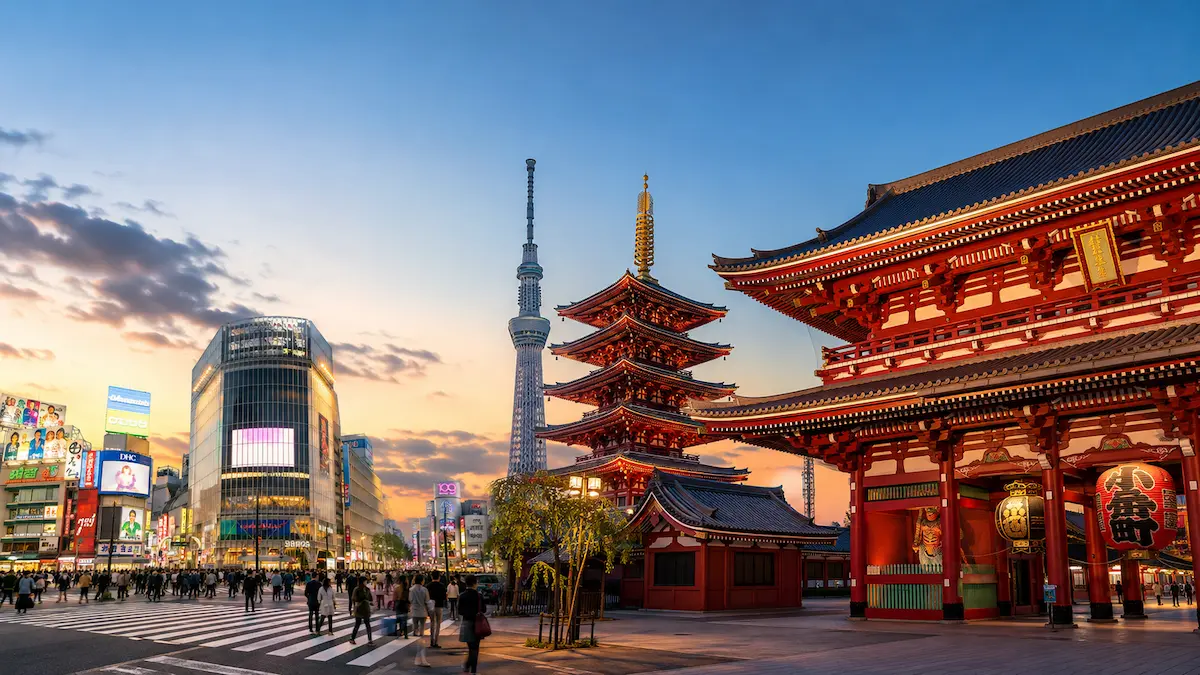
💡 Key Takeaways
- The biggest Tokyo itinerary mistake is geographic chaos. Keep East Tokyo, West Tokyo and the bay area on separate days instead of bouncing across the city.
- Do not automatically pay for both Tokyo Skytree and SHIBUYA SKY. Most first-time visitors need only one paid observation deck; choose by weather, photography style and neighborhood.
- Timed tickets are the real bottleneck. SHIBUYA SKY sunset slots and teamLab Planets can sell out, while an electronic ticket usually skips only the purchase counter—not security or the timed-entry queue.
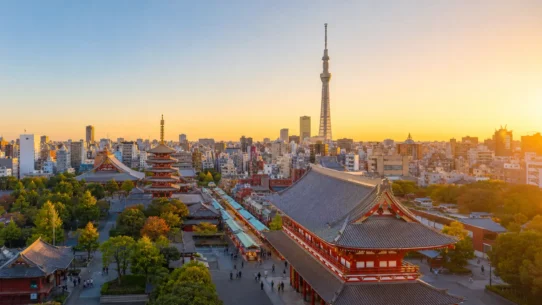
Tokyo punishes bad planning in a very specific way: not with one dramatic disaster, but with a thousand tiny energy leaks. You queue for a photo at Sensoji at noon, walk the same Shibuya block three times because the station exits are confusing, drag a suitcase through rush hour, and reach an observation deck just as clouds erase the skyline. The classic “greatest hits” route—Sensoji, Tokyo Skytree, Meiji Jingu, SHIBUYA SKY and teamLab Planets—is popular for a reason, but it is also one of the easiest three-day Tokyo itineraries to get badly wrong. This guide keeps the famous sights, removes the pointless backtracking, and tells you where the experience is genuinely worth the money.
The 1-Min Cheat Sheet
| Attraction | Best for | Suggested stay | Ticket / transport requirement |
|---|---|---|---|
| Sensoji Temple & Asakusa | First-time visitors, traditional streets, early-morning photography | 60–90 minutes; add 45 minutes for Nakamise shopping | Temple grounds are free. About a 5-minute walk from Asakusa Station. Go before 8:30 a.m. for space; return later if you want open shops. |
| Tokyo Skytree | Maximum height, wide city views, families, poor-weather backup activities in Solamachi | 90–120 minutes | Timed e-ticket strongly recommended. Current regular adult prices are ¥2,100 weekday / ¥2,300 holiday for Floor 350, or ¥3,100 / ¥3,400 for Floors 350+450. Use Oshiage or Tokyo Skytree Station. |
| Meiji Jingu | Quiet greenery, culture, travelers who need a break from neon Tokyo | 60–90 minutes | Free. Harajuku Station is beside the entrance, but the shrine itself requires a long walk through the forest. Opening times change seasonally. |
| SHIBUYA SKY | Open-air skyline photos, couples, sunset-to-night views | 75–100 minutes | Timed ticket essential. Official online adult price is currently ¥2,700 before 3:00 p.m. and ¥3,400 from 3:00 p.m. Tickets are sold up to two weeks ahead. Directly connected to Shibuya Station. |
| teamLab Planets TOKYO | Immersive art, families with older children, social-media photos | 2–2.5 hours after the expansion | Timed QR ticket from ¥3,600; no normal on-site ticket counter. One minute from Shintoyosu Station, or about 10 minutes on foot from Toyosu Station. |
Prices and ticket rules were checked on August 1, 2026. Dynamic prices, maintenance closures and special-event hours can change; confirm the final amount on the official or booking page before paying.
Tourist Traps to Avoid & Itinerary Hacks
- Trap: Copying a “top 10” map instead of grouping neighborhoods. Asakusa and Skytree belong together. Meiji Jingu, Harajuku and Shibuya belong together. teamLab Planets belongs with Toyosu and Odaiba. Mixing those clusters creates long cross-city rides and extra station walking.
- Trap: Visiting Sensoji only at noon. The temple’s atmosphere is best early, but Nakamise’s shops are not fully awake at dawn. The smart compromise is to photograph the temple first, take a coffee or riverside detour, then pass Nakamise again as shops open.
- Trap: Paying for two very similar skyline experiences. Skytree wins on height and scale; SHIBUYA SKY wins on open-air atmosphere and foreground drama. Unless you collect observation decks, buy one and spend the other fee on food, an airport transfer or a luggage-forwarding service.
- Trap: Treating a sunset slot like a flexible suggestion. SHIBUYA SKY’s best late-afternoon entries are the first to disappear. The official site currently releases dates up to two weeks ahead. Have a second-choice time ready; “exact sunset” is not worth rebuilding your entire day around.
- Trap: Assuming bad weather means a refund. SHIBUYA SKY’s rooftop can close in strong wind, rain or other unsafe conditions, while the indoor gallery remains open. After entry, a rooftop closure does not automatically produce a refund. Check the live weather before scanning in.
- Trap: Bringing a large bag to SHIBUYA SKY. Bags, loose hats, tripods, selfie sticks and other items are restricted on the rooftop. Small lockers are provided upstairs, but suitcases should be left at your hotel or in a station locker before arrival.
- Trap: Wearing the wrong clothes to teamLab Planets. You enter barefoot, water may reach adult knee height, and some floors are mirrored. Wear trousers or shorts that roll up easily. Free rental shorts exist, but planning your outfit is faster and less awkward.
- Trap: Believing “skip the line” means zero waiting. A QR ticket can remove the purchase-counter queue. It does not remove bag checks, elevators, weather holds or the line formed by everyone holding the same timed slot.
- Trap: Buying a rail pass without checking coverage. The Tokyo Subway Ticket covers Tokyo Metro and Toei Subway, not JR trains, private railways or the Yurikamome line to Shintoyosu. It can still be excellent value, but it is not a universal Tokyo transport pass.
- Trap: Changing hotels during a three-night stay. The packing, checkout, luggage storage and new check-in cost more time than the train ride you think you are saving. Pick one base near a useful line—Ginza, Ueno, Asakusa or central Shibuya—and use luggage forwarding only when moving on to another city.
Save Your Legs! The Most Efficient Route
The route below treats Tokyo as three separate zones. It is designed for a first visit, normal walking ability and one hotel base. Start early, but do not schedule every meal: Tokyo’s best time-saving move is often eating near the attraction you are already visiting rather than commuting to a viral restaurant across town.
Day 1: Old Tokyo to the Tallest View—Asakusa → Sumida River Walk → Tokyo Skytree
7:30 a.m.: Enter Sensoji through Kaminarimon while tour groups are still eating breakfast. Walk straight to the main hall and pagoda first.
8:30 a.m.: explore the side lanes, Asakusa Shrine and the riverside.
9:15 a.m.: pass through Nakamise again as more shutters rise.
10:00 a.m.: cross toward Tokyo Skytree using the Sumida River Walk, the shortest pedestrian connection between the two areas. The bridge itself is only 160 meters and is generally open 7:00 a.m.–10:00 p.m.; allow roughly 20 minutes for the full neighborhood-to-neighborhood walk.
10:45 a.m. or later: enter Skytree on your timed ticket, then eat inside Tokyo Solamachi rather than returning to Asakusa. If visibility is poor, skip the observation deck and use the mall, aquarium or another indoor attraction instead of paying for a white wall of cloud.
Day 2: Forest to Neon—Meiji Jingu → Omotesando/Harajuku → Shibuya → SHIBUYA SKY
8:00 a.m.: enter Meiji Jingu from Harajuku Station before the main shopping crowds arrive. The forest path is longer than it looks, so wear proper shoes and do not schedule a 9:00 a.m. reservation elsewhere.
9:45 a.m.: exit toward Harajuku and walk the quieter lanes before Takeshita Street peaks.
11:30 a.m.: continue southeast through Omotesando, Cat Street or Miyashita Park rather than boarding a train for one stop.
2:00 p.m. onward: explore Shibuya Crossing, Hachiko and the surrounding malls. Book SHIBUYA SKY for late afternoon only if the forecast is good; otherwise choose an evening slot and enjoy the indoor areas without betting the whole day on sunset. After the observation deck, stay in Shibuya for dinner. Do not cross Tokyo again for a restaurant reservation.
Day 3: Market Breakfast to Digital Art—Tsukiji → teamLab Planets → Toyosu/Odaiba
8:00 a.m.: eat at Tsukiji Outer Market before the tight lanes become difficult to navigate.
9:30 a.m.: travel toward Toyosu. The simplest low-cost option is subway to Toyosu and a roughly 10-minute walk; the easiest option for tired legs is a reserved Ginza or Tokyo Station shuttle when schedules match.
10:30 a.m. or 11:00 a.m.: enter teamLab Planets. Allow at least two hours, use the lockers, and keep spare socks in a small waterproof pouch.
1:30 p.m. onward: continue in the same direction toward Toyosu’s waterfront or Odaiba via Yurikamome. This avoids the classic mistake of returning to central Tokyo for lunch and then traveling back to the bay for sunset.
The hotel-base hack: for this exact itinerary, Ginza/Tokyo Station gives balanced access to all three zones, while Ueno/Asakusa usually offers better value and the easiest Day 1. Shibuya is convenient for nightlife but adds time to the east-side morning. Choose based on your evenings, not just the first attraction on your list.
Ticket Tips & Skip-the-Line Hacks
Buy the three timed attractions before you lock in restaurants. Your priority order should be SHIBUYA SKY at a high-demand time, then teamLab Planets, then Tokyo Skytree. Save each QR code to your phone wallet or screenshots, and keep the confirmation email accessible offline. “Instant confirmation” is useful; it is not permission to arrive whenever you like.
For SHIBUYA SKY: compare the official page with Klook and KKday inventory. Third-party availability can differ, but cancellation rules and child-ticket handling may also differ. Check the date, entry band and rooftop weather risk before paying.
Check SHIBUYA SKY tickets on Klook
Check SHIBUYA SKY tickets on KKday
For teamLab Planets: do not plan on buying a normal walk-up ticket. The official ticket store issues QR tickets for a selected date and time, and the venue’s help page states that tickets are not sold at an on-site counter or vending machine. Arrive with the QR code ready, but expect a short timed-entry line.
Check teamLab Planets tickets on Klook
Check teamLab Planets tickets on KKday
For Tokyo Skytree: advance tickets are cheaper than counter tickets, and inventory can sell out during peak periods. Decide whether Floor 450 is truly worth the upgrade. Floor 350 already gives the essential panorama; the higher gallery is best for height enthusiasts or first-time visitors who know the sky will be clear.
Check Tokyo Skytree tickets on Klook
Check Tokyo Skytree tickets on KKday
For transport: the official Tokyo Subway Ticket currently costs ¥1,000 for 24 hours, ¥1,500 for 48 hours and ¥2,000 for 72 hours. It covers all Tokyo Metro and Toei Subway lines from first use, but not JR or Yurikamome. A 72-hour ticket can work well for this route if your hotel is near the subway; an IC card is safer if you expect to use mixed operators and fewer rides.
Check the Tokyo Subway Ticket on KKday
Affiliate disclosure: the booking links above may earn this site a commission at no extra cost to you. Prices, inclusions and cancellation terms are controlled by the booking platform; compare the final checkout page before purchasing.
Tried & Tested: My Honest Review
📍 Stop 1: Sensoji Temple & Asakusa
Tags: #FreeAttraction #EarlyMorningWin #Culture #CrowdWarning #BestBudgetStop
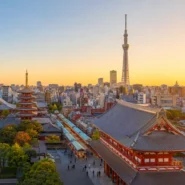
Sensoji is not overrated; visiting it at the wrong hour is overrated. Before breakfast, the red gates and main approach feel monumental. By late morning, Nakamise becomes a slow-moving river of people stopping without warning for snacks and photos. The best visit is a two-pass strategy: temple first, shopping street second. It costs nothing, has genuine cultural weight, and gives you the strongest “old Tokyo” contrast before Skytree.
✅ What Other Travelers Say
Travelers consistently praise the visual impact of Kaminarimon, the five-story pagoda and the atmosphere of the surrounding lanes. Many also say the experience improves dramatically early in the morning or in the evening after day-trip groups leave.
⚠️ The Catch (Things to Keep in Mind)
The temple is a living religious site, not a theme-park set. Do not block worshippers for a photo, and do not confuse Shinto shrine etiquette with Buddhist temple practice. The grounds can be entered early, but hall, shop and stall hours vary. Wheelchair access exists, yet peak-hour crowds make movement much harder.
📍 Stop 2: Tokyo Skytree
Tags: #HighestView #FamilyFriendly #WeatherDependent #PaidAttraction #GoodRainyDayArea
Skytree is the observation deck for people who want to understand Tokyo’s scale. The city spreads so far that it can look almost abstract. That is also its weakness: the view is spectacular, but less emotionally “Tokyo” than SHIBUYA SKY because the famous crossing and dense western skyline are far away. I recommend Floor 350 for most travelers. Upgrade to Floor 450 only when visibility is excellent or height itself is part of the thrill.
✅ What Other Travelers Say
High-volume booking reviews repeatedly praise the efficient elevators, 360-degree panorama, glass floor and the convenience of combining the tower with food and shopping in Solamachi. Families like having indoor backup options in the same complex.
⚠️ The Catch (Things to Keep in Mind)
Cloud, haze and reflections can flatten the view. Sunset also creates elevator and photo-spot congestion. A timed ticket avoids buying at the counter but does not make the observation decks empty. If you already booked SHIBUYA SKY, Skytree is the first paid attraction I would cut from a tight budget.
📍 Stop 3: Meiji Jingu
Tags: #FreeAttraction #ForestWalk #QuietTokyo #LongWalk #RespectfulTravel
Meiji Jingu works because it changes your pace. The forest absorbs much of the city noise, and the long approach gives the shrine a sense of arrival. It is not a stop for travelers who want a dense checklist of objects to photograph. It is a walk, a pause and a cultural space. Put it first in the morning, then let Harajuku and Shibuya become progressively louder as the day continues.
✅ What Other Travelers Say
Visitors often describe the forest as unexpectedly peaceful despite its location beside Harajuku. The torii gates, sake-barrel displays and occasional wedding processions are common highlights, while the free admission makes it one of Tokyo’s best-value major sights.
⚠️ The Catch (Things to Keep in Mind)
The entrance beside the station is not the shrine itself. The round trip through the grounds takes time and energy, especially on gravel paths. Seasonal closing times matter, and New Year periods are exceptionally busy. Travelers with limited mobility should review the accessible routes and allow more time.
📍 Stop 4: SHIBUYA SKY
Tags: #BestPhotoView #SunsetSellout #OpenAirDeck #WeatherRisk #BookAhead
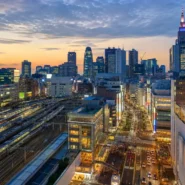
SHIBUYA SKY is the better single observation deck for most first-time visitors because the view has a story: the crossing directly below, Tokyo Tower in the distance, trains sliding through the city and a rooftop where you can feel the wind. The best-value time is not always sunset. A clear morning gives sharper visibility, easier photos and a lower official ticket price than post-3:00 p.m. admission.
✅ What Other Travelers Say
Travelers frequently praise the open-air rooftop, the corner photo spot and the transition from daylight to city lights. Booking-platform reviews also highlight the organized entry process and direct connection to Shibuya Station.
⚠️ The Catch (Things to Keep in Mind)
Popular sunset slots can vanish quickly. Rooftop access is weather-dependent, loose belongings must be stored, and the famous corner photo can develop its own queue. The indoor gallery is good, but not equal to the rooftop; do not scan in blindly during severe wind or rain and then expect a full refund.
📍 Stop 5: teamLab Planets TOKYO
Tags: #ImmersiveArt #BarefootExperience #TimedEntry #FamilyConsiderations #PhotoHeavy
teamLab Planets is commercial, crowded and still capable of being genuinely beautiful. The strongest rooms make you physically aware of scale, light, water and other people moving through the work. The weaker moments feel like everyone is waiting for the same vertical video. Go in knowing that this is participatory digital art, not a silent conventional museum, and the experience makes more sense.
✅ What Other Travelers Say
Visitors repeatedly praise the water installations, mirrored spaces and the sensory surprise of moving barefoot through changing environments. The expanded areas give families and repeat visitors more to do, and the QR-ticket system makes entry straightforward when prepared.
⚠️ The Catch (Things to Keep in Mind)
Water may reach adult knee height, mirrored floors can reveal more than expected, strollers stay outside, and re-entry is not allowed. Free lockers are small—approximately 23 × 34 × 37 cm—so this is a terrible place to arrive with luggage. Some dark, flashing or uneven areas may not suit every visitor, although detour routes are available.
Key FAQs
What is the best 3-day Tokyo itinerary for first-time visitors without too much walking?
Use one zone per day: Asakusa and Skytree on Day 1; Meiji Jingu, Harajuku and Shibuya on Day 2; Tsukiji, teamLab Planets and Toyosu/Odaiba on Day 3. Do not add a distant restaurant or another major district unless it lies directly on the route. Stay at one hotel and forward large luggage when leaving Tokyo.
Should I visit Tokyo Skytree or SHIBUYA SKY on a short Tokyo trip?
Choose SHIBUYA SKY for open-air photos, Shibuya Crossing and a more dramatic urban foreground. Choose Skytree for the highest view, a huge panorama and a family-friendly complex with indoor dining and attractions. On a three-day budget itinerary, paying for both is usually unnecessary.
How far in advance should I book SHIBUYA SKY and teamLab Planets tickets?
Book SHIBUYA SKY as soon as your preferred date enters the current two-week sales window, especially for late-afternoon entry. Book teamLab Planets once your Day 3 timing is fixed; popular weekends and holiday periods can sell out. Recheck cancellation and change rules before payment because official and third-party policies differ.
Final Verdict and Your Next Step
The perfect three-day Tokyo itinerary is not the one with the most pins. It is the one that protects your best hours, your feet and your patience. Keep the famous five, but visit Sensoji early, walk from Asakusa to Skytree, let Meiji Jingu flow naturally into Shibuya, and reserve teamLab Planets as the anchor for a bay-area day. Most importantly, choose one paid observation deck unless skyline views are a major personal priority.
Lock in the hardest timed ticket first, then build meals and flexible stops around it. For most travelers, that means checking SHIBUYA SKY availability now, securing teamLab Planets next, and booking Skytree only after deciding whether a second observation deck adds enough value.
Check SHIBUYA SKY availability on Klook
Check SHIBUYA SKY availability on KKday
Book teamLab Planets on Klook
Book teamLab Planets on KKday
Check Tokyo Skytree tickets on Klook
Check Tokyo Skytree tickets on KKday
Check the 24/48/72-hour Tokyo Subway Ticket on KKday
Planning Sources Checked
Official and current-reference pages used for verification:
- Sensoji official English site
- GO TOKYO: Sensoji access and visitor information
- GO TOKYO: Meiji Jingu access and accessibility
- GO TOKYO: Sumida River Walk
- Tobu Railway: Tokyo Skytree prices and access
- Tokyo Skytree official ticket store
- SHIBUYA SKY official ticket page
- GO TOKYO: SHIBUYA SKY weather warning
- teamLab Planets official ticket store
- teamLab Planets official clothing, locker and access rules
- Tokyo Metro: official Tokyo Subway Ticket prices and coverage