
💡 Key Takeaways
- Hakata and Tenjin are not interchangeable hotel bases. Stay near Hakata Station for airport access, Shinkansen journeys and luggage-heavy day trips; choose Tenjin for shopping, restaurants and nightlife.
- The famous “five minutes from the airport” claim needs context. The subway station is at the domestic terminal. International arrivals must first use the free inter-terminal shuttle, so allow extra time.
- Do not force Dazaifu, Itoshima and central Fukuoka into one day. They sit in different directions and use different transport systems. The itinerary may look compact on a map but wastes hours in transfers.
A useful Fukuoka travel guide for first-time visitors should do more than list ramen shops, yatai stalls and photogenic shrines. The real challenge is deciding where to stay, understanding which station serves which journey, and resisting the temptation to turn a pleasantly compact city into an exhausting checklist.
Fukuoka is easier than Tokyo or Osaka in many ways, but it has its own traps. Hakata Station, Nishitetsu Fukuoka (Tenjin) Station, Tenjin subway station and Tenjin-Minami subway station are separate transport nodes. Momochi looks close to the centre but is less convenient by rail than many visitors expect. Itoshima is regularly marketed as a simple beach escape, although its best-known coastal stops are spread out and much easier by car or organised tour. Even Fukuoka Airport, one of Japan’s most convenient urban airports, requires an extra terminal transfer for many international passengers.
The good news is that a well-planned three- or four-day trip can feel relaxed, varied and excellent value. Fukuoka rewards travellers who group sights geographically, leave room for food discoveries and choose one strong day trip instead of collecting distant landmarks.
Planning note: transport and attraction information in this guide was checked against official sources in August 2026. Fares, opening hours and operating days can change, so recheck the linked official pages shortly before travel.
The 1-Min Cheat Sheet
- Ideal first trip: Three full days for Fukuoka city plus Dazaifu; four days if adding Itoshima or another Kyushu day trip.
- Best base for a short trip: Hakata Station, especially with large luggage, an early flight, Shinkansen plans or multiple day trips.
- Best base for food and nightlife: Tenjin, Daimyo or Imaizumi, provided you do not mind a bus or subway ride to Hakata for long-distance trains.
- Airport reality: Domestic-terminal passengers can reach Hakata quickly by subway. International passengers should add time for the free shuttle between terminals. Check the official Fukuoka Airport first-time guide.
- City transport: Use an IC card or contactless payment for simple city journeys. Buy a day pass only after counting your actual rides; many central days are mostly walkable.
- Best first-day plan: Hakata Old Town, Kushida Shrine, Kawabata and Canal City. It is forgiving if your flight is delayed.
- Best low-stress day: Ohori Park, Maizuru Park, Tenjin and Daimyo.
- Best half-day trip: Dazaifu early in the morning, returning to Tenjin for the afternoon.
- Most overplanned day trip: Itoshima without a car. It is possible by train and bus, but not every photogenic stop fits comfortably into one public-transport itinerary.
- Food rule: Treat yatai as an atmosphere experience, not automatically the best-value dinner of your trip.
- Budget mindset: Spend on location before room size. Saving a small amount on a distant hotel often costs more in transport, walking and lost evening time.
Top Survival Tips
- Do not confuse JR Hakata Station with Nishitetsu Fukuoka (Tenjin) Station. Hakata is the main Shinkansen and JR hub. Nishitetsu Fukuoka (Tenjin) is the useful departure point for Dazaifu and other destinations on the Nishitetsu network. A hotel beside one does not automatically simplify journeys from the other.
- International-terminal travellers need a buffer at Fukuoka Airport. The airport subway serves the domestic terminal. The free shuttle between the international and domestic terminals takes about ten minutes under normal conditions, but road traffic and waiting time can make the transfer longer. On departure day, do not plan your timing as though you can step directly from the subway into the international check-in hall.
- Use buses selectively, not automatically. Fukuoka’s bus network is extensive, but first-time visitors can lose time identifying the correct platform, destination display and boarding procedure. Use the subway where it is direct. Buses are most valuable for places such as Fukuoka Tower, where the nearest subway station still leaves a substantial walk.
- Do not drag luggage through Tenjin’s underground maze without checking the exit. Tenjin’s underground shopping streets are useful in rain and summer heat, but not every exit has an elevator in the direction you need. Save your hotel pin offline and identify the nearest accessible exit before arrival.
- A rail pass is not automatically good value. Fukuoka city sightseeing does not require a JR regional pass. Add the individual cost of your confirmed long-distance trips first. A pass can be worthwhile for an ambitious Kyushu route, but it can be an expensive souvenir if your itinerary is mainly Hakata, Tenjin, Dazaifu and Itoshima.
- Do not schedule every famous ramen shop. Popular names often have queues at conventional meal times. Fukuoka has enough excellent ramen, udon, yakitori, seafood, motsunabe and casual set meals that waiting an hour for one brand rarely improves a short trip. Keep one priority restaurant and several nearby backups.
- Bring cash for yatai and small businesses. Card acceptance is improving, but some official yatai listings still state that cards are unavailable. Carry enough yen for dinner, transport backup and small purchases rather than assuming every stall accepts contactless payment.
- Visit yatai with the right expectation. Each stall has very limited seating, popular ones develop queues and the experience can feel cramped. Order a few items, enjoy the conversation and move on. For a long, comfortable dinner or better value, choose a regular restaurant afterward or on another night.
- Summer itineraries need fewer outdoor stops. Japan Meteorological Agency climate normals show hot midsummer conditions in Fukuoka, and heavy rain or typhoon disruption is possible during the warmer months. In July and August, alternate outdoor areas with department stores, museums, cafés or underground shopping rather than scheduling six hours of exposed walking.
- Reserve popular restaurants and limited-seat experiences before arrival. Fukuoka is spontaneous-friendly for casual food, but well-known sushi counters, motsunabe restaurants, seasonal trains and weekend tours can sell out. Book the non-negotiable parts and leave the rest flexible.
A Realistic First-Time Fukuoka Itinerary
Day 1: Hakata, Old Town and Canal City
After checking in, walk or take the subway to Gion or Kushida Shrine Station. Visit Tochoji Temple, Kushida Shrine, Kawabata Shopping Arcade and Canal City in one geographic chain. Finish with dinner around Hakata, Gion or Nakasu. This route works well after an afternoon arrival because you can shorten it without ruining the rest of the trip.
Day 2: Ohori Park, Maizuru Park, Tenjin and Daimyo
Start at Ohori Park before the day becomes hot or crowded. Continue to the Fukuoka Castle ruins and Maizuru Park, then travel to Tenjin for lunch, shopping and the smaller streets of Daimyo or Imaizumi. Try a yatai in Tenjin or Nakasu after dark, but keep a normal restaurant as a backup if the queues are long or the weather is poor.
Day 3: Dazaifu in the Morning, Tenjin in the Afternoon
Travel from Nishitetsu Fukuoka (Tenjin) Station and arrive early. See Dazaifu Tenmangu, walk the approach and add the Kyushu National Museum only if you genuinely enjoy history and museums. Return to Tenjin for a relaxed afternoon. Do not add Itoshima to this day; it is in the opposite direction and the transfer destroys the pace.
Day 4: Choose One — Itoshima, Momochi or a Wider Kyushu Day Trip
Choose Itoshima for coastal scenery, Momochi for a lighter city day, or a longer trip to places such as Yufuin, Beppu, Nagasaki or Kumamoto. One well-chosen excursion is better than trying to sample two distant regions in a single day.
The Full Experience
📍 Hakata Station & Hakata Old Town: Best for Easy Arrivals and Day Trips
Best for: First nights, short stays, Shinkansen users, families, large luggage, airport access
Hakata is the safest all-round base for a first visit. It connects the airport subway, JR local trains, limited express services, Shinkansen routes and major bus services. That matters more than it sounds when you are carrying luggage, catching an early departure or returning tired from a day trip.
Do not mistake the station district for the whole Hakata experience. The most interesting historic sights are around Gion, Gokusho-machi and Kushida Shrine. Tochoji Temple, Kushida Shrine, smaller temple streets, Kawabata Shopping Arcade and Canal City can be connected on foot without constant transport changes.
What to prioritise: The station rooftop for a free city view, Hakata Old Town in the morning or late afternoon, Kushida Shrine, local udon, and an evening meal away from the busiest station queues.
What may be overhyped: Canal City is visually distinctive and useful in bad weather, but it is still a shopping complex. Do not give it half a day unless shopping is a genuine priority. One or two hours is enough for most first-time visitors.
✅ What Other Travelers Say
Travellers repeatedly value Hakata for convenience rather than neighbourhood charm. The strongest praise is usually about being able to reach the airport, Shinkansen platforms, restaurants and day-trip transport with minimal friction. Families and visitors with multiple suitcases tend to appreciate this more than nightlife-focused travellers.
⚠️ The Catch (Things to Keep in Mind)
The roads around the station are busy, the underground passages can be disorienting and some hotels described as “Hakata Station area” are a longer walk than expected. Check the route from the correct station exit, not just the straight-line distance. The Chikushi side and Hakata side also feel different, so confirm which side your hotel is on before arrival.
📍 Tenjin, Daimyo & Imaizumi: Best for Food, Shopping and Nightlife
Best for: Couples, repeat visitors, cafés, department stores, bars, late dinners, design and street fashion
Tenjin is the better base when your ideal evening involves browsing shops, choosing between many restaurants and walking back after drinks. Department stores and underground malls make the area useful in rain, while Daimyo and Imaizumi add smaller boutiques, cafés, bars and a more local-feeling street scene.
Tenjin is also the logical departure point for Dazaifu on Nishitetsu trains. That can save time compared with starting from Hakata, especially if Dazaifu is your only major excursion.
What to prioritise: Tenjin Underground Mall during poor weather, Daimyo’s side streets, Kego Shrine and Kego Park as a connector, ACROS Fukuoka’s architecture, and dinner reservations within walking distance of your hotel.
What may be overhyped: Shopping lists that treat every department store as a separate attraction. Unless you have specific brands or tax-free purchases in mind, choose one or two major complexes and spend the remaining time in Daimyo, Yakuin or Imaizumi.
✅ What Other Travelers Say
Visitors who stay in Tenjin often praise the density of restaurants and the ease of finding something to do after 8 p.m. It feels livelier and more immediately enjoyable than the businesslike blocks around Hakata Station, particularly for couples and food-focused trips.
⚠️ The Catch (Things to Keep in Mind)
Tenjin has several similarly named stations and underground connections. Tenjin subway station, Tenjin-Minami subway station and Nishitetsu Fukuoka (Tenjin) Station are connected through the broader district but are not one compact platform complex. Add walking time, especially with luggage. Hakata remains more convenient for Shinkansen-heavy itineraries.
📍 Nakasu, Kawabata & Canal City: Best for Evening Atmosphere, Not Quiet Sleep
Best for: Night photography, riverside walks, yatai, theatre, late dining, central sightseeing
Nakasu sits between Hakata and Tenjin, which makes it look like the perfect compromise. For sightseeing, it often is. You can walk to Kushida Shrine, Kawabata Shopping Arcade, Canal City and parts of Tenjin, while Nakasu-Kawabata Station provides useful subway access.
The riverside neon and yatai create Fukuoka’s most recognisable night scene. Visit after dark even if you stay elsewhere. Kawabata offers a calmer daytime contrast, and the Fukuoka Asian Art Museum is a strong rainy-day option directly connected to Nakasu-Kawabata Station.
What to prioritise: A dusk-to-night riverside walk, one yatai stop, Kawabata Shopping Arcade, Kushida Shrine and the Asian Art Museum if its exhibitions match your interests.
What may be overhyped: The idea that Nakasu yatai automatically serve the city’s best food. Some stalls are memorable for atmosphere and conversation; others feel expensive for the portion or involve a long queue. Judge each stall by menu, prices, seating and how long you are willing to wait.
✅ What Other Travelers Say
Many visitors enjoy Nakasu most as a one-evening experience rather than a place to spend every night. The glow along the river photographs well, and the compact stalls create easy interaction. Travellers also appreciate being able to walk between Hakata and Tenjin through this area.
⚠️ The Catch (Things to Keep in Mind)
Nakasu is an entertainment district. Some streets are noisy, adult-oriented or less comfortable for families late at night. Hotel quality can vary block by block, so read recent noise and cleanliness reviews rather than booking purely for the central map position. Yatai may close for bad weather, rest days or operational reasons.
📍 Ohori Park & Maizuru Park: Best for a Slower, More Liveable Side of Fukuoka
Best for: Morning walks, families, runners, museums, cherry blossoms, low-cost sightseeing
Ohori Park is one of the best places to understand why Fukuoka feels comfortable rather than overwhelming. The broad pond, bridges, running path and café stops make it a genuine break from shopping streets. The adjacent Maizuru Park contains the Fukuoka Castle ruins and seasonal flower areas.
This is not a “must-see monument” in the Kyoto sense. Its value is the pace: a quiet morning, a long walk and a more everyday view of the city. The official Ohori Park site provides current access and facility information.
What to prioritise: The central island bridges, Fukuoka Castle viewpoints, the Japanese garden if open, and the Fukuoka Art Museum when weather or exhibitions justify the visit.
What may be overhyped: The castle ruins can disappoint travellers expecting a reconstructed keep. The remaining walls and elevated views are pleasant, but the site works best as part of the park experience rather than a standalone castle destination.
✅ What Other Travelers Say
Travellers often describe Ohori Park as relaxing, clean and easy to combine with nearby sights. It earns stronger reactions from people who enjoy walking, cafés, photography and local atmosphere than from visitors chasing dramatic landmarks.
⚠️ The Catch (Things to Keep in Mind)
The park loop and castle grounds cover more distance than they appear to on a small map. In summer, start early and carry water. Boat services and some garden or museum facilities have separate schedules and closure days, so do not assume every activity is available daily.
📍 Seaside Momochi: Best for Sunset Views and Families with Extra Time
Best for: Bay views, Fukuoka Tower, teamLab Forest, baseball, families, sunset photography
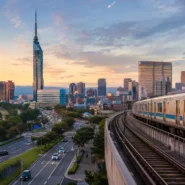
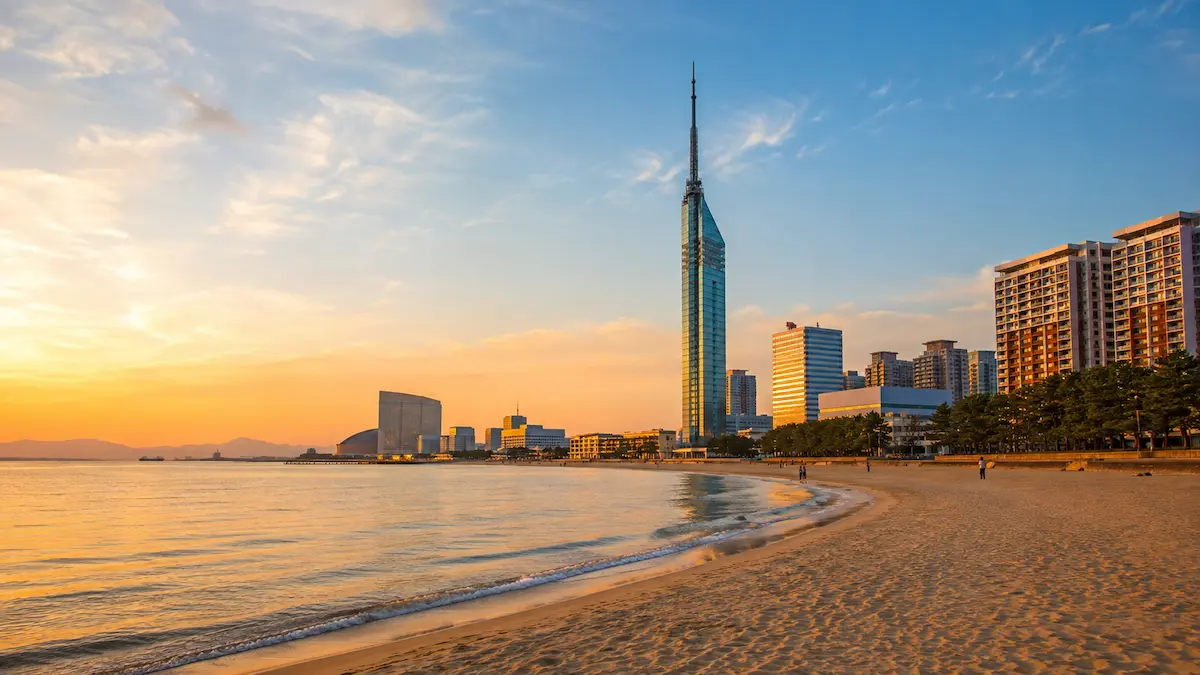
Momochi provides Fukuoka’s modern waterfront contrast: Fukuoka Tower, a man-made beach, the dome and entertainment facilities around BOSS E・ZO FUKUOKA. It works best as a focused half-day or evening rather than a compulsory stop on a two-day city break.
The official tourism information notes that Fukuoka Tower is much closer to its bus stops than to the nearest subway station; walking from Nishijin Station can take around 20 minutes. This is exactly the kind of small transport detail that turns a simple-looking stop into a tiring detour.
What to prioritise: Sunset at the waterfront, Fukuoka Tower on a clear day, a baseball game when schedules align, or teamLab Forest Fukuoka for an indoor family or rainy-day activity.
What may be overhyped: Momochi Beach is pleasant but man-made, and it should not be sold as an essential Japanese beach experience. Fukuoka Tower’s value also depends heavily on visibility; a cloudy, hazy afternoon weakens the payoff.
✅ What Other Travelers Say
Visitors generally like combining the tower and waterfront rather than travelling out for only one attraction. Families appreciate the cluster of indoor activities, shopping and open space, while couples often prefer the area near sunset.
⚠️ The Catch (Things to Keep in Mind)
Momochi is less seamless by subway than central Fukuoka. Event days at the dome can create crowded buses and restaurants. Check the baseball or concert calendar before choosing the area for a quiet afternoon, and use a direct bus where practical instead of assuming the subway is always easiest.
📍 Dazaifu: Best for History, Shrines and a Manageable Half-Day Trip
Best for: First-time cultural sightseeing, shrine visits, plum blossoms, families, museum lovers
Dazaifu is the easiest cultural day trip for most first-time visitors. Dazaifu Tenmangu, the approach street and surrounding greenery provide a stronger sense of historic Japan than central Fukuoka’s modern shopping districts. The shrine’s official guide recommends beginning early for a calmer visit and confirms that the core experience can fit into half a day.
From Tenjin, the standard rail route uses Nishitetsu services with a transfer at Nishitetsu Futsukaichi. From Hakata, a direct bus may look easier, but road traffic can make journey times less predictable. Choose based on your hotel location and time of day rather than following one universal recommendation.
What to prioritise: Arrive before the biggest groups, walk beyond the first shopping stretch, see the shrine grounds slowly, try freshly grilled umegae mochi and add the Kyushu National Museum only if you have at least several extra hours.
What may be overhyped: The Starbucks on the approach is architecturally distinctive, but queuing for a drink there can consume disproportionate time. Photograph it from outside and prioritise the shrine unless the café itself is one of your main interests.
✅ What Other Travelers Say
Travellers commonly find Dazaifu worthwhile but more enjoyable early in the day. Many like the combination of shrine, snack street and museum. Visitors who arrive around midday on weekends are more likely to focus on crowding and queues.
⚠️ The Catch (Things to Keep in Mind)
Dazaifu attracts millions of visitors, school groups and tour buses. A half-day is realistic for the shrine and approach, but not for every temple, museum and mountain-side attraction. The official access information indicates journeys of roughly 30 minutes or more depending on origin and mode; allow additional waiting and transfer time.
📍 Itoshima: Best for Coastal Scenery — If You Solve the Transport First
Best for: Road trips, coastal cafés, couples, photography, seafood, relaxed full-day outings
Itoshima is beautiful, but the phrase “easy day trip from Fukuoka” hides an important detail: the railway gives access to parts of Itoshima, while the famous coastline, cafés, waterfalls and photo stops are scattered beyond a single walkable centre.
Sakurai Futamigaura is reachable by bus, including certain routes from central Fukuoka, but service frequency and connections limit spontaneity. A rental car or well-routed tour makes it much easier to combine several locations. This is one place where paying for transport can save enough time to improve the whole day.
What to prioritise: Choose two or three stops based on weather and season, not an online list of ten. Sakurai Futamigaura, a seafood lunch and one café or nature stop create a satisfying day. Leave room for coastal traffic and queues.
What may be overhyped: Social-media swings, angel-wing walls and themed cafés can feel staged and busy. They are optional photo stops, not the reason Itoshima is worth visiting. The coastline, food and slower atmosphere are the stronger experience.
✅ What Other Travelers Say
Travellers with a car or organised tour usually report a smoother and more varied day. Public-transport visitors often enjoy the places they reach but underestimate waiting time and the difficulty of linking distant coastal stops.
⚠️ The Catch (Things to Keep in Mind)
Do not improvise a multi-stop Itoshima day after breakfast. Check bus times in both directions, note the final practical return service and keep a weather backup. Some rural or coastal businesses close on irregular weekdays, and taxis may not be waiting where you expect them.
What to Eat Without Wasting Half the Trip in Queues
- Hakata ramen: Try it once at a respected shop, but remember that richer tonkotsu broth is not universally loved. Order a standard bowl before adding multiple toppings or noodle refills.
- Hakata udon: Softer noodles and a gentle broth provide an excellent contrast to ramen, especially for breakfast or a light lunch.
- Motsunabe: Best for groups or cold-weather dinners. Reserve popular restaurants and confirm the minimum order or portion rules.
- Mizutaki: A worthwhile chicken hotpot when you want a slower, more traditional meal. It is usually a bigger time and budget commitment than ramen.
- Gomasaba: Sesame-dressed mackerel is a strong local choice, but raw fish quality and availability matter. Choose a reputable seafood restaurant.
- Yatai: Go for atmosphere, small dishes and conversation. Check prices before ordering, carry cash and avoid treating one famous stall as your only dinner plan.
When to Visit Fukuoka
Spring: Comfortable for walking, with late-March to early-April cherry blossoms in a typical year. Accommodation can become expensive around peak bloom and holidays.
Early summer: Green and lively, but rain can disrupt outdoor plans. Build indoor alternatives into the itinerary.
July and August: Hot and humid. The average August temperature in Fukuoka is high by sightseeing standards, so begin outdoor days early and avoid stacking distant exposed areas.
Autumn: Often the easiest season for long walks, food and day trips. It is an excellent first-visit window when dates are flexible.
Winter: Cooler and generally manageable, with hotpot, ramen and fewer heat-related transport frustrations. Coastal wind and short daylight still affect outdoor plans.
Key FAQs
How many days do first-time visitors need in Fukuoka?
Three full days is the practical minimum for central Fukuoka, Ohori Park, Tenjin, Nakasu and a Dazaifu half-day. Four days is better if you want Itoshima, Momochi or a longer Kyushu excursion without rushing. Two days can work, but you should skip Itoshima and choose either Dazaifu or Momochi rather than both.
Where should first-time visitors stay in Fukuoka: Hakata or Tenjin?
Stay in Hakata for the simplest airport connection, Shinkansen travel, large luggage and frequent day trips. Stay in Tenjin for restaurants, nightlife, shopping and easier Nishitetsu access to Dazaifu. Nakasu is central but can be noisy; it is better for travellers who actively want nightlife rather than families seeking quiet sleep.
Is Fukuoka worth visiting on a first trip to Japan?
Yes, especially for travellers who value food, compact sightseeing, easier airport access and a less intense city experience than Tokyo or Osaka. However, Fukuoka is not a substitute for Kyoto if your priority is a dense concentration of major temples and historic architecture. Its appeal comes from liveability, food, waterfronts and access to wider Kyushu.
Final Verdict and Your Next Step
Fukuoka is one of Japan’s easiest cities to enjoy and one of the easiest to overplan. The winning first trip is not the itinerary with the most pins. It is the one that protects your time: Hakata for transport, Tenjin for evenings, one central sightseeing cluster per half-day, Dazaifu early, and Itoshima only after solving the transport.
Choose Hakata if you have two or three nights, large suitcases, an early flight, children or several rail day trips. Choose Tenjin if food, shopping, cafés and nightlife matter more than instant Shinkansen access. Avoid using Nakasu as the default compromise unless you have checked recent hotel noise reviews. Book Itoshima transport instead of hoping rural connections line up on the day.
Book accommodation early for cherry blossom season, Japanese holiday periods, major concerts, baseball weekends and festival dates. The best-value rooms within a genuinely easy walk of Hakata or Tenjin disappear before the less convenient options.
Compare Fukuoka hotels on Agoda
Check Fukuoka availability on Booking.com
Browse Fukuoka attraction tickets and day tours on Klook
Compare Fukuoka activities and transport options on KKday
Reserve the hotel first, then lock in any limited-seat restaurant, seasonal train, Itoshima tour or long-distance day trip. Keep the remaining meals and neighbourhood walks flexible. That balance gives first-time visitors the best version of Fukuoka: easy, delicious and unhurried rather than a sequence of preventable transfers.